
- English
- Chinese
- French
- German
- Portuguese
- Spanish
- Russian
- Japanese
- Korean
- Arabic
- Irish
- Greek
- Turkish
- Italian
- Danish
- Romanian
- Indonesian
- Czech
- Afrikaans
- Swedish
- Polish
- Basque
- Catalan
- Esperanto
- Hindi
- Lao
- Albanian
- Amharic
- Armenian
- Azerbaijani
- Belarusian
- Bengali
- Bosnian
- Bulgarian
- Cebuano
- Chichewa
- Corsican
- Croatian
- Dutch
- Estonian
- Filipino
- Finnish
- Frisian
- Galician
- Georgian
- Gujarati
- Hausa
- Hawaiian
- Hebrew
- Hmong
- Hungarian
- Icelandic
- Igbo
- Javanese
- Kannada
- Kazakh
- Khmer
- Kurdish
- Kyrgyz
- Latin
- Latvian
- Lithuanian
- Luxembou..
- Macedonian
- Malagasy
- Malay
- Malayalam
- Maltese
- Maori
- Marathi
- Mongolian
- Burmese
- Nepali
- Norwegian
- Pashto
- Persian
- Punjabi
- Serbian
- Sesotho
- Sinhala
- Slovak
- Slovenian
- Somali
- Samoan
- Scots Gaelic
- Shona
- Sindhi
- Sundanese
- Swahili
- Tajik
- Tamil
- Telugu
- Thai
- Ukrainian
- Urdu
- Uzbek
- Vietnamese
- Welsh
- Xhosa
- Yiddish
- Yoruba
- Zulu
- Kinyarwanda
- Tatar
- Oriya
- Turkmen
- Uyghur



Certificate vegetarian capsules size 000
The Intricacies of Certificate Vegetarian Capsules Size 000
Certificate vegetarian capsules, especially in size 000, are more than just empty containers for supplements. They're a critical component in ensuring consumer safety and product effectiveness. From material sourcing to production, each step holds its own set of challenges that demand careful consideration.
Material Selection and Ethical Considerations
In the realm of capsule production, choosing the right materials is fundamental. Vegetarian capsules often use HPMC (Hydroxypropyl Methylcellulose) due to its plant-based origin, aligning with vegan and vegetarian dietary restrictions. Yet, even with such a seemingly straightforward choice, there's more than meets the eye.
For instance, the sourcing of these materials can significantly impact the final product's quality. If not carefully monitored, impurities can lead to issues during manufacturing, affecting capsule integrity. Moreover, there’s a constant balancing act between ensuring ethical sourcing while maintaining cost-effectiveness.
Suqian Kelaiya International Trading Co., Ltd, a company dedicated to innovative drug development and quality manufacturing, often navigates these complexities. With two major sites in Zhejiang and Jiangsu, their focus remains on ensuring both sustainability and quality, crucial for the industry.
Manufacturing Challenges of Size 000 Capsules
The size 000 is among the largest available, catering to consumers needing higher doses in fewer pills. However, with such a size comes unique manufacturing challenges. Ensuring uniform wall thickness and consistent sealing is more difficult due to the increased surface area.
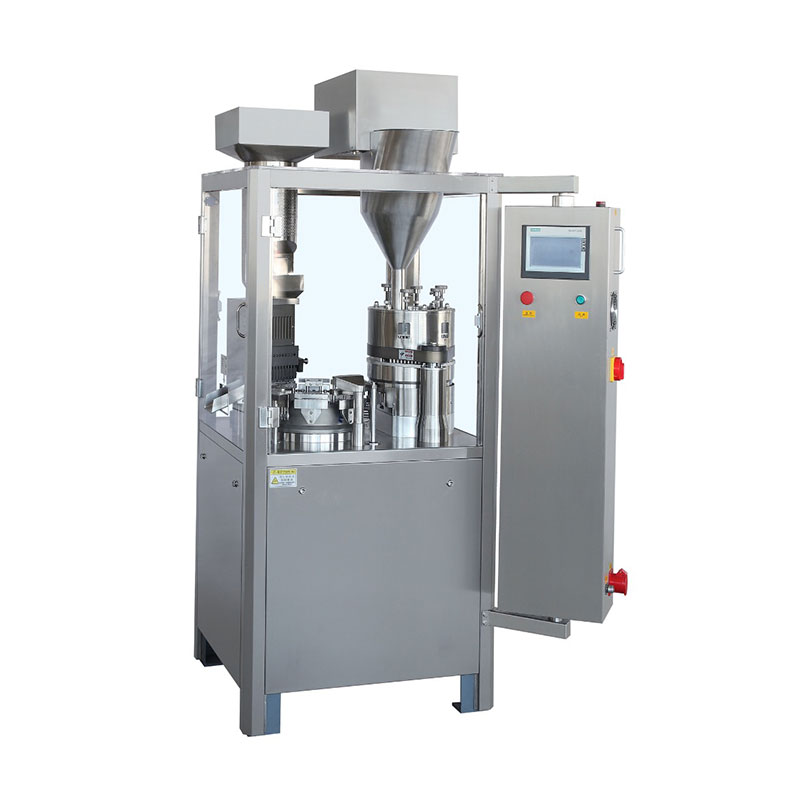
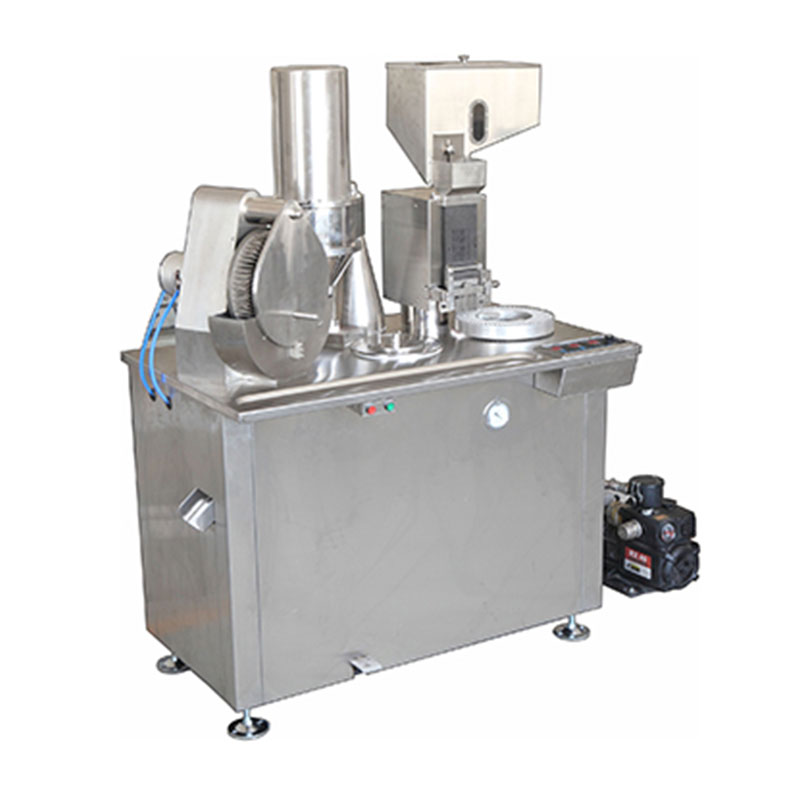
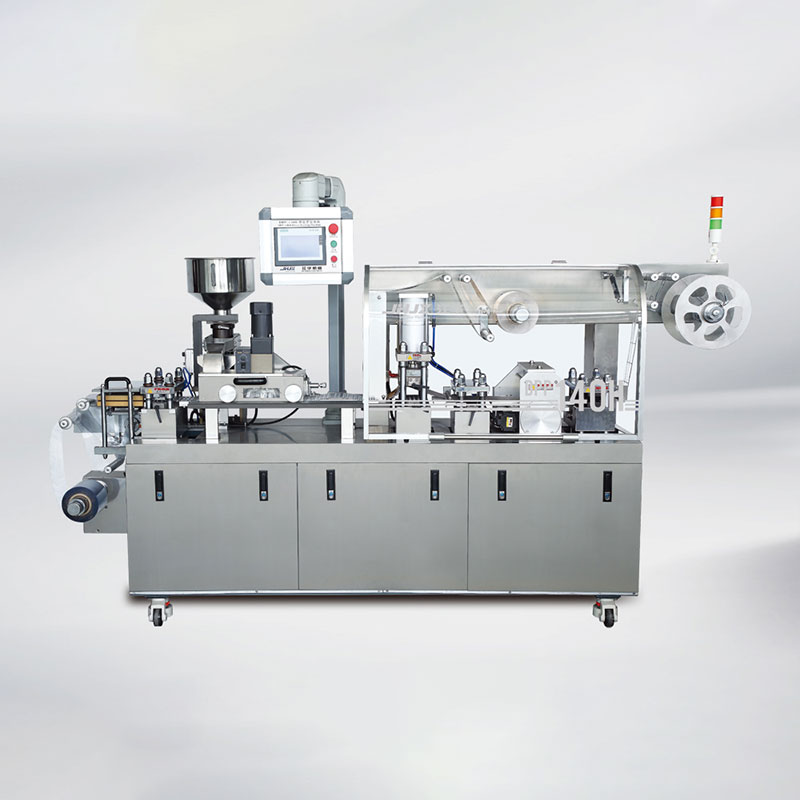
In my own experience working on the manufacturing floor, achieving this consistency requires precise calibration of the machinery. Even minor deviations can lead to noticeable defects, resulting in unusable batches. This is where companies, like Suqian Kelaiya Corp., utilize state-of-the-art capsule filling and blister machines to maintain production standards.
Additionally, controlling environmental factors such as humidity and temperature in the production facilities is vital. These factors can significantly affect the capsules' moisture content, potentially leading to brittleness or deformation during processing and storage.
Certification and Quality Assurance
Obtaining certifications for these vegetarian capsules is a rigorous process. Regulatory requirements demand thorough quality checks, and achieving certifications like GMP (Good Manufacturing Practice) is essential. This process assures the consumer of safety and quality, particularly for sensitive products like pharmaceuticals and supplements.
From personal observations, I've seen quality assurance teams tirelessly verify every production batch, ensuring adherence to international standards. This vigilance is non-negotiable in the industry and a point of pride for companies operating at a high standard, such as Suqian Kelaiya Corp.
Understanding documentation and maintaining meticulous records is another critical aspect. Certification bodies require clear traceability from material input to end product, which means additional layers of administrative diligence.
Market Demand and Consumer Preferences
The demand for vegetarian capsules has surged, fueled by rising consumer awareness and preference for plant-based products. However, meeting this demand is not without its intricacies.
Consumer preferences lean towards not just dietary restrictions but also considerations such as allergen reduction and non-GMO status. Adjusting production lines to incorporate these additional specifications requires investment in both time and resources.
Such consumer-driven adjustments resonate with Suqian Kelaiya Corp.'s ethos, providing tailored solutions that meet individual client needs. The challenge remains to balance customization with the scalability of operations, ensuring that market demands don't outpace production capability.
Future Trends and Technological Innovations
The vegetarian capsule industry, especially in categories like size 000, is constantly evolving with technological advancements. Innovations are directed towards enhancing material sources and improving manufacturing techniques.
3D printing technologies, for instance, are being explored for their potential to revolutionize capsule production, offering greater precision and reduced material waste. Although still in early stages, such developments promise significant shifts in how companies approach manufacturing.
Looking ahead, it's reasonable to anticipate that pioneers in this field, like Suqian Kelaiya Corp., will lead the charge in integrating these technologies, setting new benchmarks for quality and efficiency. Their dedication to continuous improvement is a testament to their role as industry leaders, ushering in a new era of capsule manufacturing. For more information, you can explore their commitments and innovations at their website.
Related Products
Related Products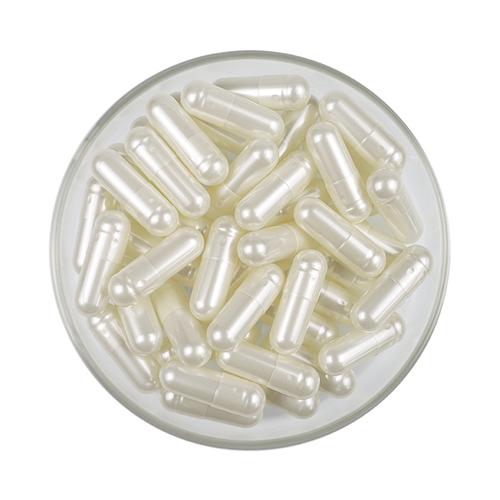
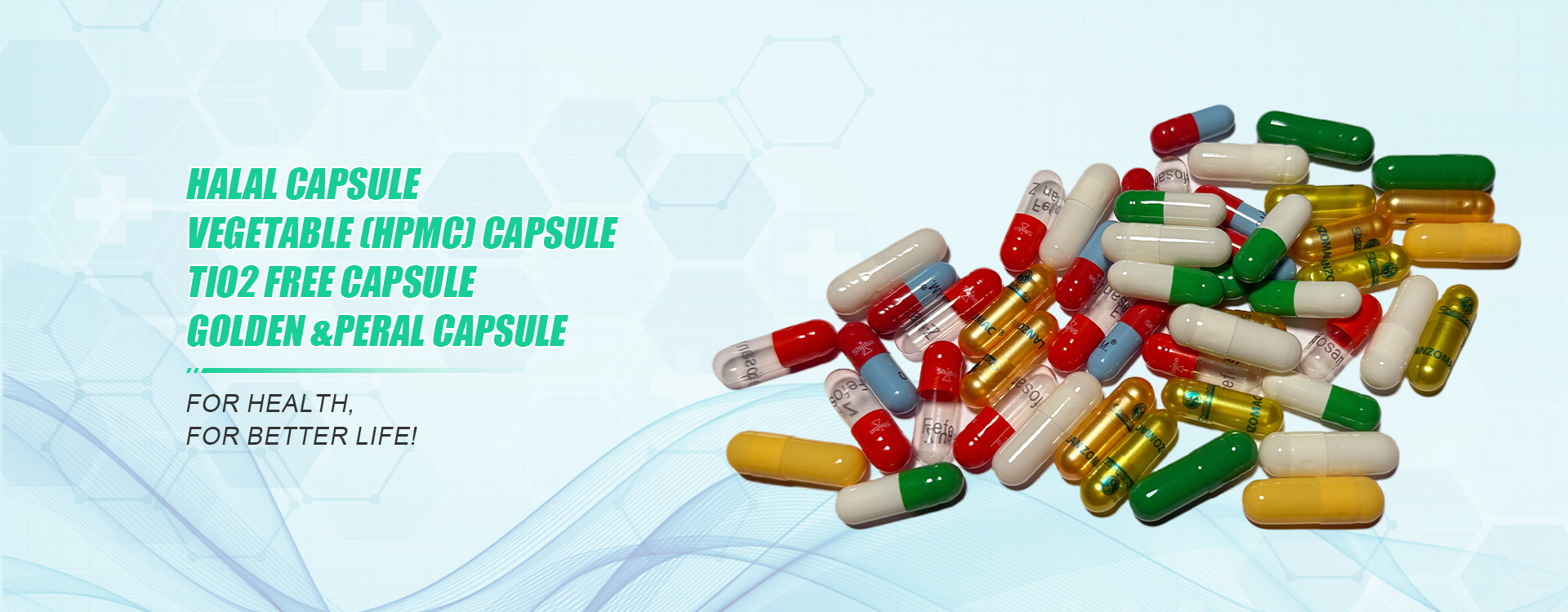
Best Selling Products
Best Selling Products-
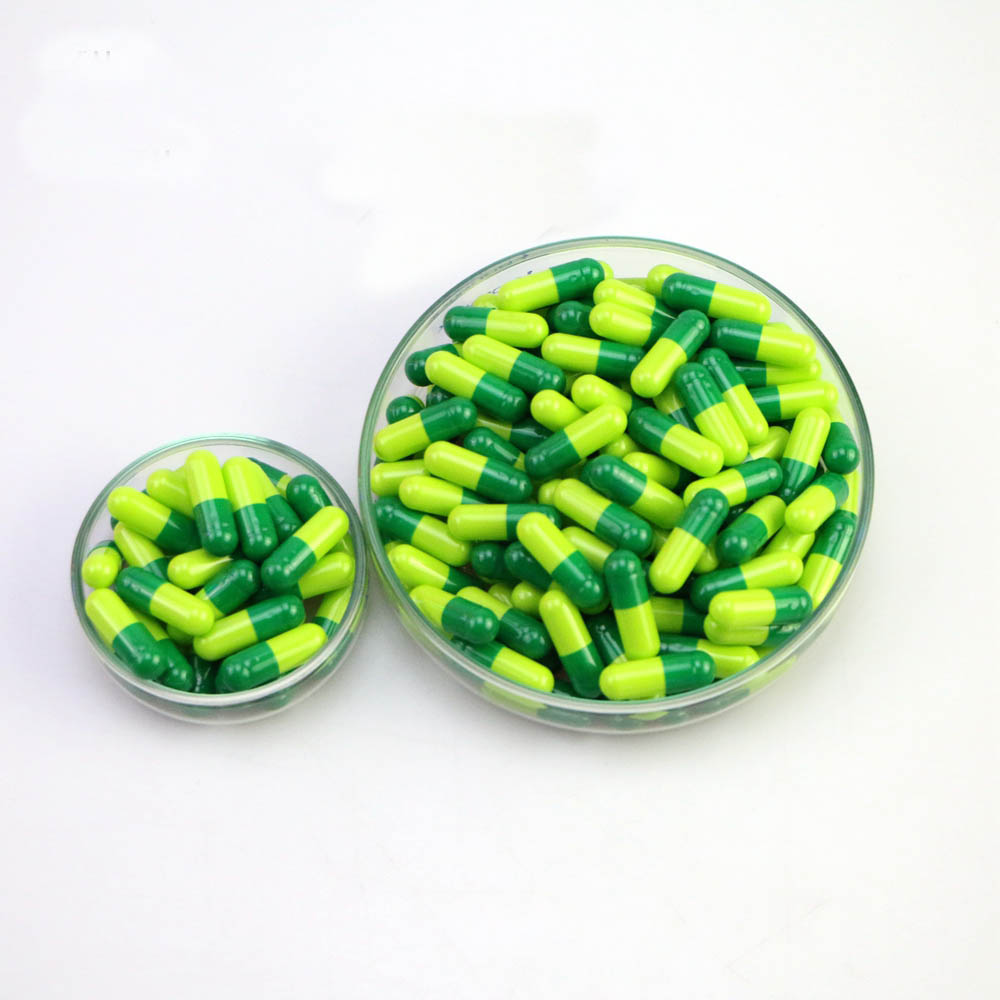 Halal empty hard geltin capsule
 -
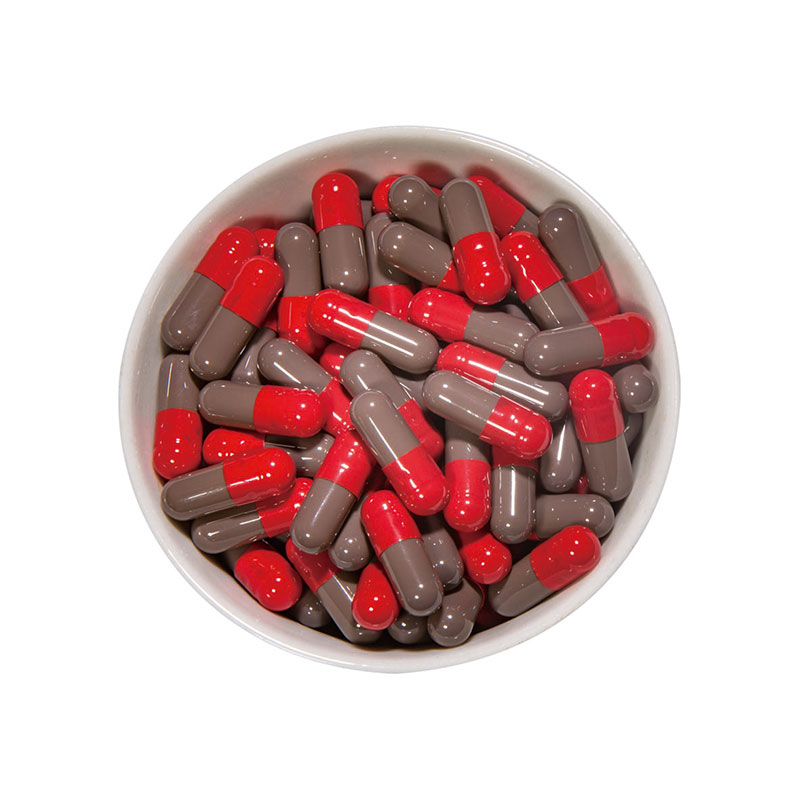 TIO2 free gelatin CAPSULE
 -
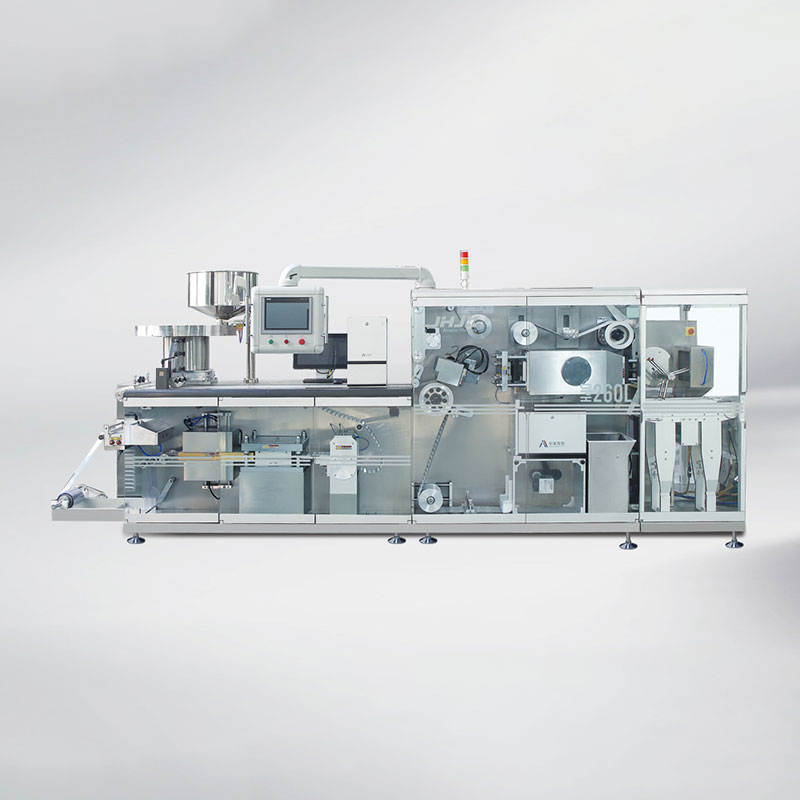 DPH-260L Roll-plate Blister Packaging Machine
 -
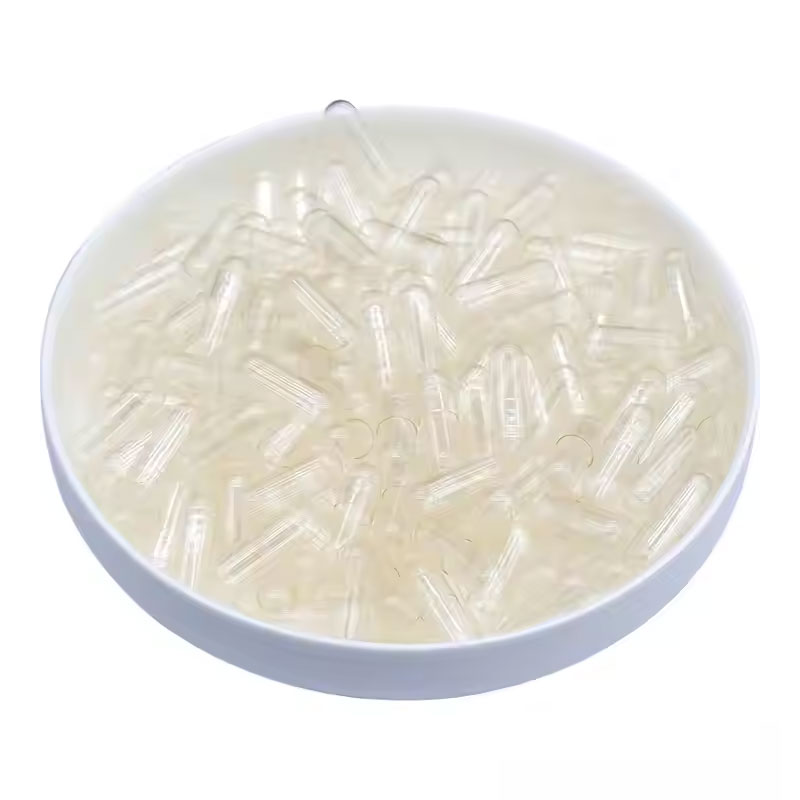 EMPTY VEGATABLE CAPSULE CLEAR SIZE 0
 -
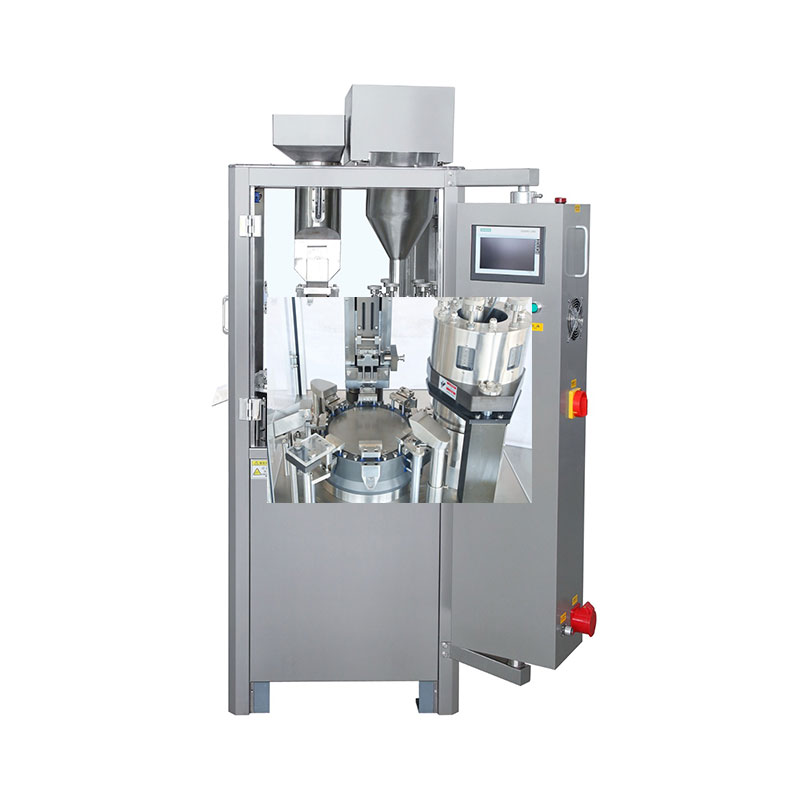 NJP-200 Model Fully Automatic Capsule Filling Machine
 -
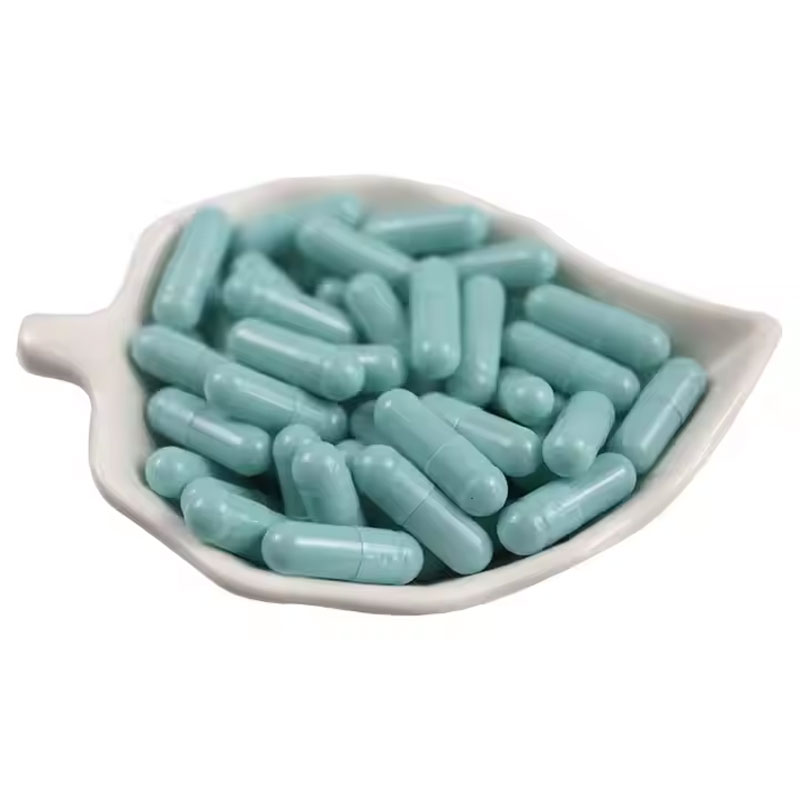 Vegetarian Separated Capsules HPMC Capsules Separated Wholesale Vegetarian Capsules Discount for Bulk Orders
 -
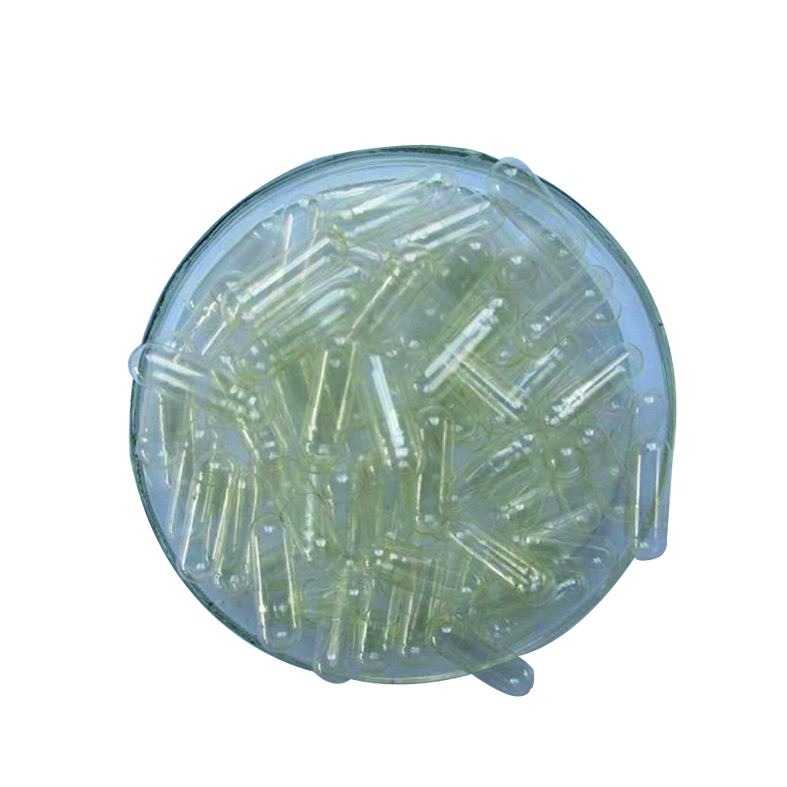 Halal Certificate Empty Clear Hard Gelatin Capsules Shell Size 0
 -
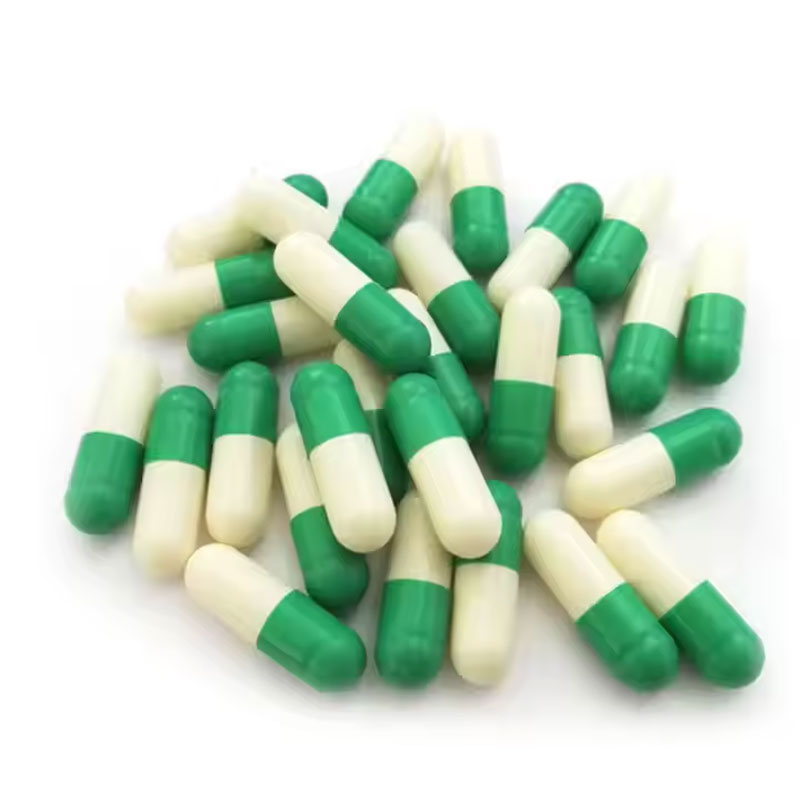 Size 00 hpmc capsules vegetarian capsules empty hard veggie capsules
 -
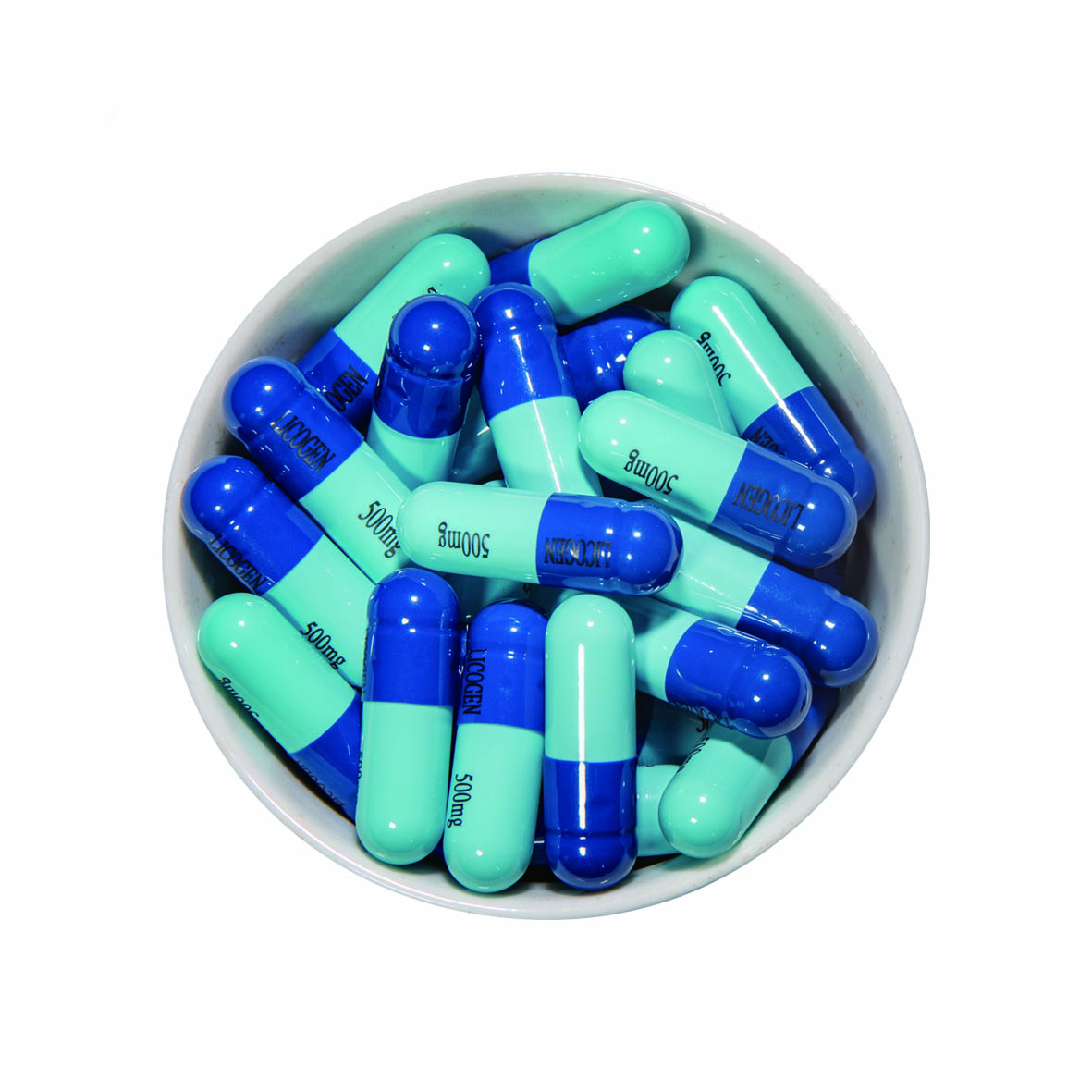 Hard Gelatin Empty Capsule Shell Size 00 0 1 2 3 4
 -
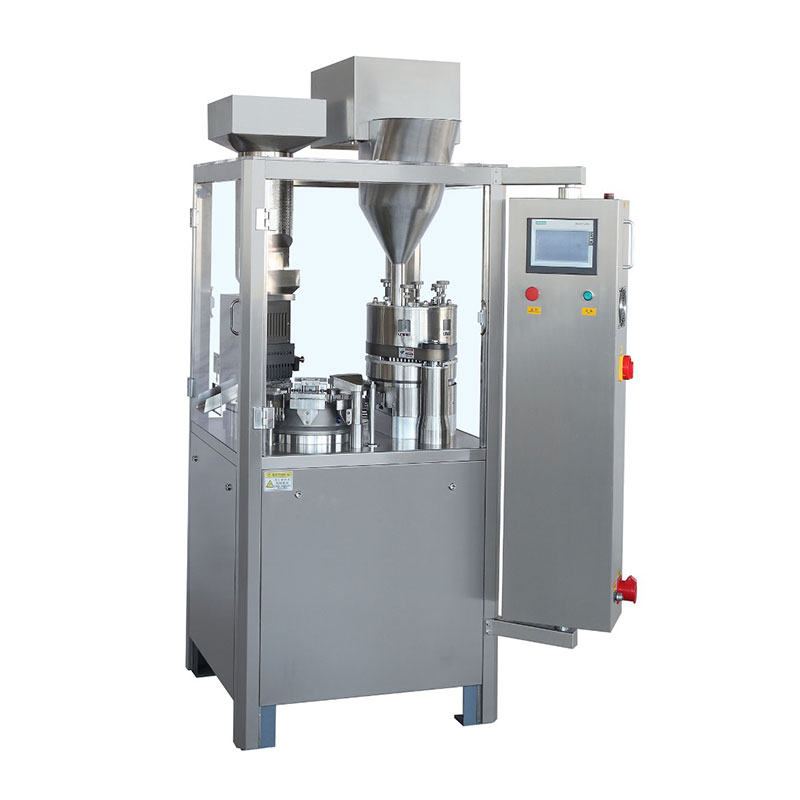 NJP-1200 Automatic Capsule Filling Machine
 -
 Hpmc Capsules Product Plant Vegetarian Size 00 0 Capsule Shell
 -
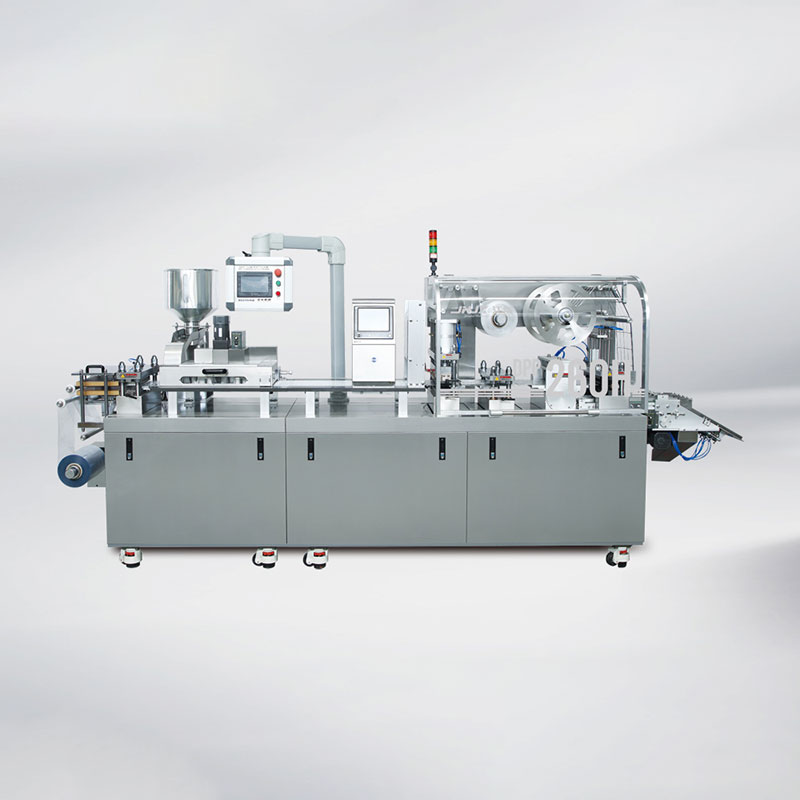 DPP-260H_DPP-320H Flat-plate Blister Packing Machine
Related Search
Related Search- semi manual capsule filling machine
- high quality capsule filling machines professional
- Discount BOVINE HARD GELATIN CAPSULE
- Discount size 3 capsule filling machine
- OEM size 00 capsule filler
- Certificate 00 veggie capsules
- Certificate capsu fill capsule filling machine
- Best size 0 capsule filling machine
- Certificate OEM/ODM Service Empty Separated clear Gelatin Capsules 00 Size
- high quality 000 capsule filling machine