
- English
- Chinese
- French
- German
- Portuguese
- Spanish
- Russian
- Japanese
- Korean
- Arabic
- Irish
- Greek
- Turkish
- Italian
- Danish
- Romanian
- Indonesian
- Czech
- Afrikaans
- Swedish
- Polish
- Basque
- Catalan
- Esperanto
- Hindi
- Lao
- Albanian
- Amharic
- Armenian
- Azerbaijani
- Belarusian
- Bengali
- Bosnian
- Bulgarian
- Cebuano
- Chichewa
- Corsican
- Croatian
- Dutch
- Estonian
- Filipino
- Finnish
- Frisian
- Galician
- Georgian
- Gujarati
- Hausa
- Hawaiian
- Hebrew
- Hmong
- Hungarian
- Icelandic
- Igbo
- Javanese
- Kannada
- Kazakh
- Khmer
- Kurdish
- Kyrgyz
- Latin
- Latvian
- Lithuanian
- Luxembou..
- Macedonian
- Malagasy
- Malay
- Malayalam
- Maltese
- Maori
- Marathi
- Mongolian
- Burmese
- Nepali
- Norwegian
- Pashto
- Persian
- Punjabi
- Serbian
- Sesotho
- Sinhala
- Slovak
- Slovenian
- Somali
- Samoan
- Scots Gaelic
- Shona
- Sindhi
- Sundanese
- Swahili
- Tajik
- Tamil
- Telugu
- Thai
- Ukrainian
- Urdu
- Uzbek
- Vietnamese
- Welsh
- Xhosa
- Yiddish
- Yoruba
- Zulu
- Kinyarwanda
- Tatar
- Oriya
- Turkmen
- Uyghur


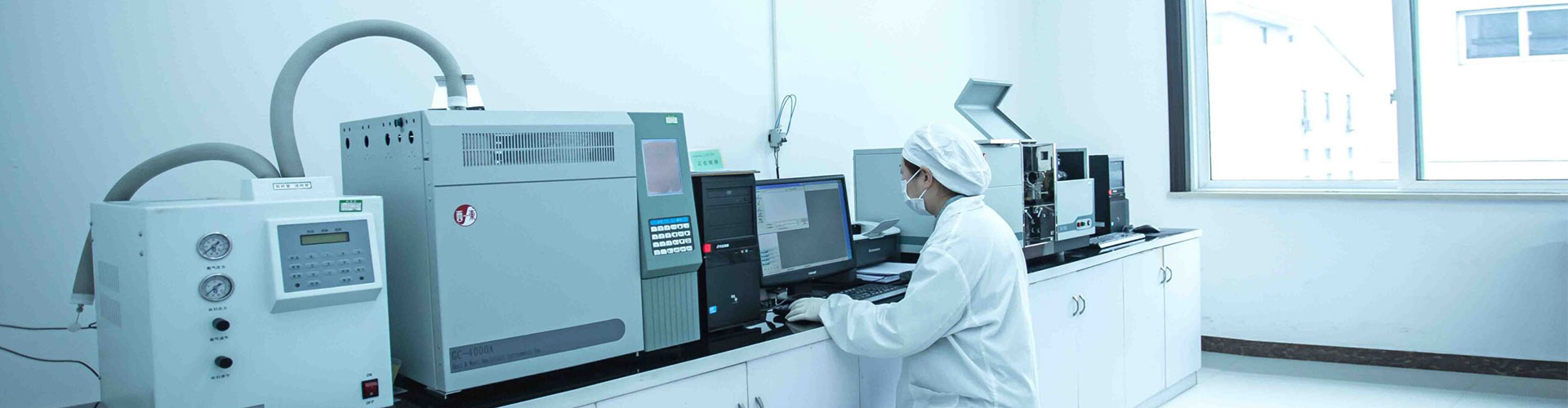
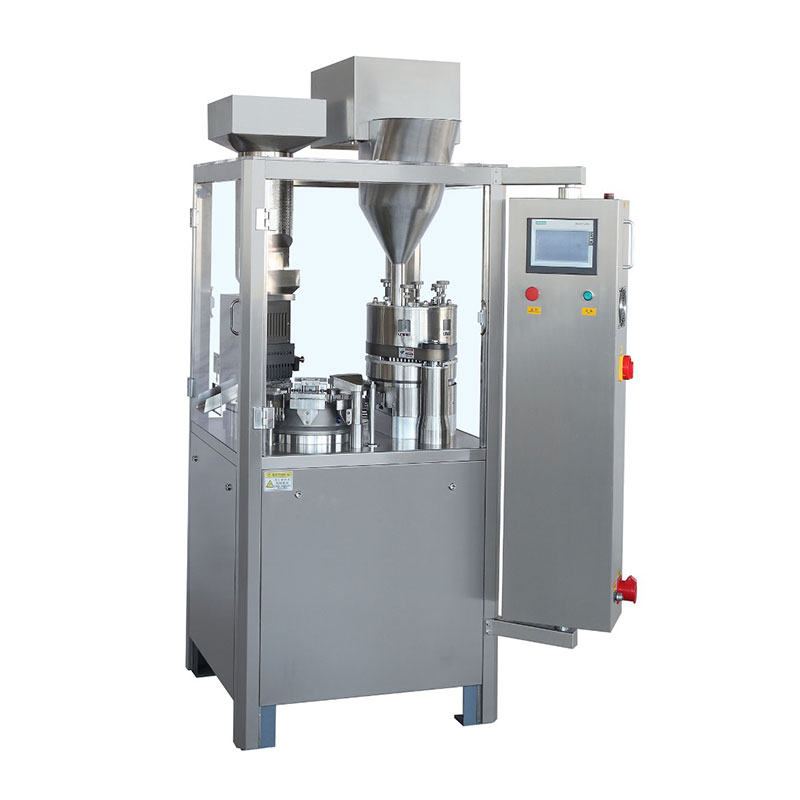
Certificate NJP-1200 automatic capsule filling machine
The Nuances of Operating the NJP-1200 Automatic Capsule Filling Machine
For those in the pharmaceutical manufacturing industry, the NJP-1200 automatic capsule filling machine represents a significant advancement. However, with technological innovation comes a whirlwind of misunderstandings. First-time operators often assume it's as simple as loading capsules and pressing start, but the nuances of its functionality reveal a different story. This piece aims to demystify this complex machinery, based on hands-on experiences and industry insights.
Understanding the Basic Operations
The first step to mastering any technology is understanding its basic operations. The NJP-1200 is celebrated for its precision and efficiency. Unlike older models, this machine automates the entire process from capsule loading to filling, sealing, and ejection. Efficiency doesn't mean foolproof, and initial runs can be challenging. Many operators initially underestimate the importance of correctly setting up the machine. A tiny error in setup can lead to wastage, impacting both productivity and costs.
It's crucial to calibrate the machine according to the desired fill weight and capsule size. To do this right, familiarity with its control panel and settings menu is vital. Often, folks overlook this in favor of speed, leading to unnecessary errors. During my first experience, I learned to appreciate the importance of patience, spending extra time on setup rather than rushing through operations.
There's also the matter of maintenance—a component often overshadowed by the excitement of production. Regular inspection ensures longer machine life and consistent output. The user manual might look dense, but it's a treasure trove of insights, guiding preventive maintenance tasks that keep the NJP-1200 in peak condition.
Common Challenges and Troubleshooting
Even with the NJP-1200's advanced automation, challenges arise. Capsule jamming, for instance, is a frequent hiccup often caused by improper alignment. A common rookie mistake is assuming any fit will work. Here, precision is key, and checking alignment meticulously can save time down the road.
Another hurdle could be inconsistent fill weights, often traced back to incorrect powder formulations or humidity levels. The NJP-1200 is sensitive to its environment, and any fluctuation can skew results. Regular testing of fill weights helps catch this early. In one instance, adjusting room humidity solved our issue, highlighting the importance of environmental control.
There’s a lesson in every error. Consistent monitoring and logging of machine performance aid in identifying patterns of failure, allowing preemptive measures. It’s a process of continuous learning, tailored by individual manufacturing environments.
Enhancing Efficiency and Productivity
To maximize the potential of the NJP-1200, tweaking processes for efficiency is crucial. This machine allows for speed adjustments depending on the complexity of the fill material. Running machine cycles at optimal speeds reduces wear and tear while maintaining output quality.
Another method to boost productivity is through staff training. While the NJP-1200 simplifies numerous tasks, operators' understanding of its intricacies can refine output quality. Training sessions that focus on error troubleshooting and efficiency tricks can pay off exponentially in speed and output consistency.
From an operational perspective, optimizing supply chain logistics—such as timing the delivery of raw ingredients—ensures that the machine runs uninterrupted, maximizing throughput. Leveraging such logistical insights aids in minimizing downtime.
Case Studies and Practical Applications
In our experience at SUQIAN KELAIYA INTERNATIONAL TRADING CO., LTD, aligning our processes with the NJP-1200's capabilities resulted in substantial improvements. We observed a significant uptick in output when we focused on integrating machine run times with workforce schedules, effectively reducing idle periods.
Real-life application revealed that cross-checking machine settings with batch records reduced discrepancies. This attention to detail illuminated gaps in our previous processes, which were subsequently addressed, leading to enhanced batch consistency.
For companies like ours, involved in the comprehensive chain from drug development to manufacturing, the NJP-1200 offers more than just production capabilities. It serves as a learning platform, evolving with us as we streamline operations and innovate further.
The Future of Capsule Filling Machines
Looking forward, the NJP-1200 and machines like it will likely continue to integrate AI, further simplifying operations. This shift would allow operators to focus on higher-level decision-making rather than mundane tasks. Already, our operations at Suqian kelaiya corp. reflect steps toward such future innovations.
There may soon come a time when machines, in conjunction with smart factories, self-diagnose and remedy issues without human intervention. It’s a future that’s not far off, as companies like ours are already emphasizing automation and technology integration.
Ultimately, the session with the NJP-1200 is a testament to how much technology shapes our present-day pharmaceutical manufacturing landscape. As we look at its potential, it clears a path not just for efficiency but for a redefined industry standard.
Related Products
Related Products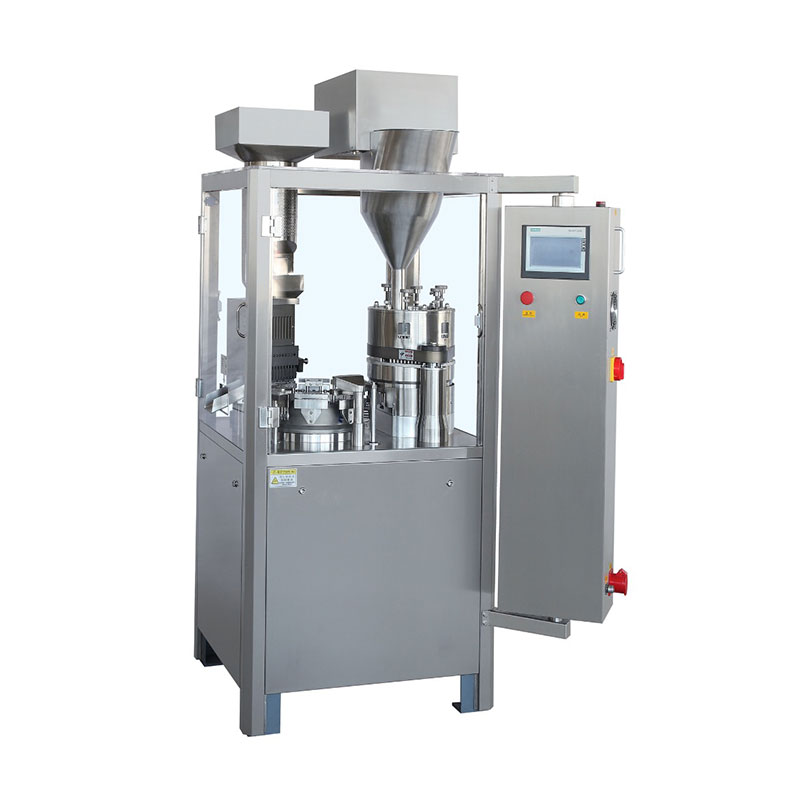

Best Selling Products
Best Selling Products-
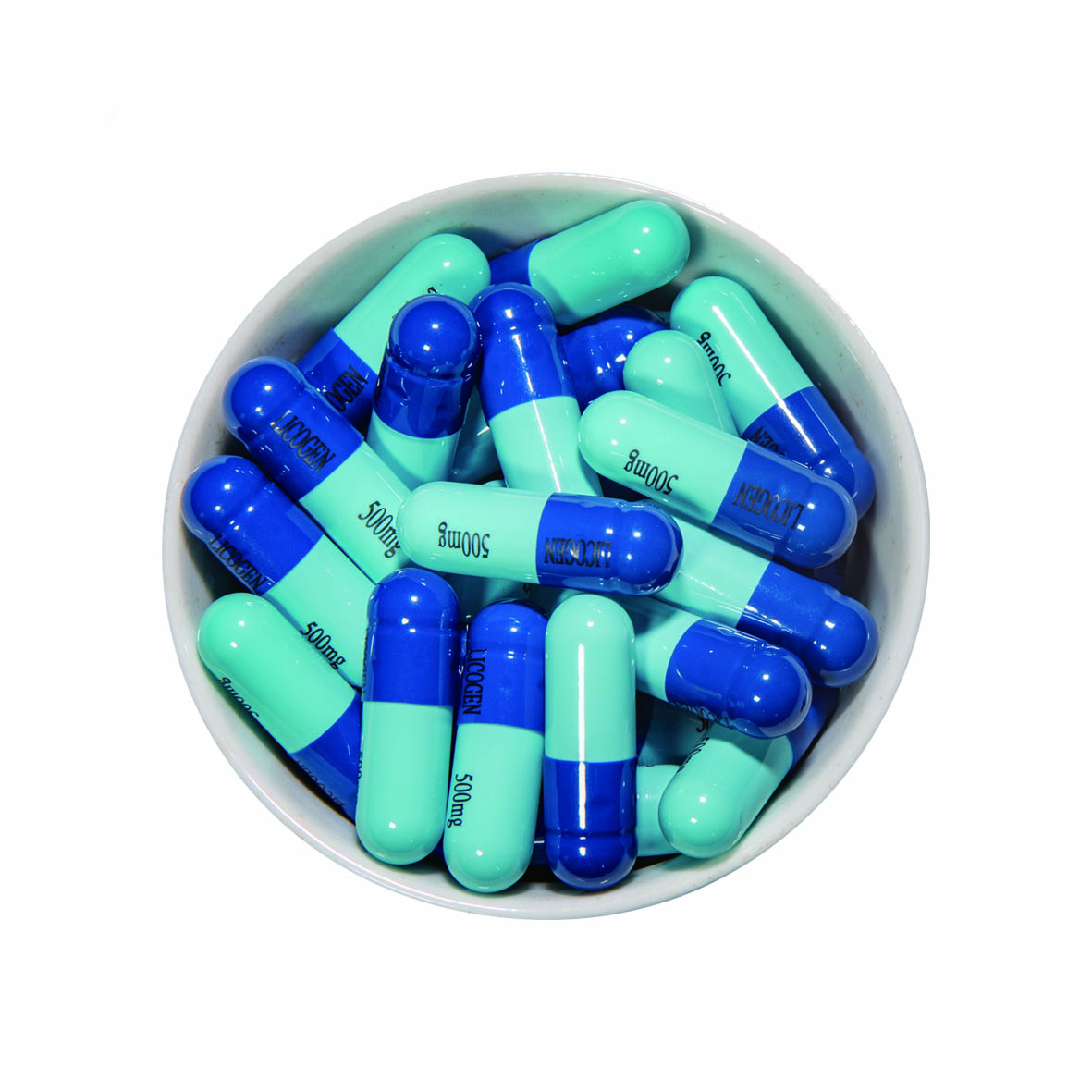 Hard Gelatin Empty Capsule Shell Size 00 0 1 2 3 4
 -
 Hpmc Capsules Product Plant Vegetarian Size 00 0 Capsule Shell
 -
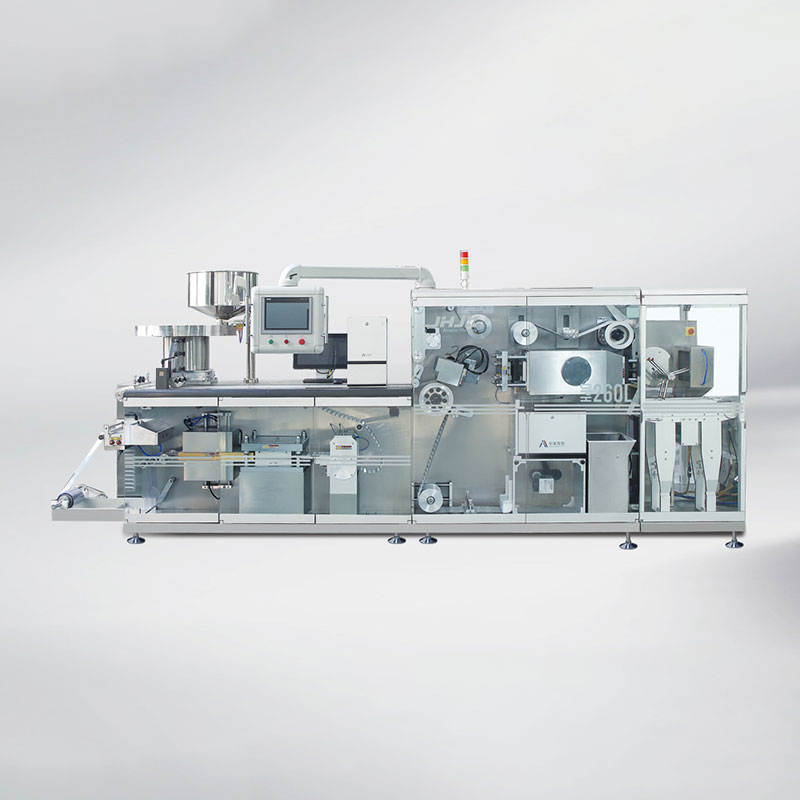 DPH-260L Roll-plate Blister Packaging Machine
 -
 Empty VegCaps Shell Clear Empty Vegan Plant-Based Capsules Size 00 0 1 2 3 4 Natural Vegetable HPMC Capsules
 -
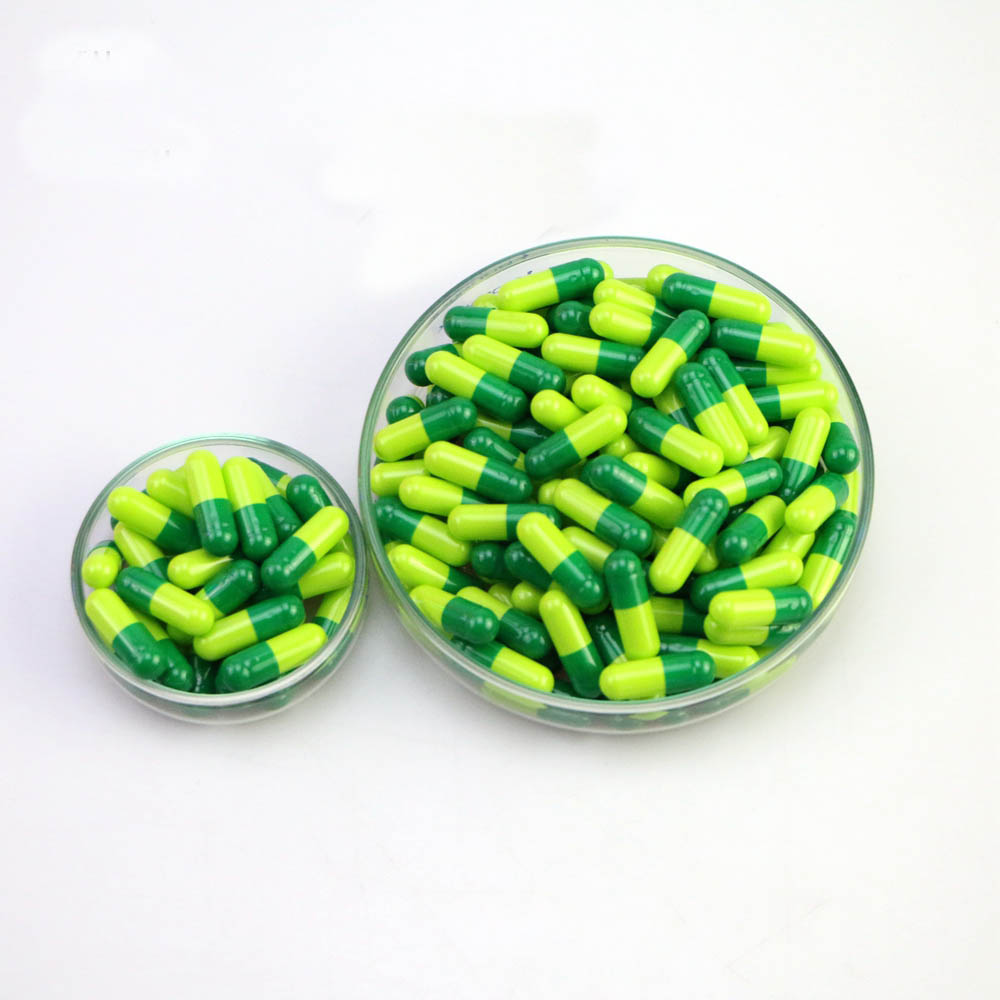 Halal empty hard geltin capsule
 -
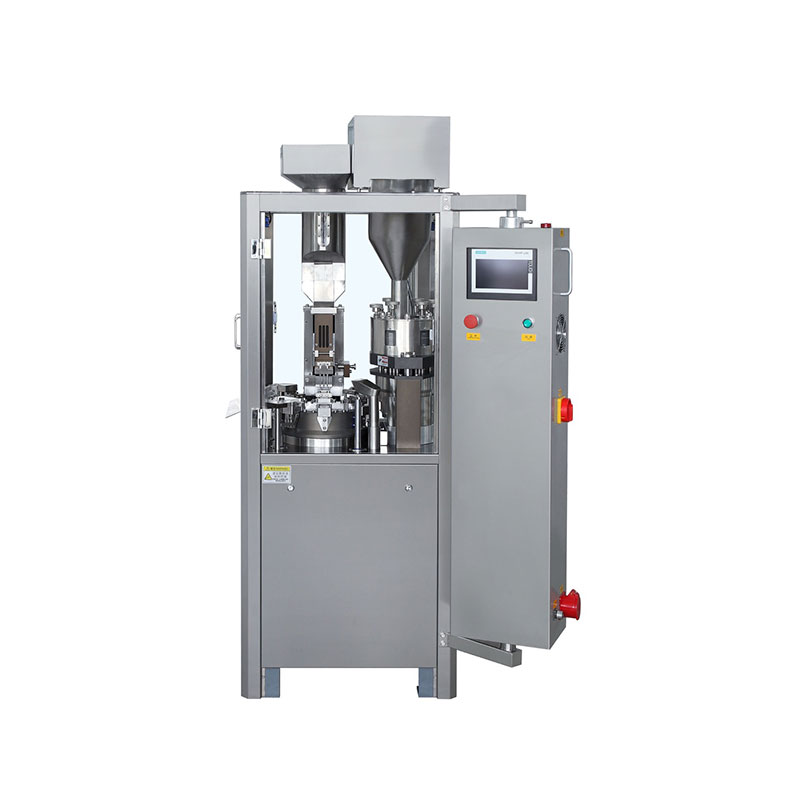 NJP-400 Fully Automatic Capsule Filling Machine
 -
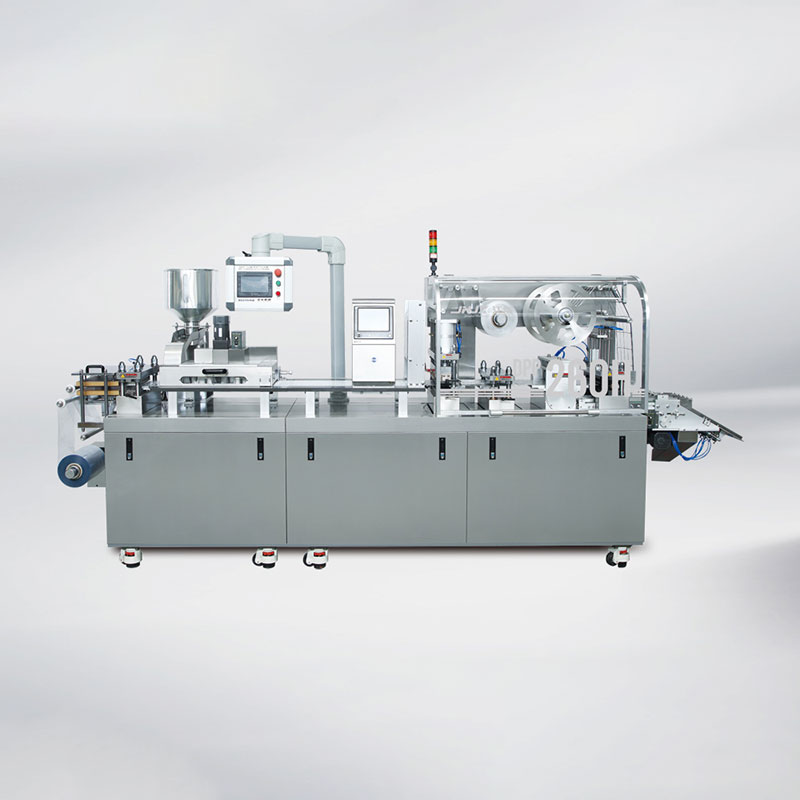 DPP-260H_DPP-320H Flat-plate Blister Packing Machine
 -
 EMPTY HPMC CAPSULE SIZE 00 CLEAR
 -
 TIO2 free gelatin CAPSULE
 -
 NJP-1200 Automatic Capsule Filling Machine
 -
 Halal Certificate Empty Clear Hard Gelatin Capsules Shell Size 0
 -
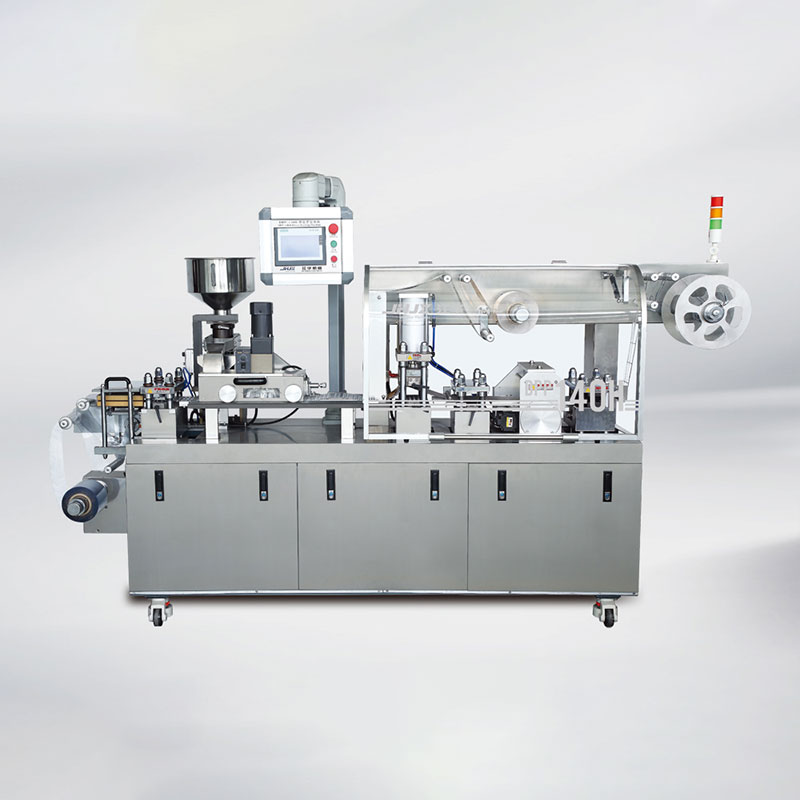 DPP-140H Flat-plate Blister Packing Machine
Related Search
Related Search- OEM pill capsule filling machine
- Certificate DPP 260 Blister machine
- Certificate capsule filler size 00
- pharma capsule filling machine
- Best size 0 capsule filling machine
- high quality BOVINE HARD GELATIN CAPSULE
- high quality 00 veggie capsules
- high quality TiO2 free Gelatin Capsule
- Best capsule powder filling machine
- Certificate capsule filler