
- English
- Chinese
- French
- German
- Portuguese
- Spanish
- Russian
- Japanese
- Korean
- Arabic
- Irish
- Greek
- Turkish
- Italian
- Danish
- Romanian
- Indonesian
- Czech
- Afrikaans
- Swedish
- Polish
- Basque
- Catalan
- Esperanto
- Hindi
- Lao
- Albanian
- Amharic
- Armenian
- Azerbaijani
- Belarusian
- Bengali
- Bosnian
- Bulgarian
- Cebuano
- Chichewa
- Corsican
- Croatian
- Dutch
- Estonian
- Filipino
- Finnish
- Frisian
- Galician
- Georgian
- Gujarati
- Hausa
- Hawaiian
- Hebrew
- Hmong
- Hungarian
- Icelandic
- Igbo
- Javanese
- Kannada
- Kazakh
- Khmer
- Kurdish
- Kyrgyz
- Latin
- Latvian
- Lithuanian
- Luxembou..
- Macedonian
- Malagasy
- Malay
- Malayalam
- Maltese
- Maori
- Marathi
- Mongolian
- Burmese
- Nepali
- Norwegian
- Pashto
- Persian
- Punjabi
- Serbian
- Sesotho
- Sinhala
- Slovak
- Slovenian
- Somali
- Samoan
- Scots Gaelic
- Shona
- Sindhi
- Sundanese
- Swahili
- Tajik
- Tamil
- Telugu
- Thai
- Ukrainian
- Urdu
- Uzbek
- Vietnamese
- Welsh
- Xhosa
- Yiddish
- Yoruba
- Zulu
- Kinyarwanda
- Tatar
- Oriya
- Turkmen
- Uyghur



Certificate kosher vegetable capsules
Understanding Certificate Kosher Vegetable Capsules
When it comes to dietary supplements, the use of Certificate kosher vegetable capsules is a topic that often raises questions. Are they really as pure as advertised? Does it matter for everyone, or only certain groups? These are the sort of inquiries I've encountered in my years working alongside companies like SUQIAN KELAIYA INTERNATIONAL TRADING CO., LTD, which specializes in new drug development and manufacturing.
The Basics of Kosher Certification
At its core, a kosher certification is about meeting rigorous dietary standards. For vegetable capsules, this involves ensuring that no gelatin—a common capsule ingredient derived from animal by-products—is used. This is where companies like Suqian Kelaiya Corp., with their expertise in capsule manufacturing, really shine. They operate facilities in both Zhejiang and Jiangsu provinces, focusing on compliant, high-quality products.
What I've discovered is that maintaining kosher certification isn’t just a one-time thing. It's about consistent oversight, regular audits, and a deep understanding of both religious standards and production protocols. This can be a real challenge, especially for newer players in the industry.
Some common hiccups include mishandling of ingredients or cross-contamination, often due to a gap in staff training or misunderstanding of certification requirements. Seeing such hurdles firsthand, I appreciate how vital dedicated education and process management are.
Why Choose Vegetable Capsules?
Choosing vegetable capsules often goes beyond dietary laws. Increasingly, consumers are drawn to plant-based options for health, ethical, or environmental reasons. But what does that mean for the day-to-day operations of companies manufacturing these products?
In practical terms, producing a kosher-certified vegetable capsule can involve slightly higher costs. Plant-based substances like hydroxypropyl methylcellulose (HPMC) are typically more expensive than gelatin. However, the demand for clean-label products continues to grow, suggesting the investment pays off.
Moreover, at companies like SUQIAN KELAIYA INTERNATIONAL TRADING CO., LTD, this means leveraging advanced technology, such as capsule filling and blister machines, to streamline production. Balancing cost-effectiveness with quality is a constant dance.
Market Trends and Consumer Expectations
Market trends indicate a strong shift toward not only vegetarianism but also veganism. This drives demand for products that can accommodate such lifestyles. The consumer demographic for kosher vegetable capsules isn’t limited to those following Jewish dietary laws.
I recall one of the more surprising trends: the intersection of kosher and halal certification requests. While unique, it's reflective of a broader shift towards inclusivity and cultural sensitivity in product offerings.
Therefore, adept companies are those able to pivot and adapt to these dynamic market forces without sacrificing quality or compliance—something I've observed closely in entities like Suqian Kelaiya Corp.
Challenges in Certification and Compliance
Despite the potential rewards, certification processes aren't devoid of challenges. One major hurdle is keeping up with changing certification requirements, something that seasoned professionals like those at SUQIAN KELAIYA INTERNATIONAL TRADING CO., LTD navigate routinely.
Quality checks, supply chain oversight, and staff training programs must align with these certifications. This requires a comprehensive, sometimes complex synergy between various departments, from R&D to logistics.
Moreover, maintaining transparency with both the certifying bodies and consumers is essential. I’ve often found myself in discussions about the importance of clear communication, both internally and externally, to uphold brand integrity.
The Future of Kosher Capsules
Looking ahead, the role of technology and innovation appears pivotal. For instance, new materials and advanced manufacturing techniques could further improve efficiency in producing certificate kosher vegetable capsules.
Furthermore, consumer education is critical. Helping people understand what kosher truly implies expands market reach and fosters trust. Websites like https://www.kelaiyacorp.com play a significant part in this educational outreach.
In conclusion, the quest for cleaner, more inclusive products drives the future of dietary supplements. With companies like Suqian Kelaiya Corp. leading the way, the potential for growth in this sector appears boundless.
Related Products
Related Products

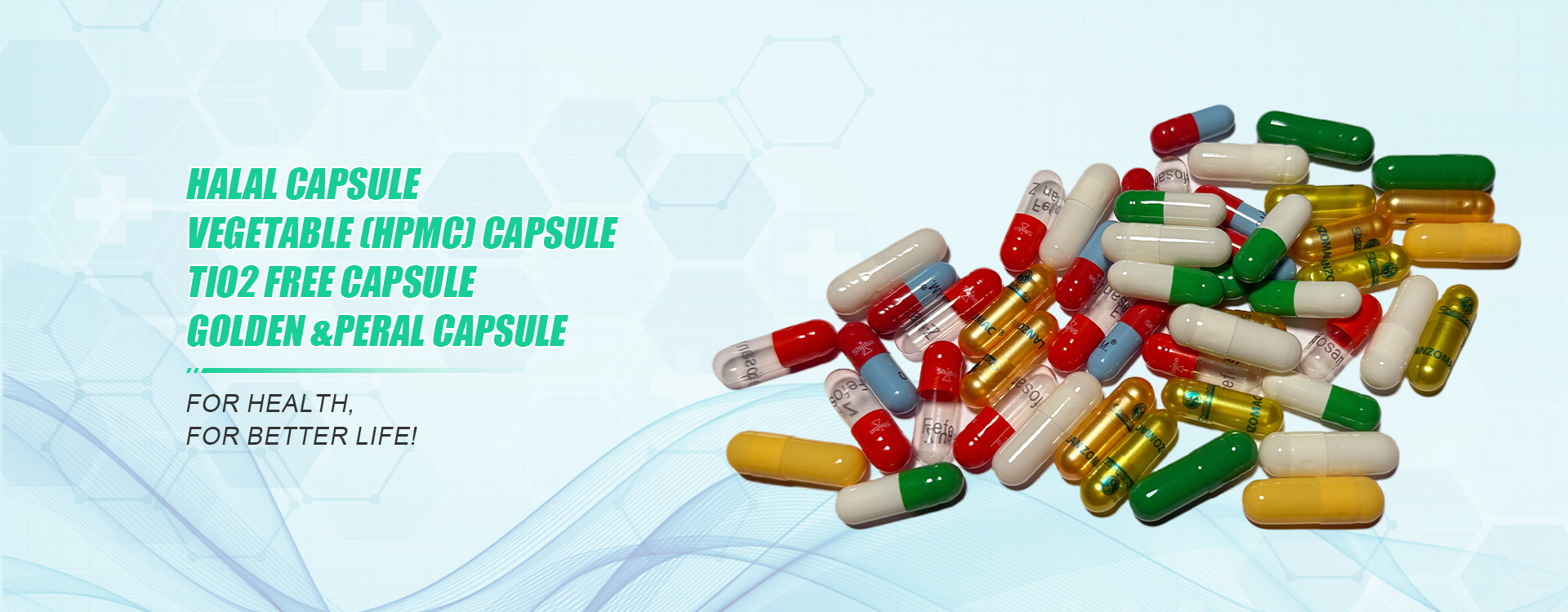
Best Selling Products
Best Selling Products-
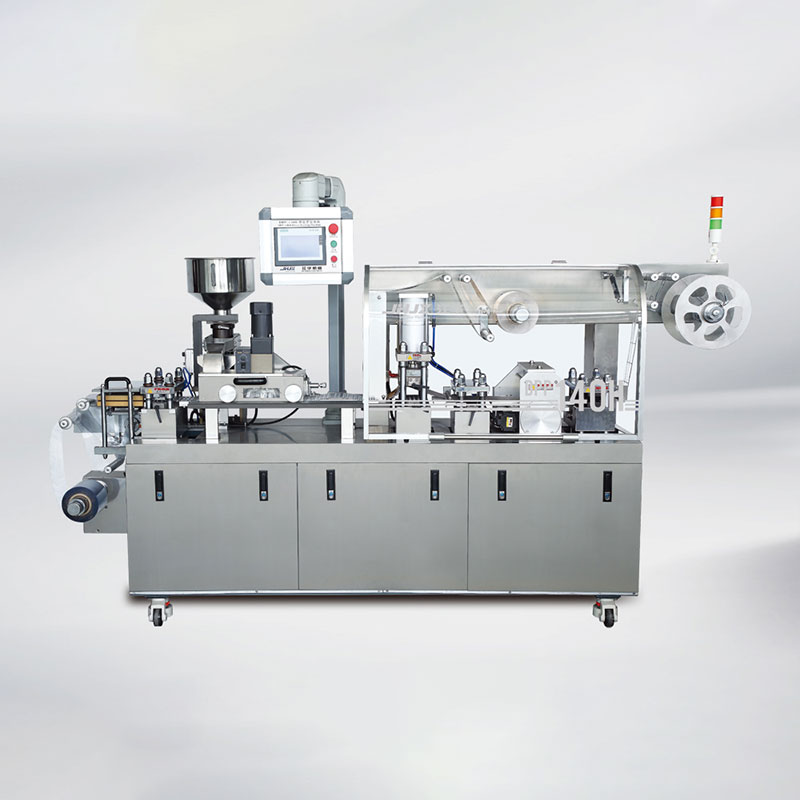 DPP-140H Flat-plate Blister Packing Machine
 -
 EMPTY VEGATABLE CAPSULE CLEAR SIZE 0
 -
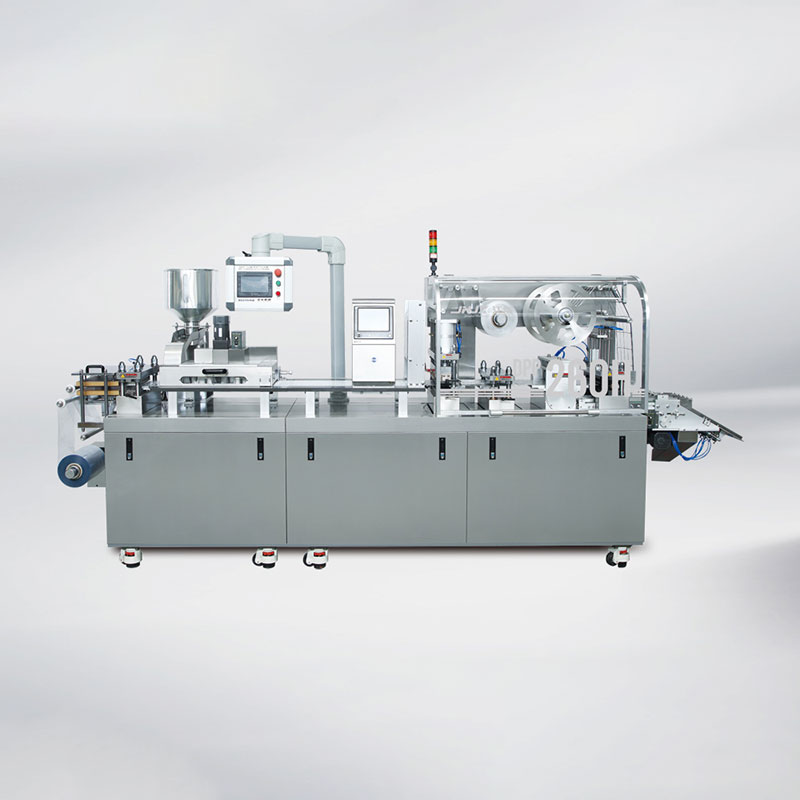 DPP-260H_DPP-320H Flat-plate Blister Packing Machine
 -
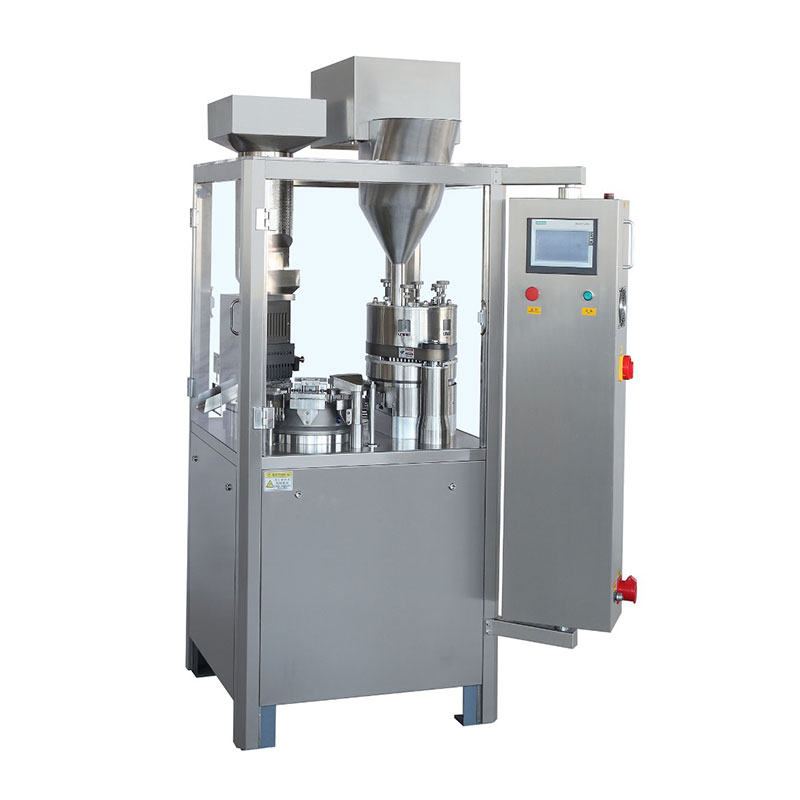 NJP-1200 Automatic Capsule Filling Machine
 -
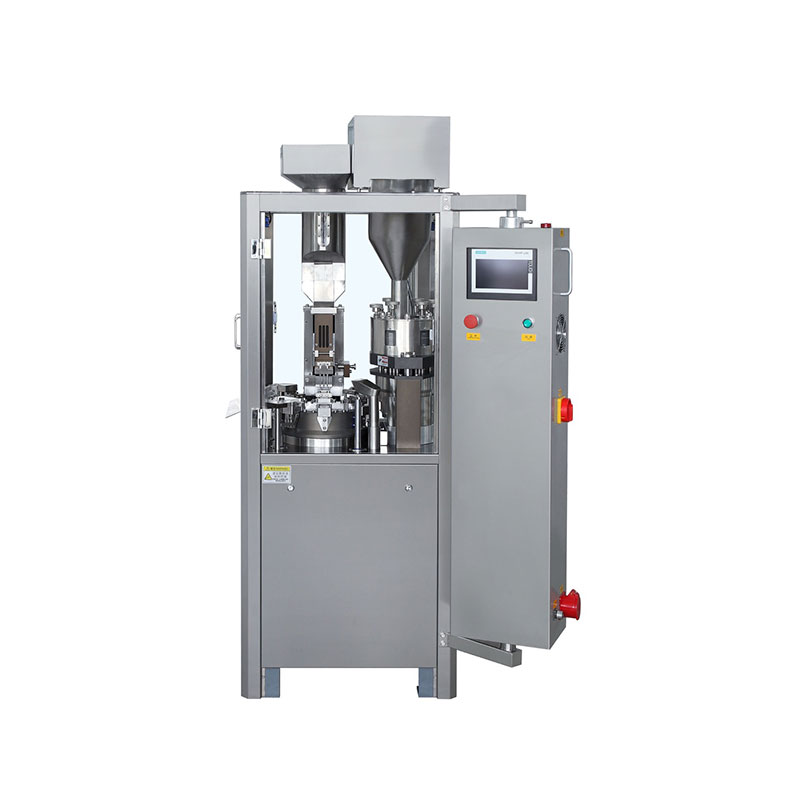 NJP-400 Fully Automatic Capsule Filling Machine
 -
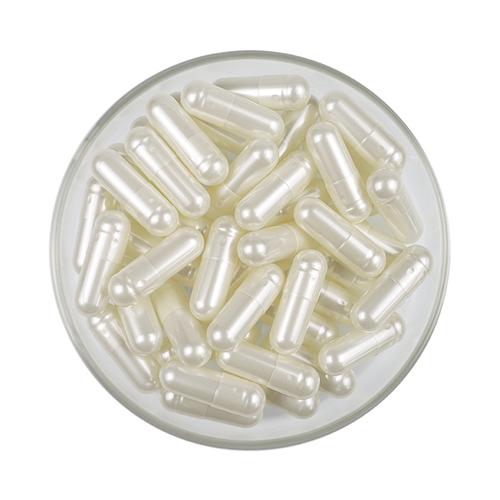 Golden_Pearl Hard Gelatin Capule
 -
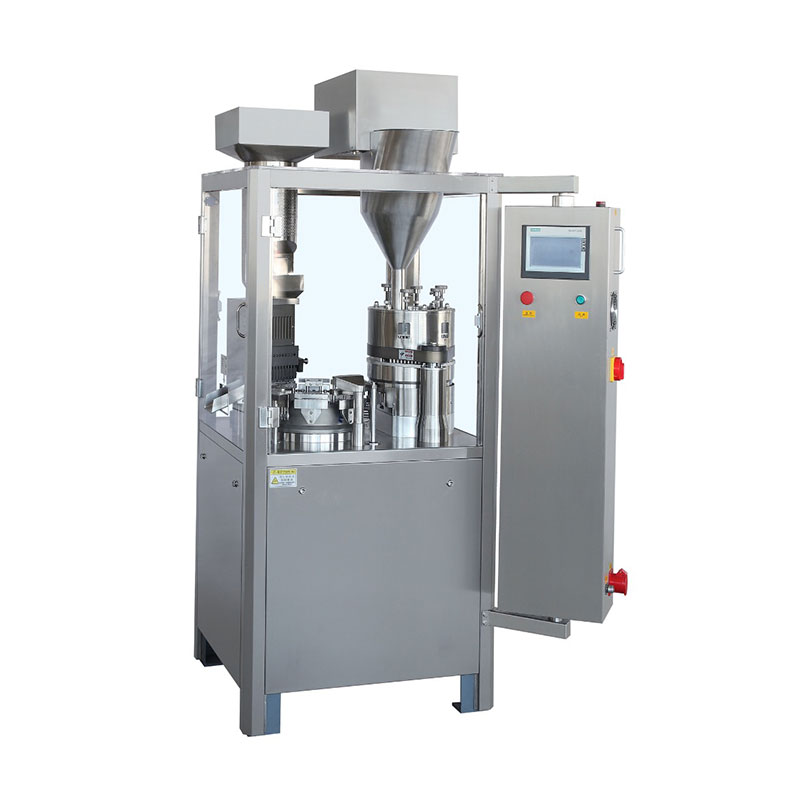 NJP-800 Automatic Capsule Filling Machine
 -
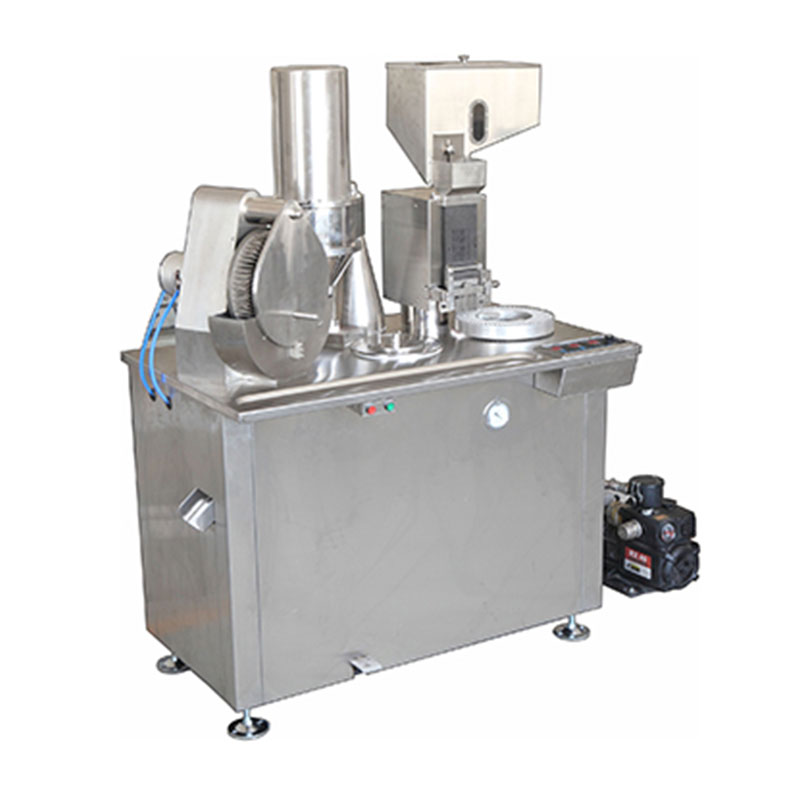 CGN208-D Newest Type Semi Automatic Capsule Filling Machine
 -
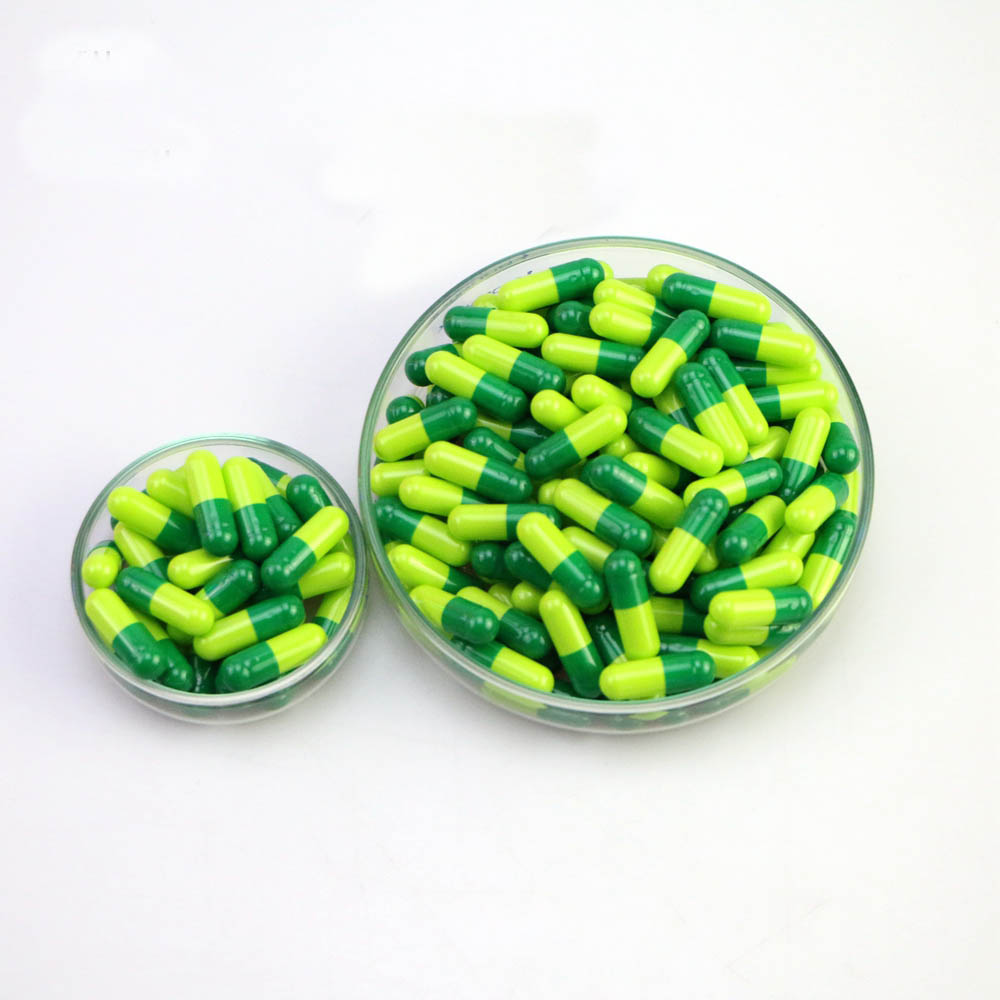 Halal empty hard geltin capsule
 -
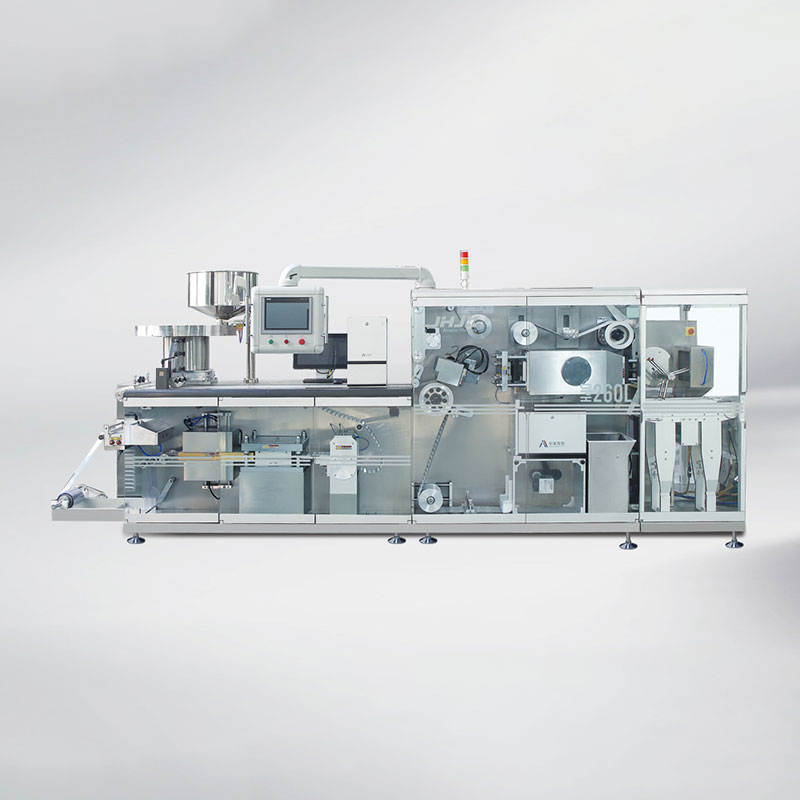 DPH-260L Roll-plate Blister Packaging Machine
 -
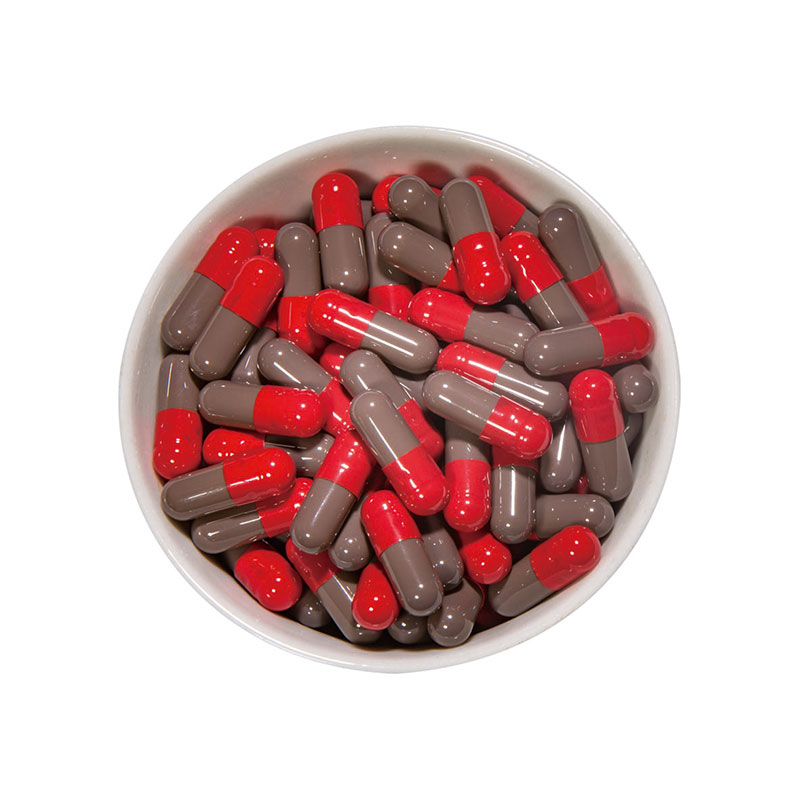 TIO2 free gelatin CAPSULE
 -
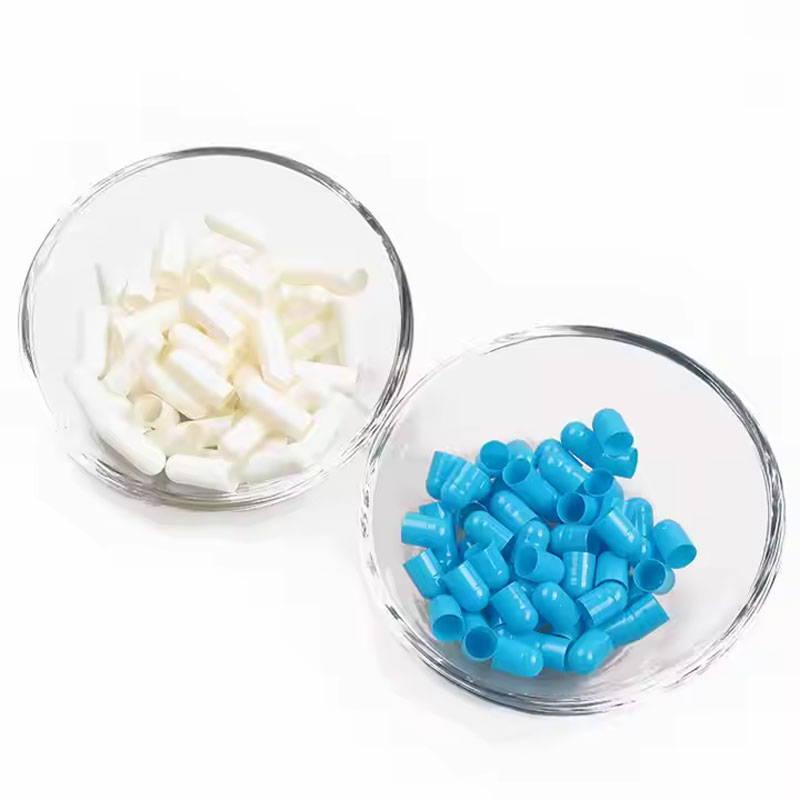 Empty VegCaps Shell Clear Empty Vegan Plant-Based Capsules Size 00 0 1 2 3 4 Natural Vegetable HPMC Capsules
Related Search
Related Search- Discount top rated capsule filling machine
- OEM empty vegetarian capsules size 1
- OEM Blister machine FOR tABLET
- high quality 000 capsule filler
- OEM hard gelatin capsule filling
- Best gelatin capsule filler
- OEM empty Vegetable Capsule
- Discount OEM/ODM Service Empty Separated clear Gelatin Capsules 00 Size
- Best empty capsule
- Certificate CLEAR HPMC CAPSULE SIZE 0