
- English
- Chinese
- French
- German
- Portuguese
- Spanish
- Russian
- Japanese
- Korean
- Arabic
- Irish
- Greek
- Turkish
- Italian
- Danish
- Romanian
- Indonesian
- Czech
- Afrikaans
- Swedish
- Polish
- Basque
- Catalan
- Esperanto
- Hindi
- Lao
- Albanian
- Amharic
- Armenian
- Azerbaijani
- Belarusian
- Bengali
- Bosnian
- Bulgarian
- Cebuano
- Chichewa
- Corsican
- Croatian
- Dutch
- Estonian
- Filipino
- Finnish
- Frisian
- Galician
- Georgian
- Gujarati
- Hausa
- Hawaiian
- Hebrew
- Hmong
- Hungarian
- Icelandic
- Igbo
- Javanese
- Kannada
- Kazakh
- Khmer
- Kurdish
- Kyrgyz
- Latin
- Latvian
- Lithuanian
- Luxembou..
- Macedonian
- Malagasy
- Malay
- Malayalam
- Maltese
- Maori
- Marathi
- Mongolian
- Burmese
- Nepali
- Norwegian
- Pashto
- Persian
- Punjabi
- Serbian
- Sesotho
- Sinhala
- Slovak
- Slovenian
- Somali
- Samoan
- Scots Gaelic
- Shona
- Sindhi
- Sundanese
- Swahili
- Tajik
- Tamil
- Telugu
- Thai
- Ukrainian
- Urdu
- Uzbek
- Vietnamese
- Welsh
- Xhosa
- Yiddish
- Yoruba
- Zulu
- Kinyarwanda
- Tatar
- Oriya
- Turkmen
- Uyghur


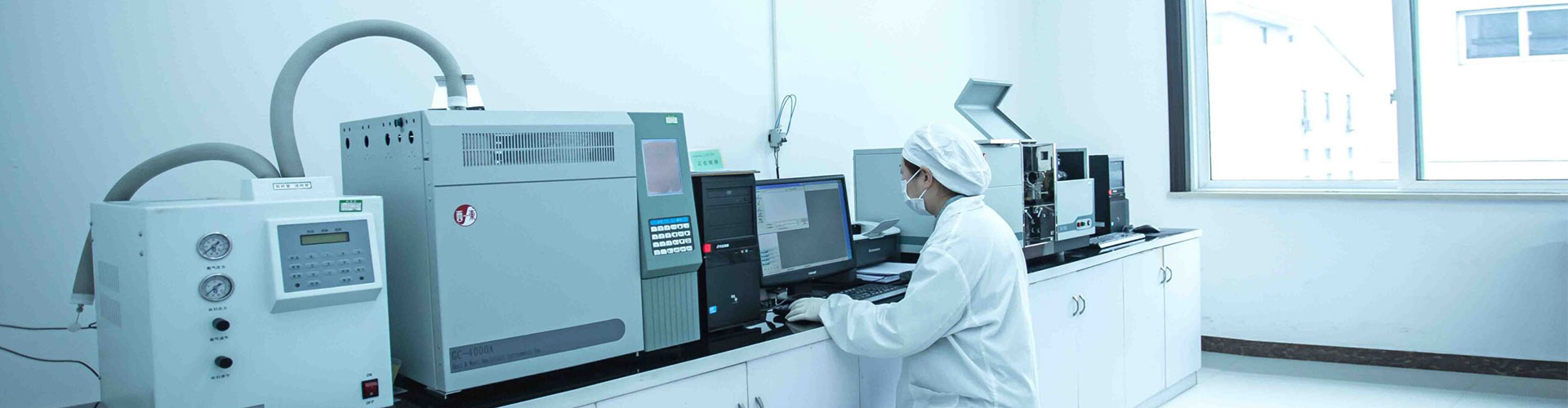
capsule powder filling machine
Understanding the Capsule Powder Filling Machine
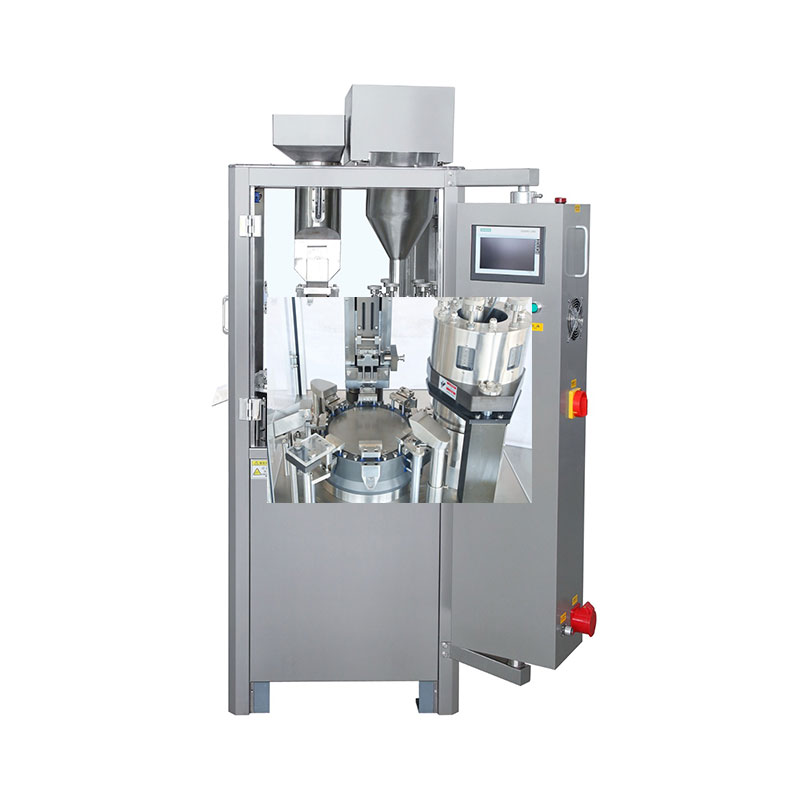
In the world of pharmaceutical manufacturing, the capsule powder filling machine often stands out as both an asset and a challenge. This piece of equipment, vital for efficient production, can be misunderstood, oversimplified, or improperly maintained. Having spent numerous hours in this field, I offer a close look at this indispensable device's nuances.
The Complexity Behind a Simple Machine
At first glance, a capsule powder filling machine might seem straightforward: fill a capsule with powder and seal it. However, the reality is considerably more complex. These machines must account for precision in dosage, varying powder properties, and the delicate handling of capsules. An error in any of these areas could lead to significant production setbacks.
Manufacturers like SUQIAN KELAIYA INTERNATIONAL TRADING CO., LTD, which you can explore at kelaiyacorp.com, understand the importance of a well-integrated machine. Their setups in Zhejiang and Jiangsu have honed in on creating equipment that emphasizes accuracy and efficiency.
The real art lies in balancing the machine's speed with the precise handling of materials. In practice, operators often deal with challenges like moisture sensitivity or static buildup, which may seem minor but can greatly impact overall performance.
Common Missteps in Operation
One of the most frequent issues I’ve seen among operators is a tendency to underestimate the influence of environmental conditions on the machine's performance. Humidity levels, for instance, can alter the way powders flow, sometimes leading to expensive downtime.
Then there’s the matter of machine calibration. Companies often neglect regular checks, assuming the equipment will maintain its settings. This oversight can introduce errors in dosage which are sometimes only caught through rigorous quality control measures.
It’s critical for companies, especially those new to the pharmaceutical field, to establish robust training programs. Understanding the machine’s quirks can prevent production halts and save on significant repair costs.
Customization: A Double-Edged Sword
Customization is a buzzword for many in the industry. The allure of modifying a capsule powder filling machine to meet unique production needs is tempting. But it’s not without its pitfalls. Over-customization can lead to overly complicated systems that require more maintenance and expertise.
In reality, the best approach often involves a balance. Standard models with minor tweaks often provide the most reliable results, especially when backed by a company like Suqian Kelaiya Corp., experienced in these tailored solutions.
Before diving into customization, it’s wise to evaluate whether the standard configuration meets most of your production needs. Many seasoned operators find that simpler, more efficient configurations yield the best output.
Learning from Failures
Every professional knows that inefficiencies recur, especially when using machinery like the capsule powder filling machine. Our approach to these failures can define a team's effectiveness. For instance, embracing a systematic way of troubleshooting can transform potential disasters into manageable challenges.
One memorable experience from a manufacturing site involved changing from manual adjustments to a more software-driven approach. Although this demanded upfront investments and glitches initially, the return on improved precision and efficiency justified the decision.
This lesson brought home the value of investing in technology and continual learning, both for the equipment and the personnel operating it.
Future of Capsule Powder Filling Machines
Looking ahead, the integration of AI and machine learning could radically alter the landscape of capsule filling. Predictive analytics, for instance, could anticipate mechanical wear or optimize hopper levels in real-time.
While some might see this as wishful thinking, companies like Suqian Kelaiya Corp. are likely already investigating how to assimilate these technologies into their offerings. As they say, the future waits for no one.
What remains certain is that the field will continue to evolve, demanding adaptability and vigilance from everyone involved. Those who stay prepared will navigate these changes with greater ease, ensuring their operations remain on the cutting edge.
Related Products
Related Products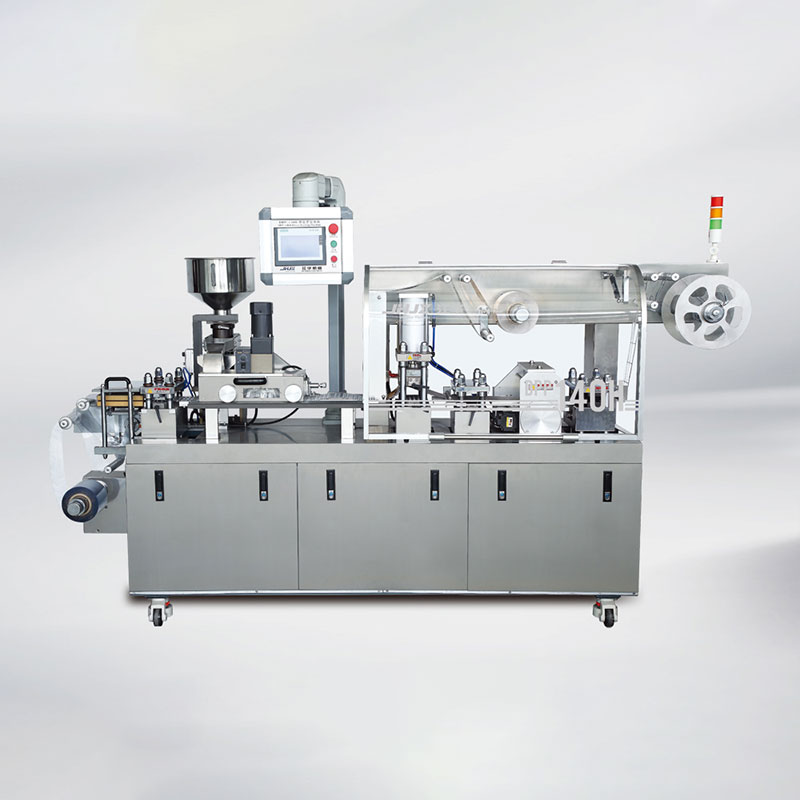
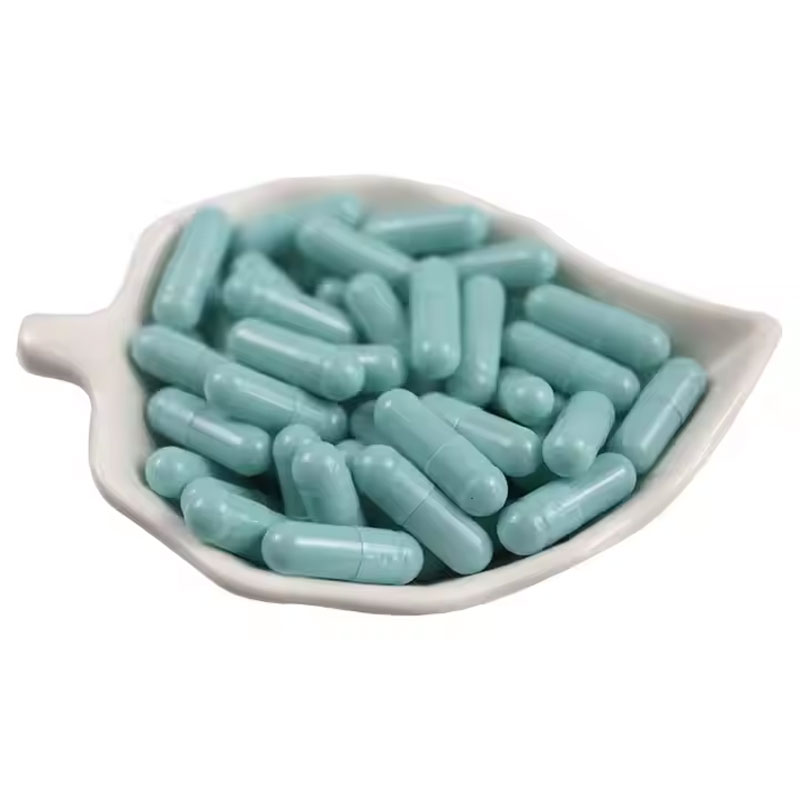
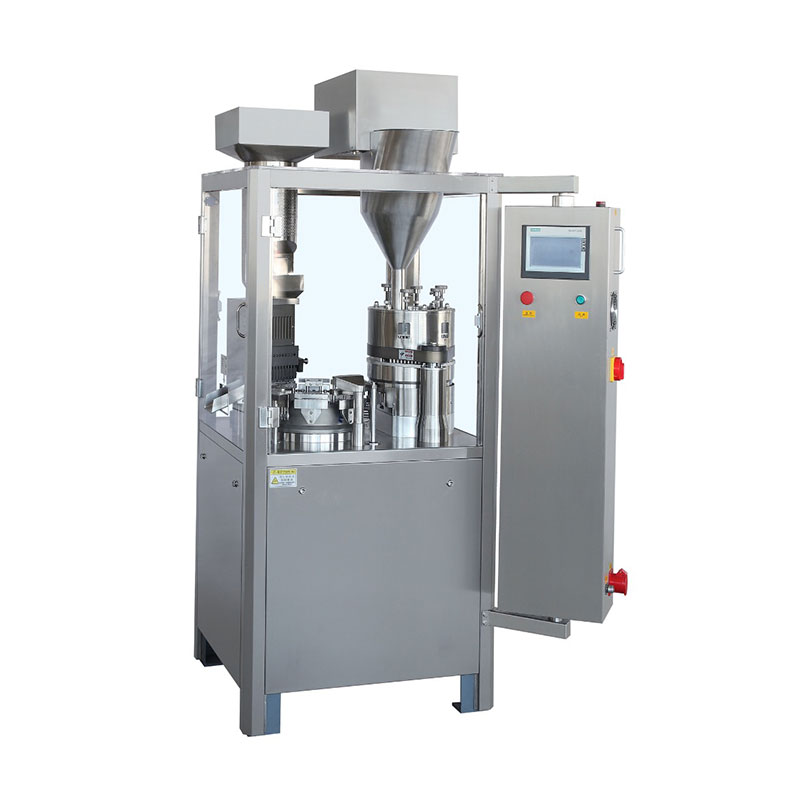

Best Selling Products
Best Selling Products-
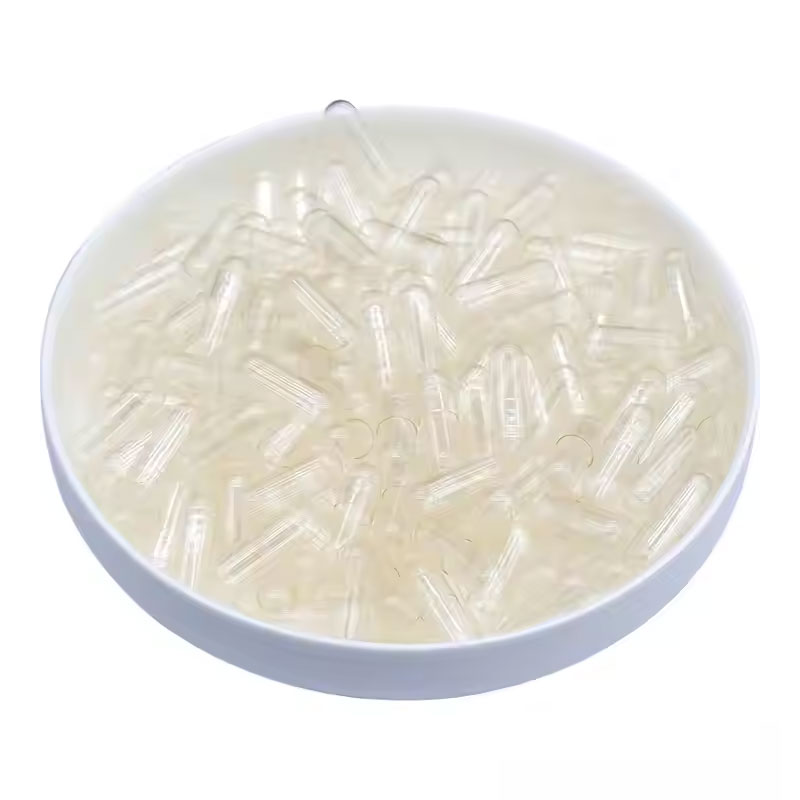 EMPTY VEGATABLE CAPSULE CLEAR SIZE 0
 -
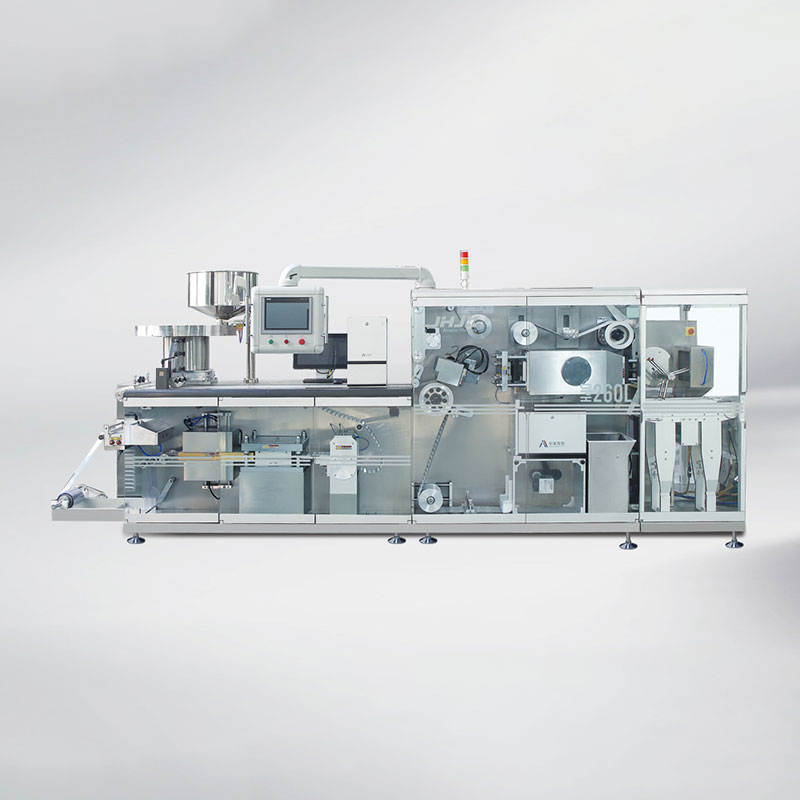 DPH-260L Roll-plate Blister Packaging Machine
 -
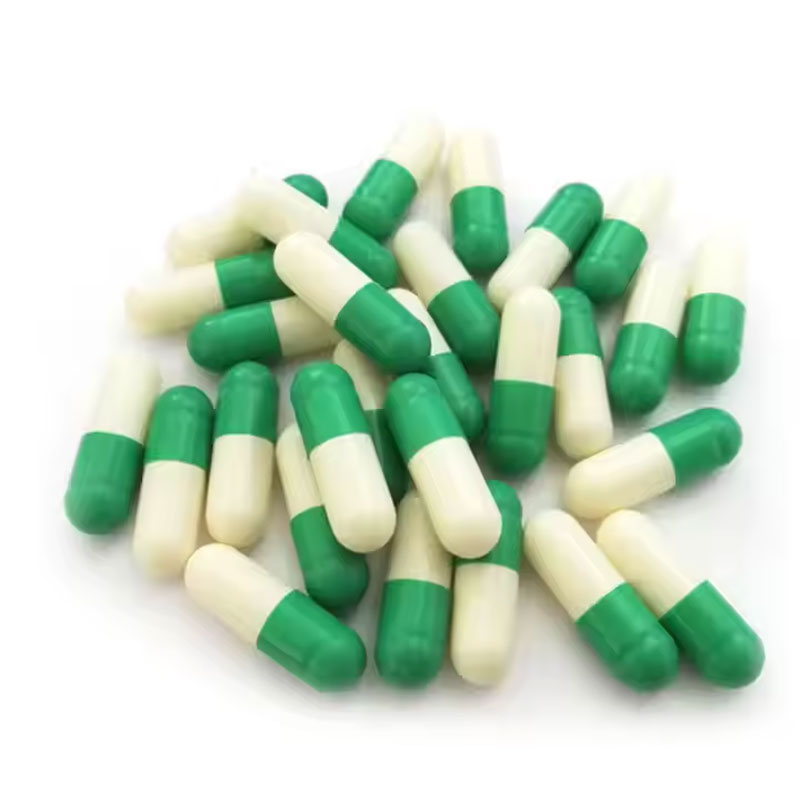 Size 00 hpmc capsules vegetarian capsules empty hard veggie capsules
 -
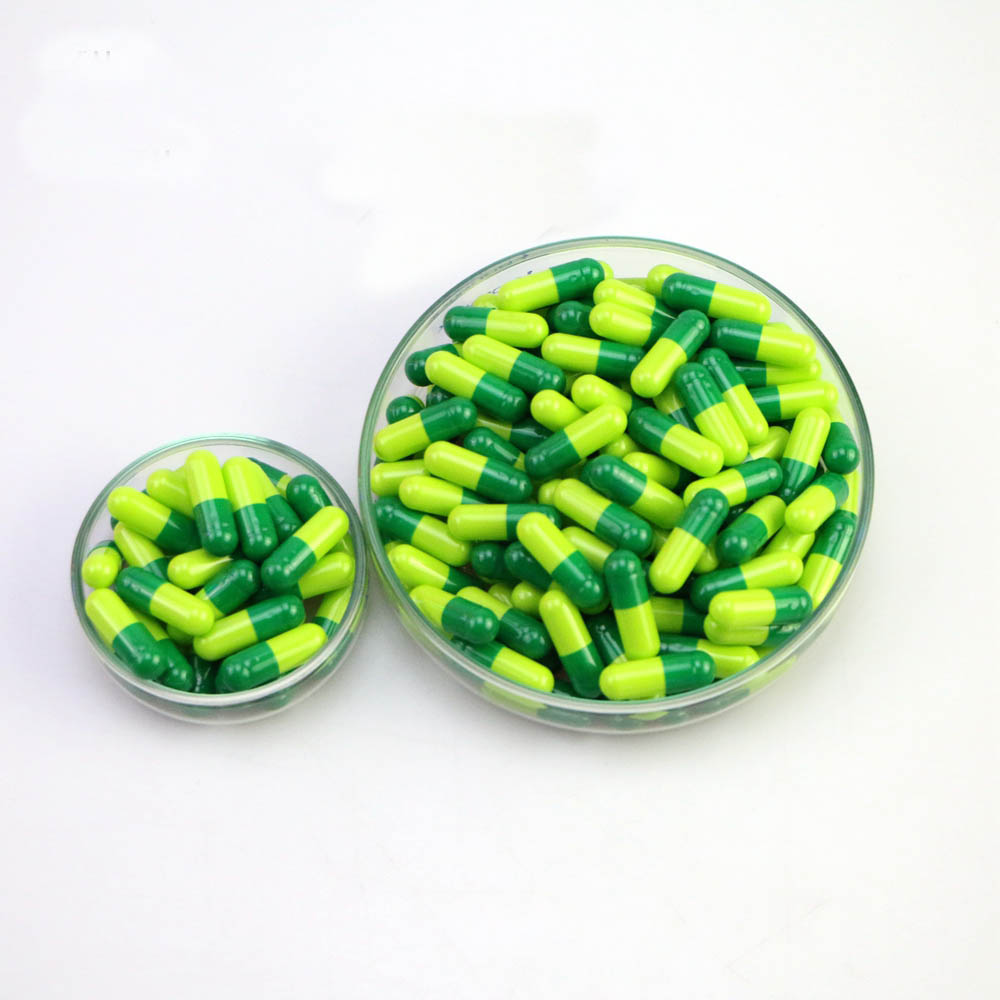 Halal empty hard geltin capsule
 -
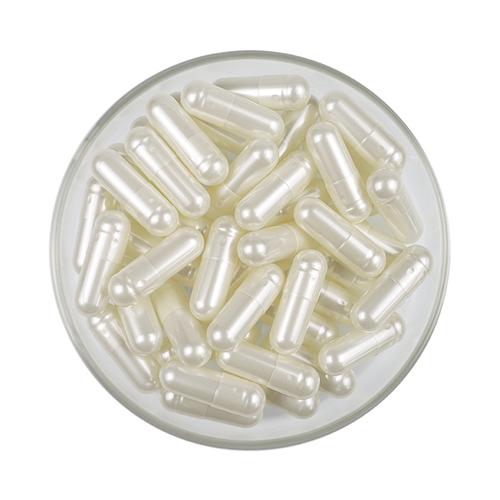 Golden_Pearl Hard Gelatin Capule
 -
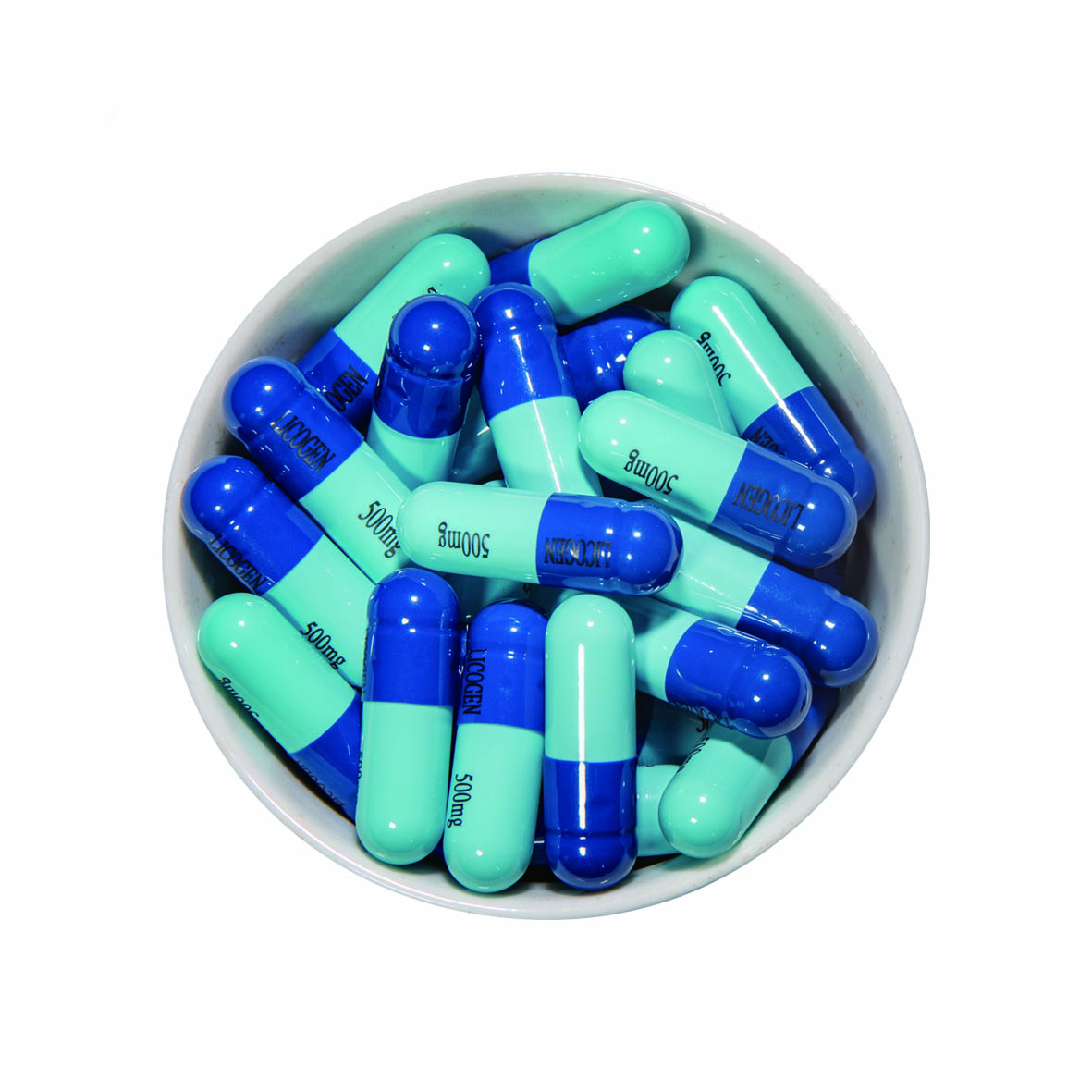 Hard Gelatin Empty Capsule Shell Size 00 0 1 2 3 4
 -
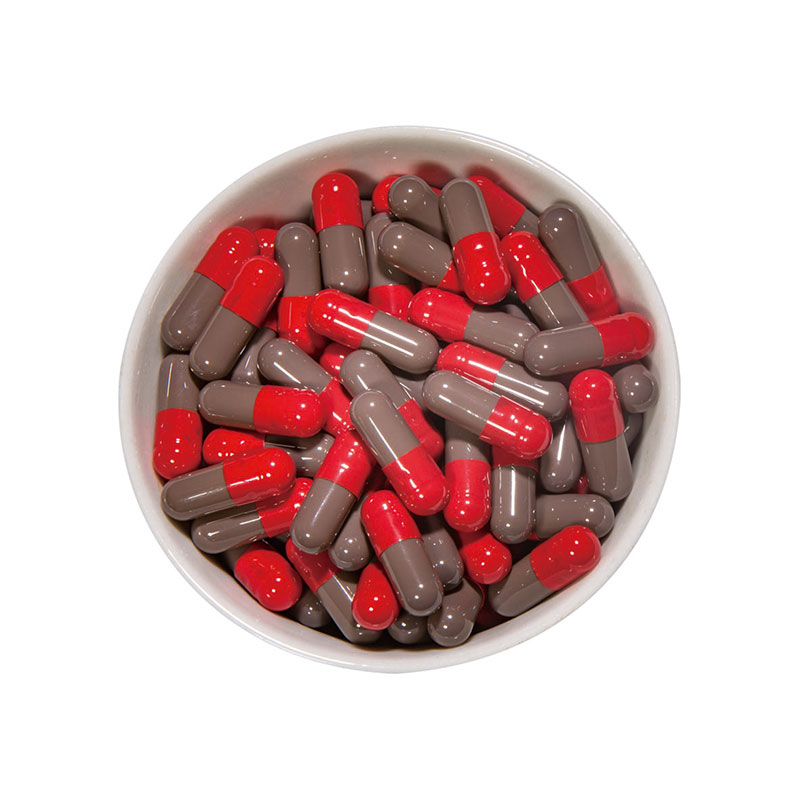 TIO2 free gelatin CAPSULE
 -
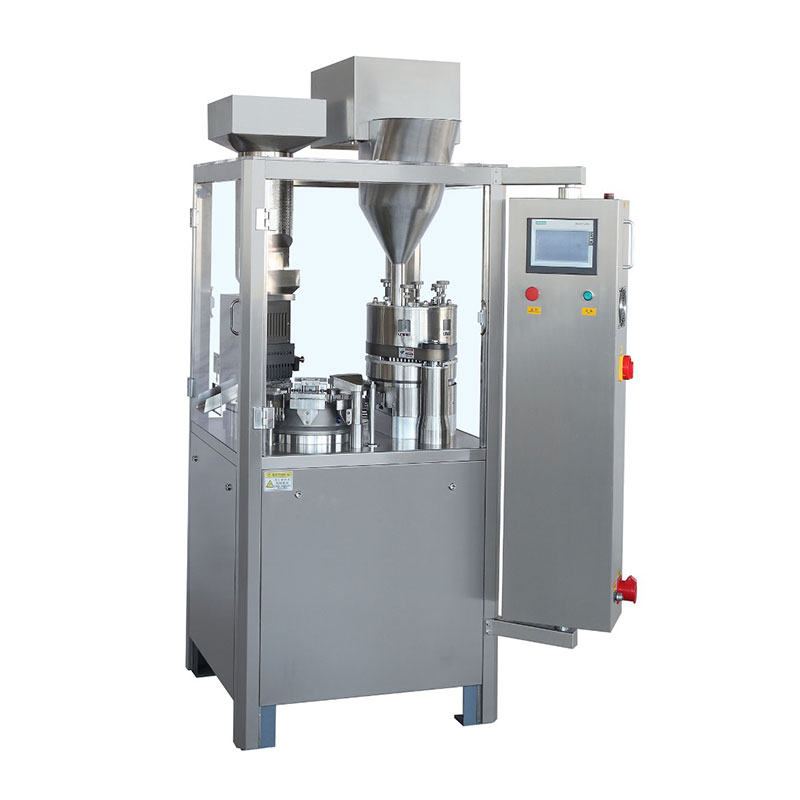 NJP-1200 Automatic Capsule Filling Machine
 -
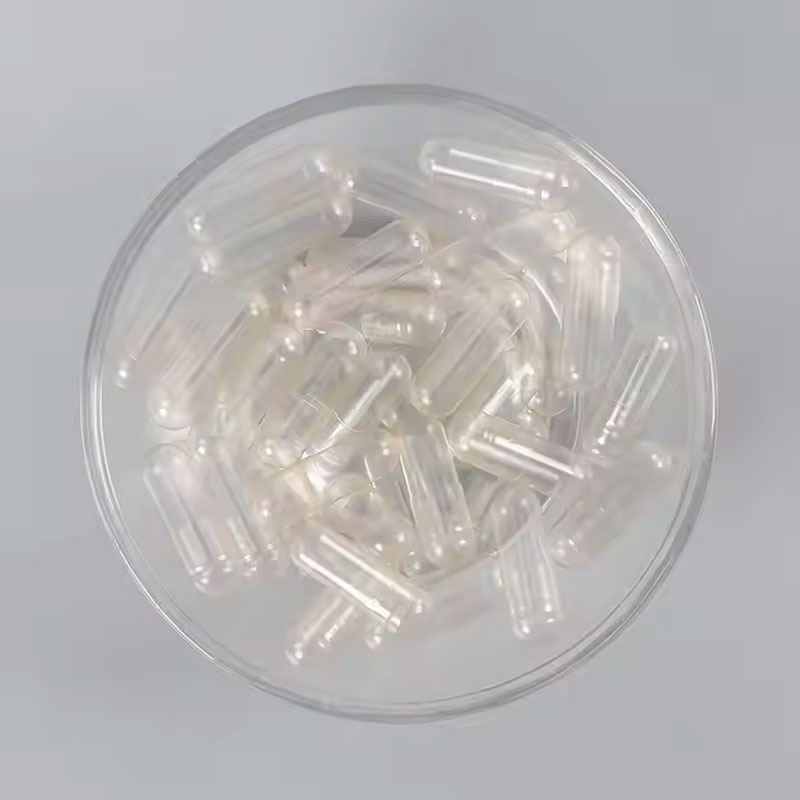 Hpmc Capsules Product Plant Vegetarian Size 00 0 Capsule Shell
 -
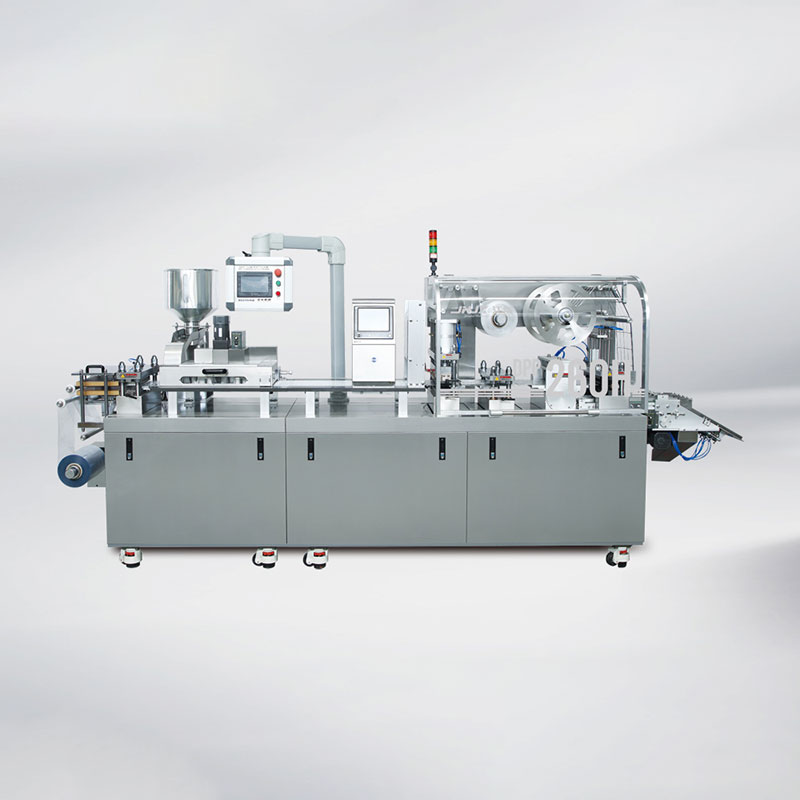 DPP-260H_DPP-320H Flat-plate Blister Packing Machine
 -
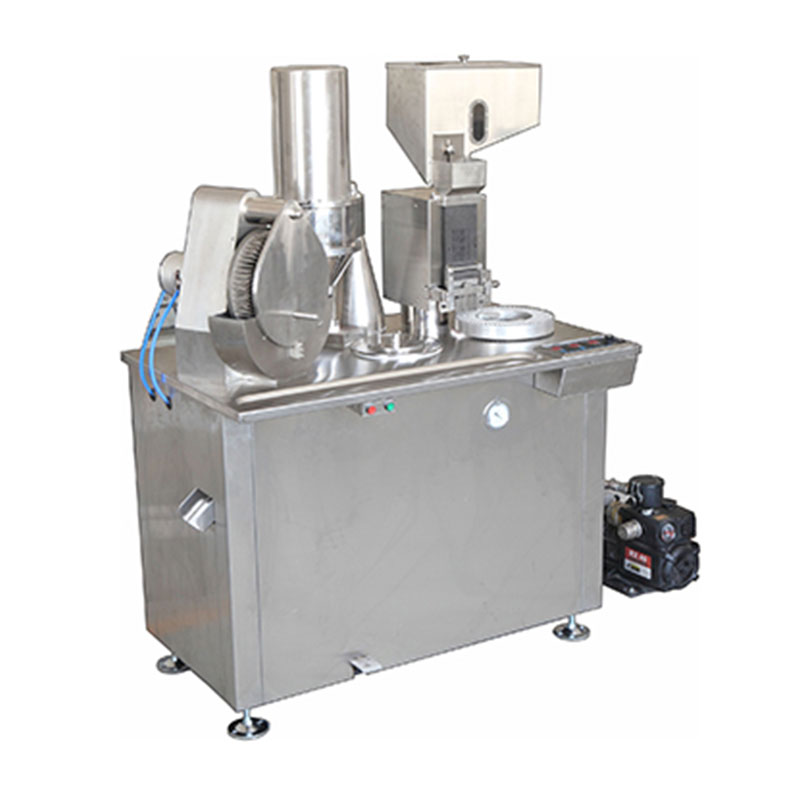 CGN208-D Newest Type Semi Automatic Capsule Filling Machine
 -
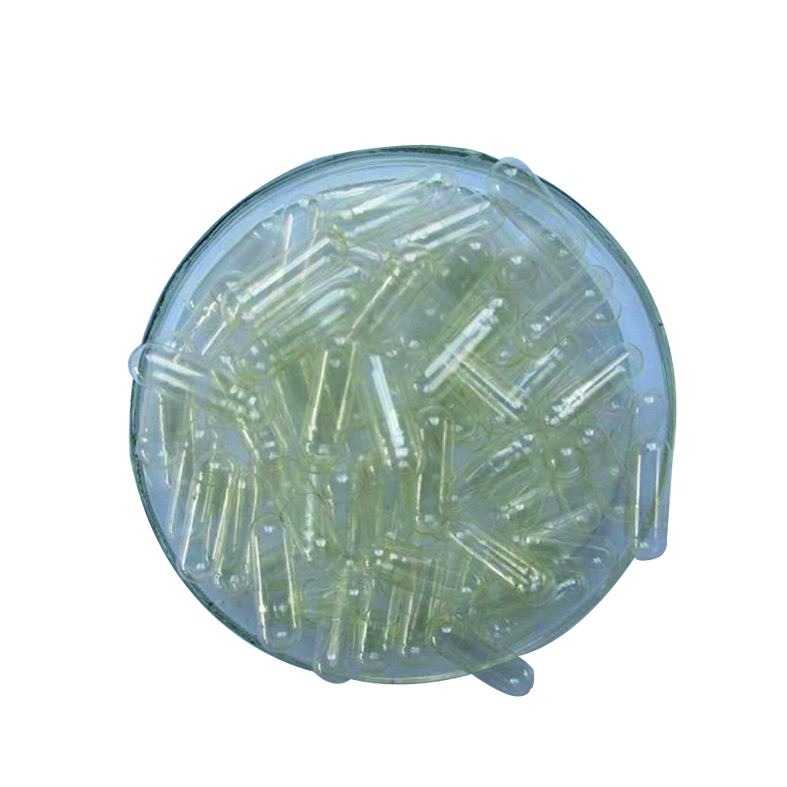 Halal Certificate Empty Clear Hard Gelatin Capsules Shell Size 0
Related Search
Related Search- gelatin capsule filling machine
- capsule machine size 3
- 000 empty vegetarian capsules
- Best filler used in hard gelatin capsule
- high quality halala empty capsule
- Discount size 0 vegetable capsules
- Certificate capsule filling machine size 2
- high quality CLEAR HPMC CAPSULE
- high quality pill capsule filling machine
- OEM empty vegetarian capsules size 000