
- English
- Chinese
- French
- German
- Portuguese
- Spanish
- Russian
- Japanese
- Korean
- Arabic
- Irish
- Greek
- Turkish
- Italian
- Danish
- Romanian
- Indonesian
- Czech
- Afrikaans
- Swedish
- Polish
- Basque
- Catalan
- Esperanto
- Hindi
- Lao
- Albanian
- Amharic
- Armenian
- Azerbaijani
- Belarusian
- Bengali
- Bosnian
- Bulgarian
- Cebuano
- Chichewa
- Corsican
- Croatian
- Dutch
- Estonian
- Filipino
- Finnish
- Frisian
- Galician
- Georgian
- Gujarati
- Hausa
- Hawaiian
- Hebrew
- Hmong
- Hungarian
- Icelandic
- Igbo
- Javanese
- Kannada
- Kazakh
- Khmer
- Kurdish
- Kyrgyz
- Latin
- Latvian
- Lithuanian
- Luxembou..
- Macedonian
- Malagasy
- Malay
- Malayalam
- Maltese
- Maori
- Marathi
- Mongolian
- Burmese
- Nepali
- Norwegian
- Pashto
- Persian
- Punjabi
- Serbian
- Sesotho
- Sinhala
- Slovak
- Slovenian
- Somali
- Samoan
- Scots Gaelic
- Shona
- Sindhi
- Sundanese
- Swahili
- Tajik
- Tamil
- Telugu
- Thai
- Ukrainian
- Urdu
- Uzbek
- Vietnamese
- Welsh
- Xhosa
- Yiddish
- Yoruba
- Zulu
- Kinyarwanda
- Tatar
- Oriya
- Turkmen
- Uyghur



Best DPP 80 Blister machinePVC/ALU
The Art and Science of Choosing the Best DPP 80 Blister Machine for PVC/ALU Packaging
When it comes to selecting a best DPP 80 Blister machine for PVC/ALU packaging, you're stepping into a highly specialized area of pharmaceutical manufacturing. This process isn't just about finding a piece of equipment; it's about understanding the nuances that drive efficiency and product safety. Let me walk you through this journey with some real-world insights.
Understanding the DPP 80 Blister Machine
First off, the DPP 80 model is admired for its compact design, which makes it suitable for small to medium-sized production lines. Unlike larger machines, it doesn't dominate the floor space, which can be a decisive factor if you're working in a restricted area. The machine's ability to handle both PVC and aluminum packaging adds a layer of versatility critical for industries with diverse needs.
However, one common oversight is underestimating the setup requirements. Many assume it's a plug-and-play machine, but it often demands a well-thought-out plan for temperature control and material compatibility, especially when switching between different types of films. So, it's something to ponder upon if you're considering integration into a pre-existing system.
Another point worth noting is the importance of regular maintenance. The DPP 80, like all precision machinery, operates best under a stringent maintenance regimen. Downtime can be costly, not only financially but also in terms of production flow, which leads us naturally to consider our experiences with vendors and service agreements.
Challenges and Solutions in Operation
Encountering problems with the sealing process? You're not alone. In our early days at Suqian Kelaiya International Trading Co., Ltd (https://www.kelaiyacorp.com), we had our share of challenges with seal integrity. Turned out, the devil was in the details — particularly the alignment and pressure adjustments on the heating plates, which can vary based on the thickness and quality of your materials. Here’s a tip: always keep a set of backup parts.
Then there's the learning curve. Training operators on a DPP 80 isn't necessarily straightforward. While it’s marketed as user-friendly, the myriad of settings can overwhelm a new operator. Having a standardized training program in place can mitigate that risk significantly.
Unexpected machine stops due to sensor malfunction? Yes, that happens. It's usually not about the sensor itself but about how the sensors communicate with the PLC system. Sometimes, a simple recalibration solves the issue, but in other cases, you'll need to dig deeper into the electrical schema.
The Importance of Reliable Suppliers
Let's talk sourcing. If you're partnered with a supplier like SUQIAN KELAIYA INTERNATIONAL TRADING CO., LTD, you're likely already aware of the impact a reliable partner can have. Their expertise in new drug development and capsule machinery provides a broad support network that can come in handy when troubleshooting.
We've had experiences where local sourcing cut lead times significantly — a crucial factor when you're running tight schedules. The proximity of Suqian Kelaiya’s manufacturing sites in Zhejiang and Jiangsu provinces also ensures swift delivery and ample support, which is vital when you're dealing with unexpected breakdowns.
Diversified expertise also matters. Whether it’s capsules or a blister machine, having access to multidisciplinary teams helps. At Suqian Kelaiya, this cross-functional knowledge base provided insights that went beyond the technical how-tos of machine operation.
Choosing the Right Specifications
When customizing a blister machine, especially the DPP 80, pay close attention to the tooling design. We learned early on the value of collaborating with engineers during the design phase, which can prevent costly modifications down the line.
Temperature settings are another area where bespoke solutions can prevent bottlenecks. Machines often come with default settings that might not suit your specific materials. Running a series of calibration tests during the initial setup phases is well worth the investment in time.
Also, consider scalability. Today's small-scale production may scale up, and starting with a machine that can grow with you saves time and expense. We've witnessed several clients who had to overhaul their systems prematurely due to inadequate foresight.
Caring for Your DPP 80 Blister Machine
I've harped on maintenance because it can't be overstated. Regular checks mean happy machines, and happy machines mean fewer disruptions. Have a maintenance schedule that's religiously followed, without waiting for something to go wrong.
But it’s not just about actions, it's about documentation. Keep thorough records of your maintenance activities, as these logs can be invaluable for troubleshooting and for future operations. It provides a clear history and can save you from unnecessary diagnostic tests.
And let's remember, training isn't a one-off event; it's an ongoing process. Technology evolves, as do the machines and the materials used. Keeping your team updated on the latest best practices forms a solid base for operational excellence.
Related Products
Related Products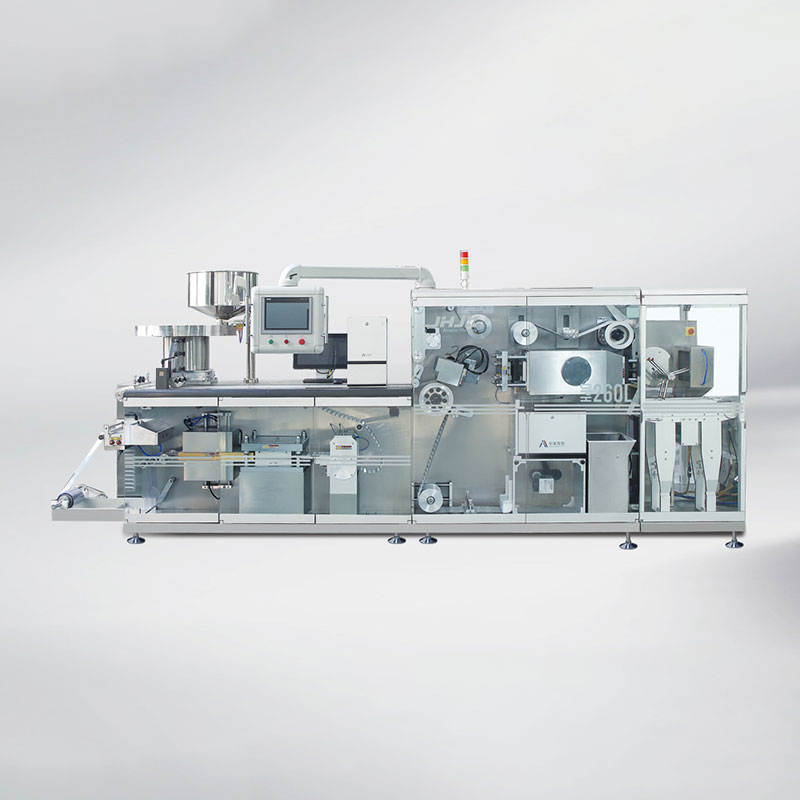
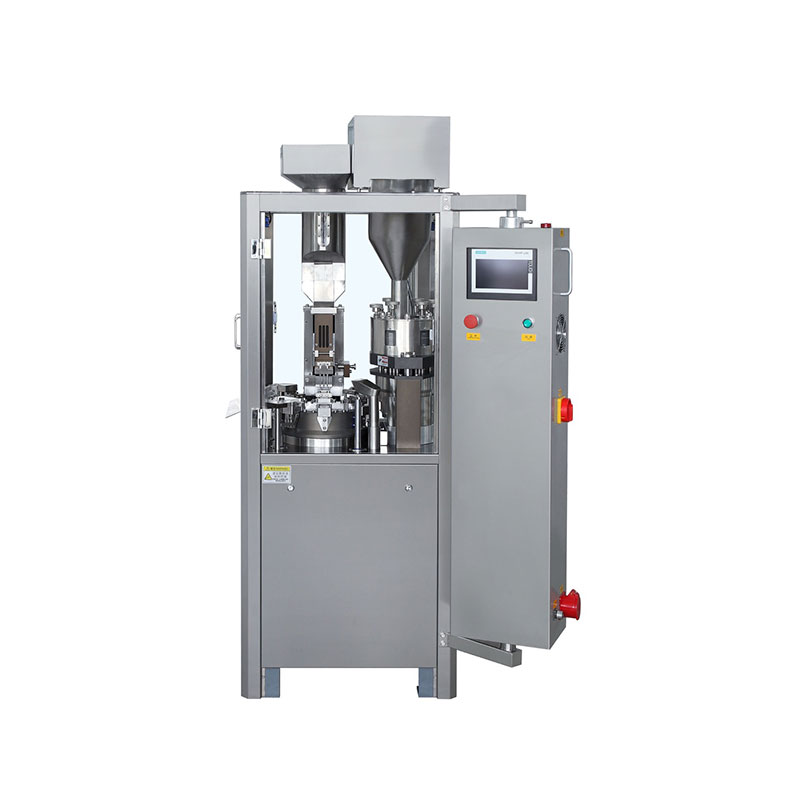

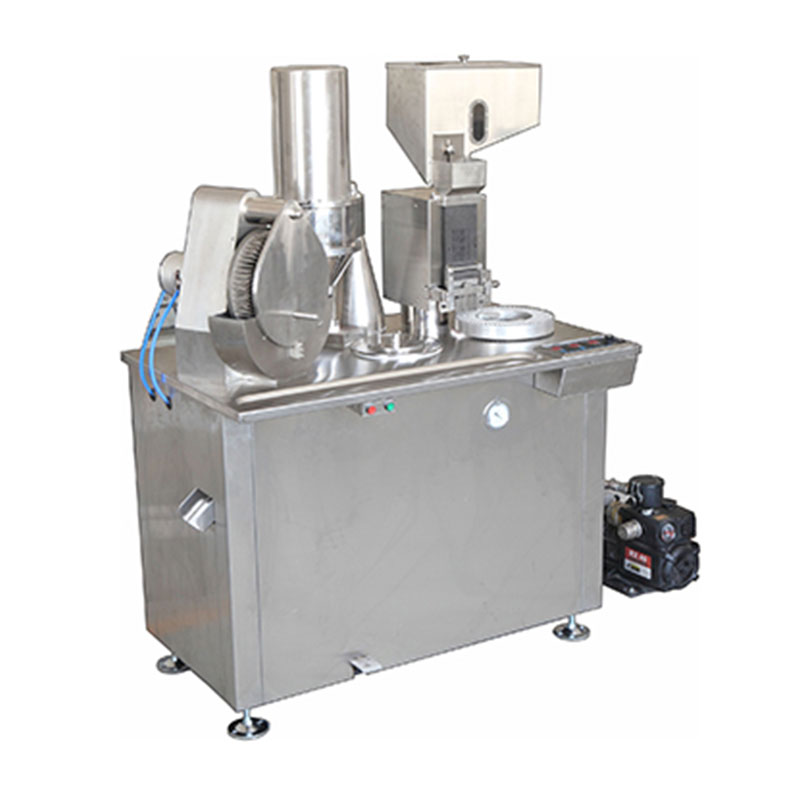
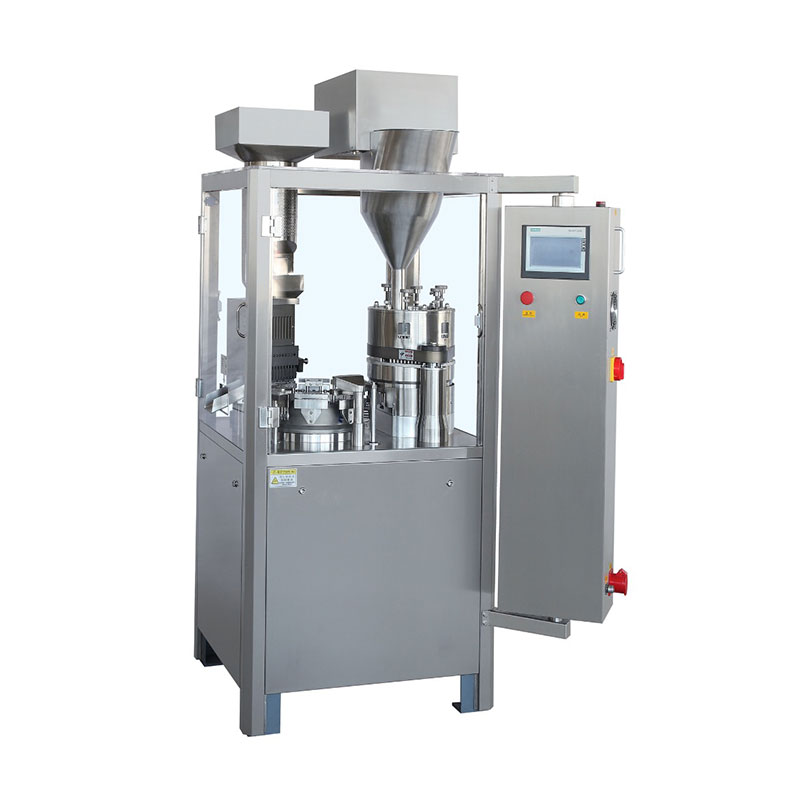
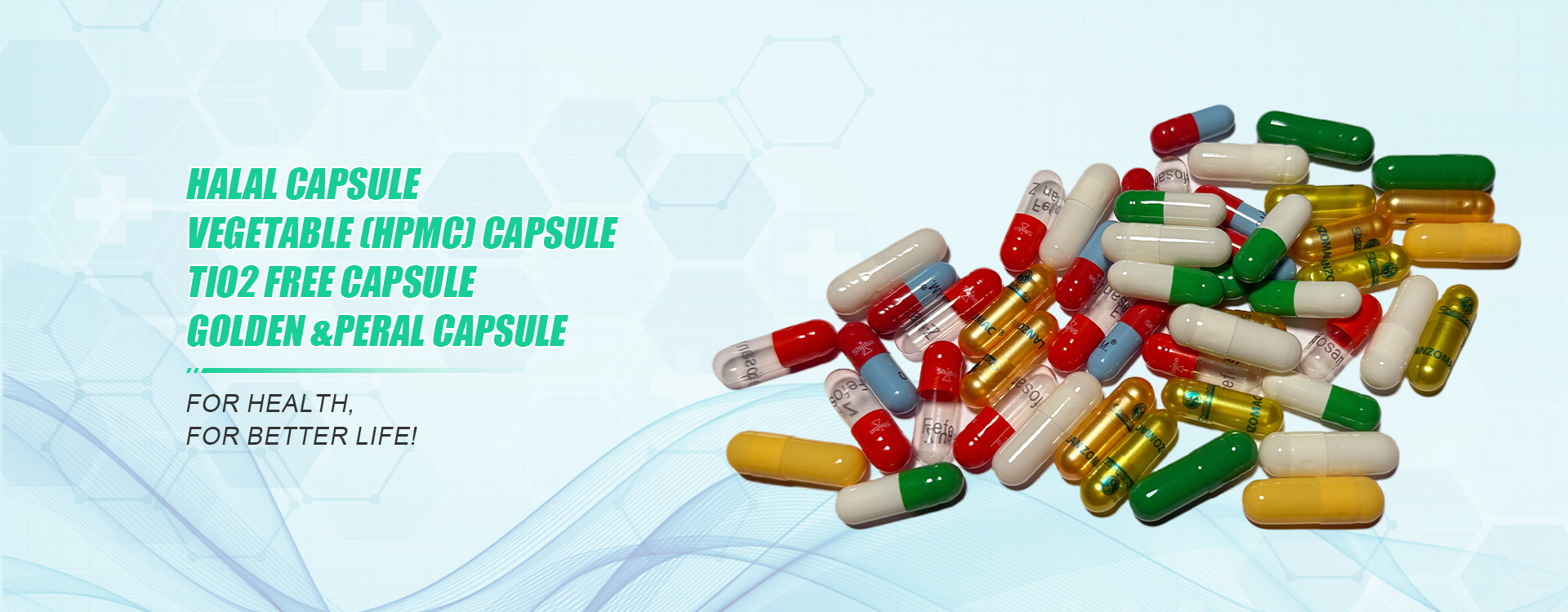
Best Selling Products
Best Selling Products-
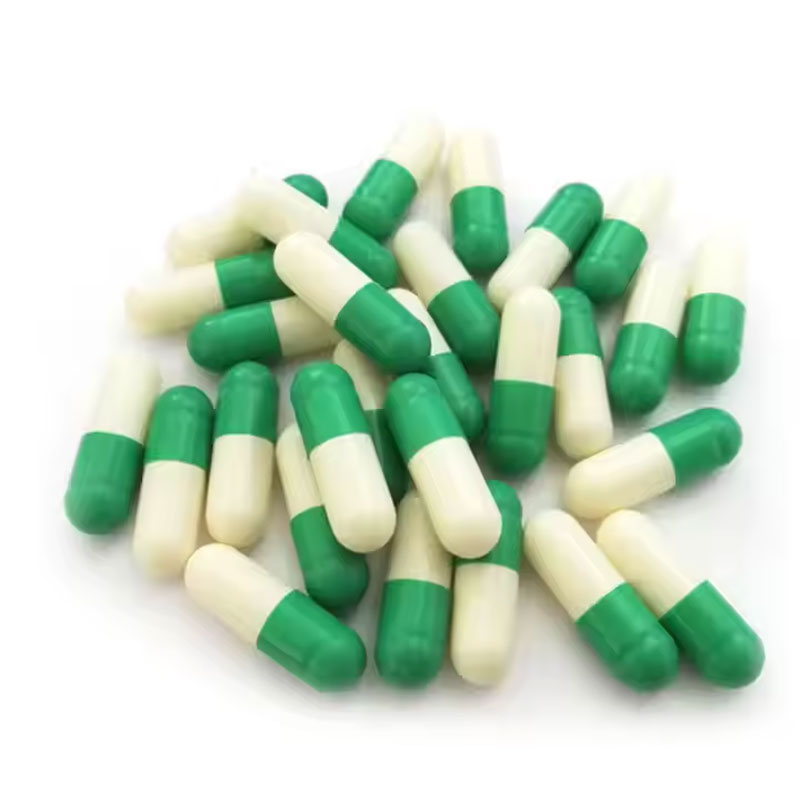 Size 00 hpmc capsules vegetarian capsules empty hard veggie capsules
 -
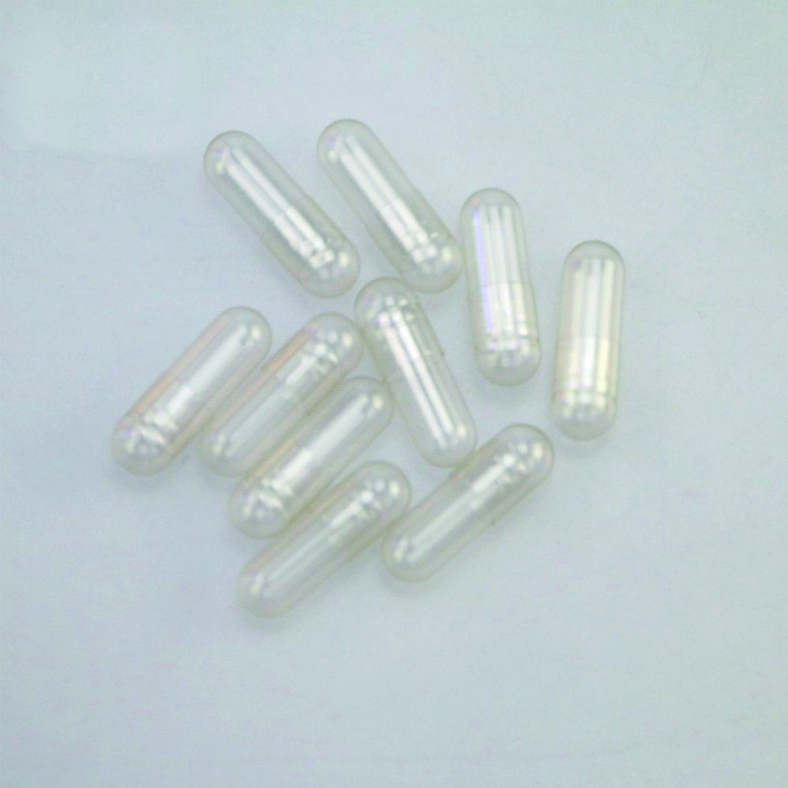 EMPTY HPMC CAPSULE SIZE 00 CLEAR
 -
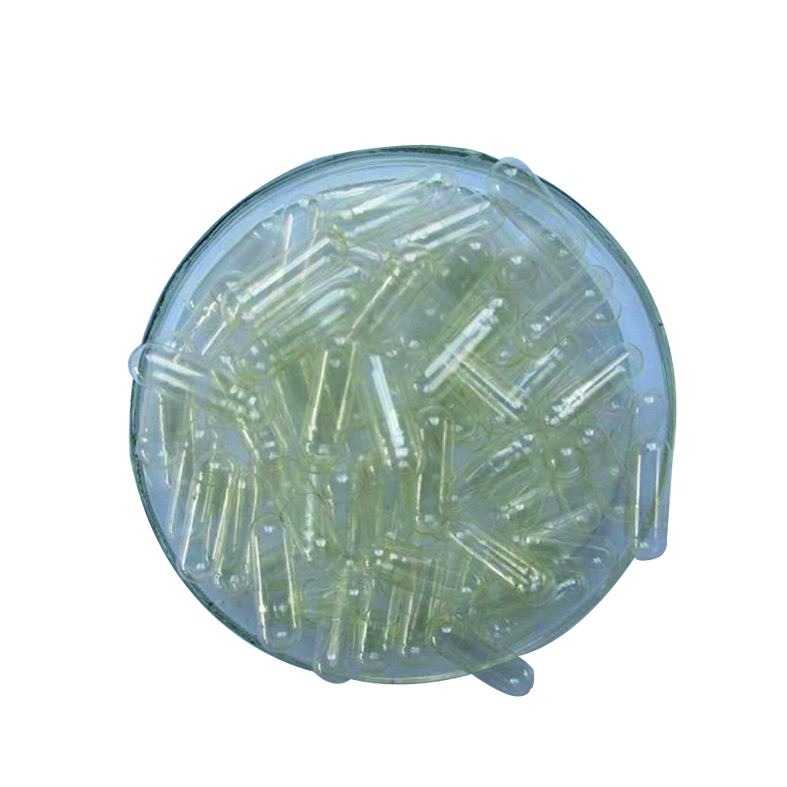 Halal Certificate Empty Clear Hard Gelatin Capsules Shell Size 0
 -
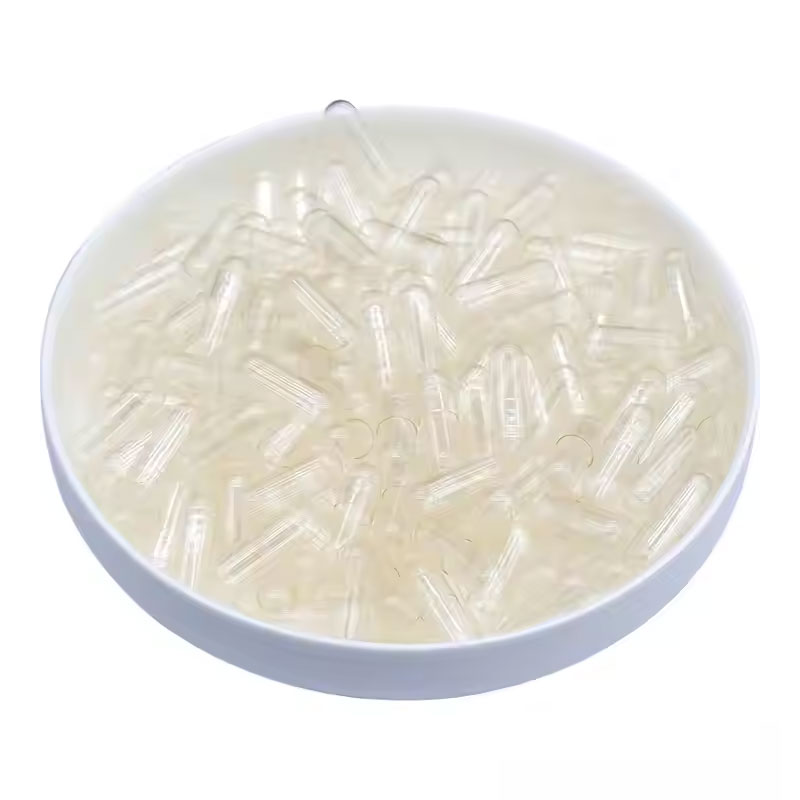 EMPTY VEGATABLE CAPSULE CLEAR SIZE 0
 -
 Vegetarian Separated Capsules HPMC Capsules Separated Wholesale Vegetarian Capsules Discount for Bulk Orders
 -
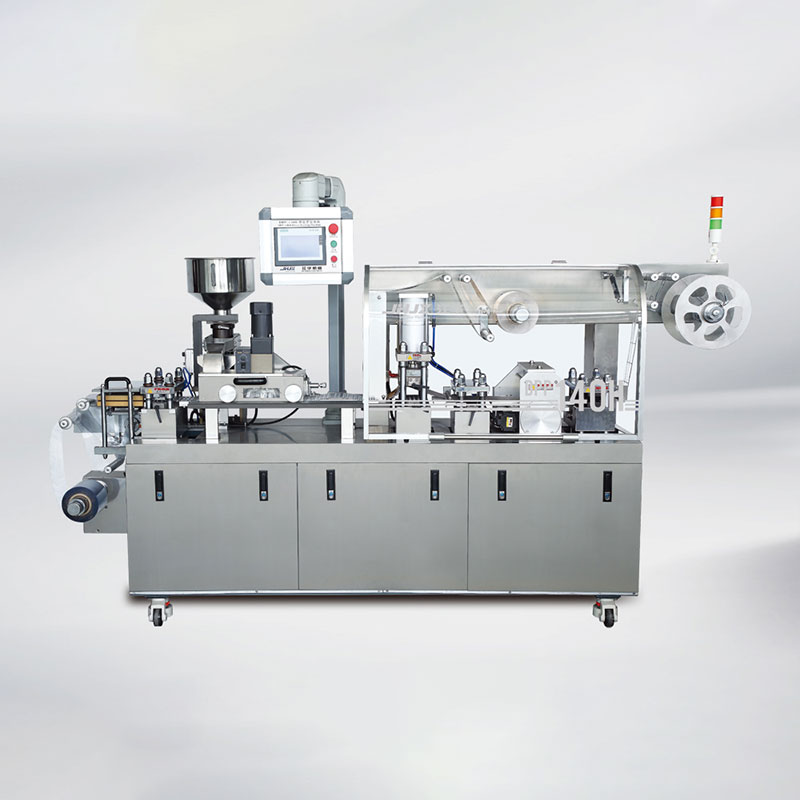 DPP-140H Flat-plate Blister Packing Machine
 -
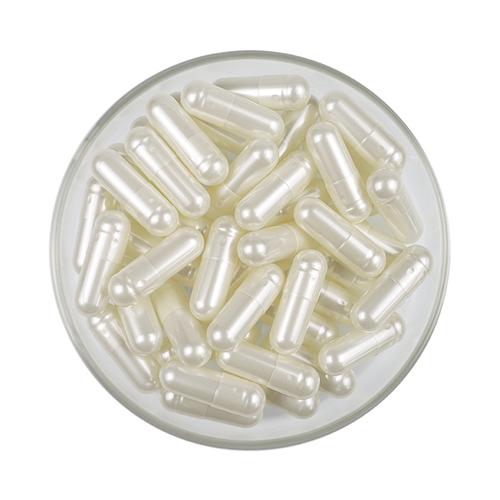 Golden_Pearl Hard Gelatin Capule
 -
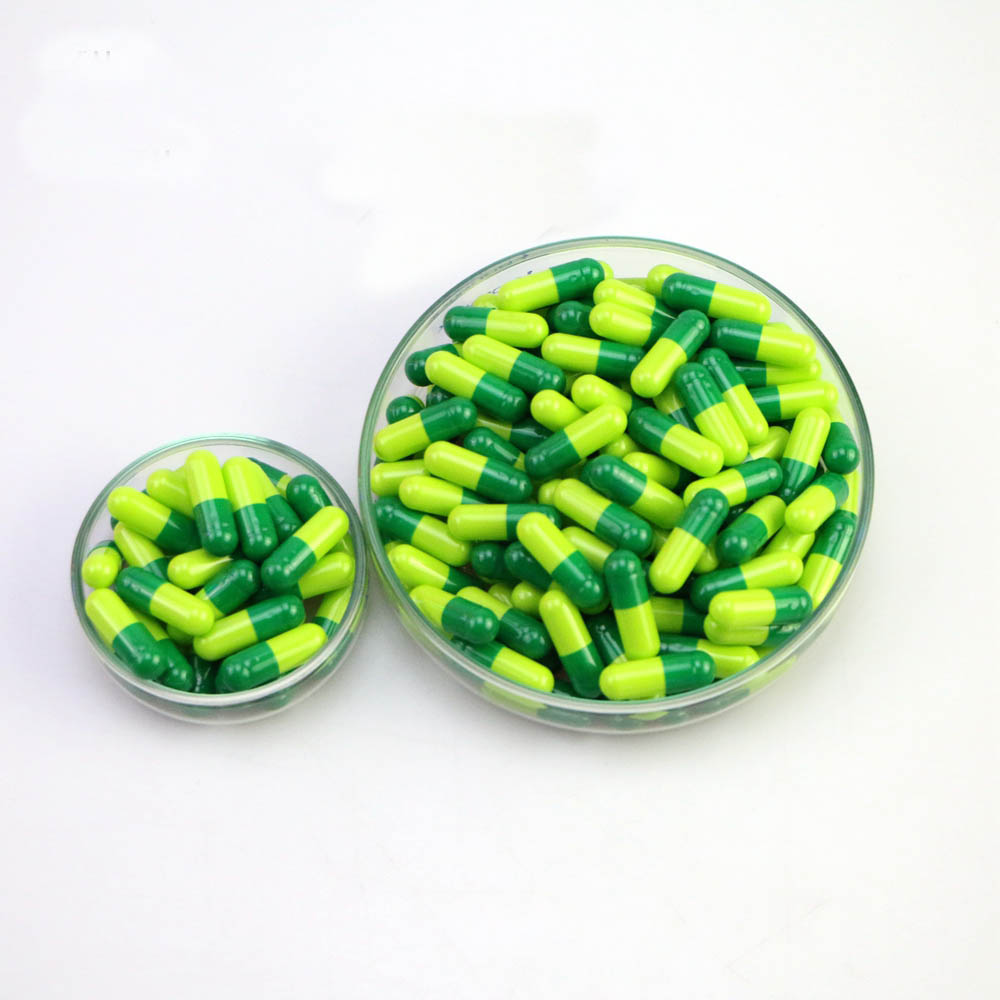 Halal empty hard geltin capsule
 -
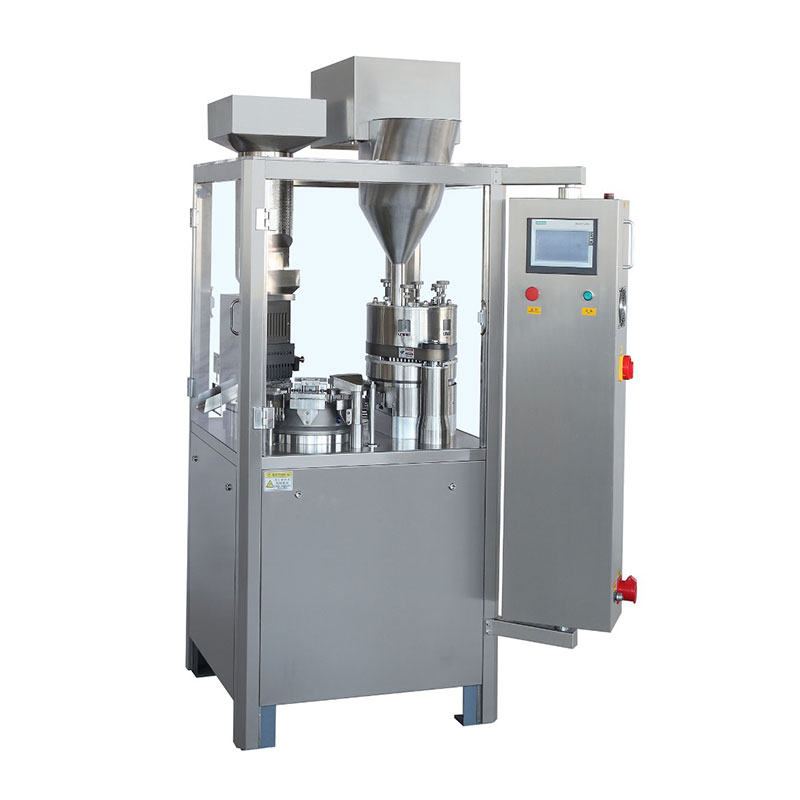 NJP-1200 Automatic Capsule Filling Machine
 -
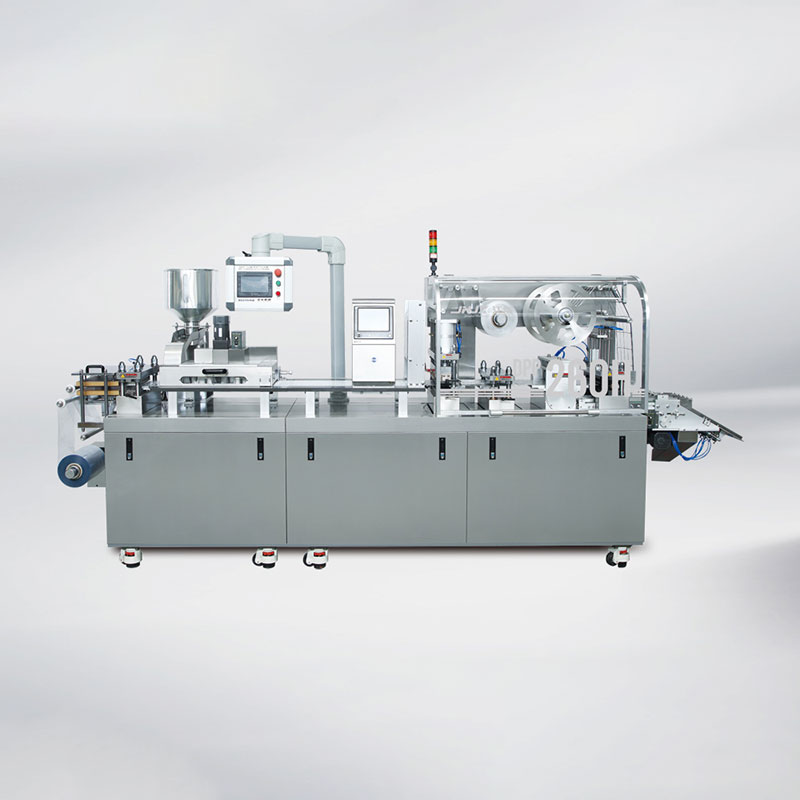 DPP-260H_DPP-320H Flat-plate Blister Packing Machine
 -
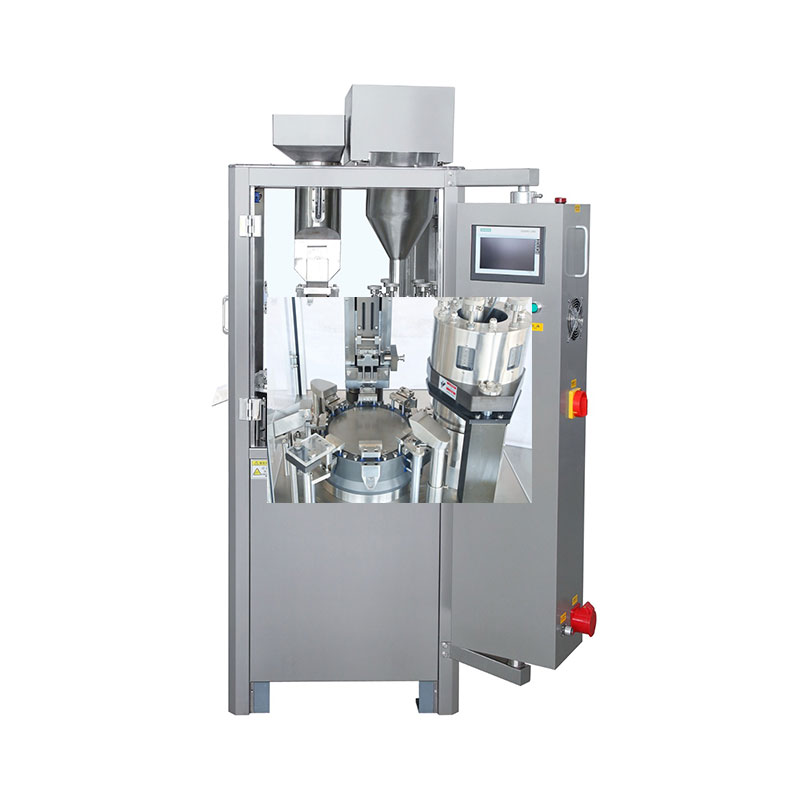 NJP-200 Model Fully Automatic Capsule Filling Machine
 -
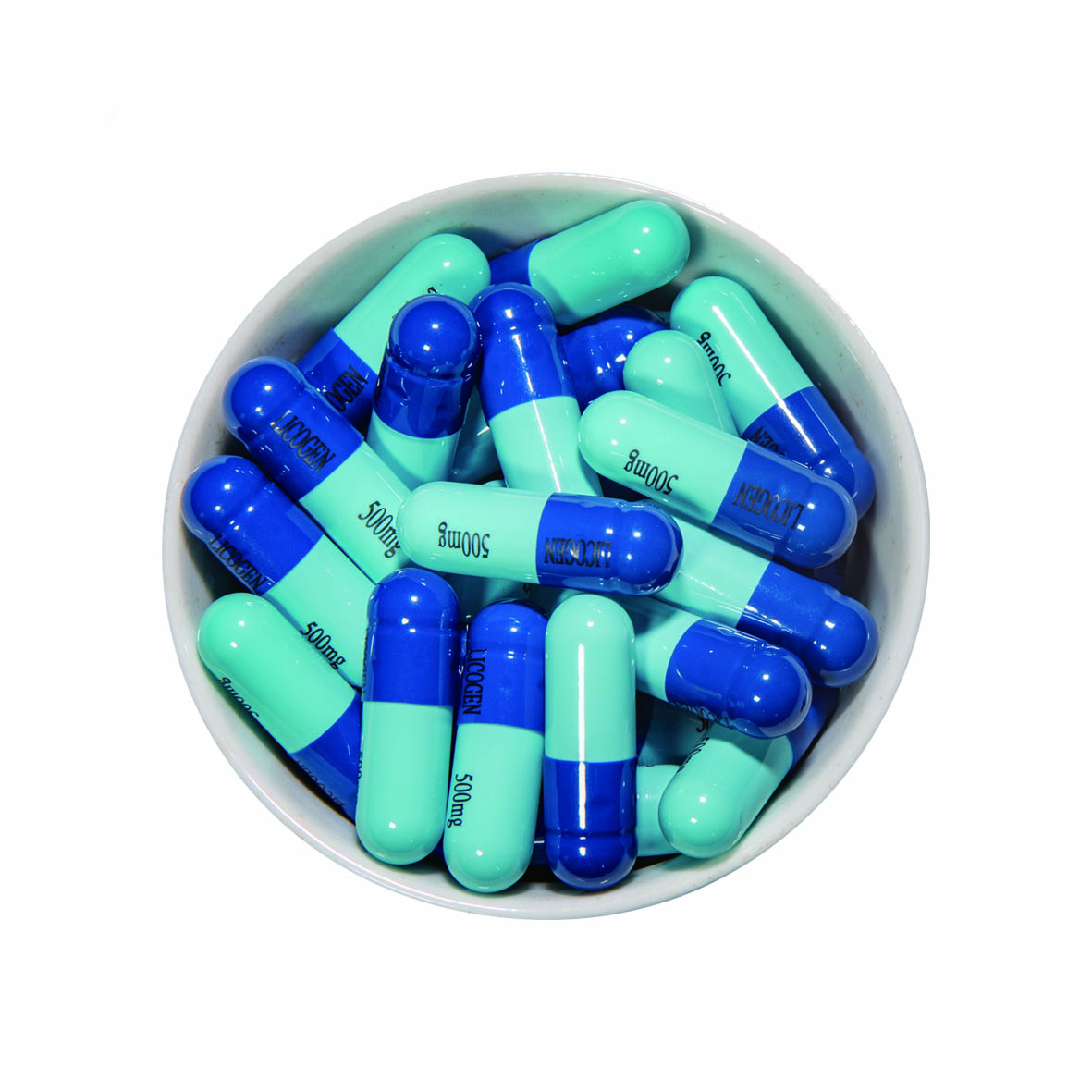 Hard Gelatin Empty Capsule Shell Size 00 0 1 2 3 4
Related Search
Related Search- Best capsule powder filling machine
- Certificate vegetarian capsules size 1
- high quality pill filling machine
- Best capsule filling machines employed for large scale manufacture of capsules
- Discount capsule filling machine size 2
- high quality vegetarian capsules size 00
- Certificate fruit and vegetable capsules advertised on fox news
- Discount capsule filler size 2
- 000 capsule filling machine
- size 4 capsule filler