
- English
- Chinese
- French
- German
- Portuguese
- Spanish
- Russian
- Japanese
- Korean
- Arabic
- Irish
- Greek
- Turkish
- Italian
- Danish
- Romanian
- Indonesian
- Czech
- Afrikaans
- Swedish
- Polish
- Catalan
- Esperanto
- Hindi
- Lao
- Albanian
- Amharic
- Armenian
- Azerbaijani
- Belarusian
- Bengali
- Bosnian
- Bulgarian
- Cebuano
- Chichewa
- Corsican
- Croatian
- Dutch
- Estonian
- Filipino
- Finnish
- Frisian
- Galician
- Georgian
- Gujarati
- Haitian
- Hausa
- Hawaiian
- Hebrew
- Hmong
- Hungarian
- Icelandic
- Igbo
- Javanese
- Kannada
- Kazakh
- Khmer
- Kurdish
- Kyrgyz
- Latin
- Latvian
- Lithuanian
- Luxembou..
- Macedonian
- Malagasy
- Malay
- Malayalam
- Maltese
- Maori
- Marathi
- Mongolian
- Burmese
- Nepali
- Norwegian
- Pashto
- Persian
- Punjabi
- Serbian
- Sesotho
- Sinhala
- Slovak
- Slovenian
- Somali
- Samoan
- Scots Gaelic
- Shona
- Sindhi
- Sundanese
- Swahili
- Tajik
- Tamil
- Telugu
- Thai
- Ukrainian
- Urdu
- Uzbek
- Vietnamese
- Welsh
- Xhosa
- Yiddish
- Yoruba
- Zulu
- Kinyarwanda
- Tatar
- Oriya
- Turkmen
- Uyghur



vegetable capsules sizes
Understanding Vegetable Capsule Sizes
Vegetable capsules are a fascinating niche of the pharmaceutical world, primarily because their sizing can be unexpectedly confusing for newcomers. At first glance, capsule sizes might seem straightforward, but delve a little deeper, and you encounter all sorts of practical challenges and considerations.
The Basics of Capsule Sizing
When it comes to vegetable capsules sizes, you often hear people referring to numbers like 0, 1, 2, etc. It's all numerical, yes, but don't be misled into thinking higher numbers mean larger sizes. Quite the opposite! A size 0 capsule, for instance, holds more than a size 1. This seems counterintuitive at first, yet that's a common rookie mistake.
During my time at SUQIAN KELAIYA INTERNATIONAL TRADING CO., LTD, engaged in everything from drug development to capsule manufacturing, I occasionally encountered partners puzzled by this numbering system. Our manufacturing sites in Zhejiang and Jiangsu constantly deal with clients who ask, “Why is a smaller number a larger capsule?” It’s an industry hiccup that catches many off-guard.
Our aim, especially in the initial discussions, is always to clarify these nuances. Trust me, there have been days where a simple misunderstanding of size leads to entire order adjustments or surprised clients when their shipment does not meet expectations.
Conveying Practical Information
The art of explaining these sizes to customers before they place an order is a delicate balance between education and engagement. It’s not just about knowing your own products but also understanding how clients might perceive these details. Sometimes having a physical, visual comparison helps immensely during discussions.
For instance, in one memorable meeting, I used a set of sample capsules—arranged in ascending numerical order—to show the actual size difference. Providing a tangible reference can often make an abstract concept much clearer, especially for visual learners or those newly navigating the capsule market.
This approach not only alleviated misunderstandings but also built trust. Our visitors appreciated the transparency, often leading to long-term partnerships. After all, the goal isn't just a sale but an informed purchase and satisfied client.
Real-world Implications
In my earlier days, I didn't fully appreciate how capsule size could impact formulation and packaging processes. A client once recounted a situation where switching from a size 1 to a 00 capsule threw their entire production line off-balance. Their blister packaging machine—one we also manufacture at Suqian Kelaiya—had to be recalibrated entirely.
It's stories like these that remind me how critical it is to align on every detail before orders are finalized. Each capsule size affects everything from the fill amount to the machinery settings required, which either finesses or frictions the production process. This particular client eventually became a case study in our catalog, illustrating how a keen understanding of sizes can prevent unforeseen bottlenecks.
To be frank, these real-world scenarios illustrate the granularity of the industry. It's all about foresight and detail-orientation, qualities that every employee must possess and apply, especially in pharmaceutical manufacturing.
The Role of Material
It's easy to forget the material considerations when focusing on size. Vegetable capsules, made from cellulose rather than gelatin, offer unique benefits and challenges. Their plant-based nature appeals to a growing segment of health-conscious consumers, but they also behave differently under certain conditions.
At Suqian Kelaiya, we primarily cater to this demand with our production facilities specifically designed to handle vegetable-based production. Some clients worry about moisture absorption rates or dissolution times, both crucial factors when deciding on the right capsule for a product.
We occasionally host tours at our Zhejiang site, allowing potential clients to observe our rigorous testing processes. Seeing the quality checks in real time often reassures them of their choice in vegetable-based options, solidifying their decision to partner with us.
Final Thought on Choices
So what’s the takeaway here? Understanding the intricacies of vegetable capsules sizes is more than a numbers game. It's about assurance—recognizing the interconnectedness of size, material, and application. No decision can be made in isolation when it comes to manufacturing and filling capsules.
Remember, each step—from selecting the right size to understanding its manufacturing implications—can either propel a product to success or stymie its progress. Whether you’re a newbie or a seasoned industry player, keeping these considerations at the forefront can turn potential pitfalls into pathways for innovation and growth. Suqian Kelaiya is committed to navigating those pathways with precision and expertise, alongside our clients.
Related Products
Related Products
Best Selling Products
Best Selling Products-
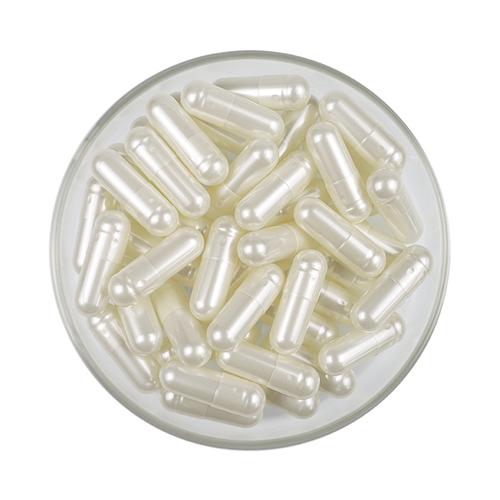 Golden_Pearl Hard Gelatin Capule
 -
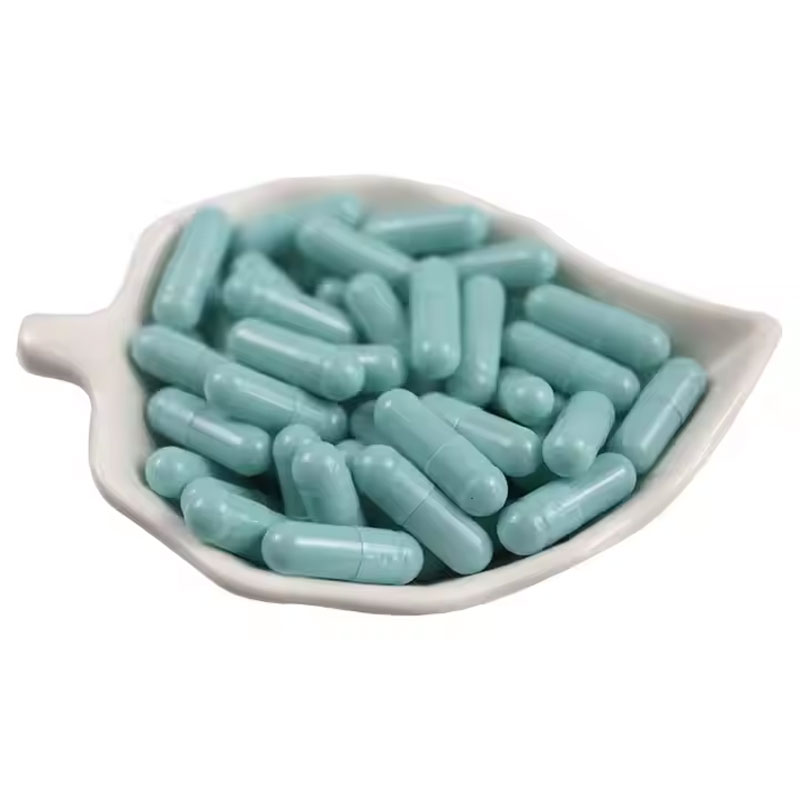 Vegetarian Separated Capsules HPMC Capsules Separated Wholesale Vegetarian Capsules Discount for Bulk Orders
 -
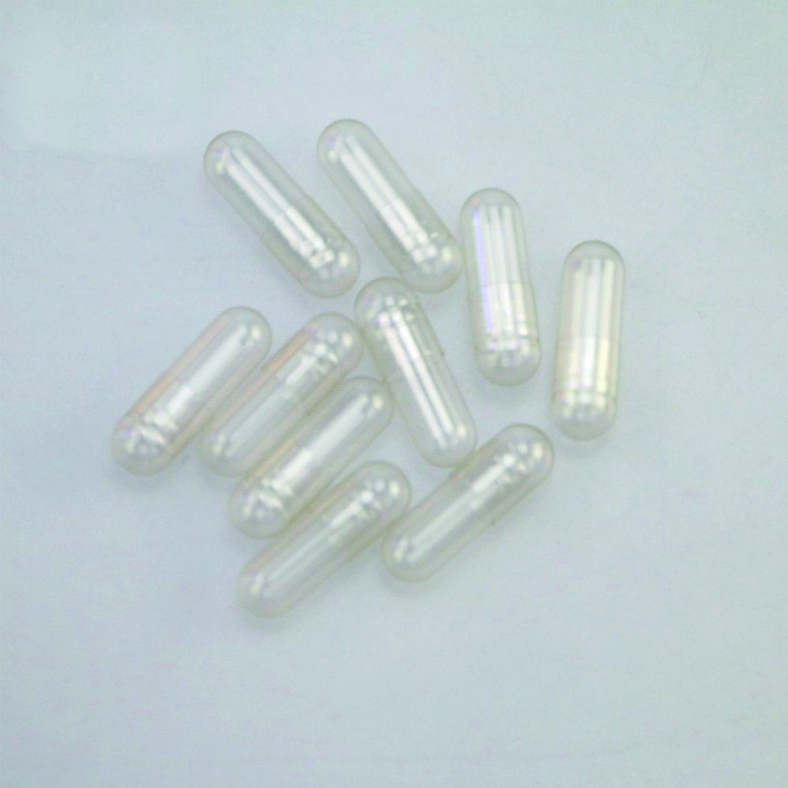 EMPTY HPMC CAPSULE SIZE 00 CLEAR
 -
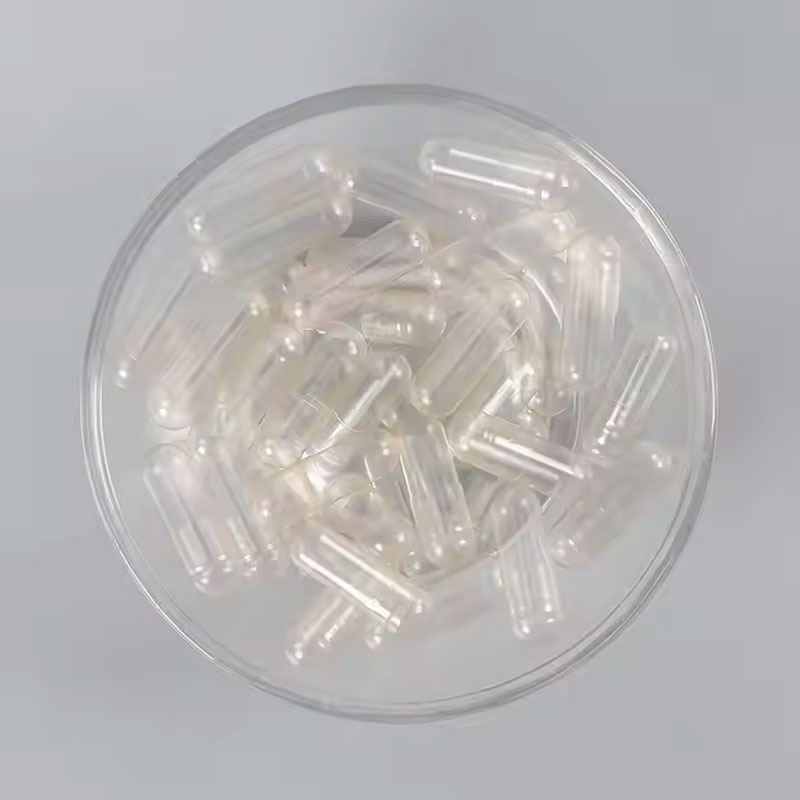 Hpmc Capsules Product Plant Vegetarian Size 00 0 Capsule Shell
 -
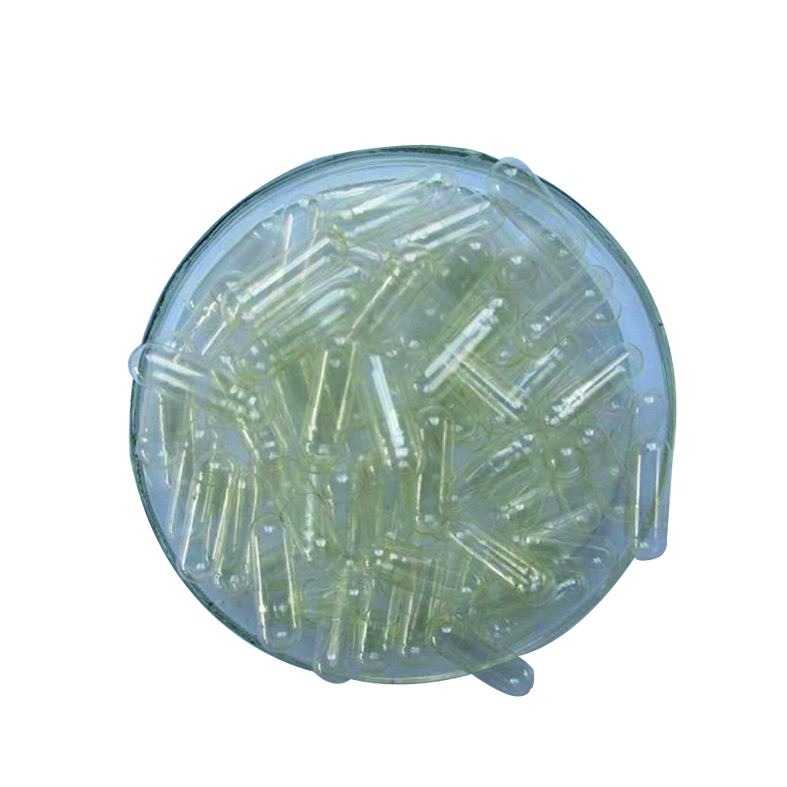 Halal Certificate Empty Clear Hard Gelatin Capsules Shell Size 0
 -
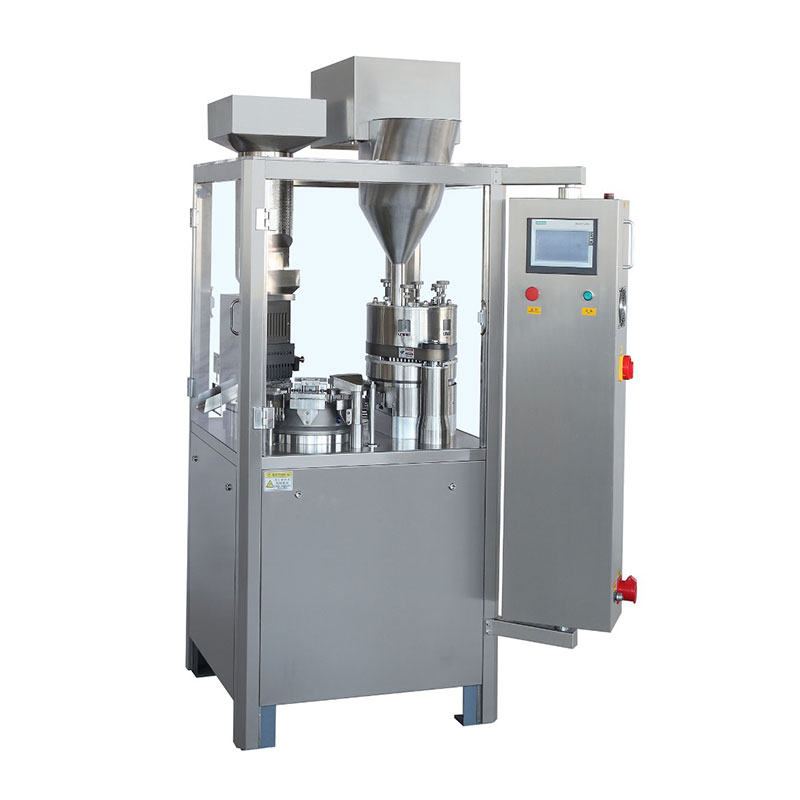 NJP-1200 Automatic Capsule Filling Machine
 -
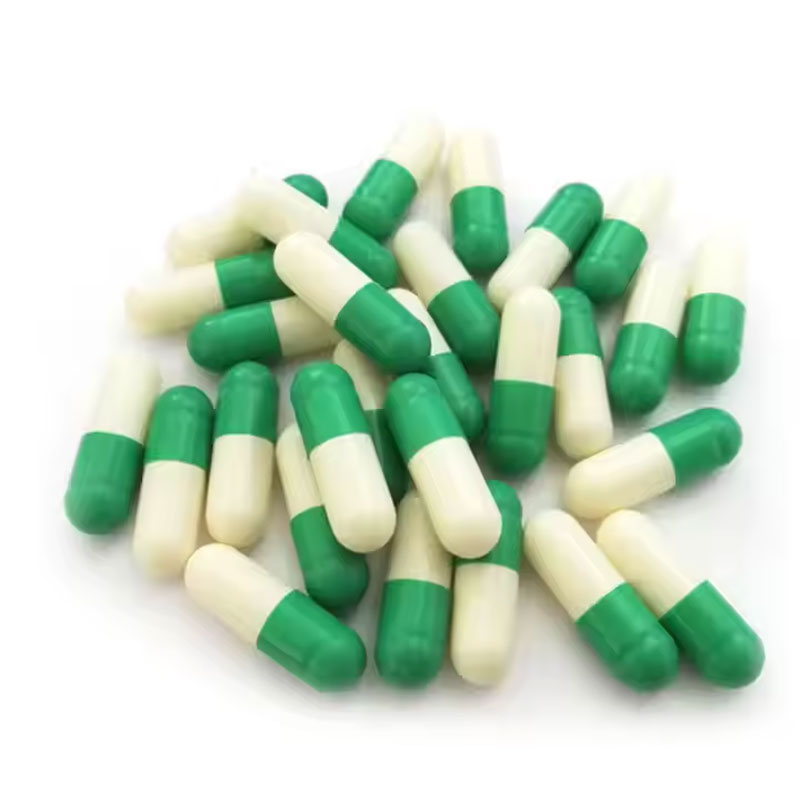 Size 00 hpmc capsules vegetarian capsules empty hard veggie capsules
 -
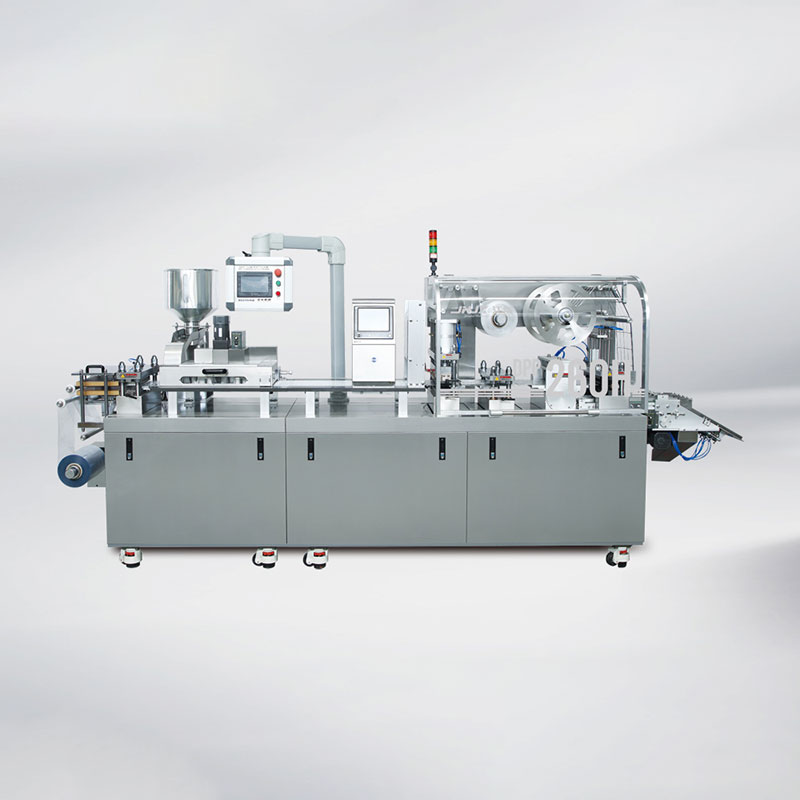 DPP-260H_DPP-320H Flat-plate Blister Packing Machine
 -
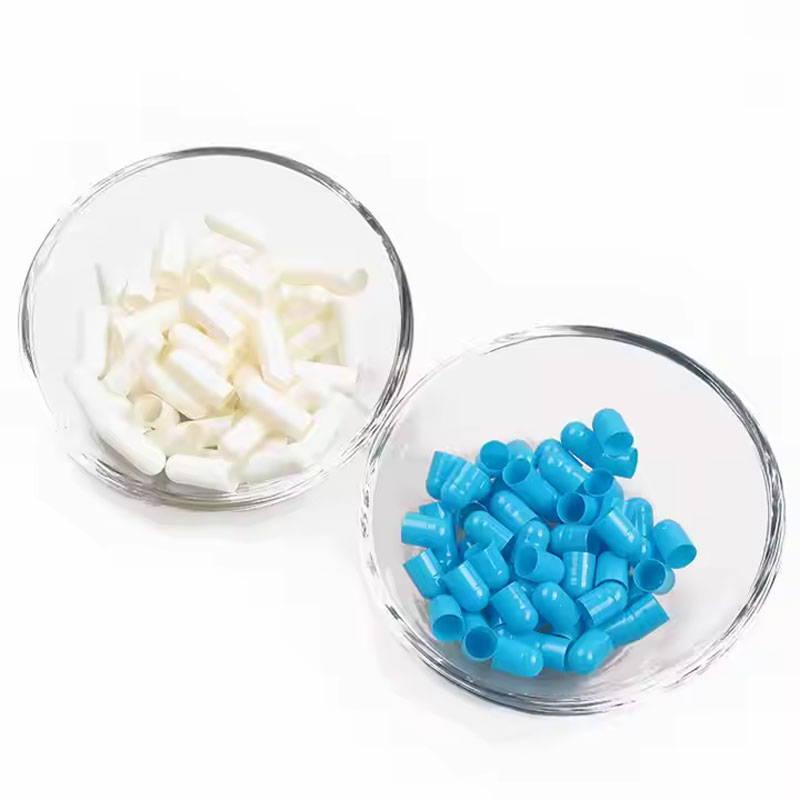 Empty VegCaps Shell Clear Empty Vegan Plant-Based Capsules Size 00 0 1 2 3 4 Natural Vegetable HPMC Capsules
 -
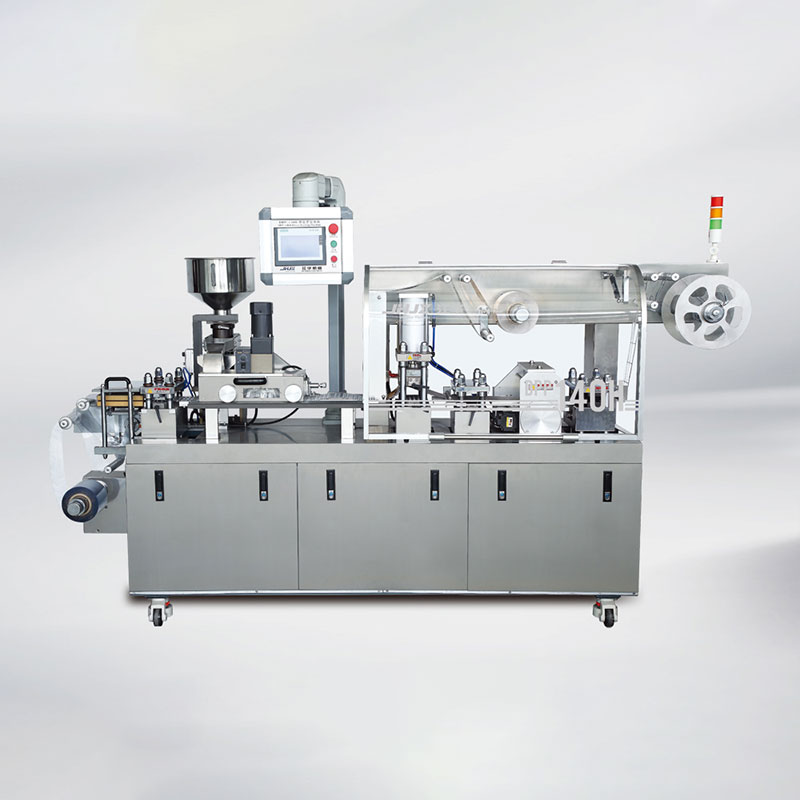 DPP-140H Flat-plate Blister Packing Machine
 -
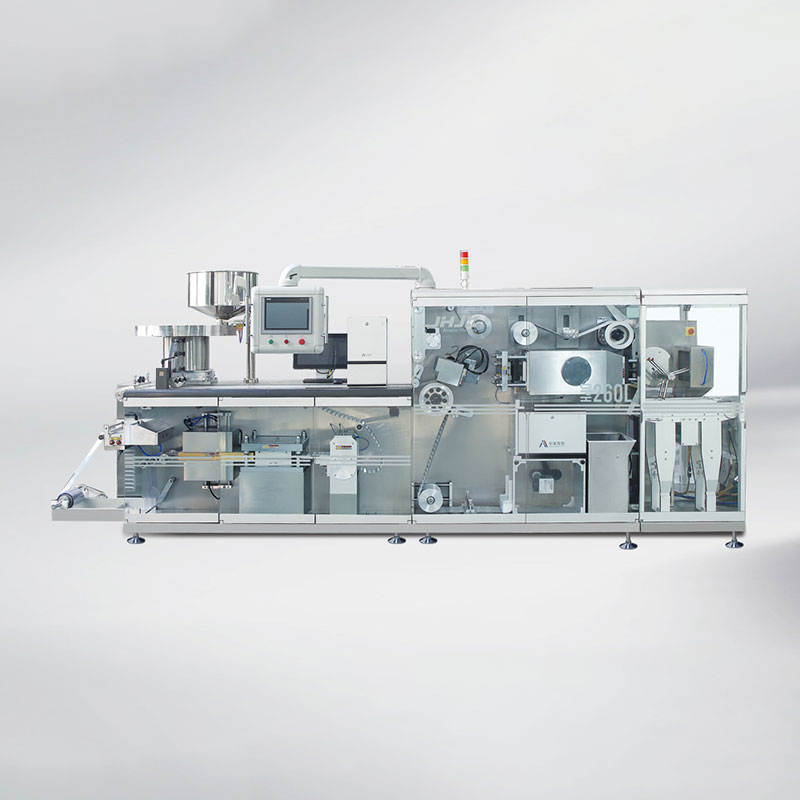 DPH-260L Roll-plate Blister Packaging Machine
 -
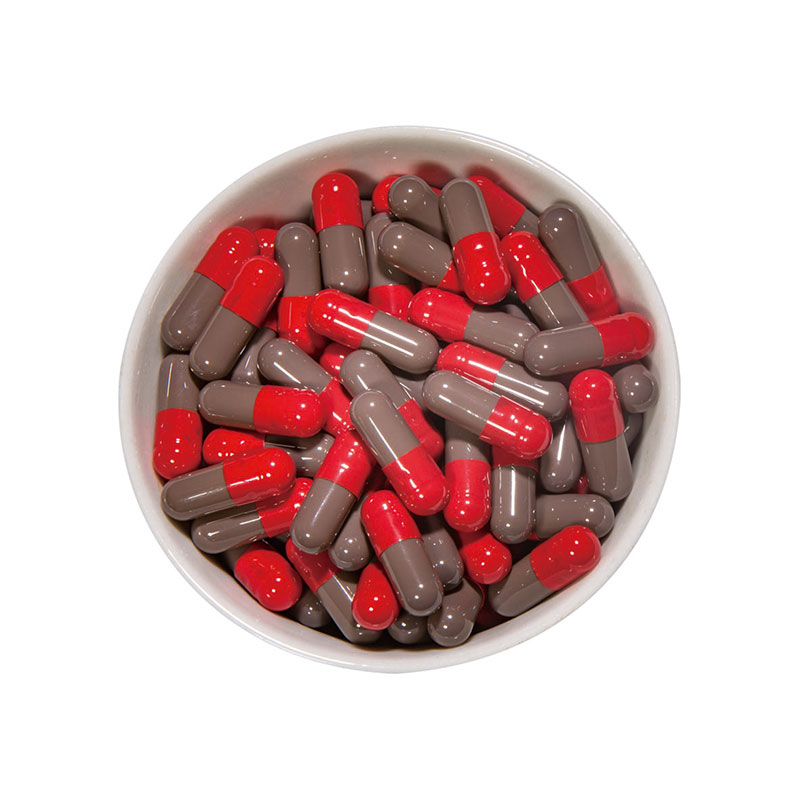 TIO2 free gelatin CAPSULE
Related Search
Related Search- high quality empty vegetarian capsules near me
- 00 vegetarian capsules wholesale
- Certificate vegetable capsules 0
- OEM capsule machine size 3
- high quality fruit and vegetable capsules advertised on fox news
- Best semi manual capsule filling machine
- vegetarian capsules size 1
- Discount vegetable capsules sizes
- hard gelatin capsule
- OEM gelatin capsule filling machine