
- English
- Chinese
- French
- German
- Portuguese
- Spanish
- Russian
- Japanese
- Korean
- Arabic
- Irish
- Greek
- Turkish
- Italian
- Danish
- Romanian
- Indonesian
- Czech
- Afrikaans
- Swedish
- Polish
- Catalan
- Esperanto
- Hindi
- Lao
- Albanian
- Amharic
- Armenian
- Azerbaijani
- Belarusian
- Bengali
- Bosnian
- Bulgarian
- Cebuano
- Chichewa
- Corsican
- Croatian
- Dutch
- Estonian
- Filipino
- Finnish
- Frisian
- Galician
- Georgian
- Gujarati
- Haitian
- Hausa
- Hawaiian
- Hebrew
- Hmong
- Hungarian
- Icelandic
- Igbo
- Javanese
- Kannada
- Kazakh
- Khmer
- Kurdish
- Kyrgyz
- Latin
- Latvian
- Lithuanian
- Luxembou..
- Macedonian
- Malagasy
- Malay
- Malayalam
- Maltese
- Maori
- Marathi
- Mongolian
- Burmese
- Nepali
- Norwegian
- Pashto
- Persian
- Punjabi
- Serbian
- Sesotho
- Sinhala
- Slovak
- Slovenian
- Somali
- Samoan
- Scots Gaelic
- Shona
- Sindhi
- Sundanese
- Swahili
- Tajik
- Tamil
- Telugu
- Thai
- Ukrainian
- Urdu
- Uzbek
- Vietnamese
- Welsh
- Xhosa
- Yiddish
- Yoruba
- Zulu
- Kinyarwanda
- Tatar
- Oriya
- Turkmen
- Uyghur


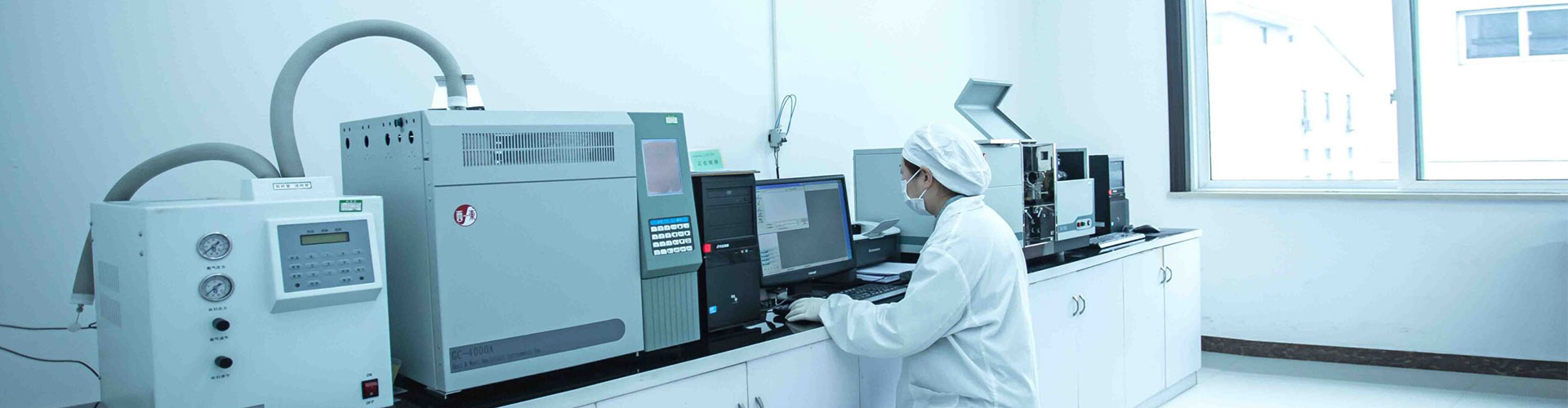
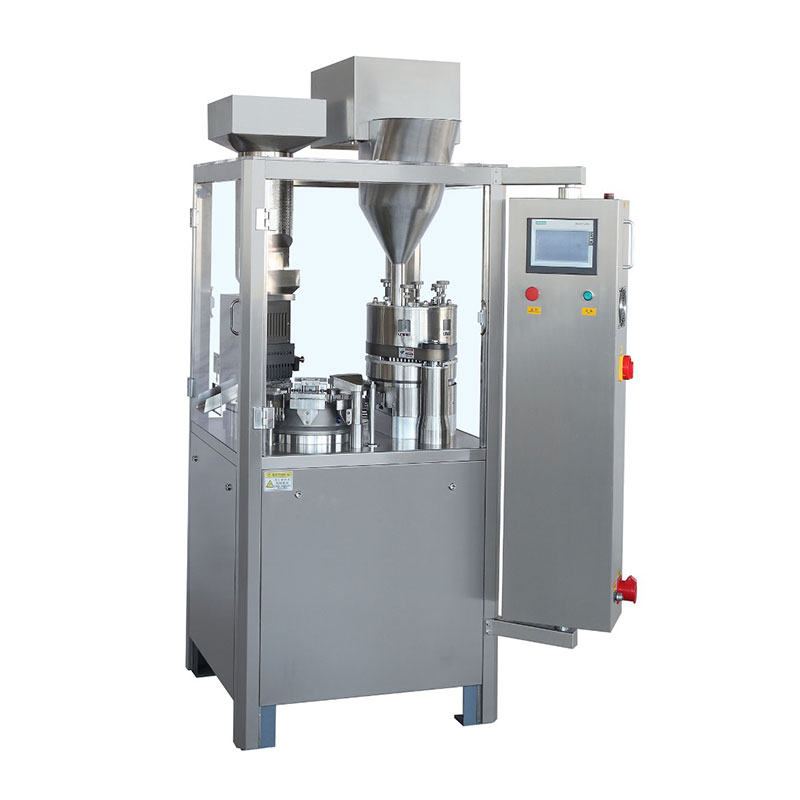
OEM small automatic capsule filling machine for sale
Exploring OEM Small Automatic Capsule Filling Machines for Sale
In the vast landscape of pharmaceutical equipment, OEM small automatic capsule filling machines hold a unique place. They cater to those who need efficiency without the overhead of large-scale operations. Unlike what many might believe, these machines aren't just scaled-down versions of industrial behemoths but tailored solutions for specific needs. Let's delve into this insightful realm, informed by years of hands-on experience.
Understanding the Basics
There's a common misconception that these small automatic capsule filling machines are merely cost-effective solutions for newcomers. However, they're more often strategic choices for established players looking to optimize specific production lines. Often, their value lies in their flexibility—being able to manage small batches with precision.
One needs to consider the various brands and models. Each has its strengths and weaknesses, often revealed through trial and error on the production floor. Different machines suit different capsule forms; this selection process isn't as straightforward as some might hope.
Experience has shown that you must match your product's needs with the machine's capabilities. For instance, an OEM machine might excel at filling gelatin capsules but not vegetarian ones. This nuance is critical for a successful operation.
Real-world Implementation
At Suqian Kelaiya International Trading Co., Ltd, for instance, these machines aren't just another SKU in their catalog. They represent a niche expertise honed by manufacturing at sites in Zhejiang and Jiangsu. These locations are central to their ability to produce both empty capsules and the machinery required for filling them, a synergy not every company can boast.
The true test lies in seeing these machines in action. One scenario had a client needing customized filling ratios. The OEM machine, with its adaptable settings, allowed precise adjustments that off-the-shelf alternatives couldn't match. This adaptability is what often seals the deal for businesses seeking tailored solutions.
Despite these advantages, not every trial leads to triumph. Issues such as feed rates and capsule compatibility can crop up unexpectedly, requiring a deft hand and creative thinking. Not every machine is forgiving to first-time users; operator skill and experience play significant roles.
Maintenance and Support
Another critical element that often goes overlooked is maintenance. Unlike their larger counterparts, these machines demand a different upkeep schedule. Regular, less intensive checks typically suffice, but ignoring them can lead to downtimes—a costly oversight.
Support from the supplier is crucial. Companies like Suqian Kelaiya understand this dynamic, providing technical assistance and parts when needed. With their dual manufacturing locations, they can efficiently resolve issues related to both the capsules and the machines themselves.
Anecdotally, having prompt support can be a game-changer. I recall an instance where immediate troubleshooting assistance from the supplier minimized downtime, saving the company significant production losses.
Customization Options
Customization doesn't merely benefit production—it can redefine it. OEM small automatic capsule filling machines often come with modular options, allowing for an expansion you might initially overlook. The ability to upgrade with new filling technologies can extend the life of the machine indefinitely.
Consider the situation where a factory transitions from one product line to another. Adjustments in filling capacities, speed, and capsule types may all be required. A modular machine can often accommodate these changes with simple modifications rather than a full replacement.
However, it's advisable to thoroughly evaluate the supplier's ability to provide these custom solutions. Not everyone can tailor equipment as effectively as needed, so due diligence ensures your investment meets future demands.
Economic Considerations
Ultimately, one cannot ignore economic considerations. A common error is undervaluing the initial investment, focusing solely on the machine cost while ignoring long-term operational costs. It's the total cost of ownership that reveals the true investment value.
Analyzing aspects like energy consumption, parts replacement, and whether support services are included can make a significant difference. From my perspective, aligning your expectations with the realistic financial commitment can prevent unpleasant surprises.
Companies like Suqian Kelaiya provide pathways to minimize these financial hurdles by offering comprehensive support and reliable equipment. It's about building a relationship rather than just a transaction.
Related Products
Related Products
Best Selling Products
Best Selling Products-
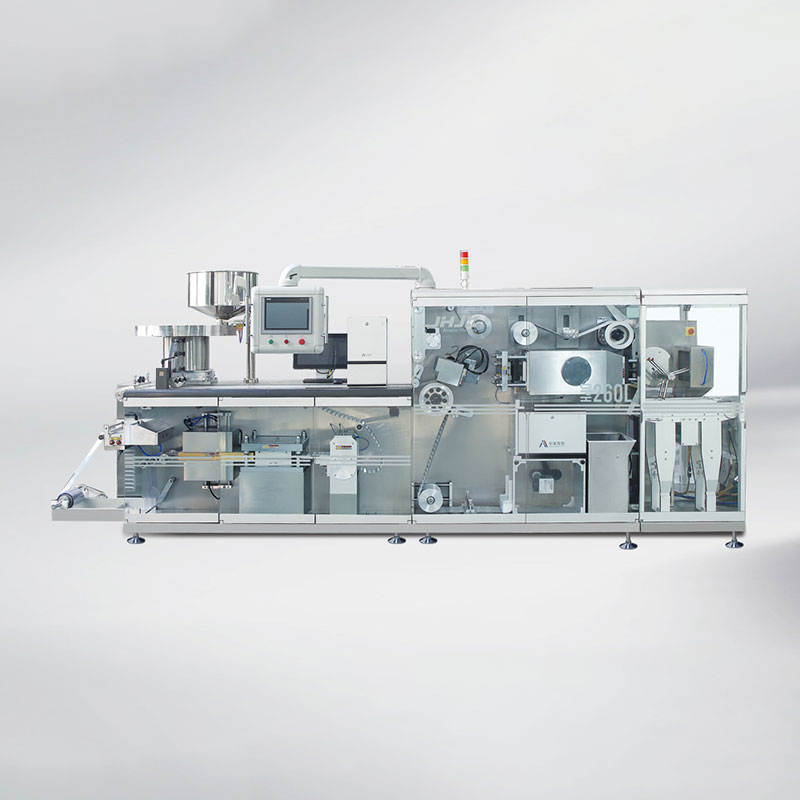 DPH-260L Roll-plate Blister Packaging Machine
 -
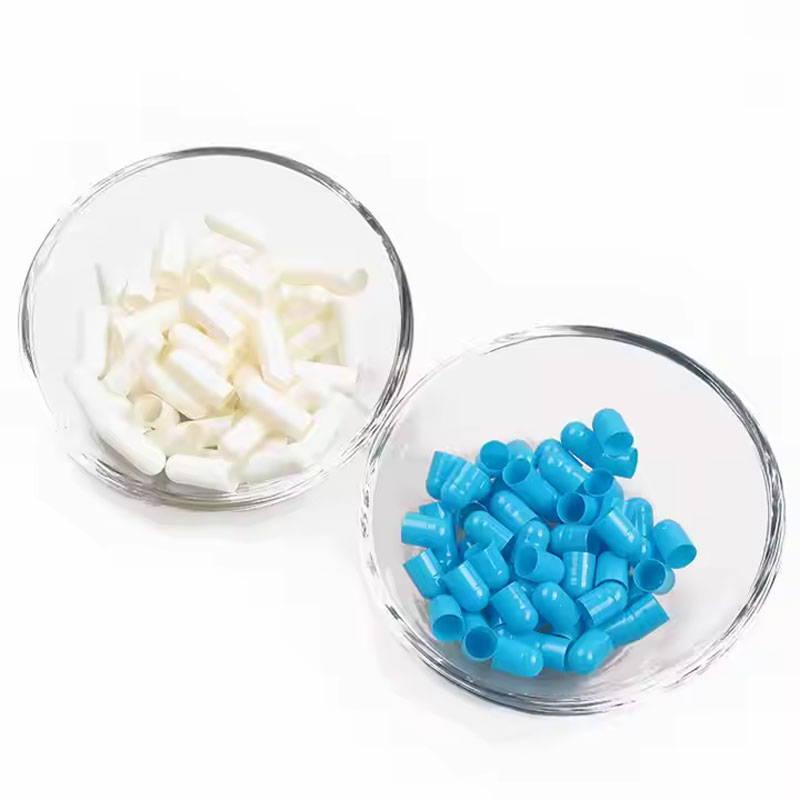 Empty VegCaps Shell Clear Empty Vegan Plant-Based Capsules Size 00 0 1 2 3 4 Natural Vegetable HPMC Capsules
 -
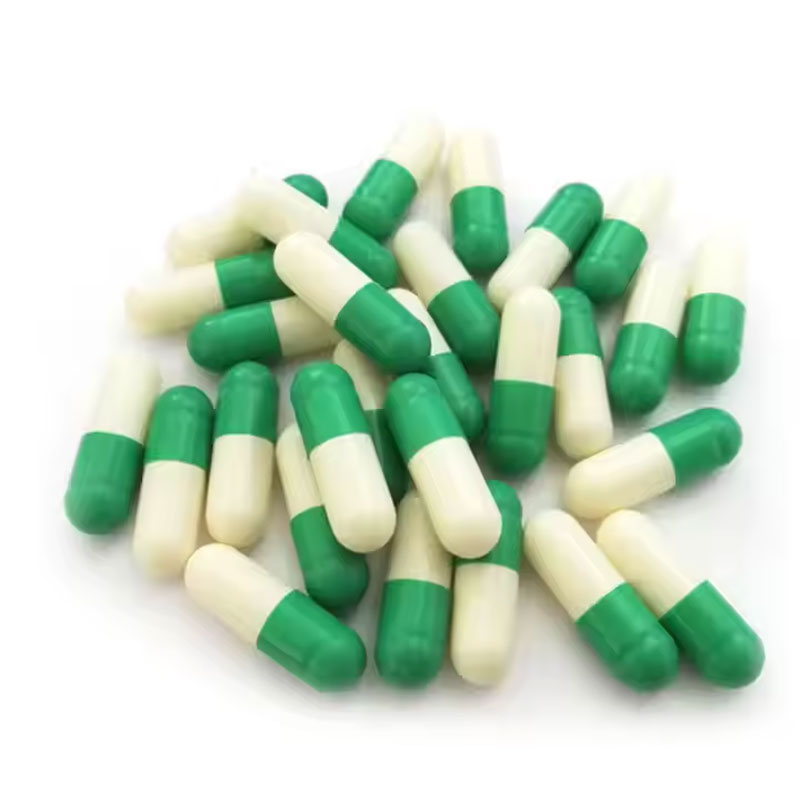 Size 00 hpmc capsules vegetarian capsules empty hard veggie capsules
 -
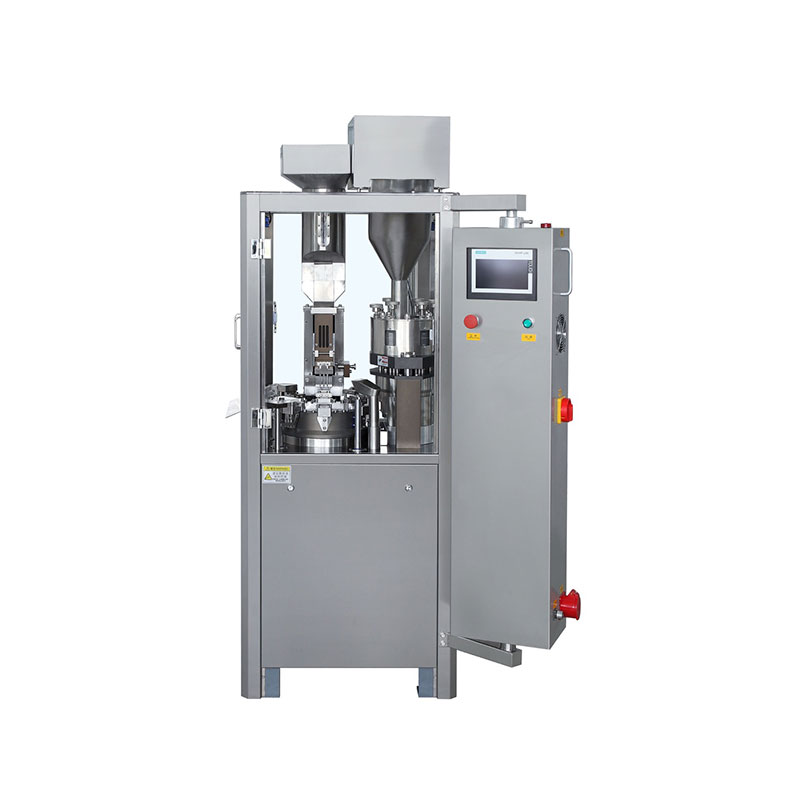 NJP-400 Fully Automatic Capsule Filling Machine
 -
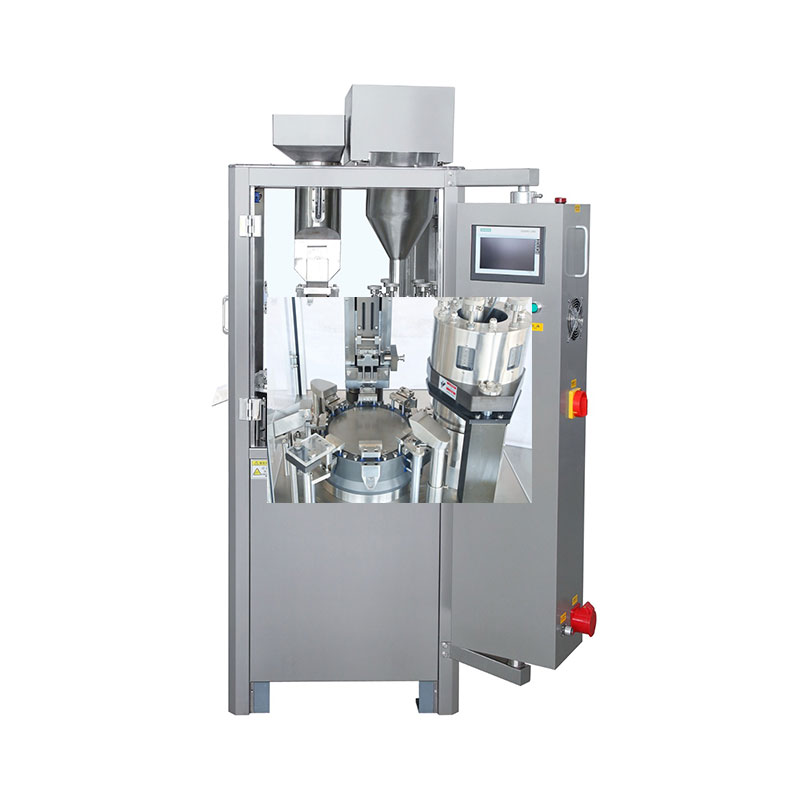 NJP-200 Model Fully Automatic Capsule Filling Machine
 -
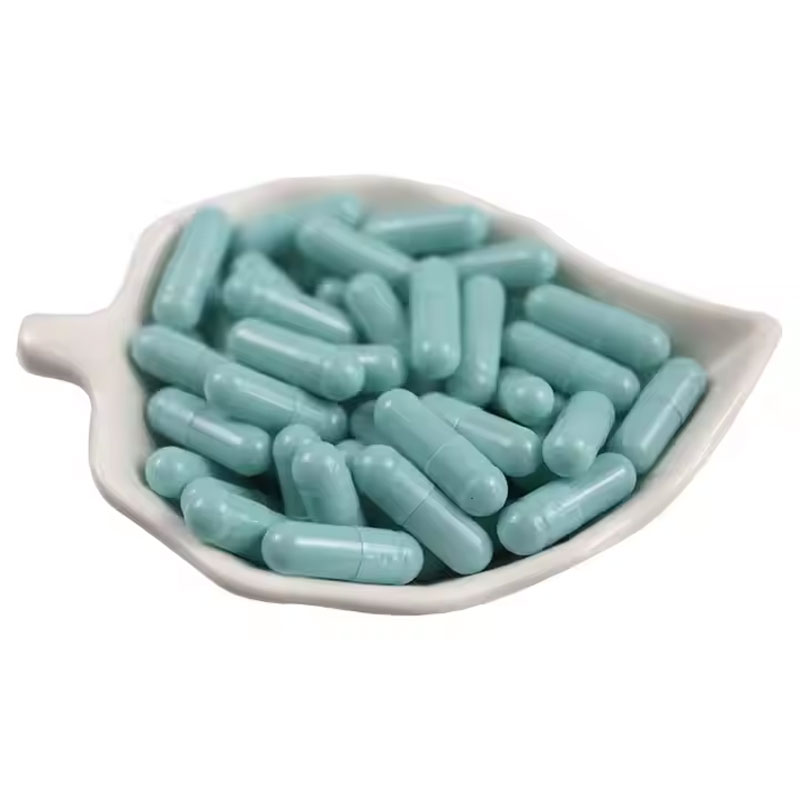 Vegetarian Separated Capsules HPMC Capsules Separated Wholesale Vegetarian Capsules Discount for Bulk Orders
 -
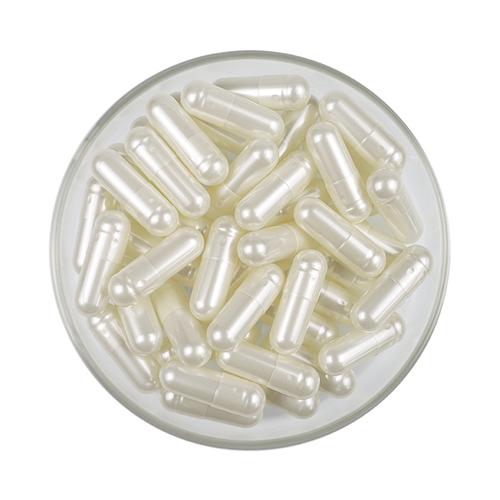 Golden_Pearl Hard Gelatin Capule
 -
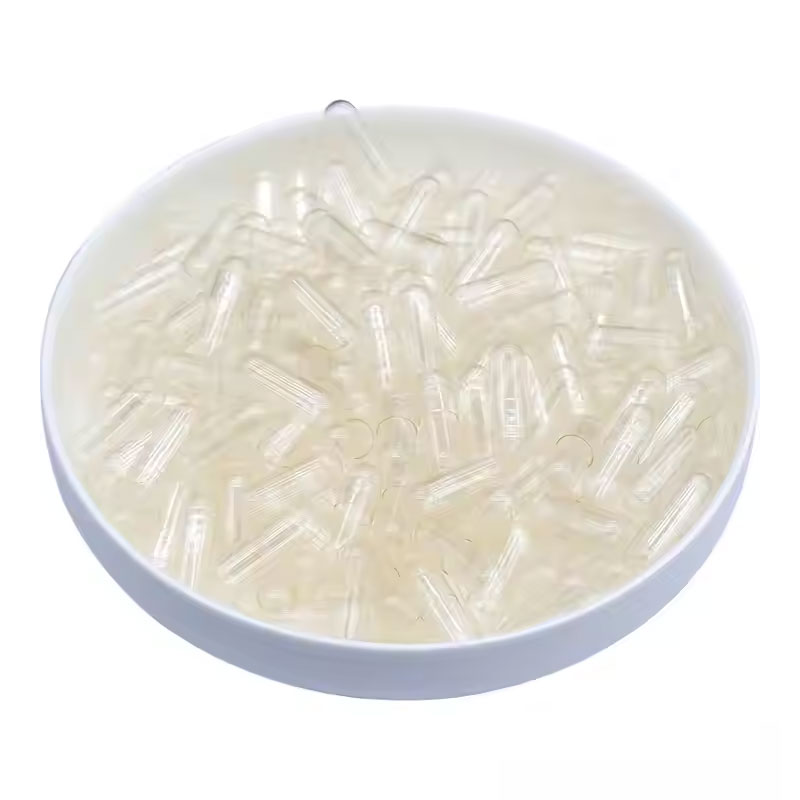 EMPTY VEGATABLE CAPSULE CLEAR SIZE 0
 -
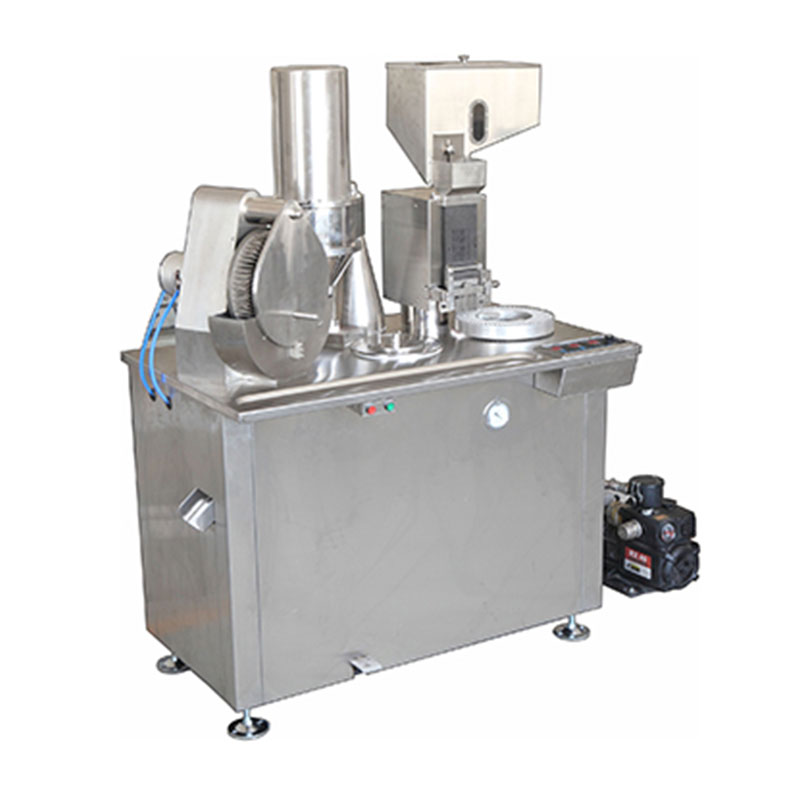 CGN208-D Newest Type Semi Automatic Capsule Filling Machine
 -
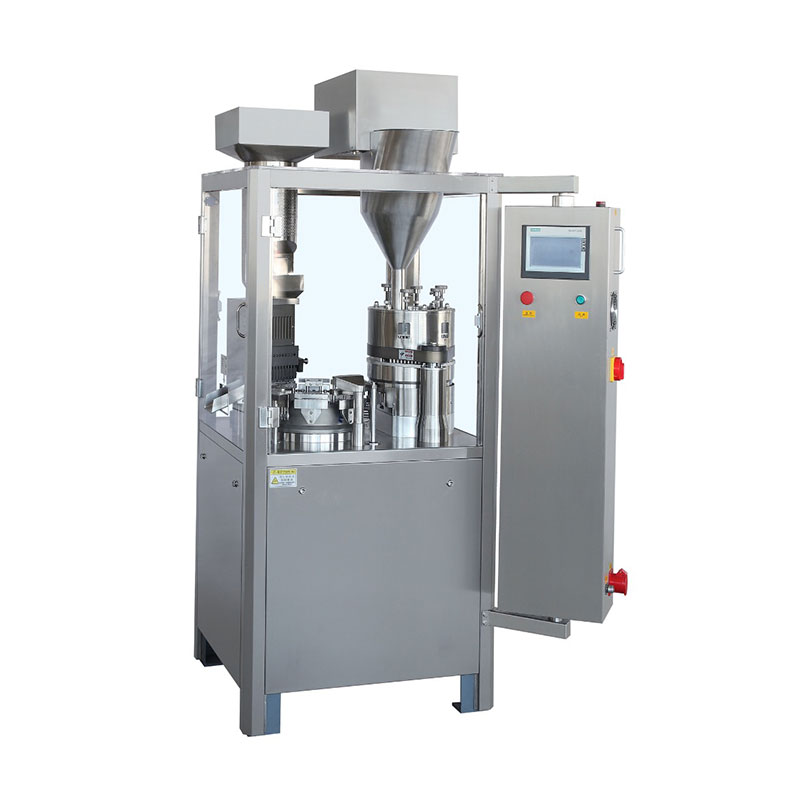 NJP-800 Automatic Capsule Filling Machine
 -
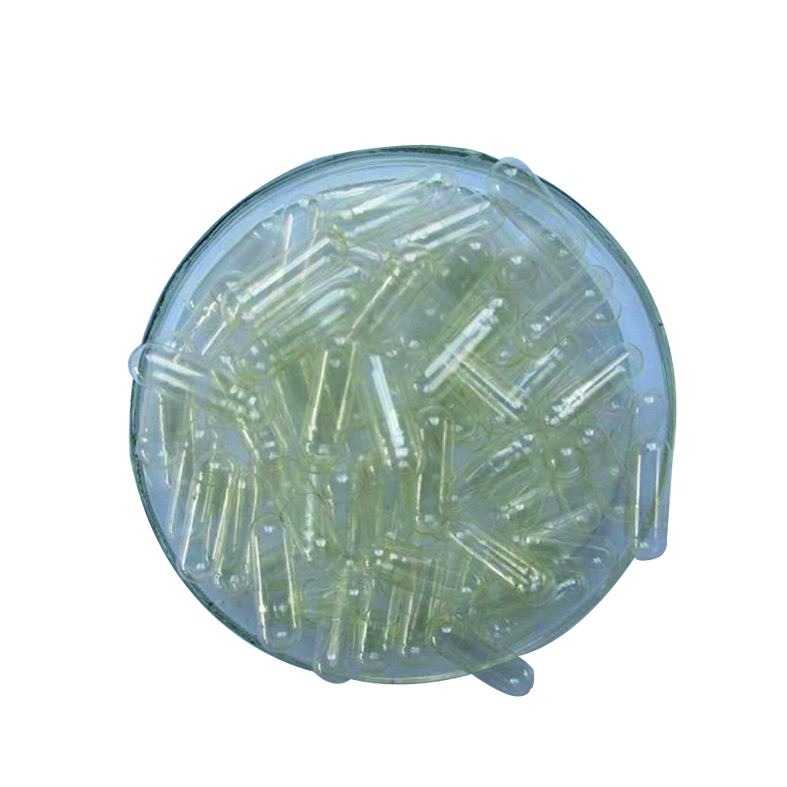 Halal Certificate Empty Clear Hard Gelatin Capsules Shell Size 0
 -
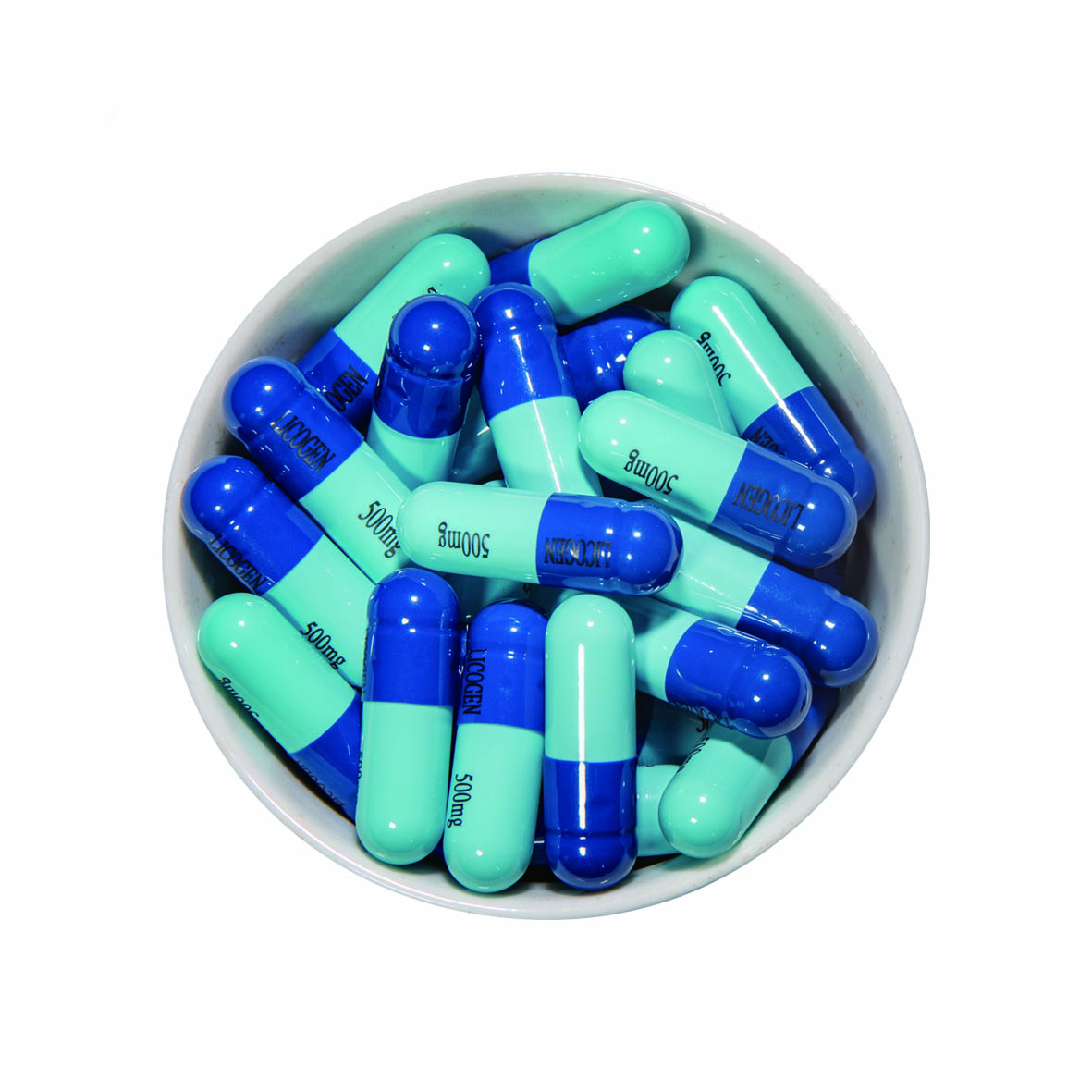 Hard Gelatin Empty Capsule Shell Size 00 0 1 2 3 4
Related Search
Related Search- empty CLEAR VEGETABLE CAPSULE SIZE 0
- high quality semi auto capsule filling machine
- high quality hard capsule filling machine
- Best capsule filler
- Certificate gel cap filling machine
- Certificate 000 veggie capsules
- Certificate size 0 vegetable capsules
- Best empty vegetarian capsules size 00
- Discount vegetarian capsules size 00
- capsule filler