
- English
- Chinese
- French
- German
- Portuguese
- Spanish
- Russian
- Japanese
- Korean
- Arabic
- Irish
- Greek
- Turkish
- Italian
- Danish
- Romanian
- Indonesian
- Czech
- Afrikaans
- Swedish
- Polish
- Catalan
- Esperanto
- Hindi
- Lao
- Albanian
- Amharic
- Armenian
- Azerbaijani
- Belarusian
- Bengali
- Bosnian
- Bulgarian
- Cebuano
- Chichewa
- Corsican
- Croatian
- Dutch
- Estonian
- Filipino
- Finnish
- Frisian
- Galician
- Georgian
- Gujarati
- Haitian
- Hausa
- Hawaiian
- Hebrew
- Hmong
- Hungarian
- Icelandic
- Igbo
- Javanese
- Kannada
- Kazakh
- Khmer
- Kurdish
- Kyrgyz
- Latin
- Latvian
- Lithuanian
- Luxembou..
- Macedonian
- Malagasy
- Malay
- Malayalam
- Maltese
- Maori
- Marathi
- Mongolian
- Burmese
- Nepali
- Norwegian
- Pashto
- Persian
- Punjabi
- Serbian
- Sesotho
- Sinhala
- Slovak
- Slovenian
- Somali
- Samoan
- Scots Gaelic
- Shona
- Sindhi
- Sundanese
- Swahili
- Tajik
- Tamil
- Telugu
- Thai
- Ukrainian
- Urdu
- Uzbek
- Vietnamese
- Welsh
- Xhosa
- Yiddish
- Yoruba
- Zulu
- Kinyarwanda
- Tatar
- Oriya
- Turkmen
- Uyghur



OEM size 4 capsule filler
Understanding the Role of OEM Size 4 Capsule Filler in Modern Manufacturing
In the realm of pharmaceutical manufacturing, the humble OEM size 4 capsule filler holds a surprisingly crucial position. Often overlooked or misunderstood, these machines are pivotal for efficient and precise capsule production. Misconceptions abound regarding their operation and maintenance, and many find themselves stumbling without proper insights. Let's dissect the role of this machinery and uncover some practical insights from the field.
The Basics of Capsule Filling
At the heart of pharmaceutical production, capsule fillers transform loose powders into neatly encapsulated products ready for consumption. An OEM size 4 capsule filler caters specifically to producing smaller capsules, which are often used for medications with lower dosage requirements. These fillers need to precisely measure and fill, maintaining consistent weight across batches.
I've seen cases where operators, assuming the smaller size equates to easier management, underestimate the intricacy involved. Calibration is key here. It's vital to ensure that every mechanism—from powder hopper to filling station—adapts precisely to the demands of size 4 capsules. A minor misalignment can cause significant issues down the line, a lesson many learn the hard way.
Moreover, the choice of the machine must align with your product's specific requirements. SUQIAN KELAIYA INTERNATIONAL TRADING CO., LTD, with its expertise in new drug development and manufacturing, stands out here. Their range includes highly efficient capsule fillers that prove invaluable for maintaining production speed and quality.
Common Challenges and Considerations
Operators often face challenges that aren't obvious at first glance. For instance, powder stickiness can disrupt the flow, causing clogs. This is particularly troublesome with hygroscopic materials. One workaround I've seen is using specific lubricants, but it’s a double-edged sword; too much can compromise capsule integrity.
Proper training is another hurdle. While automation eases many burdens, machine operators still require a nuanced understanding to troubleshoot effectively. Some companies I've worked with, notably those like Suqian kelaiya corp., invest heavily in training their personnel, which pays dividends in operational efficiency.
Another point of concern is maintenance. Routine checks and timely interventions keep the OEM size 4 capsule filler running smoothly. Ignoring even minor issues can escalate costs and downtime, a costly mistake for any production line aiming for timeliness and consistency.
Insights from the Field
An interesting case comes from a manufacturing site in Jiangsu province, where a partnership with Suqian kelaiya corp. led to demonstrable improvement in output quality. By refining their capsule filler operations, they reduced the variance in capsule weight significantly. This was achieved through a combination of technological upgrades and enhancements in operator expertise.
Another common lesson is the importance of integrating quality checks within the production line. Early error detection can save substantial time and resources. The companies that systematically incorporate in-line monitoring typically see reduced waste and enhanced product reliability.
Furthermore, it's essential to factor in the role of environmental conditions. Humidity and temperature fluctuations can affect powder characteristics, influencing the filler performance. Hence, climate-controlled environments might be necessary to ensure optimal operation. This isn't just a theoretical suggestion—I've seen it implemented successfully numerous times.
Strategic Partnerships and Growth
Building strong supply chain relationships is crucial for leveraging the best technology and expertise available. Companies like Suqian kelaiya corp. exemplify this approach, leveraging their dual manufacturing sites to enhance production capacity and innovation. By understanding customer-specific needs, they tailor their offerings—be it in empty capsules or capsule fillers.
Such partnerships also facilitate smoother transitions during upscaling operations. When increasing production volumes, having a dependable machine like the OEM size 4 capsule filler is indispensable. A robust support system ensures minimal hiccups during these expansions.
Ultimately, success in using capsule fillers effectively isn't just about the technology; it's a blend of skilled operators, strategic planning, and reliable partnerships. With more companies aiming to optimize their manufacturing processes, the lessons from experienced practitioners in the field become all the more relevant.
Looking Forward: Innovation and Adaptation
The future of capsule filling lies in continuous innovation, and companies that manage to stay ahead are those investing in research and development. Adjusting to new regulations and market demands requires agility and foresight. As such, Suqian kelaiya corp. remains a notable player, constantly evolving its offerings to stay aligned with these trends.
Developments in AI and machine learning could further enhance the precision of capsule fillers, minimizing human error and boosting efficiency. However, the human element—experience, decision-making, intuition—remains key. No machine can replicate the insights gained from years spent on the production floor.
In conclusion, the journey with OEM size 4 capsule fillers is one of continuous learning and adaptation. Armed with the right combination of machinery and expertise, manufacturers can navigate the complexities of modern pharmaceutical production with confidence.
Related Products
Related Products

Best Selling Products
Best Selling Products-
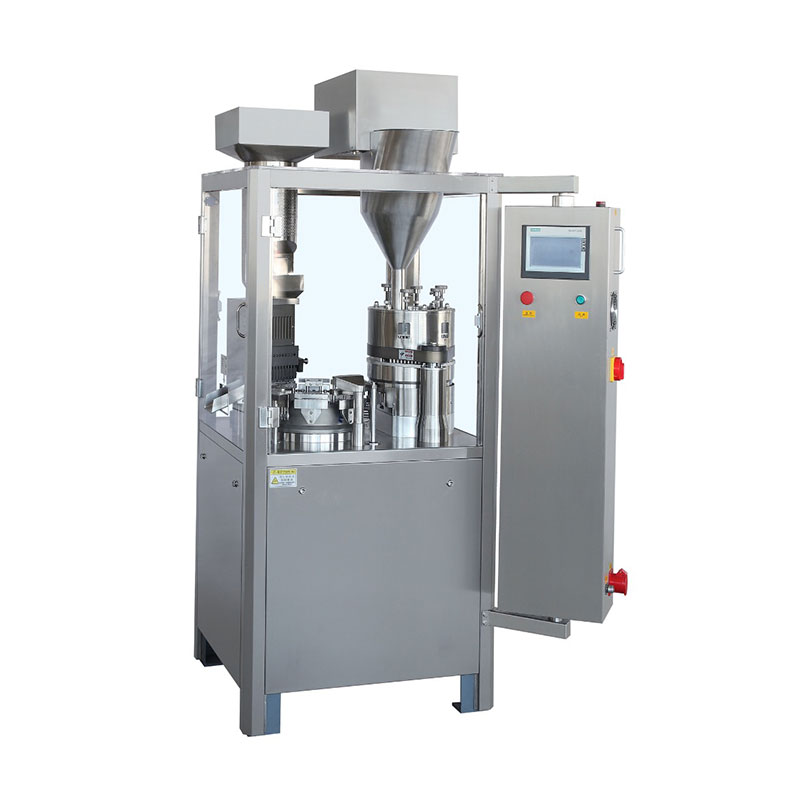 NJP-800 Automatic Capsule Filling Machine
 -
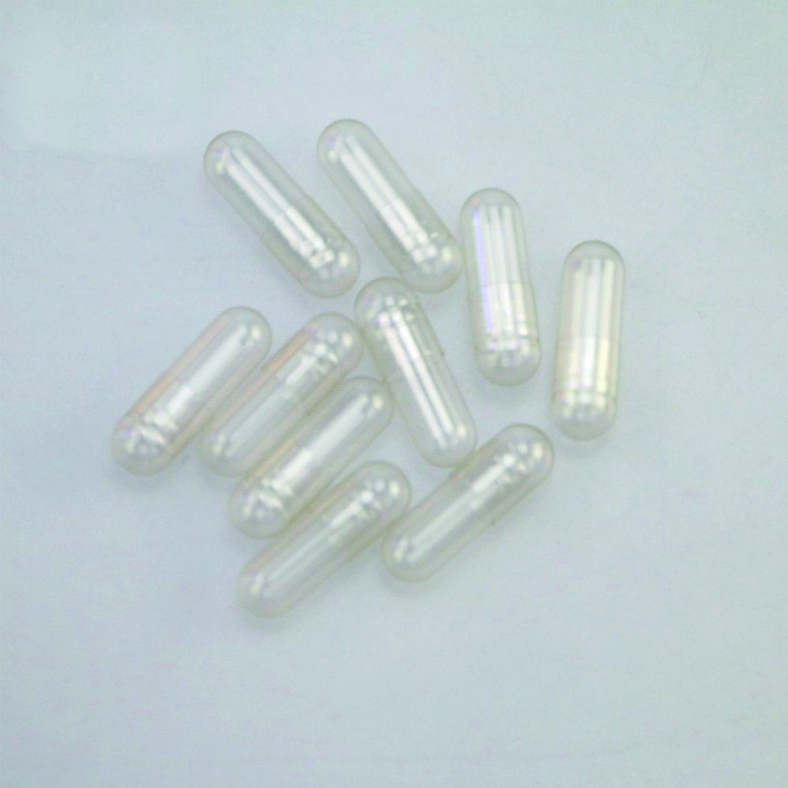 EMPTY HPMC CAPSULE SIZE 00 CLEAR
 -
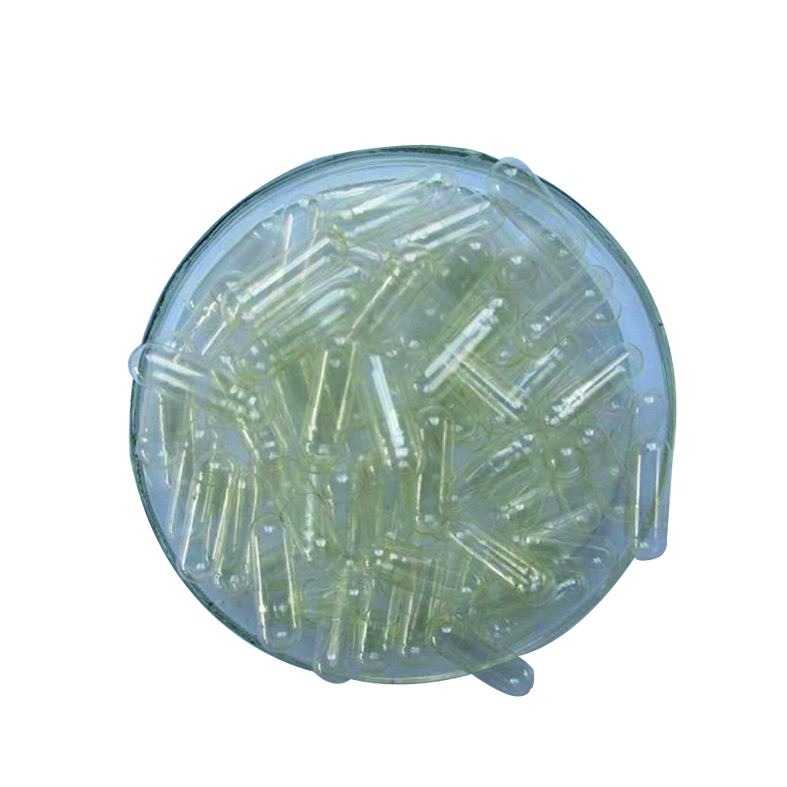 Halal Certificate Empty Clear Hard Gelatin Capsules Shell Size 0
 -
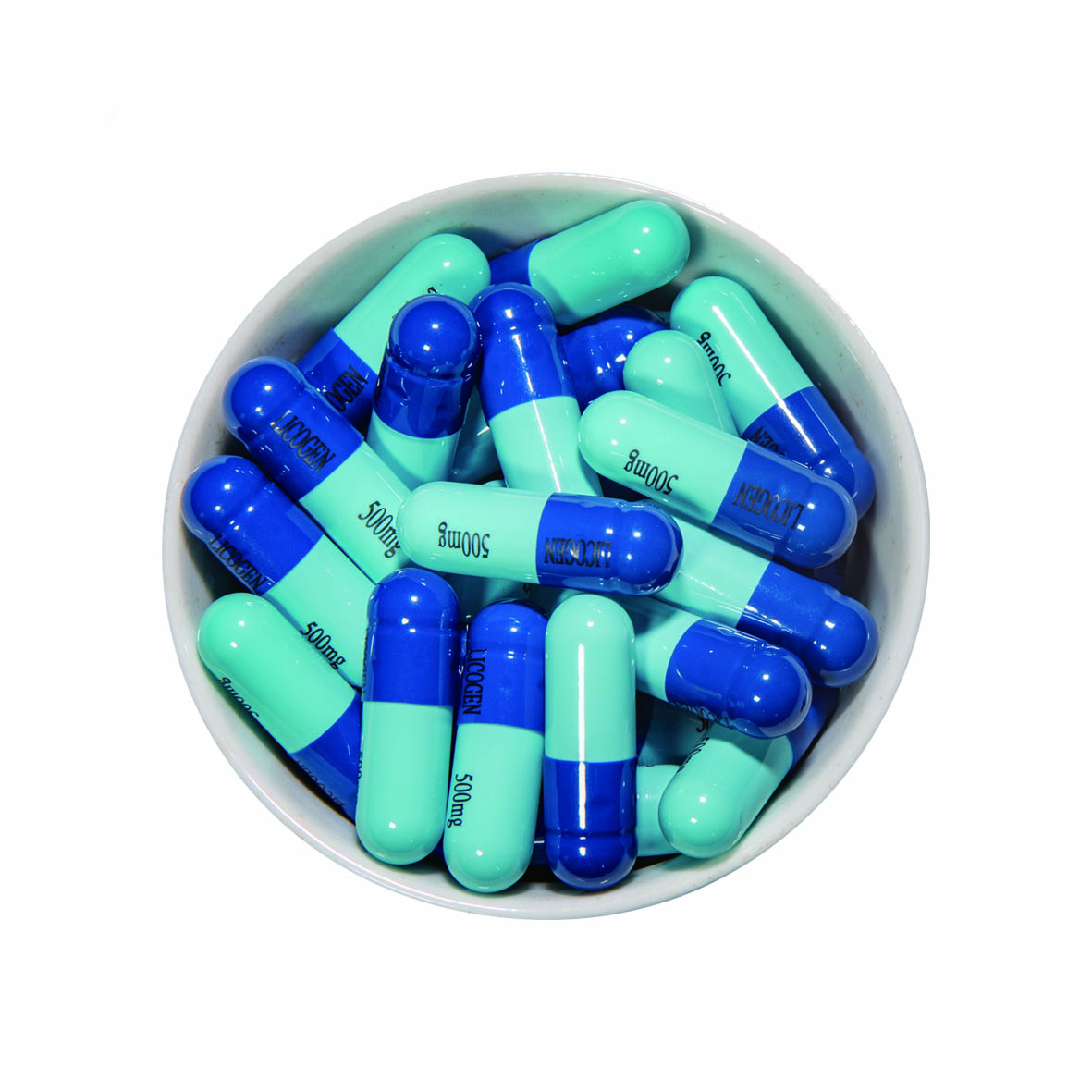 Hard Gelatin Empty Capsule Shell Size 00 0 1 2 3 4
 -
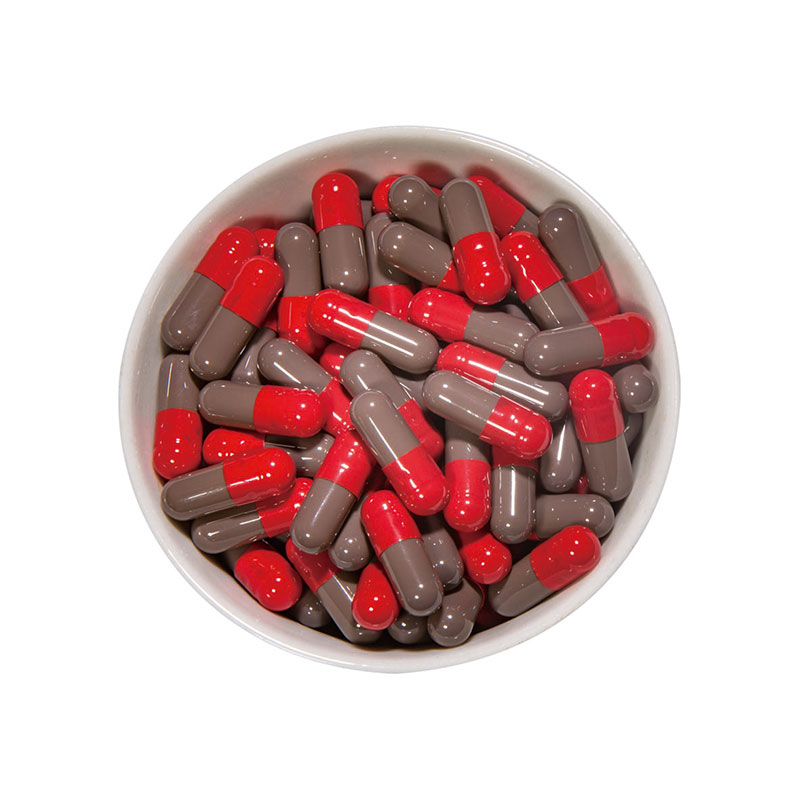 TIO2 free gelatin CAPSULE
 -
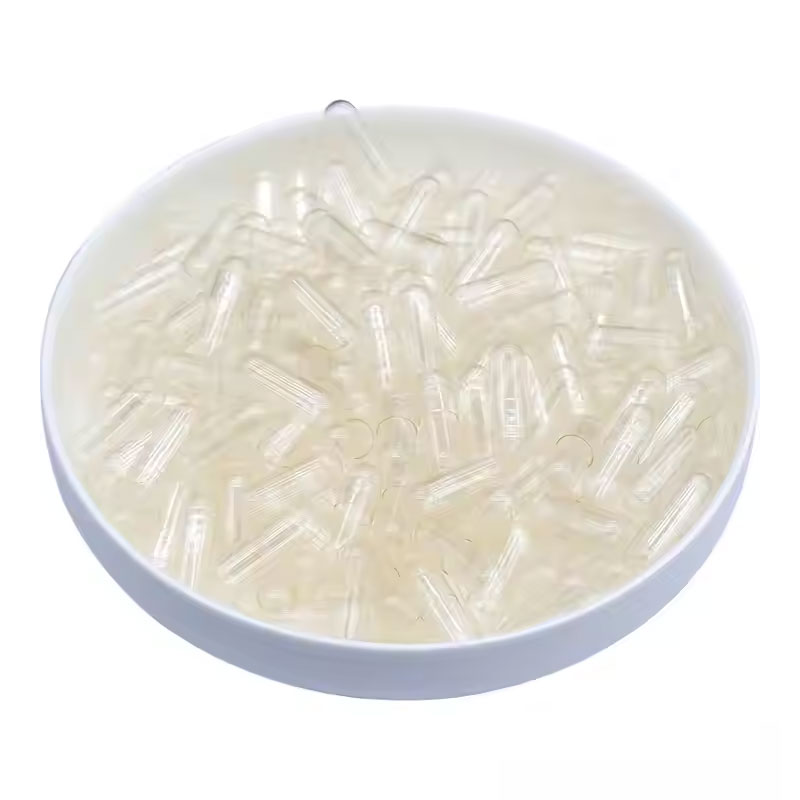 EMPTY VEGATABLE CAPSULE CLEAR SIZE 0
 -
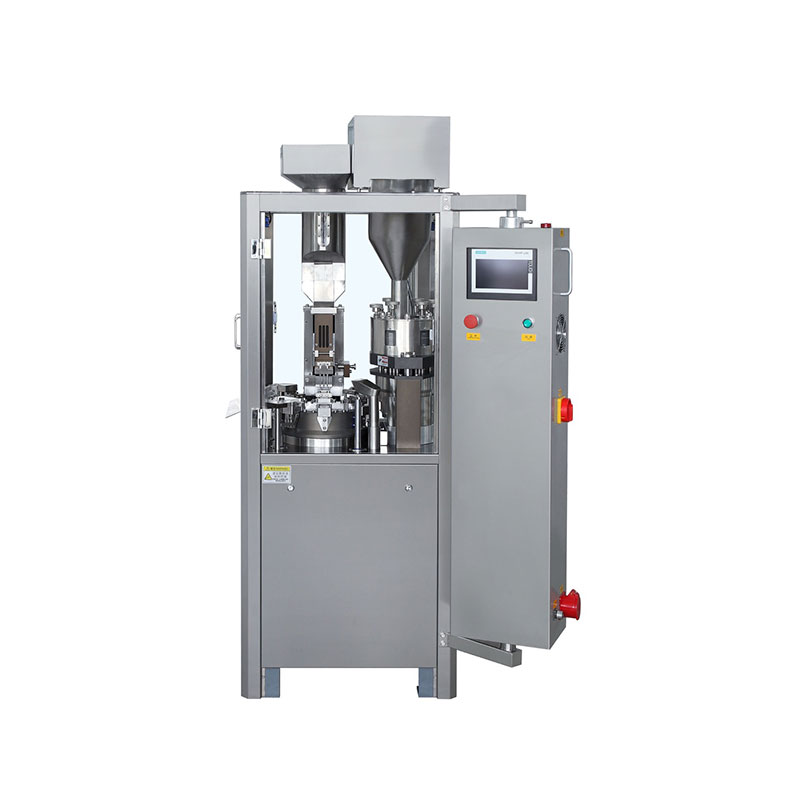 NJP-400 Fully Automatic Capsule Filling Machine
 -
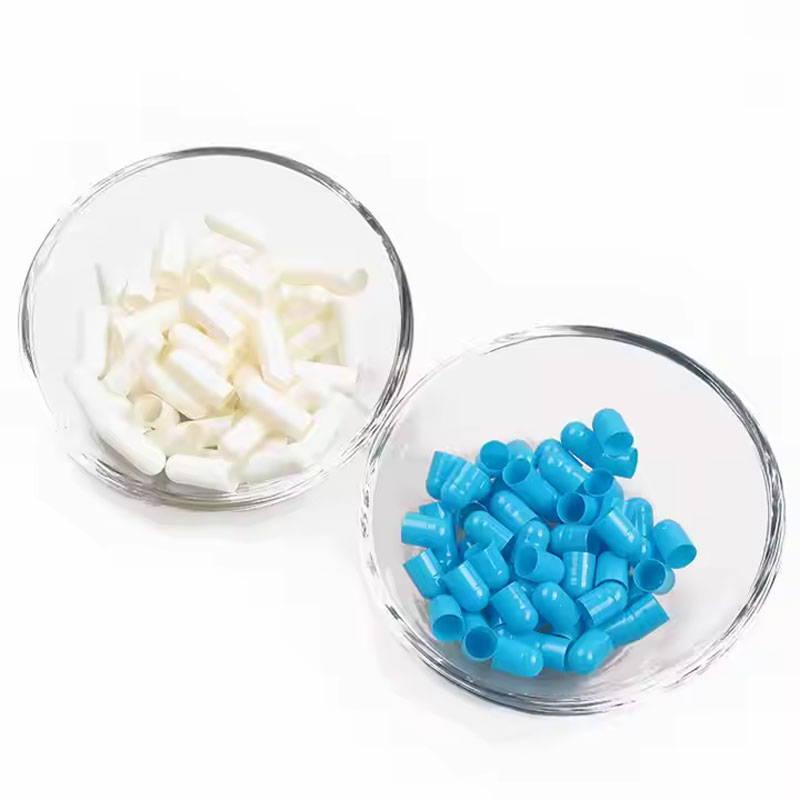 Empty VegCaps Shell Clear Empty Vegan Plant-Based Capsules Size 00 0 1 2 3 4 Natural Vegetable HPMC Capsules
 -
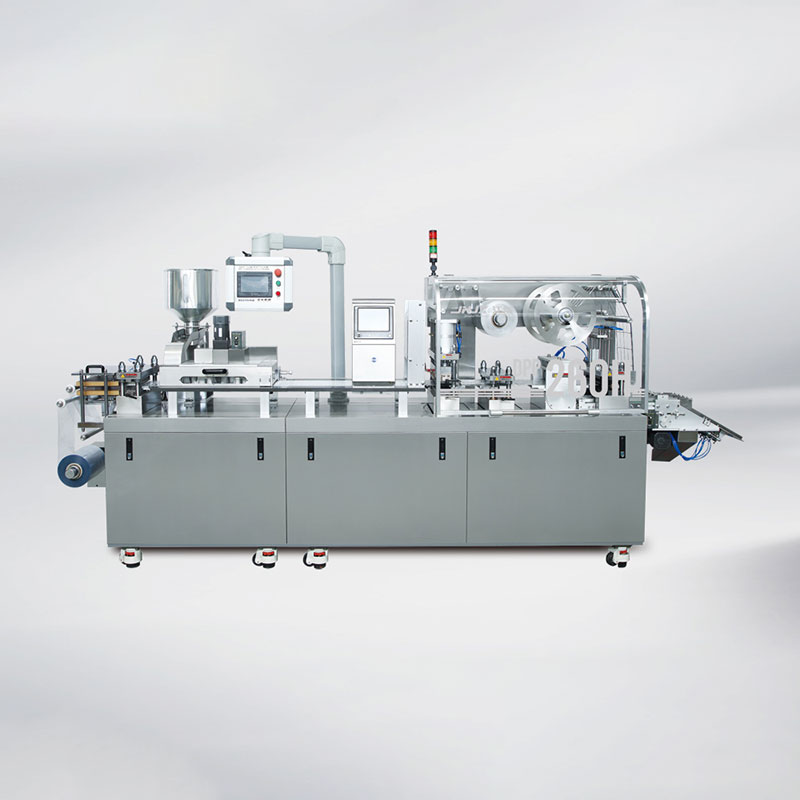
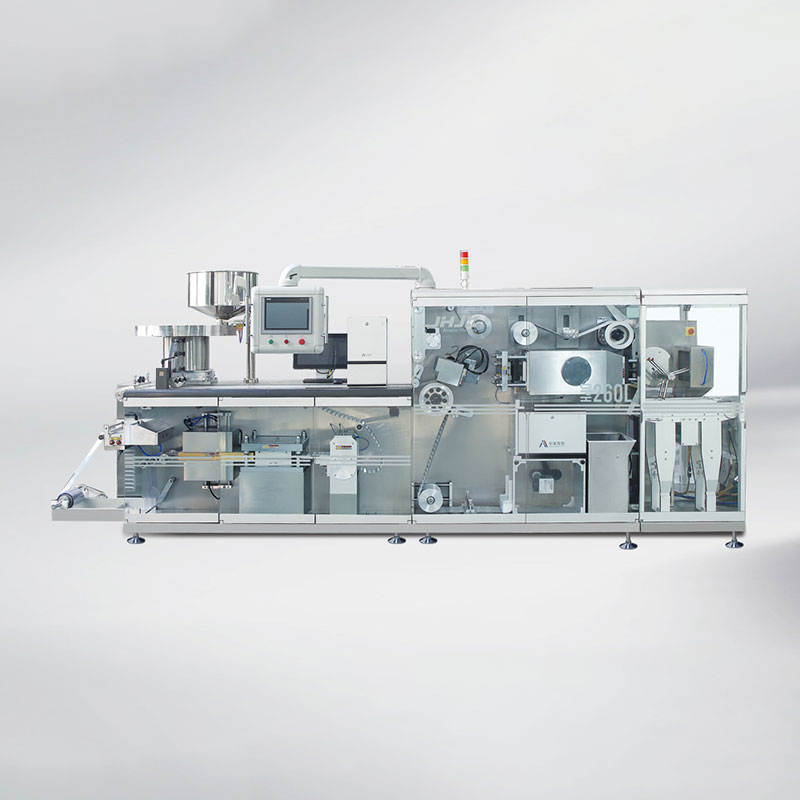 DPH-260L Roll-plate Blister Packaging Machine
 -
 Hpmc Capsules Product Plant Vegetarian Size 00 0 Capsule Shell
 -
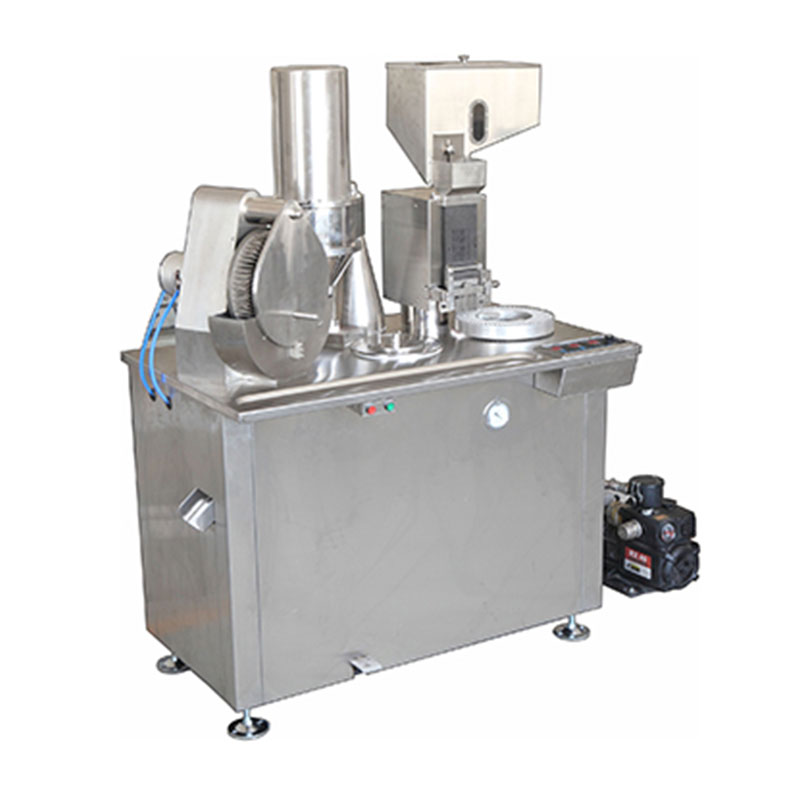 CGN208-D Newest Type Semi Automatic Capsule Filling Machine
 -
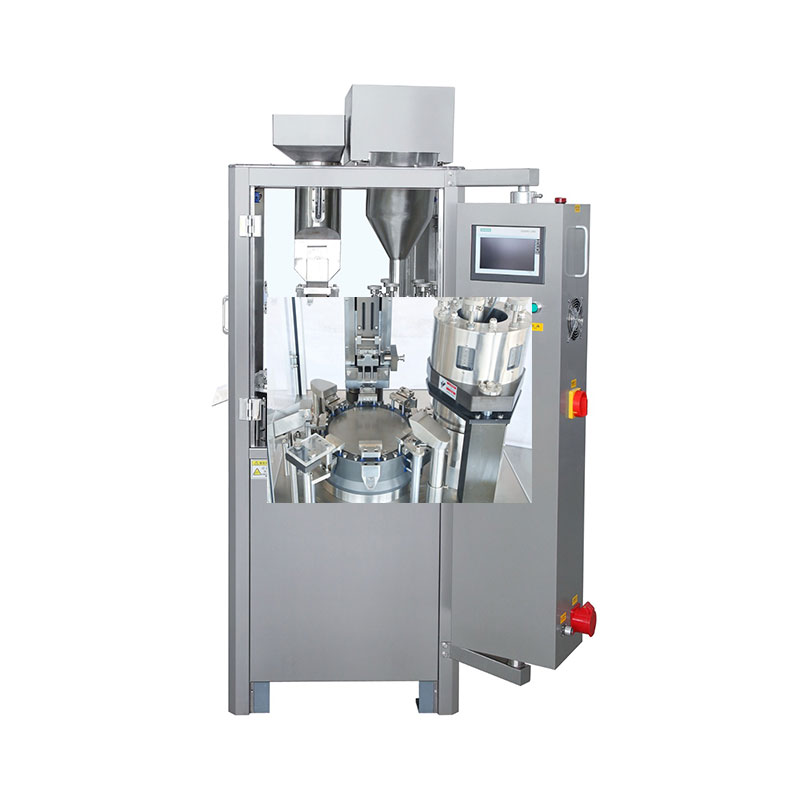 NJP-200 Model Fully Automatic Capsule Filling Machine
Related Search
Related Search- Certificate capsule filling machine size 1
- high quality manual capsule filler size 4
- hard gelatin capsule
- заключается,222
- Certificate TiO2 free Capsule
- OEM njp 400
- size 2 capsule filling machine
- Discount professional capsule filling machine
- Discount capsule filling machines employed for large scale manufacture of capsules
- Discount Blister machine