
- English
- Chinese
- French
- German
- Portuguese
- Spanish
- Russian
- Japanese
- Korean
- Arabic
- Irish
- Greek
- Turkish
- Italian
- Danish
- Romanian
- Indonesian
- Czech
- Afrikaans
- Swedish
- Polish
- Catalan
- Esperanto
- Hindi
- Lao
- Albanian
- Amharic
- Armenian
- Azerbaijani
- Belarusian
- Bengali
- Bosnian
- Bulgarian
- Cebuano
- Chichewa
- Corsican
- Croatian
- Dutch
- Estonian
- Filipino
- Finnish
- Frisian
- Galician
- Georgian
- Gujarati
- Haitian
- Hausa
- Hawaiian
- Hebrew
- Hmong
- Hungarian
- Icelandic
- Igbo
- Javanese
- Kannada
- Kazakh
- Khmer
- Kurdish
- Kyrgyz
- Latin
- Latvian
- Lithuanian
- Luxembou..
- Macedonian
- Malagasy
- Malay
- Malayalam
- Maltese
- Maori
- Marathi
- Mongolian
- Burmese
- Nepali
- Norwegian
- Pashto
- Persian
- Punjabi
- Serbian
- Sesotho
- Sinhala
- Slovak
- Slovenian
- Somali
- Samoan
- Scots Gaelic
- Shona
- Sindhi
- Sundanese
- Swahili
- Tajik
- Tamil
- Telugu
- Thai
- Ukrainian
- Urdu
- Uzbek
- Vietnamese
- Welsh
- Xhosa
- Yiddish
- Yoruba
- Zulu
- Kinyarwanda
- Tatar
- Oriya
- Turkmen
- Uyghur


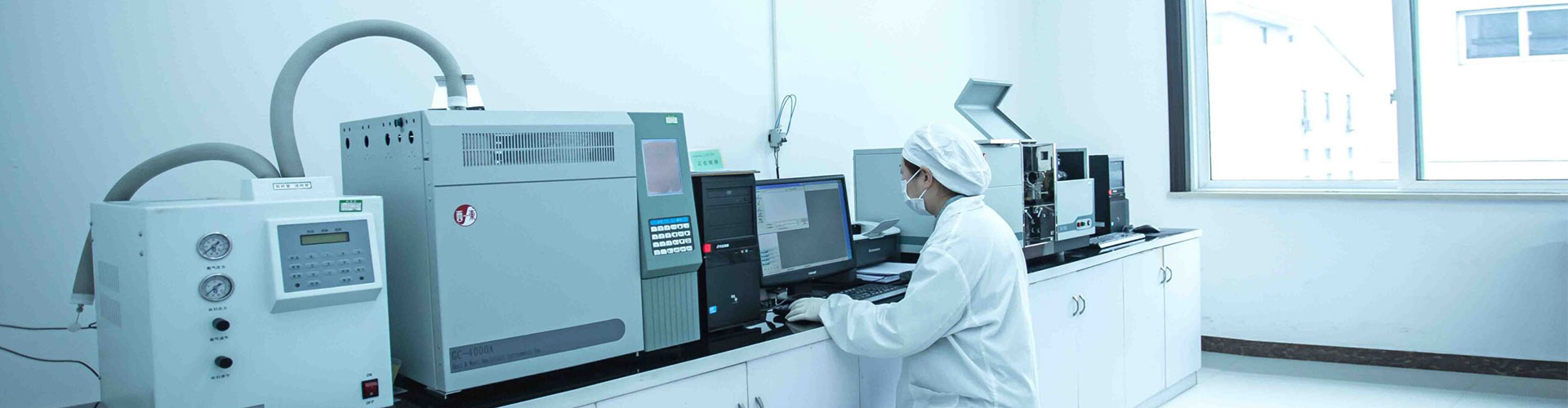
OEM semi auto capsule filling machine
The Nuances of OEM Semi Auto Capsule Filling Machines
When it comes to the pharmaceutical industry, the OEM semi auto capsule filling machine often sits at the crossroads of efficiency and complexity. Manufactured by industry leaders like SUQIAN KELAIYA INTERNATIONAL TRADING CO., LTD, these machines are integral to the capsule production process, intertwining innovation with practicality. But what nuances make these machines stand out? Let's delve into the intricacies based on real-world experiences.
Understanding the Basics
Starting with a fundamental question: What exactly is an OEM semi auto capsule filling machine? At its core, it's designed to fill empty capsules with precise doses of medication with minimal human intervention. It's semi-automatic, implying that while the machine manages a significant part of the process, human skill remains indispensable— especially for handling unique batches or custom requirements.
Many new entrants mistakenly think these machines are 'plug and play'. During my initial years in the field, I too assumed a steep learning curve wouldn't be necessary. However, reality hits when one realizes the importance of parameter settings, maintaining alignment, and troubleshooting common machine hitches.
Working with these machines, I've often noted discrepancies in how different capsule types interact with the machine's components. Not every capsule responds similarly under adjustable speeds or filling pressures. Such insights only come with hands-on exploration.
The Manufacturing Mastery
SUQIAN KELAIYA INTERNATIONAL TRADING CO., LTD is a noteworthy mention here. With facilities nestled in Zhejiang and Jiangsu provinces, this company champions innovation in capsule production. Their expertise extends beyond just the machines to the entire manufacturing ecosystem, offering comprehensive solutions that include blister machines alongside the capsule filling machine.
It's fascinating to observe their approach where each machine is tailor-made. Did you know? The engineering teams often tweak filling machines based on active pharmaceutical ingredients. Customizing machinery ensures greater precision, minimizing wastage and improving overall efficacy.
Observing a manufacturing line in action at their site, what struck me most is the seamless transition between different stages of capsule production. There's a fluidity to the process— from filling to inspection, embodying years of expertise distilled into automated movements.
Maintenance Matters
One of the least glamorous yet critical aspects is maintenance. The excitement of operating a OEM semi auto capsule filling machine quickly diminishes if regular upkeep is neglected, leading to unexpected downtimes. Routine tasks become lifelines: cleaning hopper areas, ensuring lubricants are at optimal levels, checking for wear and tear.
Unfortunately, I've had firsthand experiences where overlooking minor issues led to major operational halts. For instance, a slight misalignment of capsule plates can disrupt the entire workflow, costing time and resources to rectify.
Another common oversight is underestimating the importance of routine training. Operators must be up-to-date with the latest techniques, especially when new machine models are introduced by manufacturers like SUQIAN KELAIYA INTERNATIONAL TRADING CO., LTD. Regular training sessions are essential to keep pace with technological advancements.
Real-World Application Challenges
Despite being robust, these machines aren't without challenges. Case in point: multi-formula batches. Transitioning between different formulations can be a nightmare if pre-cleaning and setup re-calibrations aren't meticulously handled.
I recall an incident where, due to rushed calibration, cross-contamination led to an entire batch being scrapped. It was an expensive lesson in the value of methodical prep work and stringent adherence to SOPs.
Additionally, consistent monitoring must be ingrained in the operational culture. Machines might function accurately within ideal conditions, but real-world scenarios are far from perfect. Maintaining vigilance helps preempt potential mishaps.
Future Trends and Conclusion
The industry is not static. Advances in IoT and machine learning are gradually influencing the capabilities of semi auto capsule filling machines. Predictive maintenance is on the horizon, where smart sensors forewarn of potential breakdowns. It's thrilling yet daunting to consider how these shifts might redefine existing protocols.
In conclusion, diving into the domain of capsule filling machines, especially the semi-automatic types, offers a profound appreciation for the blend of mechanical intricacy and human ingenuity. Whether you're a seasoned professional or a newcomer, the landscape offers endless learning and adaptation.
For those interested, more insights can be explored via the SUQIAN KELAIYA International Trading Co., LTD website: kelaiyacorp.com.
Related Products
Related Products
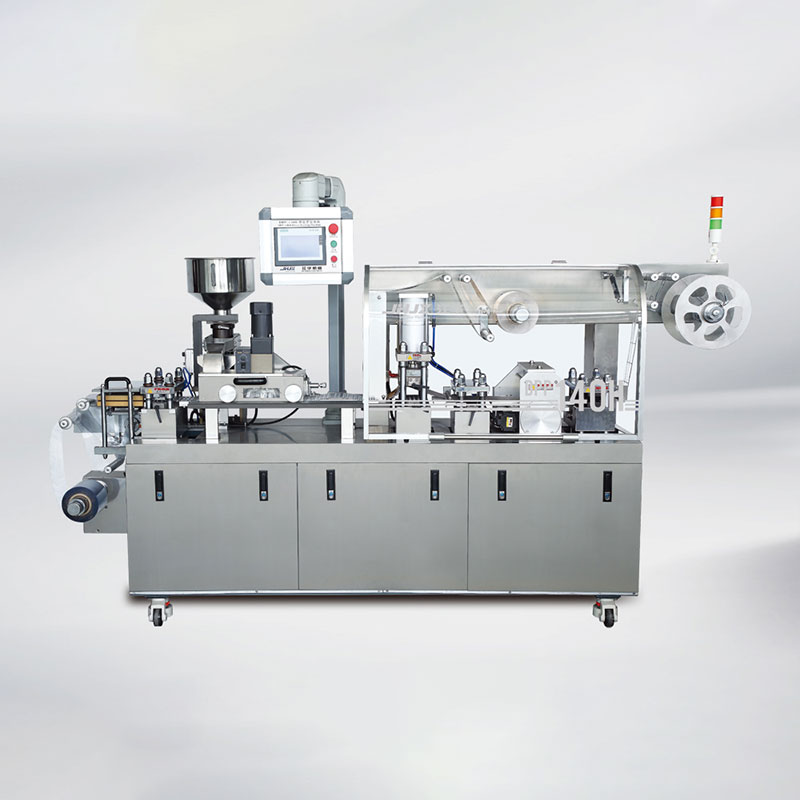
Best Selling Products
Best Selling Products-
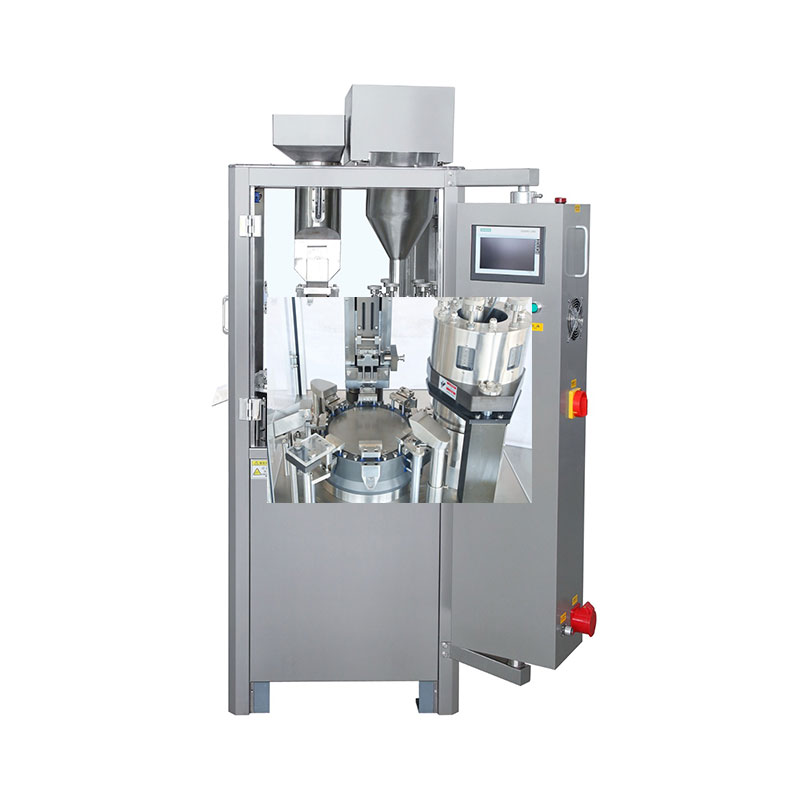 NJP-200 Model Fully Automatic Capsule Filling Machine
 -
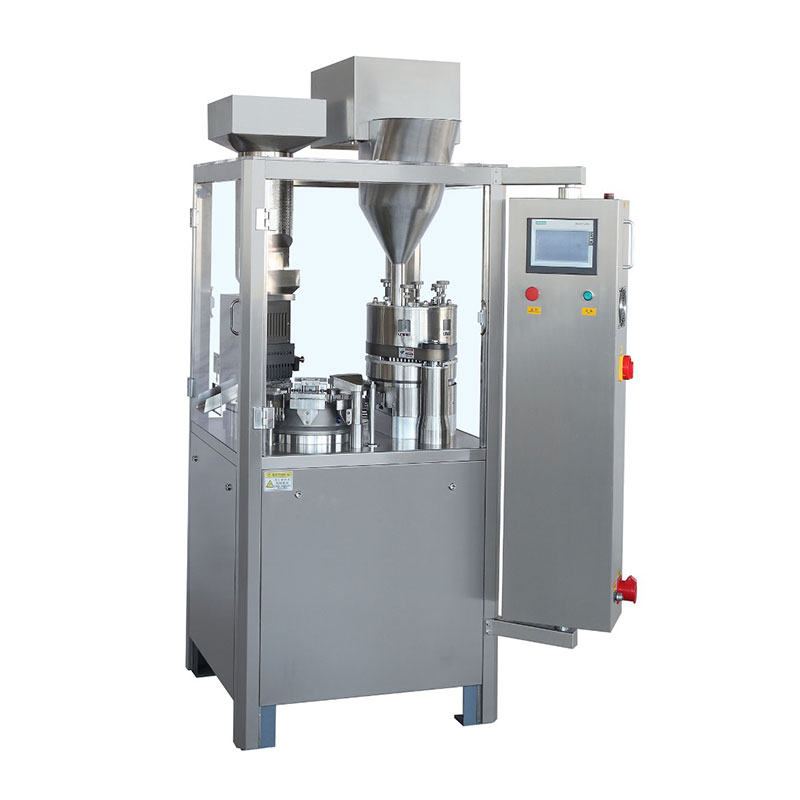 NJP-1200 Automatic Capsule Filling Machine
 -
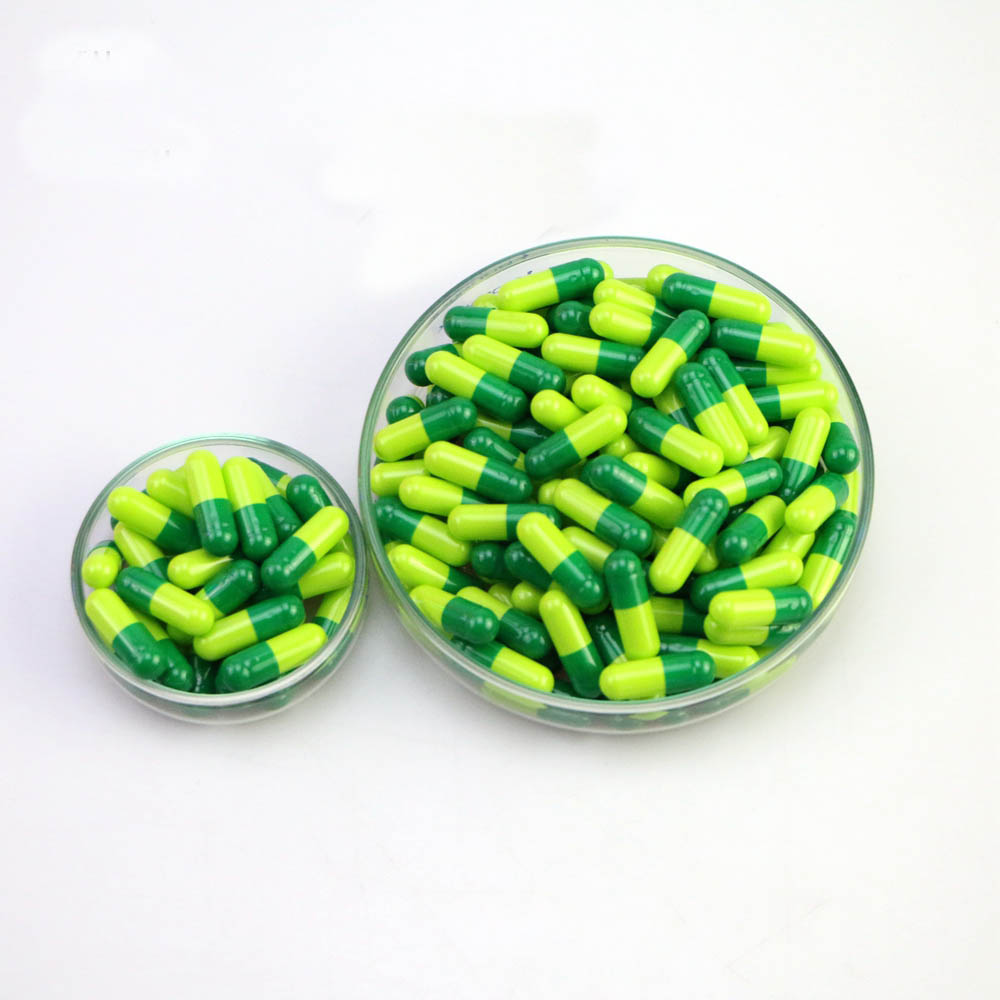 Halal empty hard geltin capsule
 -
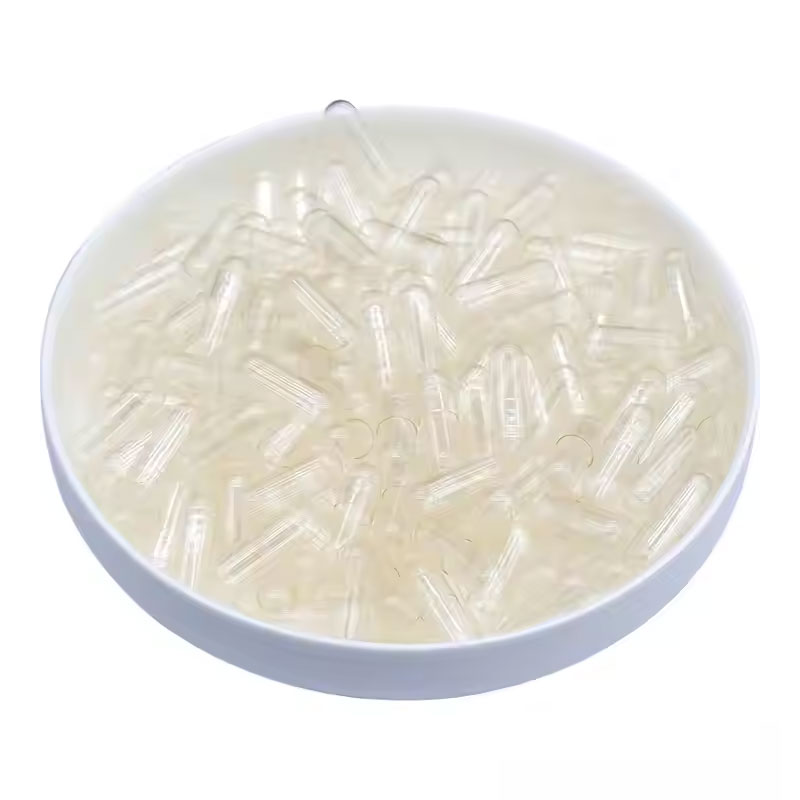 EMPTY VEGATABLE CAPSULE CLEAR SIZE 0
 -
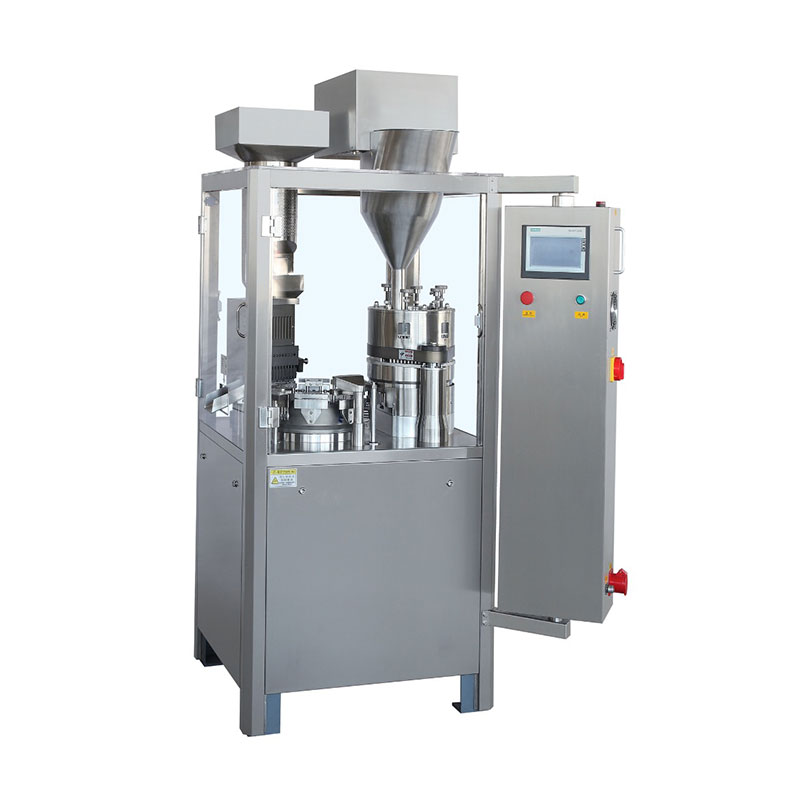 NJP-800 Automatic Capsule Filling Machine
 -
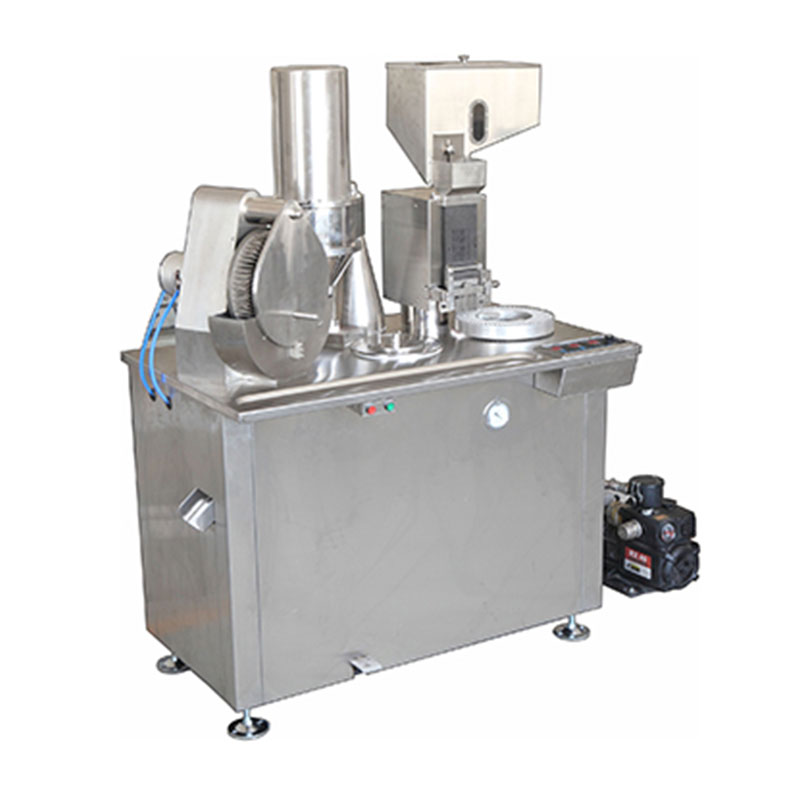 CGN208-D Newest Type Semi Automatic Capsule Filling Machine
 -
 Vegetarian Separated Capsules HPMC Capsules Separated Wholesale Vegetarian Capsules Discount for Bulk Orders
 -
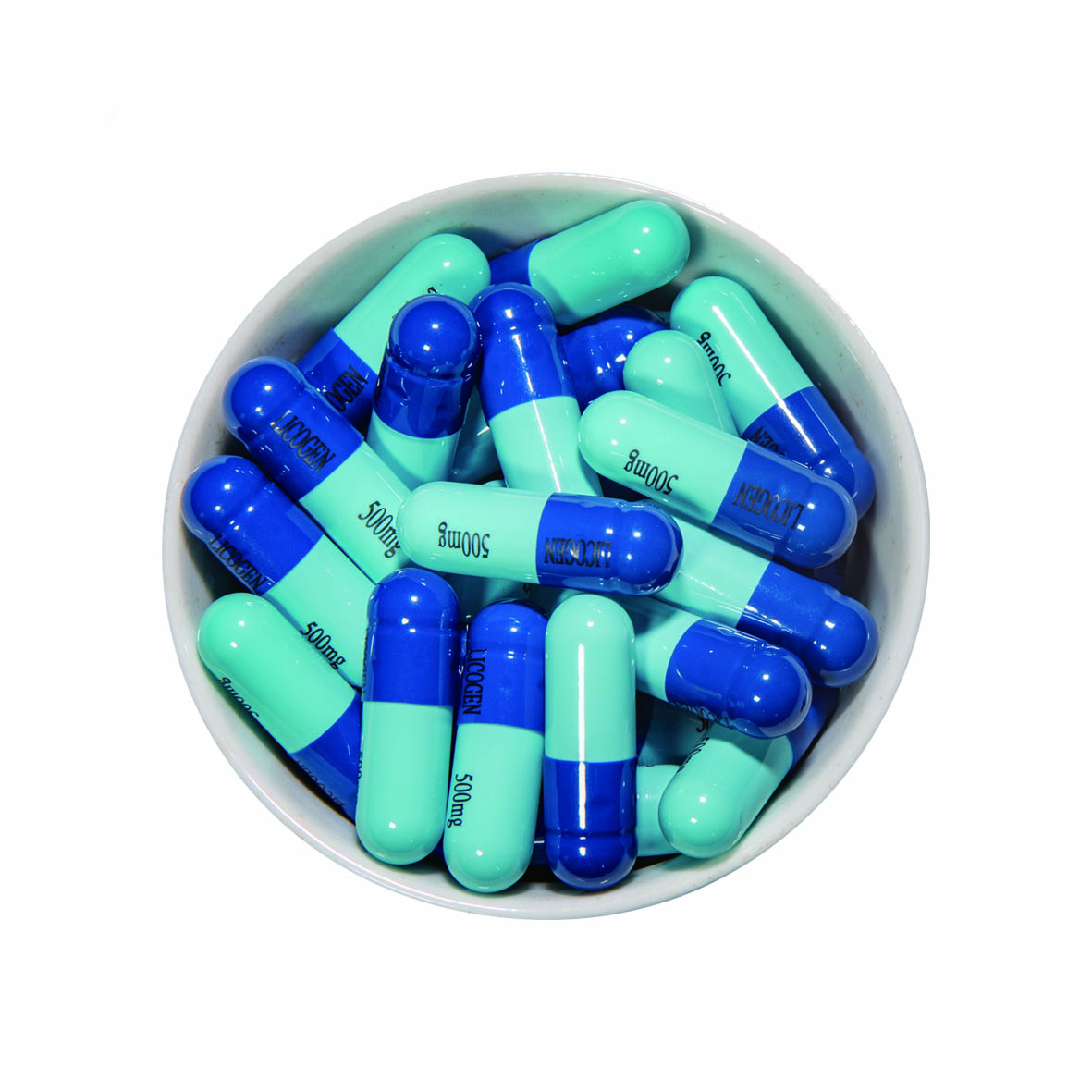 Hard Gelatin Empty Capsule Shell Size 00 0 1 2 3 4
 -
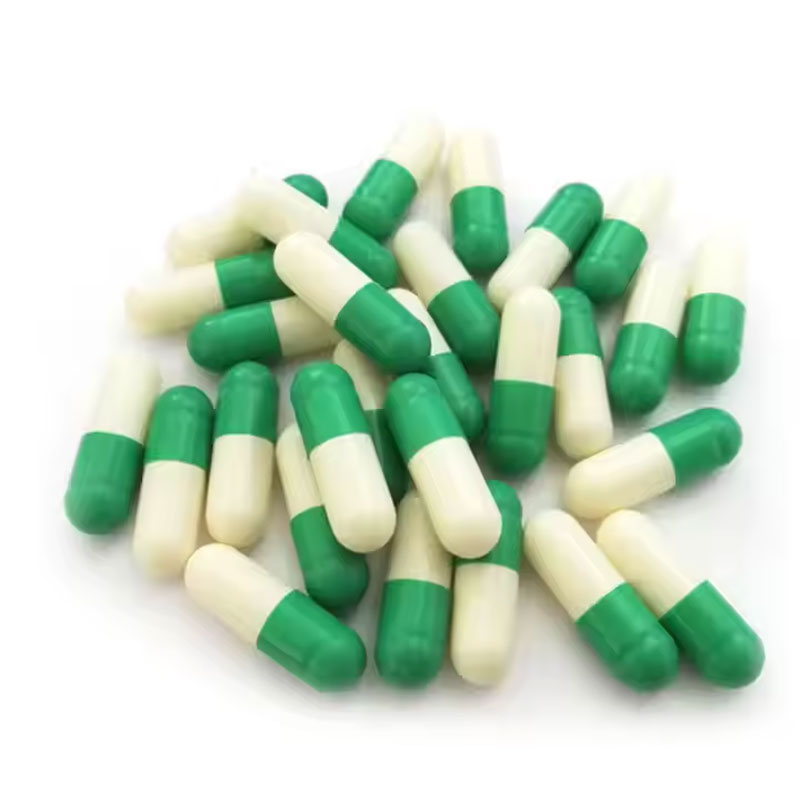 Size 00 hpmc capsules vegetarian capsules empty hard veggie capsules
 -
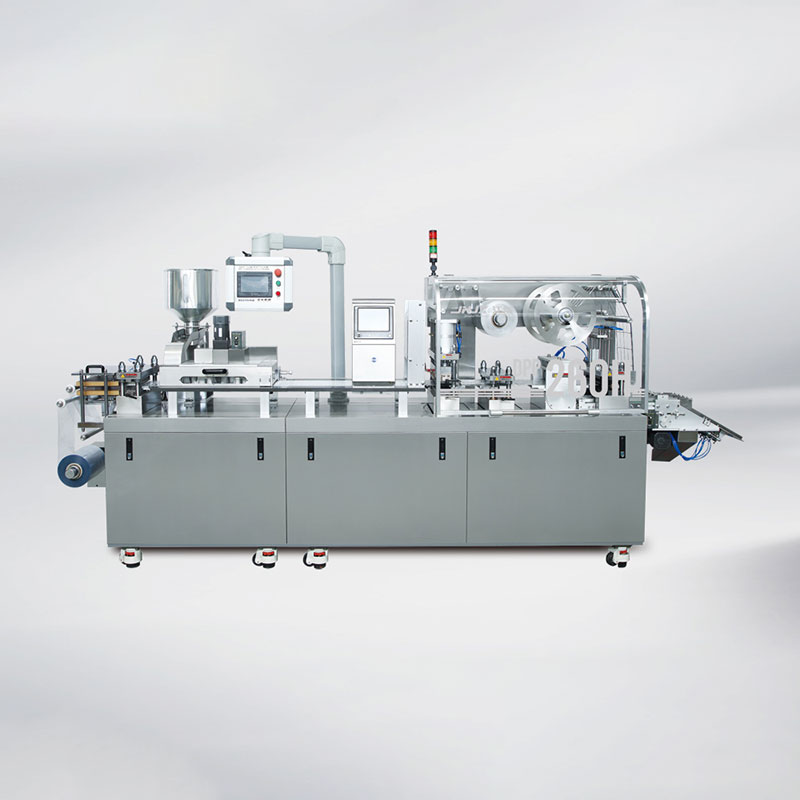 DPP-260H_DPP-320H Flat-plate Blister Packing Machine
 -
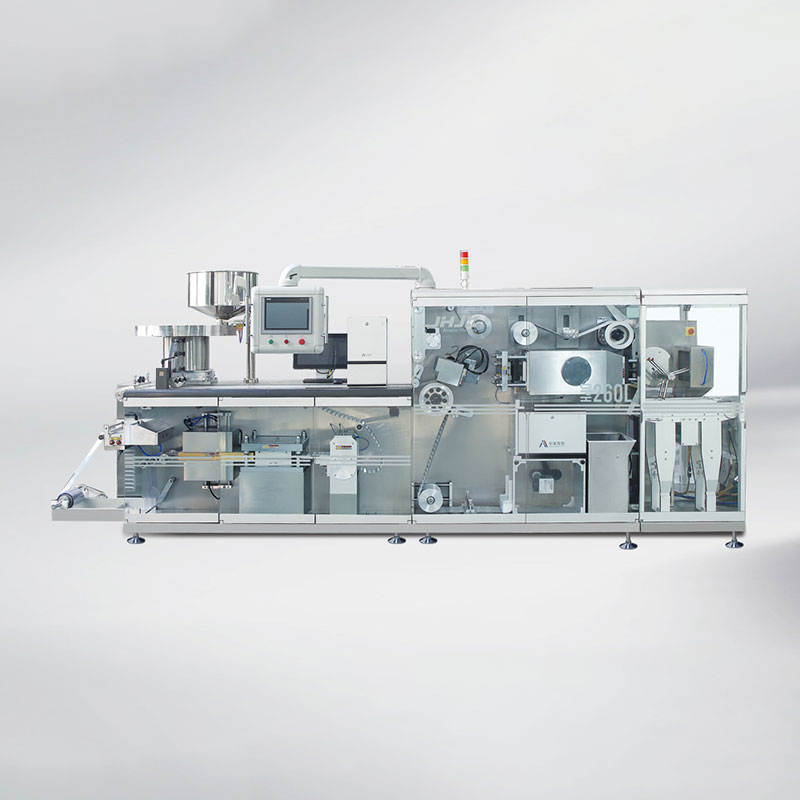 DPH-260L Roll-plate Blister Packaging Machine
 -
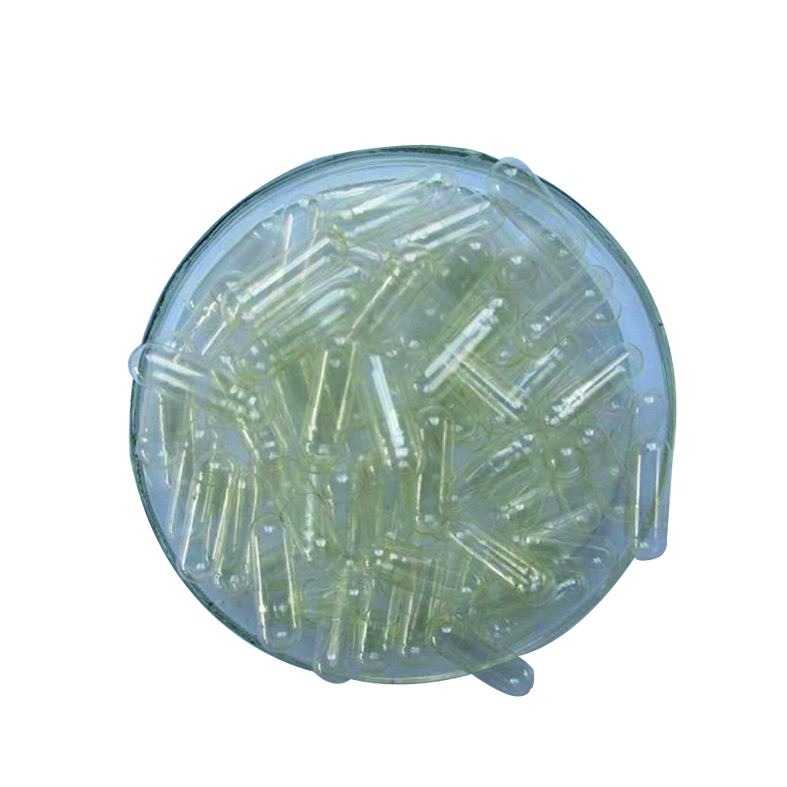 Halal Certificate Empty Clear Hard Gelatin Capsules Shell Size 0
Related Search
Related Search- OEM Blister machine FOR tABLET
- Best pill capsule filling machine
- Certificate njp 400
- Certificate powder capsule filling machine
- Discount semi automatic capsule filling machine
- kosher vegetable capsules
- Certificate gelatin capsule filling machine
- OEM capsule filling machine size 4
- hard capsule filling machine
- OEM size 3 capsule filling machine