
- English
- Chinese
- French
- German
- Portuguese
- Spanish
- Russian
- Japanese
- Korean
- Arabic
- Irish
- Greek
- Turkish
- Italian
- Danish
- Romanian
- Indonesian
- Czech
- Afrikaans
- Swedish
- Polish
- Catalan
- Esperanto
- Hindi
- Lao
- Albanian
- Amharic
- Armenian
- Azerbaijani
- Belarusian
- Bengali
- Bosnian
- Bulgarian
- Cebuano
- Chichewa
- Corsican
- Croatian
- Dutch
- Estonian
- Filipino
- Finnish
- Frisian
- Galician
- Georgian
- Gujarati
- Haitian
- Hausa
- Hawaiian
- Hebrew
- Hmong
- Hungarian
- Icelandic
- Igbo
- Javanese
- Kannada
- Kazakh
- Khmer
- Kurdish
- Kyrgyz
- Latin
- Latvian
- Lithuanian
- Luxembou..
- Macedonian
- Malagasy
- Malay
- Malayalam
- Maltese
- Maori
- Marathi
- Mongolian
- Burmese
- Nepali
- Norwegian
- Pashto
- Persian
- Punjabi
- Serbian
- Sesotho
- Sinhala
- Slovak
- Slovenian
- Somali
- Samoan
- Scots Gaelic
- Shona
- Sindhi
- Sundanese
- Swahili
- Tajik
- Tamil
- Telugu
- Thai
- Ukrainian
- Urdu
- Uzbek
- Vietnamese
- Welsh
- Xhosa
- Yiddish
- Yoruba
- Zulu
- Kinyarwanda
- Tatar
- Oriya
- Turkmen
- Uyghur


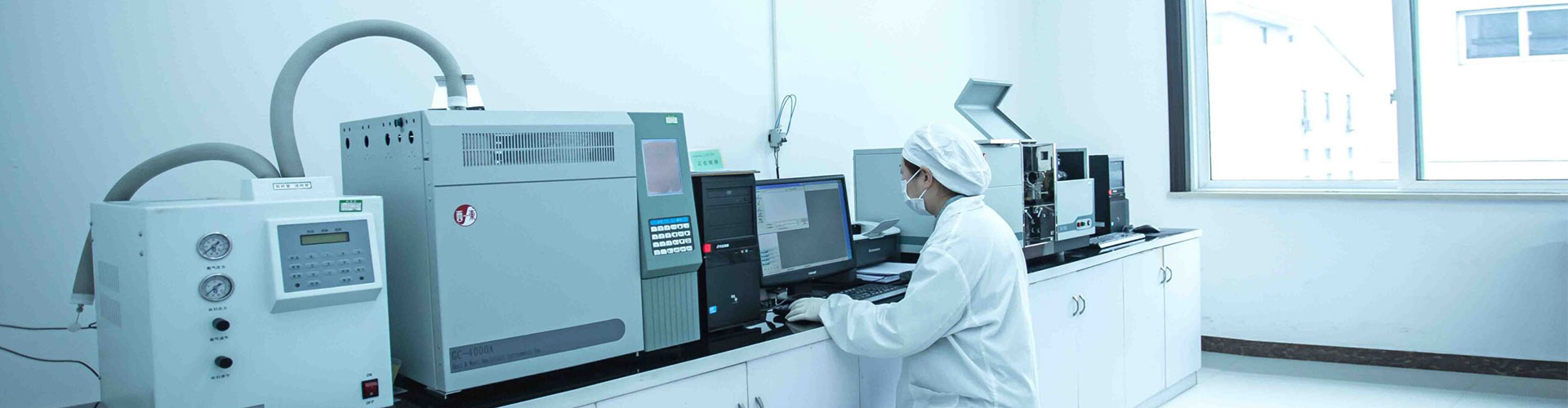
OEM njp 1200
Understanding the OEM NJP 1200: Insights from the Field
In the world of pharmaceutical machinery, the OEM NJP 1200 often stands out. It's one of those machines that, at first glance, might seem straightforward, but dive deeper, and you'll find it's surprisingly nuanced. There are misconceptions that can lead to costly mistakes—especially for newcomers. Let’s break down what makes this machine tick and the experiences you might encounter.
The Intricacies of NJP 1200 Operation
Operating the OEM NJP 1200 isn't just about turning it on and watching it go. The key lies in understanding its underlying mechanics. During my time at the Suqian Kelaiya International Trading Co., Ltd, I saw firsthand the challenges teams faced without a proper grasp of its functionality. Despite a robust design, improper handling can lead to downtime.
Consider capsule filling rates. The NJP 1200 is capable of impressive speeds, but pushing it to its limit too soon can wear down components. We learned this the hard way when a client—eager to maximize output—ended up disrupting their production schedule due to avoidable repairs.
This taught us a crucial lesson: balance speed with sustainability. It’s about finding that sweet spot between efficiency and machine longevity. Regular maintenance checks became a staple in our routines.
Common Missteps in Machine Setup
Installation is where many stumble. The NJP 1200 requires precise alignment and calibration. During one of our projects in Zhejiang province, slight oversight in setup led to a frustrating cascade of errors that took days to resolve.
The immediate setup isn't the only concern. Environmental factors, often overlooked, play a big role. Humidity and temperature variations in Jiangsu province impacted performance until we adjusted the climate controls. We then made it a part of our standard installation protocol.
Each location demands unique adjustments. We've since started offering tailored installation services, which have drastically reduced initial setup issues for clients.
Tuning the NJP 1200 for Optimal Performance
Tuning isn’t just the domain of mechanics. It involves a holistic understanding of the production process. Our work at Suqian Kelaiya Corp. highlighted the importance of harmonizing machine settings with capsule material properties.
For instance, when using different types of empty capsules, subtle tweaks in compression settings made a big difference in fill accuracy. Failure to adapt led to discrepancies which, over production runs, were costly.
Training our team to recognize and respond to these subtleties has been invaluable. Continuous learning curves, paired with hands-on experience, translated to improved client satisfaction and reduced material waste.
Collaboration: The Key to Success
No machine is an island—especially in complex operations. Partnering with technical teams, whether within Suqian Kelaiya Corp. or from external entities, proved vital in troubleshooting persistent issues.
During a collaboration with a manufacturing site in Zhejiang, sharing insights and strategies helped unlock solutions that were not immediately apparent. This communal knowledge pool is something we continually harness.
Recurrent problems often found faster resolutions with team-based approaches rather than isolated attempts, a testament to the saying that 'two heads are better than one'.
Reflecting on Past Experiences
Looking back, the journey with the OEM NJP 1200 has been filled with both challenges and triumphs. It’s a reminder of the importance of adapting and evolving alongside technology.
Each lesson learned, each problem solved, has contributed to a deeper understanding of not just the machine, but the broader production ecosystem. There's always more beneath the surface than meets the eye.
For those new to the NJP 1200 or similar systems, my advice is simple: stay patient, remain curious, and don’t shy away from seeking help. Expertise builds over time, and every misstep is just another step towards mastery.
For more information about our experiences and offerings, visit us at Suqian Kelaiya International Trading Co., Ltd.
Related Products
Related Products

Best Selling Products
Best Selling Products-
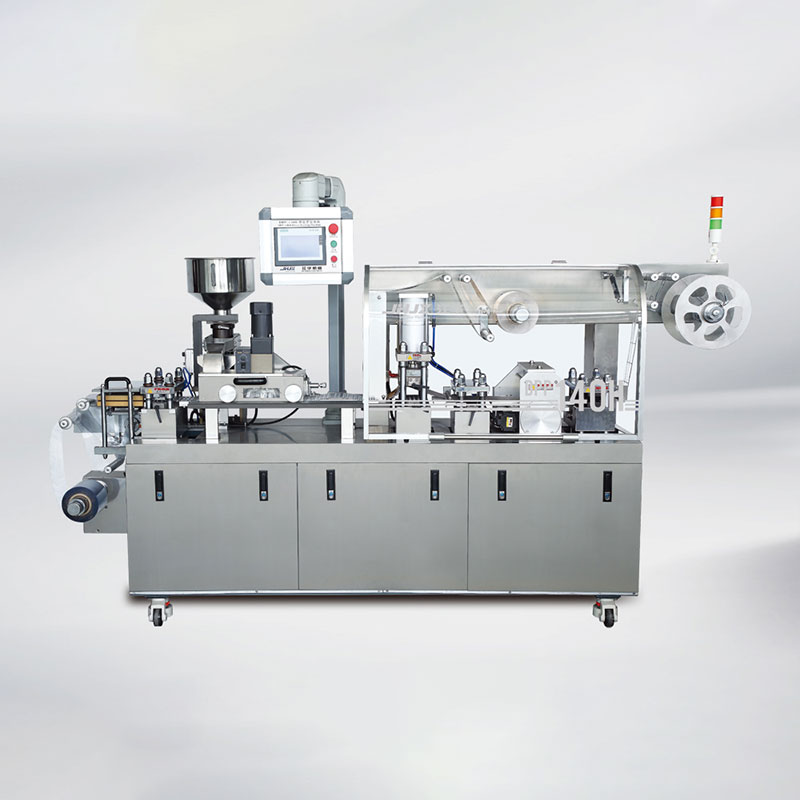 DPP-140H Flat-plate Blister Packing Machine
 -
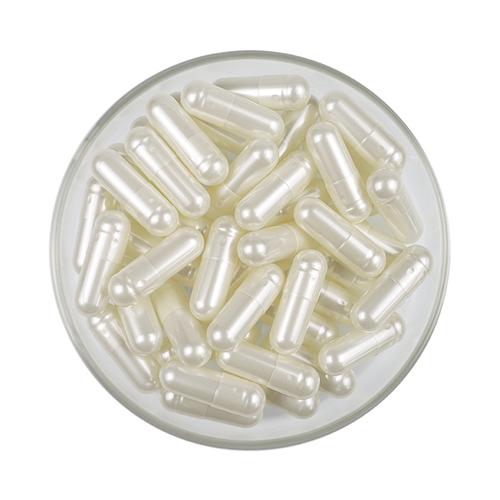 Golden_Pearl Hard Gelatin Capule
 -
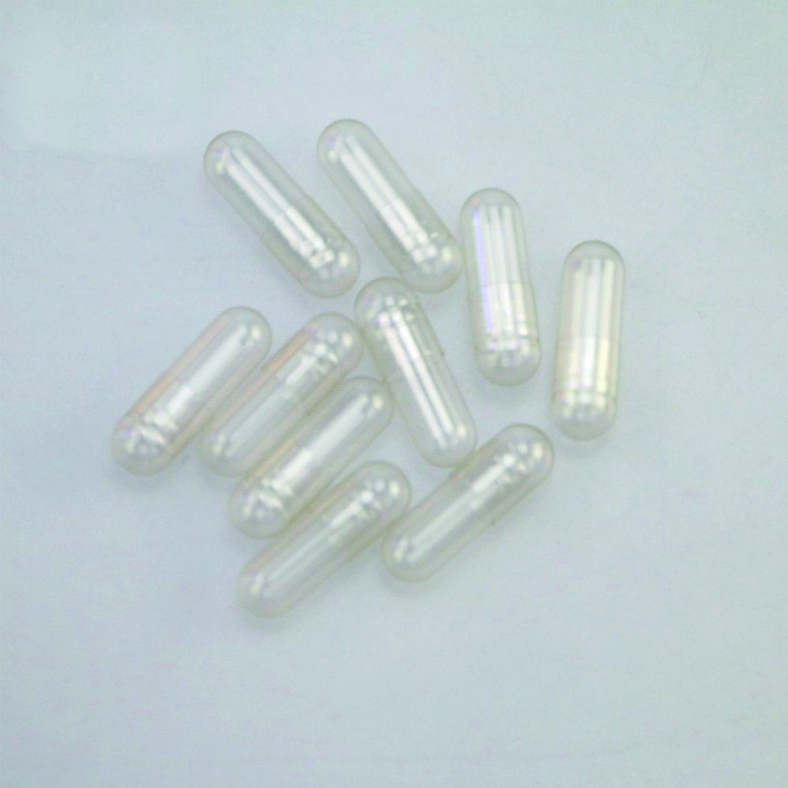 EMPTY HPMC CAPSULE SIZE 00 CLEAR
 -
 Hard Gelatin Empty Capsule Shell Size 00 0 1 2 3 4
 -
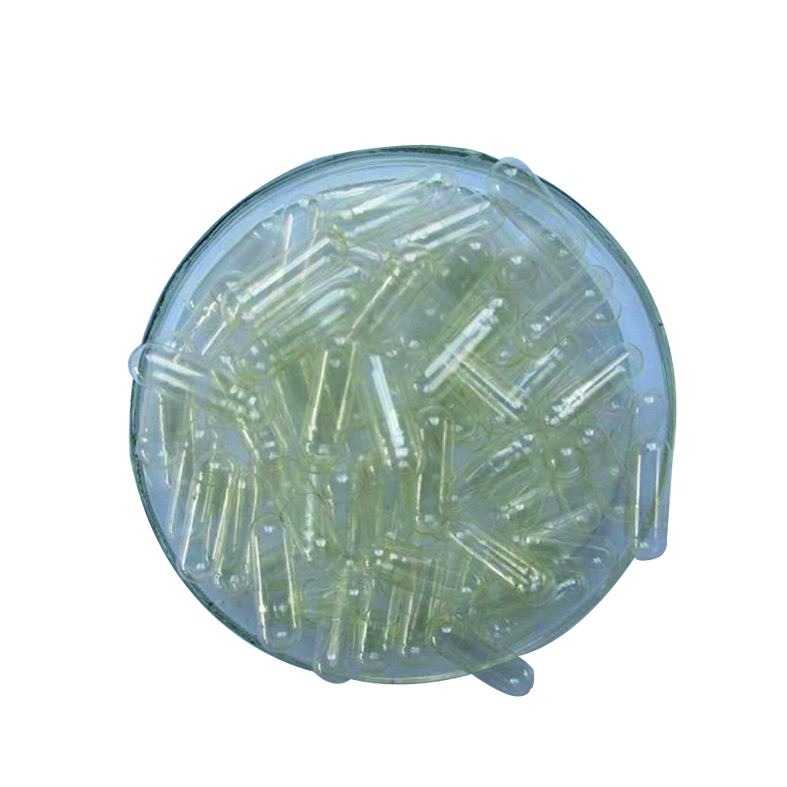 Halal Certificate Empty Clear Hard Gelatin Capsules Shell Size 0
 -
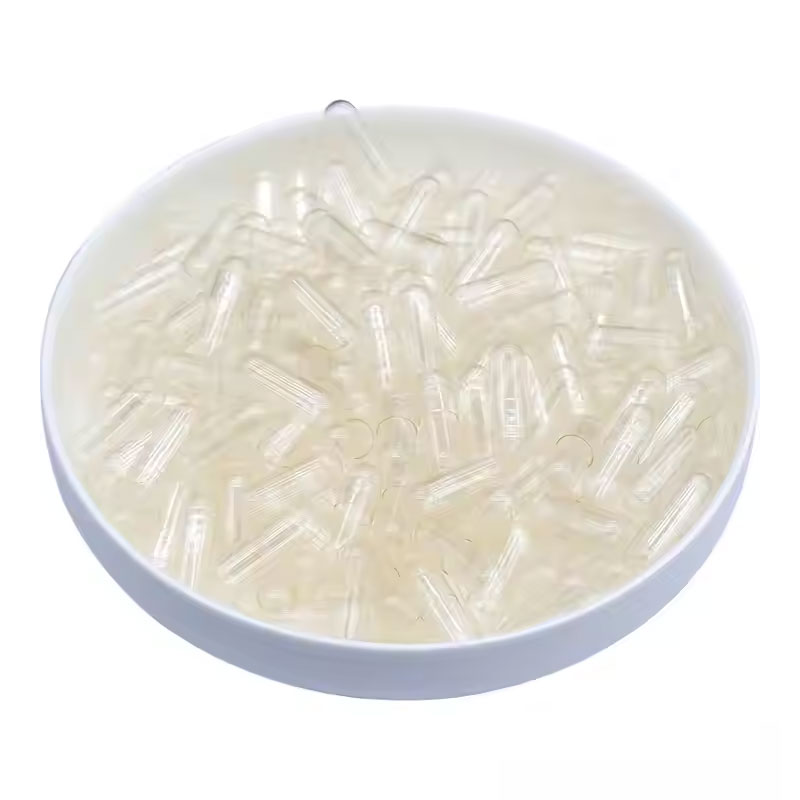 EMPTY VEGATABLE CAPSULE CLEAR SIZE 0
 -
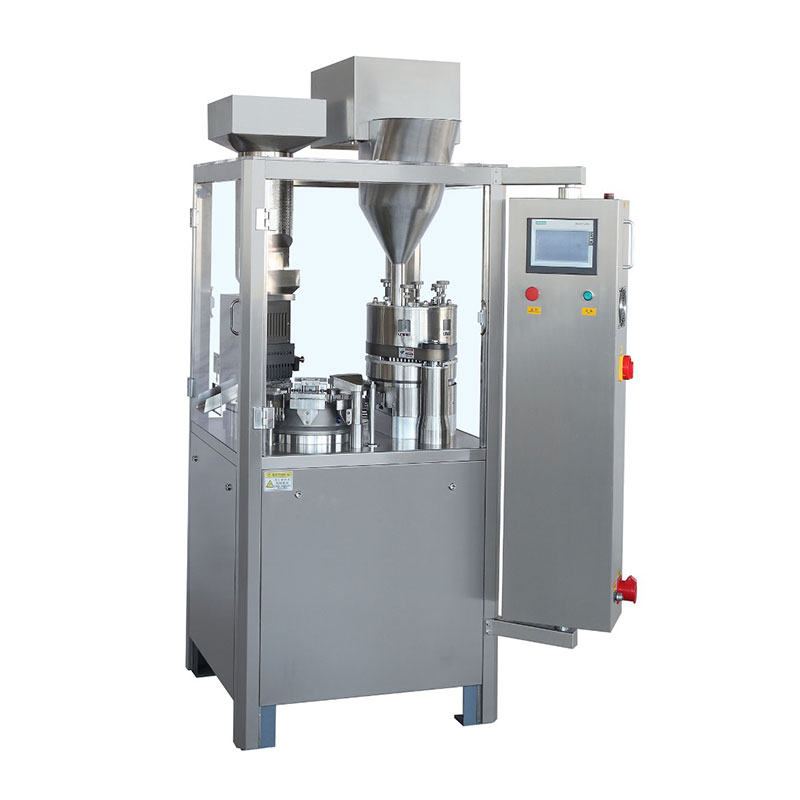 NJP-1200 Automatic Capsule Filling Machine
 -
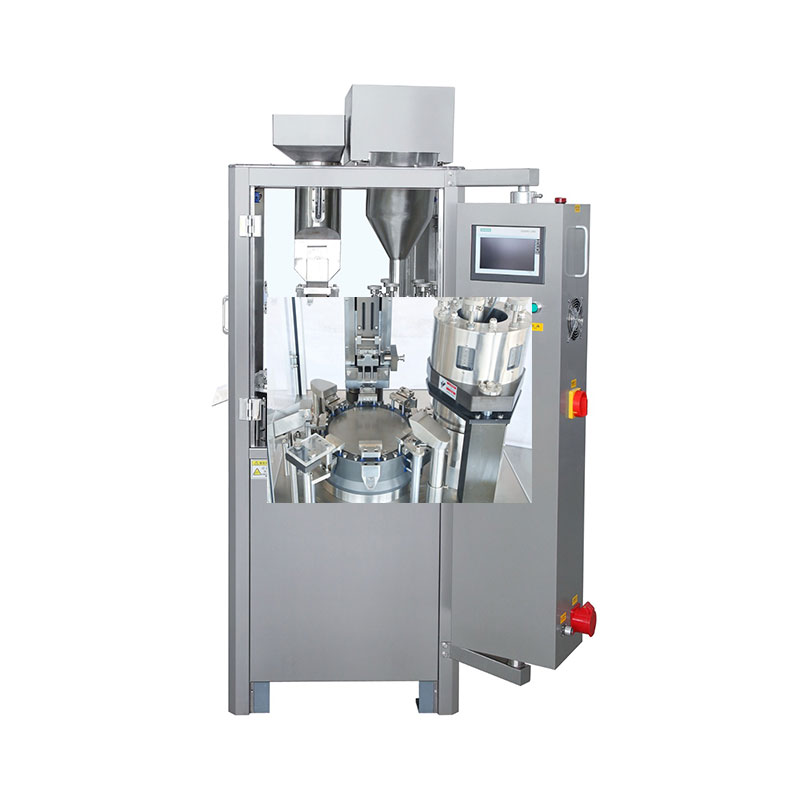 NJP-200 Model Fully Automatic Capsule Filling Machine
 -
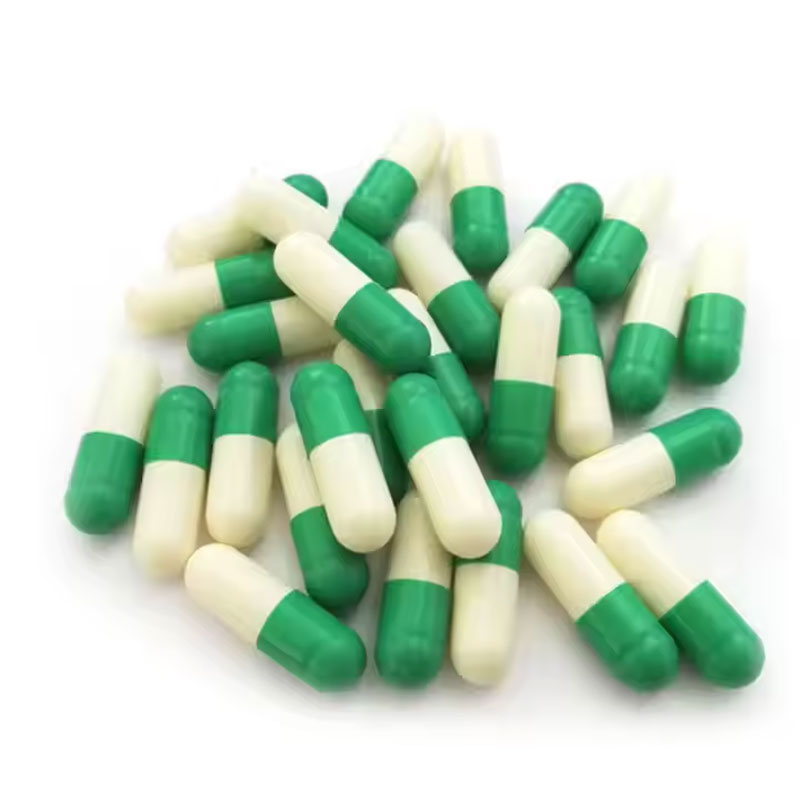 Size 00 hpmc capsules vegetarian capsules empty hard veggie capsules
 -
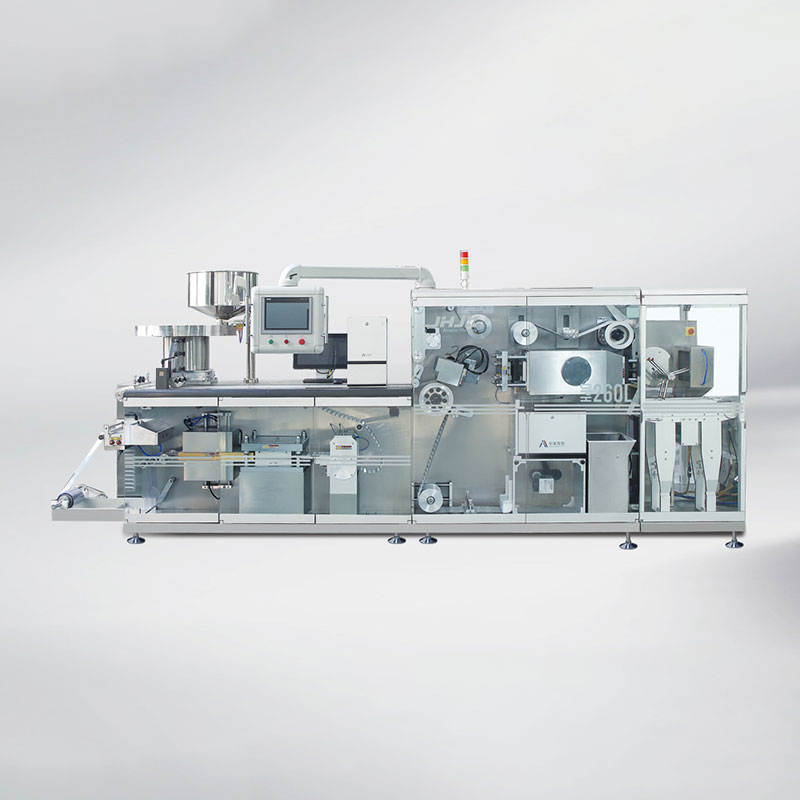 DPH-260L Roll-plate Blister Packaging Machine
 -
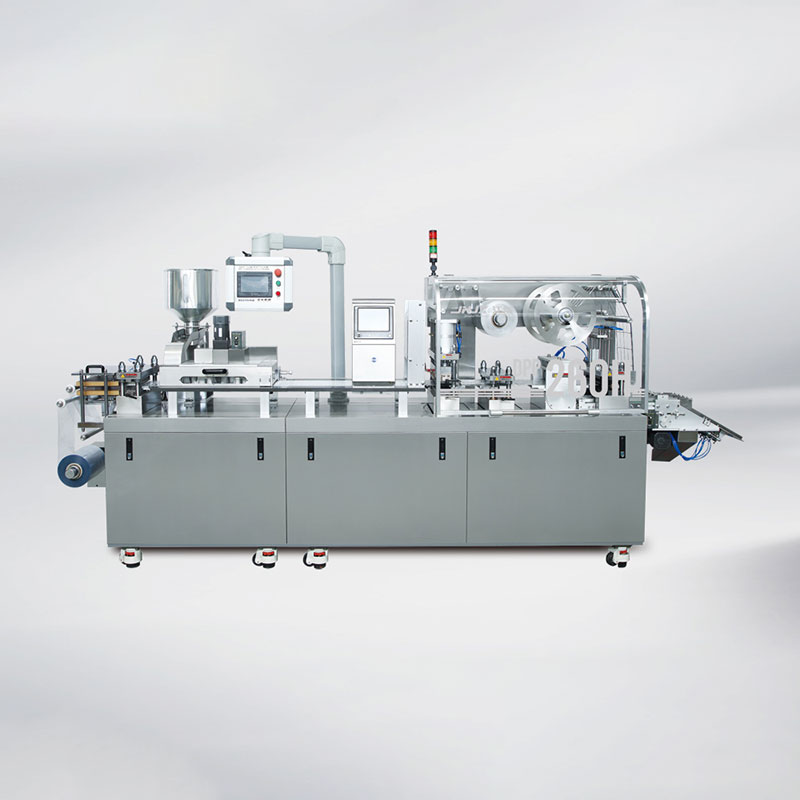 DPP-260H_DPP-320H Flat-plate Blister Packing Machine
 -
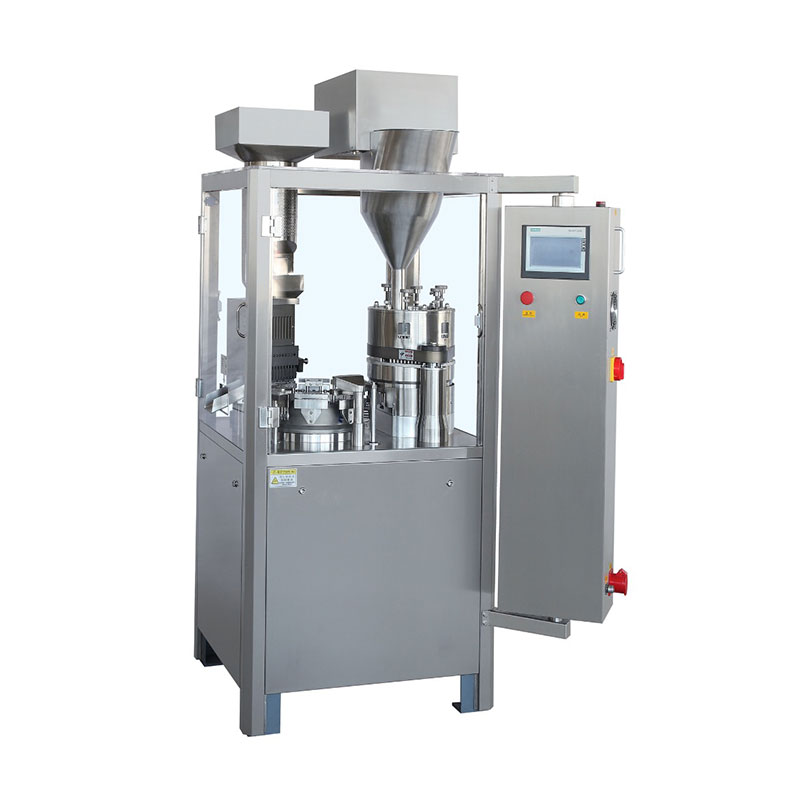 NJP-800 Automatic Capsule Filling Machine
Related Search
Related Search- size 0 capsule filling machine
- best manual capsule filling machine
- Discount size 4 capsule filler
- Best supplement capsule filler
- Best njp 400 capsule filling machine
- Certificate njp capsule filling machine
- Certificate 0 capsule filling machine
- Certificate Pearl Golden Color Empty Gelatin Capsule Size 0 00 Hard Empty Capsule Shells
- capsule filler size 000
- OEM halala empty capsule