
- English
- Chinese
- French
- German
- Portuguese
- Spanish
- Russian
- Japanese
- Korean
- Arabic
- Irish
- Greek
- Turkish
- Italian
- Danish
- Romanian
- Indonesian
- Czech
- Afrikaans
- Swedish
- Polish
- Catalan
- Esperanto
- Hindi
- Lao
- Albanian
- Amharic
- Armenian
- Azerbaijani
- Belarusian
- Bengali
- Bosnian
- Bulgarian
- Cebuano
- Chichewa
- Corsican
- Croatian
- Dutch
- Estonian
- Filipino
- Finnish
- Frisian
- Galician
- Georgian
- Gujarati
- Haitian
- Hausa
- Hawaiian
- Hebrew
- Hmong
- Hungarian
- Icelandic
- Igbo
- Javanese
- Kannada
- Kazakh
- Khmer
- Kurdish
- Kyrgyz
- Latin
- Latvian
- Lithuanian
- Luxembou..
- Macedonian
- Malagasy
- Malay
- Malayalam
- Maltese
- Maori
- Marathi
- Mongolian
- Burmese
- Nepali
- Norwegian
- Pashto
- Persian
- Punjabi
- Serbian
- Sesotho
- Sinhala
- Slovak
- Slovenian
- Somali
- Samoan
- Scots Gaelic
- Shona
- Sindhi
- Sundanese
- Swahili
- Tajik
- Tamil
- Telugu
- Thai
- Ukrainian
- Urdu
- Uzbek
- Vietnamese
- Welsh
- Xhosa
- Yiddish
- Yoruba
- Zulu
- Kinyarwanda
- Tatar
- Oriya
- Turkmen
- Uyghur



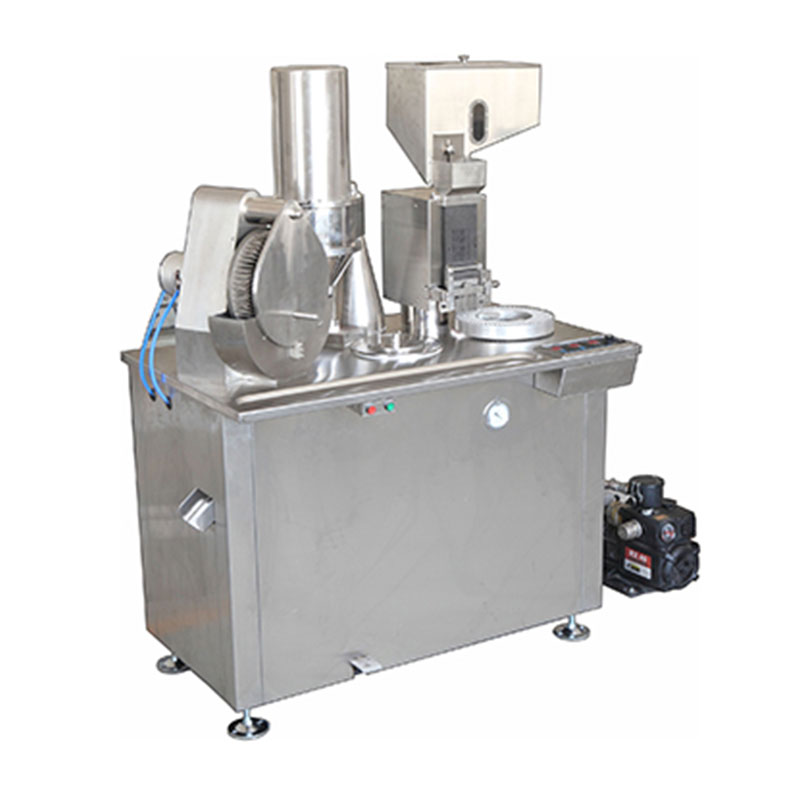
OEM manual capsule filler size 4
Exploring the World of OEM Manual Capsule Filler Size 4
In the world of pharmaceuticals, the OEM manual capsule filler size 4 stands out as an essential tool for small to medium-scale operations involving capsule production. From ensuring precision to handling different capsule sizes, this apparatus plays a crucial role in the industry. However, as with any tool, there are common misconceptions and challenges that users face.
Understanding the Basics
When we talk about a capsule filler, especially something like the OEM manual capsule filler size 4, we’re delving into a realm where precision meets practicality. This equipment is indispensable for smaller batches, offering significant flexibility compared to its automatic counterparts. Much of its appeal lies in its simplicity and efficiency, particularly for industries or labs where budgets are tight yet expectations are high.
However, one must approach its operation with a keen understanding. It's not just about pouring powder into capsules but also mastering the nuances of pressure application and filler volume adjustments. Getting these elements just right can make all the difference in the quality of the final product.
Each filler comes with specific settings, and understanding these early on can avert potential setbacks. Misunderstanding these can lead to issues like inconsistent capsule weight or incomplete filling, which are frequent hurdles for newcomers.
Common Challenges in Operation
During my initial experiences, one notable challenge was ensuring an even fill for each capsule. The manual nature of the tool means you rely heavily on tactile feedback and visual checks. This often requires practice and sometimes, a bit of trial and error. Those who've been in this space will nod knowingly at the frustration of a misaligned capsule causing powder to spill everywhere.
It's also crucial to maintain cleanliness. Powder residue can accumulate, affecting subsequent batches or leading to contamination. A regular cleaning regimen isn’t just recommended—it's essential. I've spent many afternoons disassembling parts, realizing just how much residue can hide in the crevices of these machines.
And then there's the issue of material compatibility. Not all fillers handle every type of powder equally. Fine powders or those with moisture can clump, leading to inconsistent fills. Here, it helps to know your material properties and perhaps adjust your workflow to match.
Benefits of Manual Over Automatic
Despite these challenges, there are notable advantages. The primary one being cost-effectiveness. For enterprises like SUQIAN KELAIYA INTERNATIONAL TRADING CO., LTD, where the focus might be on new drug development and niche productions, a manual filler provides flexibility without the hefty investment of automated systems.
Moreover, the manual control allows for a hands-on approach. This can be particularly advantageous when working on developmental batches or customized orders where precision and customization are paramount.
Through cautious manual handling, there's also room for immediate adjustments—a luxury automated systems often do not afford. This can be particularly beneficial when dealing with new formulations or adjusting to slightly variable batch conditions.
Practical Tips from Experience
Having spent considerable time with various types of capsule fillers, one tip I'd stress is to always have a batch journal. Documenting each fill, the settings, and any anomalies can prove invaluable for future operations. This is a practice we've embraced at our manufacturing sites in Zhejiang and Jiangsu provinces.
Another practical suggestion is to fit the filler with proper accessories. From tampers to alignment tools, investing in quality accessories saves time and enhances precision. The market offers a range of these, and picking the right ones can substantially streamline processes.
Finally, don’t underestimate the benefits of training. Even if the manual filler seems intuitive, a training session can bridge theoretical knowledge with practical application, ensuring each operator understands the intricacies involved.
Conclusion: Mastering the Manual Filler
The allure of the OEM manual capsule filler size 4 lies in its ability to balance cost with efficiency, making it a preferred choice for operations keen on maintaining control and precision. To make the most of it, one must pair enthusiasm with an understanding of its limitations and strengths.
For companies like SUQIAN KELAIYA, which prioritize innovation and production quality, mastering such tools is part of the journey in advancing pharmaceutical solutions. As you venture further with manual fillers, remember that each challenge encountered is an opportunity to refine and improve your craft.
For more detailed insights or inquiries, feel free to visit SUQIAN KELAIYA's website at https://www.kelaiyacorp.com.
Related Products
Related Products

Best Selling Products
Best Selling Products-
 Hpmc Capsules Product Plant Vegetarian Size 00 0 Capsule Shell
 -
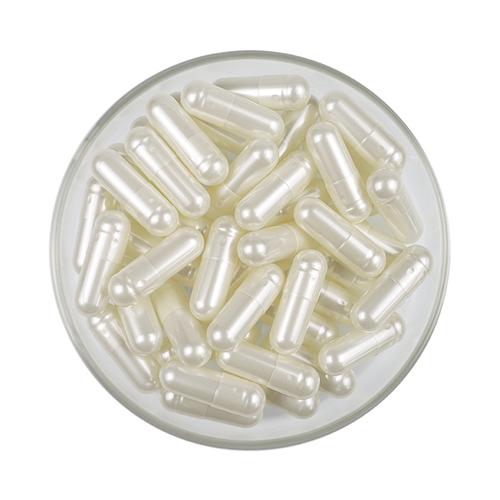 Golden_Pearl Hard Gelatin Capule
 -
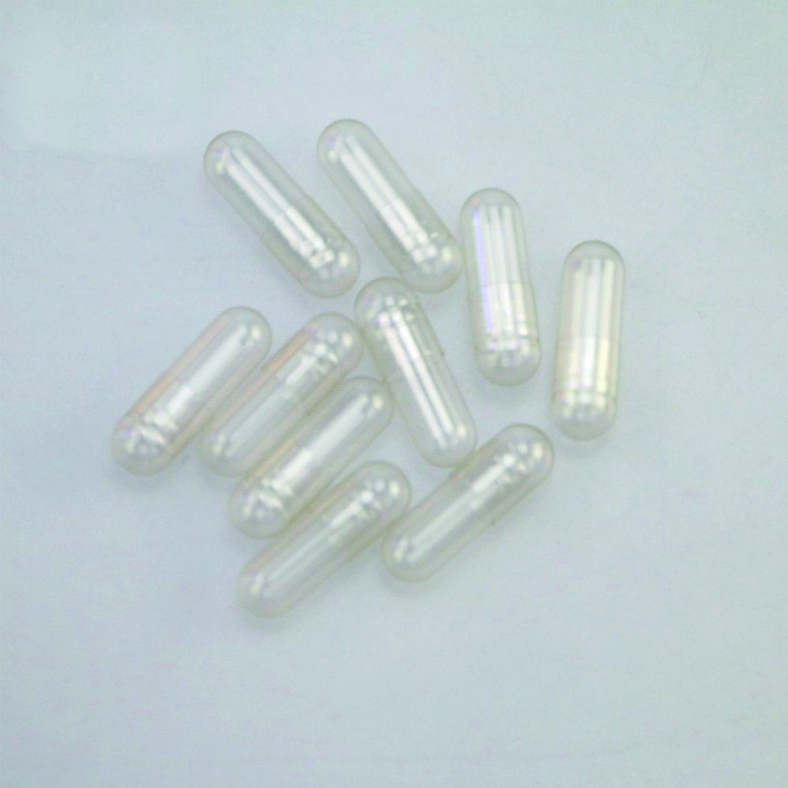 EMPTY HPMC CAPSULE SIZE 00 CLEAR
 -
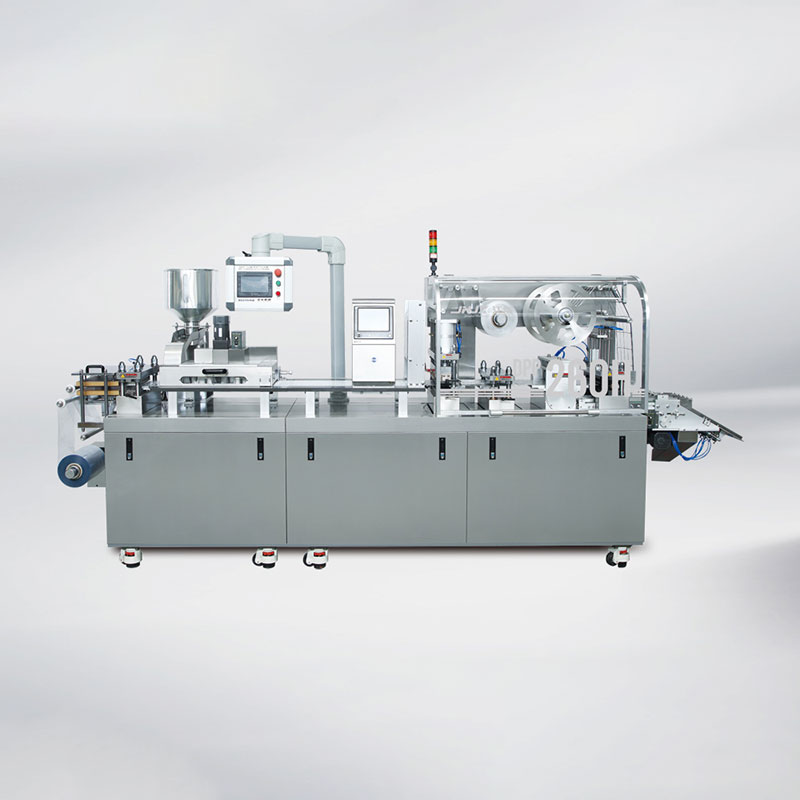 DPP-260H_DPP-320H Flat-plate Blister Packing Machine
 -
 Size 00 hpmc capsules vegetarian capsules empty hard veggie capsules
 -
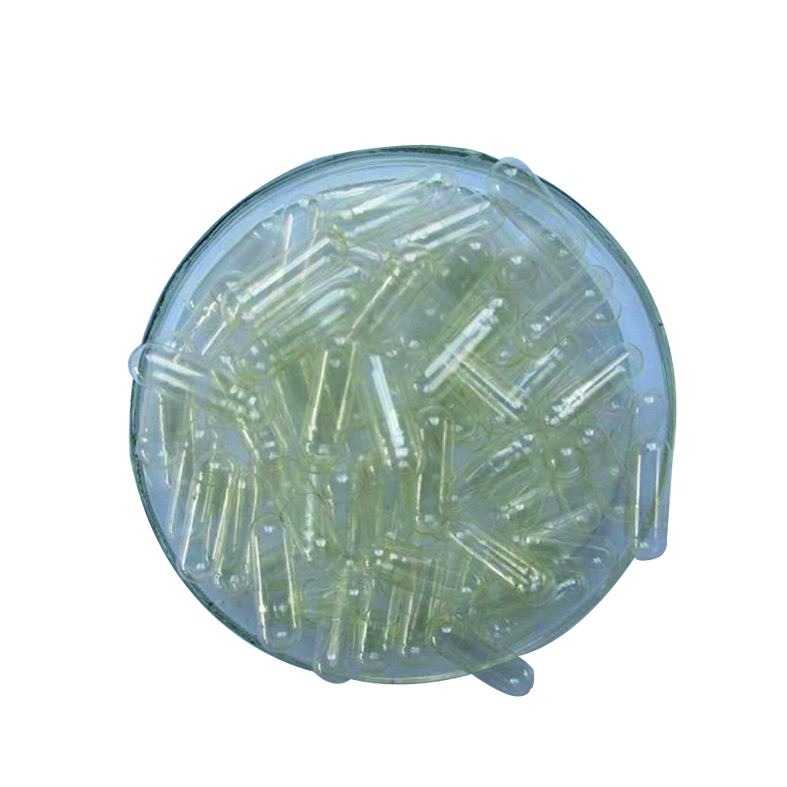 Halal Certificate Empty Clear Hard Gelatin Capsules Shell Size 0
 -
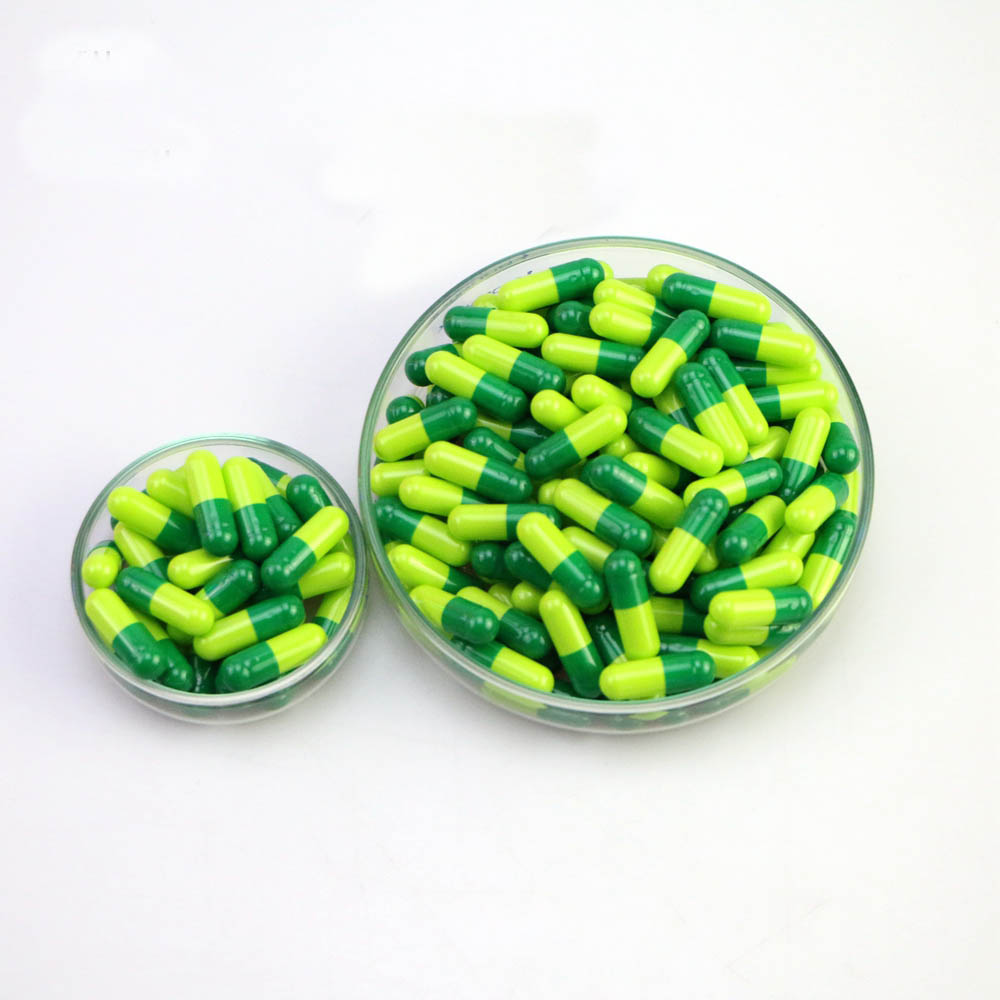 Halal empty hard geltin capsule
 -
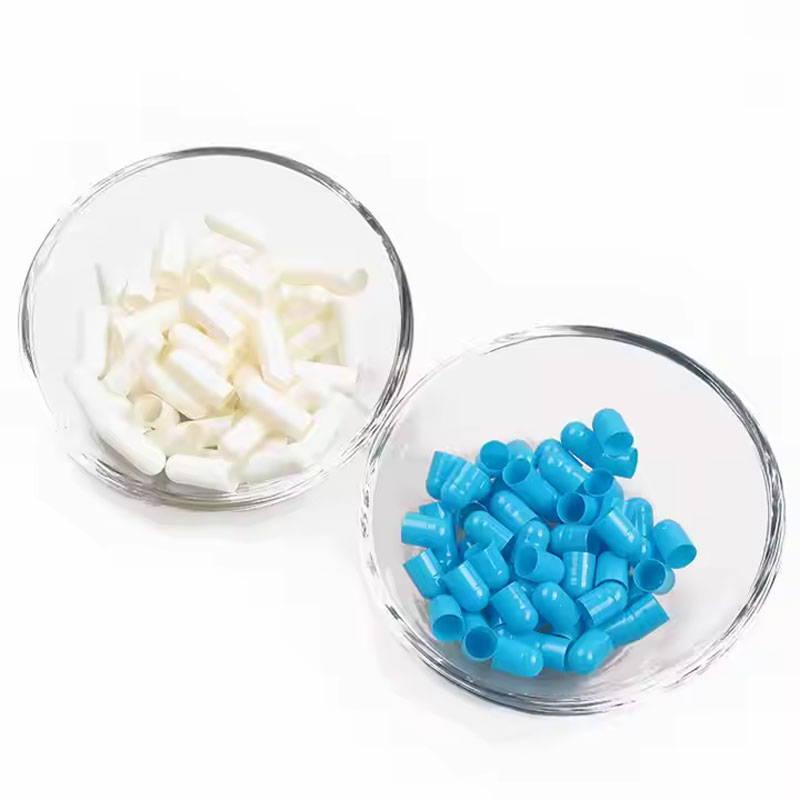 Empty VegCaps Shell Clear Empty Vegan Plant-Based Capsules Size 00 0 1 2 3 4 Natural Vegetable HPMC Capsules
 -
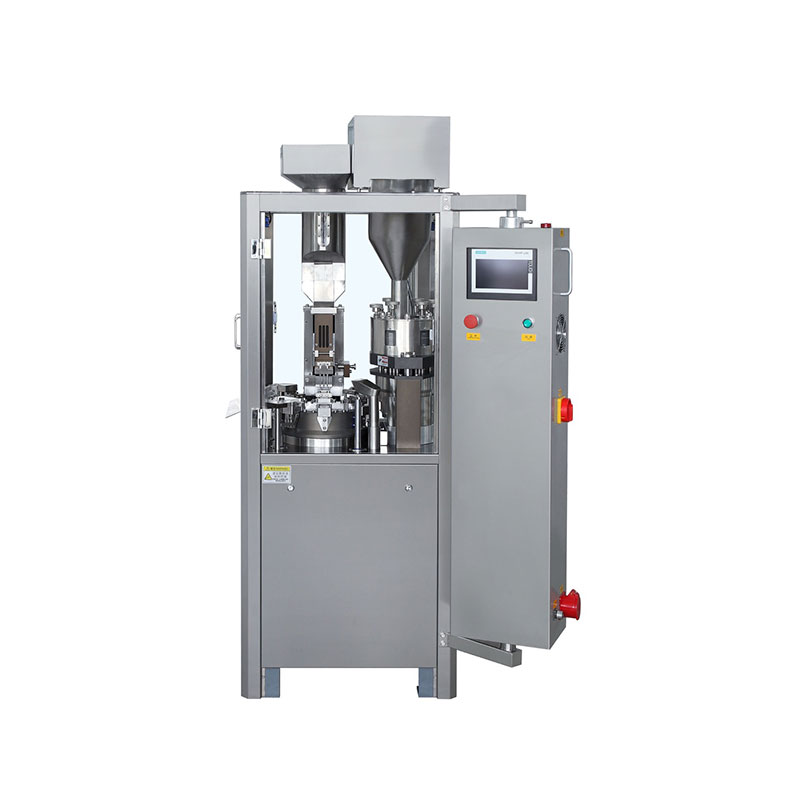 NJP-400 Fully Automatic Capsule Filling Machine
 -
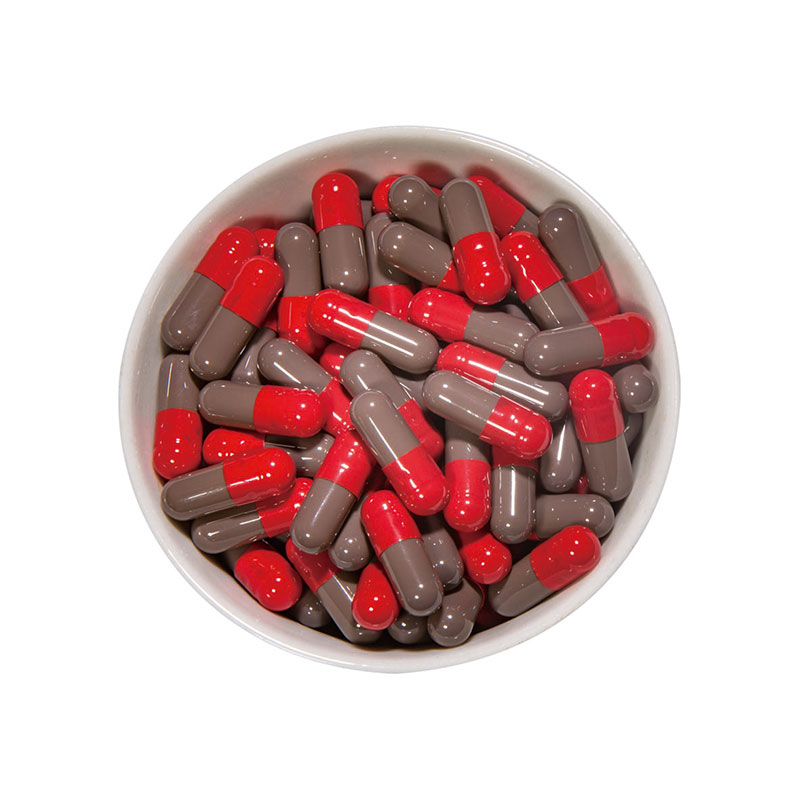 TIO2 free gelatin CAPSULE
 -
 EMPTY VEGATABLE CAPSULE CLEAR SIZE 0
 -
 Hard Gelatin Empty Capsule Shell Size 00 0 1 2 3 4
Related Search
Related Search- Discount capsule filling machine size 2
- OEM capsule filler size 2
- Certificate DPP 80 Blister machinePVC/ALU
- high quality empty 00 vegetable capsules
- OEM the capsule machine 000
- OEM 00 capsule filler
- empty vegetarian capsules size 000
- OEM njp 400
- OEM pill capsule filling machine
- Discount gelatin capsule filling machine