
- English
- Chinese
- French
- German
- Portuguese
- Spanish
- Russian
- Japanese
- Korean
- Arabic
- Irish
- Greek
- Turkish
- Italian
- Danish
- Romanian
- Indonesian
- Czech
- Afrikaans
- Swedish
- Polish
- Catalan
- Esperanto
- Hindi
- Lao
- Albanian
- Amharic
- Armenian
- Azerbaijani
- Belarusian
- Bengali
- Bosnian
- Bulgarian
- Cebuano
- Chichewa
- Corsican
- Croatian
- Dutch
- Estonian
- Filipino
- Finnish
- Frisian
- Galician
- Georgian
- Gujarati
- Haitian
- Hausa
- Hawaiian
- Hebrew
- Hmong
- Hungarian
- Icelandic
- Igbo
- Javanese
- Kannada
- Kazakh
- Khmer
- Kurdish
- Kyrgyz
- Latin
- Latvian
- Lithuanian
- Luxembou..
- Macedonian
- Malagasy
- Malay
- Malayalam
- Maltese
- Maori
- Marathi
- Mongolian
- Burmese
- Nepali
- Norwegian
- Pashto
- Persian
- Punjabi
- Serbian
- Sesotho
- Sinhala
- Slovak
- Slovenian
- Somali
- Samoan
- Scots Gaelic
- Shona
- Sindhi
- Sundanese
- Swahili
- Tajik
- Tamil
- Telugu
- Thai
- Ukrainian
- Urdu
- Uzbek
- Vietnamese
- Welsh
- Xhosa
- Yiddish
- Yoruba
- Zulu
- Kinyarwanda
- Tatar
- Oriya
- Turkmen
- Uyghur


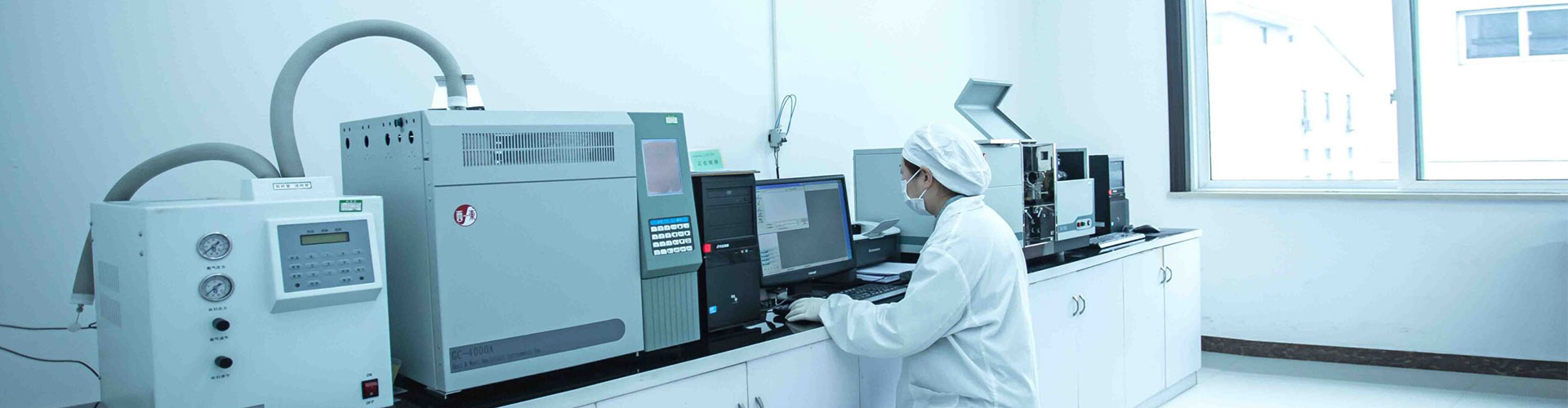
OEM DPP 260 Blister machine ALU/ALU
Understanding OEM DPP 260 Blister Machine ALU/ALU in Pharmaceutical Manufacturing
The OEM DPP 260 Blister Machine ALU/ALU often generates mixed reactions in pharmaceutical circles. Despite being a staple in the industry, misconceptions abound. Some believe it’s overly complicated, while others think it's suitable only for large-scale operations. This post attempts to demystify its use, grounded in practical experience rather than conjecture.
The Versatility of the DPP 260
Having worked with the OEM DPP 260 Blister Machine ALU/ALU for several years, I can attest to its adaptability. Its capability to handle various materials, especially ALU/ALU, makes it indispensable. I've seen it work wonders even in smaller settings where production flexibility is key.
One project at Suqian Kelaiya Corp. showcased its potential. Our focus was on precision, filling different dosage forms without a hitch. Little tweaks and adjustments quickly became second nature, though this flexibility does come at a price—upfront training and understanding of the machine’s quirks.
Interestingly, the machine's compact design doesn't compromise its throughput. We’ve had it running alongside larger systems, and it consistently keeps pace. So, dismissing it as complex or unwieldy seems unfair, particularly in an ever-evolving field like this.
Diving Deep into Technical Specifications
Let’s talk about the technical side. OEM DPP 260 Blister Machine ALU/ALU operates with precision thanks to its well-engineered design. Speaking from experience, its reliable heating system is crucial when sealing ALU/ALU films – preventing potential product degradation.
At Suqian Kelaiya, this became evident when we transitioned into more temperature-sensitive substances. The ability to make real-time adjustments enhanced our production line’s efficiency remarkably. The PLC control system, though intimidating at first glance, becomes intuitive over time.
One shouldn’t overlook maintenance, however. Keeping it running smoothly requires regular checks. Ignoring minor issues could potentially lead to expensive downtime, something we learned early on.
Practical Application and Efficiency
Application and efficiency are crucial when using the DPP 260. We've deployed it in various settings at Suqian Kelaiya, encapsulating different products with ease. Its adaptability is truly a boon when dealing with fluctuating product types and volumes.
There was a particular case where quick adjustments were needed for a new product line. Our team managed it seamlessly, thanks to the machine’s design. It’s like having a dependable team member who's always ready for the unexpected, a feature often underestimated.
Integrating it into our operations improved efficiency by reducing error rates. This speaks volumes to its engineering – as much an art as a science, balancing human oversight with machine precision.
Common Challenges and Mitigation
No machine is without its challenges. The OEM DPP 260 Blister Machine ALU/ALU is no exception. One common hurdle is the initial setup, particularly aligning the aluinum foil correctly. For newcomers, it’s a bit of trial and error, but patience pays off.
We encountered alignment issues during our first few runs. In those moments, leaning on the manual was essential, though having a seasoned operator nearby drastically reduced stress. It’s these small experiential insights that manuals often miss.
Noise was another surprise initially. It’s not loud, but in a quiet space, it’s noticeable. Soundproofing solutions or simply acclimatizing are effective counters. It’s always a balance – getting the job done while maintaining a pleasant working environment.
Why Choose the DPP 260?
Given the options available, why choose the DPP 260 Blister Machine ALU/ALU? For Suqian Kelaiya, its reliability and adaptability made it a mainstay in our operations. It's not just a machine; it's a solution tailored to diverse pharmaceutical manufacturing needs.
Having seen its versatility in action – from handling high-volume demands to small bespoke batches – there’s a reassurance in its consistency. It becomes an extension of the team’s capabilities, filling gaps that would be daunting without it.
Choosing equipment always involves trade-offs, but for us, the long-term benefits of integrating this machine have surpassed expectations. It embodies the precision and adaptability required in today’s pharmaceutical landscape, proving itself time and again.
Related Products
Related Products

Best Selling Products
Best Selling Products-
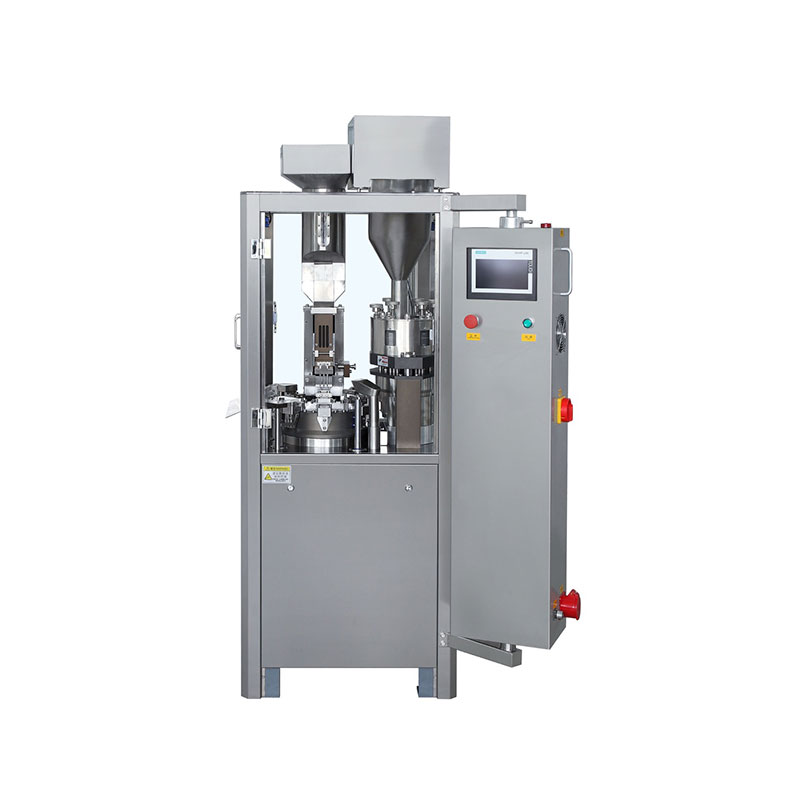 NJP-400 Fully Automatic Capsule Filling Machine
 -
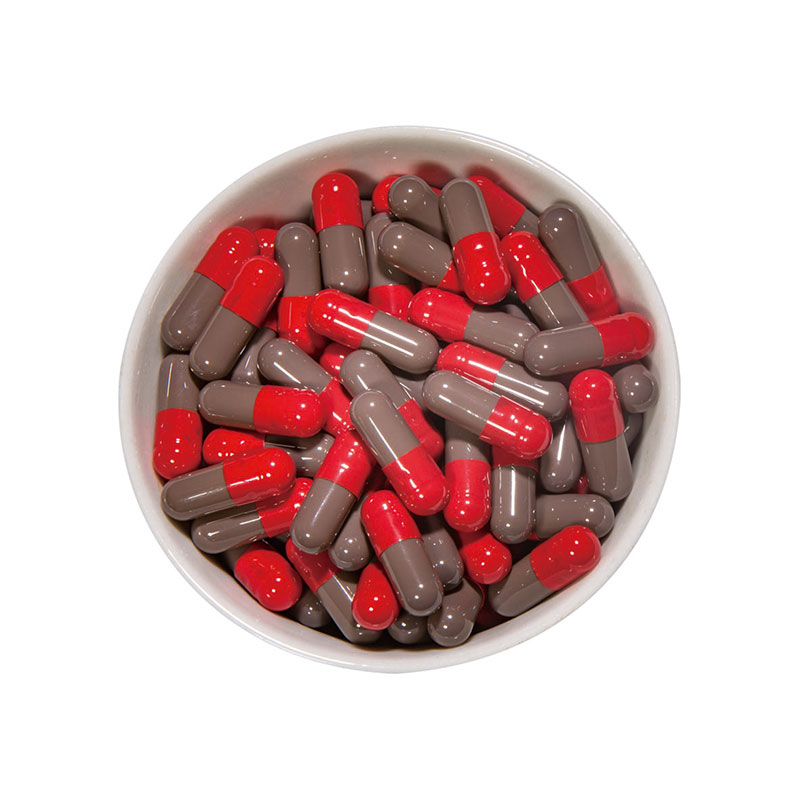 TIO2 free gelatin CAPSULE
 -
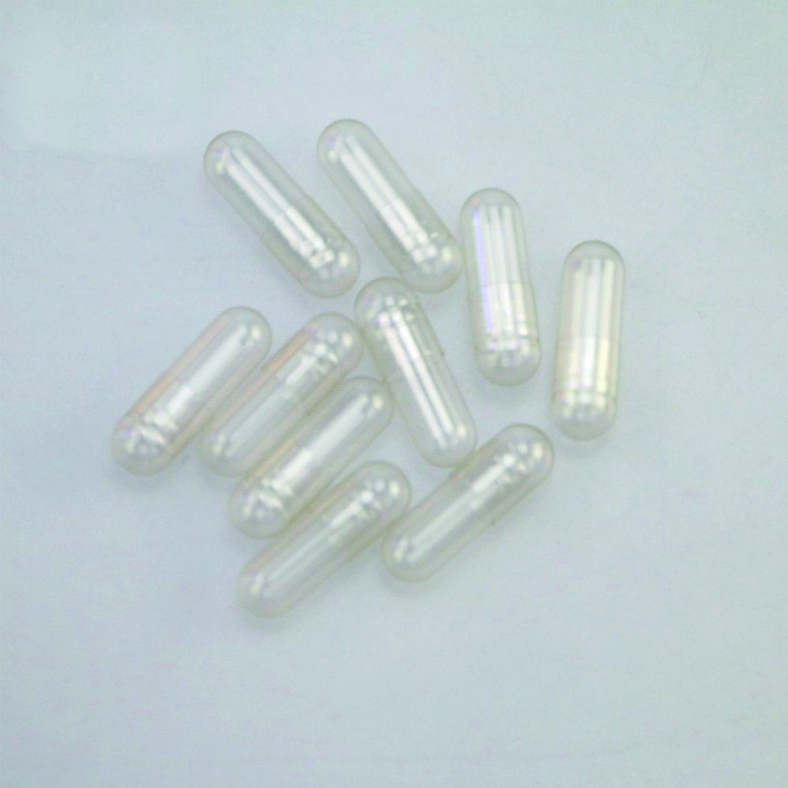 EMPTY HPMC CAPSULE SIZE 00 CLEAR
 -
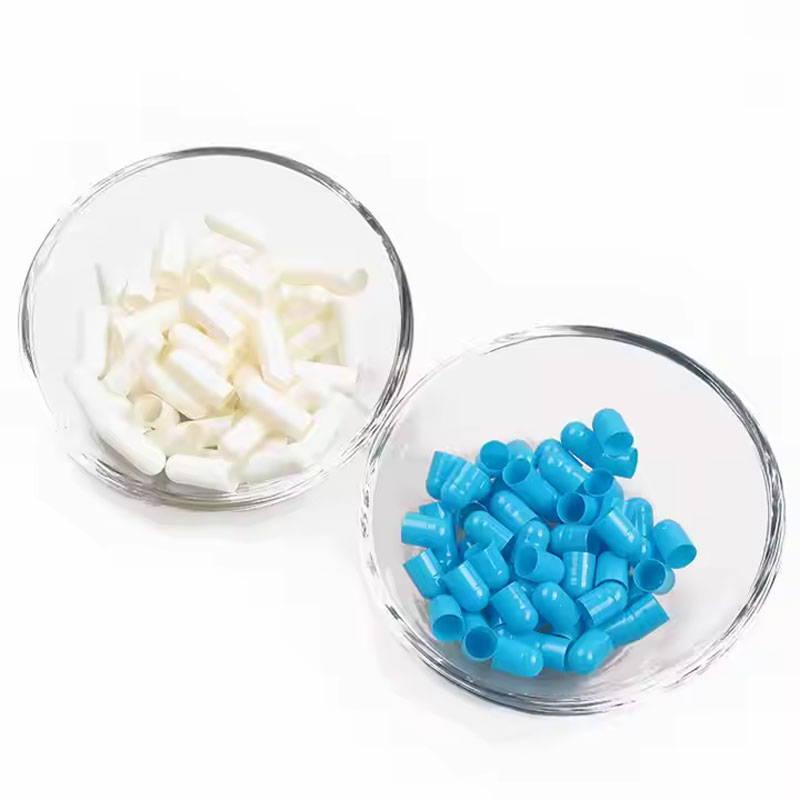 Empty VegCaps Shell Clear Empty Vegan Plant-Based Capsules Size 00 0 1 2 3 4 Natural Vegetable HPMC Capsules
 -
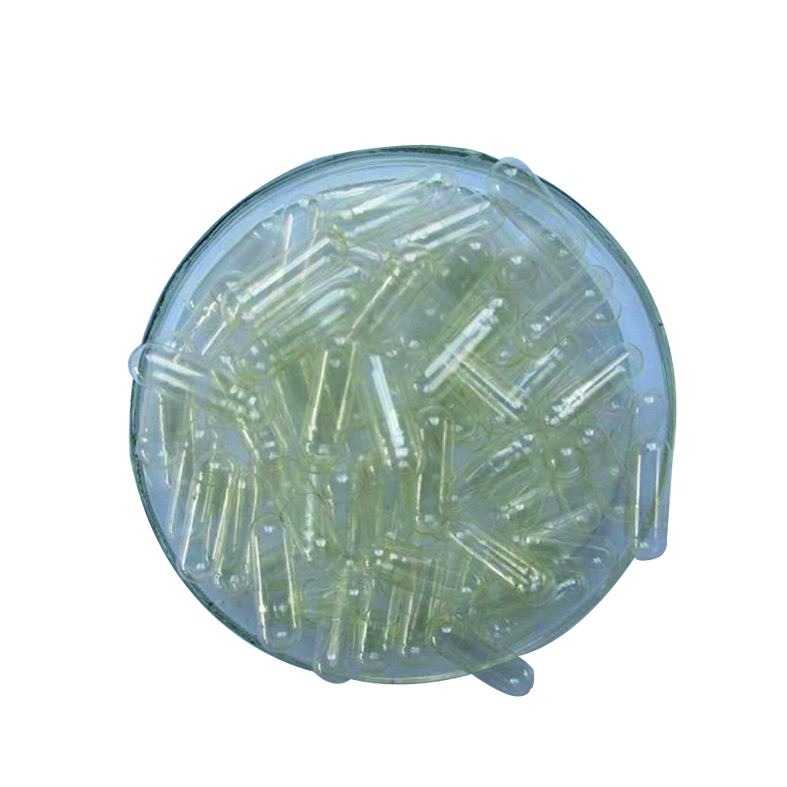 Halal Certificate Empty Clear Hard Gelatin Capsules Shell Size 0
 -
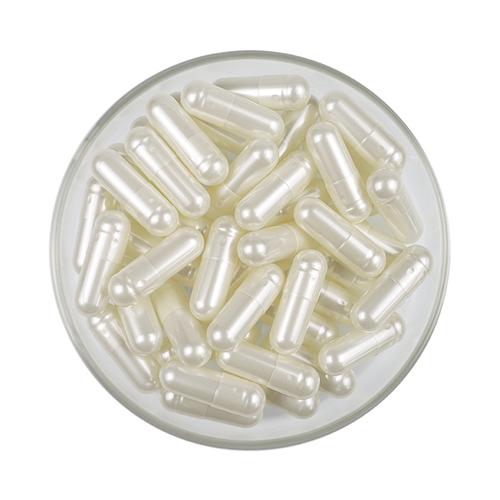 Golden_Pearl Hard Gelatin Capule
 -
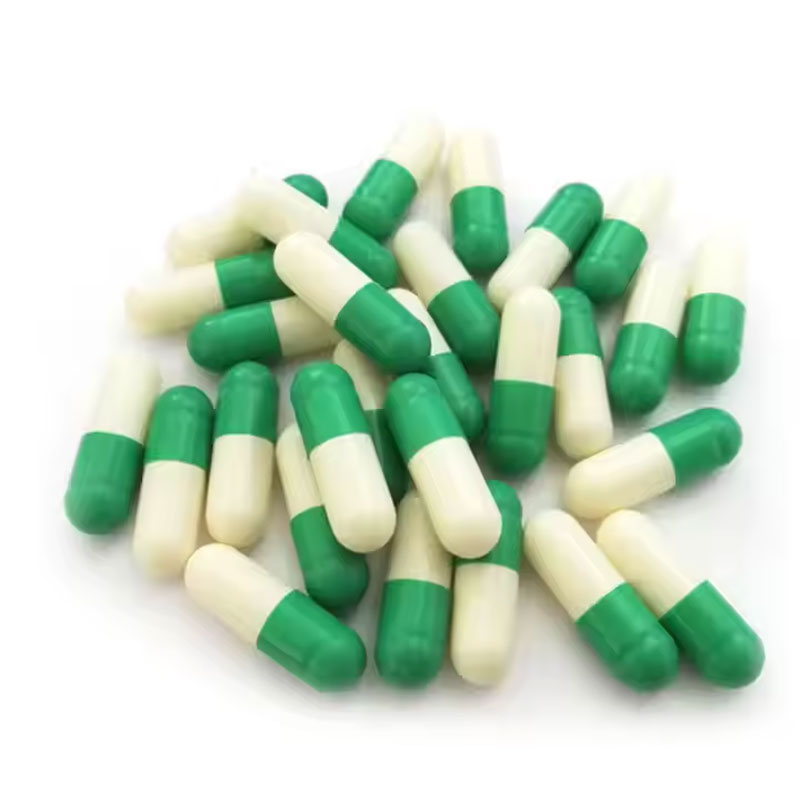 Size 00 hpmc capsules vegetarian capsules empty hard veggie capsules
 -
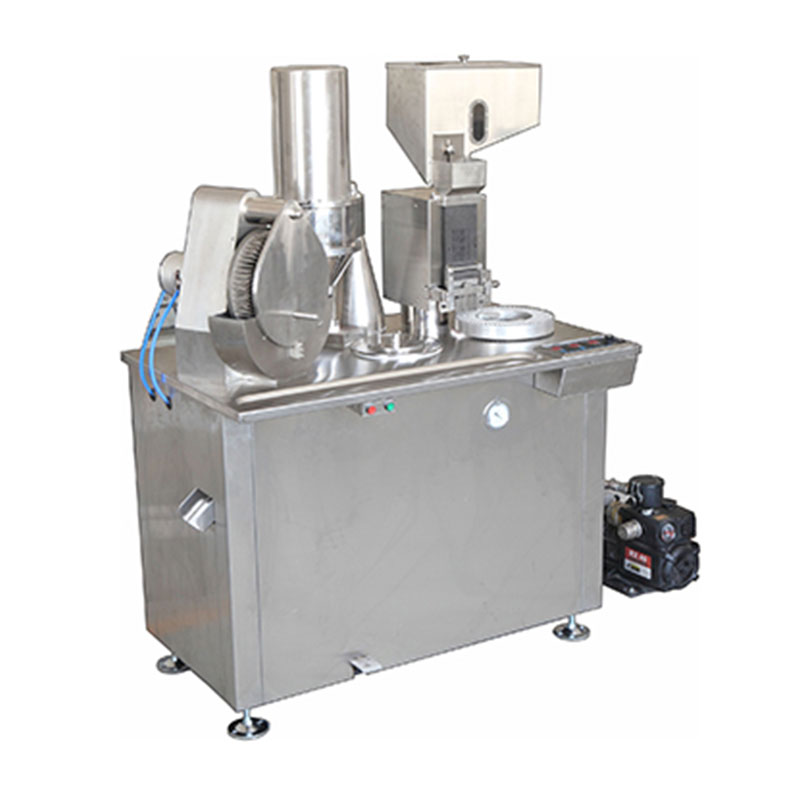 CGN208-D Newest Type Semi Automatic Capsule Filling Machine
 -
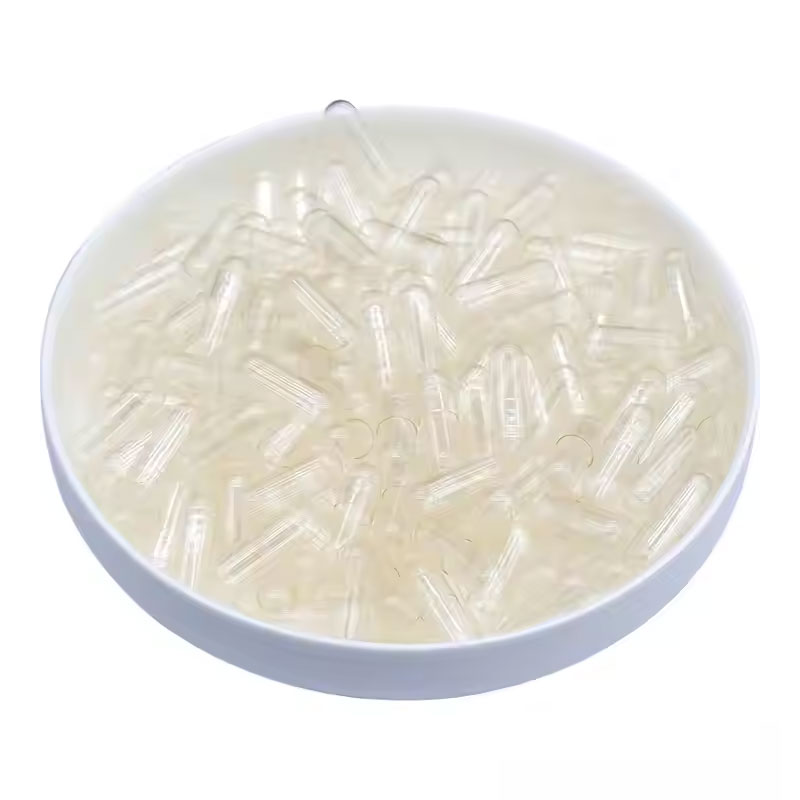 EMPTY VEGATABLE CAPSULE CLEAR SIZE 0
 -
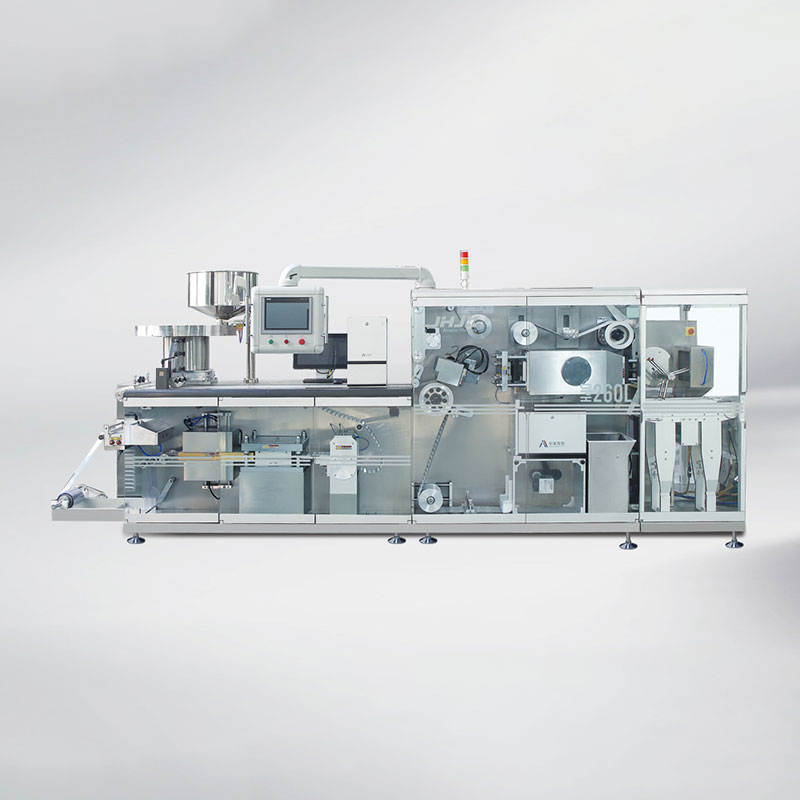 DPH-260L Roll-plate Blister Packaging Machine
 -
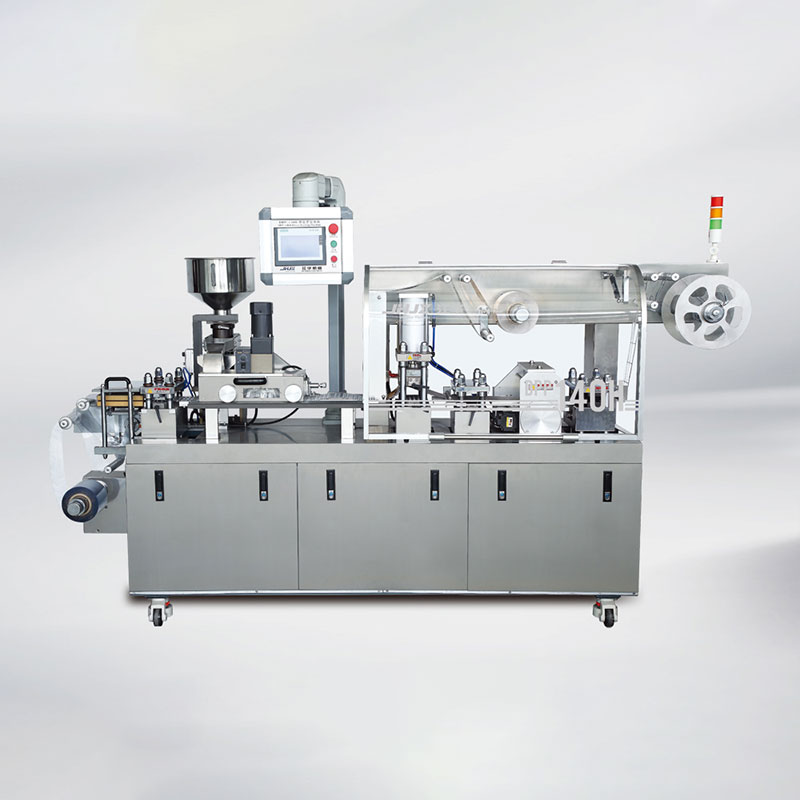 DPP-140H Flat-plate Blister Packing Machine
 -
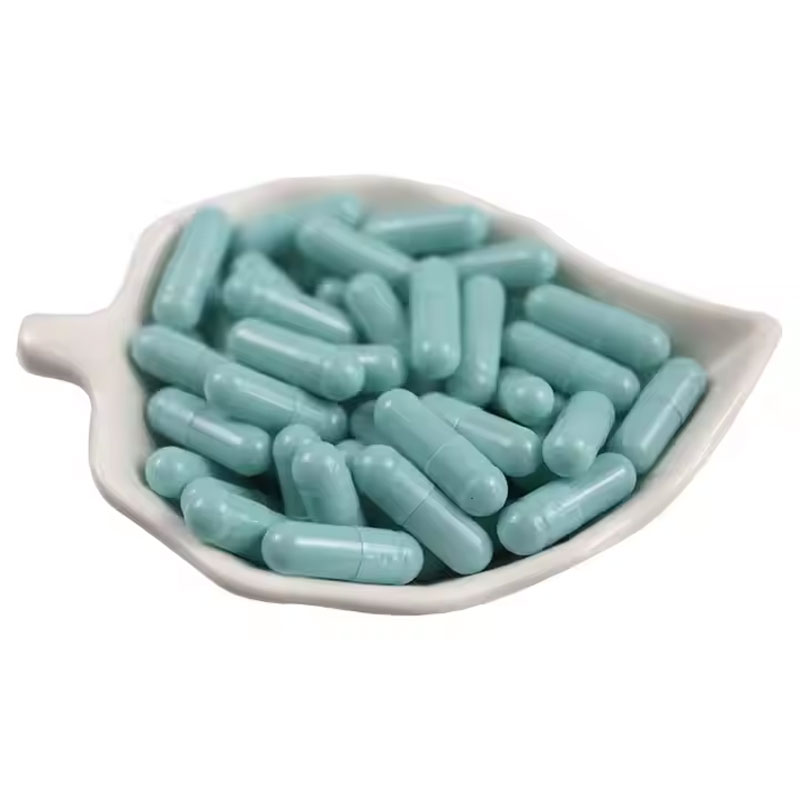 Vegetarian Separated Capsules HPMC Capsules Separated Wholesale Vegetarian Capsules Discount for Bulk Orders
Related Search
Related Search- Discount njp 400 capsule filling machine
- Best njp 2000 capsule filling machine
- Discount filling machine of capsule
- high quality NJP-1200 automatic capsule filling machine
- Discount Empty Gealtin Capusle
- Certificate gelatin capsule filler
- OEM vegetarian capsules size 00
- Discount powder capsule filler
- OEM capsule filling machine 00
- Certificate vegetarian capsules size 000