
- English
- Chinese
- French
- German
- Portuguese
- Spanish
- Russian
- Japanese
- Korean
- Arabic
- Irish
- Greek
- Turkish
- Italian
- Danish
- Romanian
- Indonesian
- Czech
- Afrikaans
- Swedish
- Polish
- Catalan
- Esperanto
- Hindi
- Lao
- Albanian
- Amharic
- Armenian
- Azerbaijani
- Belarusian
- Bengali
- Bosnian
- Bulgarian
- Cebuano
- Chichewa
- Corsican
- Croatian
- Dutch
- Estonian
- Filipino
- Finnish
- Frisian
- Galician
- Georgian
- Gujarati
- Haitian
- Hausa
- Hawaiian
- Hebrew
- Hmong
- Hungarian
- Icelandic
- Igbo
- Javanese
- Kannada
- Kazakh
- Khmer
- Kurdish
- Kyrgyz
- Latin
- Latvian
- Lithuanian
- Luxembou..
- Macedonian
- Malagasy
- Malay
- Malayalam
- Maltese
- Maori
- Marathi
- Mongolian
- Burmese
- Nepali
- Norwegian
- Pashto
- Persian
- Punjabi
- Serbian
- Sesotho
- Sinhala
- Slovak
- Slovenian
- Somali
- Samoan
- Scots Gaelic
- Shona
- Sindhi
- Sundanese
- Swahili
- Tajik
- Tamil
- Telugu
- Thai
- Ukrainian
- Urdu
- Uzbek
- Vietnamese
- Welsh
- Xhosa
- Yiddish
- Yoruba
- Zulu
- Kinyarwanda
- Tatar
- Oriya
- Turkmen
- Uyghur



OEM clear vegetarian capsules size 00
Understanding OEM Clear Vegetarian Capsules Size 00
When we talk about OEM clear vegetarian capsules size 00, the conversation often skips over some practical insights. These capsules, while seemingly straightforward, involve a web of factors impacting their effectiveness and marketability. Many tend to overlook subtle distinctions, assuming all capsules are essentially the same. This misunderstanding can lead to less-than-optimal choices in both manufacturing and application.
The Basics of Capsule Sizing
First off, let's clarify what size 00 really means. The capsule sizing system comprises a range of sizes, with 000 being the largest and 5 the smallest. Size 00 capsules are quite popular due to their reasonable volume capacity—ideal for both consumer use and manufacturing efficiency. For instance, at Suqian Kelaiya Corp., where we manage extensive production operations, this size aligns well with our machinery capabilities in both our Zhejiang and Jiangsu facilities.
Moreover, size 00 capsules offer flexibility for various formulations, which is crucial as manufacturers, including those at Suqian Kelaiya, strive to meet the diverse needs of the health supplement market. It's vital to ensure your machinery is optimized fully to create a zero-defect environment; a mismatch in sizing or filling can lead to significant wastage or recalls.
This alignment between capsule size and production capability is crucial. It’s not just about getting a good deal on a bulk order. Rather, it’s about integrating capsule production seamlessly into the existing manufacturing workflow. Here is where many newcomers falter—they underestimate the importance of such integration.
Material Considerations: Vegan versus Gelatin
Our focus on vegetarian capsules involves using plant-based materials like HPMC. Unlike gelatin capsules, these cater to a growing demographic concerned about animal-derived products. However, switching to vegetarian capsules isn't just customer-driven—it impacts everything from shelf life to the brittleness of the capsule.
It's not uncommon for companies to misjudge the brittleness factor. At Suqian Kelaiya, we've encountered and resolved challenges where capsules would crack under less-than-ideal humidity conditions. This necessitated investing in climate-controlled environments and adapting machinery to accommodate such nuances.
But these efforts pay off. Not only are we aligning with consumer demand for 'clean' and ethical products, but we're also boosting the overall quality and safety of our offerings. However, it demands an initial investment in equipment and an adjustment phase, something not all companies are prepared for.
OEM Capabilities and Customization
For any company, the ability to offer OEM solutions proves invaluable. It’s not just about stamping a brand on generic products. As seen on our website Kelaiya Corp, customization spans from modifying capsule color to formulation tweaks, right down to packaging options.
Working through OEM projects often brings surprises. Clients might request the oddest combinations, and fulfilling these demands involves a mix of creativity and technical acumen. Our teams in Suqian Kelaiya have gained insights from numerous OEM projects, enabling us to roll out efficient solutions swiftly.
For those entering the OEM arena without experience, my advice is simple: flexibility is key. Be prepared for an iterative process where prototypes lead to refinements before arriving at the perfect final product. This is often where competitive advantage is born.
Supply Chain Considerations
On the supply chain front, managing ingredient sourcing is critical—especially in a global landscape with unpredictable delays and shortages. The choice of suppliers for HPMC and other materials is a decision that impacts both cost and quality.
Our approach at Suqian Kelaiya involves a strategic mix of domestic and international suppliers. Each relationship is meticulously managed, with backup plans in place to tackle unforeseen disruptions—think geopolitical tensions or pandemic-related shutdowns.
This supply chain agility not only ensures consistency but also builds resilience into our manufacturing processes. This aspect underpins our commitment to reliable customer service and product availability.
Sustainability and Future Directions
As the industry advances, sustainability remains at the forefront. Transitioning towards eco-friendly practices presents both challenges and opportunities. At Suqian Kelaiya, we’re exploring biodegradable materials and energy-efficient manufacturing processes to stay ahead of industry trends and consumer expectations.
Implementing sustainable practices isn’t merely about regulatory compliance; it aligns with the broader corporate responsibility. Our teams regularly assess the environmental impact at each stage, from sourcing to production and beyond.
Reflecting on the evolving nature of the capsule industry, it's clear that those willing to innovate and adapt—investing in newer, greener technologies—will spearhead future growth. It’s not just about making capsules; it's about leading a change, one step at a time.
Related Products
Related Products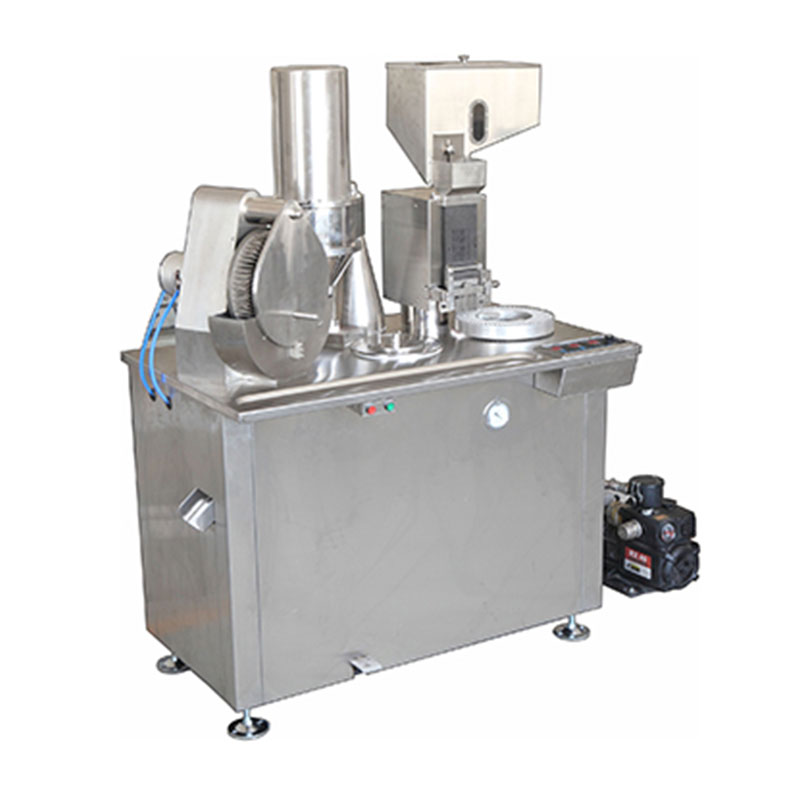
Best Selling Products
Best Selling Products-
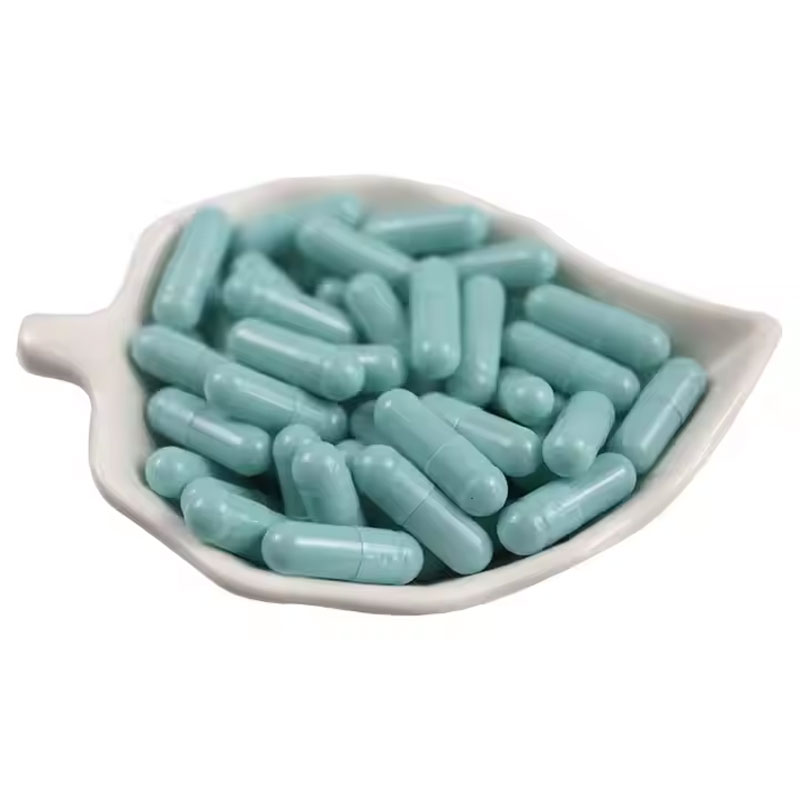 Vegetarian Separated Capsules HPMC Capsules Separated Wholesale Vegetarian Capsules Discount for Bulk Orders
 -
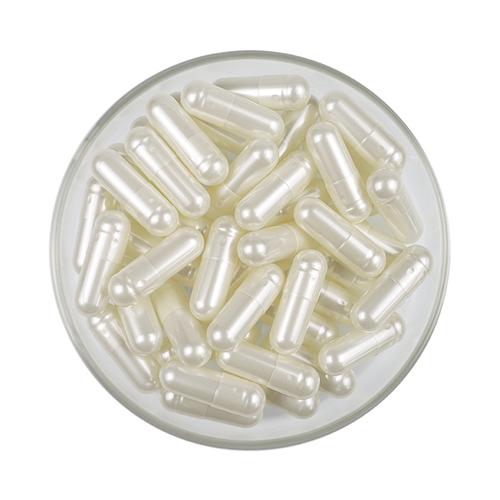 Golden_Pearl Hard Gelatin Capule
 -
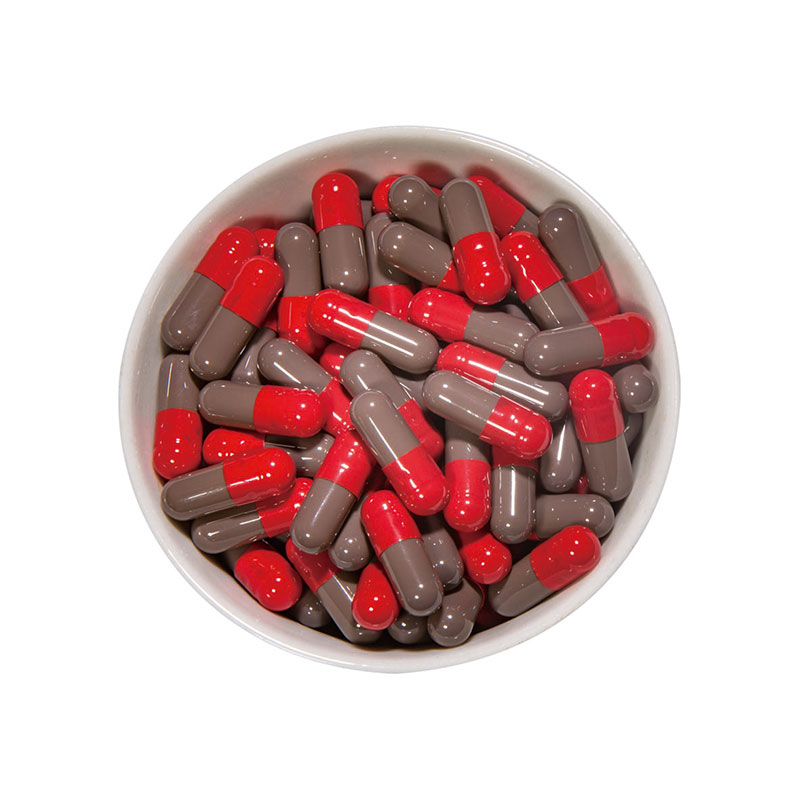
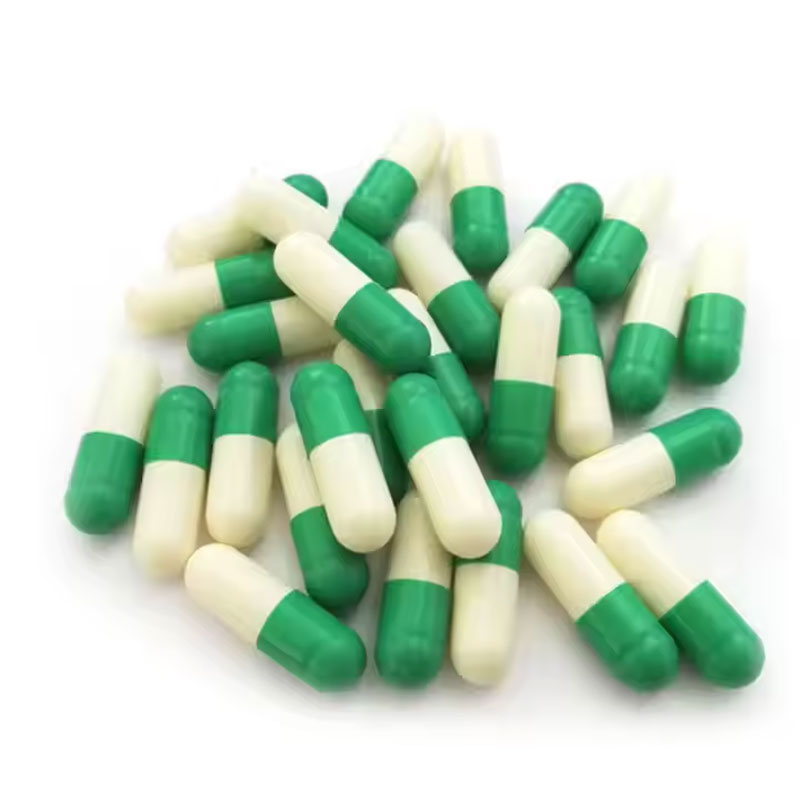 Size 00 hpmc capsules vegetarian capsules empty hard veggie capsules
 -
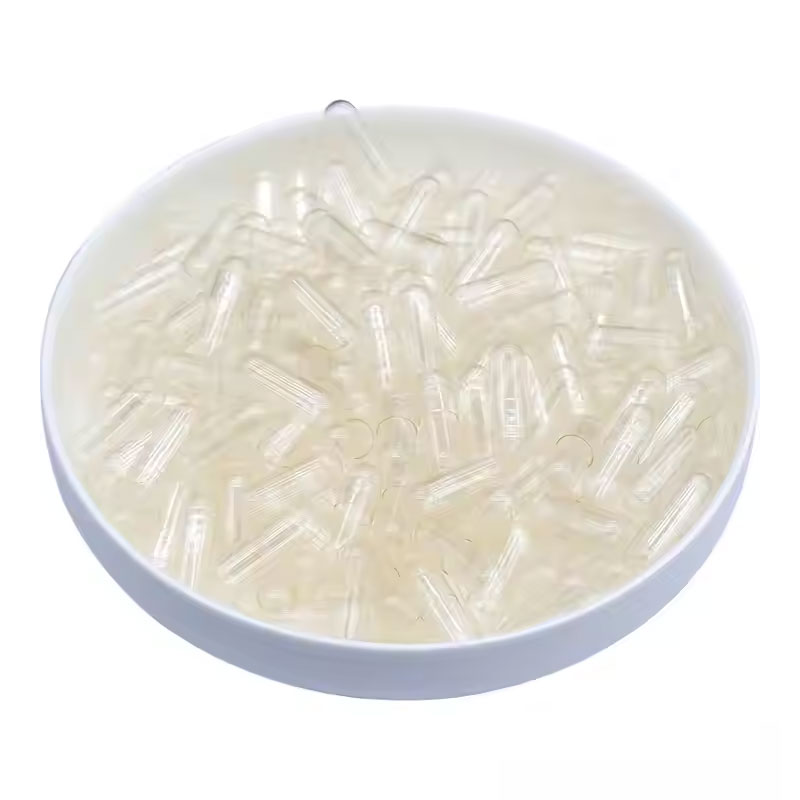 EMPTY VEGATABLE CAPSULE CLEAR SIZE 0
 -
 Hpmc Capsules Product Plant Vegetarian Size 00 0 Capsule Shell
 -
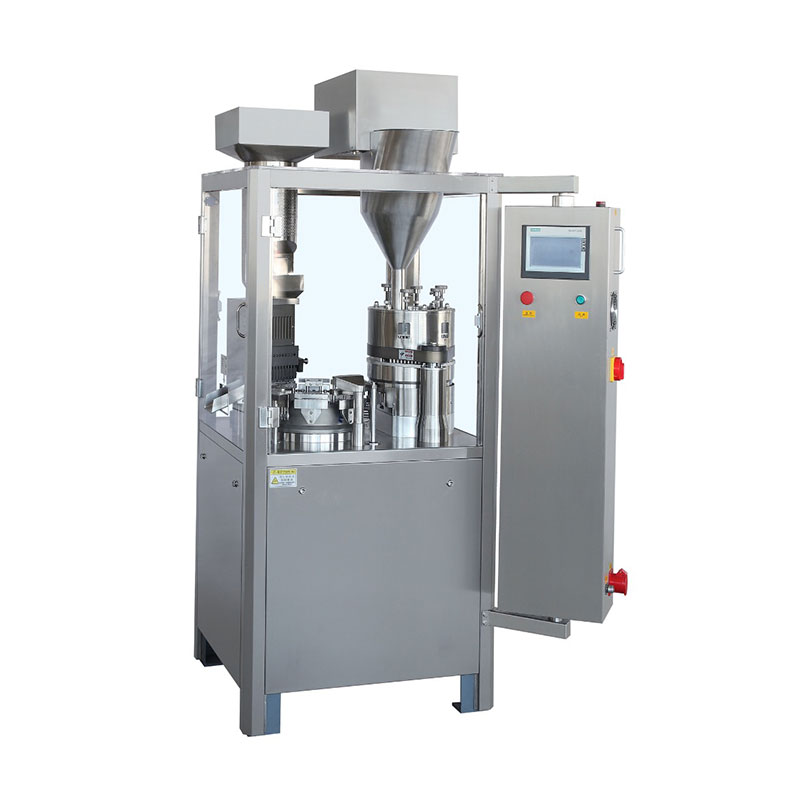 NJP-800 Automatic Capsule Filling Machine
 -
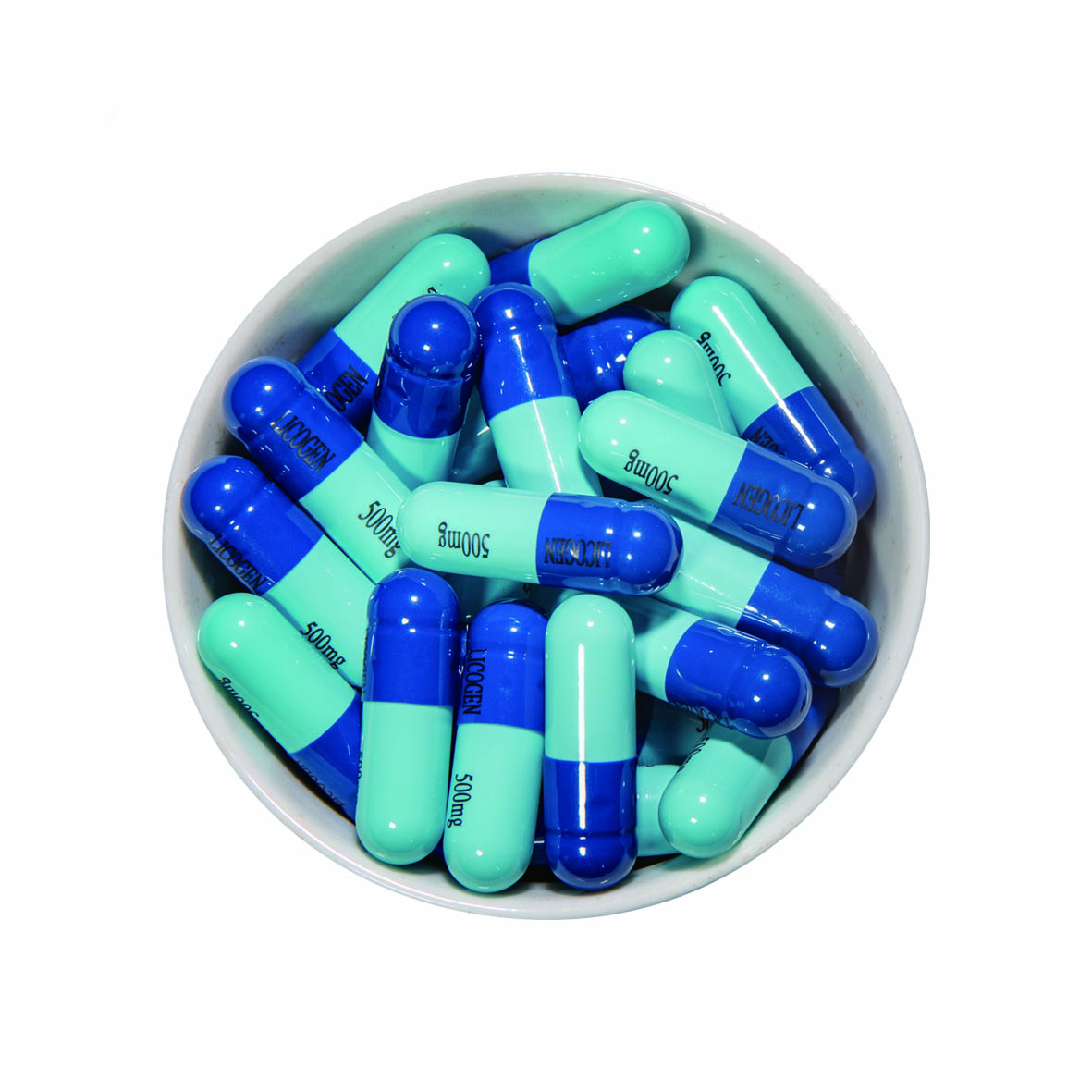 Hard Gelatin Empty Capsule Shell Size 00 0 1 2 3 4
 -
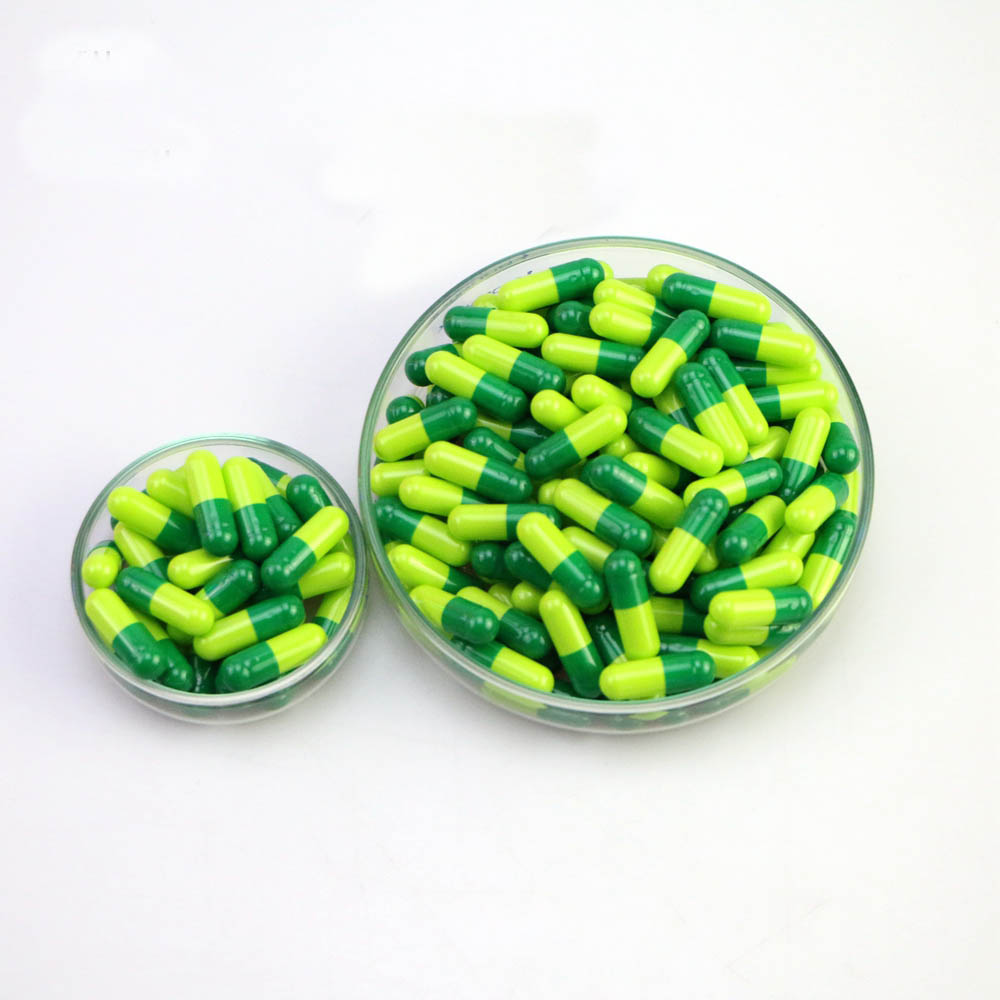 Halal empty hard geltin capsule
 -
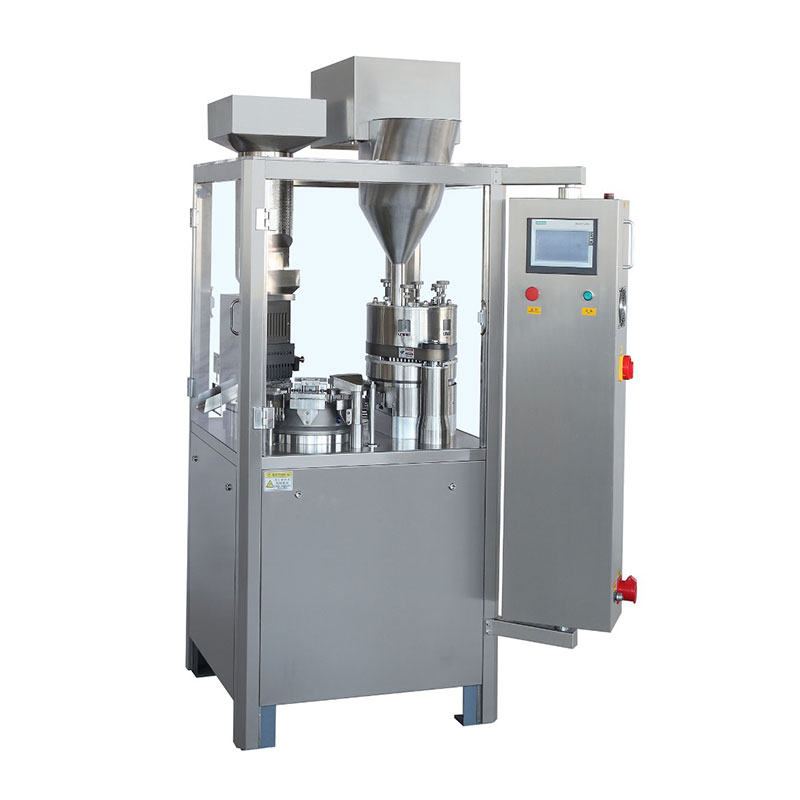
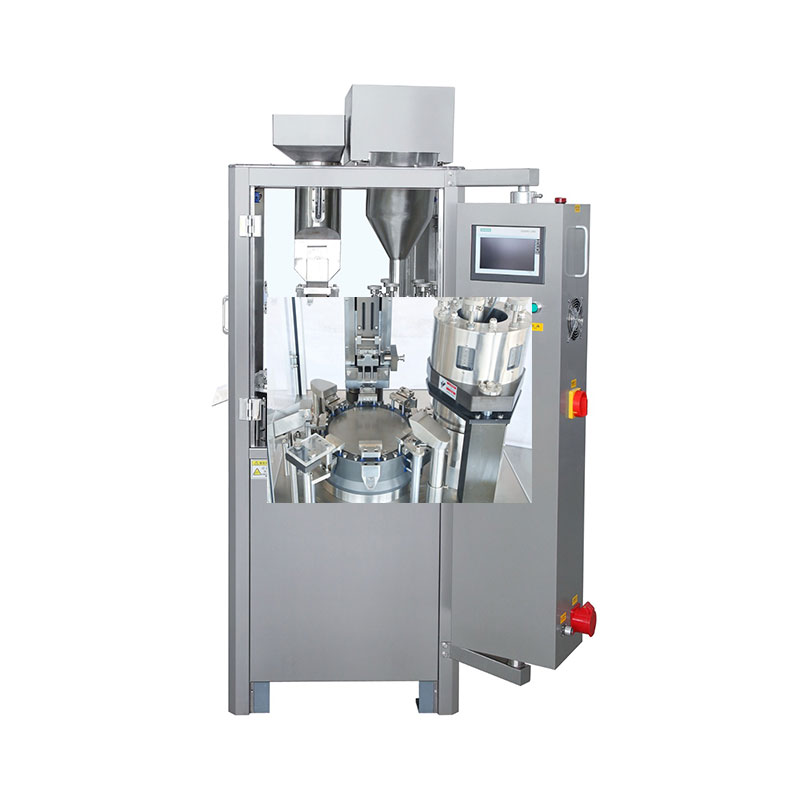 NJP-200 Model Fully Automatic Capsule Filling Machine
 -
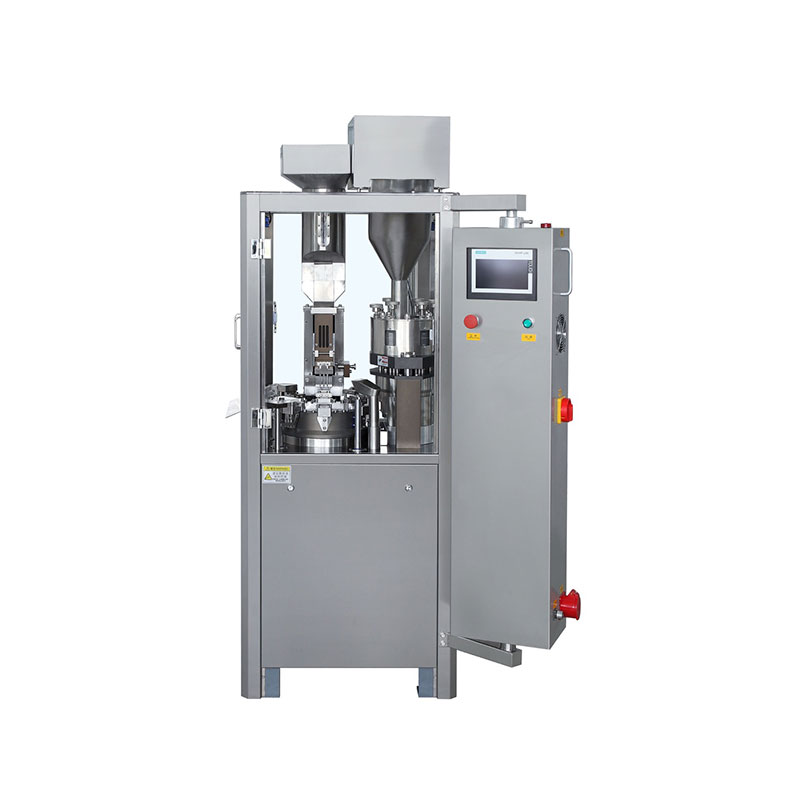 NJP-400 Fully Automatic Capsule Filling Machine
 -
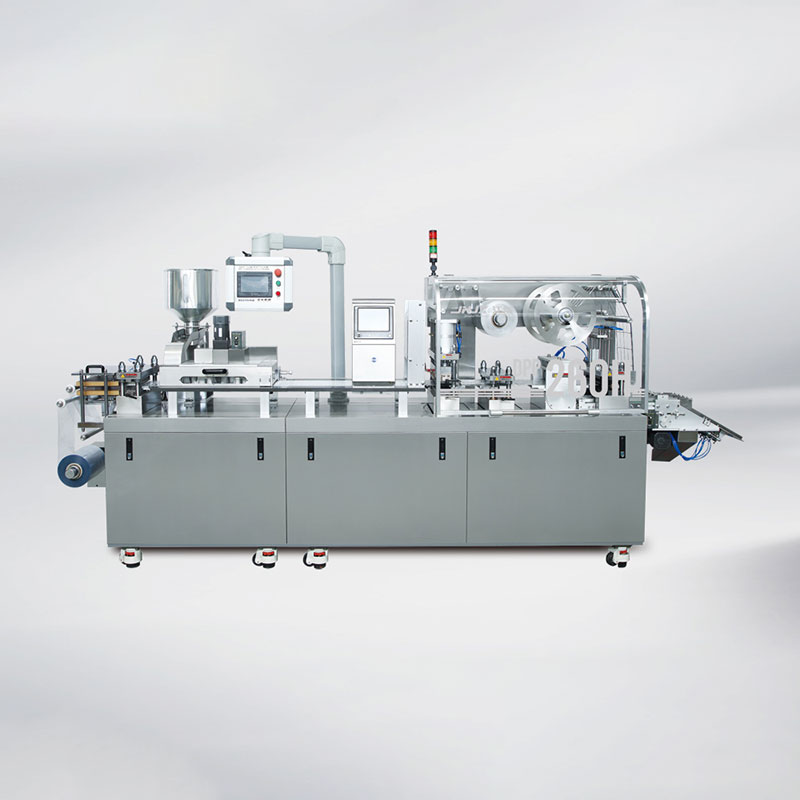 DPP-260H_DPP-320H Flat-plate Blister Packing Machine
 -
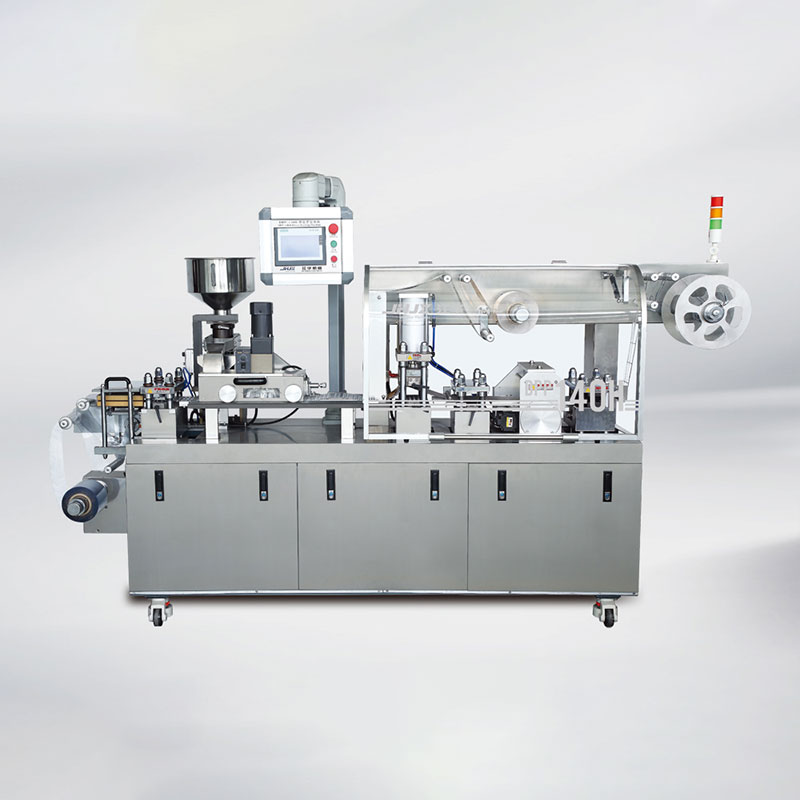 DPP-140H Flat-plate Blister Packing Machine
Related Search
Related Search- Best semi automatic capsule filler
- OEM DPP 140 Blister machine PVC/ALU
- medicine capsule filling machine
- OEM empty vegetarian capsules size 1
- njp 2000 capsule filling machine
- Certificate capsu fill capsule filling machine
- CLEAR VEGETABLE CAPSULE SIZE 00
- Best size 00 capsule filler
- Pearl White Color Empty Capsules
- Discount empty vegetarian capsules size 000