
- English
- Chinese
- French
- German
- Portuguese
- Spanish
- Russian
- Japanese
- Korean
- Arabic
- Irish
- Greek
- Turkish
- Italian
- Danish
- Romanian
- Indonesian
- Czech
- Afrikaans
- Swedish
- Polish
- Catalan
- Esperanto
- Hindi
- Lao
- Albanian
- Amharic
- Armenian
- Azerbaijani
- Belarusian
- Bengali
- Bosnian
- Bulgarian
- Cebuano
- Chichewa
- Corsican
- Croatian
- Dutch
- Estonian
- Filipino
- Finnish
- Frisian
- Galician
- Georgian
- Gujarati
- Haitian
- Hausa
- Hawaiian
- Hebrew
- Hmong
- Hungarian
- Icelandic
- Igbo
- Javanese
- Kannada
- Kazakh
- Khmer
- Kurdish
- Kyrgyz
- Latin
- Latvian
- Lithuanian
- Luxembou..
- Macedonian
- Malagasy
- Malay
- Malayalam
- Maltese
- Maori
- Marathi
- Mongolian
- Burmese
- Nepali
- Norwegian
- Pashto
- Persian
- Punjabi
- Serbian
- Sesotho
- Sinhala
- Slovak
- Slovenian
- Somali
- Samoan
- Scots Gaelic
- Shona
- Sindhi
- Sundanese
- Swahili
- Tajik
- Tamil
- Telugu
- Thai
- Ukrainian
- Urdu
- Uzbek
- Vietnamese
- Welsh
- Xhosa
- Yiddish
- Yoruba
- Zulu
- Kinyarwanda
- Tatar
- Oriya
- Turkmen
- Uyghur



OEM clear vegetable capsules
Understanding OEM Clear Vegetable Capsules
In the world of pharmaceuticals and supplements, one might often hear the term OEM clear vegetable capsules. These capsules, specialized for specific product requirements, are gaining traction due to increasing consumer demand for plant-based options. But what does OEM mean in this context, and why are these capsules the talk of the industry?
What Are OEM Clear Vegetable Capsules?
OEM, which stands for Original Equipment Manufacturer, refers to companies that produce goods to be marketed under another company's brand. When we talk about OEM clear vegetable capsules, we refer to capsules manufactured for third parties, ensuring their specifications match the brand's needs. These capsules are typically made from HPMC (Hydroxypropyl Methylcellulose), derived from cellulose, making them a pure vegetarian option.
There's a common misconception that all capsules are alike—just different colors or sizes on the shelf. However, the material of a capsule can significantly affect the bioavailability of the supplement it carries. That's where OEM manufacturers like SUQIAN KELAIYA INTERNATIONAL TRADING CO., LTD come into play, offering a tailored approach for companies needing these specialized products.
Professionals with experience in this industry understand there's more to these capsules than just the vegetarian claim. Issues like dissolution rate, stability under various storage conditions, and compatibility with different formulations require meticulous attention. Misjudging these factors can lead to failed products, which isn't uncommon. It’s crucial to choose a reliable partner, like Suqian Kelaiya Corp. who provides robust solutions based on real-world manufacturing experience (https://www.kelaiyacorp.com).
Why Choose Vegetable Over Gelatin?
The preference for vegetable capsules over traditional gelatin ones primarily stems from dietary restrictions. With an increasing number of consumers identifying as vegan or vegetarian, supplementation companies invest in plant-based capsule solutions.
Moreover, vegetable capsules alleviate concerns related to animal-borne diseases, which some perceive as a risk in gelatin capsules derived from bovine or porcine sources. This is not to say gelatin capsules are unsafe; instead, it illustrates consumer preference shifting toward perceived safer alternatives.
One real-world case illustrating this shift involves companies changing their entire product line's branding to emphasize 100% plant-based. Not only did this attract a new customer base, but it also improved overall market perception. The importance of aligning product offerings with consumer values is undeniable in today's market landscape.
Challenges in Manufacturing OEM Vegetable Capsules
The manufacturing of OEM clear vegetable capsules isn't without its challenges. One significant hurdle is ensuring the material's quality consistency, crucial for maintaining the capsule's performance and appearance. Irregularities in the cellulose derivative used can result in a batch of capsules that might not dissolve as intended.
Temperature and humidity control are critical during production and storage. A lapse in these parameters can affect the capsule's stability. For example, improperly stored capsules might become brittle, affecting their ability to hold the supplement.
During my tenure overseeing production facilities, I've seen first-hand the minor tweaks in the manufacturing process that can avert major pitfalls. It's often those with experience, like Suqian Kelaiya Corp., who can navigate these intricacies seamlessly, ensuring high-quality end products and maintaining their reputation in the highly competitive market.
The Role of Innovative Machinery
Advanced machinery plays a pivotal role in enhancing the quality and efficiency of producing OEM clear vegetable capsules. Companies like Suqian Kelaiya Corp. leverage state-of-the-art equipment at their Zhejiang and Jiangsu facilities for producing empty capsules and capsule filling machines. This specialization is key to maintaining industry standards and meeting varied client needs.
However, the reality of machine reliance is that it's not foolproof. Regular maintenance and frequent calibration checks are necessary to ensure optimum performance. Neglecting this can lead to downtime or defects, impacting production schedules.
A notable example from the industry includes investing in automated quality inspection systems. These innovations detect imperfections early in the process, minimizing product recalls and ensuring consistency in every batch manufactured.
Meeting Regulatory Standards
Meeting regulatory requirements is paramount in the manufacturing of OEM clear vegetable capsules. The intricacies of compliance often vary by region and demand that businesses remain agile and informed about changes in regulatory landscapes.
The consequences of non-compliance can be dire, involving fines, product bans, or damage to brand reputation. Therefore, extensive documentation and rigorous testing protocols are employed throughout the production process.
As a part of Suqian Kelaiya Corp.'s commitment to excellence, adherence to stringent quality standards is embedded in their operational ethos. This dedication not only ensures safety and efficacy but also instills confidence in their partners and consumers alike.
The Future of Clear Vegetable Capsules
Looking ahead, the trajectory of OEM clear vegetable capsules seems poised for further expansion. With sustainability and health consciousness at the forefront, the demand for plant-based alternatives is likely to escalate.
Collaborative innovations between companies focused on material science and capsule manufacturing may lead to the creation of even more refined products. For industry veterans and newcomers alike, aligning with specialist manufacturers such as Suqian Kelaiya Corp. can foster new avenues of growth and innovation.
As with any evolving sector, staying informed and proactive is key. By integrating cutting-edge technology with practical expertise, the potential for success in this field remains strong.
Related Products
Related Products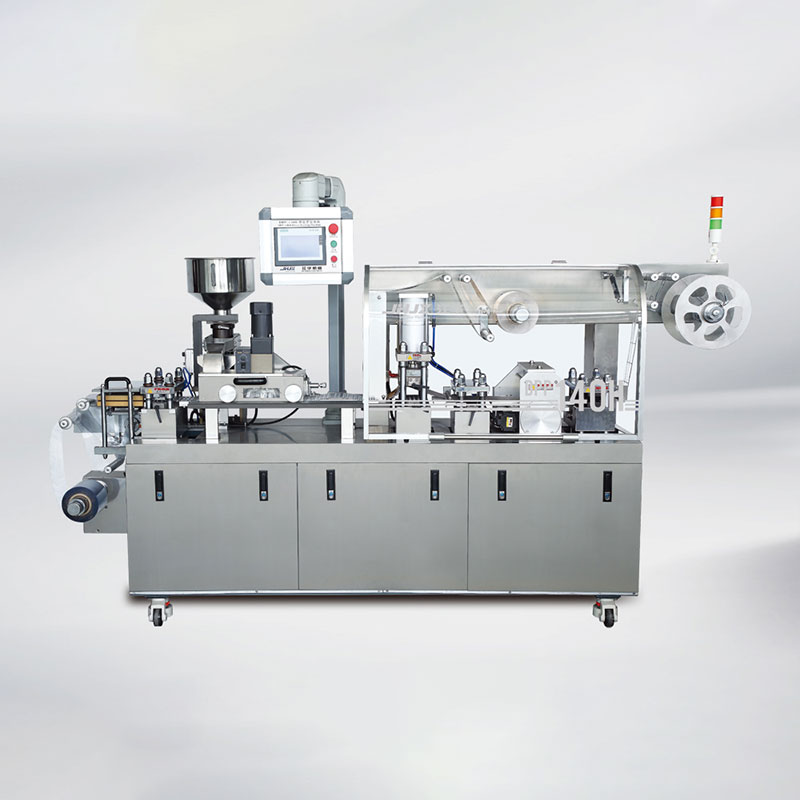
Best Selling Products
Best Selling Products-
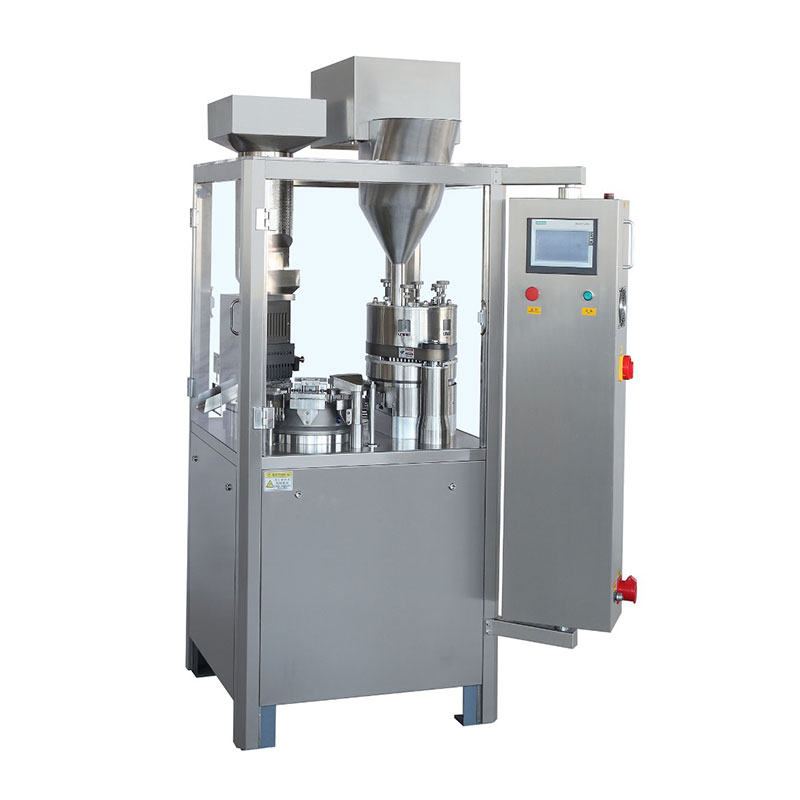
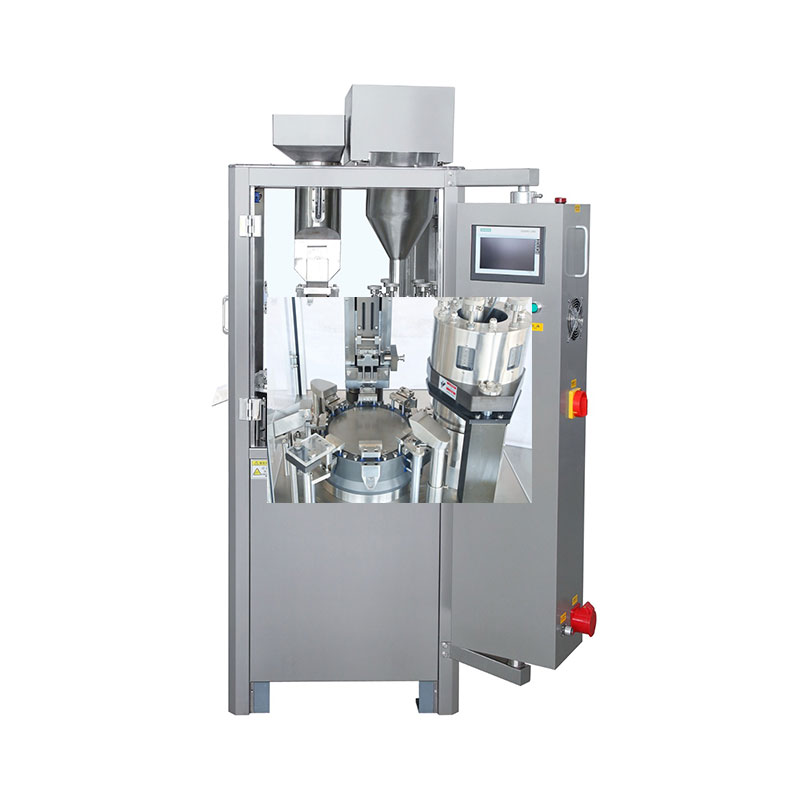 NJP-200 Model Fully Automatic Capsule Filling Machine
 -
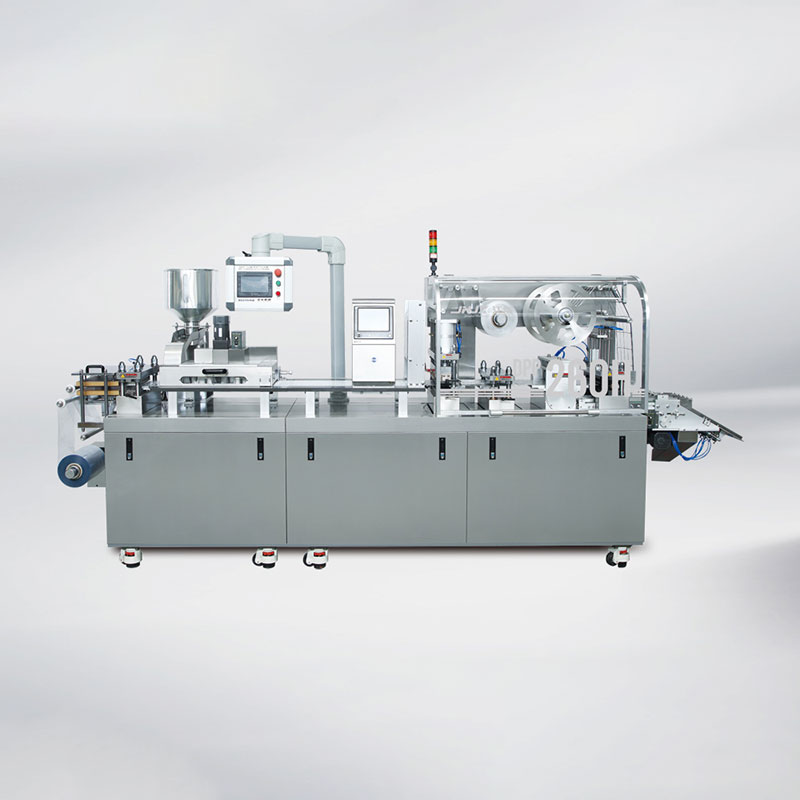
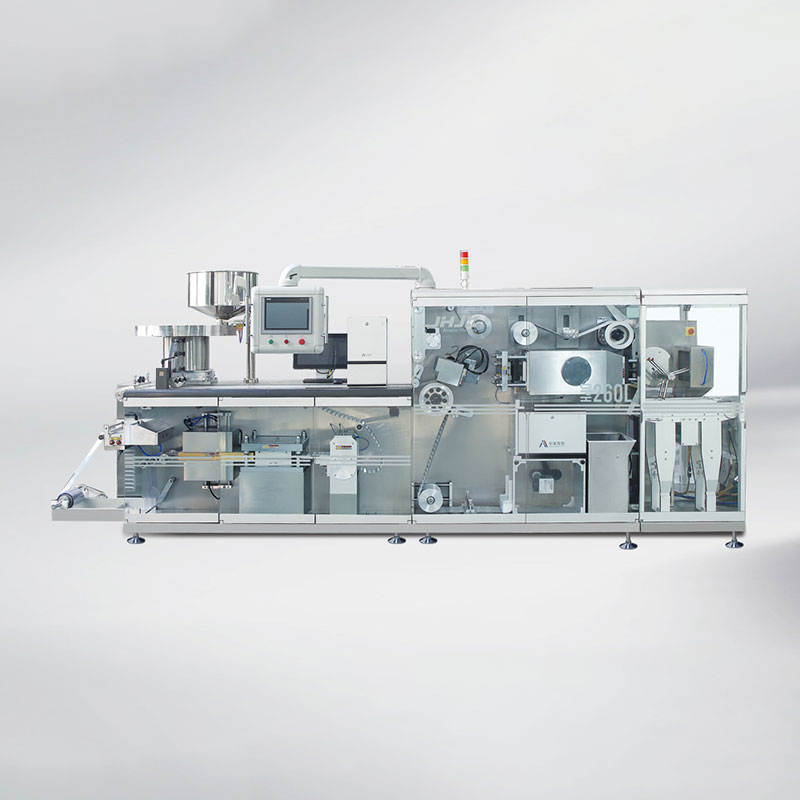 DPH-260L Roll-plate Blister Packaging Machine
 -
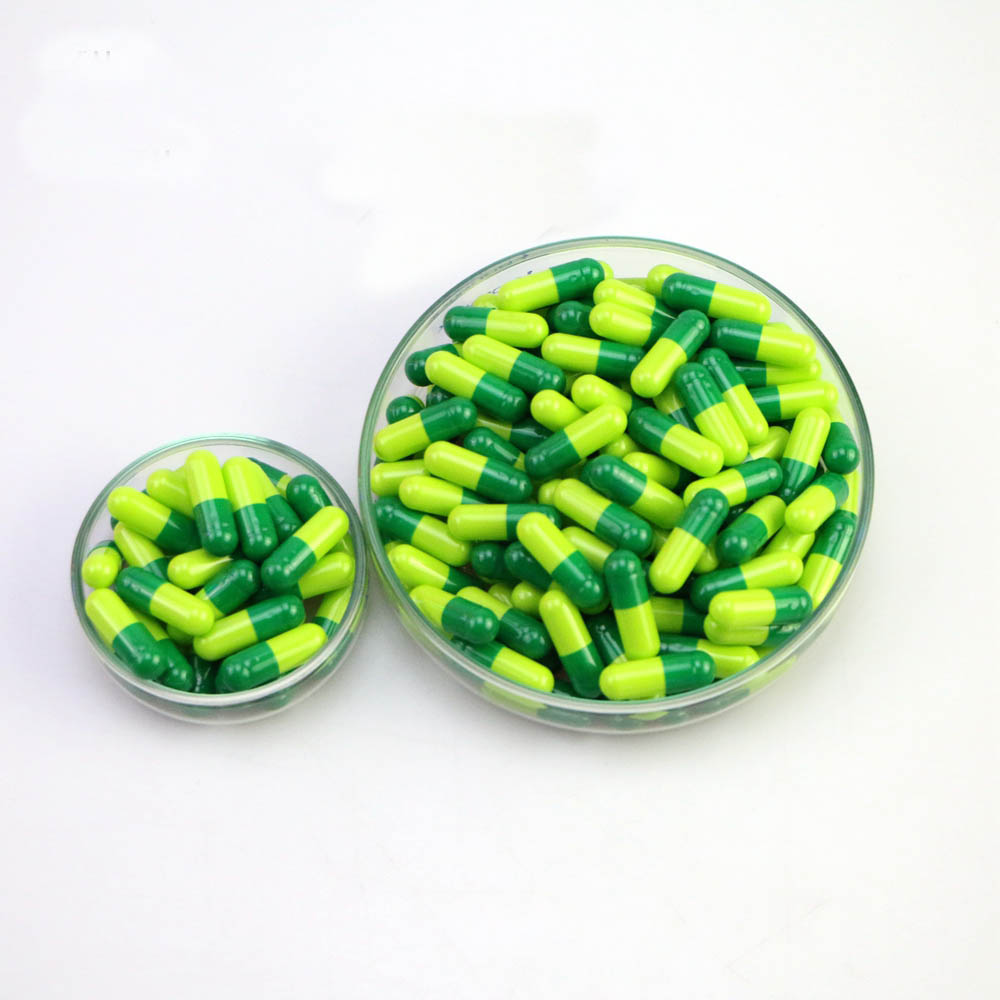 Halal empty hard geltin capsule
 -
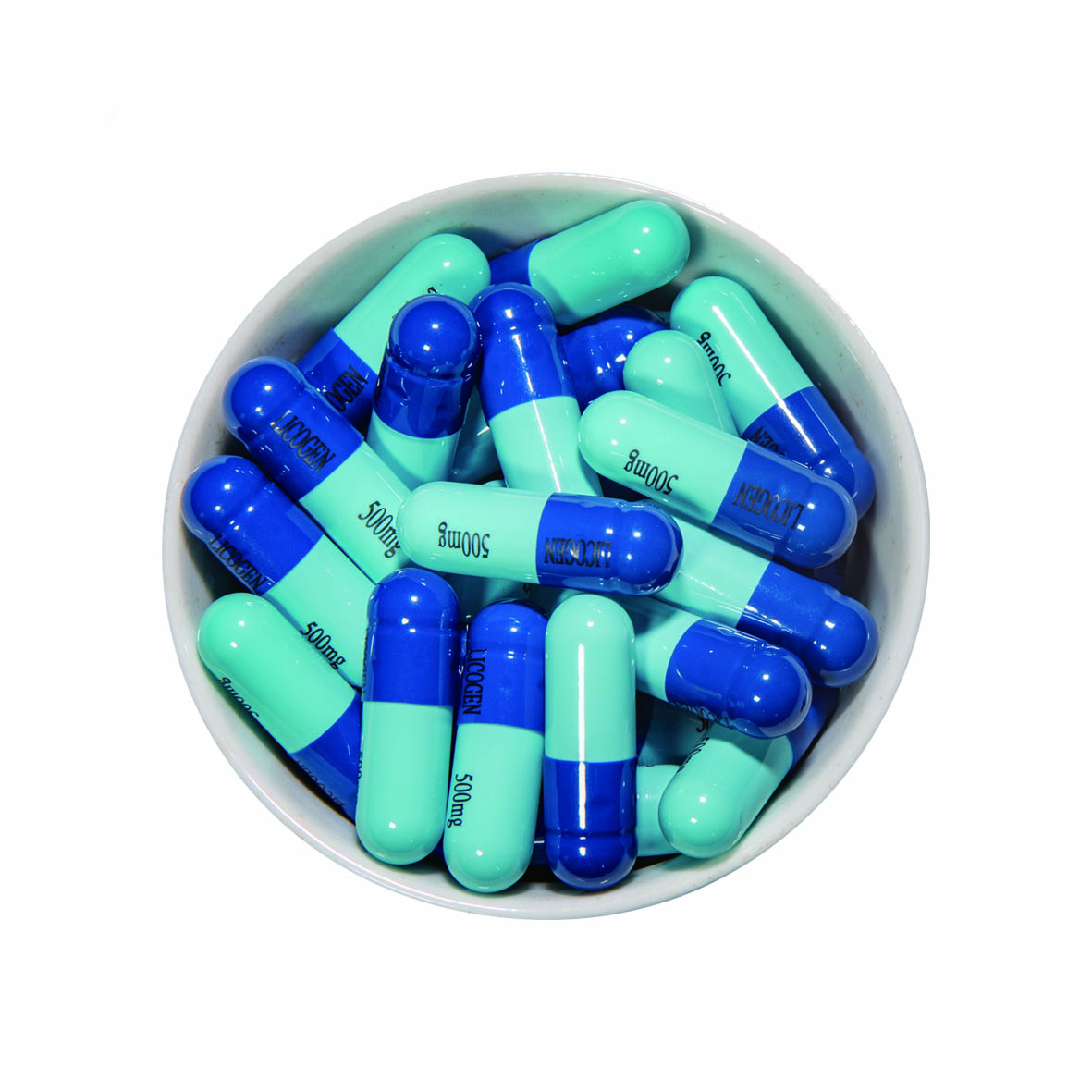 Hard Gelatin Empty Capsule Shell Size 00 0 1 2 3 4
 -
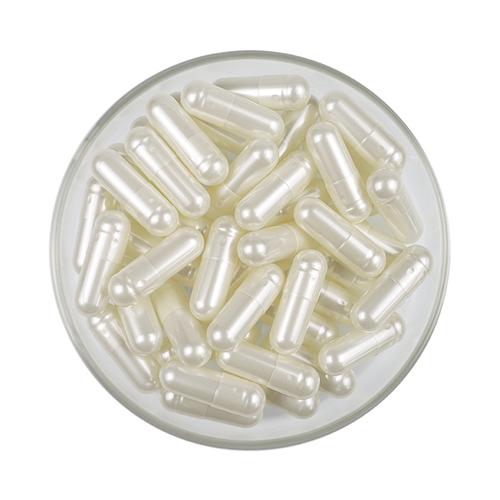 Golden_Pearl Hard Gelatin Capule
 -
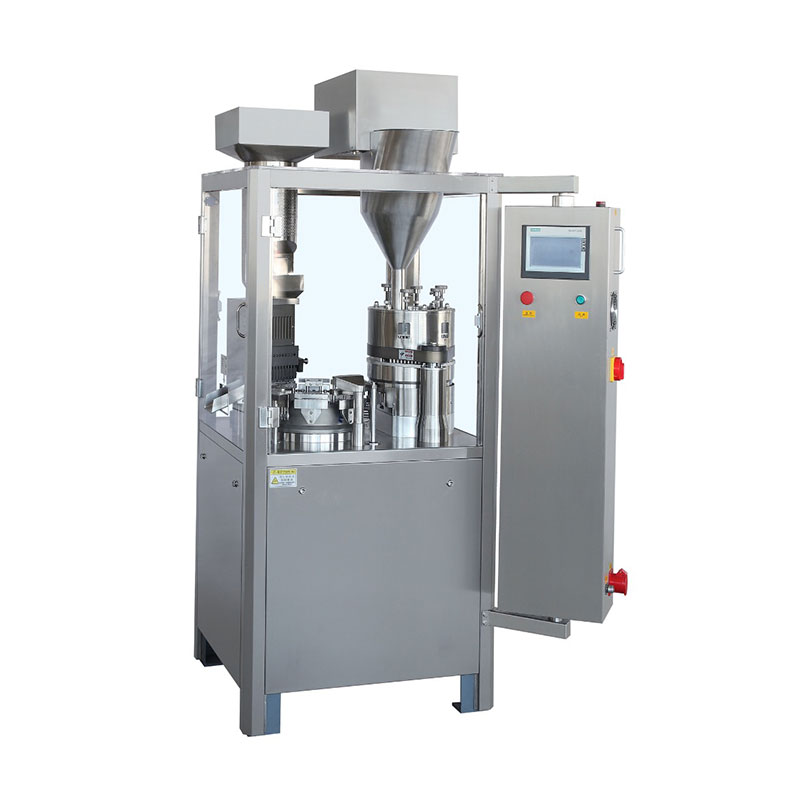 NJP-800 Automatic Capsule Filling Machine
 -
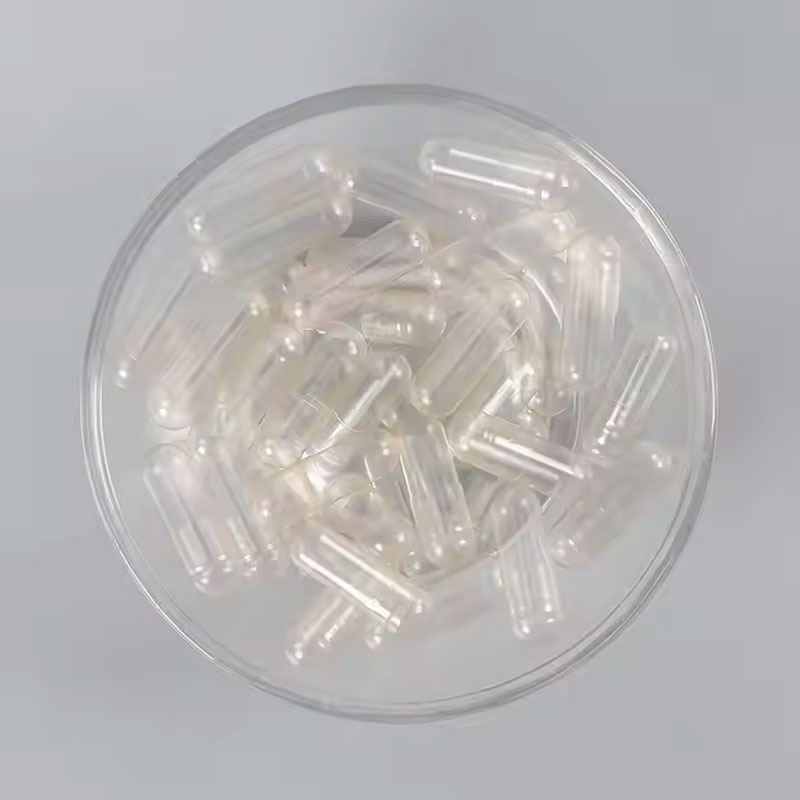 Hpmc Capsules Product Plant Vegetarian Size 00 0 Capsule Shell
 -
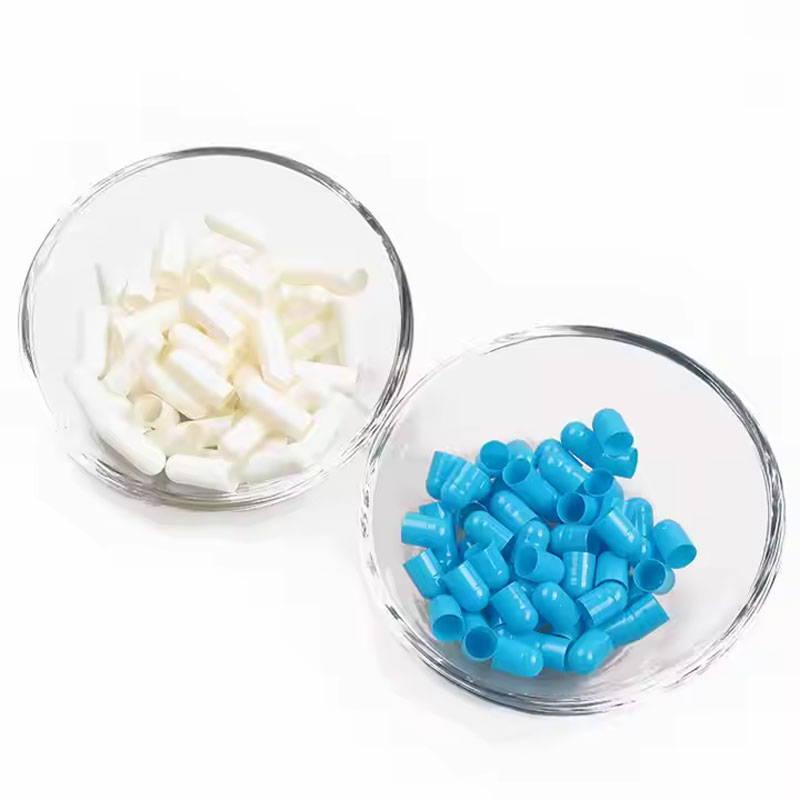 Empty VegCaps Shell Clear Empty Vegan Plant-Based Capsules Size 00 0 1 2 3 4 Natural Vegetable HPMC Capsules
 -
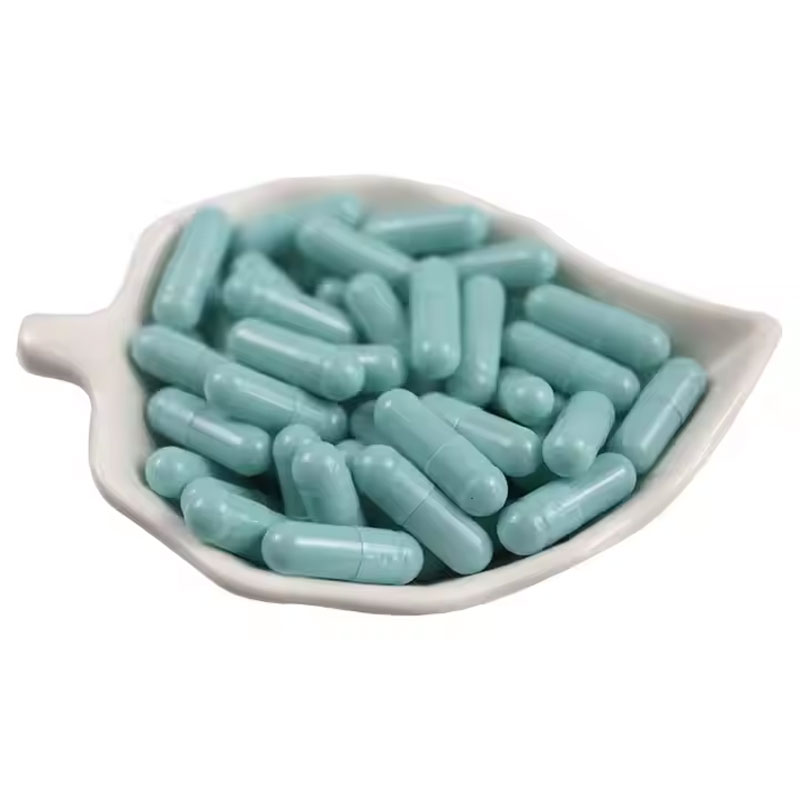 Vegetarian Separated Capsules HPMC Capsules Separated Wholesale Vegetarian Capsules Discount for Bulk Orders
 -
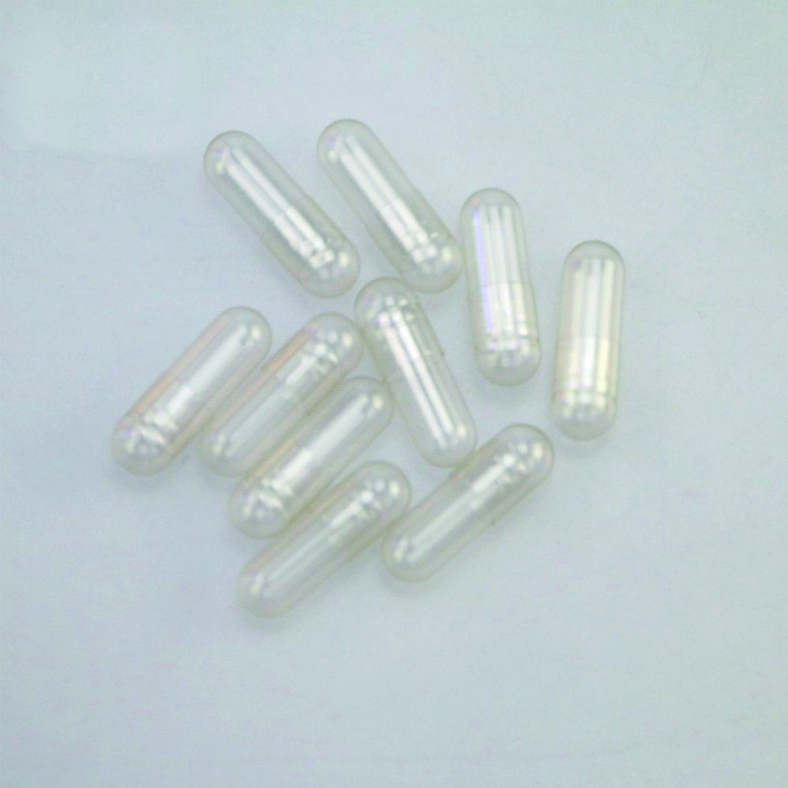 EMPTY HPMC CAPSULE SIZE 00 CLEAR
 -
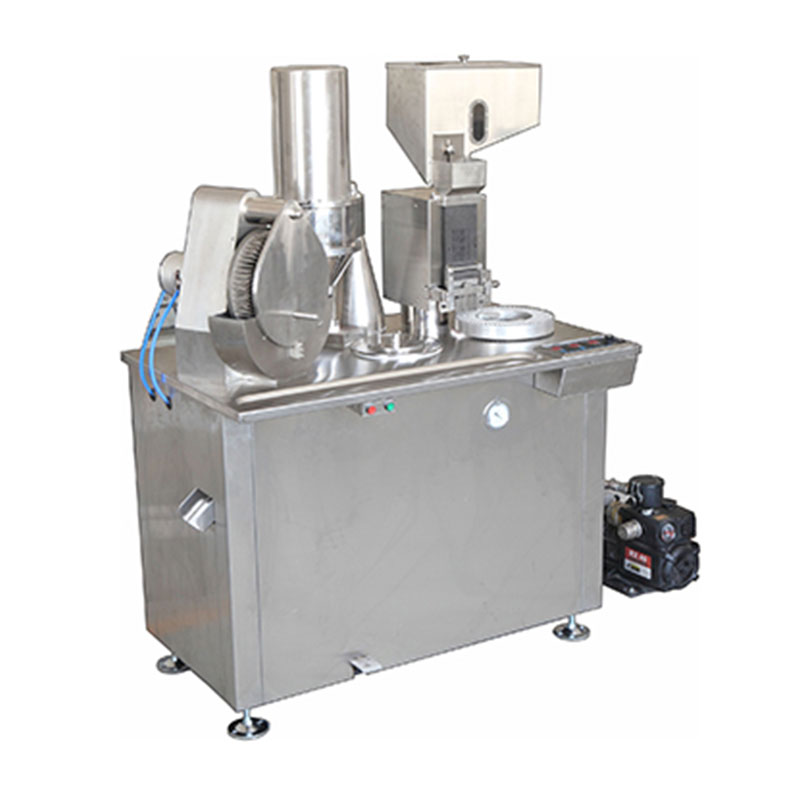 CGN208-D Newest Type Semi Automatic Capsule Filling Machine
 -
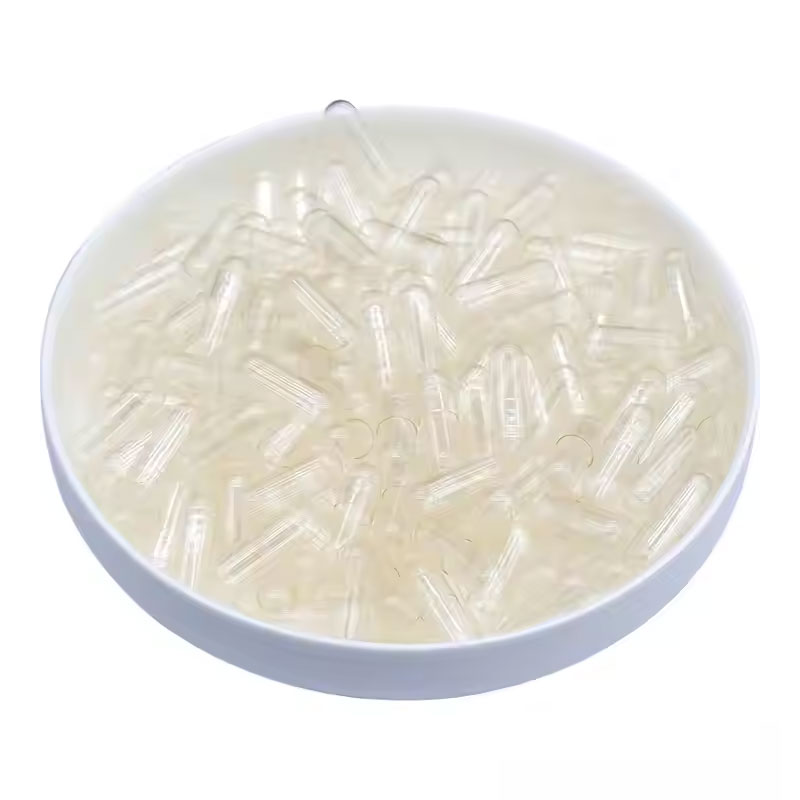 EMPTY VEGATABLE CAPSULE CLEAR SIZE 0
Related Search
Related Search- high quality bosch capsule filling machine
- Best semi automatic capsule filler
- vegetarian capsules size 00
- high quality 000 empty vegetarian capsules
- Best Blister machine
- semi-automatic capsule filling machine
- high quality powder capsule filler
- Discount size 4 capsule filler
- Certificate filler used in hard gelatin capsule
- Best capsule filler