
- English
- Chinese
- French
- German
- Portuguese
- Spanish
- Russian
- Japanese
- Korean
- Arabic
- Irish
- Greek
- Turkish
- Italian
- Danish
- Romanian
- Indonesian
- Czech
- Afrikaans
- Swedish
- Polish
- Catalan
- Esperanto
- Hindi
- Lao
- Albanian
- Amharic
- Armenian
- Azerbaijani
- Belarusian
- Bengali
- Bosnian
- Bulgarian
- Cebuano
- Chichewa
- Corsican
- Croatian
- Dutch
- Estonian
- Filipino
- Finnish
- Frisian
- Galician
- Georgian
- Gujarati
- Haitian
- Hausa
- Hawaiian
- Hebrew
- Hmong
- Hungarian
- Icelandic
- Igbo
- Javanese
- Kannada
- Kazakh
- Khmer
- Kurdish
- Kyrgyz
- Latin
- Latvian
- Lithuanian
- Luxembou..
- Macedonian
- Malagasy
- Malay
- Malayalam
- Maltese
- Maori
- Marathi
- Mongolian
- Burmese
- Nepali
- Norwegian
- Pashto
- Persian
- Punjabi
- Serbian
- Sesotho
- Sinhala
- Slovak
- Slovenian
- Somali
- Samoan
- Scots Gaelic
- Shona
- Sindhi
- Sundanese
- Swahili
- Tajik
- Tamil
- Telugu
- Thai
- Ukrainian
- Urdu
- Uzbek
- Vietnamese
- Welsh
- Xhosa
- Yiddish
- Yoruba
- Zulu
- Kinyarwanda
- Tatar
- Oriya
- Turkmen
- Uyghur


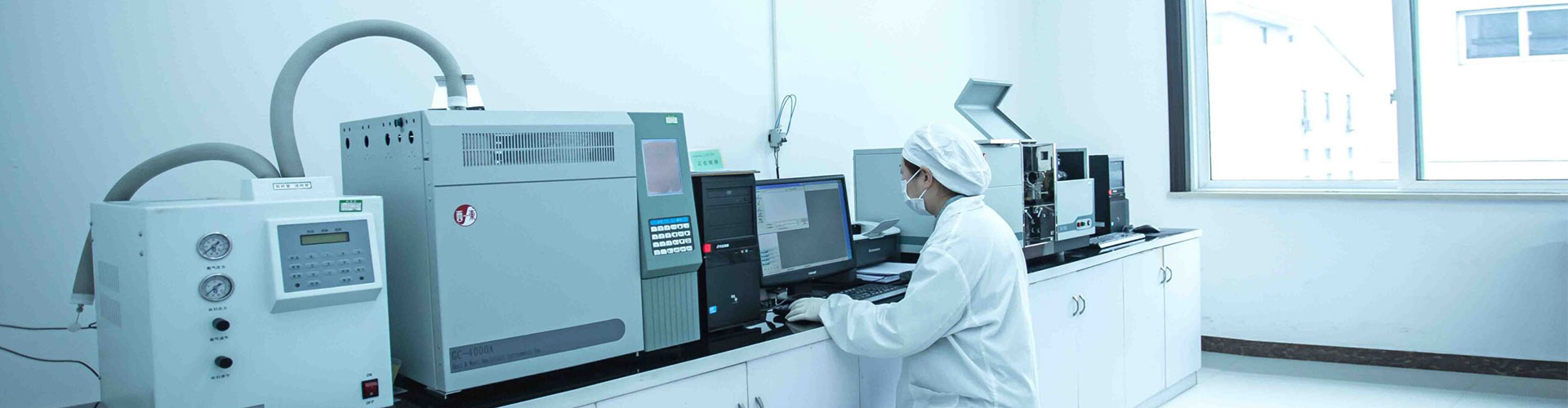
OEM capsule filler size 2
Understanding the OEM Capsule Filler Size 2
OEM capsule fillers, particularly the size 2, are an intriguing subset of pharmaceutical manufacturing equipment. It's a niche area, sure. But if you've ever worked with encapsulation, the importance of understanding the nuances can't be overstated. Too many in the industry overlook some critical aspects, resulting in inefficiencies or worse—batch rejects.
The Importance of Choosing the Right Size
The choice of capsule filler size is one of those decisions that's deceptively simple. At first glance, size 2 capsules appear unassuming. They're smaller, obviously, and suitable for less dense formulations. But, here's the catch: if you're not aligning your filler with the formulation density and flow characteristics, you might face a bottleneck in your production line. I remember once misjudging the filler size for a run, thinking it wouldn’t matter much. Turns out, it mattered a lot. The flow was uneven, causing spillage and inconsistency.
At SUQIAN KELAIYA INTERNATIONAL TRADING CO., LTD, where we've spent years perfecting the art of encapsulation, our teams have learned these lessons first-hand. We’ve developed equipment that brings precision to size adjustments, ensuring your product's quality isn’t compromised. Always consider both the volume and the properties of your fill material before settling on size 2—or any size for that matter.
And yes, size 2 might be popularly used for its economy with certain supplements or compounds. But don't let that popularity blindside you. Each project could have hidden variables, waiting to be unraveled by a simple size mismatch.
Manufacturing Challenges with Size 2 Fillers
Another often underestimated element is the challenge in manufacturing with these smaller capsules. They’re not just a “miniature” version of something bigger. The adherence to precision becomes more pronounced. Even minor calibration issues can cascade into larger problems in the product line, manifesting as inconsistency in the fills. It's why our manufacturing sites in Zhejiang and Jiangsu provinces, dedicated to both empty capsules and the accompanying technology, place a heavy emphasis on robust design.
I’ve seen these issues unravel first-hand when compaction and flow gauge readings were slightly off. The resulting product variance wasn't detected until post-production. Avoiding these pitfalls often requires building in redundancies for quality assurance and maybe a bit of humility in recognizing when a process is too tight or not well-understood.
Moreover, even when everything seems right on paper, on-the-ground realities can differ. Material absorption rates, ambient humidity—factors like these can veer the output off course, an aspect that surprises newcomers time and again.
Customization and Versatility
Here’s another perspective. The customizability of an OEM capsule filler like size 2 should never be underestimated. Perhaps it's not apparent to those fresh into the industry, but the versatility in settings dramatically influences efficiency. Often, new customers on our website, https://www.kelaiyacorp.com, express surprise at the level of customization available.
Yet, seasoned veterans can tell you it’s essential to leverage this flexibility. Adjustments in fill weights, rotation speeds, and other variables may well spell the difference between operational mediocrity and excellence. It's this adaptability that allows facilities to tackle a broader spectrum of products without re-investing in entire new lines of machinery.
However, the street goes both ways; overzealous tweaking without adequate testing can lead to catastrophic failures. Finding that balance, I’d argue, is both an art and a science, one that demands patience and attention to detail.
Quality Assurance: The Underestimated Savior
When a batch goes wrong, it’s easy to blame the fillers, especially with something like a size 2 where expectations are high and tolerance for deviation low. But, let me challenge you: how often is it really about the equipment, and not rather the quality control processes before and after?
In our experience at Suqian Kelaiya Corp., it's often the latter. Before we even reach the encapsulation phase, our QA teams rigorously vet raw materials and environmental conditions. Effectively, they’re the silent saviors in maintaining the integrity of encapsulated products.
So, while it's tempting to view size 2 fillers as a standalone component in production, I’ve found time and again that their success hinges significantly on the broader ecosystem surrounding them. It's this holistic approach—one that combines reliable equipment, thorough training, and unwavering quality controls—that catalyzes operational triumphs.
Looking Ahead: Innovations and Opportunities
While reflecting on past experiences is invaluable, keeping an eye on the future is crucial. Innovation in capsule filling continues to evolve, with technology increasingly intertwining with traditional processes. Real-time data monitoring and AI-driven adjustments are becoming part of the conversation, potentially transforming how OEM capsule fillers operate, even within the constraints of size 2.
As technology progresses, the potential for enhancing precision and reducing waste increases. Our second manufacturing site in Jiangsu is particularly focused on bridging these technological advances with practical machinery solutions to remain ahead in an ever-changing landscape.
In wrapping up, if there’s one takeaway here, it's that the journey with OEM capsule fillers size 2 is as much about mastering the equipment as it is about understanding the nuances and complexities of the process environments they inhabit. It’s a blend of art and science, wrapped in the ever-present demand for excellence.
Related Products
Related Products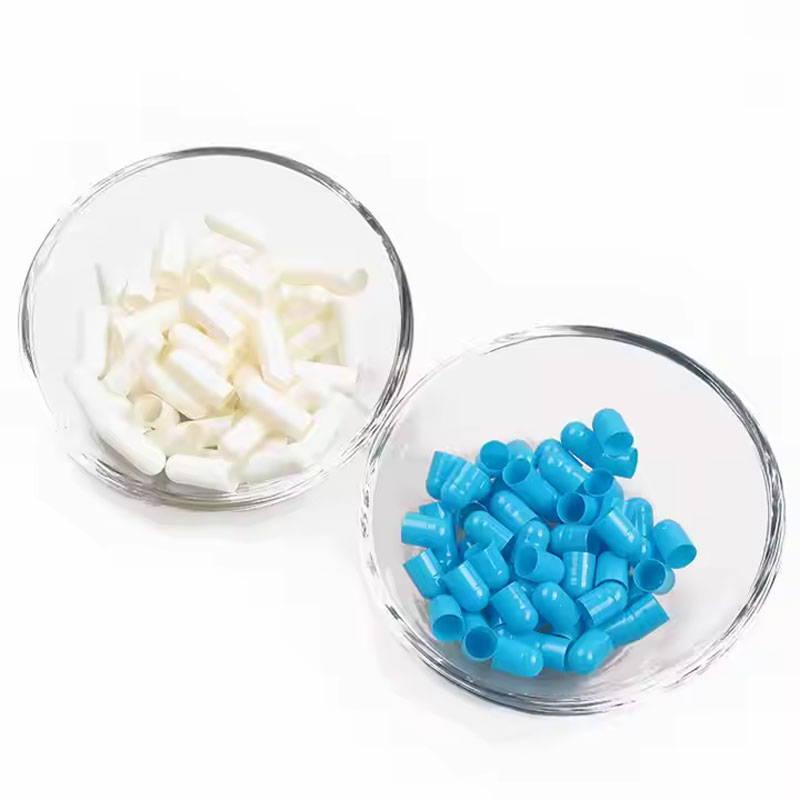
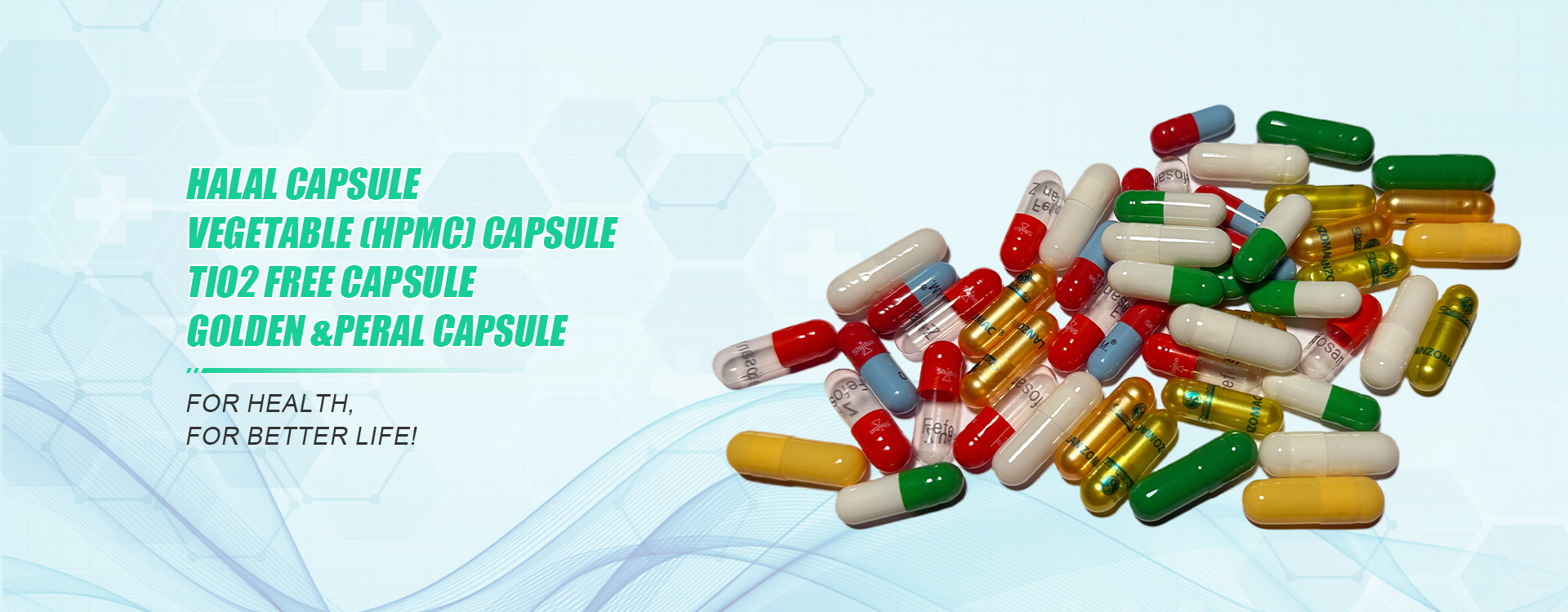
Best Selling Products
Best Selling Products-
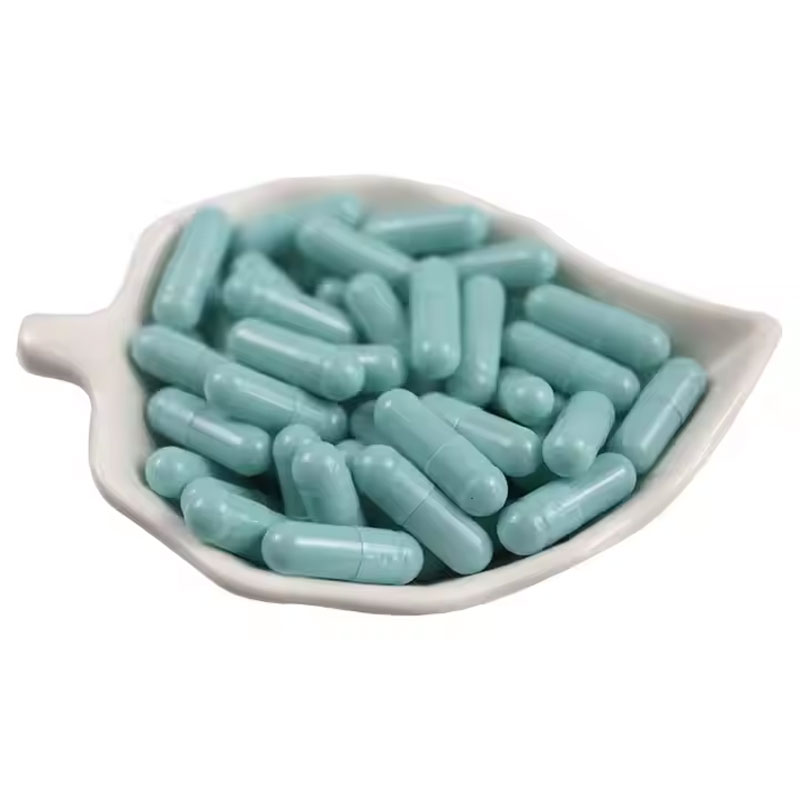 Vegetarian Separated Capsules HPMC Capsules Separated Wholesale Vegetarian Capsules Discount for Bulk Orders
 -
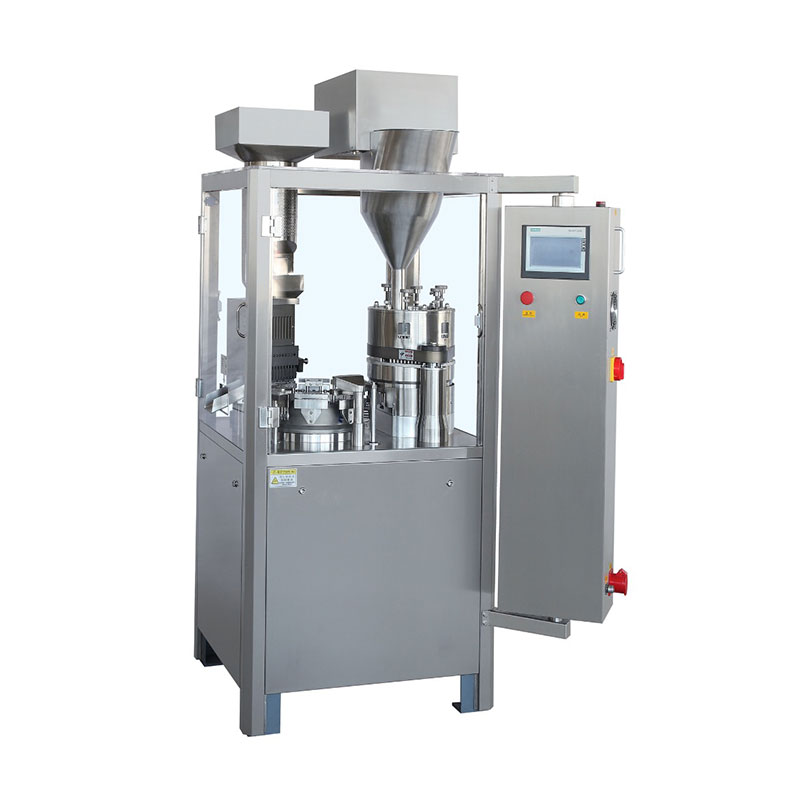
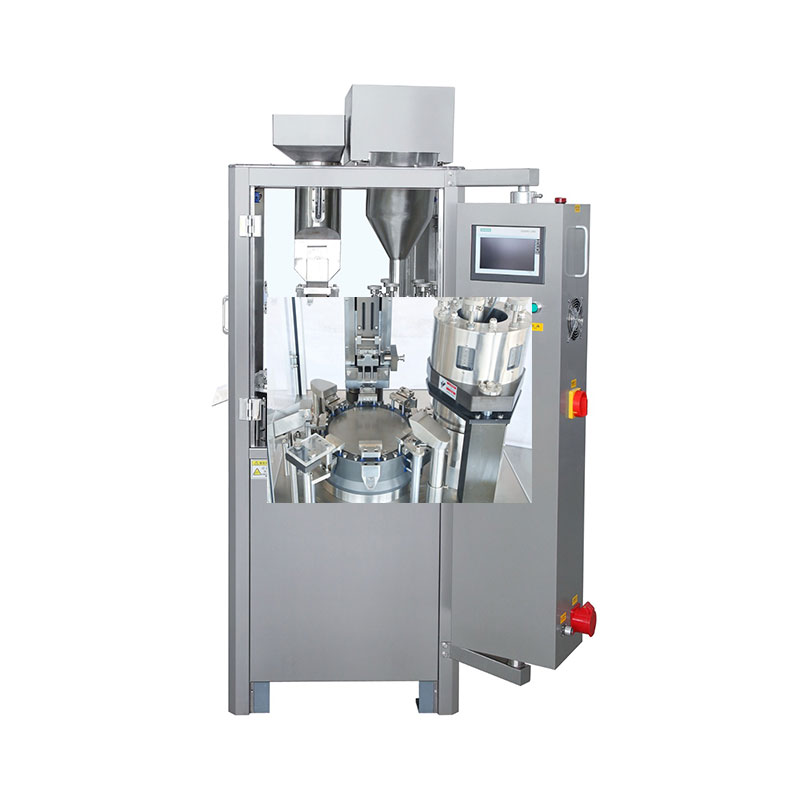 NJP-200 Model Fully Automatic Capsule Filling Machine
 -
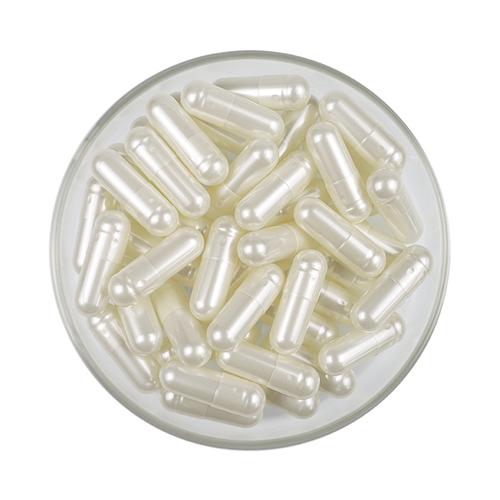
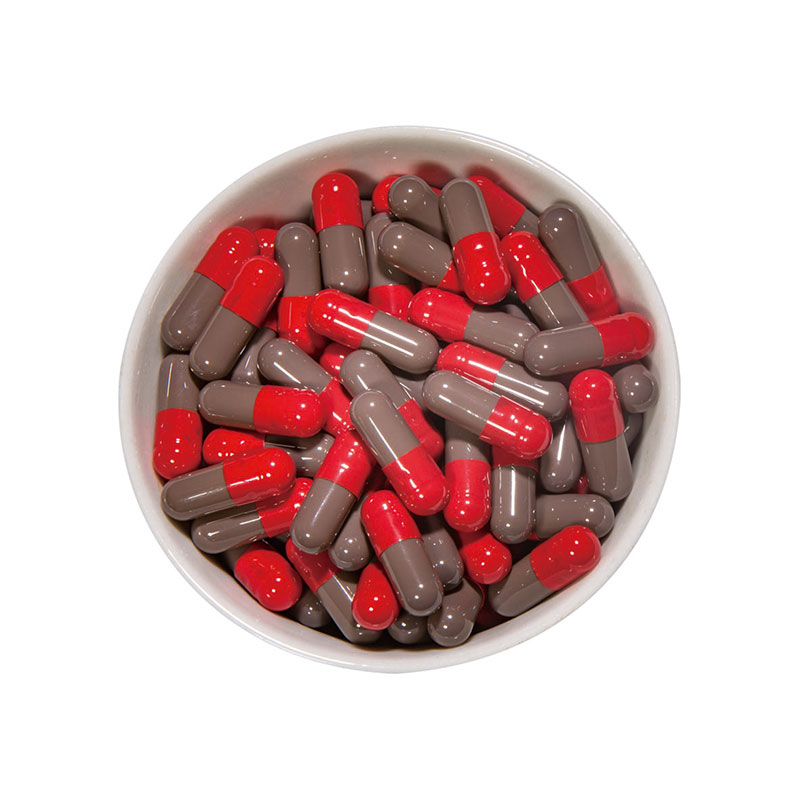 TIO2 free gelatin CAPSULE
 -
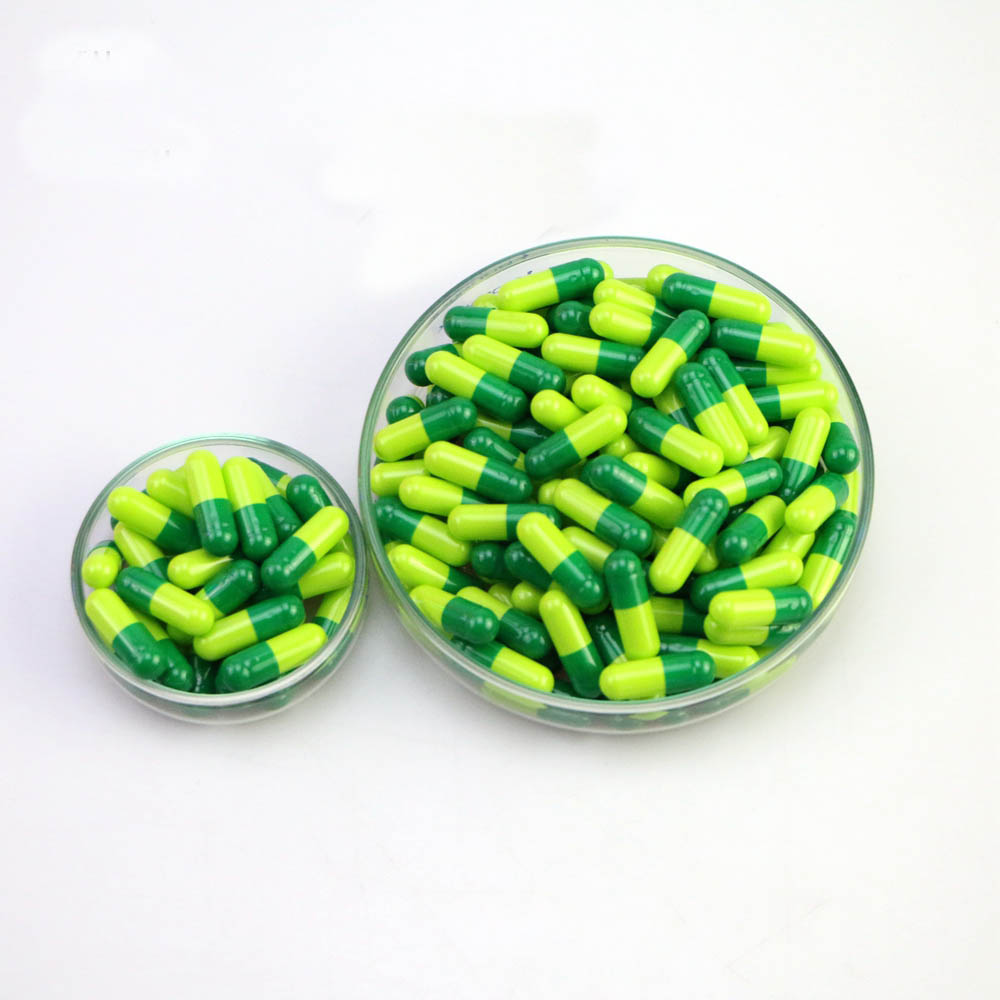 Halal empty hard geltin capsule
 -
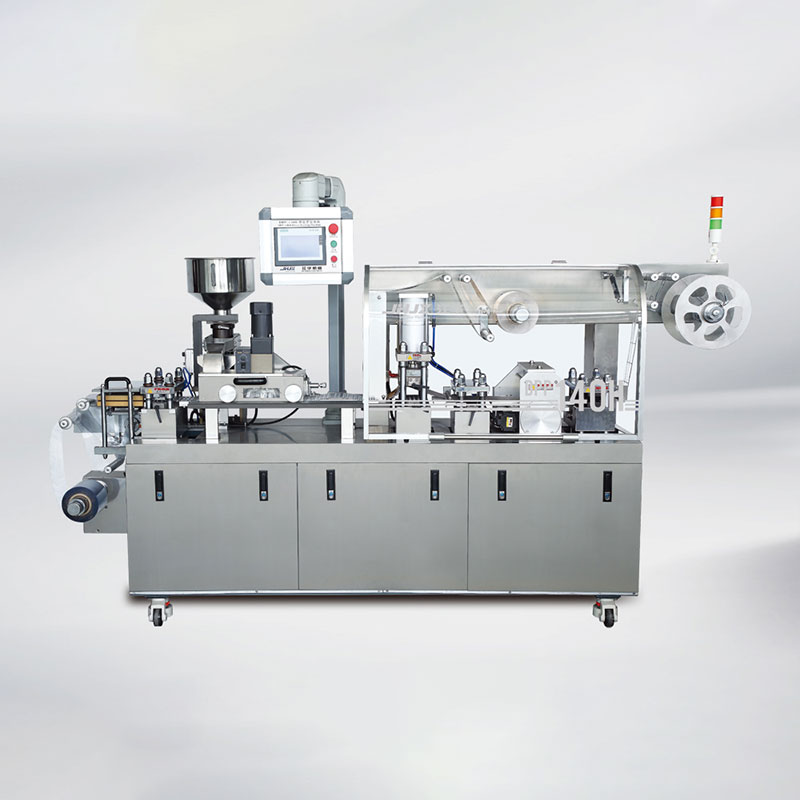 DPP-140H Flat-plate Blister Packing Machine
 -
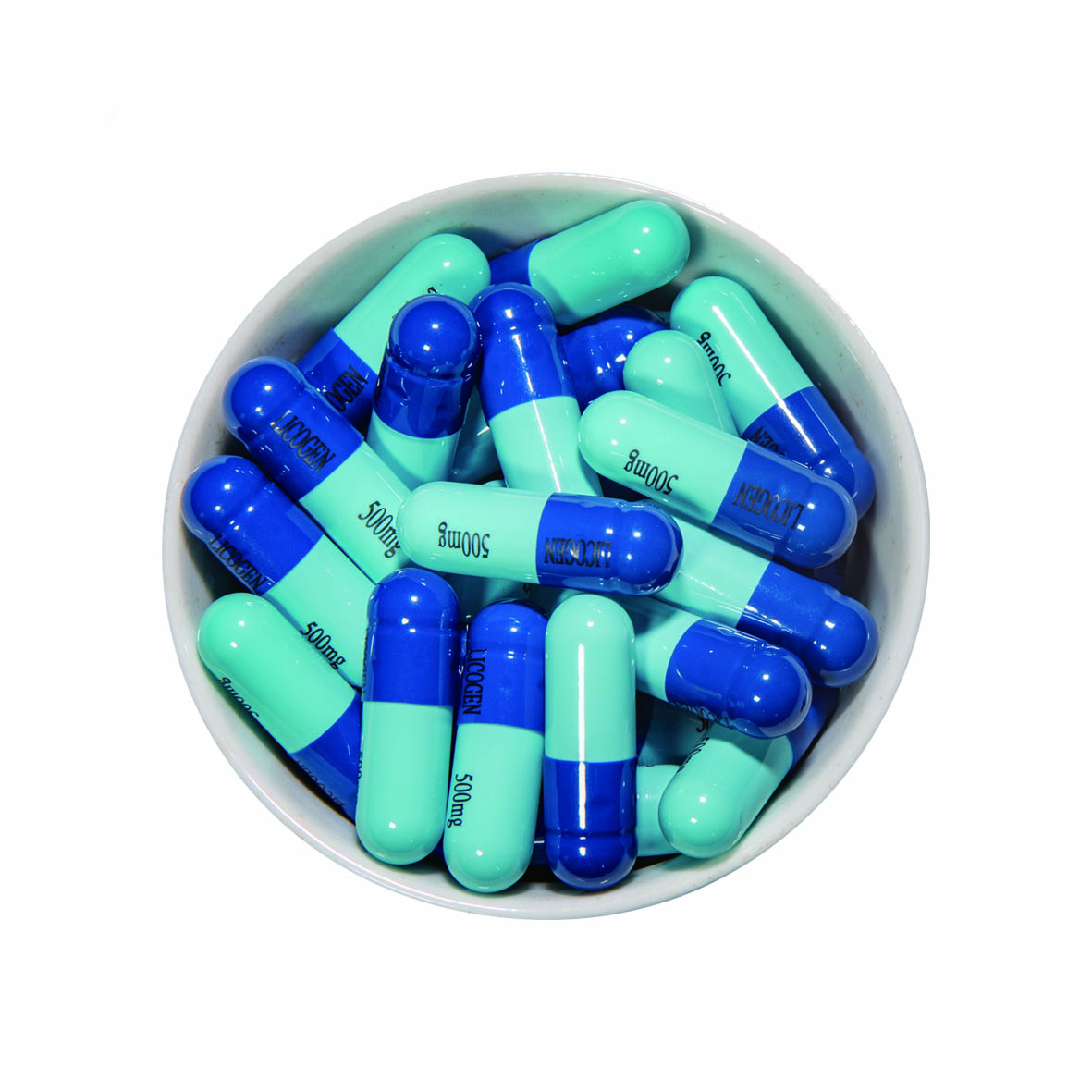 Hard Gelatin Empty Capsule Shell Size 00 0 1 2 3 4
 -
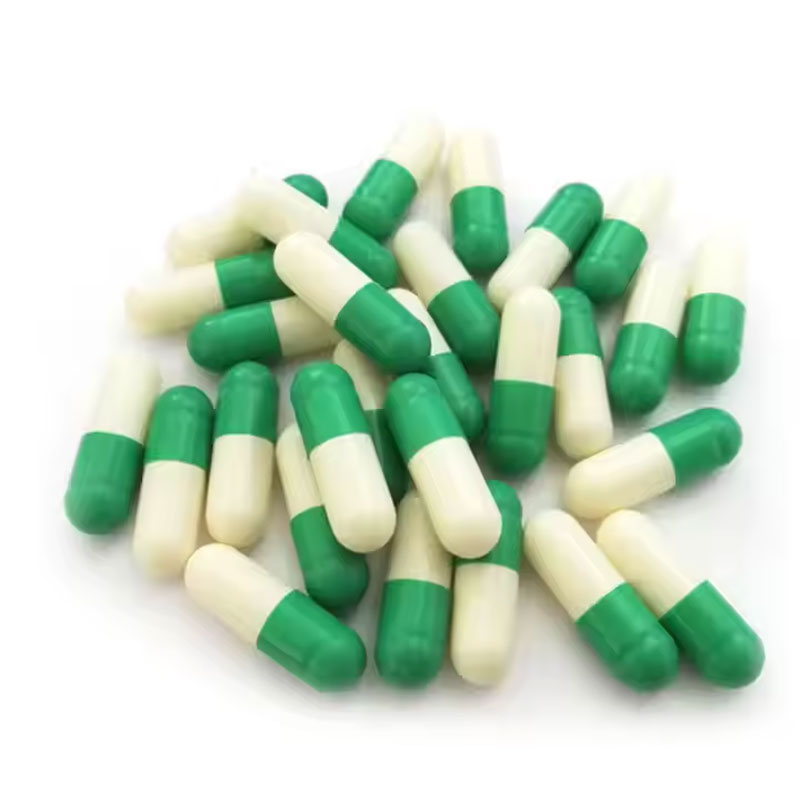 Size 00 hpmc capsules vegetarian capsules empty hard veggie capsules
 -
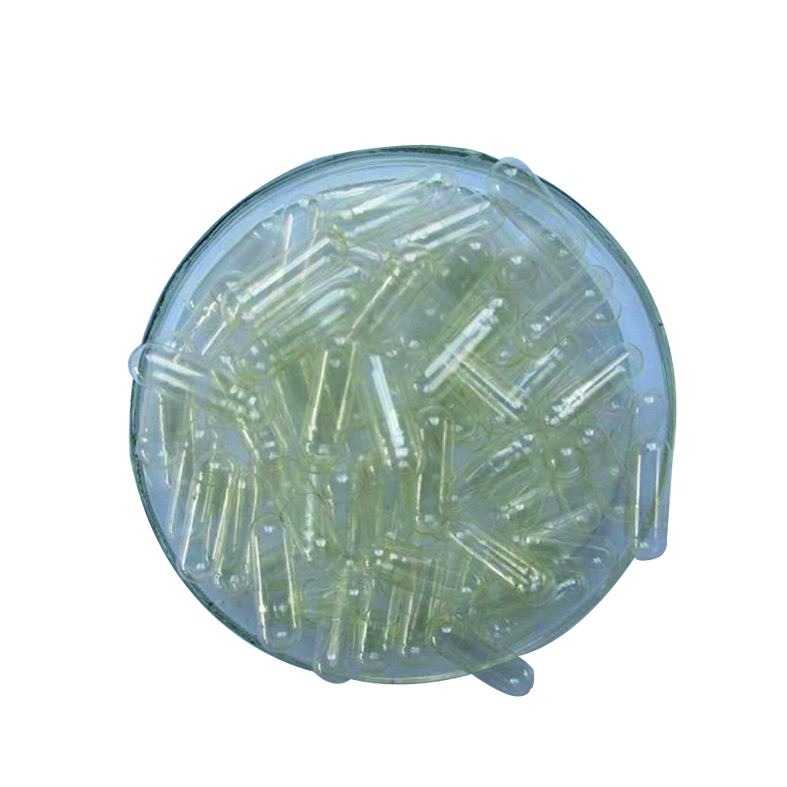 Halal Certificate Empty Clear Hard Gelatin Capsules Shell Size 0
 -
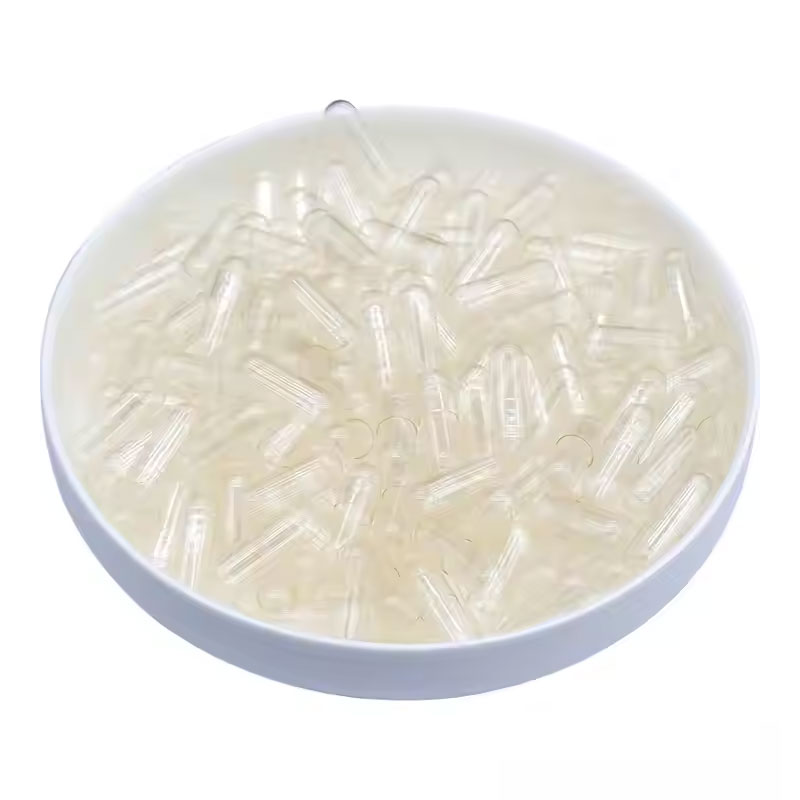 EMPTY VEGATABLE CAPSULE CLEAR SIZE 0
 -
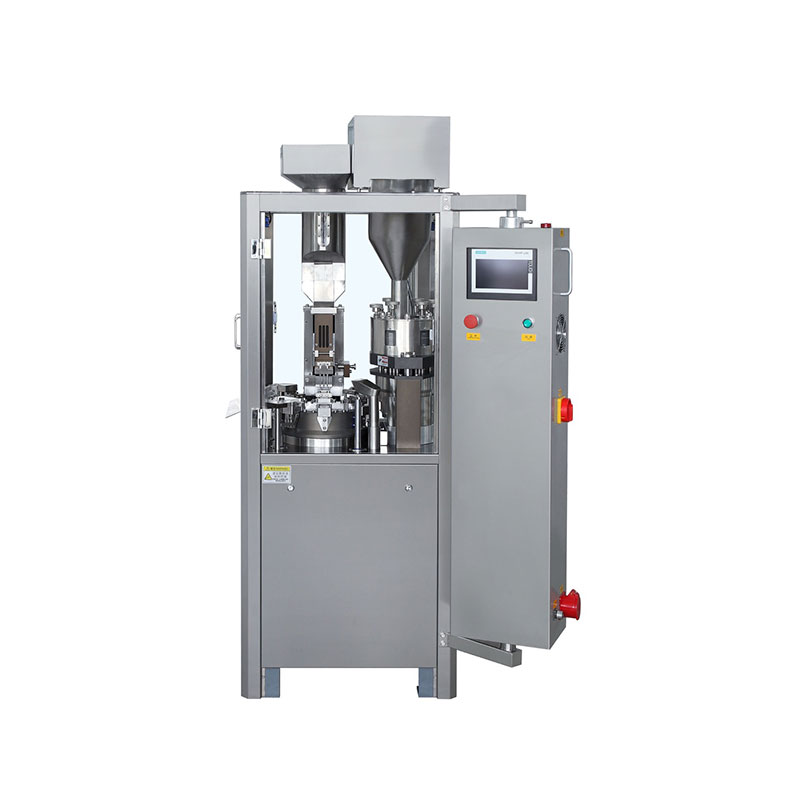 NJP-400 Fully Automatic Capsule Filling Machine
 -
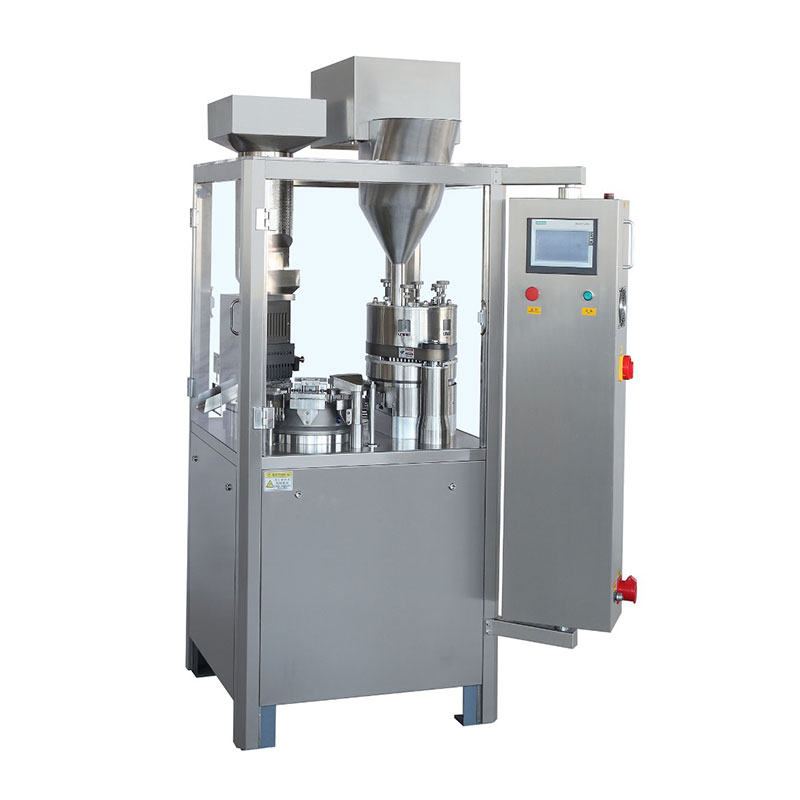 NJP-1200 Automatic Capsule Filling Machine
 -
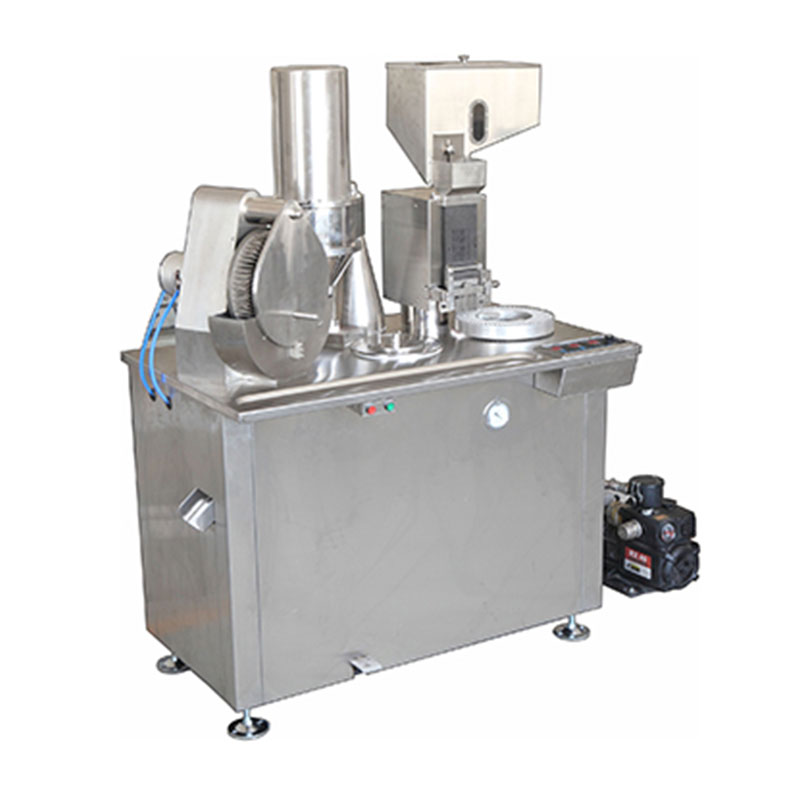 CGN208-D Newest Type Semi Automatic Capsule Filling Machine
Related Search
Related Search- high quality njp 2000 capsule filling machine
- Best Empty Capusle
- high quality small automatic capsule filling machine
- empty vegetarian capsules size 0
- Best Empty Capsules for Powder
- Discount small automatic capsule filling machine for sale
- Certificate CLEAR HPMC CAPSULE
- Certificate size 2 capsule filling machine
- DPP 260 Blister machine
- OEM njp 400 capsule filling machine