
- English
- Chinese
- French
- German
- Portuguese
- Spanish
- Russian
- Japanese
- Korean
- Arabic
- Irish
- Greek
- Turkish
- Italian
- Danish
- Romanian
- Indonesian
- Czech
- Afrikaans
- Swedish
- Polish
- Catalan
- Esperanto
- Hindi
- Lao
- Albanian
- Amharic
- Armenian
- Azerbaijani
- Belarusian
- Bengali
- Bosnian
- Bulgarian
- Cebuano
- Chichewa
- Corsican
- Croatian
- Dutch
- Estonian
- Filipino
- Finnish
- Frisian
- Galician
- Georgian
- Gujarati
- Haitian
- Hausa
- Hawaiian
- Hebrew
- Hmong
- Hungarian
- Icelandic
- Igbo
- Javanese
- Kannada
- Kazakh
- Khmer
- Kurdish
- Kyrgyz
- Latin
- Latvian
- Lithuanian
- Luxembou..
- Macedonian
- Malagasy
- Malay
- Malayalam
- Maltese
- Maori
- Marathi
- Mongolian
- Burmese
- Nepali
- Norwegian
- Pashto
- Persian
- Punjabi
- Serbian
- Sesotho
- Sinhala
- Slovak
- Slovenian
- Somali
- Samoan
- Scots Gaelic
- Shona
- Sindhi
- Sundanese
- Swahili
- Tajik
- Tamil
- Telugu
- Thai
- Ukrainian
- Urdu
- Uzbek
- Vietnamese
- Welsh
- Xhosa
- Yiddish
- Yoruba
- Zulu
- Kinyarwanda
- Tatar
- Oriya
- Turkmen
- Uyghur



OEM Blister machine
Understanding OEM Blister Machines
The term OEM Blister machine is often thrown around in pharmaceutical manufacturing, yet it’s not as straightforward as it seems. Whether it's a misconception about cost savings or overestimating control over customization, professionals in the field know there’s more beneath the surface. Let's peer into the nuances, the hidden challenges, and the insights that only experience can uncover.
What Sets OEM Blister Machines Apart?
Many believe that opting for an OEM Blister machine immediately translates to cost-effectiveness and high adaptability. My firsthand experience suggests otherwise. The choice between original equipment manufacturers and custom-built solutions often involves deep trade-offs between flexibility and standardization. OEMs offer a structured approach, sure, but adaptations to specific manufacturing needs can sometimes feel like fitting a square peg into a round hole.
The success of an OEM machine lies in understanding the specific requirements of your production environment. For companies like Suqian Kelaiya Corp., which operates in highly regulated setups across Jiangsu and Zhejiang provinces, ensuring machine compliance with pharmaceutical standards is non-negotiable. What works for one facility might fall short in another.
Customization options offered by OEMs can cover basics, but when it comes to nuanced details, the choices may not align perfectly with niche requirements. It’s crucial to evaluate not just what an OEM is offering, but also what exactly your operation demands.
The Role of Quality and Efficiency
Of course, quality and efficiency are core to any discussion about OEM Blister machines. A common pitfall is equating the aftermarket reputation of an OEM with guaranteed operational success. This is where due diligence comes in. At Suqian Kelaiya Corp., our approach has always been to rigorously test machines under real production conditions before a full-scale implementation. This avoids future headaches caused by underspecified contracts and unmet performance expectations.
Efficiency metrics for blister machines shouldn't just be theoretical; real-world performance data can often paint a different picture. Sometimes, a machine that excels in demos crumbles under the pressures of full-blown daily operations.
Given the complexity of pharmaceutical products, ensuring synchronization with other pieces of equipment is just as crucial. Machines operating in a vacuum tend to miss the efficiency sweet spot — lack of integration can often lead to unforeseen delays and additional costs.
Cost Considerations in the Long Run
Short-term cost savings are tempting. However, the long-term functionality of OEM Blister machines can often justify an upfront premium. It's important to consider not just how well a machine will perform today, but how it will adapt to changing demands tomorrow.
While OEM machines come with standard support packages, their scope might not always meet specific maintenance needs. We've learned this at Suqian Kelaiya Corp., where personalized service agreements ensure that maintenance downtime is minimized, preserving both productivity and product quality.
Moreover, spare parts availability and the longevity of software support are critical components. As technology evolves, so must your equipment, and securing a roadmap for machine updates is often neglected in the initial enthusiasm of procurement.
Failure and Success Stories
In the realm of blister machines, not every story is a success, but each failure is a stepping stone. I recall a project where the initial OEM machine choice seemed impeccable on paper but faltered under variant product lines. The misalignment between machine specifications and the diverse capsules we were producing was stark — teaching us a valuable lesson in not underestimating product-specific requirements.
Conversely, a success story involved careful pairing of an OEM machine with a meticulously crafted operational strategy. A dedicated team ensured seamless integration into our systems at Suqian Kelaiya Corp., considering all variables from environmental factors to product-specific handling — resulting in amplified output without sacrificing quality.
The key takeaway? Always look beyond the surface. An OEM Blister machine is only as good as its implementation strategy. Equipping a production line requires not just financial resources, but also insight and foresight.
Moving Forward with Knowledge
Ultimately, understanding the intricacies of OEM Blister machines goes beyond surface-level specifications. Suqian Kelaiya Corp. embodies this approach, paving the way through informed choices and strategic partnerships. The journey of implementation is often winding, filled with trial and error, but it is these very experiences that lead to mastery over time.
By sharing these stories and insights, I hope to provide a glimpse into the realities of working with OEM Blister machines — showing that true expertise is a blend of knowledge and experience.
For those interested in diving deeper, more information about Suqian Kelaiya Corp. and our ventures can be found on our website, Suqian Kelaiya International Trading Co., Ltd.
Related Products
Related Products
Best Selling Products
Best Selling Products-
 Halal empty hard geltin capsule
 -
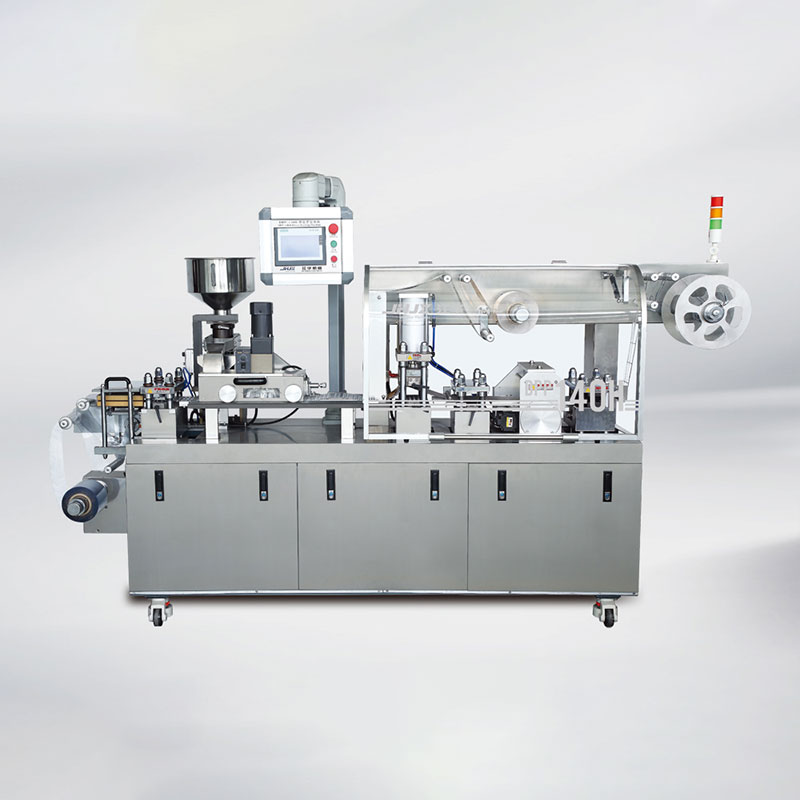 DPP-140H Flat-plate Blister Packing Machine
 -
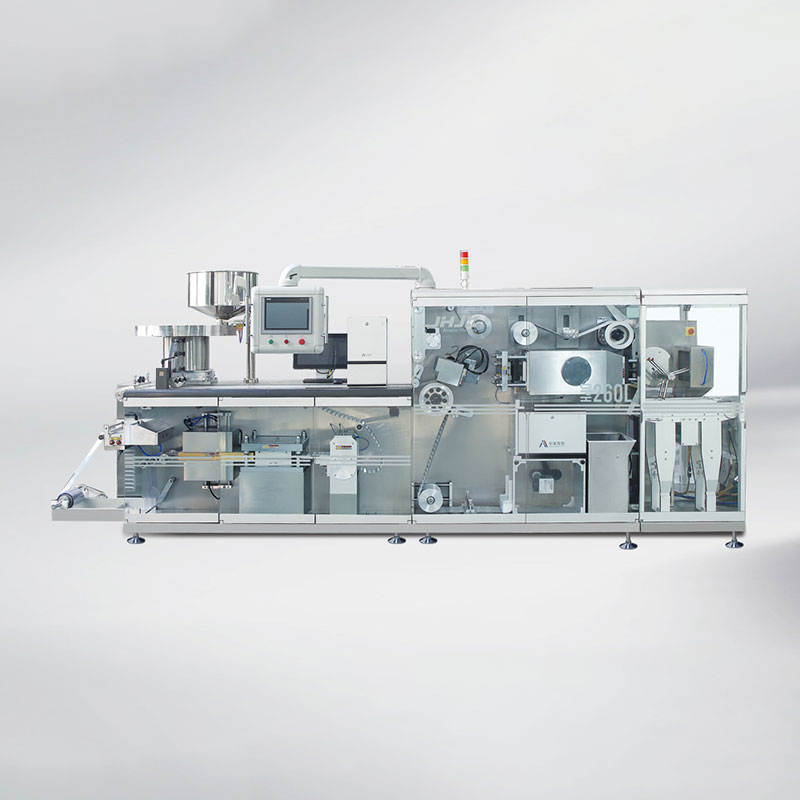 DPH-260L Roll-plate Blister Packaging Machine
 -
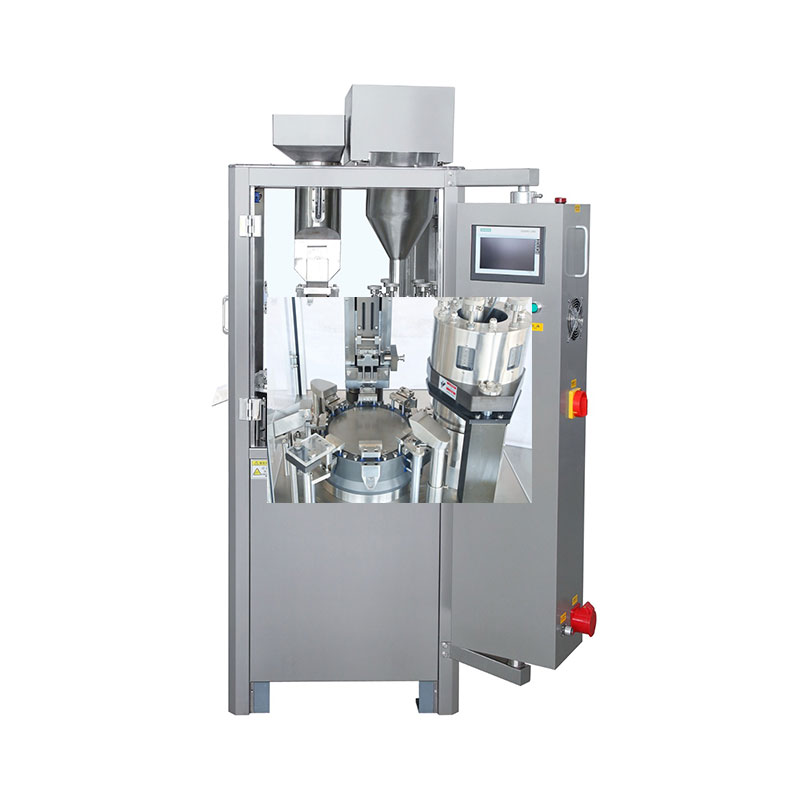 NJP-200 Model Fully Automatic Capsule Filling Machine
 -
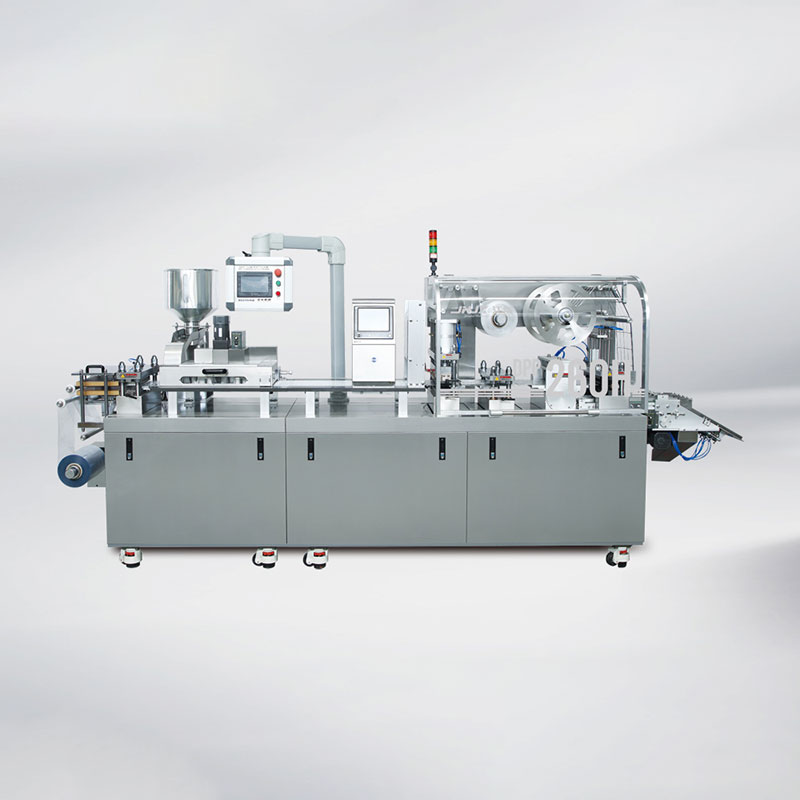 DPP-260H_DPP-320H Flat-plate Blister Packing Machine
 -
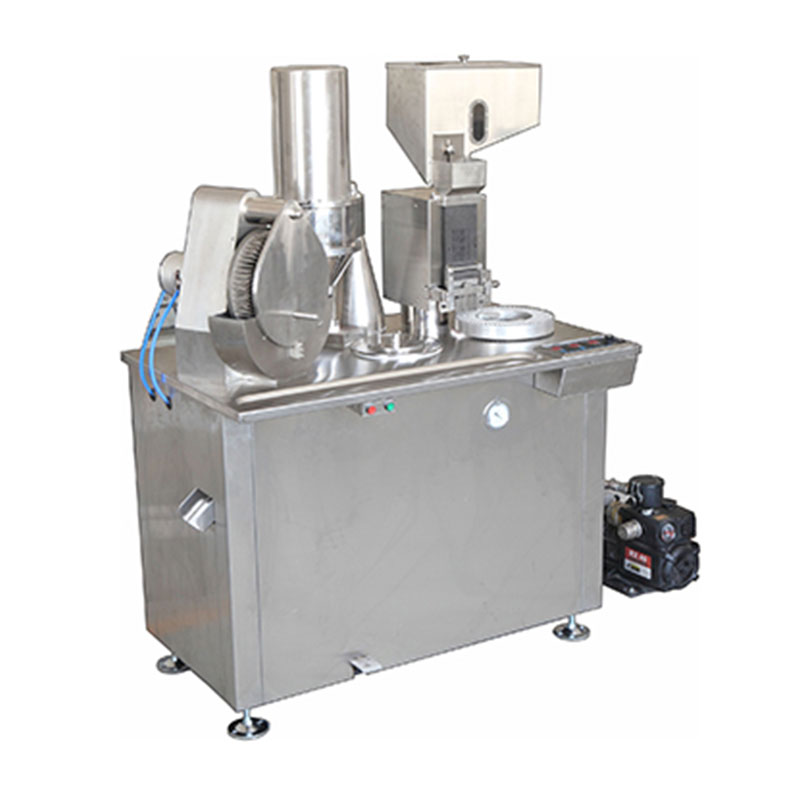 CGN208-D Newest Type Semi Automatic Capsule Filling Machine
 -
 Vegetarian Separated Capsules HPMC Capsules Separated Wholesale Vegetarian Capsules Discount for Bulk Orders
 -
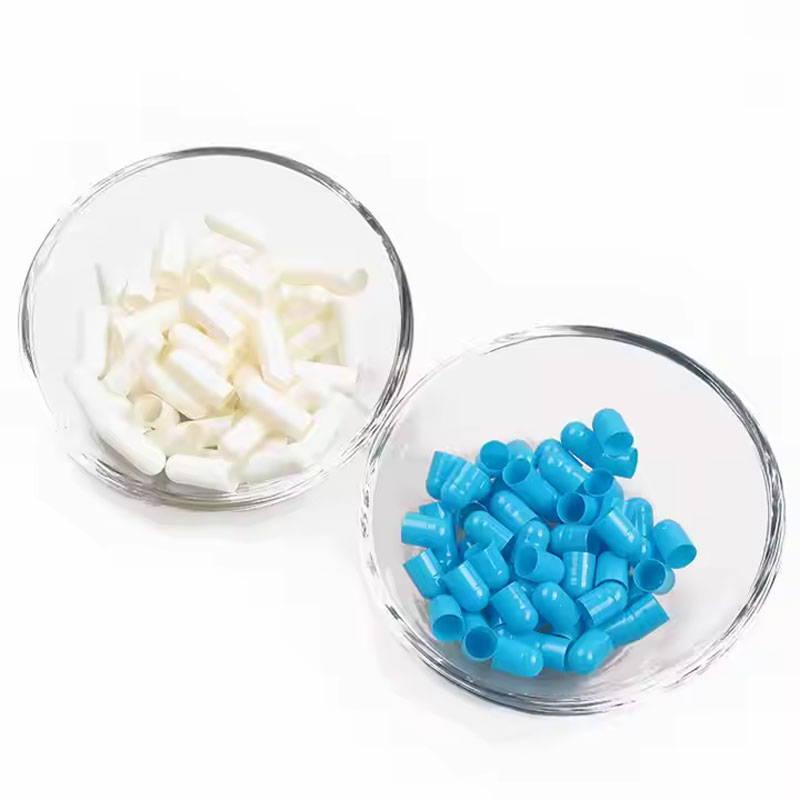 Empty VegCaps Shell Clear Empty Vegan Plant-Based Capsules Size 00 0 1 2 3 4 Natural Vegetable HPMC Capsules
 -
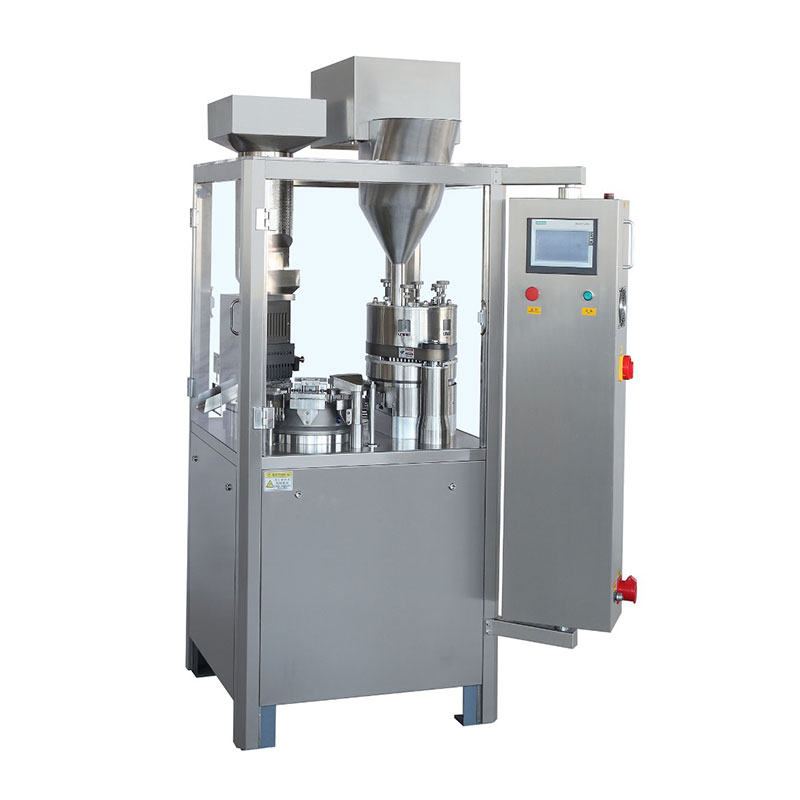 NJP-1200 Automatic Capsule Filling Machine
 -
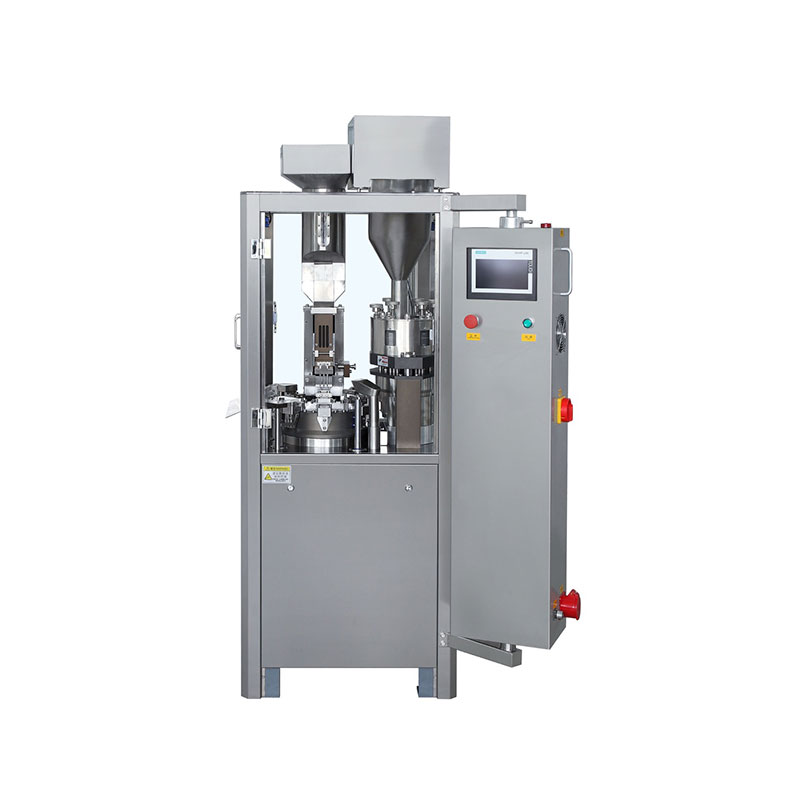 NJP-400 Fully Automatic Capsule Filling Machine
 -
 Hpmc Capsules Product Plant Vegetarian Size 00 0 Capsule Shell
 -
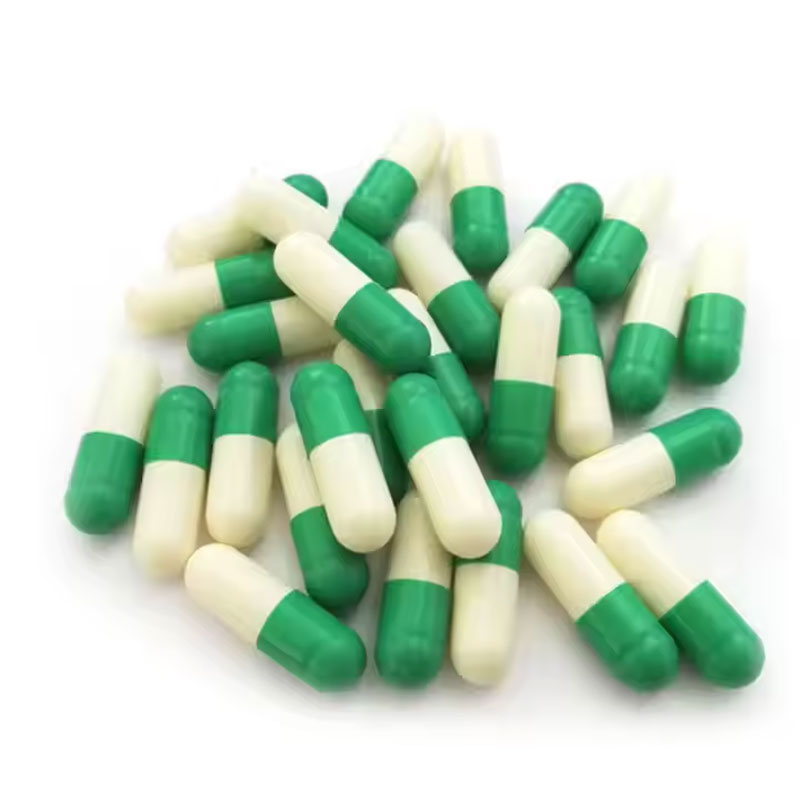 Size 00 hpmc capsules vegetarian capsules empty hard veggie capsules