
- English
- Chinese
- French
- German
- Portuguese
- Spanish
- Russian
- Japanese
- Korean
- Arabic
- Irish
- Greek
- Turkish
- Italian
- Danish
- Romanian
- Indonesian
- Czech
- Afrikaans
- Swedish
- Polish
- Catalan
- Esperanto
- Hindi
- Lao
- Albanian
- Amharic
- Armenian
- Azerbaijani
- Belarusian
- Bengali
- Bosnian
- Bulgarian
- Cebuano
- Chichewa
- Corsican
- Croatian
- Dutch
- Estonian
- Filipino
- Finnish
- Frisian
- Galician
- Georgian
- Gujarati
- Haitian
- Hausa
- Hawaiian
- Hebrew
- Hmong
- Hungarian
- Icelandic
- Igbo
- Javanese
- Kannada
- Kazakh
- Khmer
- Kurdish
- Kyrgyz
- Latin
- Latvian
- Lithuanian
- Luxembou..
- Macedonian
- Malagasy
- Malay
- Malayalam
- Maltese
- Maori
- Marathi
- Mongolian
- Burmese
- Nepali
- Norwegian
- Pashto
- Persian
- Punjabi
- Serbian
- Sesotho
- Sinhala
- Slovak
- Slovenian
- Somali
- Samoan
- Scots Gaelic
- Shona
- Sindhi
- Sundanese
- Swahili
- Tajik
- Tamil
- Telugu
- Thai
- Ukrainian
- Urdu
- Uzbek
- Vietnamese
- Welsh
- Xhosa
- Yiddish
- Yoruba
- Zulu
- Kinyarwanda
- Tatar
- Oriya
- Turkmen
- Uyghur



high quality DPP 260 Blister machine ALU/PVC
Understanding the High Quality DPP 260 Blister Machine ALU/PVC
The DPP 260 Blister Machine, meant for ALU/PVC packaging, often pops up in discussions among pharmaceutical packaging professionals. It's a machine highly praised yet sometimes misjudged. Let's delve into why it's crucial in the industry and clear some misconceptions.
The Basics and More
So, when we talk about the DPP 260 Blister Machine, what are we actually dealing with? It's commonly used for packaging pharmaceuticals in a way that not only ensures product safety but also extends shelf life. This machine is particularly effective for ALU/PVC, a common material combination. Yet, beginners often think it's plug-and-play, which isn’t always the case.
These machines require a good deal of setup and understanding. At Suqian Kelaiya Corp., with manufacturing sites in Zhejiang and Jiangsu provinces, even after years of work with these machines, careful calibration is always the starting point. Why? Subtle adjustments can surprisingly impact the final quality of the packaging.
Often overlooked but essential, each batch and material lot can behave differently under the same machine settings. This is where operators need to rely on their experience to tweak variables — temperature, pressure, and dwell time — just to name a few.
Operational Insights
You see, maintaining a steady workflow is crucial. From my experience, one common pitfall is treating the DPP 260 like a set-it-and-forget-it system. The reality? Constant monitoring. Machines like these can be temperamental, especially if they're not routinely maintained — an aspect we emphasize heavily at Suqian Kelaiya Corp.
Just last year, we encountered a peculiar issue where the PVC film wasn’t sealing correctly. Turned out, the issue wasn’t the machine itself, but a tiny debris caught up in the sealing area. It’s instances like this that remind us the devil is often in the details.
A precise, routine check can save hours of troubleshooting. If something feels off — even slightly — it usually pays to investigate sooner rather than later. That’s one lesson I’ve learned the hard way.
Adaptability in Diverse Settings
The versatility of the DPP 260 Blister Machine is one of its key strengths. We’ve used it for a variety of pharmaceutical products at Suqian Kelaiya Corp., each demanding different specifications. From capsules to tablets, the adaptability of this machine is commendable.
What really stands out is its ability to handle different sizes and materials without significant alterations. But, this also means that the learning curve can be steep, especially for new operators. Proper training is indispensable.
Recently, during a workshop at our Zhejiang site, it became apparent just how important hands-on training is. Real-time problem-solving helps operators understand the quirks and capabilities of these machines much better than any manual ever could.
Real-world Applications
Case studies and practical applications often paint a clearer picture. We managed a significant project involving a new round of blister packs for an experimental drug. This required pinpoint accuracy and quality control, leveraging all the capabilities of the DPP 260.
Our team at Suqian Kelaiya Corp. conducted multiple trials to ensure the highest quality standards. Each time, variances in environmental conditions like humidity required us to adapt settings, proving that empirical insights always triumph over theoretical knowledge.
This project reinforced the notion that each run can be unique, particularly with niche pharmaceutical products, which can exhibit distinct characteristics when processed through the same machine.
Conclusion: Mastery and Maintenance
Ultimately, the DPP 260 Blister Machine is a robust tool when wielded properly. Mastery of such a device is a blend of both formal training and practical experience, which we stress at Suqian Kelaiya Corp.
Ongoing maintenance and adherence to regular checks ensure that the machine functions optimally, reducing downtimes and improving efficiency. If there's one takeaway for professionals in this field, it’s that investing in both human expertise and meticulous machine care pays off significantly.
For more insights or to explore our range of services, visit our website at Suqian Kelaiya Corp.
Related Products
Related Products

Best Selling Products
Best Selling Products-
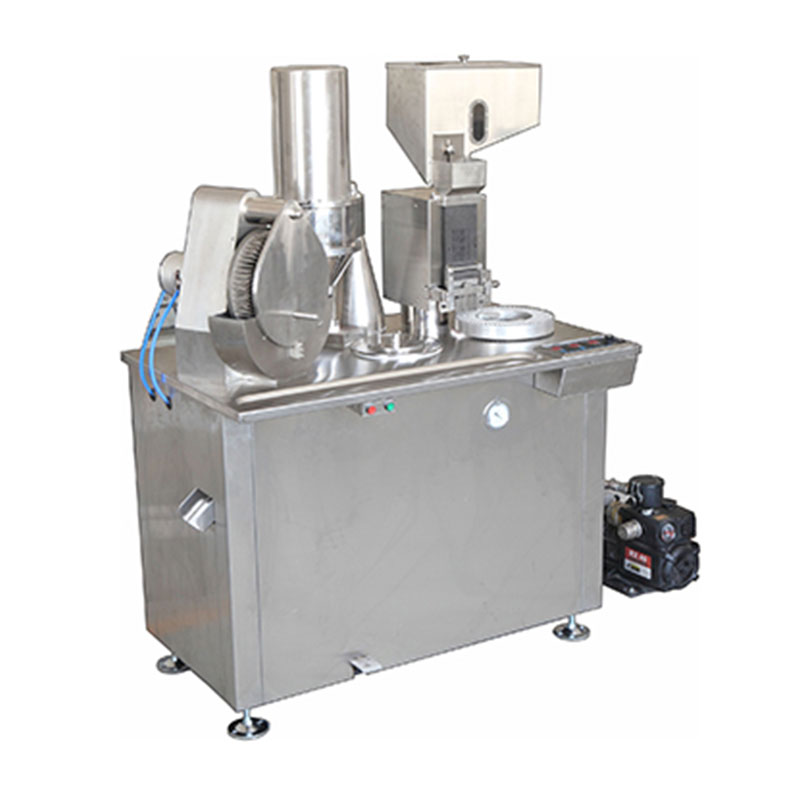 CGN208-D Newest Type Semi Automatic Capsule Filling Machine
 -
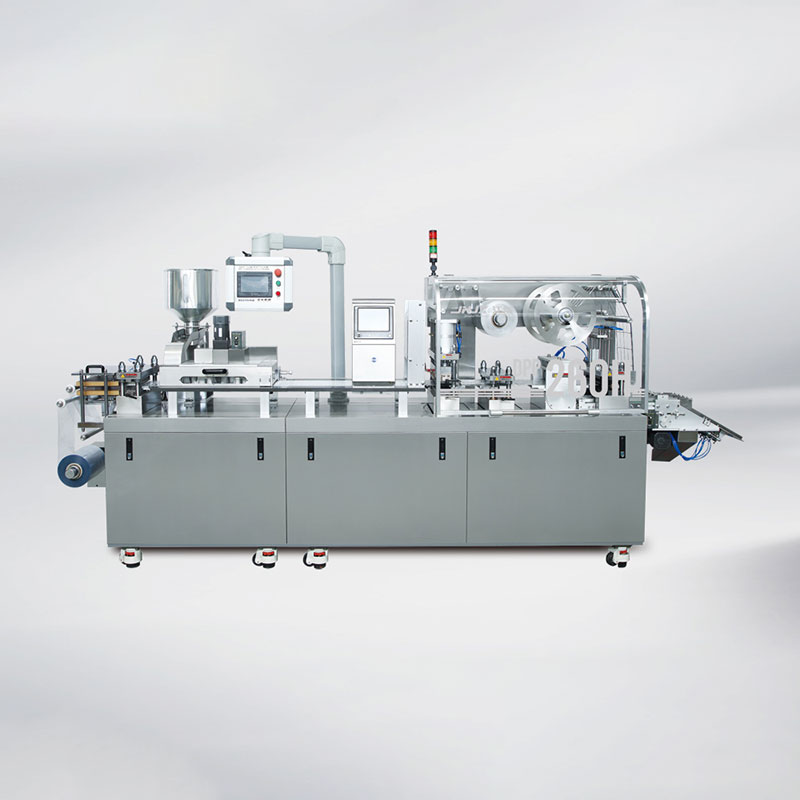 DPP-260H_DPP-320H Flat-plate Blister Packing Machine
 -
 Hpmc Capsules Product Plant Vegetarian Size 00 0 Capsule Shell
 -
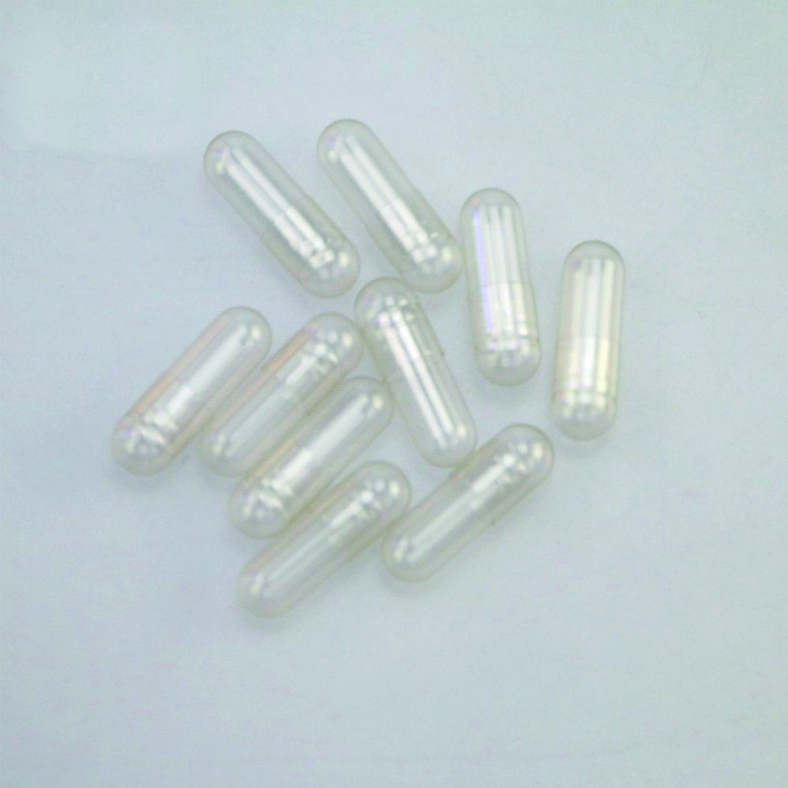 EMPTY HPMC CAPSULE SIZE 00 CLEAR
 -
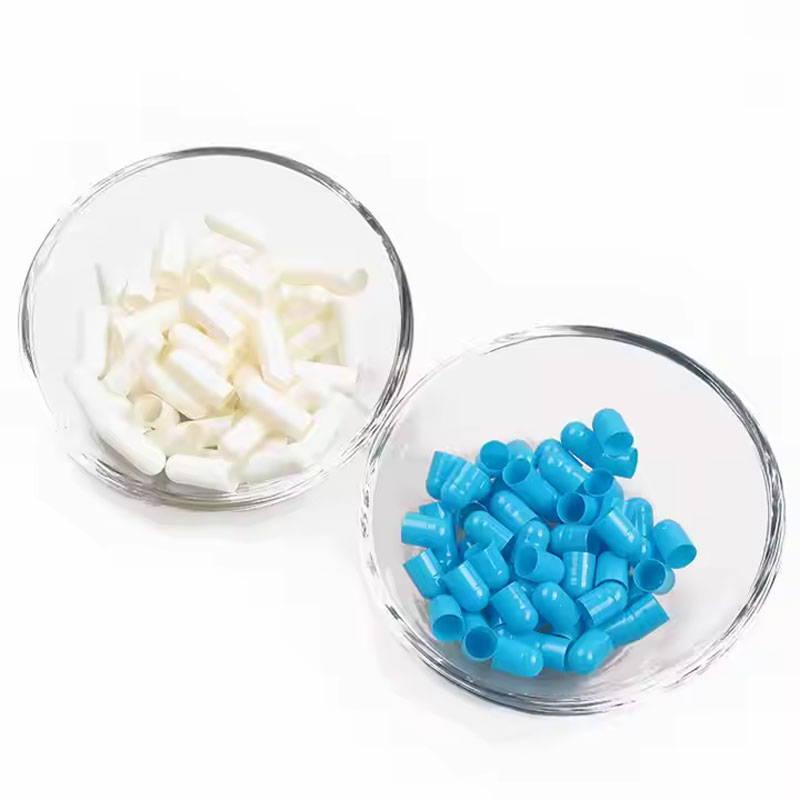 Empty VegCaps Shell Clear Empty Vegan Plant-Based Capsules Size 00 0 1 2 3 4 Natural Vegetable HPMC Capsules
 -
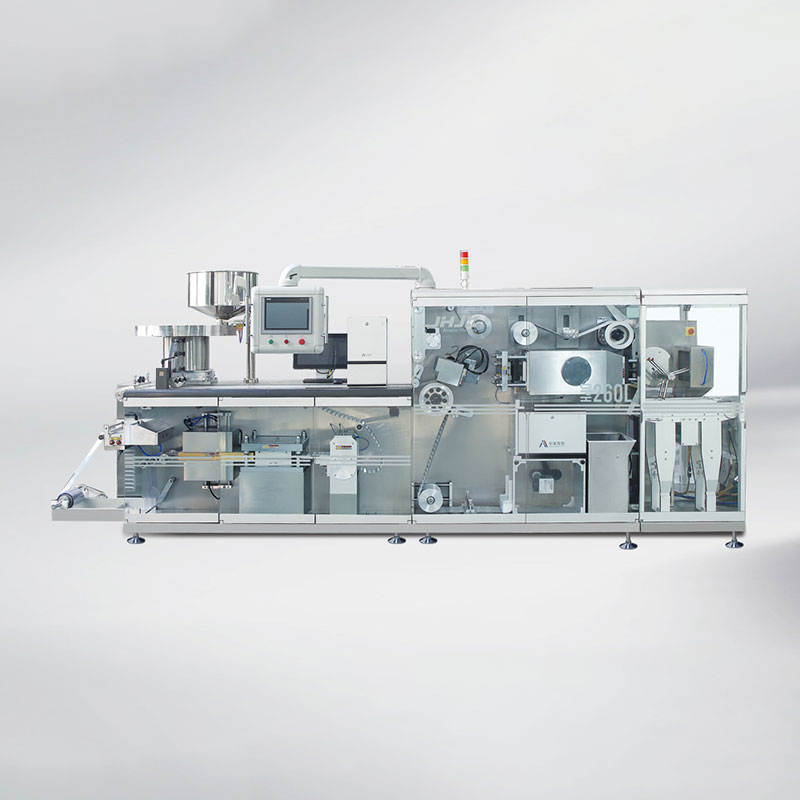 DPH-260L Roll-plate Blister Packaging Machine
 -
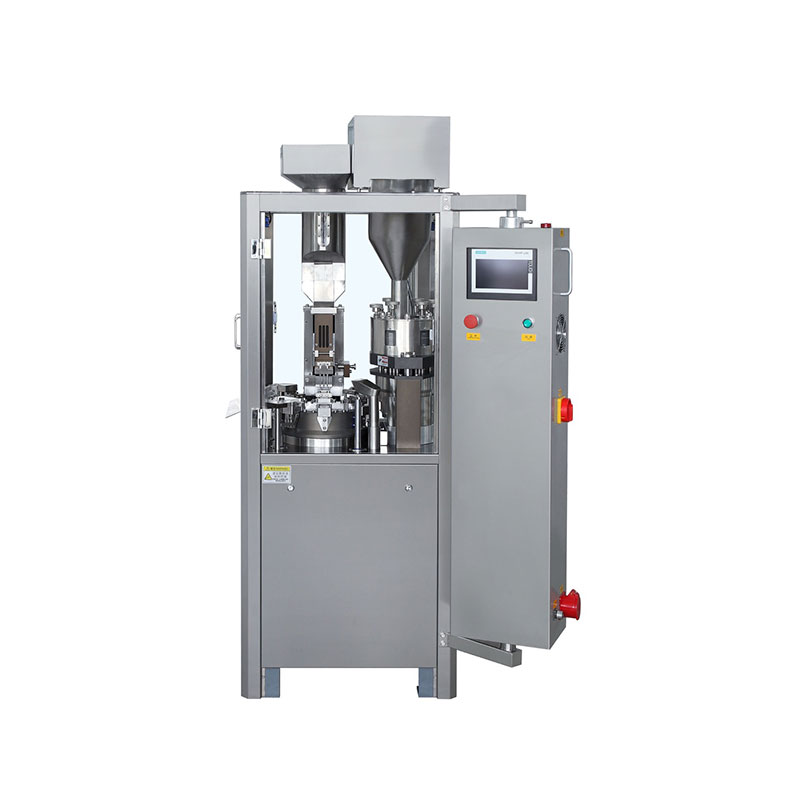 NJP-400 Fully Automatic Capsule Filling Machine
 -
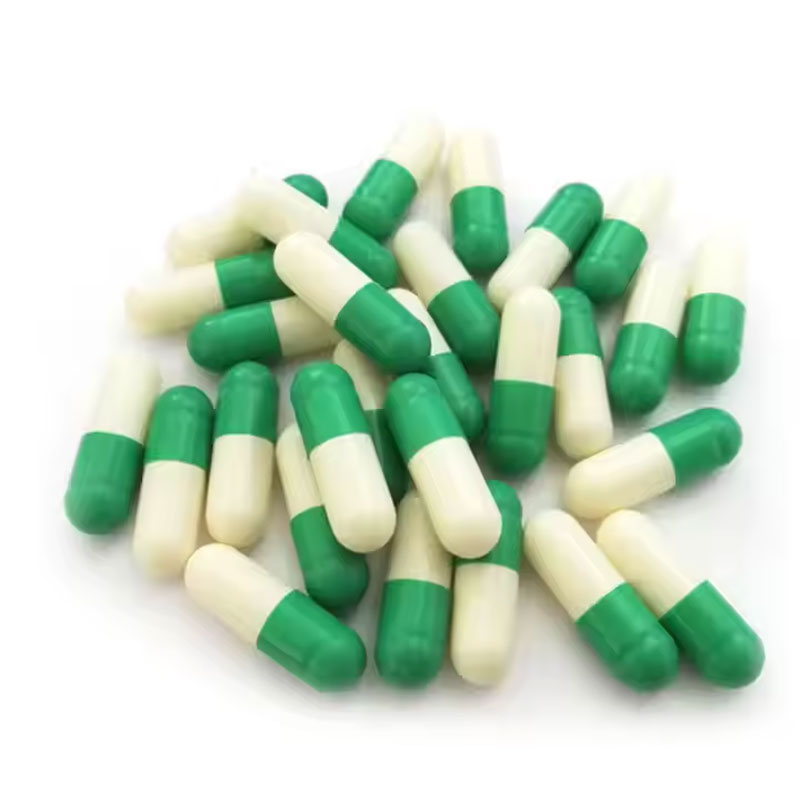 Size 00 hpmc capsules vegetarian capsules empty hard veggie capsules
 -
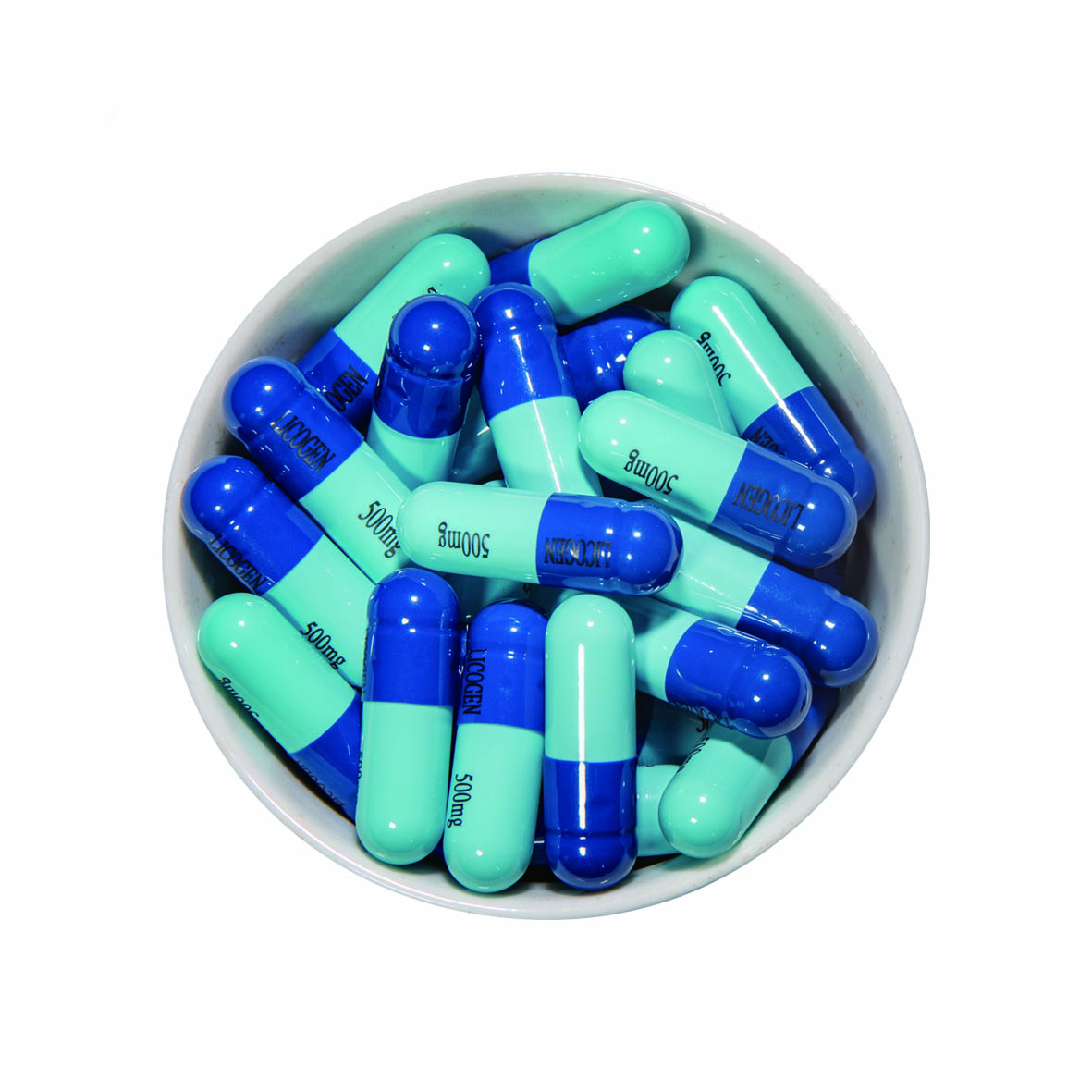 Hard Gelatin Empty Capsule Shell Size 00 0 1 2 3 4
 -
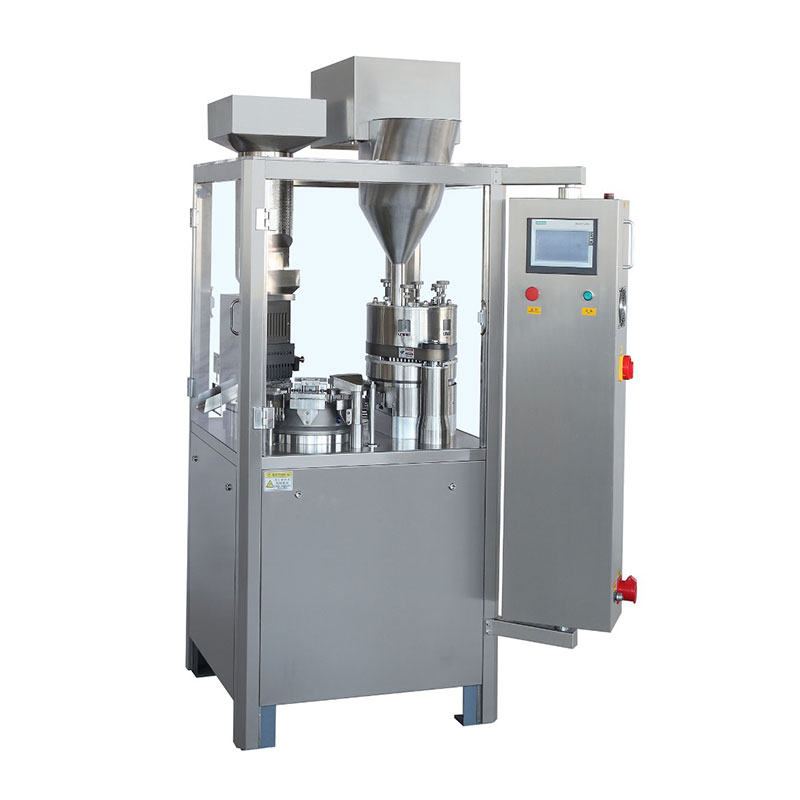 NJP-1200 Automatic Capsule Filling Machine
 -
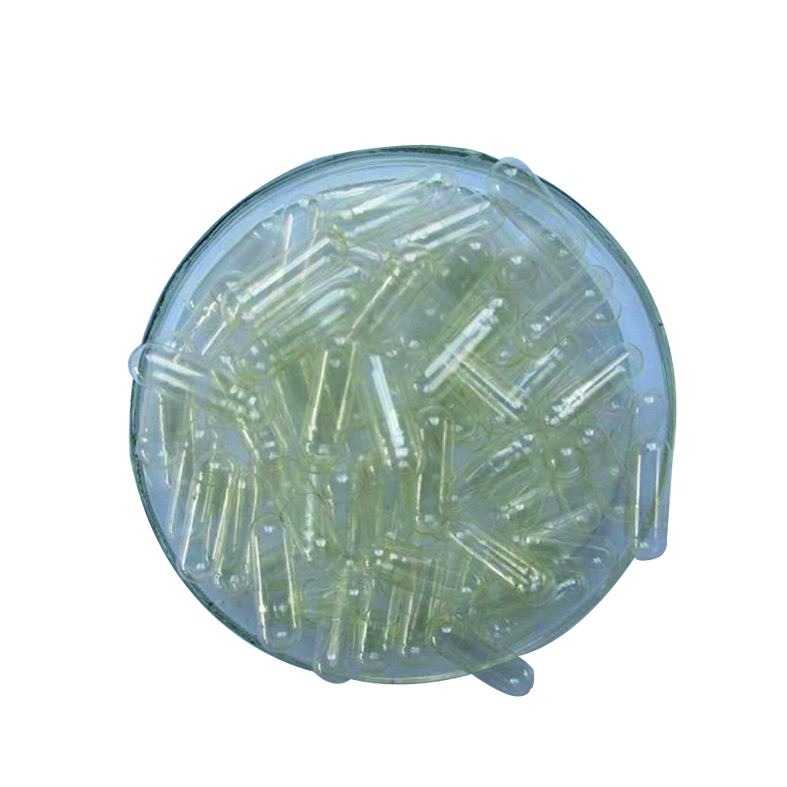 Halal Certificate Empty Clear Hard Gelatin Capsules Shell Size 0
 -
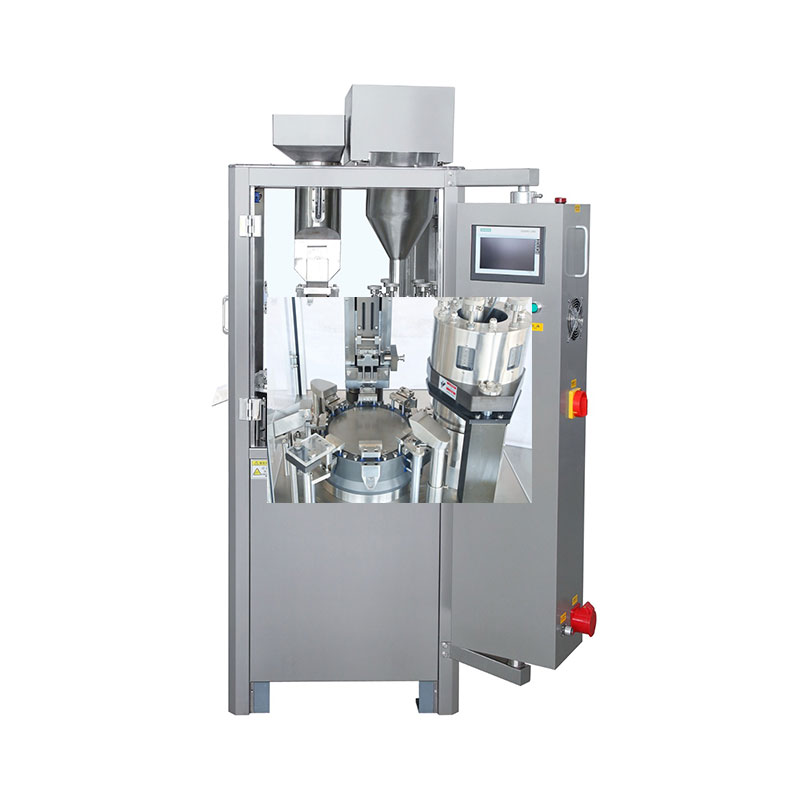 NJP-200 Model Fully Automatic Capsule Filling Machine
Related Search
Related Search- Discount 000 capsule filler
- hard gelatin capsule size 0
- OEM kosher vegetable capsules
- high quality 00 capsule filler
- Best CLEAR VEGETABLE CAPSULE SIZE 00
- Best 000 empty vegetarian capsules
- high quality vegetarian capsules size 1
- Best njp 800c
- Certificate njp 400 capsule filling machine
- hard gelatin capsule filling machine