
- English
- Chinese
- French
- German
- Portuguese
- Spanish
- Russian
- Japanese
- Korean
- Arabic
- Irish
- Greek
- Turkish
- Italian
- Danish
- Romanian
- Indonesian
- Czech
- Afrikaans
- Swedish
- Polish
- Catalan
- Esperanto
- Hindi
- Lao
- Albanian
- Amharic
- Armenian
- Azerbaijani
- Belarusian
- Bengali
- Bosnian
- Bulgarian
- Cebuano
- Chichewa
- Corsican
- Croatian
- Dutch
- Estonian
- Filipino
- Finnish
- Frisian
- Galician
- Georgian
- Gujarati
- Haitian
- Hausa
- Hawaiian
- Hebrew
- Hmong
- Hungarian
- Icelandic
- Igbo
- Javanese
- Kannada
- Kazakh
- Khmer
- Kurdish
- Kyrgyz
- Latin
- Latvian
- Lithuanian
- Luxembou..
- Macedonian
- Malagasy
- Malay
- Malayalam
- Maltese
- Maori
- Marathi
- Mongolian
- Burmese
- Nepali
- Norwegian
- Pashto
- Persian
- Punjabi
- Serbian
- Sesotho
- Sinhala
- Slovak
- Slovenian
- Somali
- Samoan
- Scots Gaelic
- Shona
- Sindhi
- Sundanese
- Swahili
- Tajik
- Tamil
- Telugu
- Thai
- Ukrainian
- Urdu
- Uzbek
- Vietnamese
- Welsh
- Xhosa
- Yiddish
- Yoruba
- Zulu
- Kinyarwanda
- Tatar
- Oriya
- Turkmen
- Uyghur


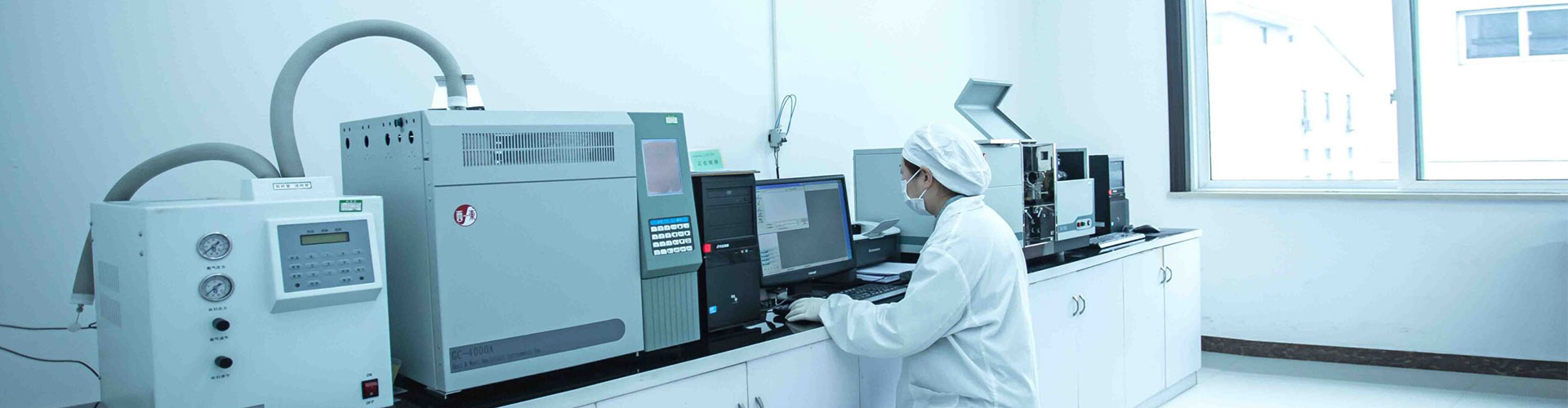
hard gelatin capsule filling
Understanding Hard Gelatin Capsule Filling: Insights and Challenges
Hard gelatin capsule filling is a critical process in pharmaceutical manufacturing, requiring precision and attention to detail. It's not uncommon to encounter misconceptions about its complexity, with many assuming it's as simple as filling a container. Far from it, this process involves numerous variables and challenges that professionals in the field must navigate.
The Basics of Capsule Filling
When we talk about hard gelatin capsule filling, we're referring to the precise process of dosing and enclosing medication within a gel-based shell. This task might appear straightforward, but achieving consistency and accuracy can be tricky. Each capsule must contain the exact dosage, which requires meticulous calibration.
In practice, various machines perform these operations, like the ones from Suqian Kelaiya Corp., a specialized company in new drug development, manufacturing, and sales. With sites in Zhejiang and Jiangsu, they offer a blend of expertise in capsule filling machines. You can learn more on their website.
During actual operations, one might face hurdles such as powder flow variability or capsule wall adhesion. These seemingly minor issues can significantly impact production efficiency and product uniformity.
Challenges in the Filling Process
Handling the flow properties of powders is a common challenge. Some materials are cohesive, which can lead to clumping, while others might be too free-flowing. This inconsistency demands a deep understanding of material characteristics and potential adjustments in machine settings.
An interesting example comes to mind where a minor change in humidity levels led to significant disruptions. Capsules were sticking during ejection, causing delays. This required quick troubleshooting to adjust the environmental controls.
It's also worth noting that sometimes there are struggles with capsule integrity, especially under varying storage conditions. Suqian Kelaiya Corp., with its advanced technology, addresses these issues by ensuring compatibility between the capsule and its contents.
Machine Maintenance and Quality Control
Regular maintenance of the filling machines is non-negotiable. Any lapse could lead to variations in fill weight or capsule damage. Routine checks and calibrations are crucial components of any successful capsule filling operation.
I recall a particular instance where skipping a routine check led to a cascade of minor errors, underscoring the importance of diligence. These machines, such as the blister machines also produced by Suqian Kelaiya, require careful oversight to maintain efficiency and quality output.
Quality control doesn't end at filling; ensuring the finished product meets regulatory standards is just as critical. Each batch undergoes thorough testing to ensure consistency and safety.
Advancements and Innovations
Technological advancements have significantly improved the process of hard gelatin capsule filling. Modern machines offer higher precision and better adaptability to different materials. Companies like Suqian Kelaiya are at the forefront, continuously pushing the boundaries with new innovations.
For instance, there have been developments in automated systems that can quickly adjust to different capsule sizes and fill weights, which increases flexibility in production lines.
These innovations not only boost efficiency but also reduce human error, ultimately improving the reliability of the production process. It’s an exciting time for those involved in this field, with technology rapidly evolving.
Looking Ahead
The future of capsule filling is bright and packed with potential improvements. As companies like Suqian Kelaiya Corp. expand their capabilities, insights into real-world applications continue to drive better practices and technologies.
Looking forward, it's important to stay informed about industry trends and technological upgrades. Keeping a finger on the pulse of these developments can be the key to maintaining a competitive edge.
Ultimately, the art and science of capsule filling meld together, requiring a balance of technology, skill, and perhaps a touch of ingenuity. With these elements in harmony, the future looks promising for this essential area of pharmaceutical manufacturing.
Related Products
Related Products

Best Selling Products
Best Selling Products-
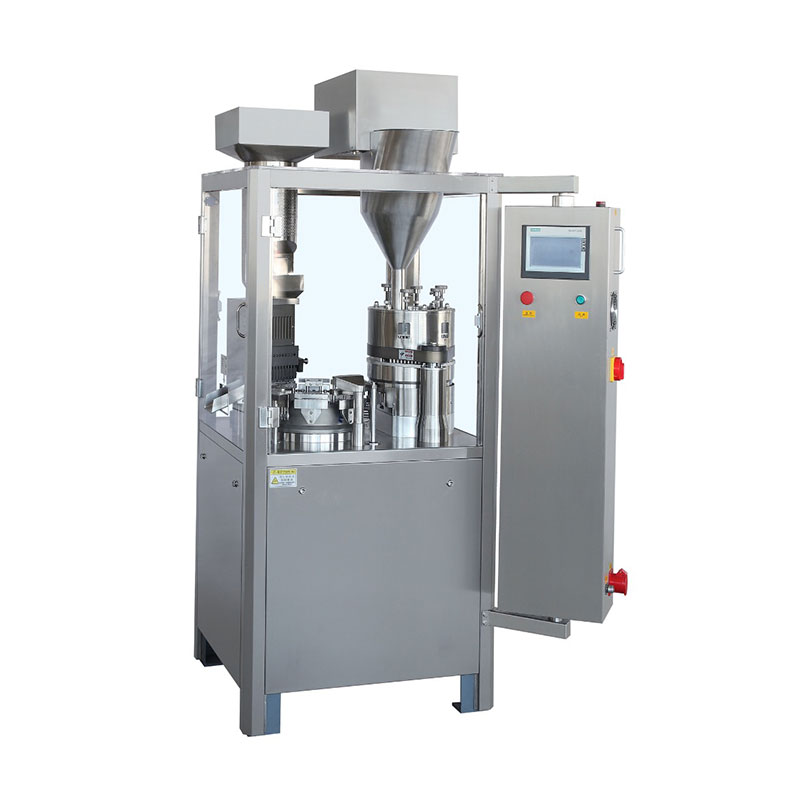 NJP-800 Automatic Capsule Filling Machine
 -
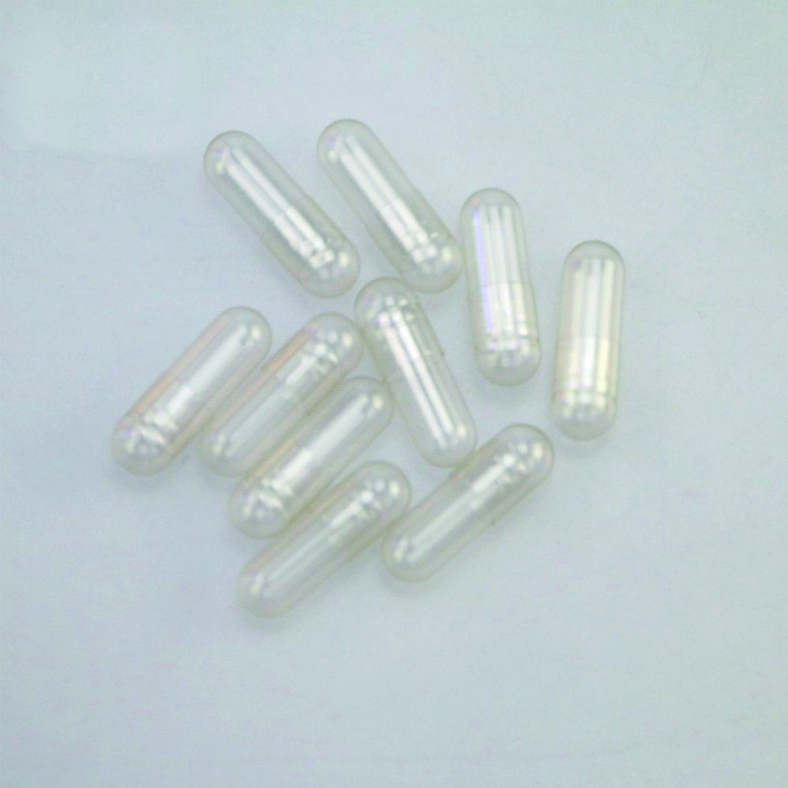 EMPTY HPMC CAPSULE SIZE 00 CLEAR
 -
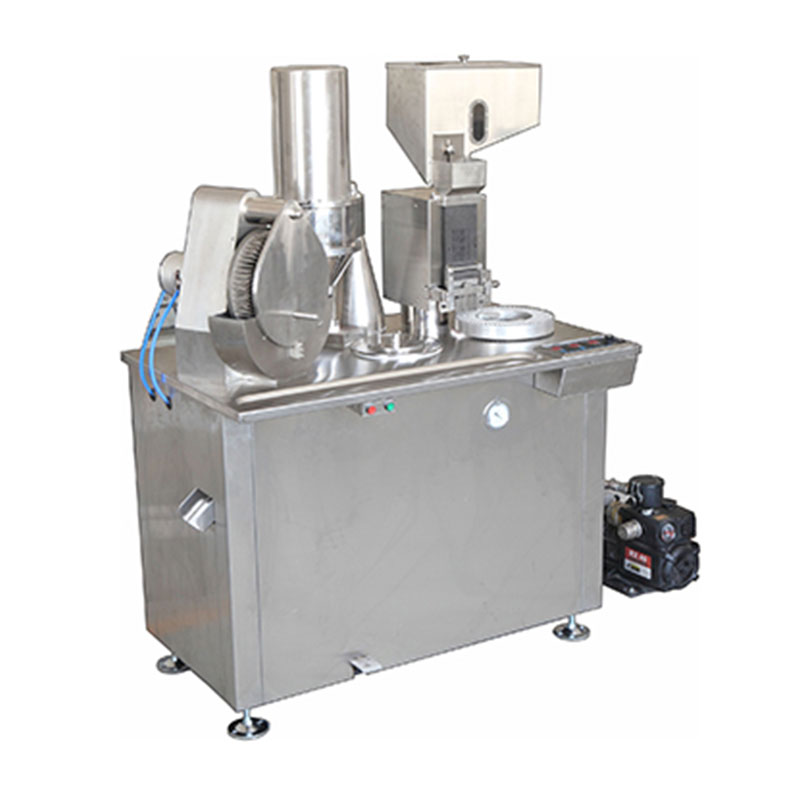 CGN208-D Newest Type Semi Automatic Capsule Filling Machine
 -
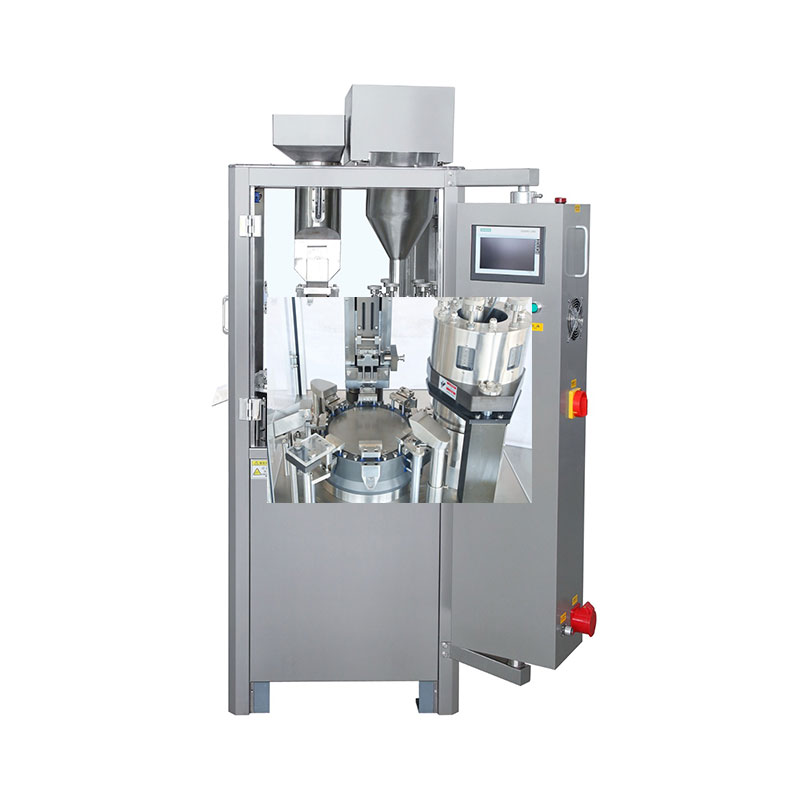 NJP-200 Model Fully Automatic Capsule Filling Machine
 -
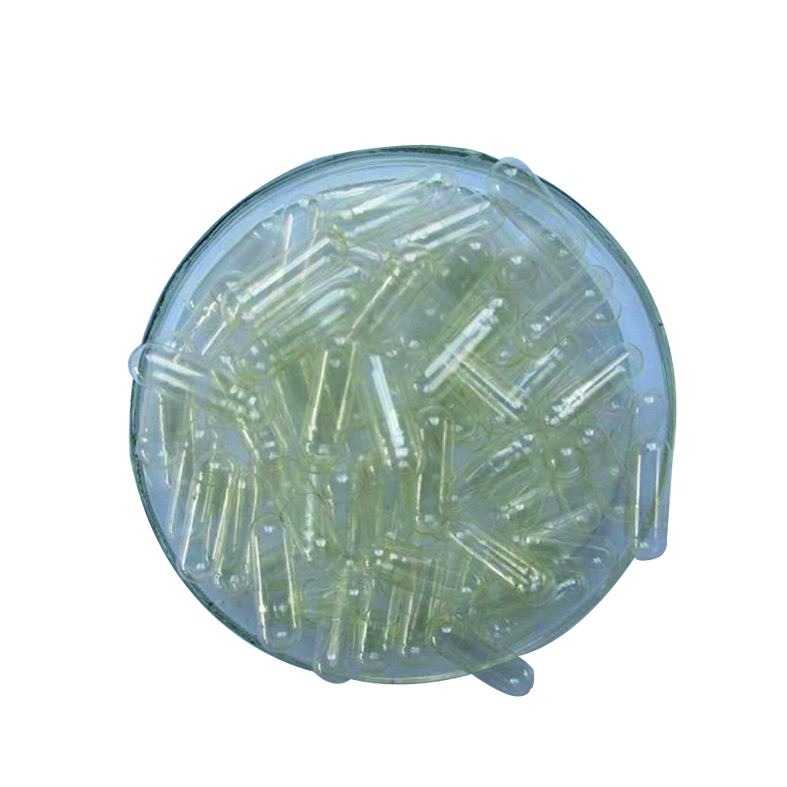 Halal Certificate Empty Clear Hard Gelatin Capsules Shell Size 0
 -
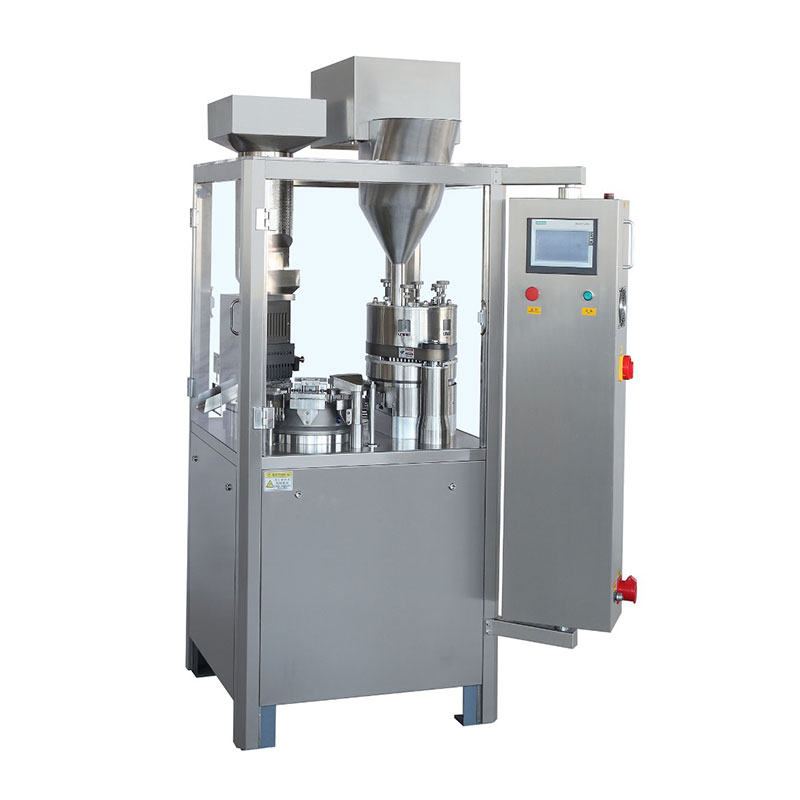 NJP-1200 Automatic Capsule Filling Machine
 -
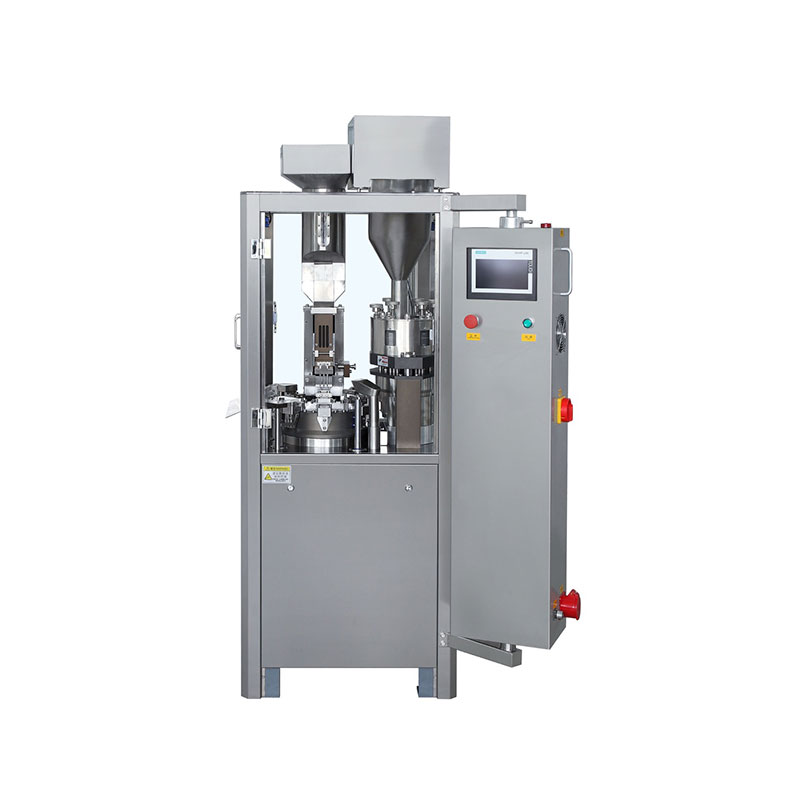 NJP-400 Fully Automatic Capsule Filling Machine
 -
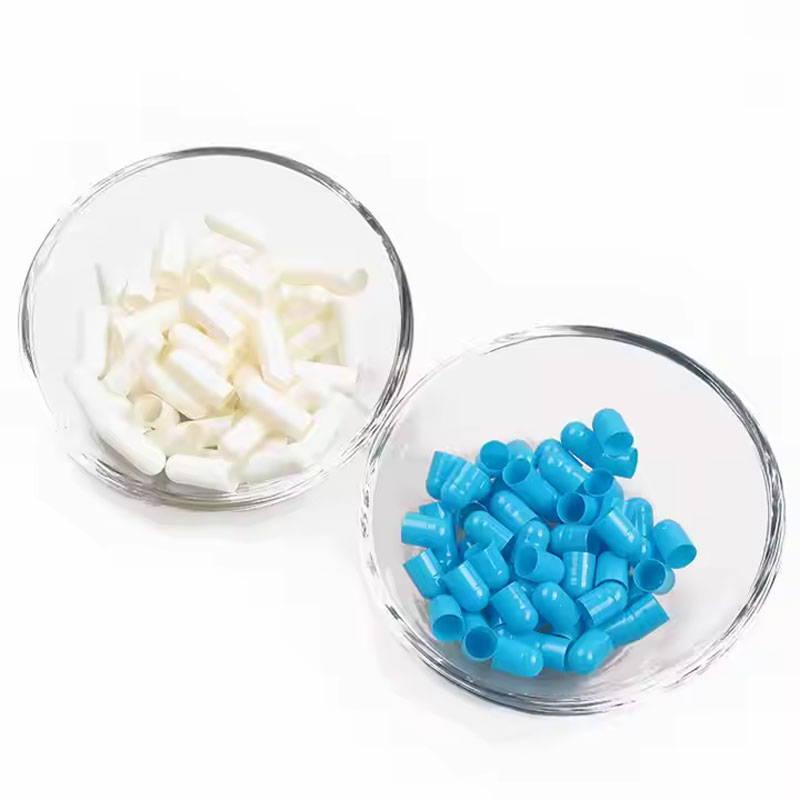 Empty VegCaps Shell Clear Empty Vegan Plant-Based Capsules Size 00 0 1 2 3 4 Natural Vegetable HPMC Capsules
 -
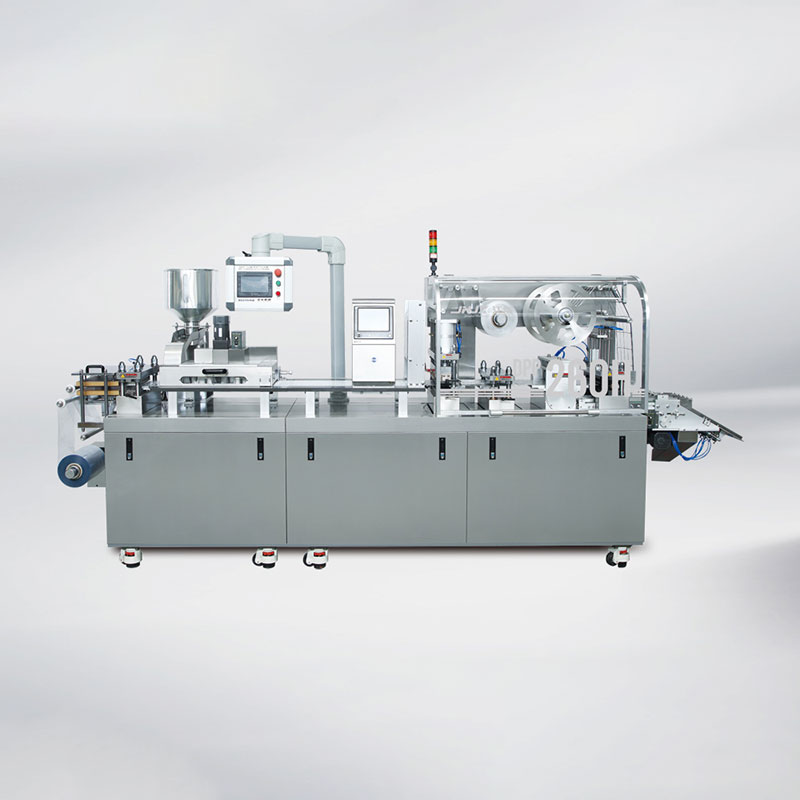 DPP-260H_DPP-320H Flat-plate Blister Packing Machine
 -
 Vegetarian Separated Capsules HPMC Capsules Separated Wholesale Vegetarian Capsules Discount for Bulk Orders
 -
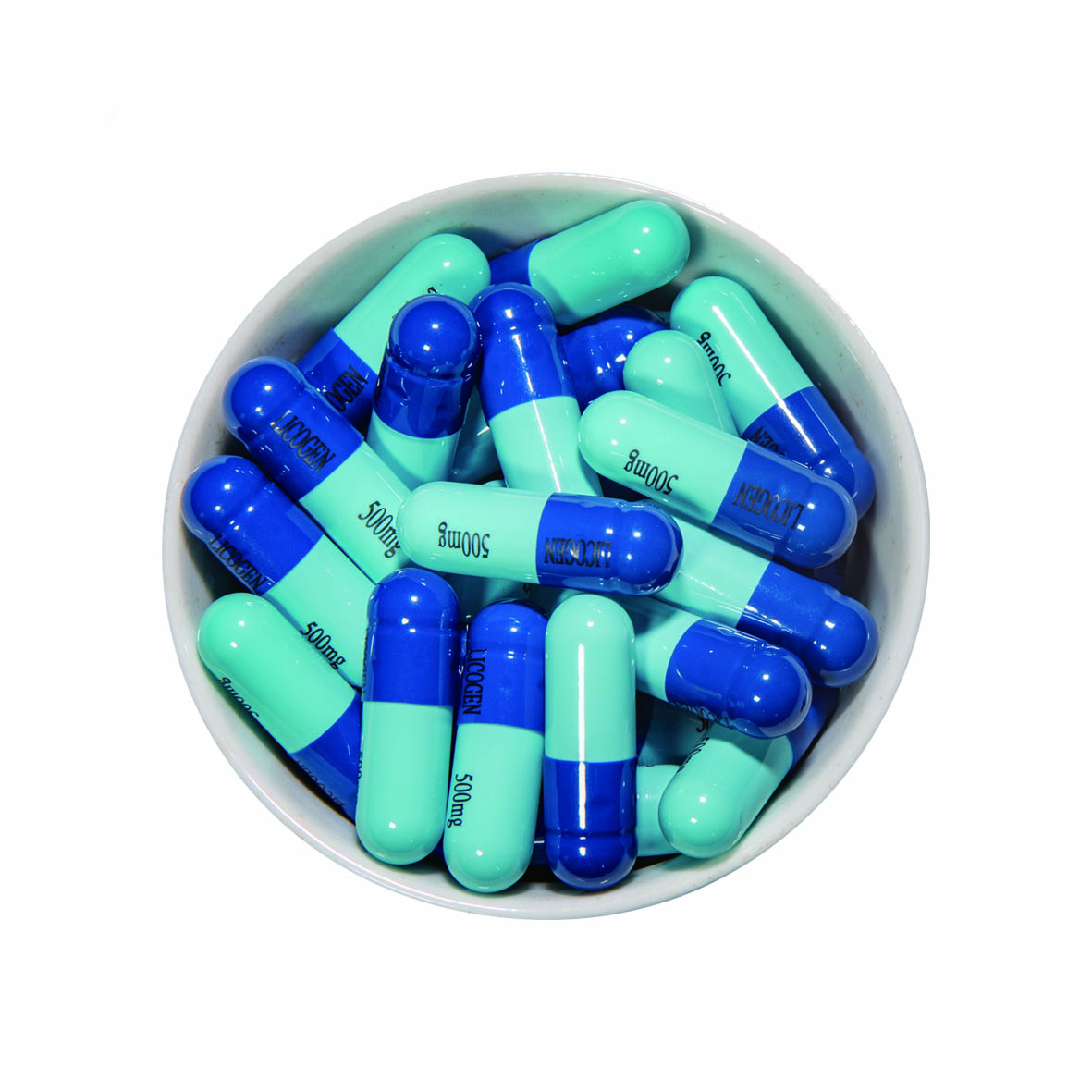 Hard Gelatin Empty Capsule Shell Size 00 0 1 2 3 4
 -
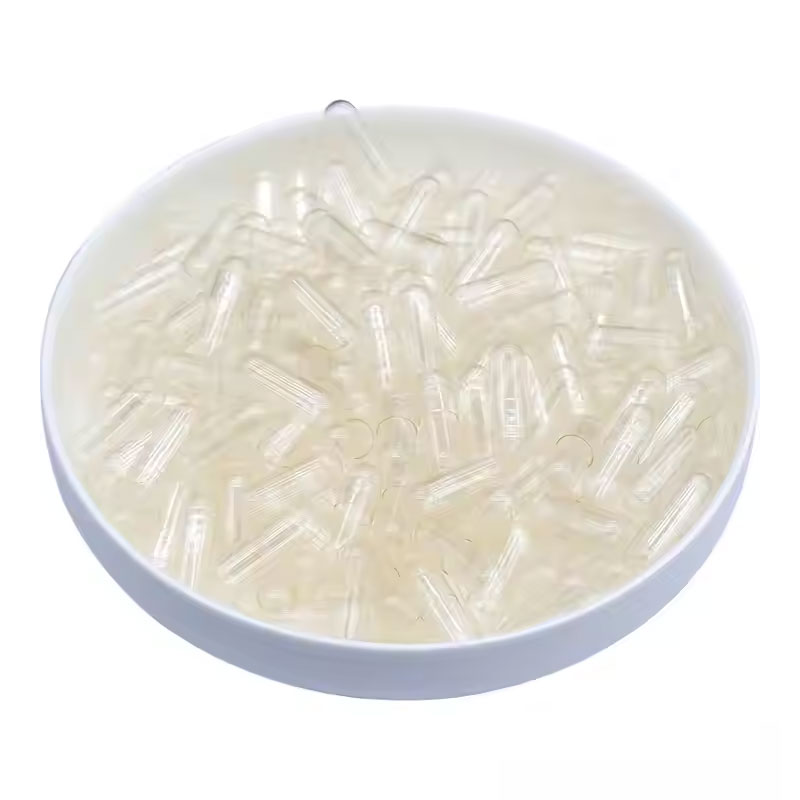 EMPTY VEGATABLE CAPSULE CLEAR SIZE 0
Related Search
Related Search- Certificate size 5 capsule filling machine
- Certificate hard gelatin capsule size 0
- Discount powder capsule filling machine
- Certificate capsule filling machines employed for large scale manufacture of capsules
- Discount Blister machine FOR tABLET
- OEM best manual capsule filling machine
- OEM CLEAR HPMC CAPSULE SIZE 0
- high quality best capsule filling machine
- Best cellulose vegetable capsule
- Certificate fully automatic capsule filling machine