
- English
- Chinese
- French
- German
- Portuguese
- Spanish
- Russian
- Japanese
- Korean
- Arabic
- Irish
- Greek
- Turkish
- Italian
- Danish
- Romanian
- Indonesian
- Czech
- Afrikaans
- Swedish
- Polish
- Catalan
- Esperanto
- Hindi
- Lao
- Albanian
- Amharic
- Armenian
- Azerbaijani
- Belarusian
- Bengali
- Bosnian
- Bulgarian
- Cebuano
- Chichewa
- Corsican
- Croatian
- Dutch
- Estonian
- Filipino
- Finnish
- Frisian
- Galician
- Georgian
- Gujarati
- Haitian
- Hausa
- Hawaiian
- Hebrew
- Hmong
- Hungarian
- Icelandic
- Igbo
- Javanese
- Kannada
- Kazakh
- Khmer
- Kurdish
- Kyrgyz
- Latin
- Latvian
- Lithuanian
- Luxembou..
- Macedonian
- Malagasy
- Malay
- Malayalam
- Maltese
- Maori
- Marathi
- Mongolian
- Burmese
- Nepali
- Norwegian
- Pashto
- Persian
- Punjabi
- Serbian
- Sesotho
- Sinhala
- Slovak
- Slovenian
- Somali
- Samoan
- Scots Gaelic
- Shona
- Sindhi
- Sundanese
- Swahili
- Tajik
- Tamil
- Telugu
- Thai
- Ukrainian
- Urdu
- Uzbek
- Vietnamese
- Welsh
- Xhosa
- Yiddish
- Yoruba
- Zulu
- Kinyarwanda
- Tatar
- Oriya
- Turkmen
- Uyghur


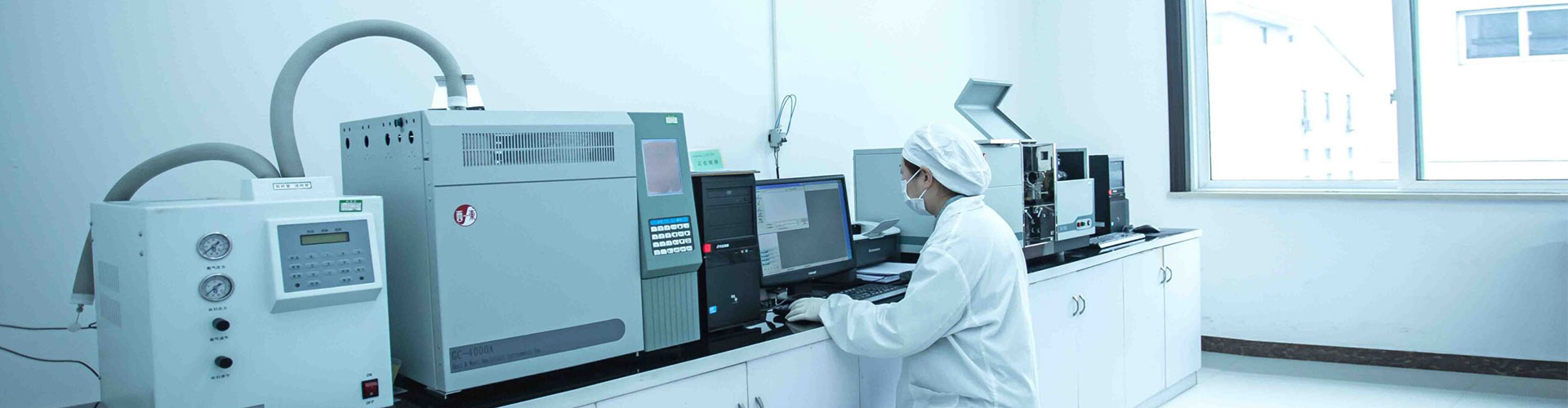
fully automatic capsule filling machine
Understanding Fully Automatic Capsule Filling Machines
Fully automatic capsule filling machines are often misunderstood, especially by those new to the pharmaceutical manufacturing industry. Many imagine them as magical devices that work without hitches, but the reality is more complex and nuanced.
What Exactly is a Fully Automatic Capsule Filling Machine?
At its core, a fully automatic capsule filling machine is a sophisticated piece of equipment designed to fill empty capsules with precise amounts of medication. Suqian Kelaiya Corp., a specialized company with sites in Zhejiang and Jiangsu, has been a pivotal player in this field, offering advanced solutions that streamline the manufacturing process.
These machines, unlike semi-automatics, don’t require constant human intervention. But here's the catch—they demand precise setup. Miss out on this, and no amount of automation will save you from inefficiencies.
During my time in the industry, I’ve observed that while many companies like Suqian Kelaiya focus on cutting-edge tech, end users often struggle with operational aspects. This isn’t just about pressing a button; it's about understanding the intricacies of capsule types, formulations, and machine calibrations.
Key Challenges in Automation
One common misconception is that a fully automatic capsule filling machine would eliminate all human error. This belief can lead to oversight in training staff, who must know how to respond if the machine jams or if unexpected material inconsistencies occur.
I recall an incident where a client assumed their new machine was faulty, but the real issue was a residue build-up overlooked during routine checks. Regular maintenance can't be overstated in importance. Even the best machines from reputed manufacturers like Suqian Kelaiya can falter without it.
Additionally, managing the diverse specifications of different capsule types can be tricky. One must stay adaptable; sometimes, it involves a fair bit of trial and error before hitting optimal settings.
Learning from Real-World Implementations
Each installation is a case study in itself. For instance, Suqian Kelaiya’s installations often emphasize a streamlined process that minimizes waste and maximizes production efficiency. However, no two setups are identical, given the variability in product formulations.
I've seen setups where adjusting the tamping pin or dosing disk made a world of difference in product consistency. It’s all about fine-tuning to match the specific product requirements and machine capabilities.
Another aspect is integration with existing manufacturing lines. Some clients have mentioned smoother transitions when collaborating with manufacturers who understand both the machine and the broader production ecosystem, as Suqian Kelaiya does.
The Role of Technology and Innovation
Technological advancements are relentless. Today’s fully automatic capsule filling machines incorporate sophisticated computer interfaces that allow for more intuitive control and data logging. This has been a game-changer for productivity and quality assurance.
However, the introduction of IoT features and predictive maintenance capabilities by companies like Suqian Kelaiya brings challenges of its own. Not every facility is ready for this level of technological integration, making the role of human oversight still exceedingly crucial.
I've led projects where the primary goal was to leverage new tech without overcomplicating day-to-day operations. It’s a balance—adopting what aids efficiency while avoiding what adds unnecessary complexity.
Final Thoughts on Choosing the Right Machine
Choosing a fully automatic capsule filling machine requires careful consideration of your specific needs and capabilities. It’s not just a transaction—it's a partnership with the manufacturer. Suqian Kelaiya Corp., accessible via their website here, has shown how important it is to align your choice with expert support and communication.
Beyond features and potential, look for a supplier who offers reliable after-sales support and understands the unique demands of your operation. Nothing beats practical guidance and the reassurance that you have a solid team backing you up.
In summary, while these machines promise enhanced efficiency and precision, they come with their own set of challenges and learning curves. Mastering them takes time, experience, and the right partnership. With industry leaders like Suqian Kelaiya driving innovation, the future of capsule filling looks promising—but it's a future that requires both human and technological synergy.
Related Products
Related Products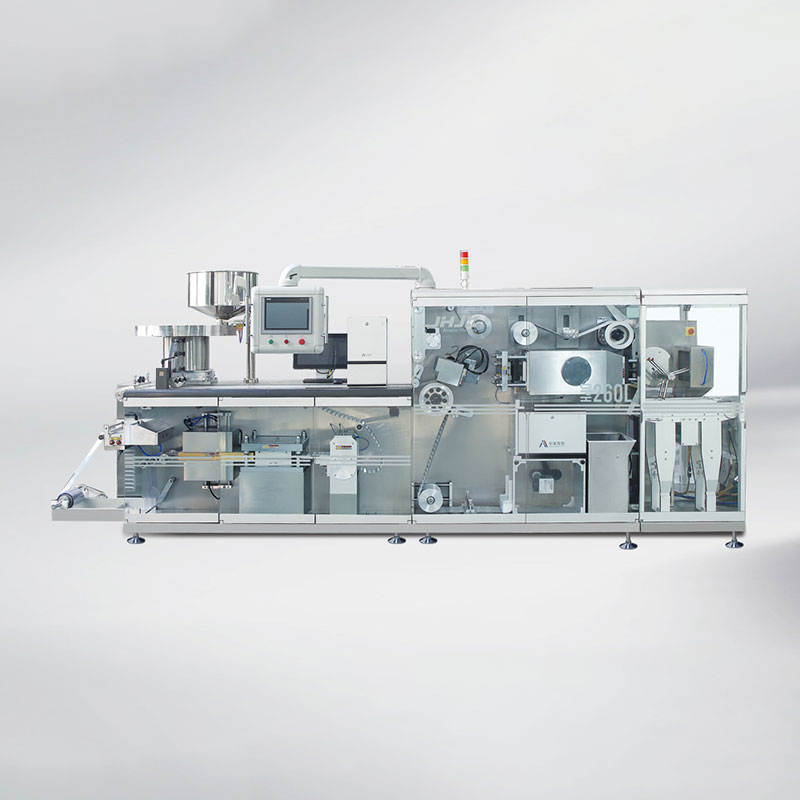
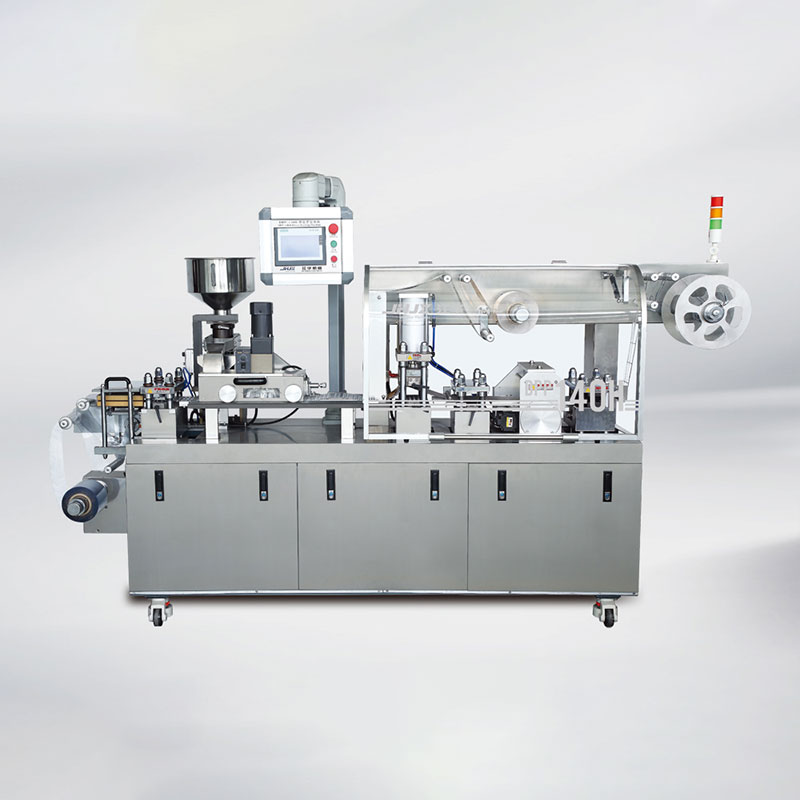

Best Selling Products
Best Selling Products-
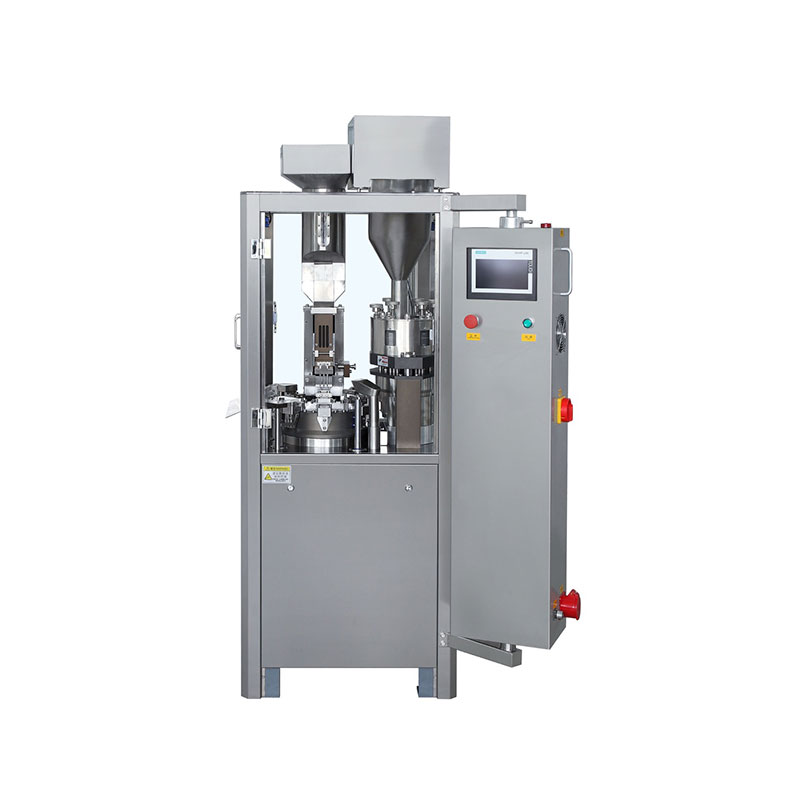 NJP-400 Fully Automatic Capsule Filling Machine
 -
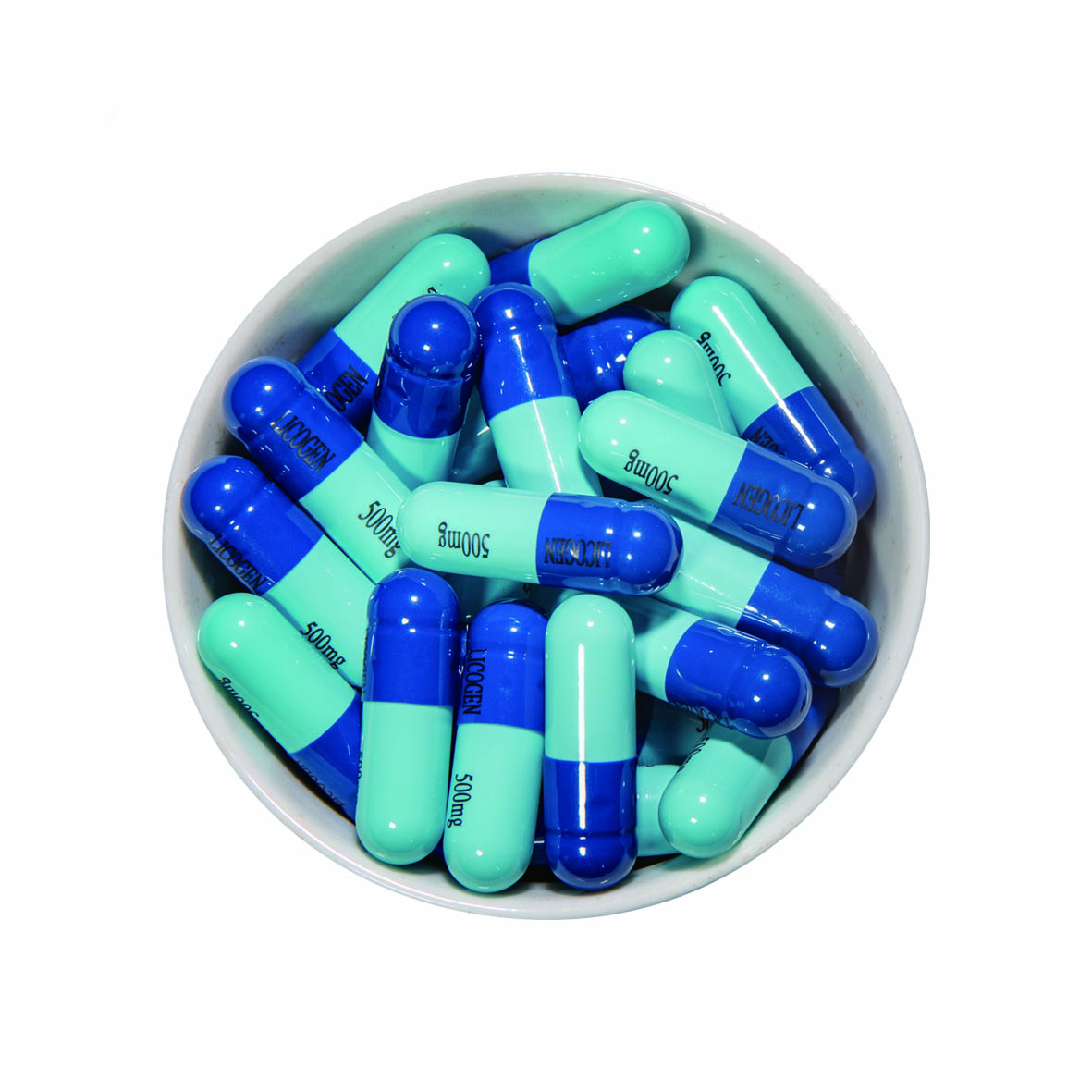 Hard Gelatin Empty Capsule Shell Size 00 0 1 2 3 4
 -
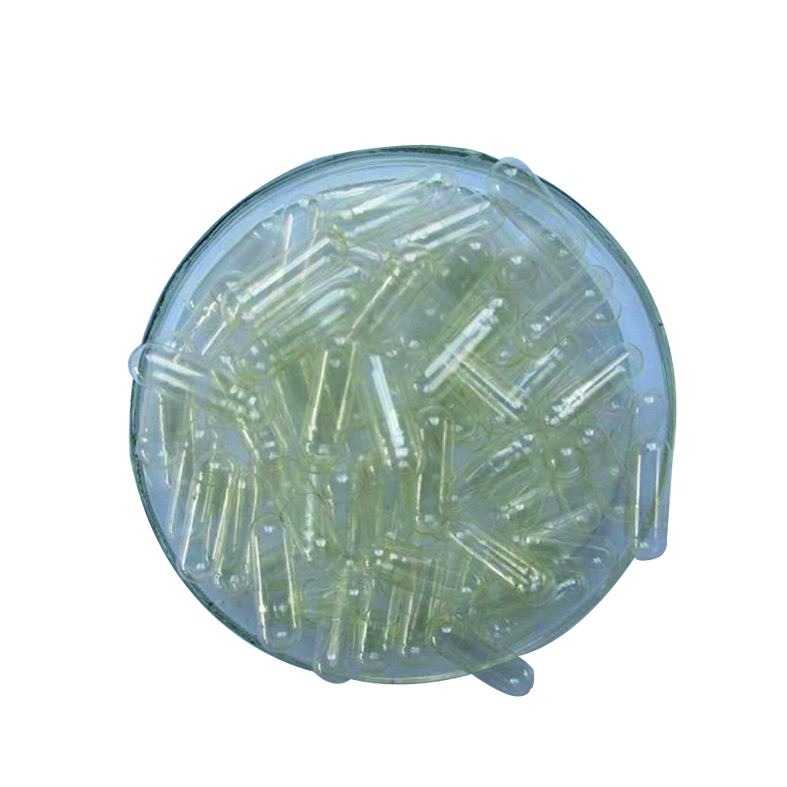 Halal Certificate Empty Clear Hard Gelatin Capsules Shell Size 0
 -
 Hpmc Capsules Product Plant Vegetarian Size 00 0 Capsule Shell
 -
 Vegetarian Separated Capsules HPMC Capsules Separated Wholesale Vegetarian Capsules Discount for Bulk Orders
 -
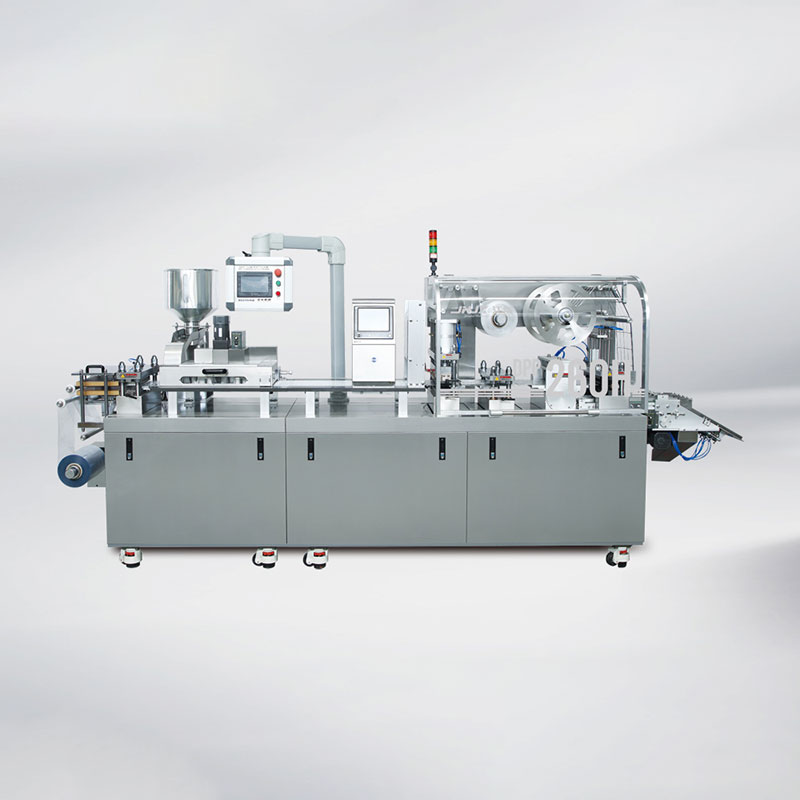 DPP-260H_DPP-320H Flat-plate Blister Packing Machine
 -
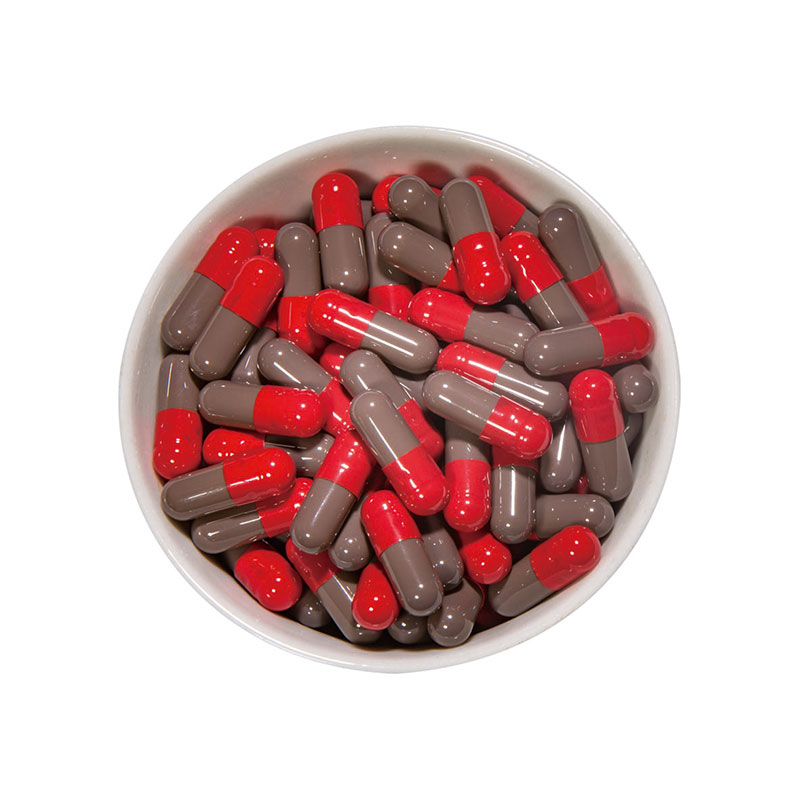 TIO2 free gelatin CAPSULE
 -
 Empty VegCaps Shell Clear Empty Vegan Plant-Based Capsules Size 00 0 1 2 3 4 Natural Vegetable HPMC Capsules
 -
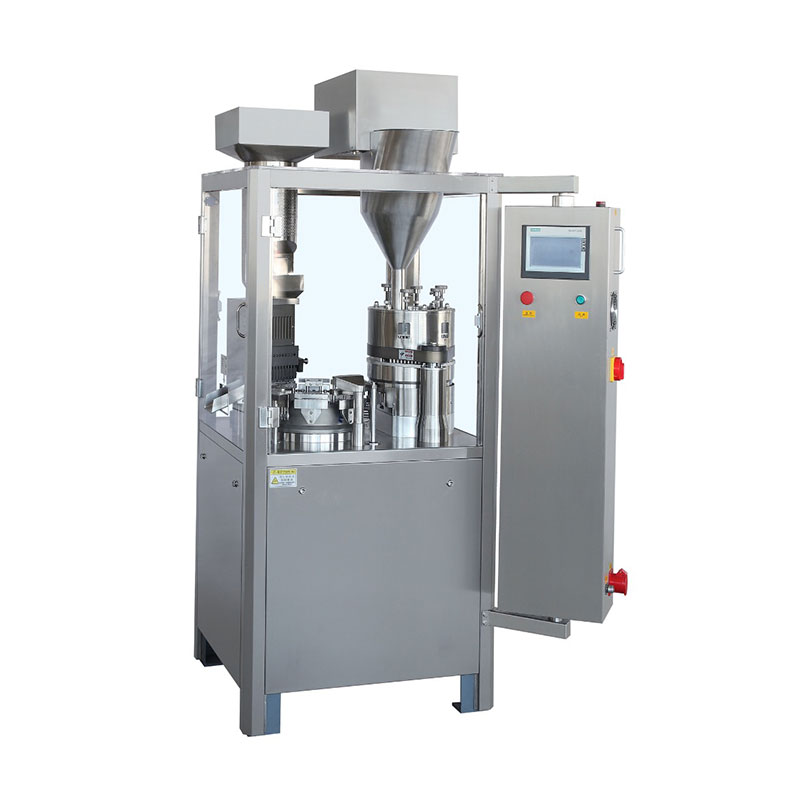 NJP-800 Automatic Capsule Filling Machine
 -
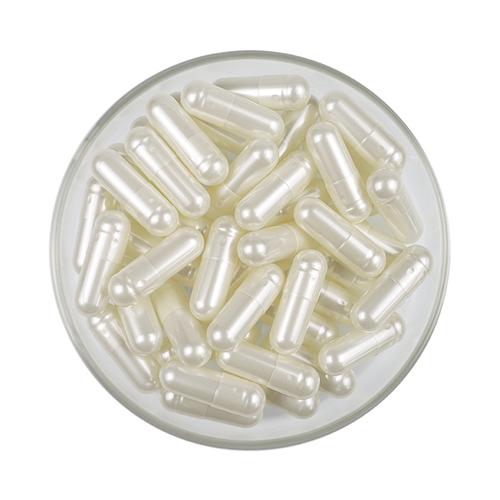 Golden_Pearl Hard Gelatin Capule
 -
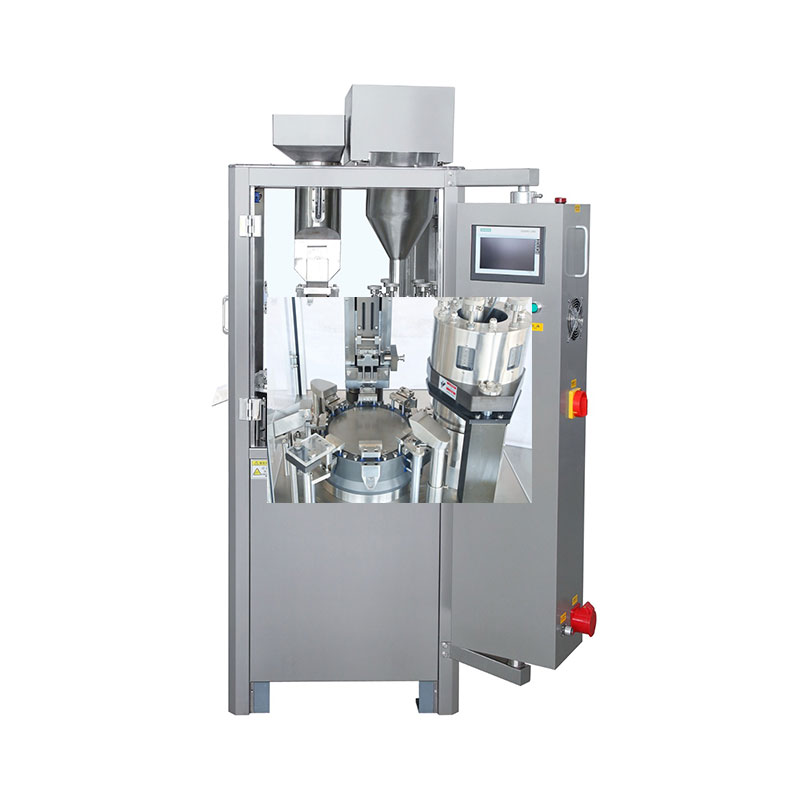 NJP-200 Model Fully Automatic Capsule Filling Machine
 -
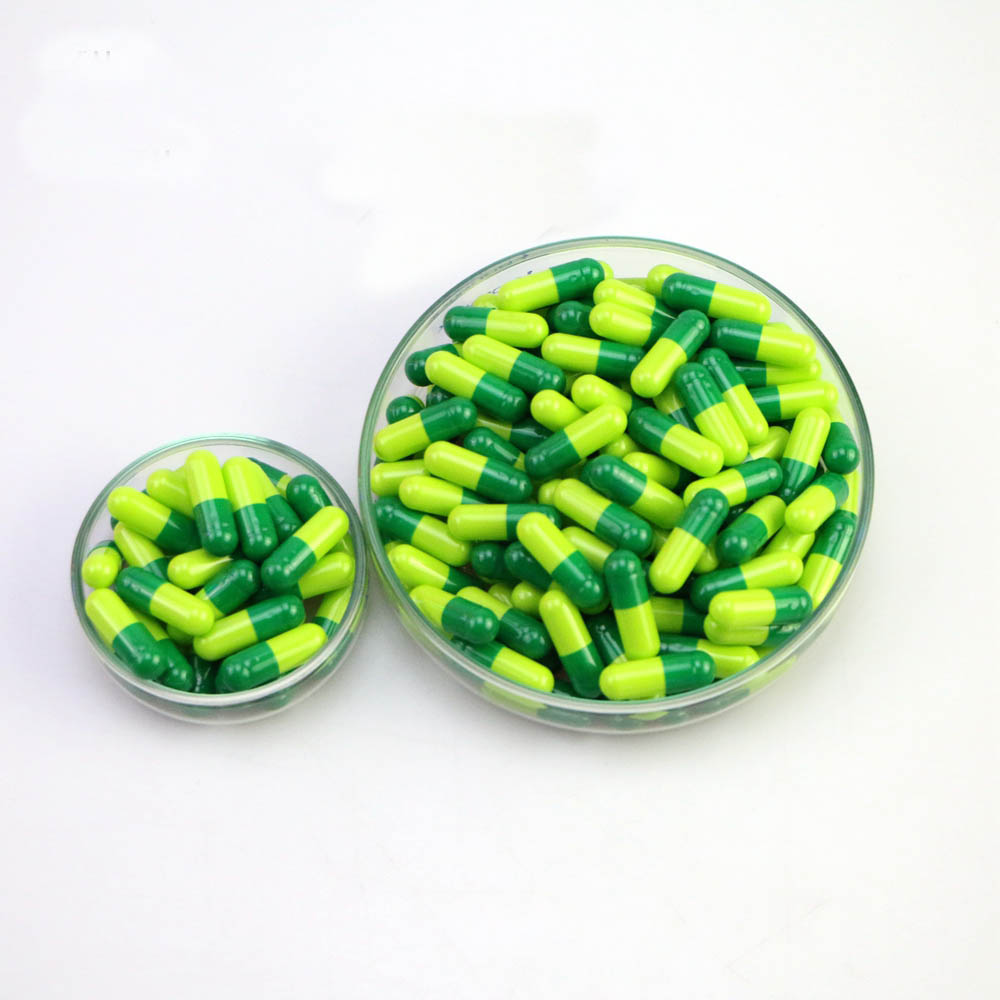 Halal empty hard geltin capsule
Related Search
Related Search- high quality capsule machine filler size 00
- Best capsule filler size 000
- Certificate manual capsule filler size 4
- high quality capsule filler size 000
- Discount pill filling machine
- high quality small automatic capsule filling machine
- Best vegetable capsules 0
- high quality empty veggie capsules
- Best pharma capsule filling machine
- Discount njp 1200 capsule filling machine