
- English
- Chinese
- French
- German
- Portuguese
- Spanish
- Russian
- Japanese
- Korean
- Arabic
- Irish
- Greek
- Turkish
- Italian
- Danish
- Romanian
- Indonesian
- Czech
- Afrikaans
- Swedish
- Polish
- Catalan
- Esperanto
- Hindi
- Lao
- Albanian
- Amharic
- Armenian
- Azerbaijani
- Belarusian
- Bengali
- Bosnian
- Bulgarian
- Cebuano
- Chichewa
- Corsican
- Croatian
- Dutch
- Estonian
- Filipino
- Finnish
- Frisian
- Galician
- Georgian
- Gujarati
- Haitian
- Hausa
- Hawaiian
- Hebrew
- Hmong
- Hungarian
- Icelandic
- Igbo
- Javanese
- Kannada
- Kazakh
- Khmer
- Kurdish
- Kyrgyz
- Latin
- Latvian
- Lithuanian
- Luxembou..
- Macedonian
- Malagasy
- Malay
- Malayalam
- Maltese
- Maori
- Marathi
- Mongolian
- Burmese
- Nepali
- Norwegian
- Pashto
- Persian
- Punjabi
- Serbian
- Sesotho
- Sinhala
- Slovak
- Slovenian
- Somali
- Samoan
- Scots Gaelic
- Shona
- Sindhi
- Sundanese
- Swahili
- Tajik
- Tamil
- Telugu
- Thai
- Ukrainian
- Urdu
- Uzbek
- Vietnamese
- Welsh
- Xhosa
- Yiddish
- Yoruba
- Zulu
- Kinyarwanda
- Tatar
- Oriya
- Turkmen
- Uyghur


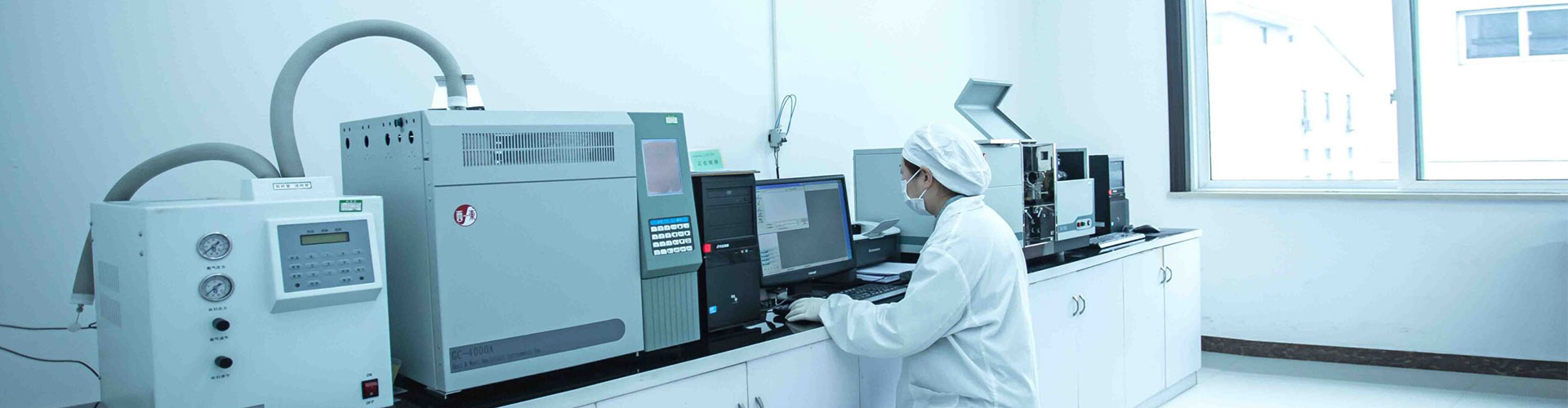
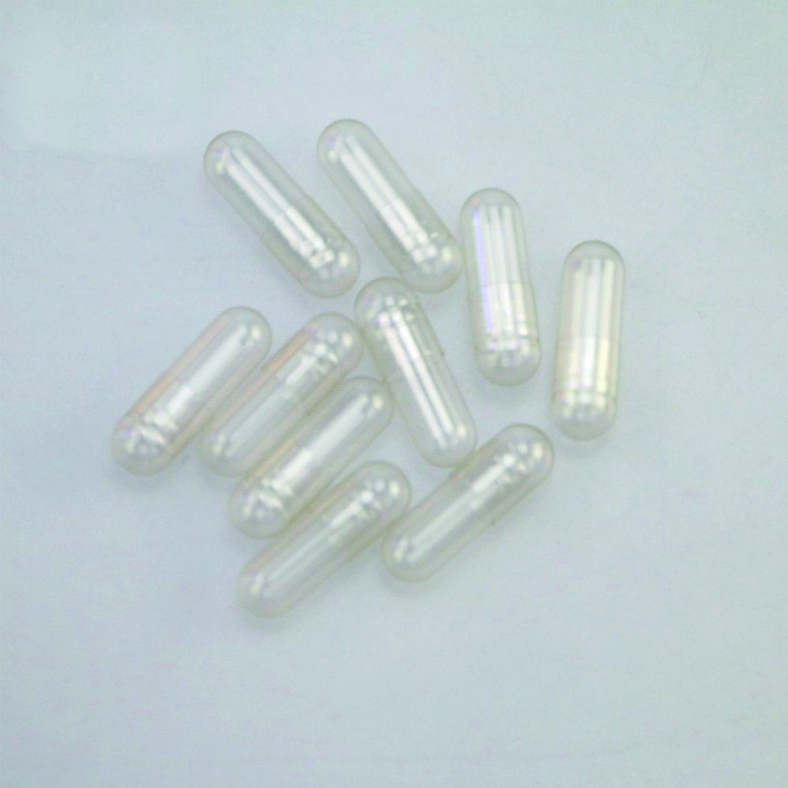
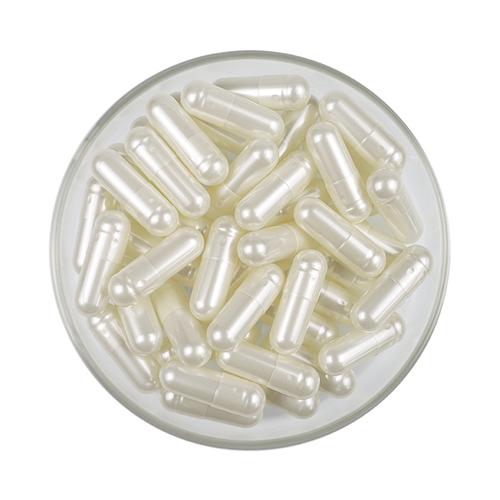
empty CLEAR HPMC CAPSULE SIZE 00
The Unseen World of Empty CLEAR HPMC Capsules Size 00
When it comes to the pharmaceutical industry, particularly in the field of drug delivery systems, empty CLEAR HPMC capsules size 00 often serve as unsung heroes. For those involved in pharmaceutical manufacturing, these capsules are much more than mere containers; they are essential tools in ensuring the integrity and efficacy of active ingredients. Yet, misconceptions abound regarding their use and benefits.
Understanding the Basics
At first glance, empty CLEAR HPMC capsules might seem straightforward. However, these capsules have specific attributes that make them crucial in drug development. Made from hydroxypropyl methylcellulose, they're an excellent choice for those seeking a vegetarian or vegan alternative to traditional gelatin capsules.
Unlike gelatin, HPMC is plant-based, which not only aligns with dietary preferences but also provides stability under varying environmental conditions. This means less hassle regarding storage and fewer concerns about capsule integrity during transportation.
Yet, in my experience, adapting processes to accommodate these capsules isn't always straightforward. Factors like moisture content and capsule brittleness can present unexpected challenges. Practical testing in various humidity settings often reveals crucial adjustments needed in production.
Why Size 00 Matters
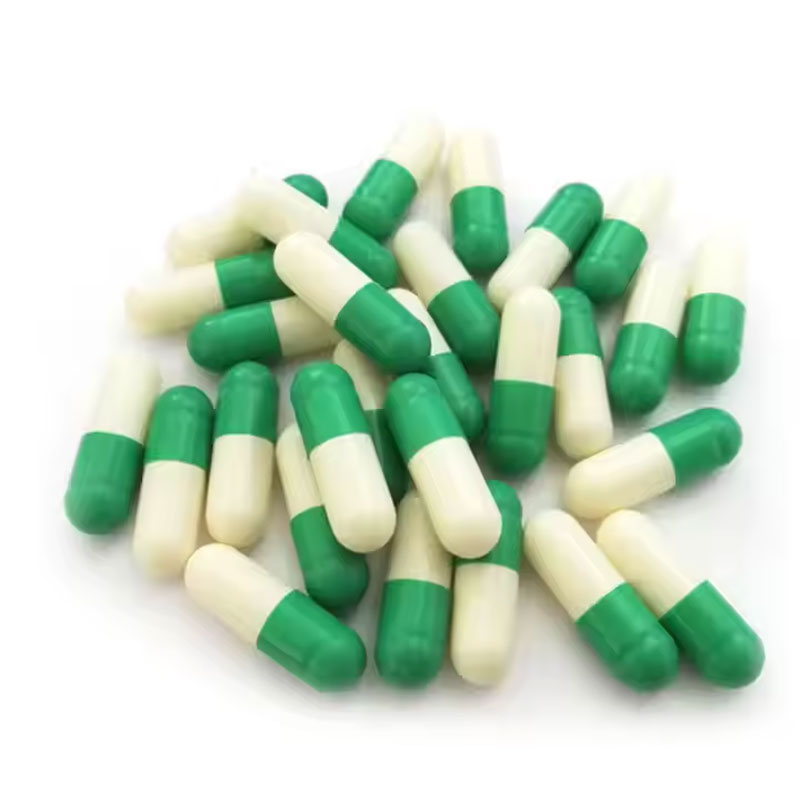
The significance of size 00 lies in its capacity and ease of use. With a volume of around 0.91 ml, it is ideal for a range of formulations. Its popularity stems from a delicate balance—it holds enough material for many applications while remaining user-friendly for patient consumption.
I've found that size 00 capsules offer a sweet spot—reducing the frequency of dosing for users without becoming unwieldy. However, ensuring uniform fill in these capsules requires precise equipment and careful monitoring of flow properties.
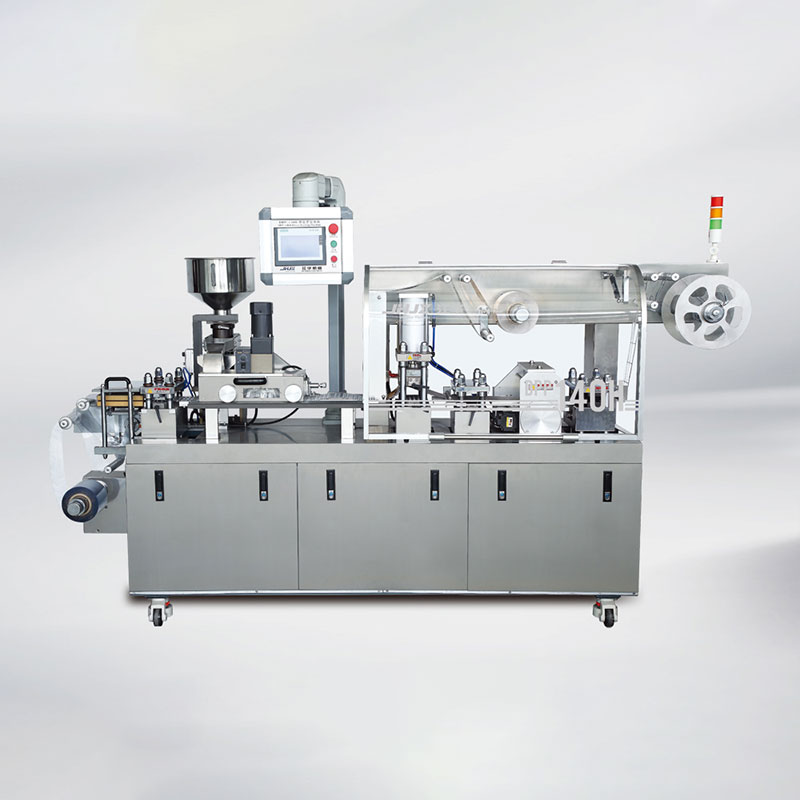
Companies like SUQIAN KELAIYA INTERNATIONAL TRADING CO., LTD, with their extensive manufacturing facilities in Zhejiang and Jiangsu, have made significant strides in optimizing the production lines to accommodate such nuances. They continue to refine their techniques, utilizing state-of-the-art capsule filling and blister machines.
Addressing Common Misconceptions
A common pitfall is assuming that HPMC capsules are always the best choice. While they offer many benefits, not all formulations are suited for this material. Certain hygroscopic powders might pose challenges, causing the capsules to soften or become brittle.
In my tenure, understanding the compatibility of your formulation with capsule material is paramount. Testing different environmental conditions is crucial before full-scale production. Trust me, nothing is more frustrating than discovering issues post-manufacturing.
Moreover, while HPMC capsules are generally more stable, they are sensitive during the encapsulation process. Calibration of machinery and consistent oversight are required to prevent issues like capsule splitting—a common woe among newcomers.
Practical Considerations in Manufacturing
At SUQIAN KELAIYA, we often engage in rigorous testing phases that involve both manual inspection and automated systems to ensure each capsule meets industry standards. Err on the side of caution, especially when switching from gelatin to HPMC. Initial test batches are vital.
Correct machinery setup is pivotal. Any oversight can lead to inconsistent fills or damage the capsules themselves. The tactile experience of handling these capsules is just as important—something that often gets overlooked amid all the digital metrics.
Our collaboration with equipment manufacturers and ongoing training of personnel ensures that issues are swiftly addressed, and processes are continually optimized. This synergy is crucial for keeping up with evolving pharmaceutical demands.
Future Prospects and Innovations
Innovation never sleeps in this field. The drive to formulate more effective and patient-friendly medications continues to steer the evolution of capsule technology. Empty CLEAR HPMC capsules are no exception, with ongoing research focusing on enhancing solubility and bioavailability.
At SUQIAN KELAIYA, we're also exploring new material compositions that could further extend the stability and application of these capsules. For instance, combining HPMC with other excipients to create hybrid solutions shows promising potential.
Ultimately, the future of drug delivery might well depend on these versatile capsules. As more industries recognize their value, the realm of possibilities widens—not just for manufacturers but also for end-users seeking better therapeutic outcomes.
Related Products
Related Products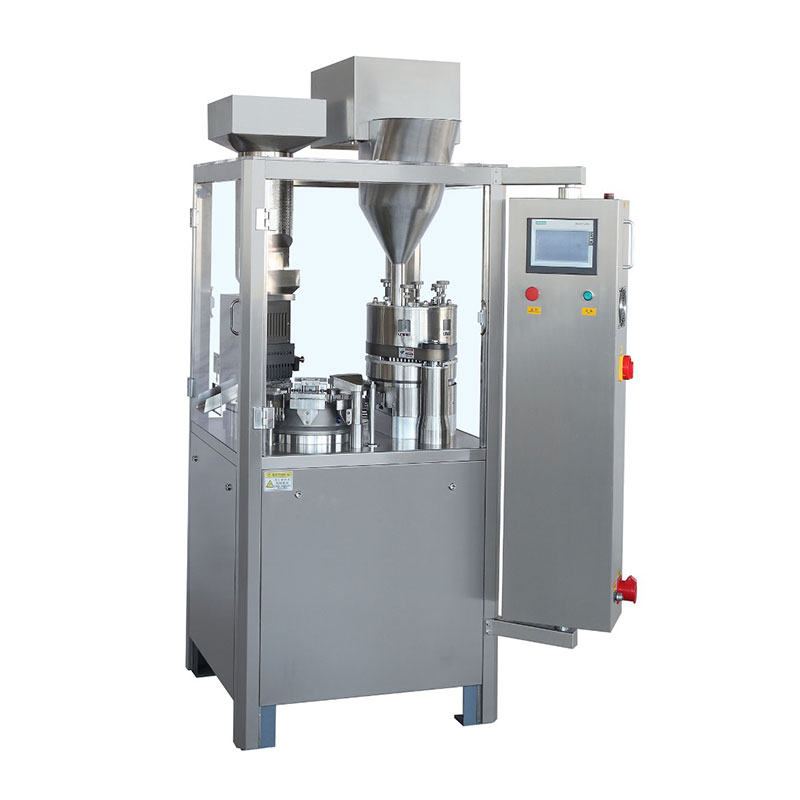
Best Selling Products
Best Selling Products-
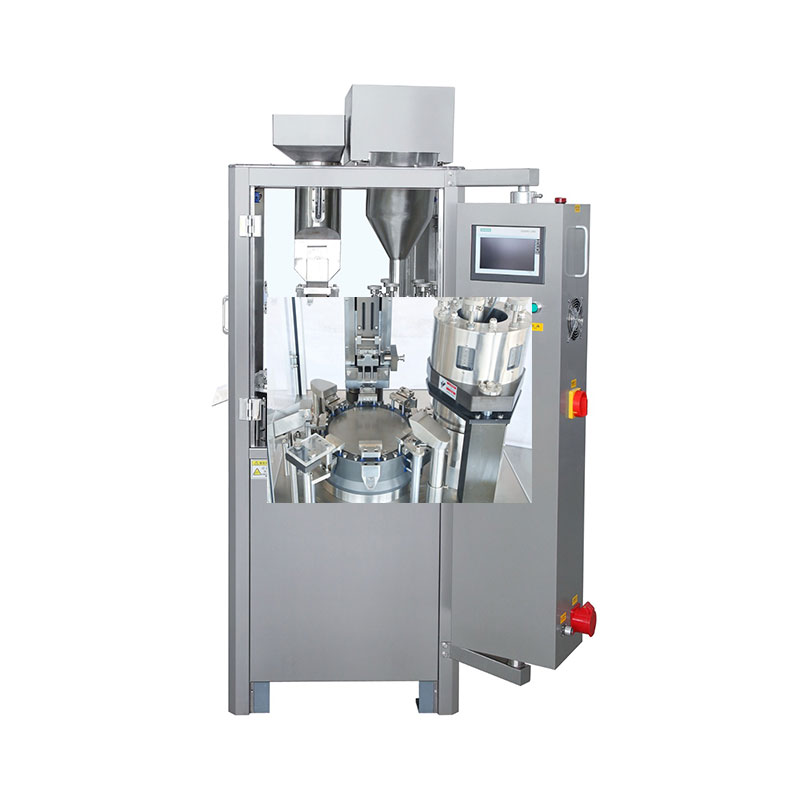 NJP-200 Model Fully Automatic Capsule Filling Machine
 -
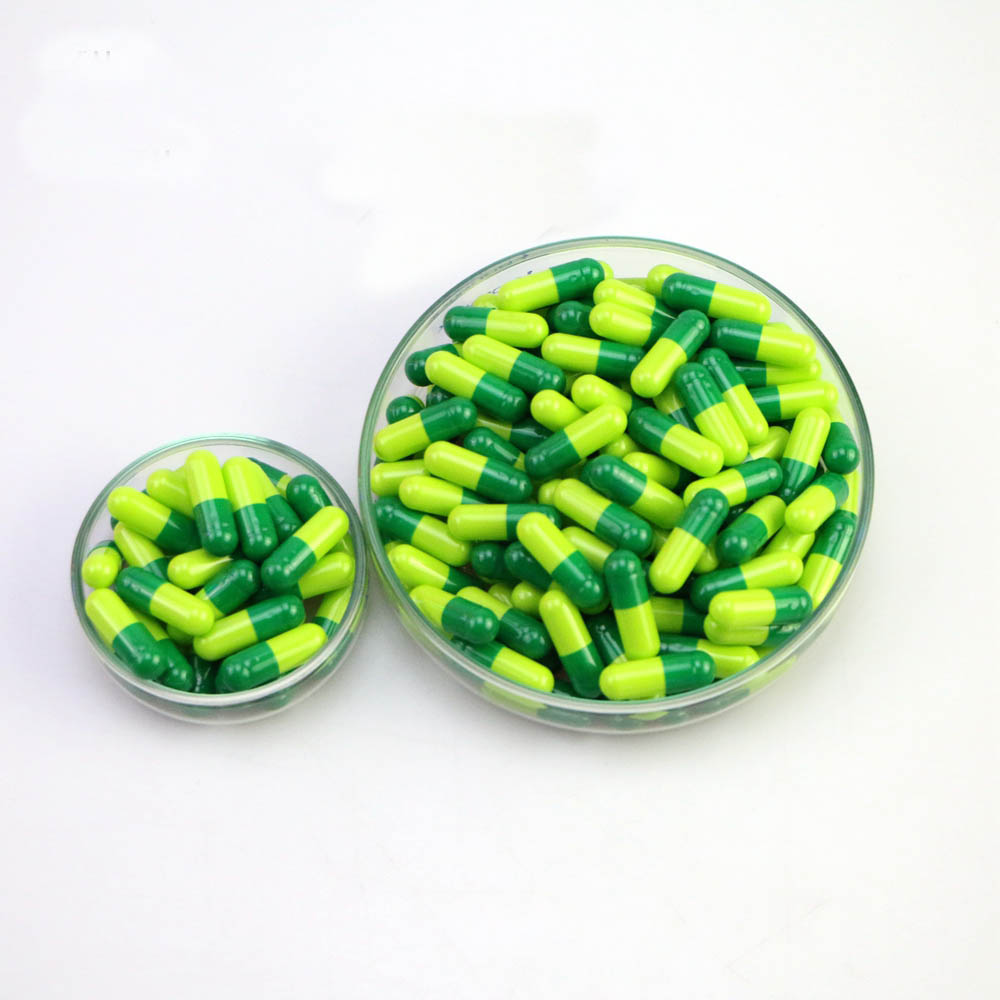 Halal empty hard geltin capsule
 -
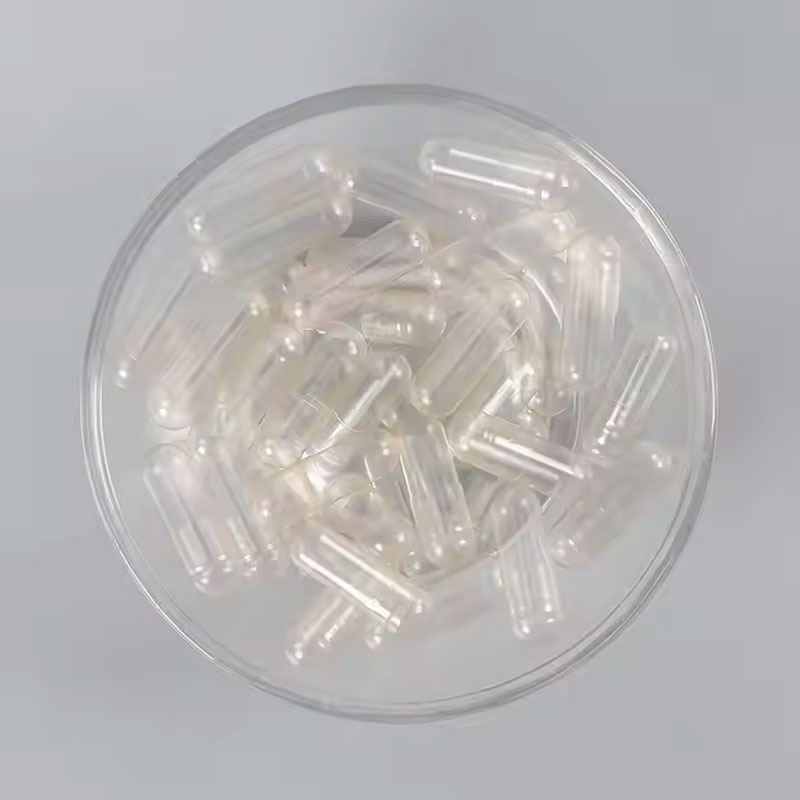 Hpmc Capsules Product Plant Vegetarian Size 00 0 Capsule Shell
 -
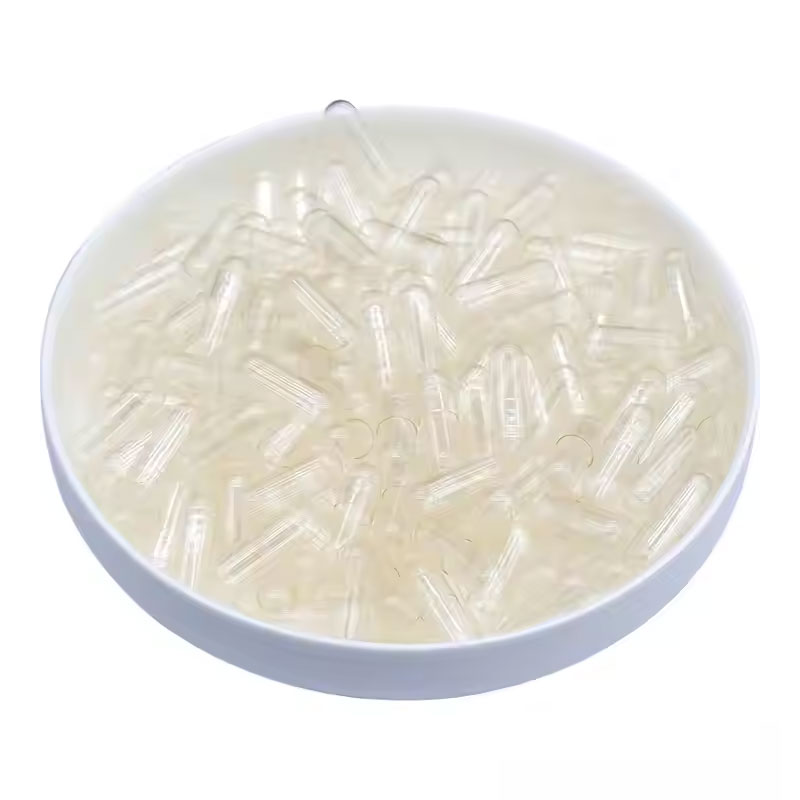 EMPTY VEGATABLE CAPSULE CLEAR SIZE 0
 -
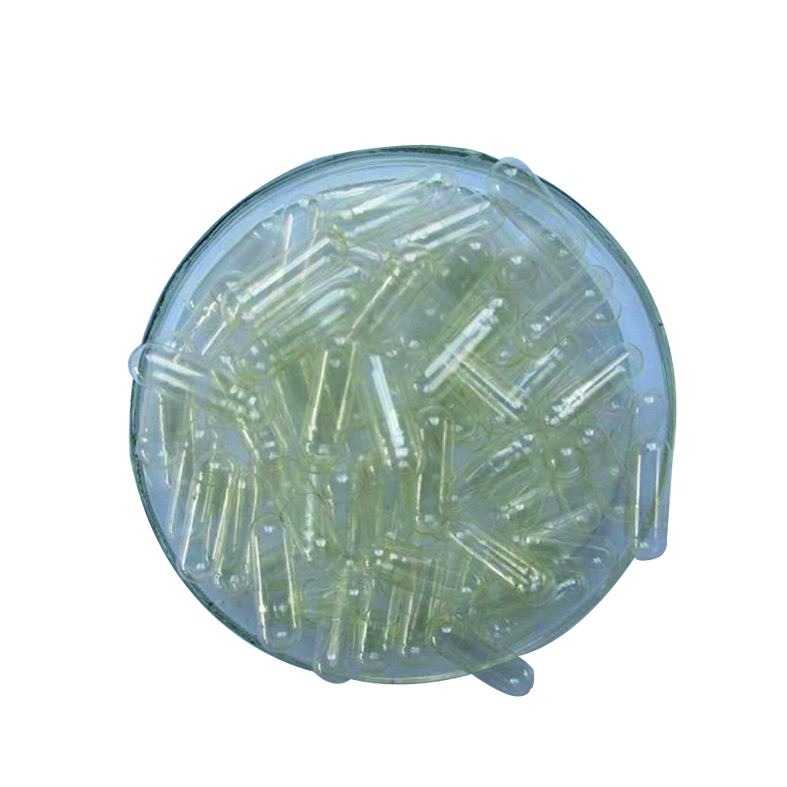 Halal Certificate Empty Clear Hard Gelatin Capsules Shell Size 0
 -
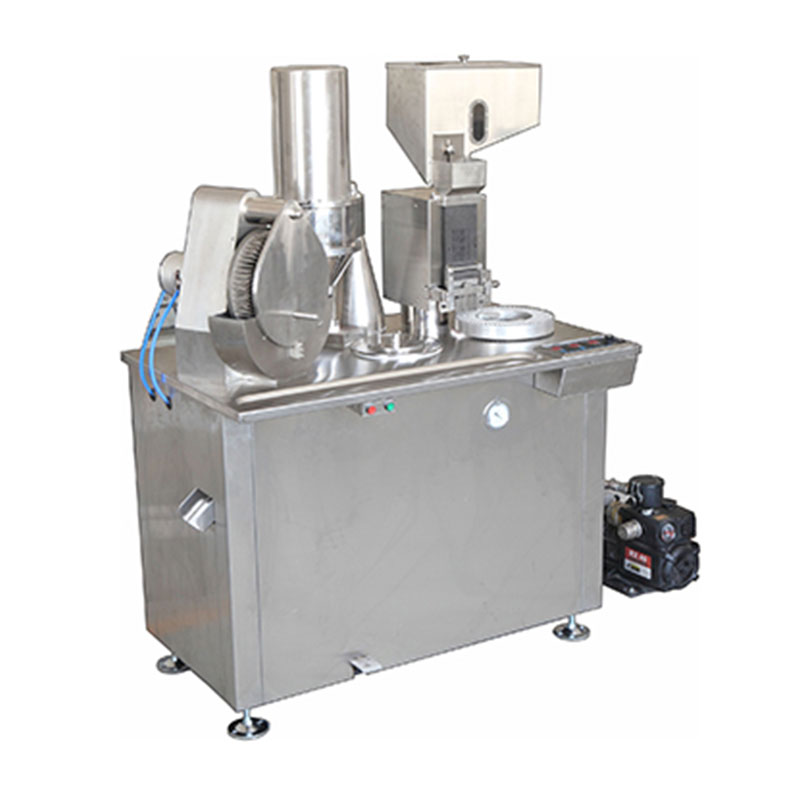 CGN208-D Newest Type Semi Automatic Capsule Filling Machine
 -
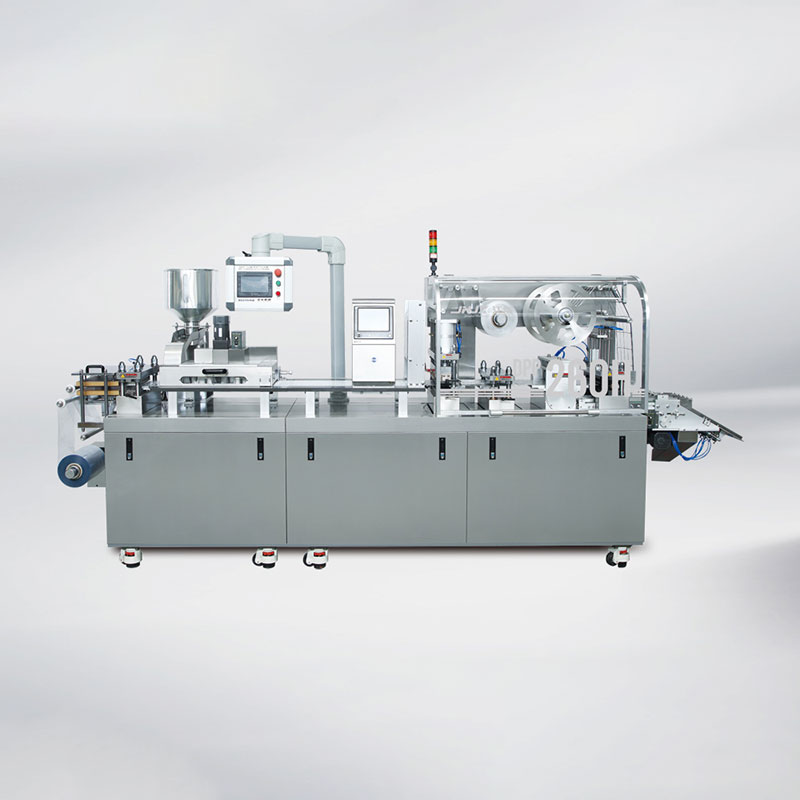 DPP-260H_DPP-320H Flat-plate Blister Packing Machine
 -
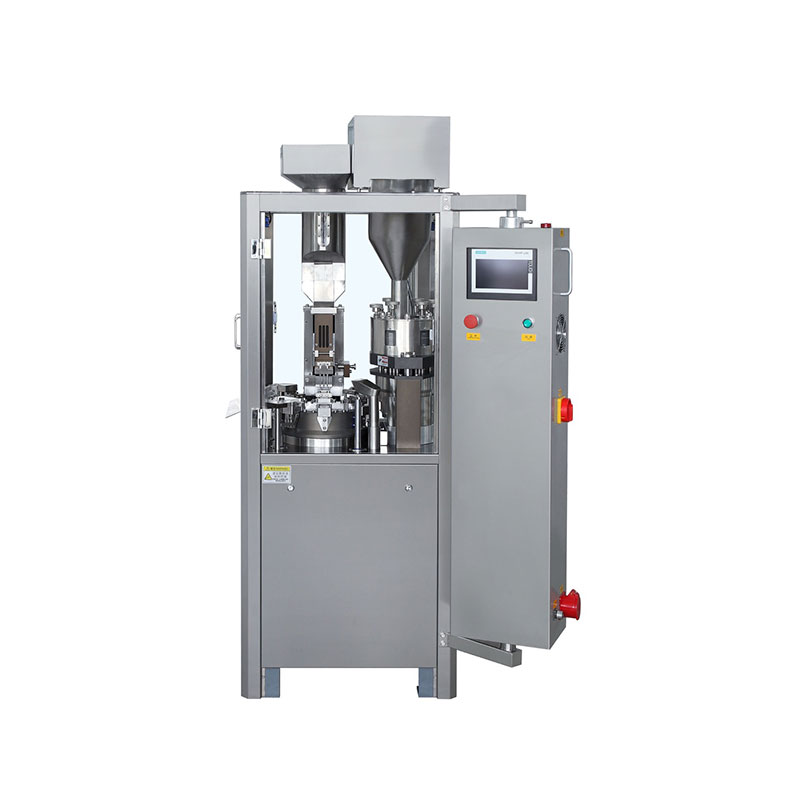 NJP-400 Fully Automatic Capsule Filling Machine
 -
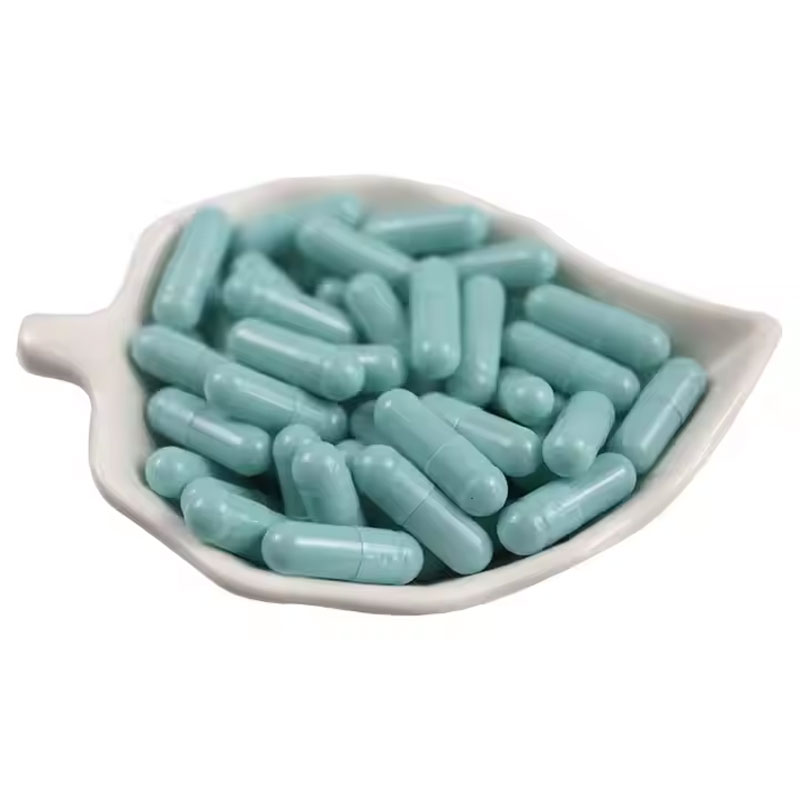 Vegetarian Separated Capsules HPMC Capsules Separated Wholesale Vegetarian Capsules Discount for Bulk Orders
 -
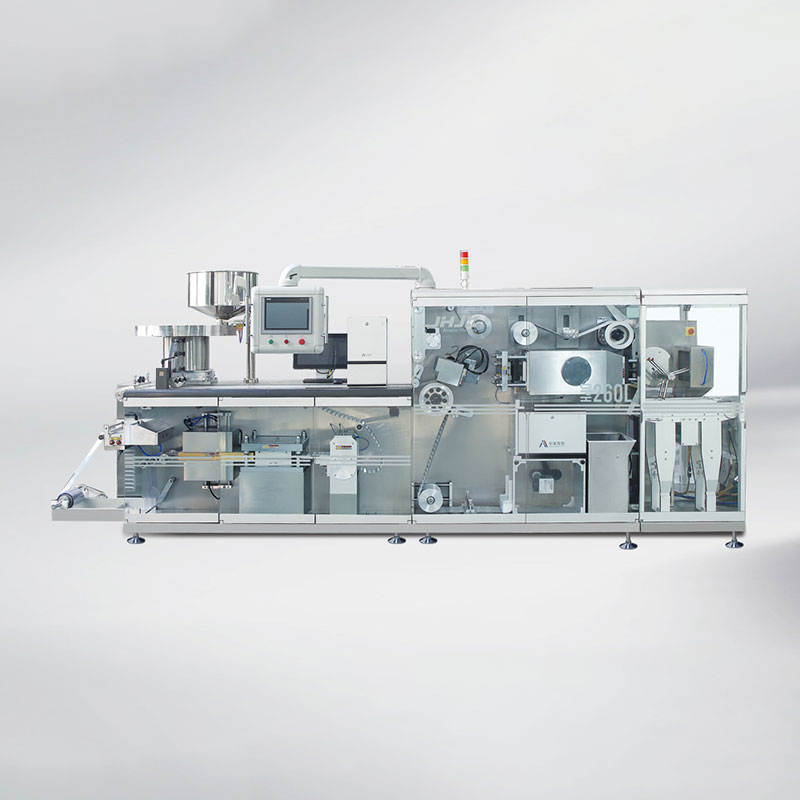 DPH-260L Roll-plate Blister Packaging Machine
 -
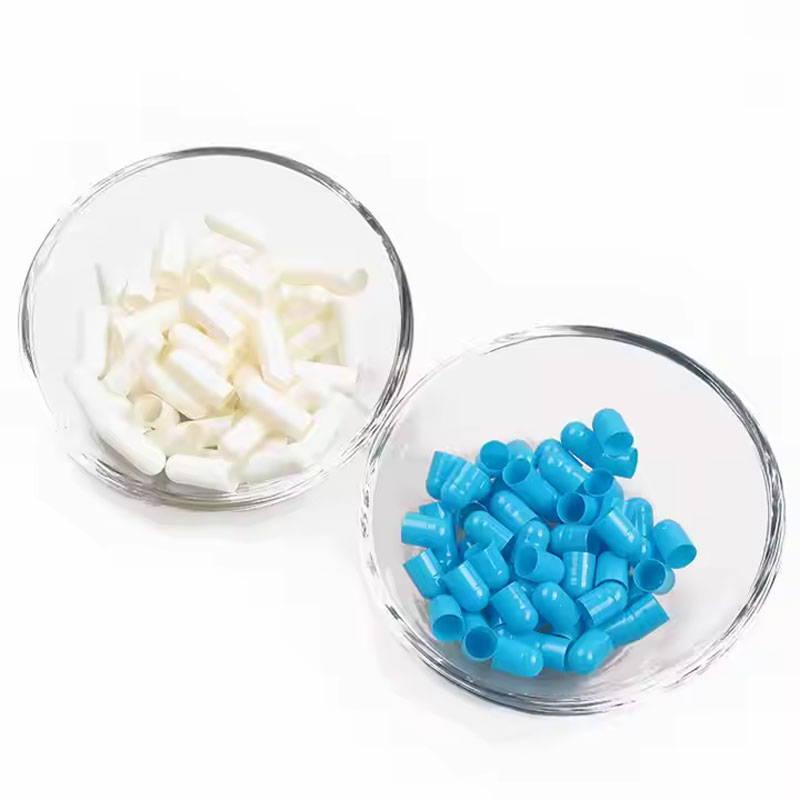 Empty VegCaps Shell Clear Empty Vegan Plant-Based Capsules Size 00 0 1 2 3 4 Natural Vegetable HPMC Capsules
 -
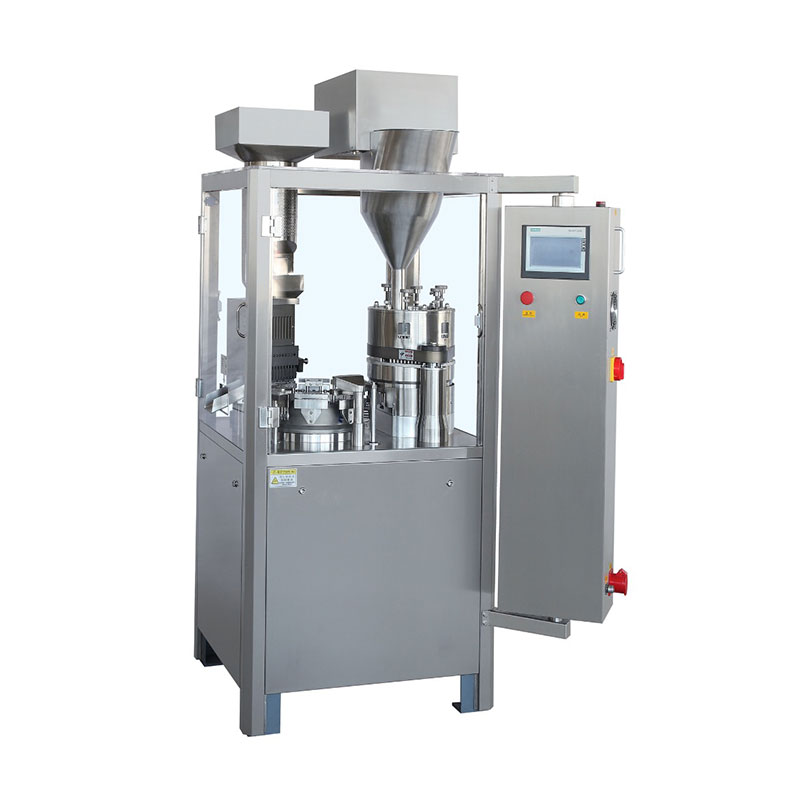 NJP-800 Automatic Capsule Filling Machine
Related Search
Related Search- empty vegetarian capsules size 00
- Best size 3 capsule filling machine
- Certificate size 1 capsule filling machine
- Best best vegetable capsules
- filler used in hard gelatin capsule
- DPP 260 Blister machine
- vegetarian capsules size 00
- Certificate Blister machine FOR CAPSULE
- high quality njp 800
- njp capsule filling machine