
- English
- Chinese
- French
- German
- Portuguese
- Spanish
- Russian
- Japanese
- Korean
- Arabic
- Irish
- Greek
- Turkish
- Italian
- Danish
- Romanian
- Indonesian
- Czech
- Afrikaans
- Swedish
- Polish
- Catalan
- Esperanto
- Hindi
- Lao
- Albanian
- Amharic
- Armenian
- Azerbaijani
- Belarusian
- Bengali
- Bosnian
- Bulgarian
- Cebuano
- Chichewa
- Corsican
- Croatian
- Dutch
- Estonian
- Filipino
- Finnish
- Frisian
- Galician
- Georgian
- Gujarati
- Haitian
- Hausa
- Hawaiian
- Hebrew
- Hmong
- Hungarian
- Icelandic
- Igbo
- Javanese
- Kannada
- Kazakh
- Khmer
- Kurdish
- Kyrgyz
- Latin
- Latvian
- Lithuanian
- Luxembou..
- Macedonian
- Malagasy
- Malay
- Malayalam
- Maltese
- Maori
- Marathi
- Mongolian
- Burmese
- Nepali
- Norwegian
- Pashto
- Persian
- Punjabi
- Serbian
- Sesotho
- Sinhala
- Slovak
- Slovenian
- Somali
- Samoan
- Scots Gaelic
- Shona
- Sindhi
- Sundanese
- Swahili
- Tajik
- Tamil
- Telugu
- Thai
- Ukrainian
- Urdu
- Uzbek
- Vietnamese
- Welsh
- Xhosa
- Yiddish
- Yoruba
- Zulu
- Kinyarwanda
- Tatar
- Oriya
- Turkmen
- Uyghur



DPP 80 Blister machinePVC/ALU
The Intricacies of DPP 80 Blister Machine PVC/ALU
Blister packaging is ubiquitous in industries that handle pharmaceuticals and consumer goods. The DPP 80 Blister machine for PVC/ALU configurations is a staple in many production lines, yet there's a surprising amount of misunderstanding surrounding its operations and capabilities. Let me shed some light based on hands-on experience and industry insights.
Understanding the Basics
At first glance, the DPP 80 Blister machine may seem straightforward. Its primary function is to create blister packs using PVC and aluminum. These materials are the standard choice due to their barrier properties and cost-effectiveness. But saying that this machine simply seals products is an understatement.
This machine is crucial in ensuring product integrity and shelf-life. Based on my engagement with similar machines, paying attention to temperature settings and material properties can mean the difference between perfect seals and product recalls. The art is in the calibration—variables like material thickness and ambient conditions can throw off sealing quality.
A common oversight? Neglecting air pressure adjustments. During one project, improper pressure compromised the entire blister pack's integrity, leading to wasted batches. It’s a lesson many learn the hard way, but adjustments make all the difference.
Challenges in Operation
What many overlook are the nuances in different material behaviors. PVC behaves one way, aluminum another. This dual-material operation requires precision. An anecdote comes to mind—when training a new team member, they mistakenly swapped the settings used for a simpler PVC-only machine. Result? Misaligned packs. It was a real lesson in cross-training.
Moreover, maintenance often doesn't get the attention it deserves until a breakdown occurs. I recall an incident at one of the Suqian Kelaiya Corp. sites where an overlooked inspection led to a critical downtime. Routine checks could have prevented it, as buildup from previous runs can obstruct heating elements, increasing power demands and reducing efficiency.
For those dipping their toes in this realm, understanding common pitfalls can save not only money but also time. Being proactive with training and machine understanding pays dividends.
Real-World Applications
With Suqian Kelaiya Corp., which specializes in advanced pharmaceutical processes, integrating a machine like the DPP 80 Blister machine into our operations is pivotal. Our commitment is to quality, and this machine supports our insistence on precision and product safety, alongside our focus on new drug developments.
In Zhejiang and Jiangsu, where we operate, there’s a demand for highly efficient blister packaging. These regions prioritize pharmaceutical integrity, making reliable packaging technology indispensable. The DPP 80, though compact, meets this demand with impressive consistency.
By leveraging this technology, we've streamlined our production techniques, aligning them with international standards. This adaptability, coupled with our strategic approach, sets us apart in a competitive market.
Optimizing Performance
Every machine has its quirks, and the DPP 80 Blister machine is no exception. Fine-tuning requires patience and persistence. It’s akin to a relationship—a balance of understanding and responsiveness. Regularly updating operation protocols based on observed patterns has aided us greatly in keeping efficiency high.
Temperature fluctuations in production areas, often due to seasonal shifts in our regions, occasionally pose operational challenges. We’ve learned to counter these variations by integrating climate control measures in our facilities, ensuring the machine's performance remains unaffected.
Another point to emphasize is the use of high-quality materials. Investing in premium PVC and aluminum has minimized production hitches, signifying that quality inputs often determine output success.
Future Prospects and Innovations
Looking forward, there's a tangible shift towards eco-friendly packaging. Blister machines like the DPP 80 will need to evolve to accommodate biodegradable materials. Suqian Kelaiya Corp. is already testing alternative materials, laying the groundwork for these future innovations.
Digital integration also features prominently in our radar. There’s potential in linking machine operations with smart systems that predict maintenance needs, analyze production data in real-time, and suggest optimizations. These advancements hold promise in enhancing machine uptime and efficiency.
Ultimately, the evolution of the DPP 80 Blister machine reflects a broader industry trend. Staying ahead demands continual adaptation and foresight—values deeply embedded in our ethos at Suqian Kelaiya Corp.
Related Products
Related Products

Best Selling Products
Best Selling Products-
 Hard Gelatin Empty Capsule Shell Size 00 0 1 2 3 4
 -
 Hpmc Capsules Product Plant Vegetarian Size 00 0 Capsule Shell
 -
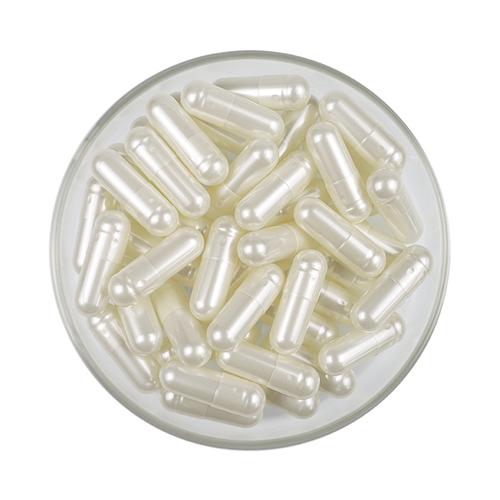 Golden_Pearl Hard Gelatin Capule
 -
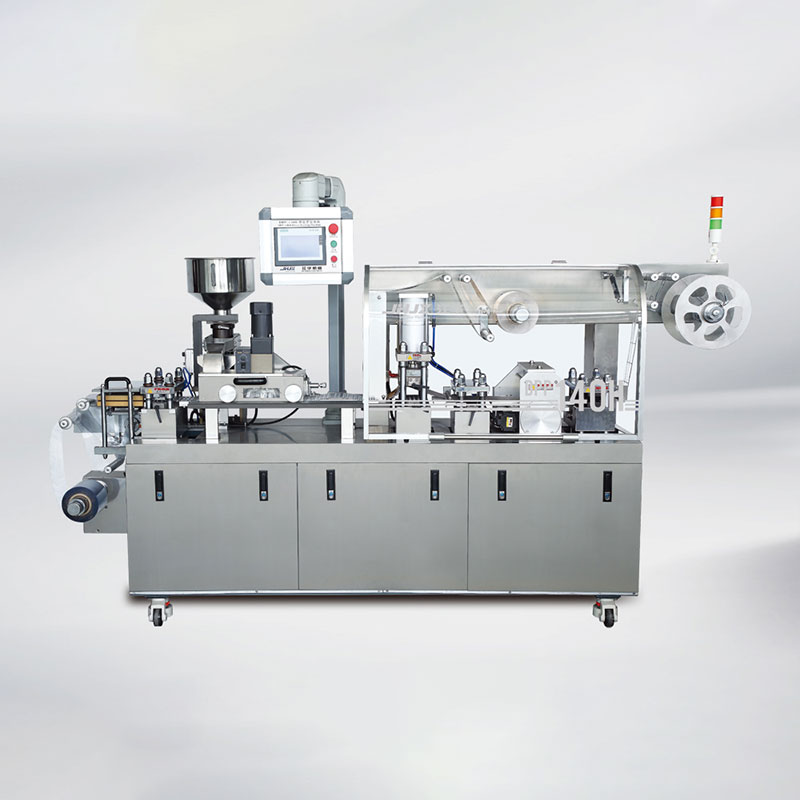 DPP-140H Flat-plate Blister Packing Machine
 -
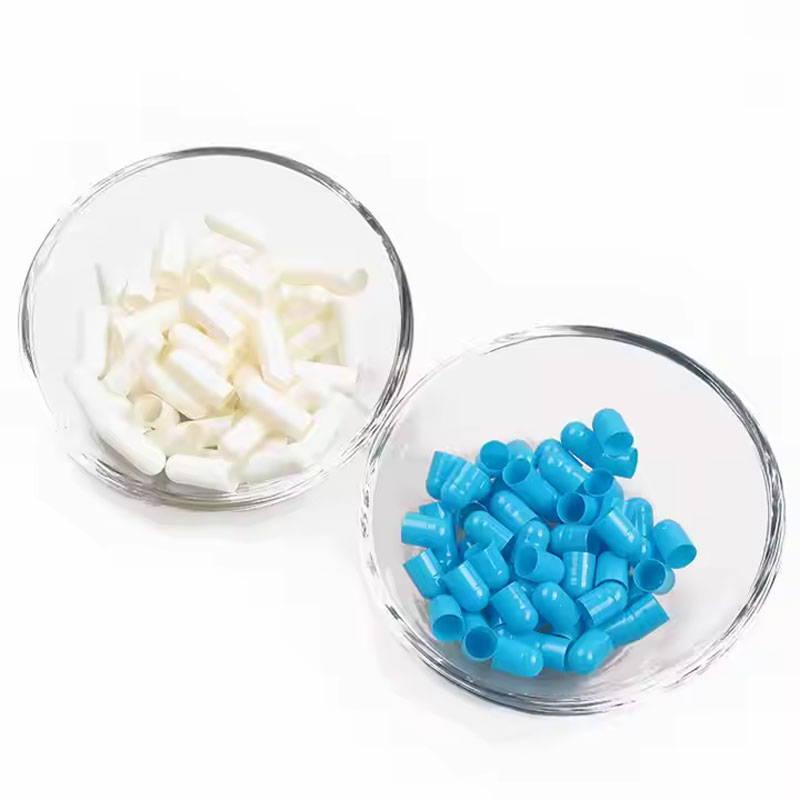 Empty VegCaps Shell Clear Empty Vegan Plant-Based Capsules Size 00 0 1 2 3 4 Natural Vegetable HPMC Capsules
 -
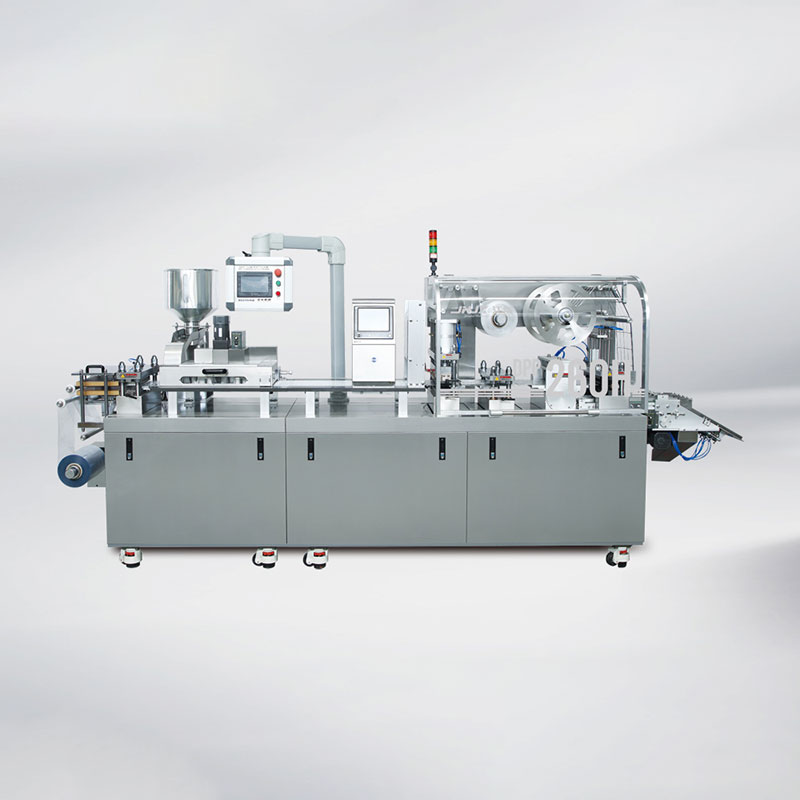 DPP-260H_DPP-320H Flat-plate Blister Packing Machine
 -
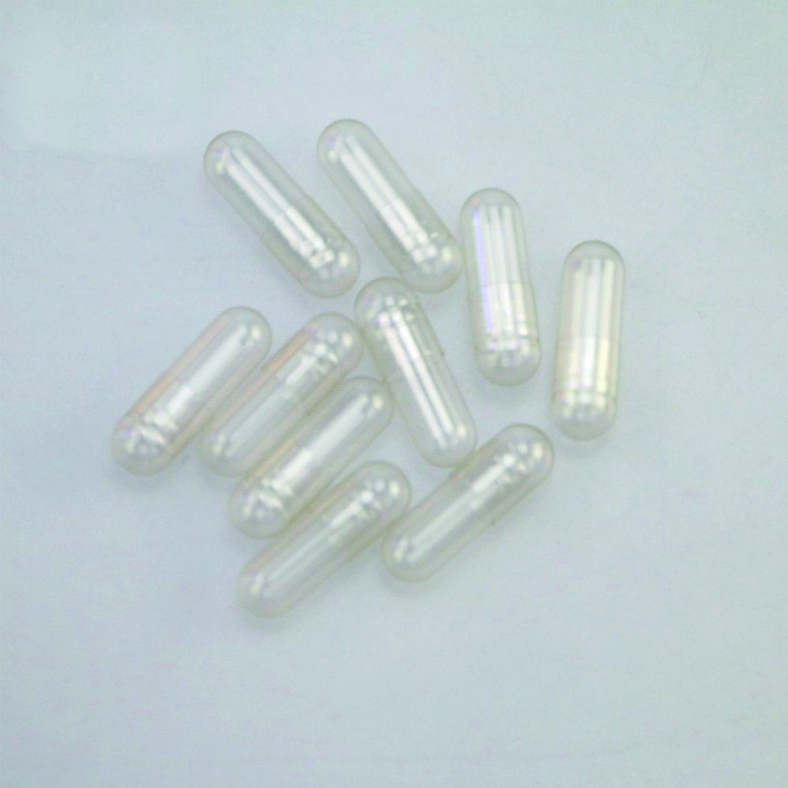 EMPTY HPMC CAPSULE SIZE 00 CLEAR
 -
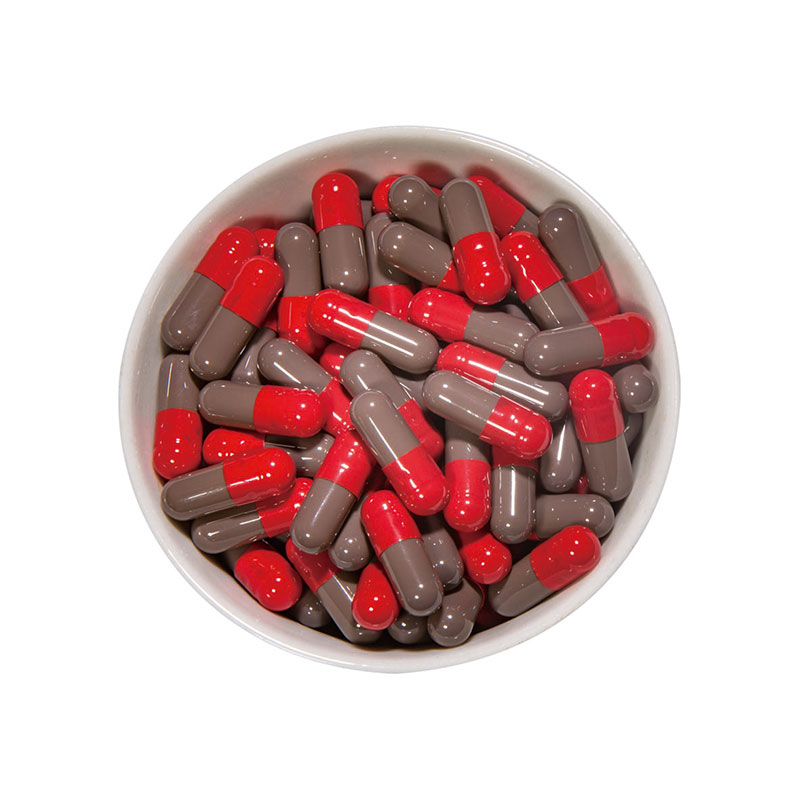 TIO2 free gelatin CAPSULE
 -
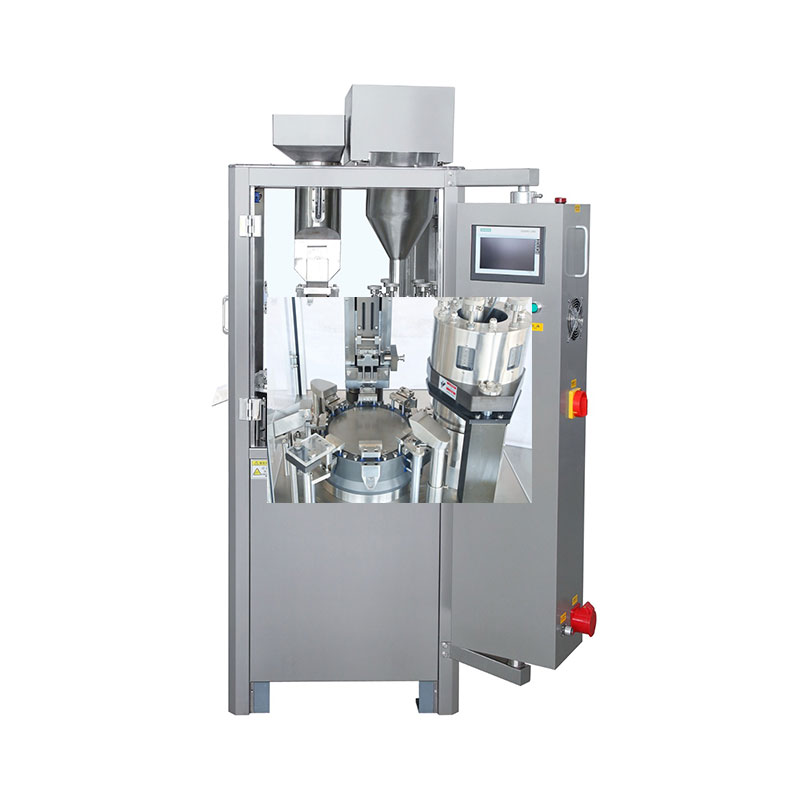 NJP-200 Model Fully Automatic Capsule Filling Machine
 -
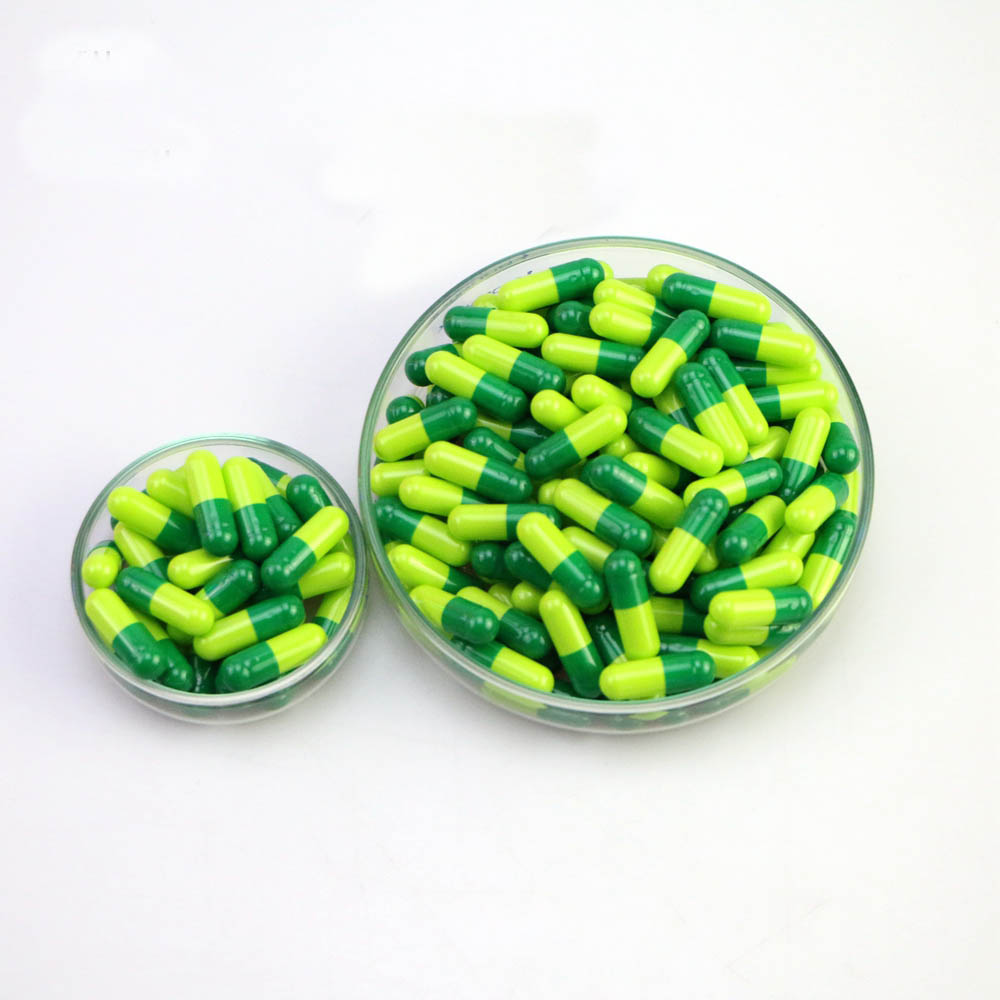 Halal empty hard geltin capsule
 -
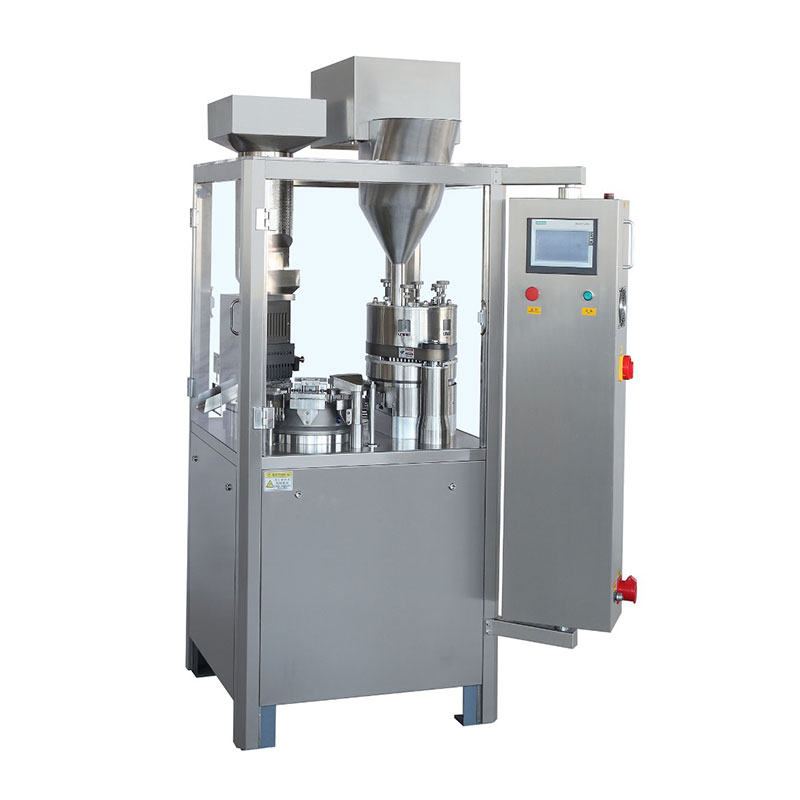 NJP-1200 Automatic Capsule Filling Machine
 -
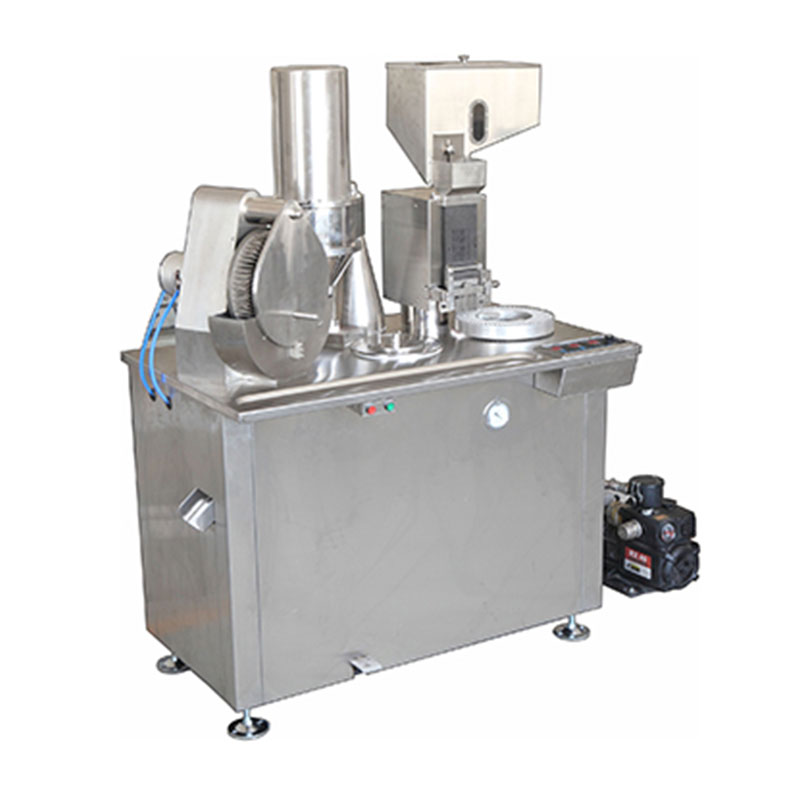 CGN208-D Newest Type Semi Automatic Capsule Filling Machine
Related Search
Related Search- sizes of veggie capsules
- OEM empty vegetarian capsules size 0
- Best best vegetable capsules
- OEM empty vegetarian capsules size 000
- Best capsule filler filling machine
- njp 400 capsule filling machine
- high quality hard gelatin capsule size 0
- Discount vegetable capsules sizes
- OEM capsule filler size 2
- high quality 000 empty vegetarian capsules