
- English
- Chinese
- French
- German
- Portuguese
- Spanish
- Russian
- Japanese
- Korean
- Arabic
- Irish
- Greek
- Turkish
- Italian
- Danish
- Romanian
- Indonesian
- Czech
- Afrikaans
- Swedish
- Polish
- Catalan
- Esperanto
- Hindi
- Lao
- Albanian
- Amharic
- Armenian
- Azerbaijani
- Belarusian
- Bengali
- Bosnian
- Bulgarian
- Cebuano
- Chichewa
- Corsican
- Croatian
- Dutch
- Estonian
- Filipino
- Finnish
- Frisian
- Galician
- Georgian
- Gujarati
- Haitian
- Hausa
- Hawaiian
- Hebrew
- Hmong
- Hungarian
- Icelandic
- Igbo
- Javanese
- Kannada
- Kazakh
- Khmer
- Kurdish
- Kyrgyz
- Latin
- Latvian
- Lithuanian
- Luxembou..
- Macedonian
- Malagasy
- Malay
- Malayalam
- Maltese
- Maori
- Marathi
- Mongolian
- Burmese
- Nepali
- Norwegian
- Pashto
- Persian
- Punjabi
- Serbian
- Sesotho
- Sinhala
- Slovak
- Slovenian
- Somali
- Samoan
- Scots Gaelic
- Shona
- Sindhi
- Sundanese
- Swahili
- Tajik
- Tamil
- Telugu
- Thai
- Ukrainian
- Urdu
- Uzbek
- Vietnamese
- Welsh
- Xhosa
- Yiddish
- Yoruba
- Zulu
- Kinyarwanda
- Tatar
- Oriya
- Turkmen
- Uyghur


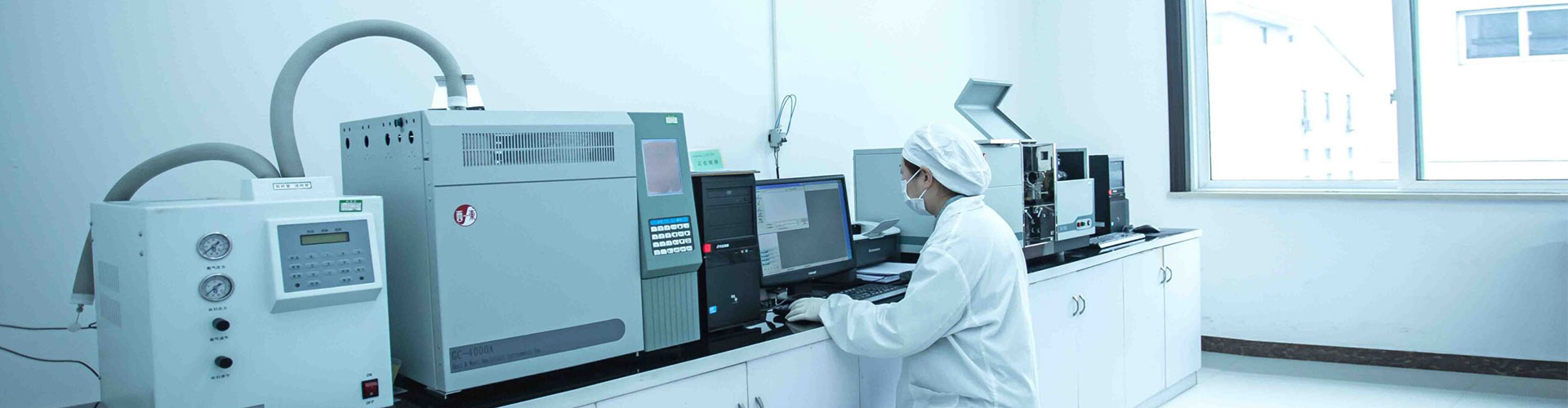
Certificate professional capsule filling machine
Understanding Certificate Professional Capsule Filling Machines
In the world of pharmaceutical manufacturing, the importance of a certificate professional capsule filling machine cannot be overstated. These machines ensure consistency, efficiency, and safety in the encapsulation process. Yet, many often overlook what really makes a filling machine 'professional' and the certifications that validate it.
What Defines a Professional Capsule Filling Machine?
There's a misconception that all capsule filling machines are essentially the same. However, a professional machine stands out due to advanced features, precision, and particularly the certification it carries. Certifications like CE or GMP are not merely labels—they signify that the machine adheres to stringent safety and quality standards, a reassurance both manufacturers and consumers need.
But let's look at this from a practical perspective. When you're in the thick of production, you need reliability more than anything else. A professional-grade machine will minimize downtime and ensure each capsule is filled to exact specifications, maintaining batch consistency.
Take for example the machines supplied by companies such as SUQIAN KELAIYA INTERNATIONAL TRADING CO., LTD. These machines are developed with new drug formulations in mind, benefiting from the company's manufacturing sites in Zhejiang and Jiangsu provinces.
Important Certifications: A Closer Look
Certifications on a capsule filling machine, like a CE mark, mean a great deal more than a stamp of quality. The CE mark indicates conformity with health, safety, and environmental protection standards in Europe. For a company focusing on new drug development, ensuring compliance with such regulations can be a game-changer.
From personal experience, I've seen projects fail when the machine didn’t have the right certification. Not only does this delay approvals, but it also affects the reputation of the manufacturers involved. Lessons learned? Never cut corners on certified equipment.
And beyond CE, a GMP certification assures that the tools used align with Good Manufacturing Practices, a pivotal factor for any pharmaceutical producer who prioritizes product integrity and public safety.
Real-World Challenges with Capsule Filling Machines
Working with these machines isn’t always smooth sailing. One common issue is the machine's adaptability to different capsule sizes and viscosities of materials—a feature that distinguishes high-quality machines. Machines from Suqian Kelaiya corp., for instance, are known for their versatility, accommodating various formulations seamlessly.
But nothing is perfect. I've struggled with older models that didn’t support software updates or lacked the finesse in handling delicate capsule materials. Keeping pace with innovations is crucial, as technology evolves quickly in this field.
Another topic worth mentioning is the availability of spare parts. Machines from established manufacturers like Suqian Kelaiya tend to offer reliable after-sales support, ensuring downtime is minimized with quick access to parts and technical assistance.
Cost and Value of Certification
At first glance, the price tag of a professional capsule filling machine can be daunting. However, consider the long-term returns: efficiency, reliability, and compliance with international standards, which in turn increases market reach. It’s an investment, not an expense.
Scrutinizing cost beyond the purchase price, including maintenance and operation, aligns your budget with reality. Machines with a quality certification often result in lower long-term costs due to fewer repairs and greater energy efficiency.
For those considering entering the market, collaboration with established firms like Suqian Kelaiya corp. can provide insight into balancing cost with quality, an essential consideration for sustainability in this competitive field.
Future Trends in Capsule Filling Machines
Looking forward, automation and AI integration are at the forefront. These technologies promise to enhance precision and reduce human error further. The machines designed by companies like Suqian Kelaiya will likely lead this innovation, contributing significantly to the field.
Keeping an eye on evolving regulations is also vital, as compliance will continue to be a central concern. As machines become more automated, understanding machine learning algorithms and integrating them into production will become essential skills.
Lastly, sustainable practices are gaining traction. Efficient energy use and eco-friendly materials are not just trends but requirements for future machines. Manufacturers meeting these needs will undoubtedly stand out.
Related Products
Related Products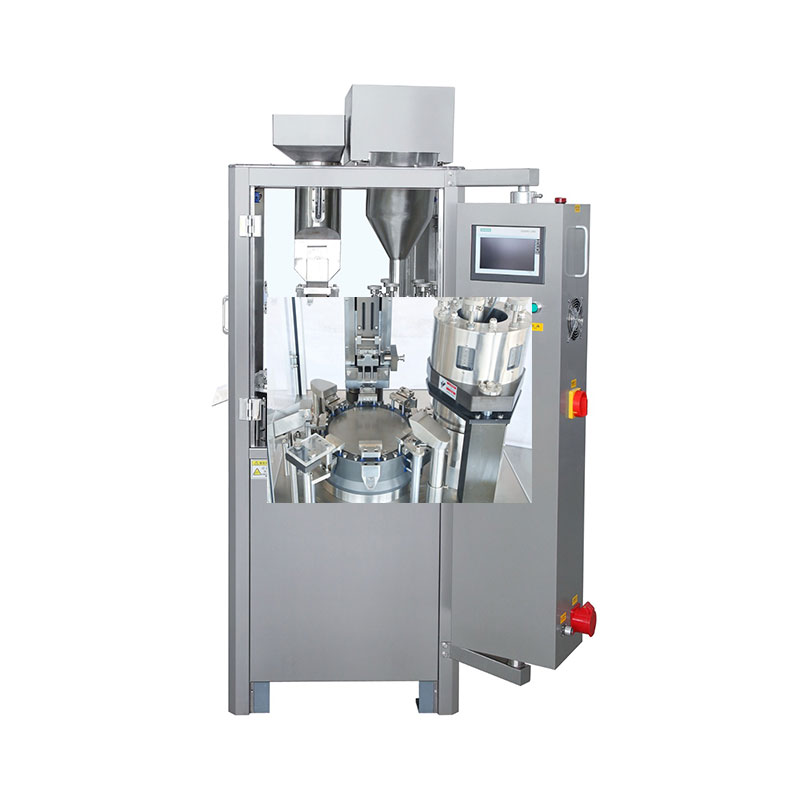

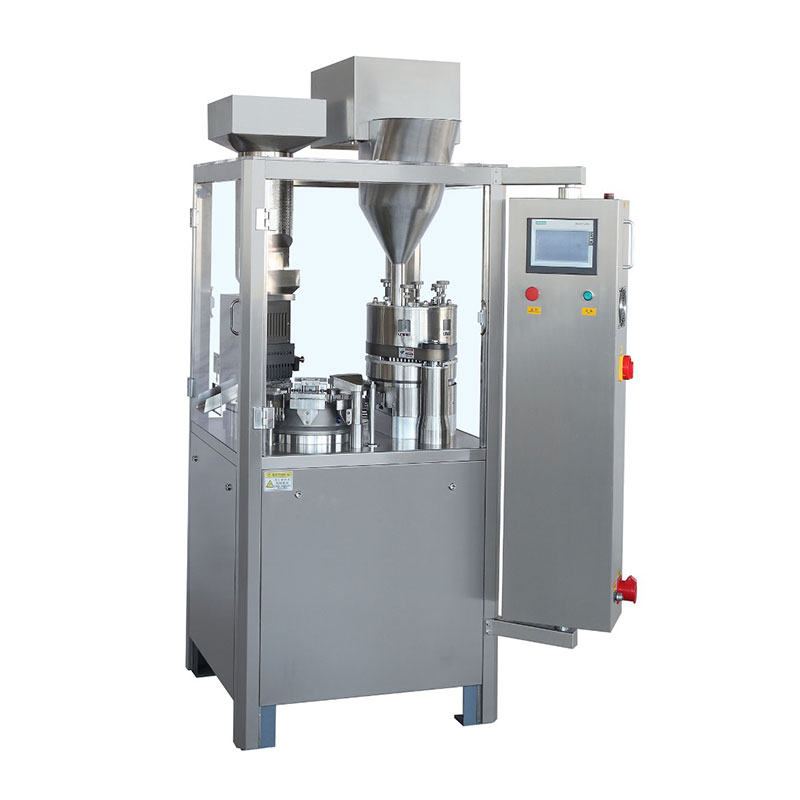

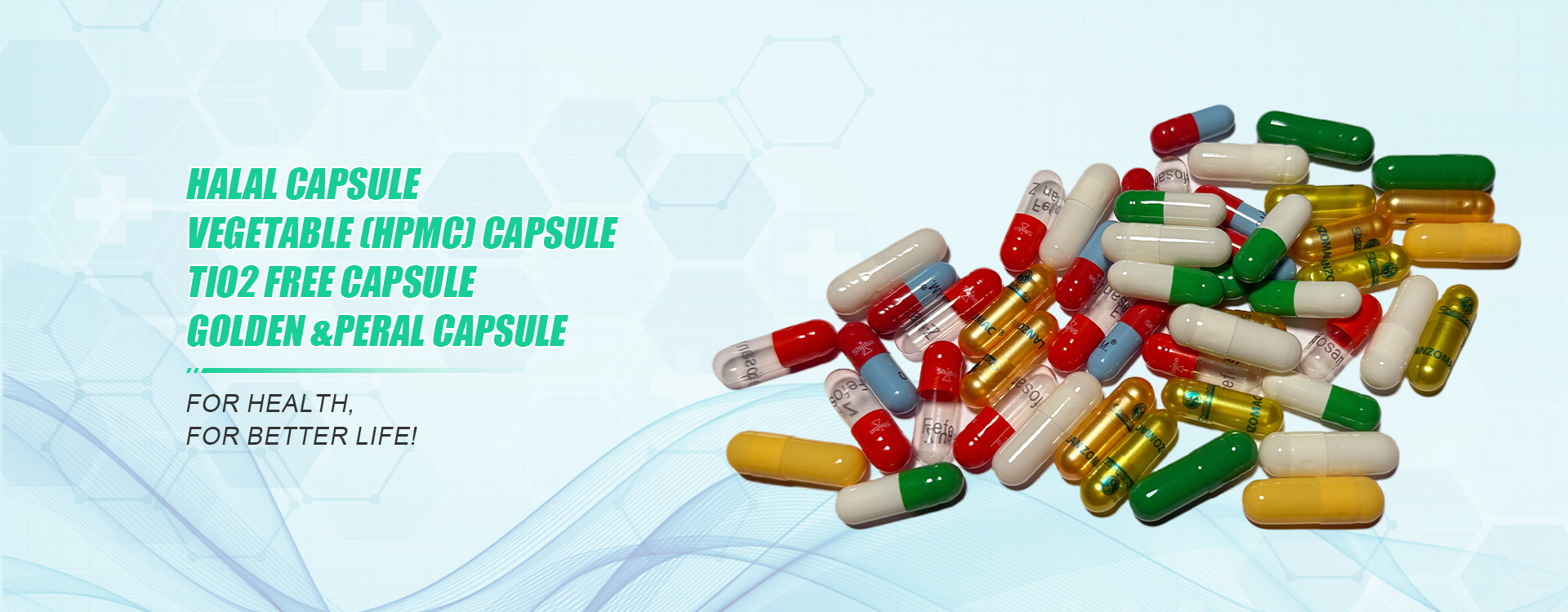
Best Selling Products
Best Selling Products-
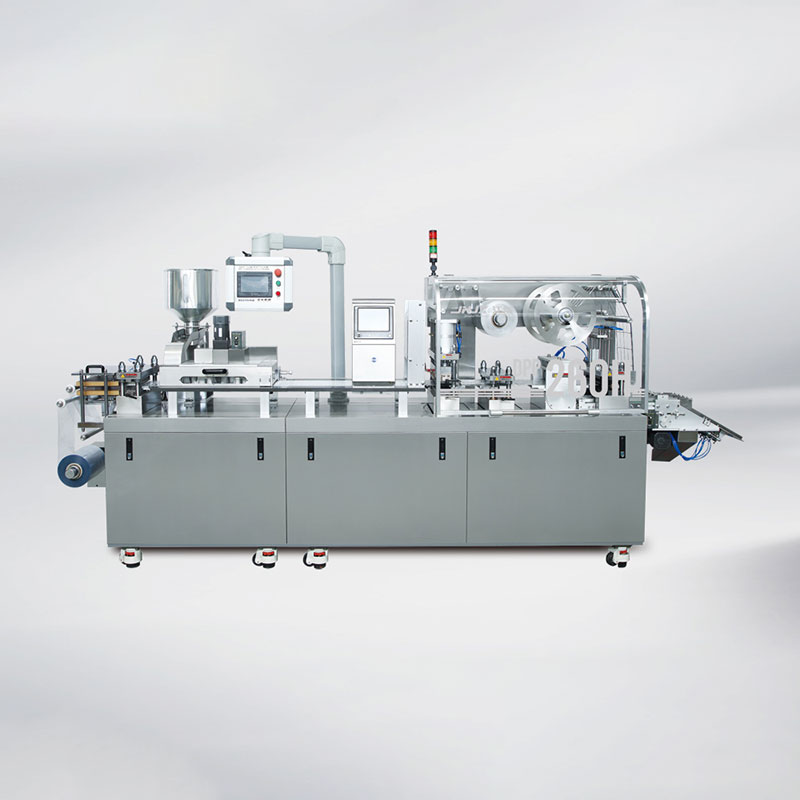 DPP-260H_DPP-320H Flat-plate Blister Packing Machine
 -
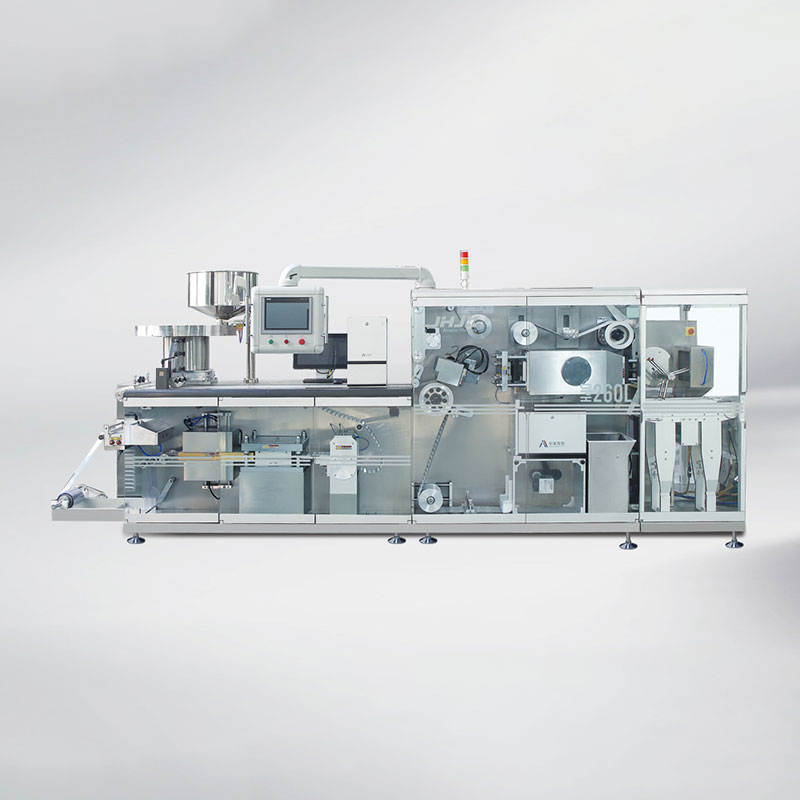 DPH-260L Roll-plate Blister Packaging Machine
 -
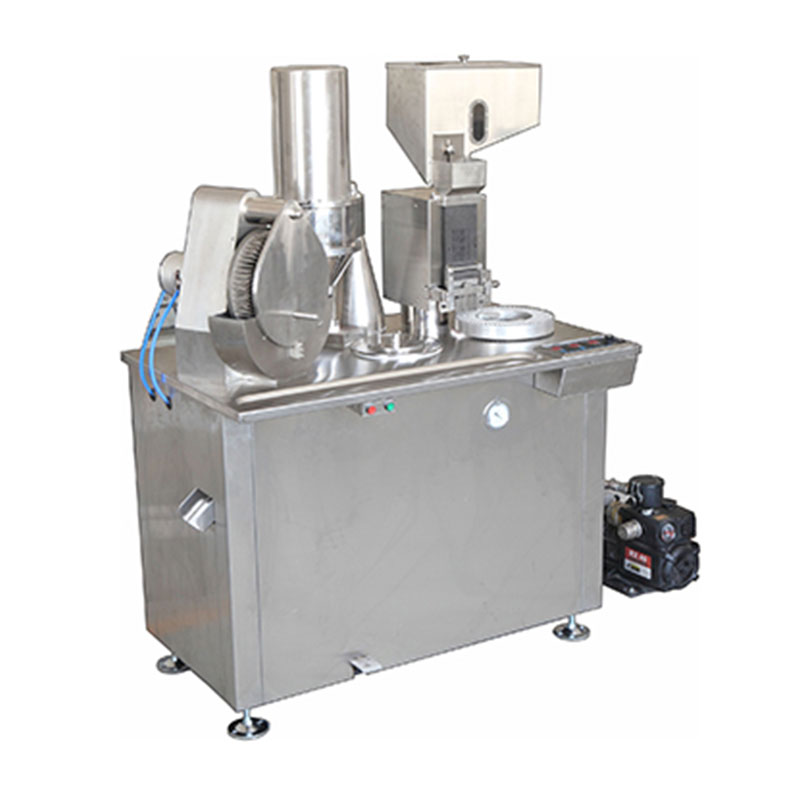 CGN208-D Newest Type Semi Automatic Capsule Filling Machine
 -
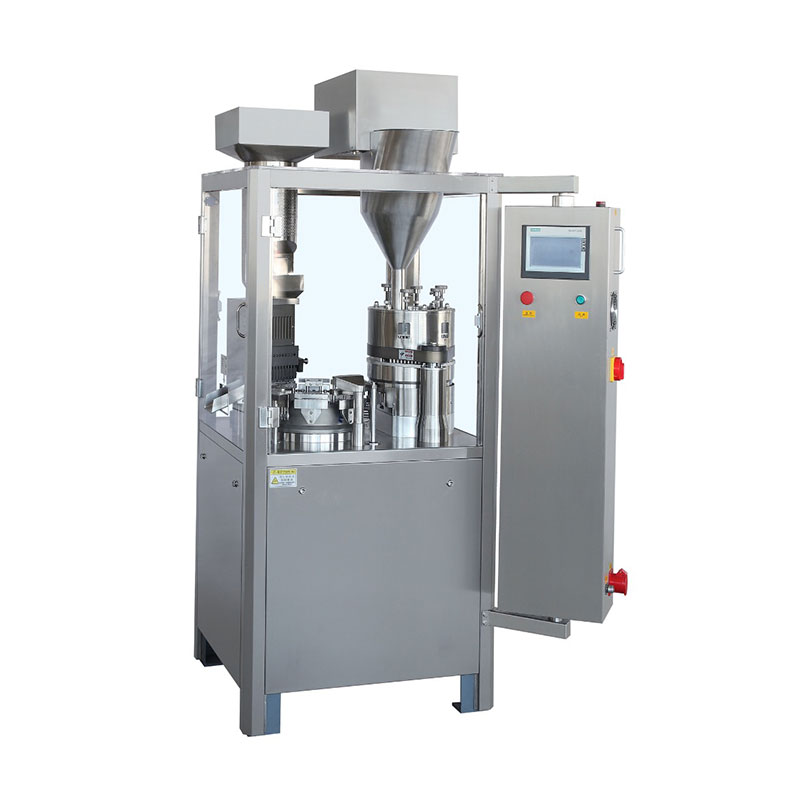 NJP-800 Automatic Capsule Filling Machine
 -
 Hpmc Capsules Product Plant Vegetarian Size 00 0 Capsule Shell
 -
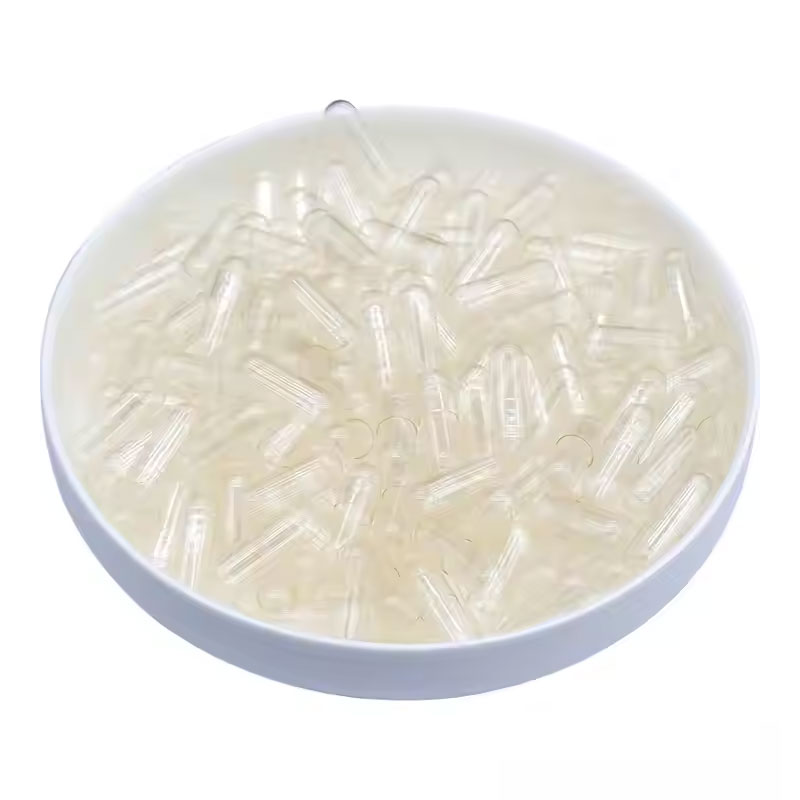 EMPTY VEGATABLE CAPSULE CLEAR SIZE 0
 -
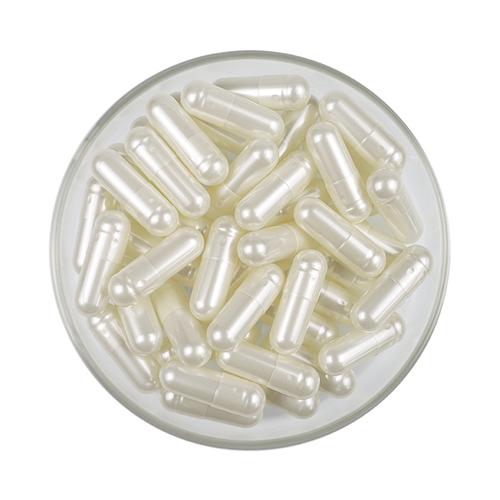 Golden_Pearl Hard Gelatin Capule
 -
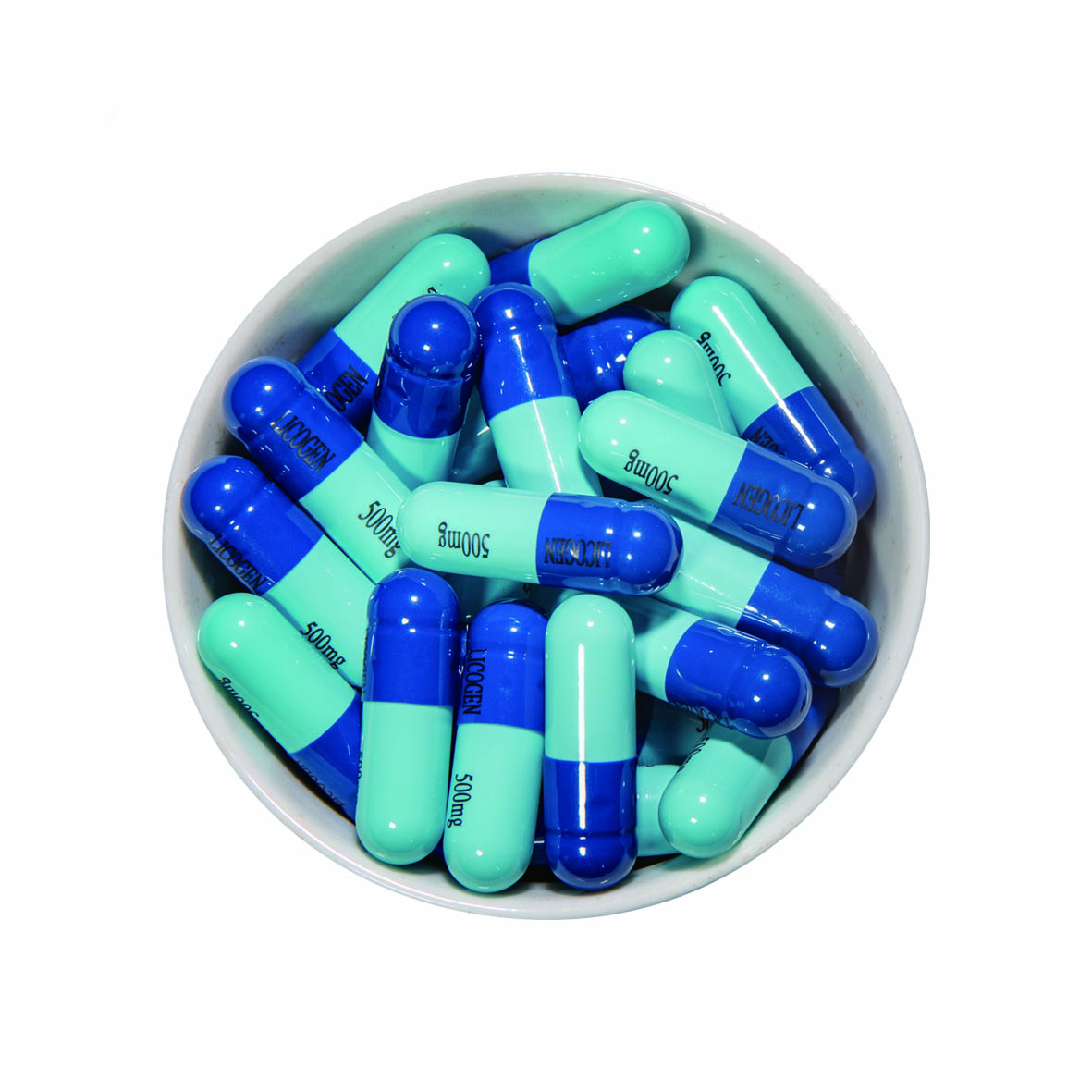 Hard Gelatin Empty Capsule Shell Size 00 0 1 2 3 4
 -
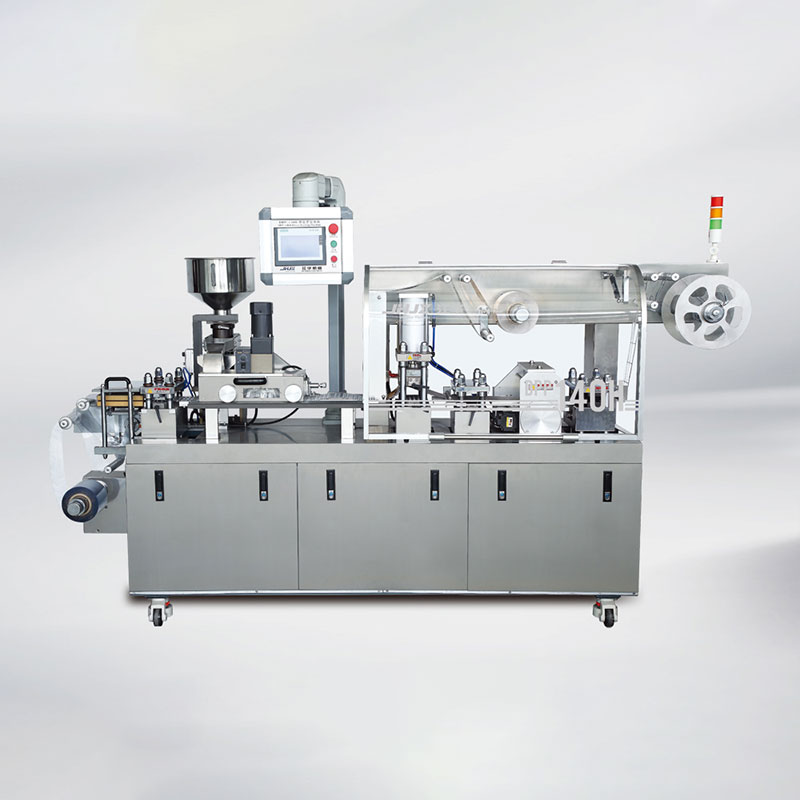 DPP-140H Flat-plate Blister Packing Machine
 -
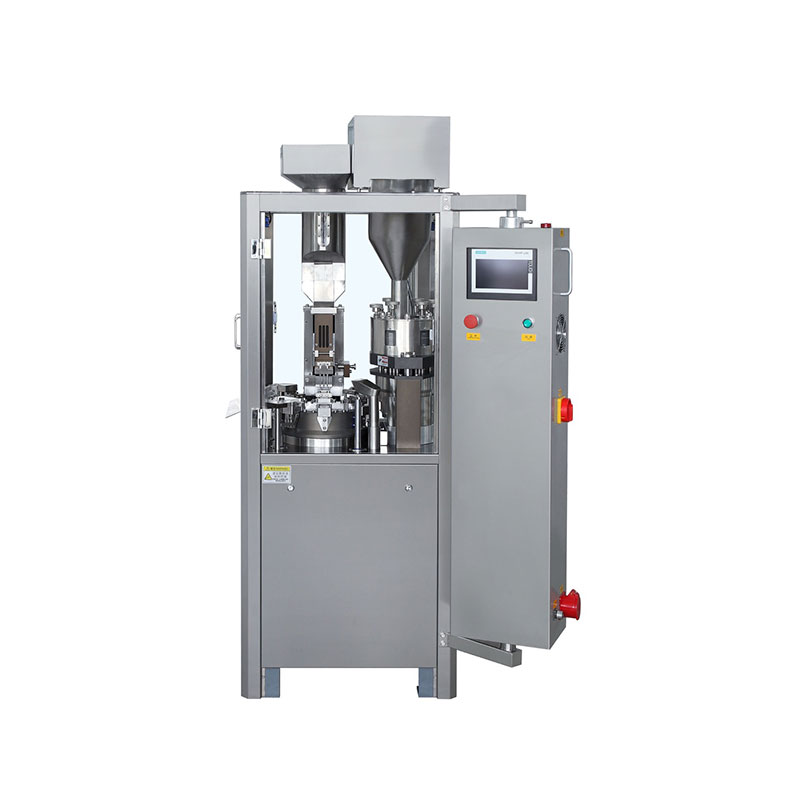 NJP-400 Fully Automatic Capsule Filling Machine
 -
 Vegetarian Separated Capsules HPMC Capsules Separated Wholesale Vegetarian Capsules Discount for Bulk Orders
 -
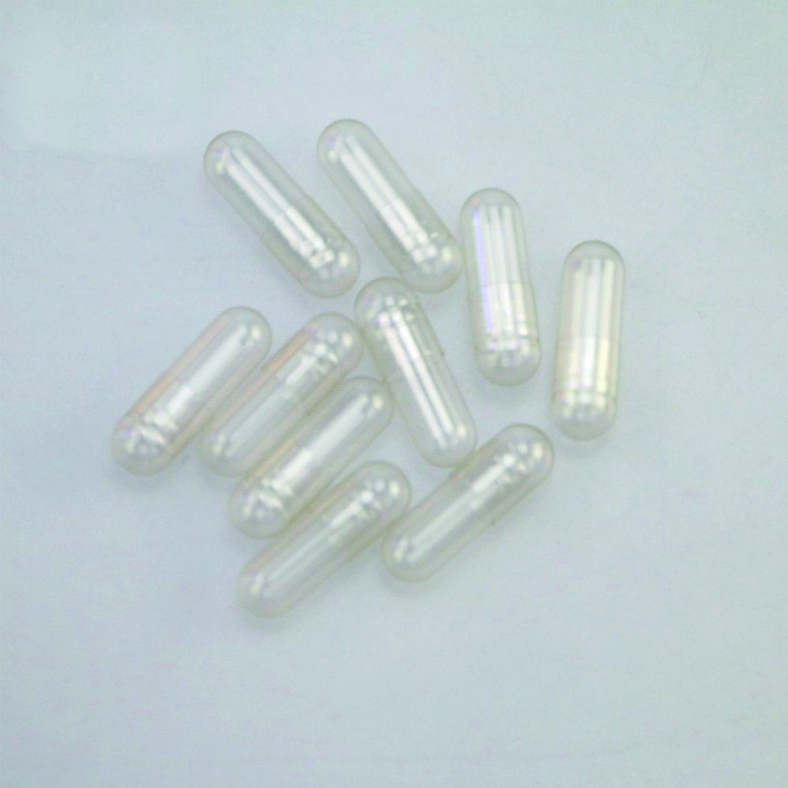 EMPTY HPMC CAPSULE SIZE 00 CLEAR
Related Search
Related Search- Certificate hard gelatin capsule
- high quality best automatic capsule filling machine
- high quality capsule filler size 000
- Certificate capsule filling machine
- Discount sizes of veggie capsules
- Discount filling machine of capsule
- Discount TiO2 free Capsule
- Best pill filling machine
- Discount CLEAR HPMC CAPSULE SIZE 0
- Discount NJP-1200 automatic capsule filling machine