
- English
- Chinese
- French
- German
- Portuguese
- Spanish
- Russian
- Japanese
- Korean
- Arabic
- Irish
- Greek
- Turkish
- Italian
- Danish
- Romanian
- Indonesian
- Czech
- Afrikaans
- Swedish
- Polish
- Catalan
- Esperanto
- Hindi
- Lao
- Albanian
- Amharic
- Armenian
- Azerbaijani
- Belarusian
- Bengali
- Bosnian
- Bulgarian
- Cebuano
- Chichewa
- Corsican
- Croatian
- Dutch
- Estonian
- Filipino
- Finnish
- Frisian
- Galician
- Georgian
- Gujarati
- Haitian
- Hausa
- Hawaiian
- Hebrew
- Hmong
- Hungarian
- Icelandic
- Igbo
- Javanese
- Kannada
- Kazakh
- Khmer
- Kurdish
- Kyrgyz
- Latin
- Latvian
- Lithuanian
- Luxembou..
- Macedonian
- Malagasy
- Malay
- Malayalam
- Maltese
- Maori
- Marathi
- Mongolian
- Burmese
- Nepali
- Norwegian
- Pashto
- Persian
- Punjabi
- Serbian
- Sesotho
- Sinhala
- Slovak
- Slovenian
- Somali
- Samoan
- Scots Gaelic
- Shona
- Sindhi
- Sundanese
- Swahili
- Tajik
- Tamil
- Telugu
- Thai
- Ukrainian
- Urdu
- Uzbek
- Vietnamese
- Welsh
- Xhosa
- Yiddish
- Yoruba
- Zulu
- Kinyarwanda
- Tatar
- Oriya
- Turkmen
- Uyghur


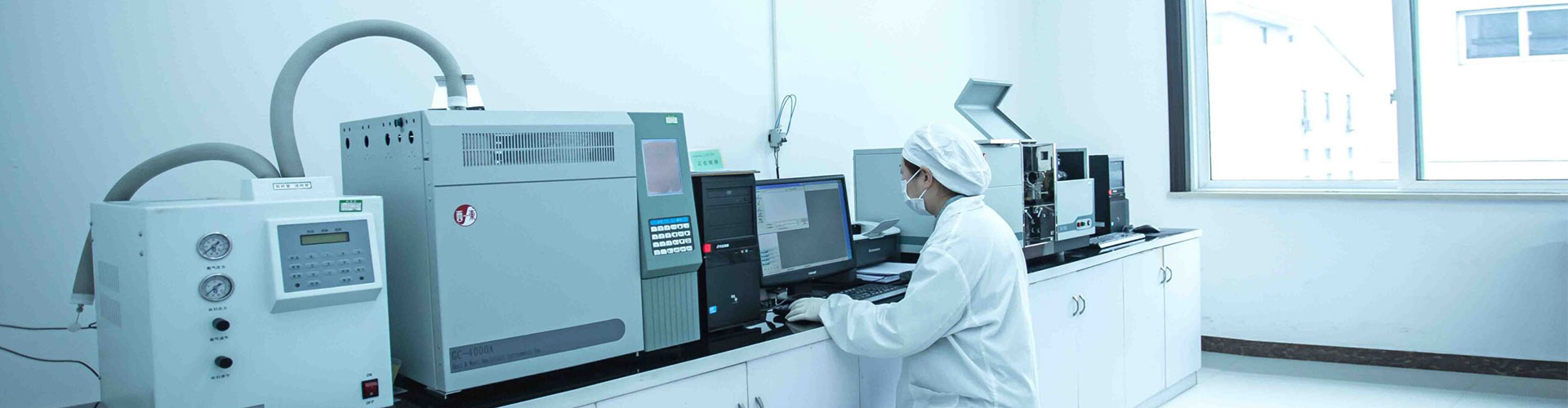
Certificate njp 800 capsule filling machine
A Closer Look at the NJP 800 Capsule Filling Machine
If you've spent any time in pharmaceutical manufacturing, you've probably encountered your fair share of capsule filling machines. Among them, the NJP 800 capsule filling machine stands out. This machine promises efficiency in a market saturated with complex contraptions. Let's delve into its nuances, common misconceptions, and some real-world experiences.
Initial Impressions and Misconceptions
The first thing to note about the NJP 800 is that it's often misunderstood. Many assume it's just another generic machine. However, understanding its specific characteristics reveals a more intricate design aimed at reliability and precision. This machine isn't just a workhorse; it’s built for versatility, catering to both large-scale production and smaller batches, which is a big plus for varied manufacturing environments.
I recall a time when we transitioned to using the NJP 800 at our facility. The initial adjustment period was filled with skepticism. Could it really deliver the output promised? Interestingly, after a few weeks of operation, it became evident that with the right setup, the NJP 800 seamlessly integrated into our workflow, balancing speed and accuracy.
One prevailing myth is that all capsule filling machines operate the same way. In reality, the NJP 800 offers a user-friendly interface that eases training times, a crucial aspect when managing new staff or rotations. It's not just about handling the machine, but mastering the subtleties that can impact output.
The Versatility of the NJP 800
One of the standout features of the NJP 800 is its adaptability. This wasn't immediately apparent to us until we started experimenting with different capsule sizes. The transition between different sizes was smoother than anticipated, reducing downtime significantly.
In a case study from our partners at Suqian Kelaiya Corp., a specialized company well-versed in capsule technology, the NJP 800 was highlighted for its compact footprint. This is particularly beneficial in production environments where space is at a premium. Their facilities in Zhejiang and Jiangsu have effectively utilized this machine to optimize their production lines, focusing on both empty capsules and filled products.
An often overlooked aspect is the machine's ability to handle a variety of capsule types. The NJP 800 is not just limited to traditional formats; it can accommodate novel drug forms, which is a boon for companies venturing into new drug development, much like Suqian Kelaiya's ongoing projects.
Addressing Common Challenges
No machine is without its quirks. The NJP 800 requires regular maintenance to prevent wear in its delicate components. This might seem daunting, but with trained personnel, these tasks become routine checks that keep the machine running at peak efficiency. Suqian Kelaiya Corp. provides excellent guidelines on maintenance schedules to help minimize downtime.
One issue we encountered involved achieving the precise powder dosage. Initially, settings adjustments were frequent. However, with consistent monitoring and adjustments informed by the NJP 800's feedback systems, we found a rhythm that suited our production needs. It’s about learning the machine’s language, really.
It's also worth mentioning that the initial installation and setup can be tricky. However, the support from manufacturers and service teams, like those linked with Suqian Kelaiya Corp., ensures that once these hurdles are overcome, the machine becomes a reliable asset.
Practical Considerations for Implementation
Before purchasing the NJP 800, consider your facility's specific needs. This isn't a one-size-fits-all solution. Evaluate your current production demands and whether this machine's capabilities align with those needs. For smaller batches, it offers great precision without sacrificing speed.
Moreover, the adaptability of the NJP 800 opens its use beyond pharmaceuticals. Nutraceutical companies, cosmetic firms, and even food supplement manufacturers can find value in this machine. The key is in assessing how its strengths align with your operational goals.
One practical tip is to leverage the resources available from companies like Suqian Kelaiya Corp. Their comprehensive understanding of both the machine and the industry provides invaluable insights that go beyond the instruction manual, giving users an edge in maximizing the NJP 800's potential.
Real-World Outcomes and Reflections
Reflecting on our own experiences, integrating the NJP 800 was initially challenging but ultimately rewarding. Post-integration, our production capacity improved by approximately 20%, a substantial gain considering our initial apprehensions.
This piece of machinery might not be the most glamorous part of pharmaceutical production, but it's undeniably significant. The key takeaway is that with machines like the NJP 800, the real magic happens in the details—setting configurations, routine maintenance, and tapping into community resources for shared knowledge.
In conclusion, the NJP 800 capsule filling machine is more than just a piece of equipment; it’s a testament to precision engineering and adaptability. For those willing to delve into its potential, it offers a pathway to efficient and flexible production—something truly invaluable in today’s fast-paced manufacturing landscape.
Related Products
Related Products
Best Selling Products
Best Selling Products-
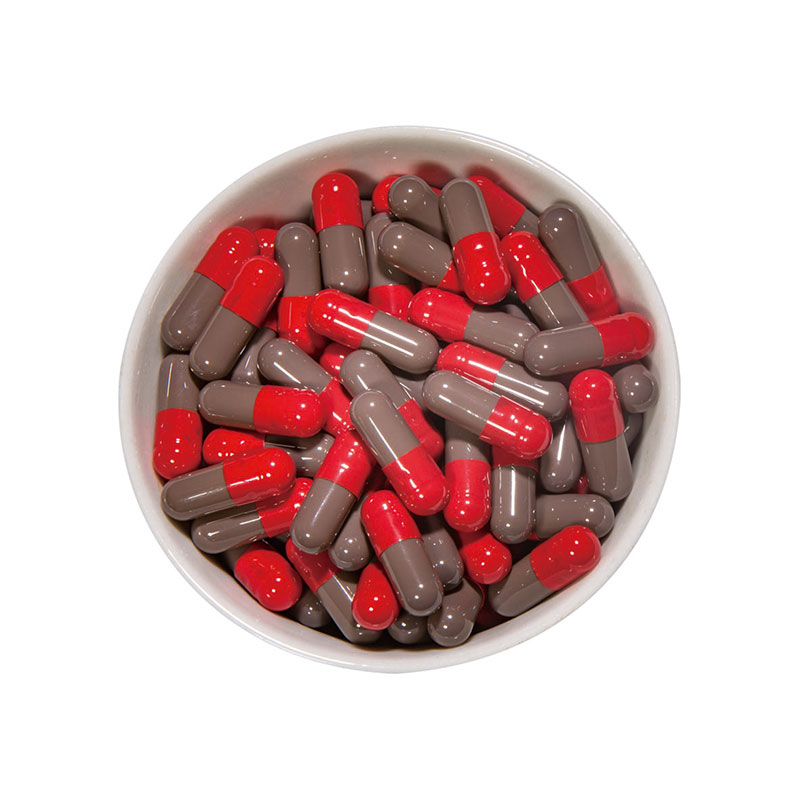 TIO2 free gelatin CAPSULE
 -
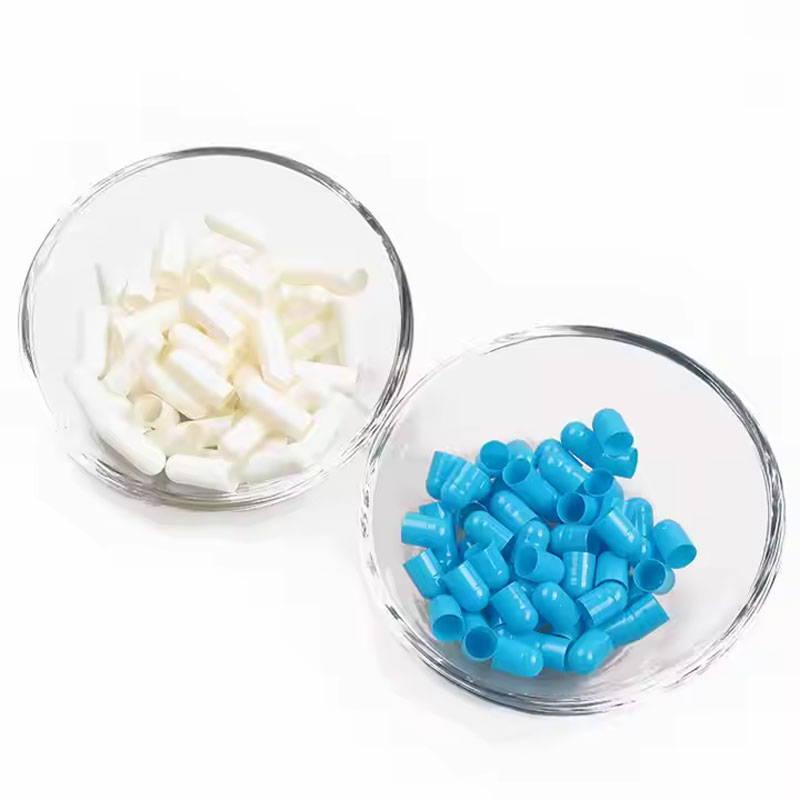 Empty VegCaps Shell Clear Empty Vegan Plant-Based Capsules Size 00 0 1 2 3 4 Natural Vegetable HPMC Capsules
 -
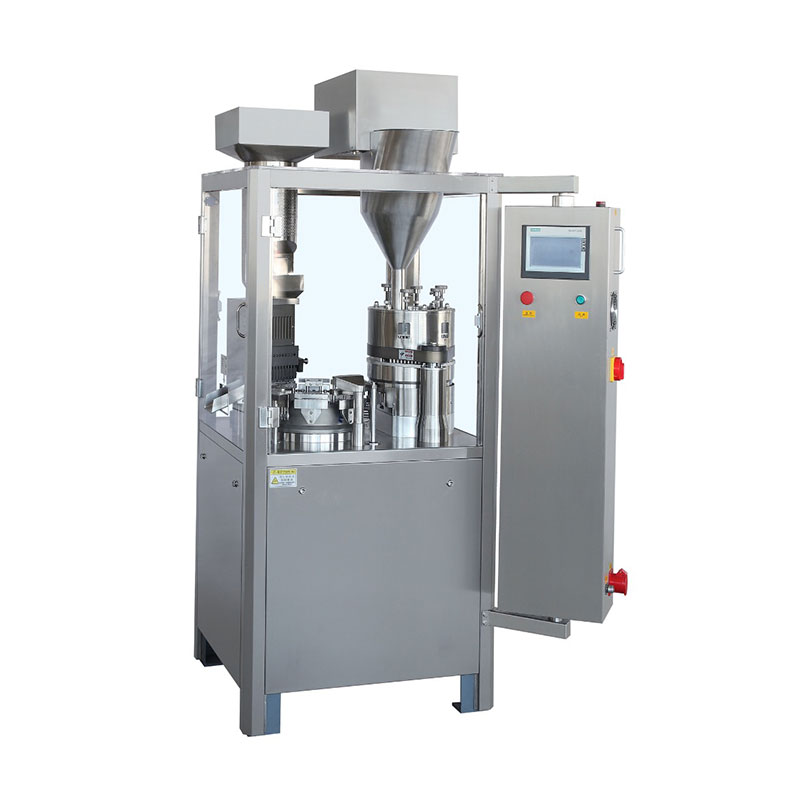 NJP-800 Automatic Capsule Filling Machine
 -
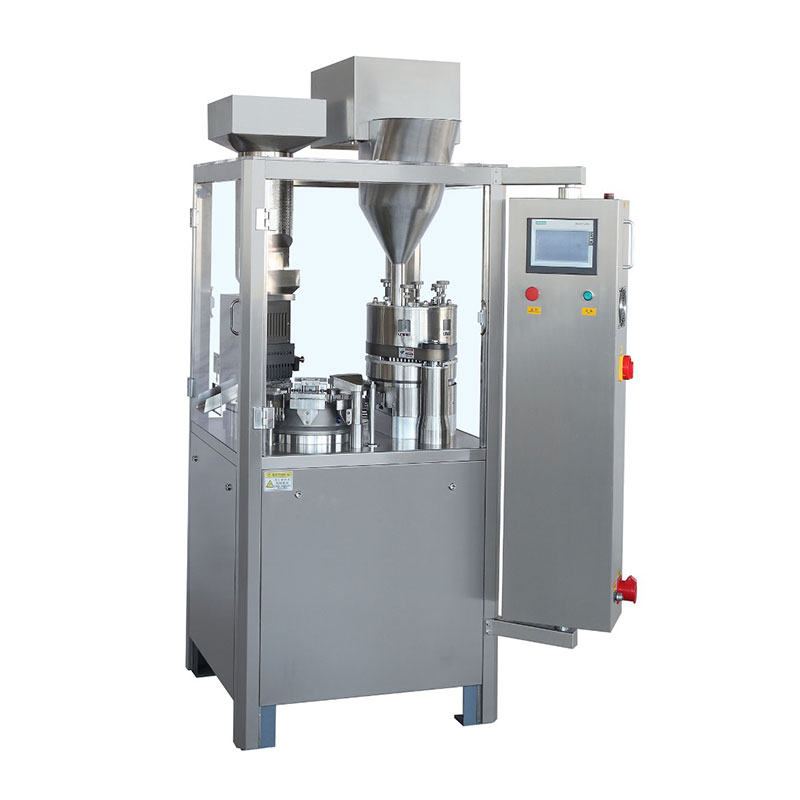 NJP-1200 Automatic Capsule Filling Machine
 -
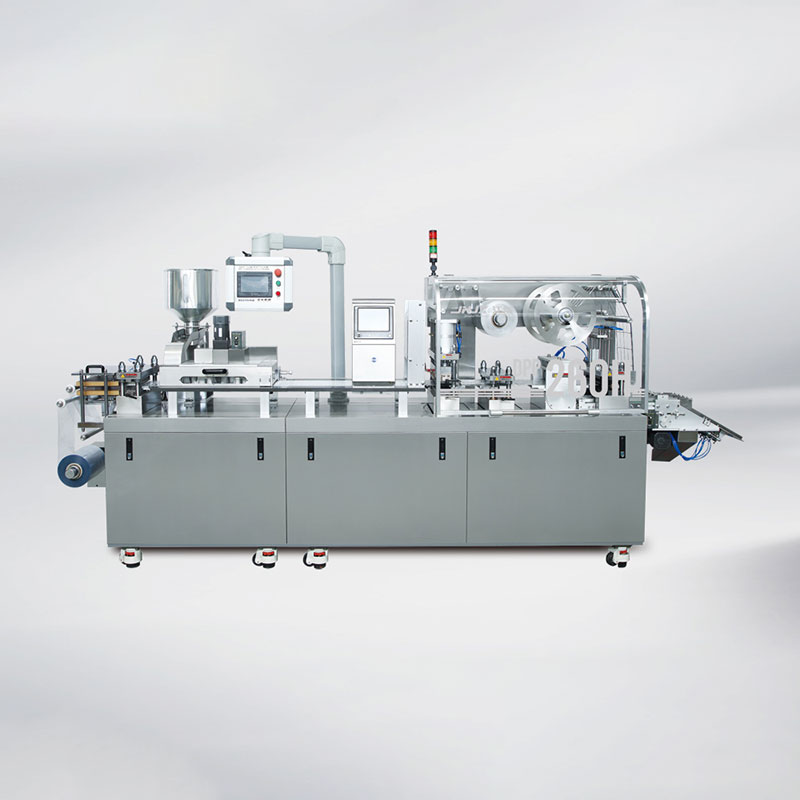 DPP-260H_DPP-320H Flat-plate Blister Packing Machine
 -
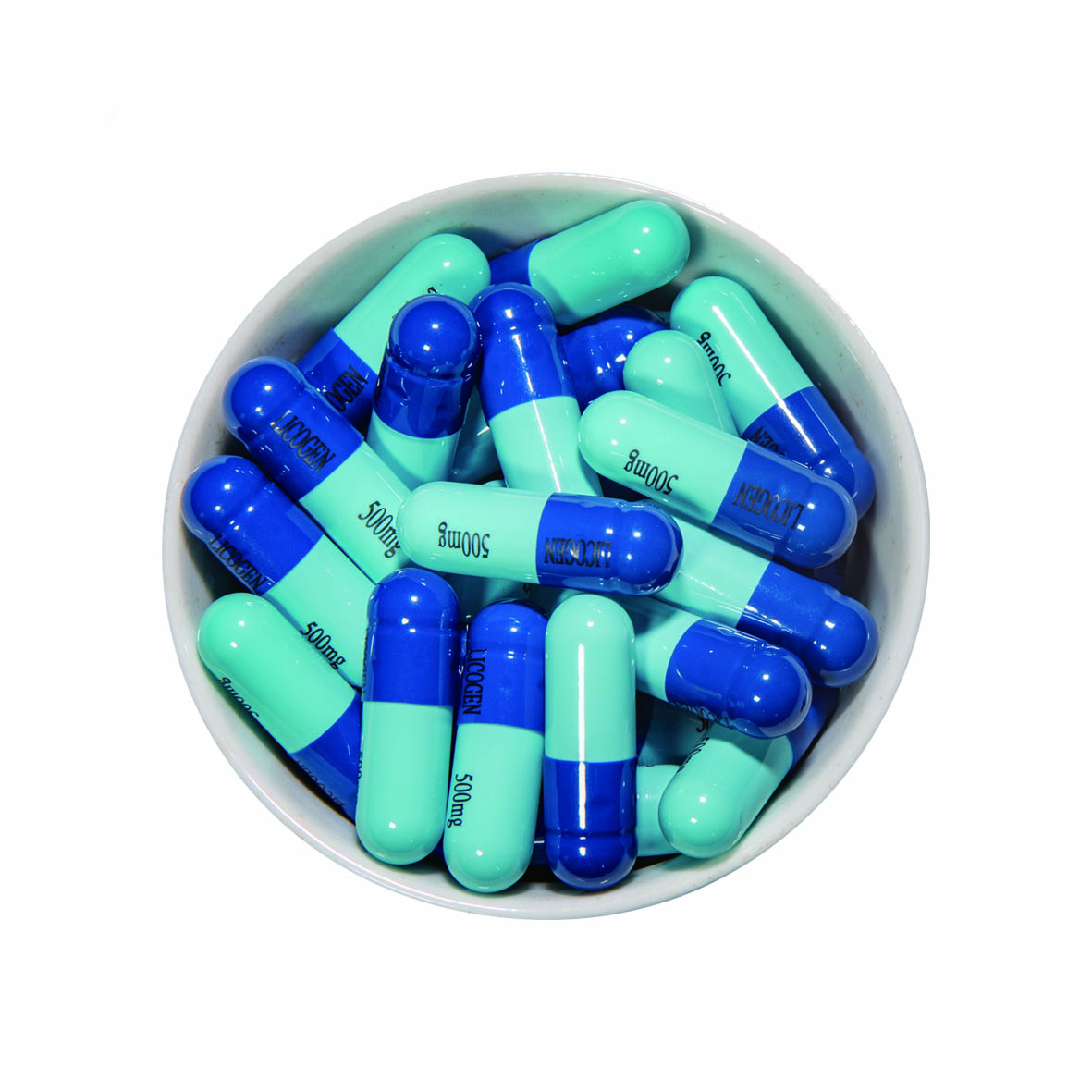 Hard Gelatin Empty Capsule Shell Size 00 0 1 2 3 4
 -
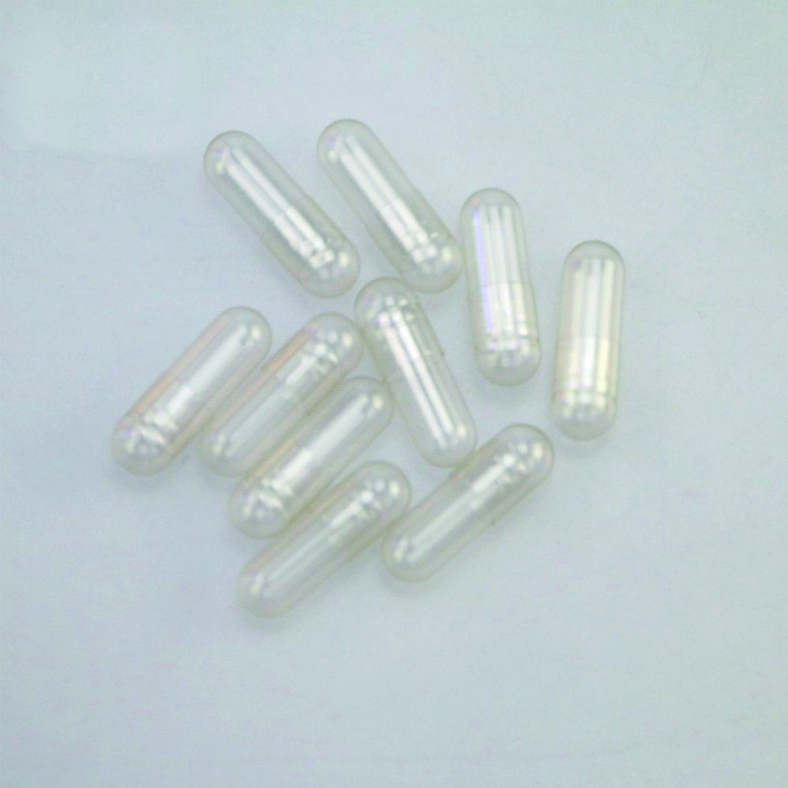 EMPTY HPMC CAPSULE SIZE 00 CLEAR
 -
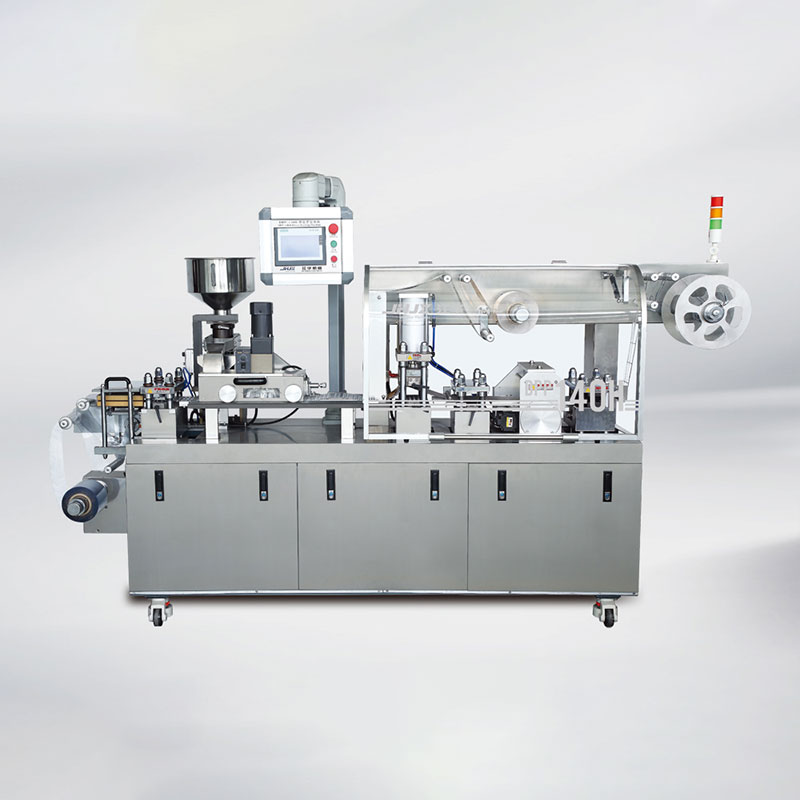 DPP-140H Flat-plate Blister Packing Machine
 -
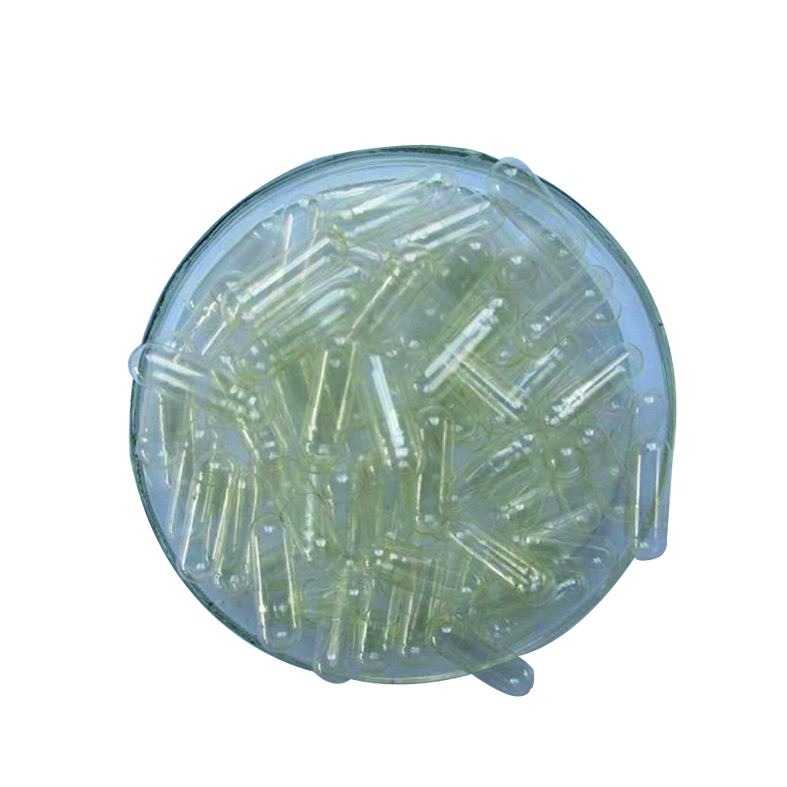 Halal Certificate Empty Clear Hard Gelatin Capsules Shell Size 0
 -
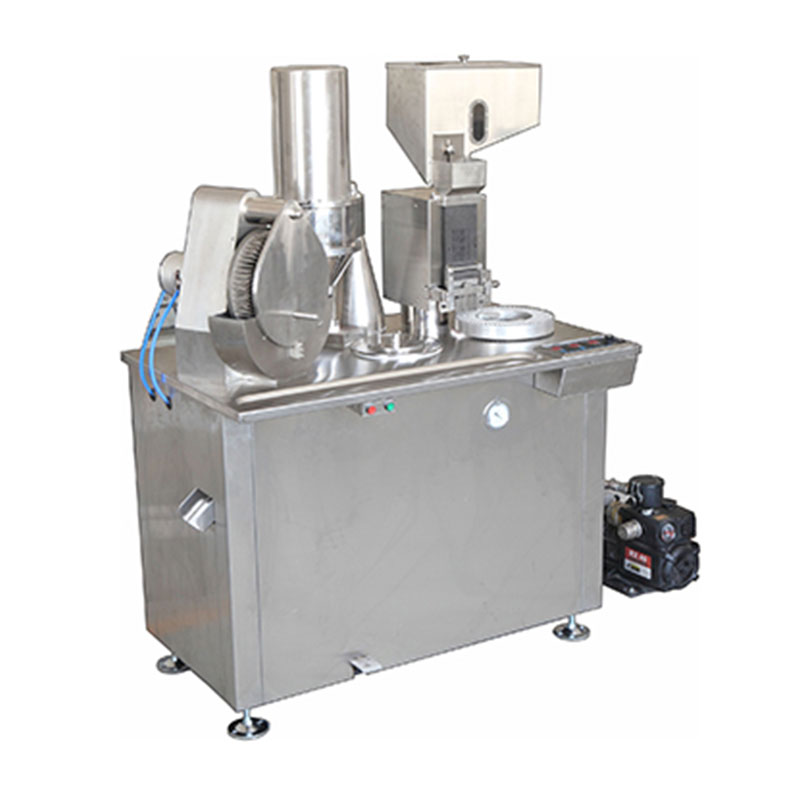 CGN208-D Newest Type Semi Automatic Capsule Filling Machine
 -
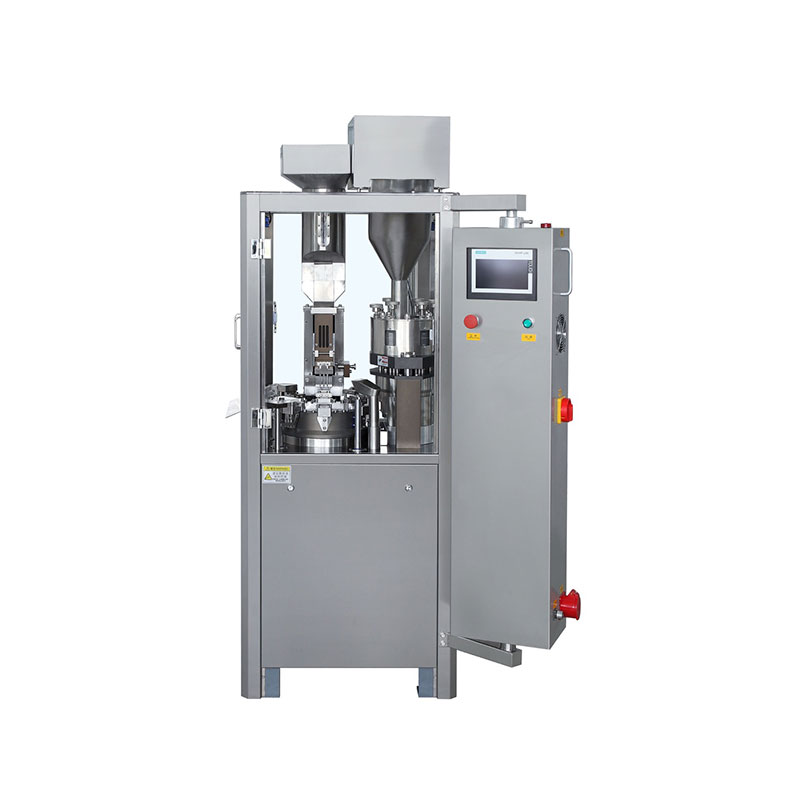 NJP-400 Fully Automatic Capsule Filling Machine
 -
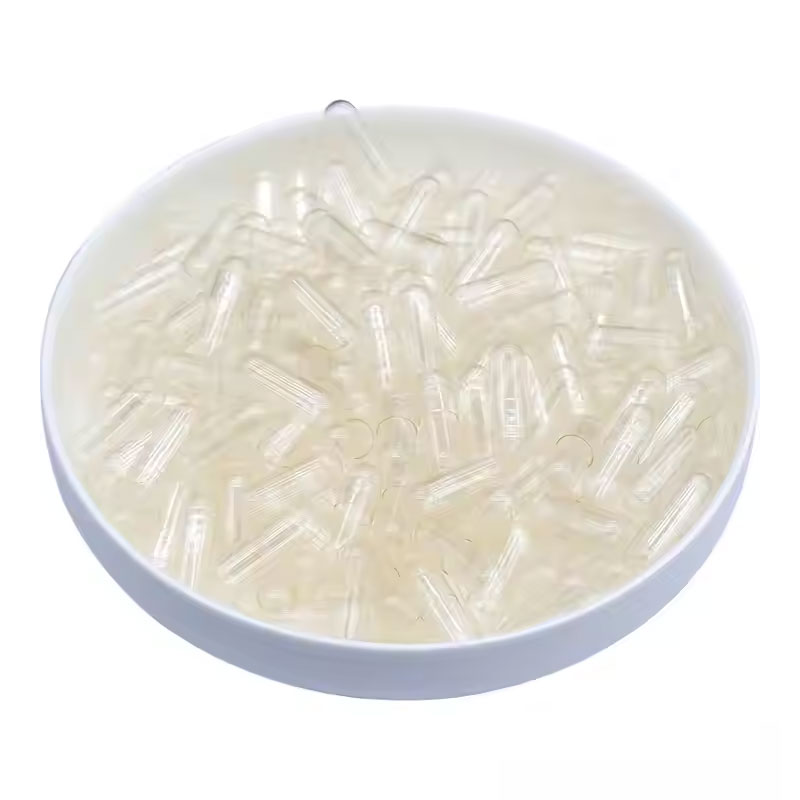 EMPTY VEGATABLE CAPSULE CLEAR SIZE 0
Related Search
Related Search- Discount filler used in hard gelatin capsule
- Discount capsule filling machine size 1
- Discount medicine capsule filling machine
- Best capsule filler filling machine
- hard gelatin capsule filling machine
- Certificate size 0 capsule filling machine
- high quality best automatic capsule filling machine
- OEM capsule filling machine size 1
- pill filling machine
- Discount empty 00 vegetable capsules