
- English
- Chinese
- French
- German
- Portuguese
- Spanish
- Russian
- Japanese
- Korean
- Arabic
- Irish
- Greek
- Turkish
- Italian
- Danish
- Romanian
- Indonesian
- Czech
- Afrikaans
- Swedish
- Polish
- Catalan
- Esperanto
- Hindi
- Lao
- Albanian
- Amharic
- Armenian
- Azerbaijani
- Belarusian
- Bengali
- Bosnian
- Bulgarian
- Cebuano
- Chichewa
- Corsican
- Croatian
- Dutch
- Estonian
- Filipino
- Finnish
- Frisian
- Galician
- Georgian
- Gujarati
- Haitian
- Hausa
- Hawaiian
- Hebrew
- Hmong
- Hungarian
- Icelandic
- Igbo
- Javanese
- Kannada
- Kazakh
- Khmer
- Kurdish
- Kyrgyz
- Latin
- Latvian
- Lithuanian
- Luxembou..
- Macedonian
- Malagasy
- Malay
- Malayalam
- Maltese
- Maori
- Marathi
- Mongolian
- Burmese
- Nepali
- Norwegian
- Pashto
- Persian
- Punjabi
- Serbian
- Sesotho
- Sinhala
- Slovak
- Slovenian
- Somali
- Samoan
- Scots Gaelic
- Shona
- Sindhi
- Sundanese
- Swahili
- Tajik
- Tamil
- Telugu
- Thai
- Ukrainian
- Urdu
- Uzbek
- Vietnamese
- Welsh
- Xhosa
- Yiddish
- Yoruba
- Zulu
- Kinyarwanda
- Tatar
- Oriya
- Turkmen
- Uyghur


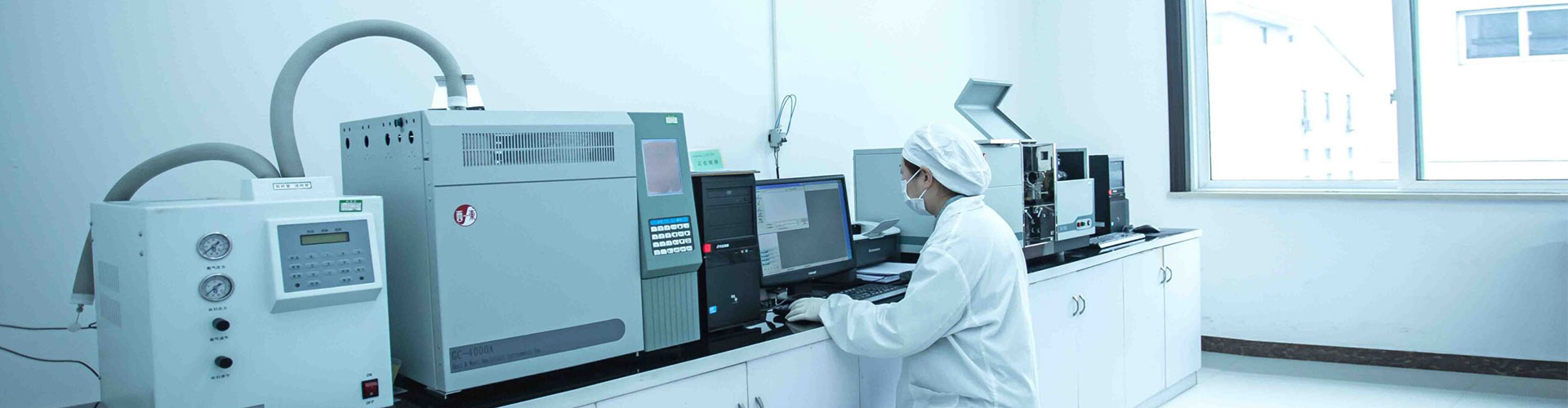
Best sizes of veggie capsules
Best Sizes for Veggie Capsules: What You Need to Know
Choosing the right size for veggie capsules can make a significant difference in both manufacturing and consumer satisfaction. It's not just about filling capacity; it's about usability, production costs, and the final customer experience.
Understanding Veggie Capsule Sizes
In the world of supplement manufacturing, one of the more overlooked aspects is the size selection of veggie capsules. Many believe it's simply a matter of how much powder you can fit inside, but it’s a bit more nuanced than that. Smaller capsules are easier to swallow, which often leads to higher compliance rates among consumers. On the other hand, larger capsules might lower production costs due to fewer materials being used in the encapsulation process.
From my own experience working with various manufacturers, including companies like SUQIAN KELAIYA INTERNATIONAL TRADING CO., LTD, which specializes in new drug development, the chosen capsule size can impact the overall efficiency of the production line. Their facilities in Zhejiang and Jiangsu are equipped to handle a range of capsule sizes, thanks to their advanced capsule filling and blister machines.
There's a practical balance between consumer needs and production efficiency. For instance, capsules ranging from size 0 to 000 are commonly used because they provide a good compromise between swallowing comfort and encapsulation capacity.
Consumer Preferences and Compliance
Having interacted with many end-users over the years, it’s clear that preferences vary widely. While some are comfortable with larger capsules, others find them challenging to swallow. Size 0 is a popular choice among manufacturers aiming for a broader market appeal due to its balanced size, making it one of the best size choices.
This preference for smaller capsules doesn't just enhance user experience but also dramatically affects brand reputation. Capsule rejection due to size can lead to drops in customer satisfaction levels. At SUQIAN KELAIYA, feedback loops with clients often influence their production strategies.
So, when determining the best sizes of veggie capsules, remember that the customer's ease of use directly correlates with their compliance rates, which in turn affects sales and re-orders.
Production Efficiency and Cost Considerations
From an operational standpoint, the choice of capsule size directly affects production efficiency. Larger capsules might seem cost-effective at first due to fewer capsules needed, but one must consider the filling efficiency of smaller sizes. Machines need to operate optimally without compromising speed or quality, something that the team at SUQIAN KELAIYA continuously optimizes with their production line in Jiangsu.
One common pitfall is underestimating the technological requirements for different capsule sizes. Smaller capsules might be more complex to fill accurately, requiring precise machinery adjustments. This level of detail and strategic planning is key to maintaining high production standards.
Cost is always a consideration, but it shouldn’t lead to compromising on quality or consumer preference—a balancing act every manufacturer must master.
Environmental and Ethical Impact
The trend towards veggie capsules over gelatin has been partly driven by consumer demand for vegan and ethical products. Capsule size plays an understated role here as well. More compact capsules often mean less waste in packaging and transportation, echoing a company’s commitment to sustainability.
During my visits to manufacturing sites like those operated by SUQIAN KELAIYA, it becomes clear that sustainability is as much about intelligent design as it is about material choice. Optimizing capsule sizes means fewer resources per unit shipped, lower carbon footprint, and often better shelf space utilization.
Choosing the right capsule size, from an environmental perspective, reflects a company's broader ethical values and consumer alignment.
Insights From the Field
Having worked in this field, I've seen both failures and successes in capsule size decisions. A notable case was the initial struggle of a health supplement brand that rapidly shifted from size 000 to 0 based on overwhelming customer feedback. They worked alongside industry partners like SUQIAN KELAIYA to adjust their offerings swiftly.
The reality is, capsule size is as much a branding decision as it is a technical one. It's about maintaining consistency across product lines while accommodating for market shifts, product formulations, and consumer trends.
In conclusion, the best sizes for veggie capsules revolve around finding the sweet spot that satisfies production needs and enhances consumer satisfaction. Companies like SUQIAN KELAIYA are leading the charge in balancing these complex requirements, ensuring both manufacturer and user are happy with the end product.
Related Products
Related Products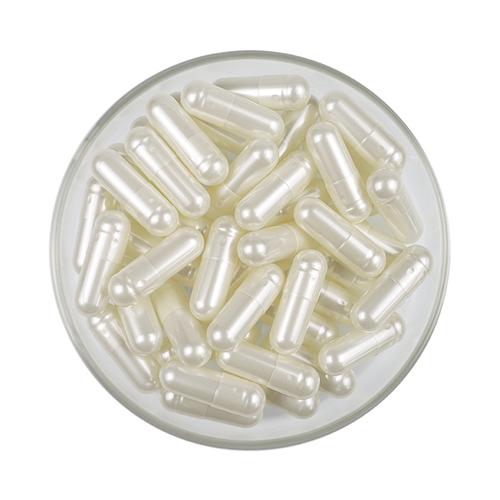
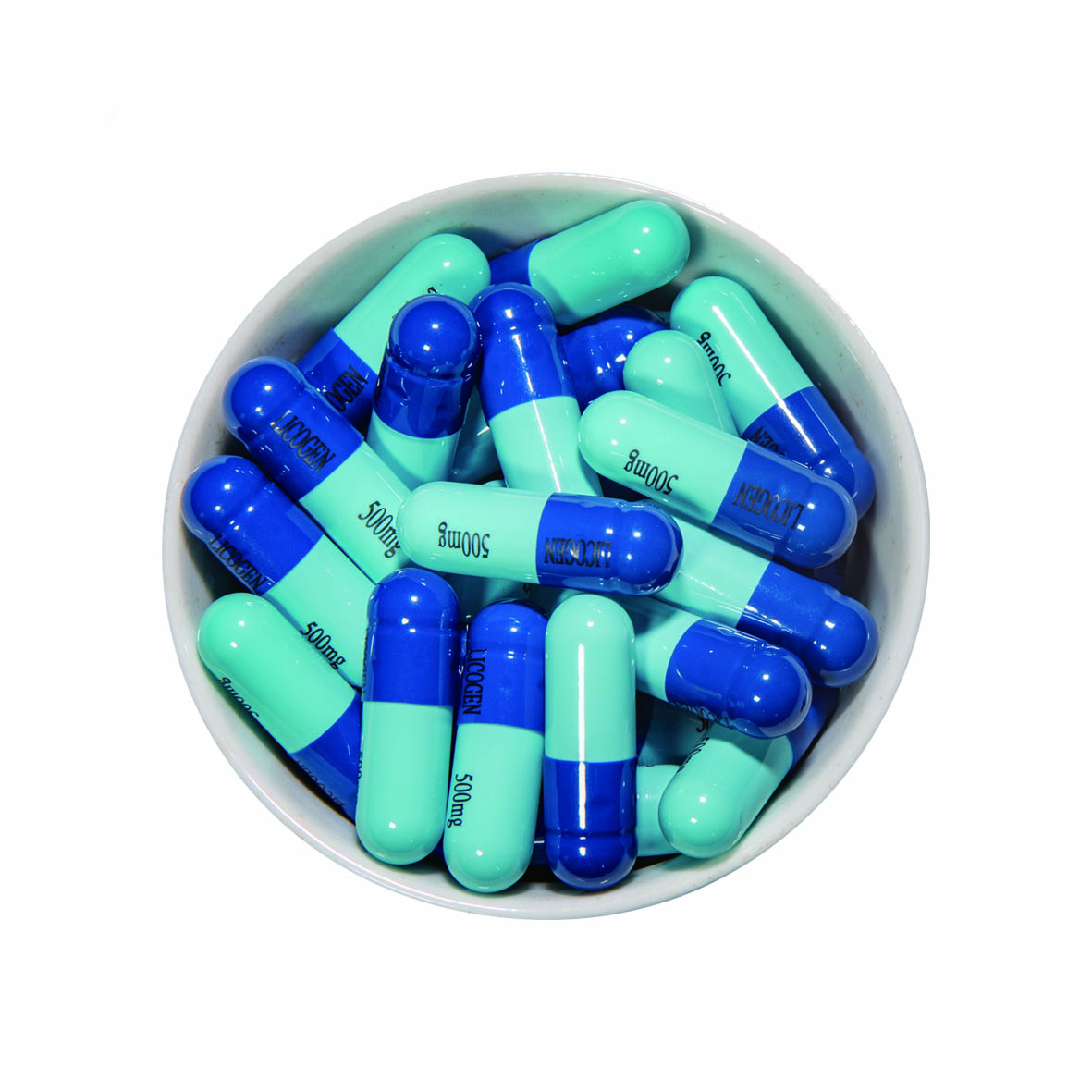
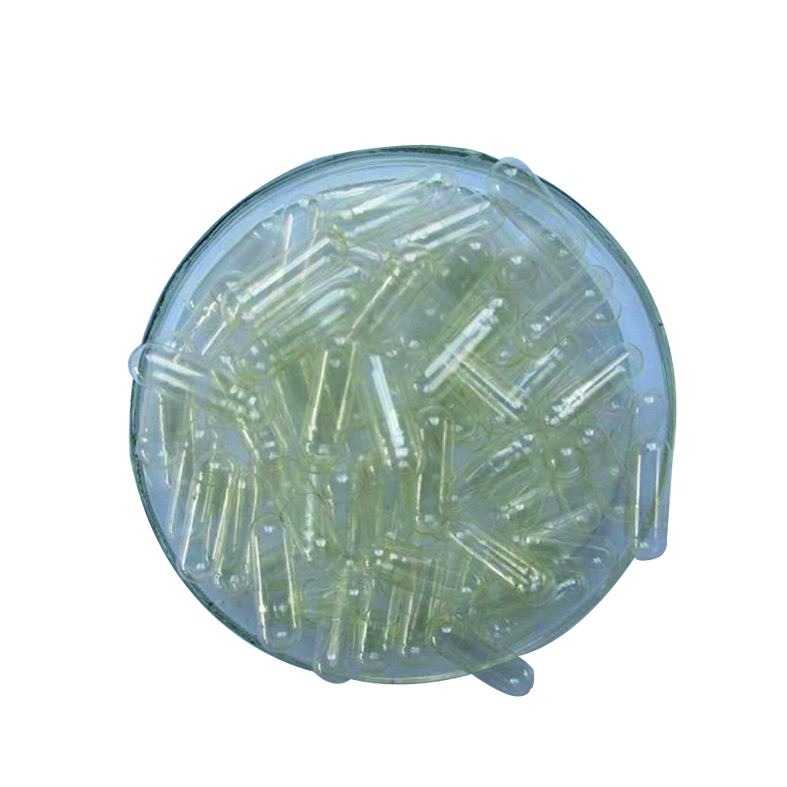
Best Selling Products
Best Selling Products-
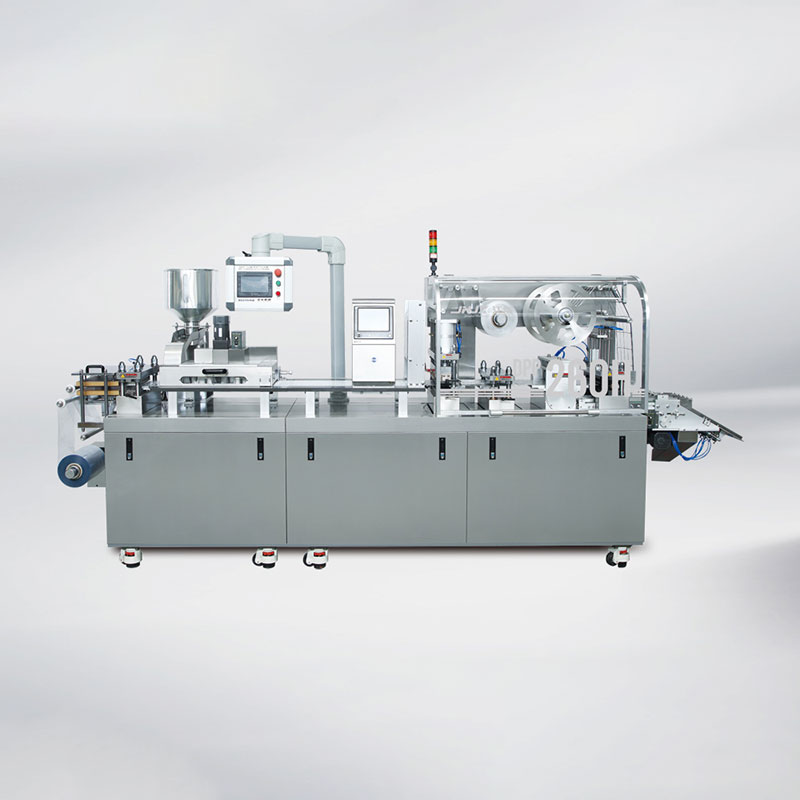 DPP-260H_DPP-320H Flat-plate Blister Packing Machine
 -
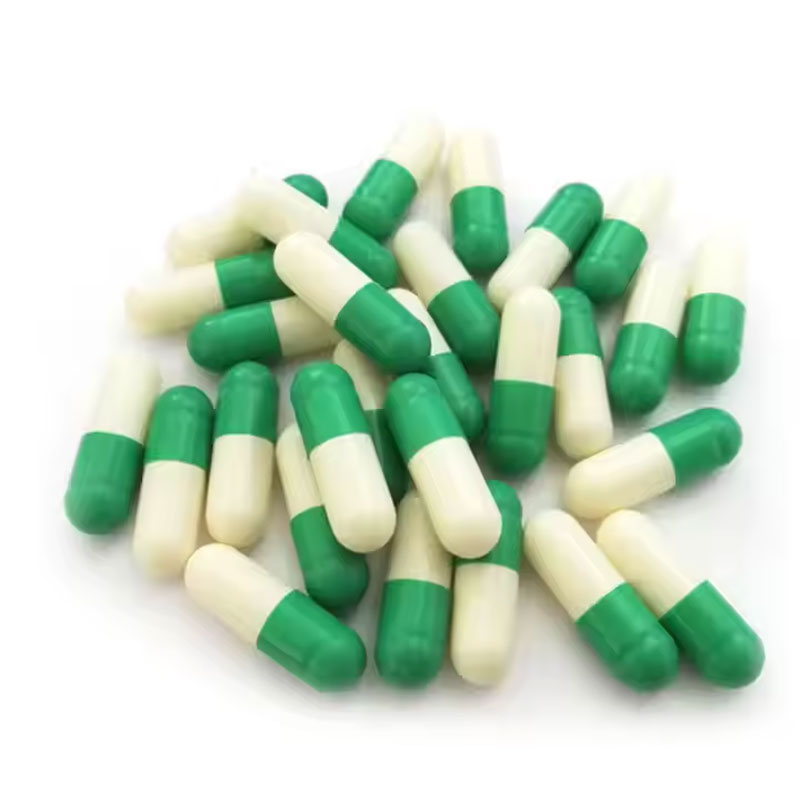 Size 00 hpmc capsules vegetarian capsules empty hard veggie capsules
 -
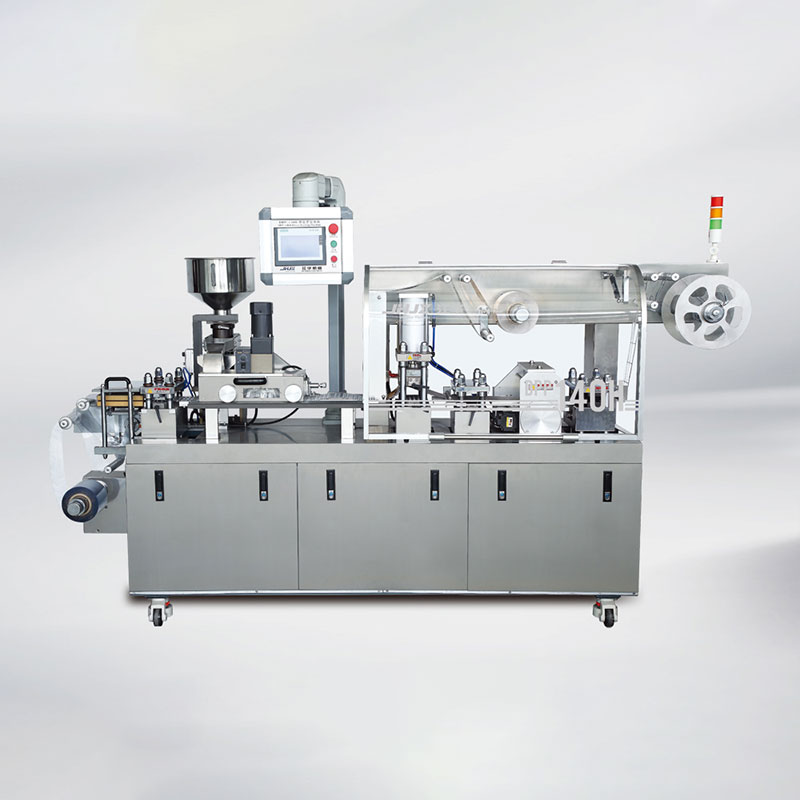 DPP-140H Flat-plate Blister Packing Machine
 -
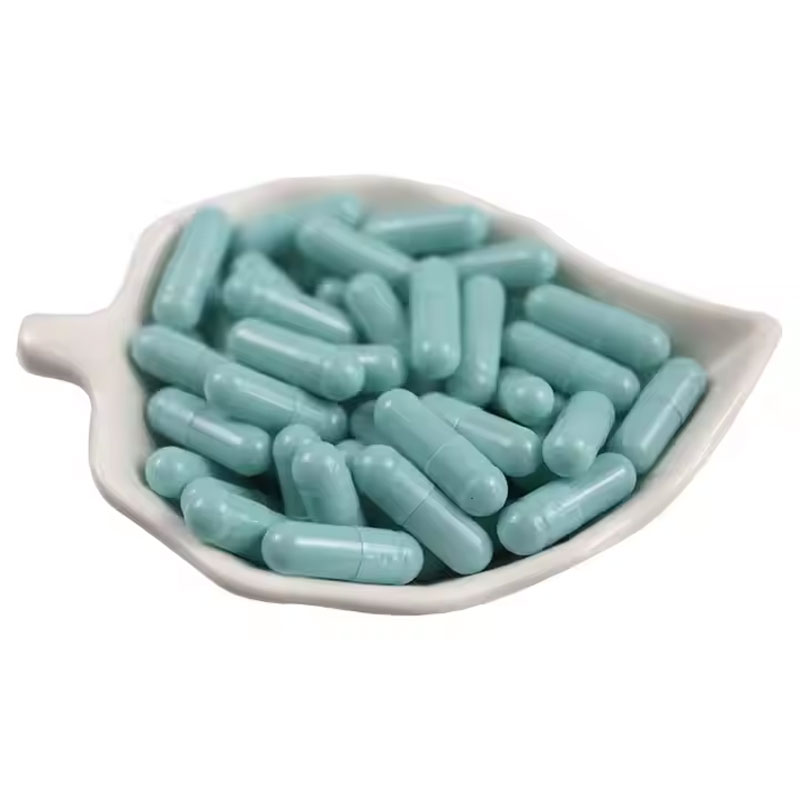 Vegetarian Separated Capsules HPMC Capsules Separated Wholesale Vegetarian Capsules Discount for Bulk Orders
 -
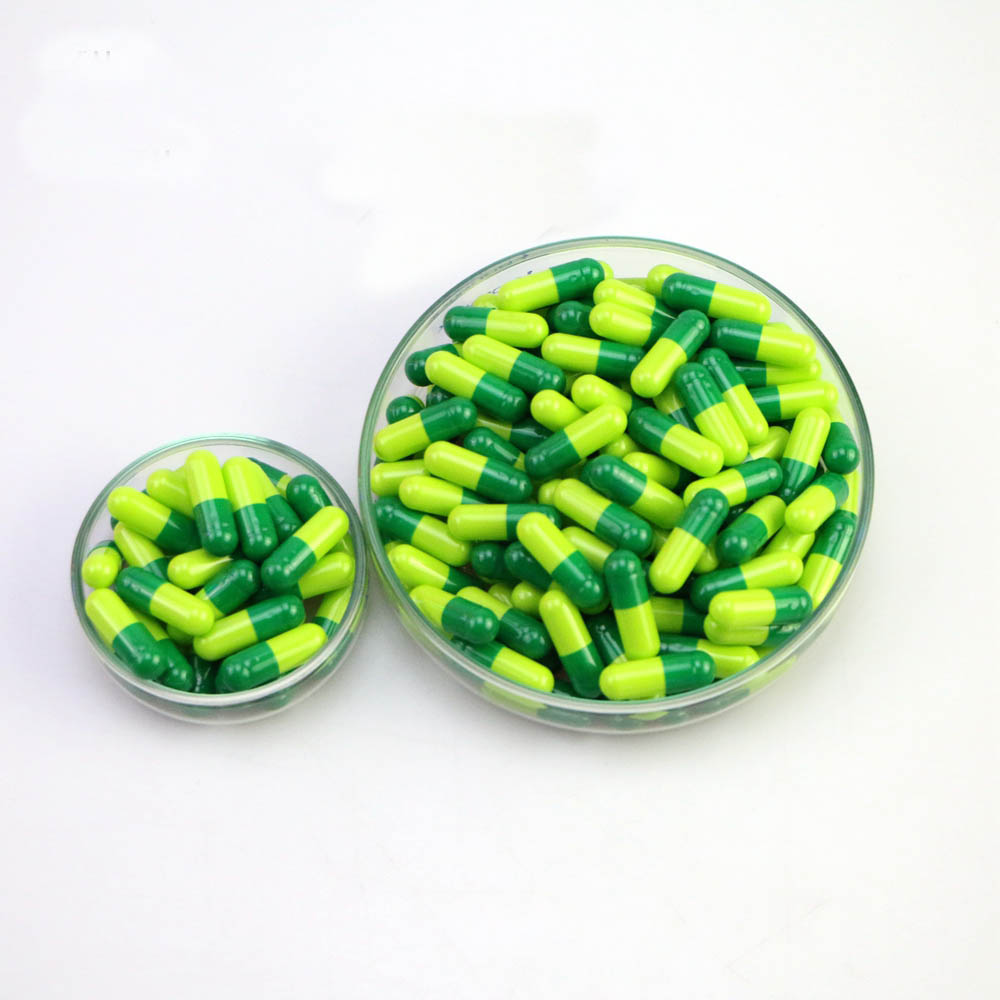 Halal empty hard geltin capsule
 -
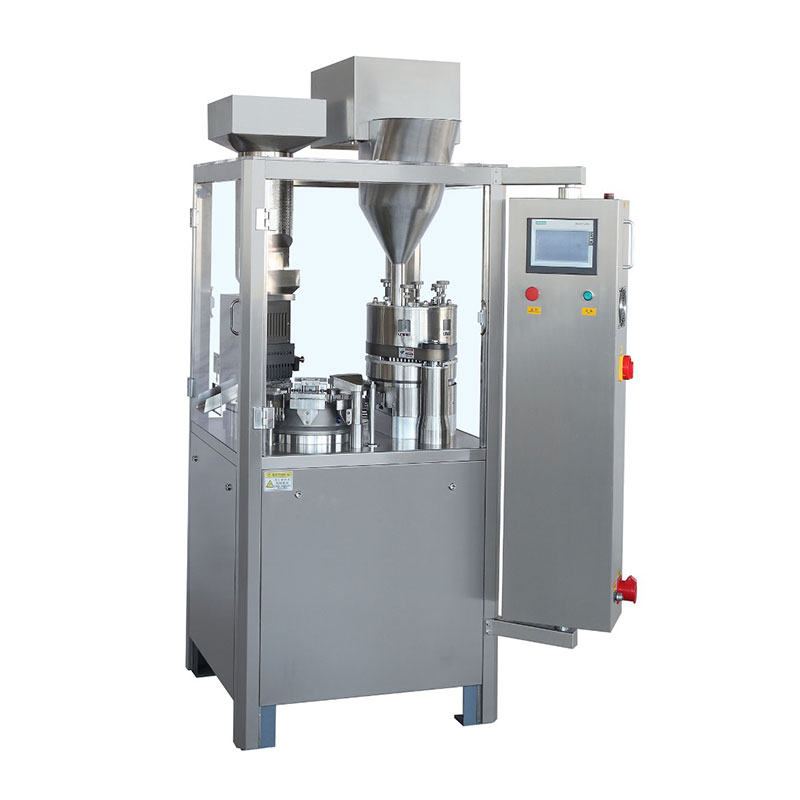 NJP-1200 Automatic Capsule Filling Machine
 -
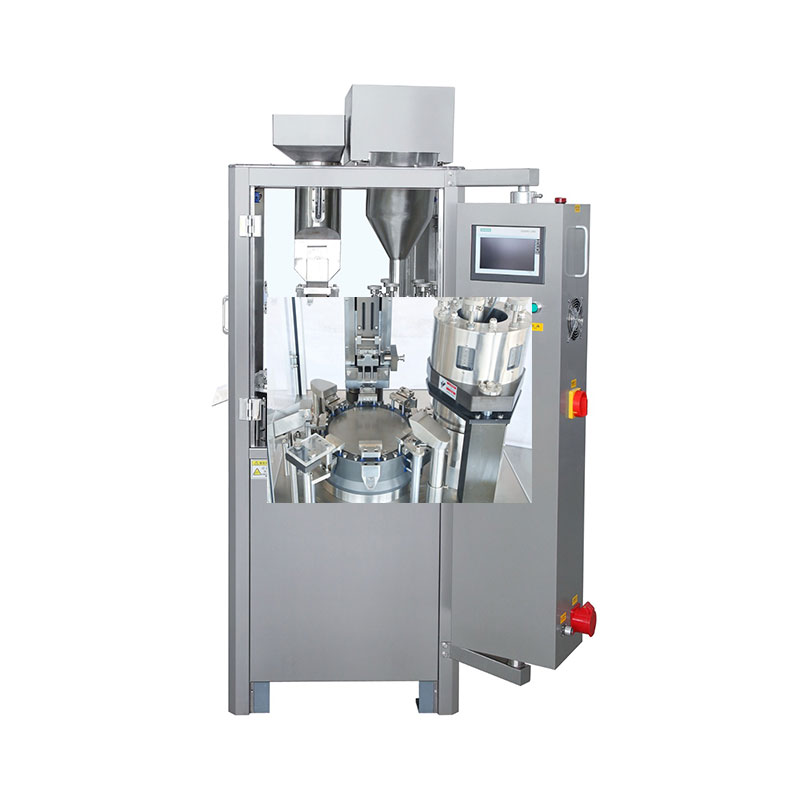 NJP-200 Model Fully Automatic Capsule Filling Machine
 -
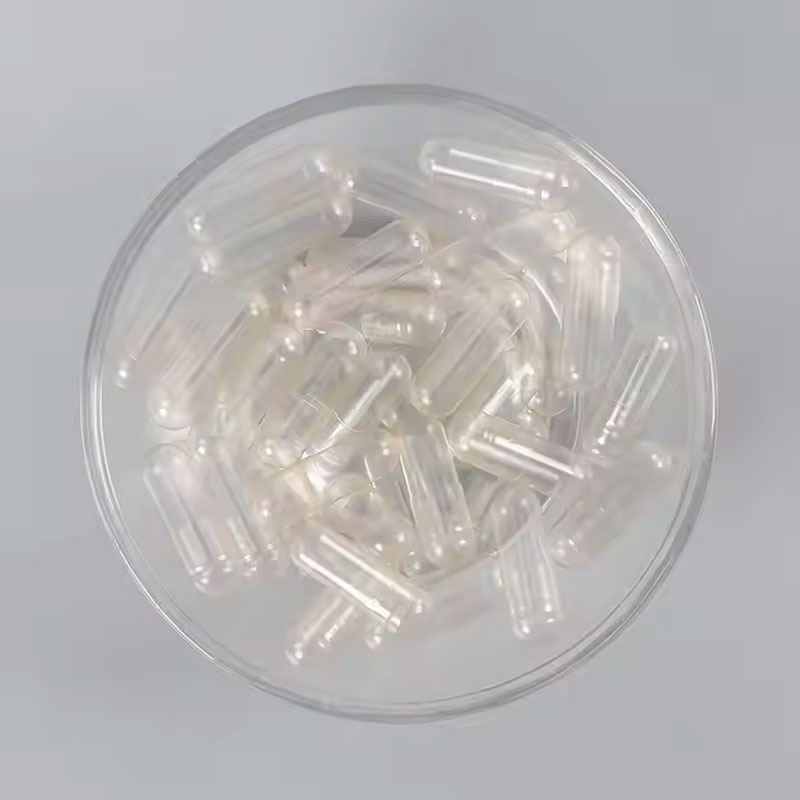 Hpmc Capsules Product Plant Vegetarian Size 00 0 Capsule Shell
 -
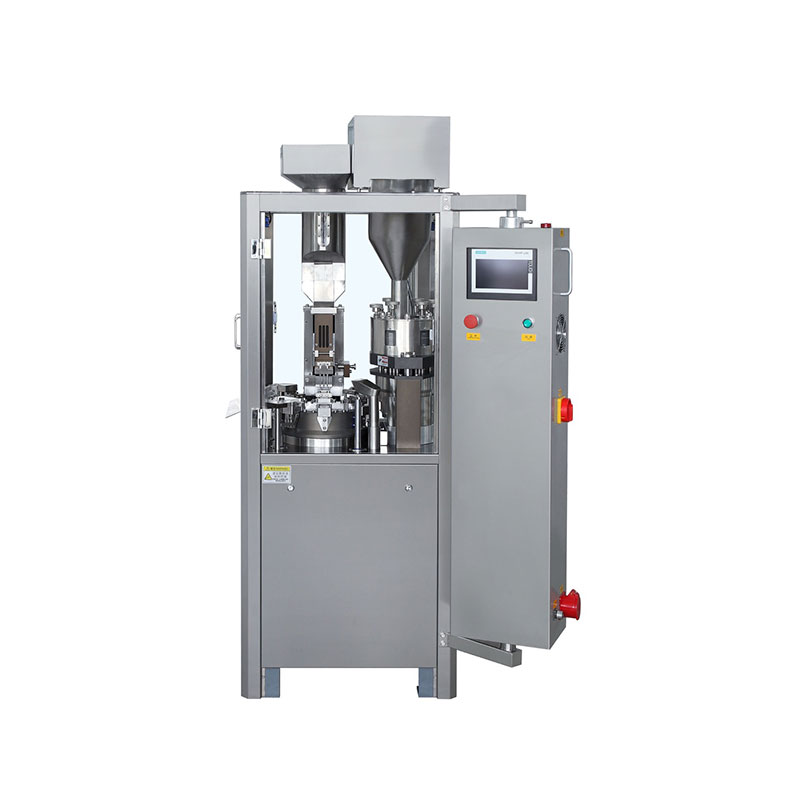 NJP-400 Fully Automatic Capsule Filling Machine
 -
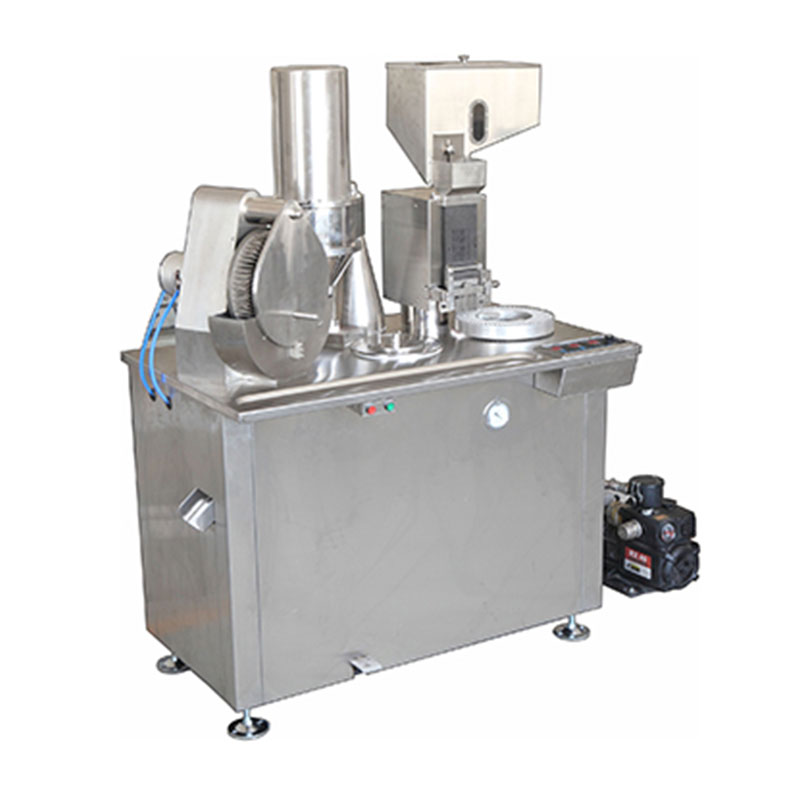 CGN208-D Newest Type Semi Automatic Capsule Filling Machine
 -
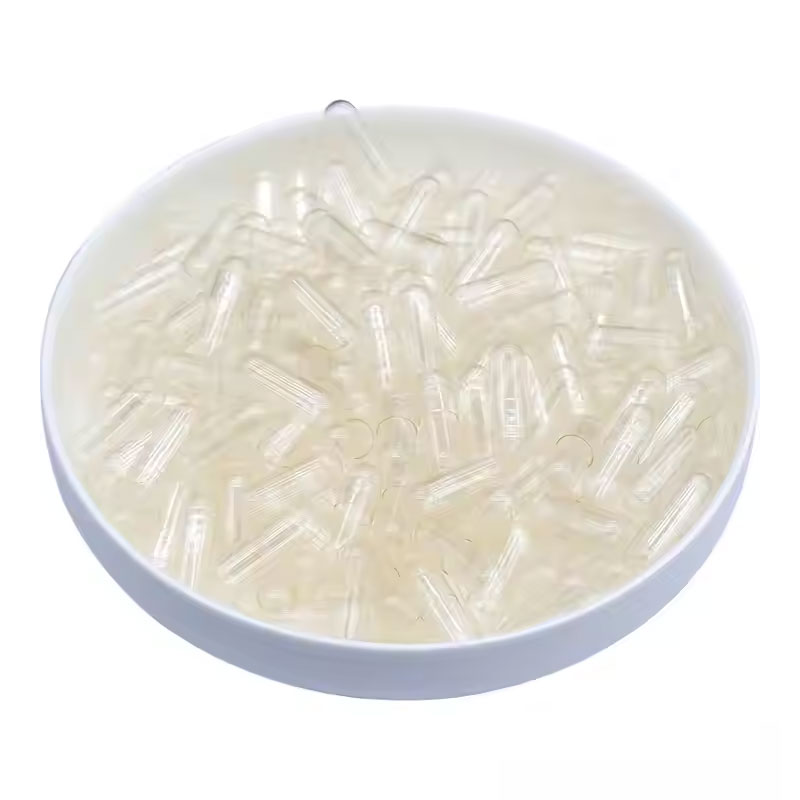 EMPTY VEGATABLE CAPSULE CLEAR SIZE 0
 -
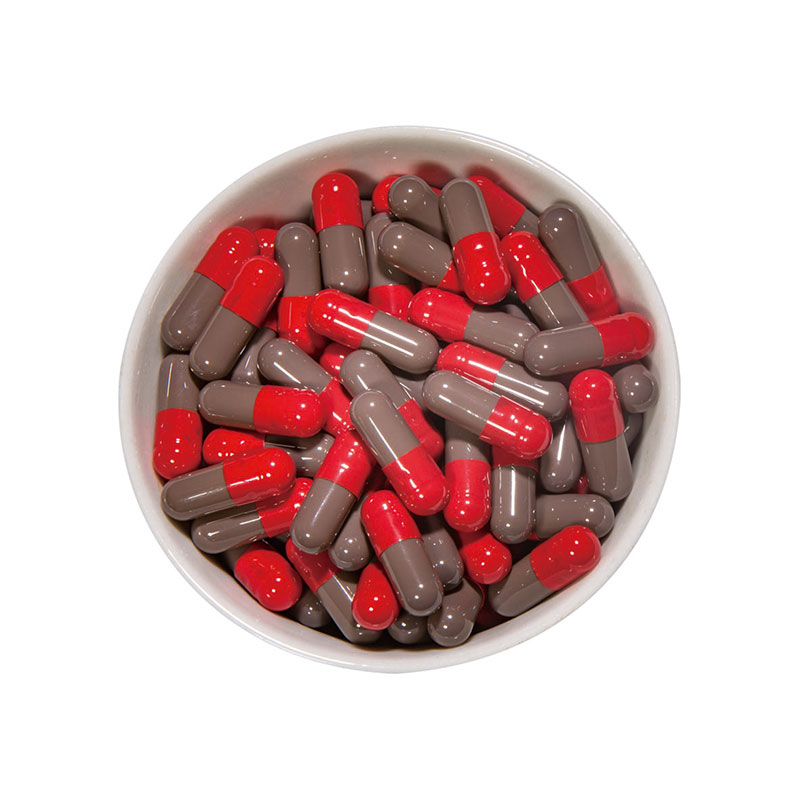 TIO2 free gelatin CAPSULE
Related Search
Related Search- Discount njp 400 capsule filling machine
- Certificate gelatin capsule filling machine
- Discount clear vegetable capsules
- Discount halala empty capsule
- high quality gel cap filling machine
- Certificate empty Vegetable Capsule
- high quality Blister machine
- Best empty CLEAR HPMC CAPSULE SIZE 00
- capsule filler size 00
- Certificate semi automatic capsule filler