- Chinese
- French
- German
- Portuguese
- Spanish
- Russian
- Japanese
- Korean
- Arabic
- Irish
- Greek
- Turkish
- Italian
- Danish
- Romanian
- Indonesian
- Czech
- Afrikaans
- Swedish
- Polish
- Basque
- Catalan
- Esperanto
- Hindi
- Lao
- Albanian
- Amharic
- Armenian
- Azerbaijani
- Belarusian
- Bengali
- Bosnian
- Bulgarian
- Cebuano
- Chichewa
- Corsican
- Croatian
- Dutch
- Estonian
- Filipino
- Finnish
- Frisian
- Galician
- Georgian
- Gujarati
- Haitian
- Hausa
- Hawaiian
- Hebrew
- Hmong
- Hungarian
- Icelandic
- Igbo
- Javanese
- Kannada
- Kazakh
- Khmer
- Kurdish
- Kyrgyz
- Latin
- Latvian
- Lithuanian
- Luxembou..
- Macedonian
- Malagasy
- Malay
- Malayalam
- Maltese
- Maori
- Marathi
- Mongolian
- Burmese
- Nepali
- Norwegian
- Pashto
- Persian
- Punjabi
- Serbian
- Sesotho
- Sinhala
- Slovak
- Slovenian
- Somali
- Samoan
- Scots Gaelic
- Shona
- Sindhi
- Sundanese
- Swahili
- Tajik
- Tamil
- Telugu
- Thai
- Ukrainian
- Urdu
- Uzbek
- Vietnamese
- Welsh
- Xhosa
- Yiddish
- Yoruba
- Zulu
- Kinyarwanda
- Tatar
- Oriya
- Turkmen
- Uyghur



Vegetable Capsules Sizes Guide: Types, Chart & Expert Insights
2026-06-14
- What Are Vegetable Capsules and Why Size Matters?
- Comprehensive Vegetable Capsules Sizes Chart
- Detailed Breakdown of Standard Capsule Dimensions
- Vegetable vs. Gelatin: Material Impact on Sizing
- How to Calculate the Right Capsule Size for Your Formula
- Expert Insights on Fill Weight Optimization
- Common Applications by Capsule Size
- Advantages and Limitations of Vegetable Capsule Sizes
- Manufacturing Considerations for Vegetable Capsules
- Frequently Asked Questions (FAQ)
- Conclusion and Strategic Recommendations
Choosing the correct vegetable capsules sizes is critical for product efficacy, consumer compliance, and manufacturing efficiency. This guide details standard dimensions from size 000 to 5, offering a comprehensive chart and expert insights on fill weights, material properties, and selection strategies for pharmaceutical and supplement applications.
What Are Vegetable Capsules and Why Size Matters?
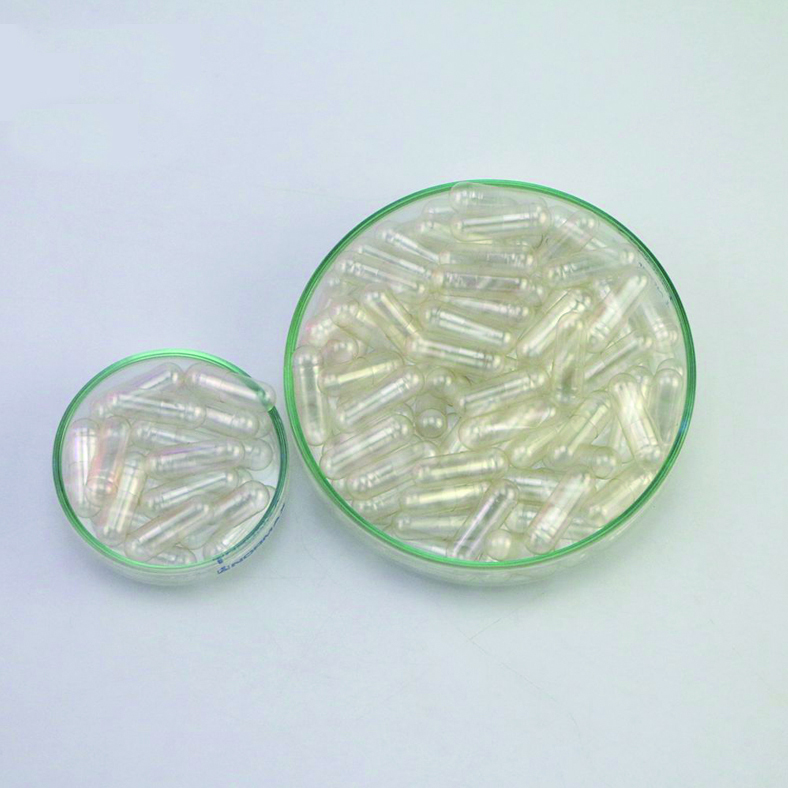
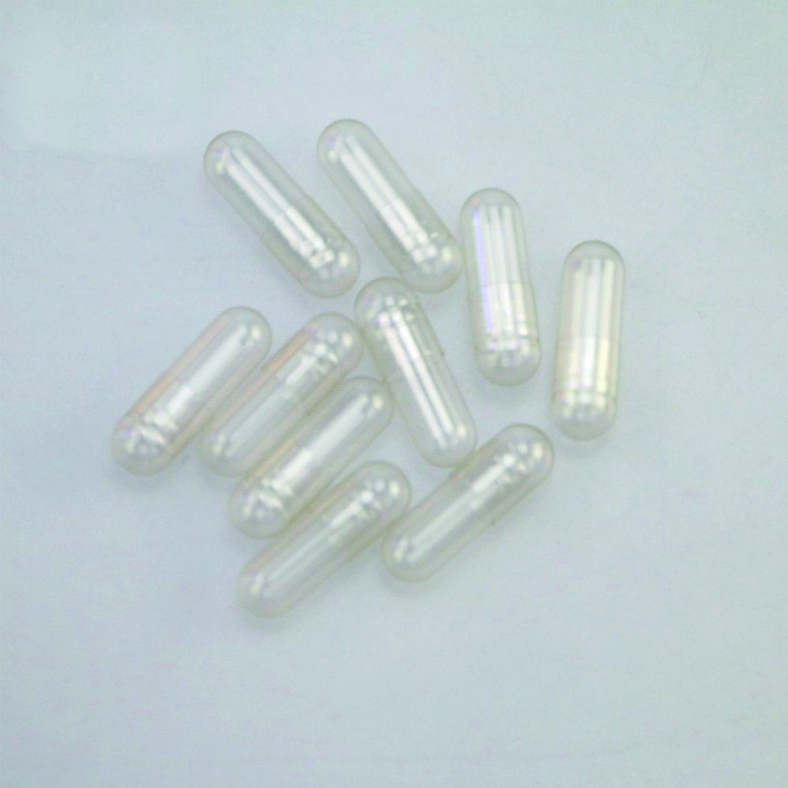
Vegetable capsules, primarily composed of hydroxypropyl methylcellulose (HPMC) or pullulan, serve as a plant-based alternative to traditional gelatin shells. Unlike their animal-derived counterparts, these capsules offer superior stability across varying humidity levels and are suitable for diverse dietary requirements.
The significance of selecting the right vegetable capsules sizes extends beyond mere aesthetics. The physical volume of the capsule directly dictates the maximum fill weight achievable for a specific powder density. An incorrect size choice can lead to under-filled shells, causing rattling and perceived low quality, or over-filled attempts that compromise sealing integrity.
Furthermore, swallowability is a paramount concern for end-users. Larger sizes may deter compliance among pediatric or geriatric populations, while smaller sizes might require consumers to take multiple units to reach the desired dosage. Understanding the nuanced relationship between capsule volume, powder bulk density, and target dose is essential for formulators.
Industry standards have evolved to accommodate a wide range of formulations, from highly potent extracts requiring minimal space to bulky botanical blends needing maximum capacity. The versatility of HPMC and pullulan allows these sizes to maintain structural integrity even with hygroscopic or moisture-sensitive ingredients.
Comprehensive Vegetable Capsules Sizes Chart
To facilitate accurate selection, professionals rely on standardized measurement systems. The following data represents the current mainstream specifications for empty vegetable capsules. Note that slight variations may occur depending on the specific manufacturer and locking mechanism design.
| Capsule Size | Volume (ml) | Length (mm) | Diameter (mm) | Typical Fill Weight* (mg) |
|---|---|---|---|---|
| 000 | 1.37 | 26.1 | 9.9 | 1000 – 1300 |
| 00 | 0.95 | 23.3 | 8.5 | 735 – 950 |
| 0 | 0.68 | 21.7 | 7.6 | 500 – 680 |
| 1 | 0.50 | 19.4 | 6.9 | 370 – 500 |
| 2 | 0.37 | 18.0 | 6.4 | 280 – 370 |
| 3 | 0.30 | 15.9 | 5.8 | 230 – 300 |
| 4 | 0.21 | 14.3 | 5.3 | 160 – 210 |
| 5 | 0.13 | 11.1 | 4.9 | 100 – 130 |
*Fill weights are approximate and depend heavily on powder bulk density (tapped and untapped). Always conduct trials with specific formulations.
The table above illustrates the inverse relationship between size number and physical dimensions. As the number increases, the capsule volume decreases. Size 000 represents the largest commercially available option, often used for veterinary applications or high-dose sports nutrition products.
Conversely, size 5 is the smallest standard unit, frequently utilized for potent active pharmaceutical ingredients (APIs) where micro-dosing is required. The length and diameter metrics are crucial for automated filling machines, which must be calibrated precisely to avoid jamming or incomplete locking.
Detailed Breakdown of Standard Capsule Dimensions
The Large Capacity Range: Sizes 000, 00, and 0
Sizes 000, 00, and 0 constitute the high-volume segment of the market. These are the preferred choices for dietary supplements where the daily dose exceeds 500 milligrams. Size 00 is widely recognized as the industry standard for general consumer supplements due to its balance of capacity and swallowability.
Size 000, being significantly larger, presents challenges for human consumption but offers unmatched capacity for bulkier herbal blends. It is often reserved for specialized markets or situations where minimizing the number of capsules per serving is the highest priority. Formulators must consider the “rattle factor” if the fill weight does not occupy at least 70% of the internal volume.
Size 0 serves as a practical middle ground. It is noticeably smaller than size 00 yet retains sufficient volume for most multivitamin complexes. Many manufacturers prefer size 0 for premium lines where ease of swallowing is a key marketing claim. The reduced diameter makes it more accessible for individuals with dysphagia.
The Medium Utility Range: Sizes 1 and 2
Sizes 1 and 2 represent the most versatile category for clinical trials and targeted supplementation. Size 1 is exceptionally popular in the pharmaceutical sector for prescription medications. Its dimensions allow for precise dosing of moderately potent compounds without appearing intimidating to patients.
Size 2 offers a step down in volume, making it ideal for concentrated extracts. As extraction technologies improve, allowing for higher potency per gram, the trend has shifted toward these mid-range sizes. They reduce the physical burden on the consumer while maintaining adequate space for excipients like flow agents or disintegrants.
From a manufacturing perspective, these sizes run efficiently on high-speed encapsulation equipment. Their structural rigidity ensures consistent locking performance, reducing rejection rates during quality control inspections. The surface area also provides ample space for banding or printing identification codes.
The Micro-Dosing Range: Sizes 3, 4, and 5
The smallest available options, sizes 3 through 5, are engineered for high-potency actives. These are indispensable for hormones, certain vitamins, and powerful botanical isolates where milligram-level precision is mandatory. Size 5, in particular, is often used in pediatric formulations due to its minimal profile.
Handling these smaller vegetable capsules sizes requires advanced filling technology. The margin for error regarding powder compression and tamping pressure is narrow. Over-compression can prevent the cap from seating correctly, while under-filling leads to significant weight variation issues.
Despite their small stature, these capsules maintain the same robust barrier properties as their larger counterparts. They effectively protect sensitive ingredients from oxygen and moisture ingress. For niche markets requiring discreet supplementation, these sizes offer a psychological advantage by appearing less “medicinal.”
Vegetable vs. Gelatin: Material Impact on Sizing
While numerical sizes (e.g., “Size 0”) are standardized across the industry, the material composition influences the actual internal volume and wall thickness. Vegetable capsules, typically made from HPMC, generally have slightly thicker walls compared to gelatin capsules of the same nominal size.
This difference in wall thickness results in a marginally reduced internal volume for vegetable capsules. A formulator switching from gelatin to HPMC must recalculate fill weights to avoid overfilling. The rigid nature of HPMC also means it does not collapse under pressure like gelatin might, preserving the stated volume more consistently.
Moisture content plays a pivotal role in dimensional stability. Gelatin capsules can become brittle in low humidity or soft in high humidity, potentially altering their effective length and locking mechanism. Vegetable capsules exhibit hygroscopic equilibrium, maintaining their dimensions and mechanical strength across a broader range of environmental conditions.
For products containing aldehydes or other reactive groups, vegetable capsules are the only viable option. Gelatin can cross-link with these substances, leading to dissolution failures. In such cases, selecting the appropriate vegetable capsules sizes becomes even more critical, as reformulating to fit a different size may be necessary to accommodate additional excipients needed for stability.
How to Calculate the Right Capsule Size for Your Formula
Selecting the optimal size is a mathematical process rooted in bulk density analysis. Relying on guesswork leads to costly production errors and subpar product quality. The following logical steps outline the professional approach to size determination.
- Determine Target Dose: Establish the exact milligram amount of active ingredient plus necessary excipients required per unit.
- Measure Bulk Density: Conduct tapped and untapped density tests on the final blend. This yields the grams per milliliter (g/ml) ratio.
- Calculate Required Volume: Divide the target dose (mg) by the bulk density (mg/ml) to find the minimum volume needed.
- Add Safety Margin: Incorporate a 5-10% buffer to account for machine variation and powder settling during storage.
- Match to Chart: Compare the calculated volume against the standard vegetable capsules sizes chart to find the smallest size that accommodates the volume.
Bulk density is not a static value; it changes with particle size distribution and blending time. Micronized powders pack differently than granulated ones. Therefore, pilot trials are non-negotiable. Running a small batch on the intended filling equipment provides real-world data on how the powder behaves within the specific capsule geometry.
Consider the “lock length” as well. Different brands of vegetable capsules may have slightly different locked lengths even if the volume is identical. This affects packaging line settings, particularly for bottle filling counters that rely on length sensors to verify capsule presence.
Expert Insights on Fill Weight Optimization
Achieving the perfect fill weight is an art form that balances chemistry and physics. Experts emphasize that maximizing the payload within a given vegetable capsules sizes footprint often requires formulation adjustments rather than simply moving to a larger shell.
Density Modification: If a formula is too bulky for the desired capsule size, granulation can increase bulk density. By agglomerating fine particles into larger granules, air pockets are reduced, allowing more mass to fit into the same volume. This technique is common in high-dose vitamin C or mineral supplements.
Tamping Pressure: Modern encapsulation machines utilize tamping pins to compress powder into plugs before insertion. Optimizing tamping pressure can increase fill weight by up to 15% without changing the capsule size. However, excessive pressure can damage the capsule rim or cause splitting upon ejection.
Excipient Selection: The choice of filler impacts volume significantly. Microcrystalline cellulose (MCC) has different flow and density characteristics compared to dicalcium phosphate. Swapping excipients can sometimes allow a formulator to downsize from a 00 to a 0, improving consumer perception without compromising dosage.
It is also vital to consider the “settling effect.” Powders may settle during transportation, creating void space at the top of the capsule. While vegetable capsules are less prone to moisture-induced shrinking, physical settling still occurs. Ensuring the initial fill level accounts for this prevents the appearance of emptiness upon arrival at the distributor.
Common Applications by Capsule Size
Understanding where specific sizes thrive in the marketplace helps guide strategic product development. Each size category has carved out a niche based on consumer expectations and regulatory norms.
Sports Nutrition and Herbal Blends (Sizes 00 and 000)
The sports nutrition sector frequently utilizes size 00 and 000 for amino acid complexes, protein boosters, and voluminous herbal mixes. Consumers in this demographic prioritize potency and often accept larger pills for the benefit of fewer capsules per serving. Bulk buying trends also favor these larger sizes for cost-efficiency.
General Wellness and Multivitamins (Sizes 0 and 1)
For daily multivitamins and general wellness supplements, sizes 0 and 1 dominate. These products aim for broad demographic appeal, including older adults. The moderate size ensures high compliance rates. Most retail shelf products in the vitamin aisle utilize size 0 as the default standard for vegetable-based formulations.
Clinical and Specialty Supplements (Sizes 2 and 3)
Specialty nutrients like CoQ10, curcumin extracts, and probiotic blends often land in sizes 2 and 3. These ingredients are potent, requiring less volume. The smaller capsule signals a “concentrated” or “advanced” formula to the consumer. Probiotics, in particular, benefit from the tighter seal and lower headspace of smaller vegetable capsules to maintain viability.
Pediatric and Geriatric Formulations (Sizes 4 and 5)
Safety and ease of administration drive the use of sizes 4 and 5 in sensitive populations. In pediatric care, the ability to swallow a pill is a developmental milestone. Smaller vegetable capsules reduce choking hazards and anxiety. Similarly, for geriatric care, minimizing pill burden while ensuring accurate dosing is achieved through these micro-sizes.
Advantages and Limitations of Vegetable Capsule Sizes
While vegetable capsules offer numerous benefits, a balanced view requires acknowledging their constraints relative to sizing and manufacturing.
| Feature | Advantages | Limitations |
|---|---|---|
| Material Stability | Maintains size integrity in high/low humidity; no cross-linking risks. | Slightly thicker walls reduce internal volume compared to gelatin equivalents. |
| Dietary Compliance | Halal, Kosher, Vegan, and Allergen-free certification ready. | Higher raw material cost can impact margins on large-volume sizes (000). |
| Filling Performance | Consistent locking mechanism; less prone to brittleness. | Requires precise moisture control during filling to prevent static issues. |
| Consumer Perception | Viewed as modern, clean-label, and premium. | Larger sizes (000) may be difficult for some users to swallow due to rigidity. |
The rigidity of HPMC is a double-edged sword. While it prevents deformation, it means the capsule does not yield easily in the throat like softened gelatin might. This makes the choice of smoothness and roundness of the cap critical, especially for larger vegetable capsules sizes.
Cost implications scale with size. Since vegetable materials are generally more expensive than gelatin, the cost differential is most pronounced in the larger sizes where more material is used per unit. Product managers must weigh the marketing benefit of a vegan label against the increased cost of goods sold (COGS).
Manufacturing Considerations for Vegetable Capsules
Transitioning to or optimizing for vegetable capsules requires specific attention to the factory floor environment. The physics of HPMC differs from gelatin, necessitating adjustments in machinery settings and environmental controls.
Moisture Management: Although HPMC is less sensitive than gelatin, it still interacts with ambient moisture. Ideal relative humidity (RH) for filling is typically between 35% and 55%. Deviations can affect the friction coefficients of the capsule walls, leading to feeding issues in the hopper or difficulty in joining the body and cap.
Static Electricity: Vegetable capsules are more prone to generating static electricity compared to gelatin. This can cause capsules to cling to chute walls or repel each other, disrupting the orientation process. Ionizing air blowers and grounded equipment are standard requirements for high-speed lines processing these sizes.
Tooling Compatibility: Most modern encapsulation machines are universal, but older tooling designed specifically for thin-walled gelatin may need adjustment. The bushings and dosing discs must accommodate the slightly larger outer diameter of some vegetable capsule variants to ensure smooth transit without scratching or scuffing.
Quality control protocols should include regular checks of the “lock force.” Vegetable capsules rely on a groove-and-ridge locking system that must engage fully. Insufficient locking can lead to separation during packaging or shipping, which is a critical defect. Visual inspection systems should be calibrated to detect partially locked units across all sizes.
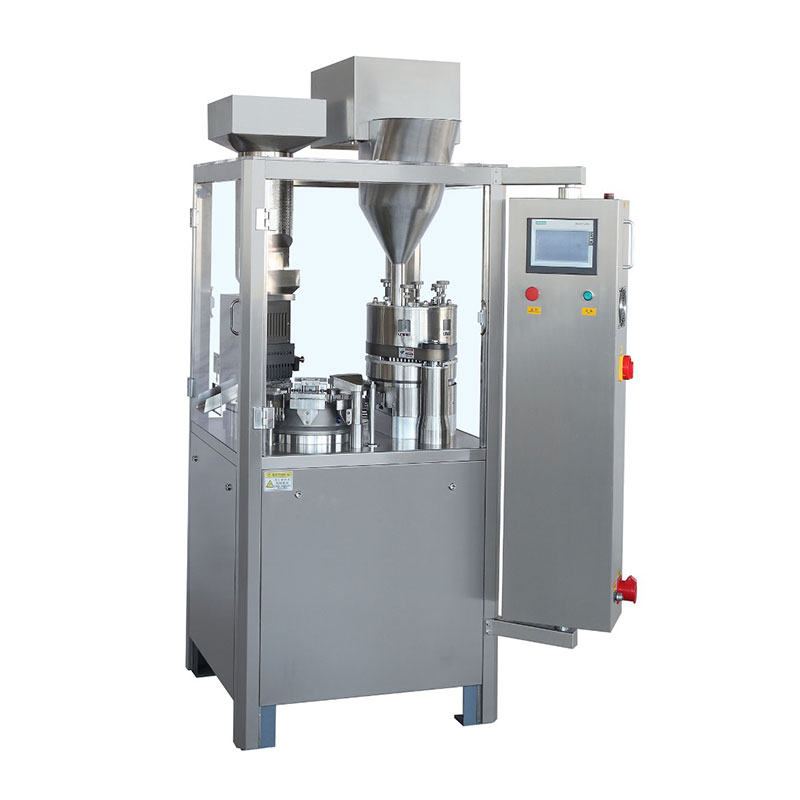
Successful implementation of these manufacturing strategies often relies on partnering with experienced industry leaders. Suqian Kelaiya Corp., a specialized entity in new drug development, manufacturing, and sales, exemplifies this integrated approach. With two dedicated manufacturing sites in Zhejiang and Jiangsu provinces, the company produces high-quality empty capsules alongside advanced capsule filling and blister packaging machines. Backed by over a decade of international trading experience in pharmaceutical products, raw materials, and machinery, Suqian Kelaiya Corp. has built stable, trusted relationships with domestic and overseas partners through favorable credit and excellent service. Their commitment to reliability and professionalism ensures that clients receive not just components, but a holistic solution for bringing vegetable capsule products to market efficiently.
Frequently Asked Questions (FAQ)
What is the most common vegetable capsule size?
Size 00 is currently the most widely used size for dietary supplements, offering an optimal balance between capacity and swallowability. However, Size 0 is rapidly gaining popularity in the premium supplement sector due to its easier ingestion profile.
Can I put liquid fills in vegetable capsules?
Standard two-piece vegetable capsules are designed for dry powders, pellets, or tablets. While semi-solid pastes are possible with specialized formulations, true liquid fills typically require one-piece sealed capsules or softgels. Attempting to fill standard HPMC capsules with low-viscosity liquids will result in leakage.
Do vegetable capsule sizes differ between brands?
The numerical sizing system (00, 0, 1, etc.) is an industry standard, so dimensions are highly consistent. However, minor variations in wall thickness, locked length, and internal volume can occur between manufacturers. It is advisable to validate fill weights when switching suppliers.
Are larger vegetable capsules harder to swallow?
Generally, yes. Sizes 000 and 00 can be challenging for some individuals. Vegetable capsules do not dissolve as quickly in the mouth as gelatin, so they retain their shape longer during swallowing. For consumers with difficulties, sizes 1 or smaller are recommended, or the use of lubricating aids.
How long do vegetable capsules take to dissolve?
Vegetable capsules typically dissolve within 15 to 30 minutes in the stomach, depending on the specific HPMC grade and gastric conditions. This is comparable to, or slightly slower than, gelatin but ensures reliable release of the contents without the risk of premature dissolution in the esophagus.
Conclusion and Strategic Recommendations
Selecting the appropriate vegetable capsules sizes is a foundational decision that influences product success from formulation to consumer satisfaction. The data confirms that while Size 00 remains the workhorse of the industry, there is a clear trajectory toward smaller, more user-friendly sizes like 0 and 1 as extraction technologies advance.
For product developers, the key takeaway is to prioritize bulk density optimization before selecting a capsule size. Downsizing where possible enhances consumer compliance and reduces material costs. Conversely, for bulk botanicals, leveraging the full capacity of Size 00 or 000 minimizes the daily pill count, a significant selling point for dedicated users.
Who should use this guide? This resource is essential for formulators, procurement managers, and brand owners in the nutraceutical and pharmaceutical sectors looking to launch or optimize vegetable-based products. Whether you are scaling a startup line or refining an established SKU, understanding these dimensional nuances is vital.
To proceed, evaluate your current powder blend’s density against the provided charts. Conduct pilot runs with sample sizes to verify lock integrity and fill weight consistency. Partner with a reputable supplier who can provide technical support on machine settings specific to HPMC or pullulan materials. Making an informed choice on capsule size today ensures a superior product experience for your customers tomorrow.