- Chinese
- French
- German
- Portuguese
- Spanish
- Russian
- Japanese
- Korean
- Arabic
- Irish
- Greek
- Turkish
- Italian
- Danish
- Romanian
- Indonesian
- Czech
- Afrikaans
- Swedish
- Polish
- Basque
- Catalan
- Esperanto
- Hindi
- Lao
- Albanian
- Amharic
- Armenian
- Azerbaijani
- Belarusian
- Bengali
- Bosnian
- Bulgarian
- Cebuano
- Chichewa
- Corsican
- Croatian
- Dutch
- Estonian
- Filipino
- Finnish
- Frisian
- Galician
- Georgian
- Gujarati
- Haitian
- Hausa
- Hawaiian
- Hebrew
- Hmong
- Hungarian
- Icelandic
- Igbo
- Javanese
- Kannada
- Kazakh
- Khmer
- Kurdish
- Kyrgyz
- Latin
- Latvian
- Lithuanian
- Luxembou..
- Macedonian
- Malagasy
- Malay
- Malayalam
- Maltese
- Maori
- Marathi
- Mongolian
- Burmese
- Nepali
- Norwegian
- Pashto
- Persian
- Punjabi
- Serbian
- Sesotho
- Sinhala
- Slovak
- Slovenian
- Somali
- Samoan
- Scots Gaelic
- Shona
- Sindhi
- Sundanese
- Swahili
- Tajik
- Tamil
- Telugu
- Thai
- Ukrainian
- Urdu
- Uzbek
- Vietnamese
- Welsh
- Xhosa
- Yiddish
- Yoruba
- Zulu
- Kinyarwanda
- Tatar
- Oriya
- Turkmen
- Uyghur


Size 0 Vegetable Capsules Guide: Types, Uses & Expert Insights
2026-06-11
- What Are Size 0 Vegetable Capsules?
- Composition and Manufacturing Technology
- Industry Leadership: A Partner in Pharmaceutical Excellence
- Size 0 vs. Other Capsule Sizes: A Detailed Comparison
- Advantages of Vegetable Capsules Over Gelatin
- Optimal Applications for Size 0 Vegetable Capsules
- Filling and Processing Guidelines
- Regulatory Considerations and Safety
- Frequently Asked Questions (FAQ)
- Expert Insights on Future Trends
- Conclusion and Selection Guide
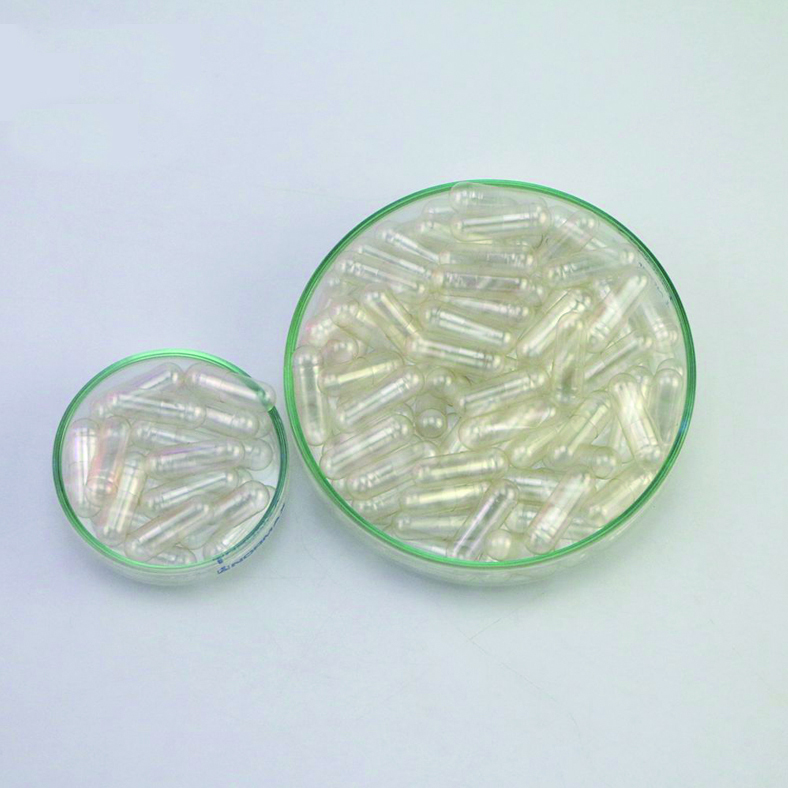
Size 0 vegetable capsules are the industry-standard empty shell solution for formulating dietary supplements, herbal extracts, and nutraceuticals requiring a moderate fill volume. Crafted primarily from hydroxypropyl methylcellulose (HPMC), these plant-based capsules offer a superior alternative to traditional gelatin, providing excellent stability across varying humidity levels and compatibility with hygroscopic ingredients. As consumer demand shifts toward vegan-friendly and clean-label products, size 0 has emerged as the most versatile option for manufacturers balancing dosage requirements with swallowability.
What Are Size 0 Vegetable Capsules?
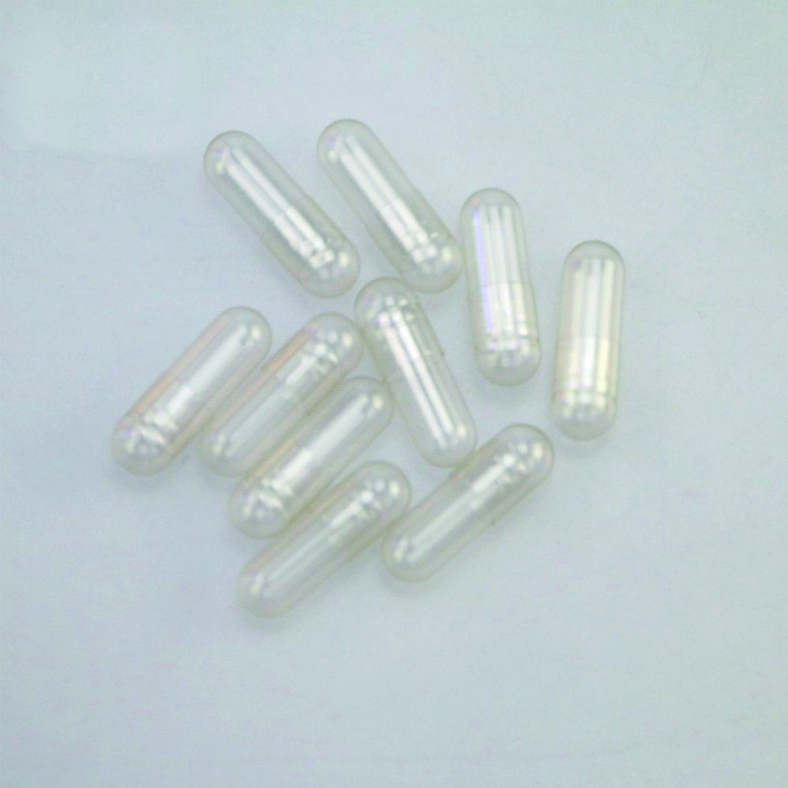
Size 0 vegetable capsules represent a specific dimensional category within the broader spectrum of empty capsule shells used in the pharmaceutical and supplement industries. Unlike animal-derived gelatin capsules, these are manufactured using hydroxypropyl methylcellulose (HPMC), a cellulose derivative sourced from pine or poplar trees. This composition makes them inherently suitable for vegetarian and vegan formulations while maintaining the structural integrity required for high-speed filling machinery.
The “size 0” designation refers to the physical dimensions and internal volume of the capsule. In the standardized capsule sizing system, which ranges from size 5 (smallest) to size 000 (largest), size 0 offers a balanced capacity. It is widely recognized as the default choice for adult dosages that require more space than a size 1 but remain easy to swallow compared to the bulkier size 00. The typical internal volume of a size 0 capsule ranges between 0.68 mL and 0.78 mL, depending on the specific manufacturer and wall thickness.
These capsules consist of two parts: a longer body and a shorter cap. They are designed to lock together securely after filling, preventing accidental opening during packaging or transport. The material properties of HPMC allow these capsules to maintain low moisture content, typically between 4% and 6%, which is significantly lower than gelatin alternatives. This characteristic is crucial for protecting sensitive ingredients from degradation caused by water activity.
Key Physical Specifications
Understanding the precise measurements of size 0 vegetable capsules is essential for formulation scientists and product developers. While slight variations exist between different manufacturing lines, the industry adheres to strict tolerances to ensure compatibility with automated filling equipment.
- Total Length: Approximately 23.3 mm when locked.
- Diameter: Roughly 7.65 mm, offering a comfortable profile for ingestion.
- Fill Volume: Variable based on powder density, generally accepting 500 mg to 750 mg of standard botanical powders.
- Wall Thickness: Available in standard and premium grades, affecting transparency and mechanical strength.
The consistency of these dimensions ensures that size 0 vegetable capsules can be utilized on virtually all modern rotary and intermittent motion filling machines without requiring significant adjustment. This universality reduces downtime for contract manufacturers and streamlines the production process for brand owners.
Composition and Manufacturing Technology
The creation of size 0 vegetable capsules involves a sophisticated process that transforms raw plant cellulose into a precise, pharmaceutical-grade delivery system. The primary ingredient, HPMC, is selected for its non-animal origin and its unique ability to form strong films without the need for cross-linking agents that often complicate gelatin processing.
The Role of HPMC
Hydroxypropyl methylcellulose serves as the backbone of these capsules. It is a semi-synthetic polymer that exhibits thermogelation properties, meaning it forms a gel at higher temperatures rather than lower ones, which is the opposite behavior of gelatin. This property allows the dipping process to occur efficiently. During manufacturing, metal pins are dipped into a heated HPMC solution. As the pins are withdrawn and cooled, a uniform film forms around them, creating the capsule shape.
One of the distinct advantages of HPMC is its low moisture content. Traditional gelatin capsules usually contain 13% to 16% water to remain flexible. In contrast, size 0 vegetable capsules naturally retain only 4% to 6% moisture. This low water activity makes them ideal for encapsulating hygroscopic ingredients—substances that readily absorb moisture from the environment—which would otherwise cause gelatin shells to become brittle or deform.
Additives and Gelling Agents
While HPMC is the primary structural component, small amounts of gelling agents such as carrageenan or gellan gum are sometimes added to modify the thermal setting properties of the solution. These additives help control the viscosity and ensure that the capsule walls set uniformly as they dry. Additionally, coloring agents approved for food and pharmaceutical use may be incorporated to create opaque or tinted shells, protecting light-sensitive ingredients like certain vitamins or probiotics.
The manufacturing environment is strictly controlled to prevent contamination. Facilities operate under Good Manufacturing Practices (GMP), ensuring that every batch of size 0 vegetable capsules meets rigorous purity standards. The absence of animal by-products also eliminates the risk of Bovine Spongiform Encephalopathy (BSE) and other zoonotic contaminants, a critical factor for global distribution where regulatory requirements vary significantly.
Industry Leadership: A Partner in Pharmaceutical Excellence
Navigating the complexities of capsule selection and production requires a partner with deep industry expertise and reliable manufacturing capabilities. Suqian Kelaiya Corp. stands out as a specialized leader in new drug development, manufacturing, and sales, dedicated to serving the global pharmaceutical landscape. With over a decade of experience in international trade, the company has established itself as a trusted bridge between domestic innovation and overseas markets.
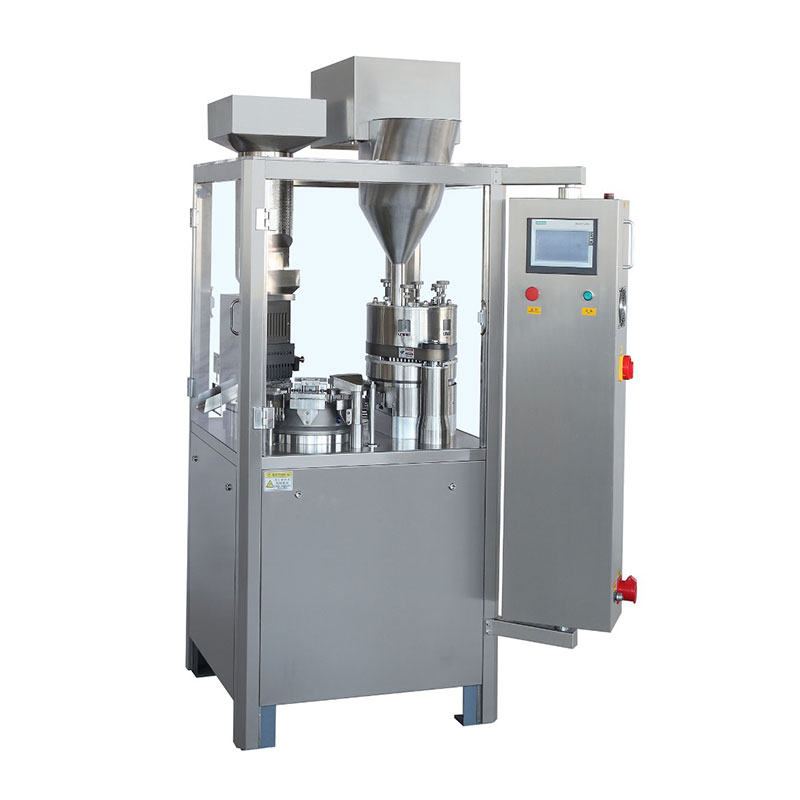
Operating two advanced manufacturing sites located in Zhejiang and Jiangsu provinces, Suqian Kelaiya Corp. offers a comprehensive ecosystem for pharmaceutical production. Their facilities are equipped not only for the precision manufacturing of high-quality empty capsules—including the versatile size 0 vegetable variety—but also for producing state-of-the-art capsule filling machines and blister packaging solutions. This vertical integration ensures that clients receive products and machinery that are perfectly synchronized for optimal performance.
Built on a foundation of favorable credit and exceptional service, Suqian Kelaiya Corp. has cultivated stable, long-term business relationships with numerous pharmaceutical and chemical companies worldwide. Their commitment to reliability and professionalism has made them a recognized name in the industry. By focusing on international markets and fostering mutual development, they aim to be more than just a supplier; they strive to be a strategic partner dedicated to the pharmaceutical industry’s mission: serving human health for a better life and a brighter future.
Size 0 vs. Other Capsule Sizes: A Detailed Comparison
Selecting the correct capsule size is a critical decision in product development. Choosing a size that is too large can lead to poor patient compliance due to swallowing difficulties, while a size that is too small may not accommodate the required therapeutic dose. Size 0 vegetable capsules occupy a strategic middle ground in the sizing chart.
The following table compares size 0 vegetable capsules with adjacent sizes to highlight their relative capacity and usability profiles. This comparison assists formulators in determining whether size 0 is the optimal choice for their specific powder density and dosage requirements.
| Feature | Size 1 Vegetable Capsule | Size 0 Vegetable Capsule | Size 00 Vegetable Capsule |
|---|---|---|---|
| Approximate Length | 19.4 mm | 23.3 mm | 23.6 mm |
| Approximate Diameter | 6.6 mm | 7.65 mm | 8.5 mm |
| Typical Fill Volume | 0.48 – 0.55 mL | 0.68 – 0.78 mL | 0.90 – 1.00 mL |
| Estimated Powder Capacity* | 400 – 500 mg | 500 – 750 mg | 700 – 1000 mg |
| Swallowability Rating | Very Easy | Moderate / Standard | Moderate / Large |
| Primary Use Case | Potent extracts, pediatric | General supplements, herbs | Bulky powders, high dose |
*Note: Powder capacity varies significantly based on the tapped density and flow characteristics of the specific ingredient blend.
Why Choose Size 0 Over Size 00?
While size 00 offers greater volume, it is noticeably wider. For many consumers, particularly older adults or those with dysphagia, the diameter of a size 00 capsule can be a barrier to consistent usage. Size 0 vegetable capsules provide nearly 75% of the volume of a size 00 but with a significantly slimmer profile. This makes size 0 the preferred choice for brands prioritizing user experience without sacrificing substantial dosage capacity.
When to Downsize to Size 1
If the active ingredient is highly potent and requires a dosage of less than 400 mg, size 1 might be more appropriate. However, using size 1 for standard herbal blends often results in under-filled capsules, which can rattle inside the shell and appear unprofessional to the end-user. Size 0 allows for a fuller pack, minimizing headspace and ensuring the product looks and feels premium.
Advantages of Vegetable Capsules Over Gelatin
The shift from gelatin to vegetable-based capsules is not merely a trend but a response to functional limitations inherent in animal-derived products. Size 0 vegetable capsules offer distinct technical and marketing advantages that align with modern supply chain and consumer demands.
Superior Moisture Management
As previously noted, the low moisture content of HPMC capsules is a game-changer for stability. Gelatin capsules act as a moisture reservoir; if the fill material is drier than the shell, water migrates into the powder, potentially causing clumping or chemical degradation. Conversely, if the environment is dry, gelatin shells lose moisture and become brittle. Size 0 vegetable capsules remain stable across a wide range of relative humidity conditions, reducing the need for expensive climate-controlled storage during logistics.
Cross-Linking Resistance
Gelatin capsules are susceptible to cross-linking when exposed to aldehydes found in certain essential oils, flavors, or botanical extracts. Cross-linking creates a rigid polymer network that prevents the capsule from dissolving in the stomach, leading to “floaters” that pass through the digestive tract intact. HPMC does not undergo this reaction. Therefore, size 0 vegetable capsules are the mandatory choice for formulations containing reactive ingredients like cinnamon oil, eugenol, or glutaraldehyde-releasing preservatives.
Dietary and Religious Compliance
In a global market, religious and dietary certifications are paramount. Gelatin is typically derived from pork or beef, which excludes Muslim (Halal), Jewish (Kosher), Hindu, and vegan consumers. Size 0 vegetable capsules are inherently Halal and Kosher certified and are universally accepted by vegan organizations. Using these capsules simplifies the certification process for the final product, expanding the potential market reach without requiring separate production runs for different demographics.
Clear Transparency Options
Modern manufacturing techniques allow size 0 vegetable capsules to achieve a clarity that rivals or exceeds high-quality gelatin. This transparency is valuable for brands that want to showcase the quality and color of their powdered ingredients. Consumers often associate visible, natural-looking powders with purity and authenticity, a marketing advantage that opaque gelatin shells cannot always provide.
Optimal Applications for Size 0 Vegetable Capsules
The versatility of size 0 vegetable capsules makes them suitable for a diverse array of applications. Their dimensions and material properties solve specific formulation challenges across various sectors of the nutraceutical industry.
Herbal and Botanical Blends
Many herbal extracts have low bulk density, meaning they are fluffy and occupy significant volume relative to their weight. A size 0 capsule provides the necessary room to encapsulate effective doses of popular herbs like Ashwagandha, Turmeric, or Milk Thistle without requiring excessive compression that could affect dissolution. The inert nature of HPMC ensures no interaction with the complex phytochemical profiles of these plants.
Probiotics and Sensitive Cultures
Probiotic strains are highly sensitive to moisture and oxygen. The low water activity of size 0 vegetable capsules creates a protective micro-environment that helps maintain colony-forming unit (CFU) counts over the product’s shelf life. Furthermore, these capsules can be easily enteric-coated if needed, although standard HPMC shells already offer better protection against gastric acidity than untreated gelatin.
Vitamins and Minerals
Certain mineral forms, such as magnesium oxide or iron bisglycinate, can be hygroscopic or reactive. Encapsulating these in vegetable shells prevents the “caking” issues often seen in tablet forms or gelatin capsules stored in humid climates. For multivitamin blends where ingredient interactions are a concern, the chemical inertness of the size 0 vegetable capsule acts as a neutral barrier.
Custom Formulations for Clinical Trials
In clinical settings, blinding is essential. Size 0 vegetable capsules can be manufactured in opaque colors to hide the appearance of the contents, ensuring that neither the researcher nor the participant can distinguish between the placebo and the active treatment. Their consistent weight and dimensions also contribute to accurate dosing, a critical requirement for regulatory approval in clinical studies.
Filling and Processing Guidelines
To maximize the efficiency of size 0 vegetable capsules during production, operators must adhere to specific handling and filling protocols. While they run on standard equipment, their physical behavior differs slightly from gelatin due to the lack of plasticizing water content.
Preparation and Storage
Before filling, size 0 vegetable capsules should be stored in their original packaging until immediately before use. Although they are less sensitive to humidity than gelatin, extreme conditions should still be avoided. Ideally, the filling room should maintain a temperature between 20°C and 25°C and a relative humidity of 35% to 55%. Unlike gelatin, these capsules do not require pre-conditioning rooms to adjust moisture levels, streamlining the workflow.
Machinery Compatibility
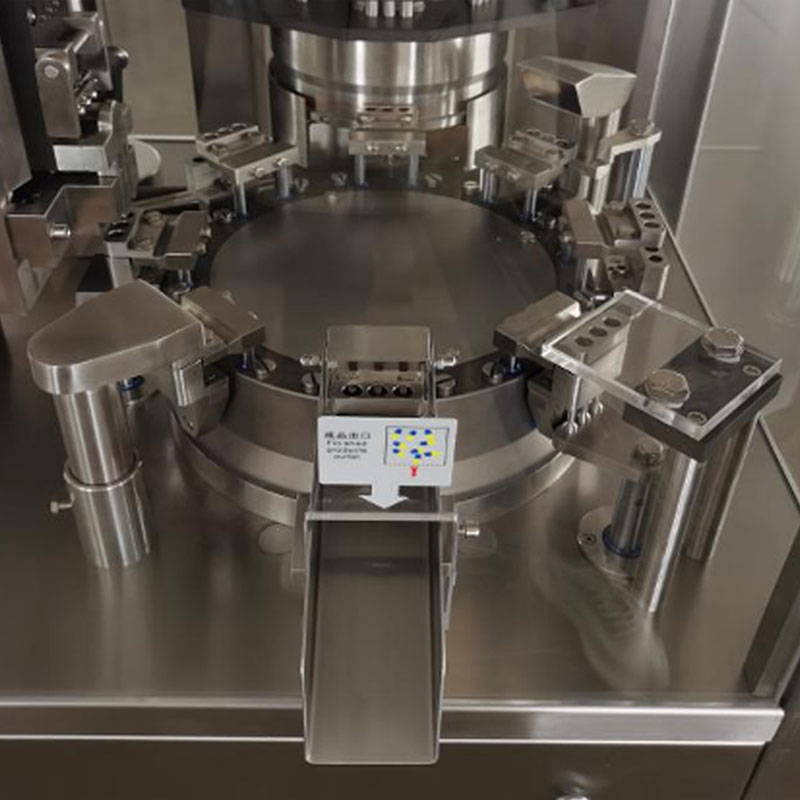
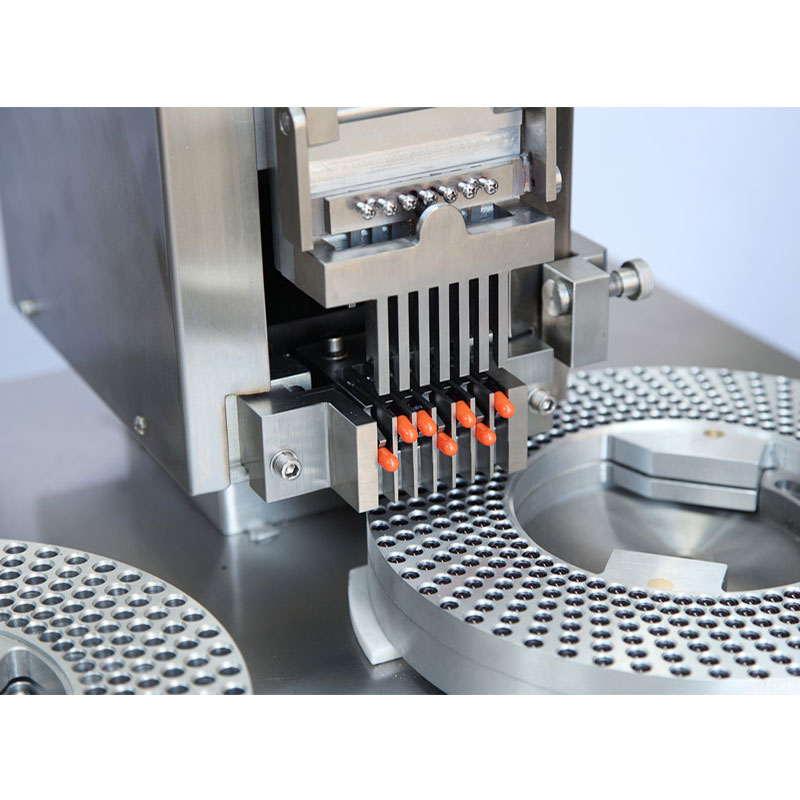
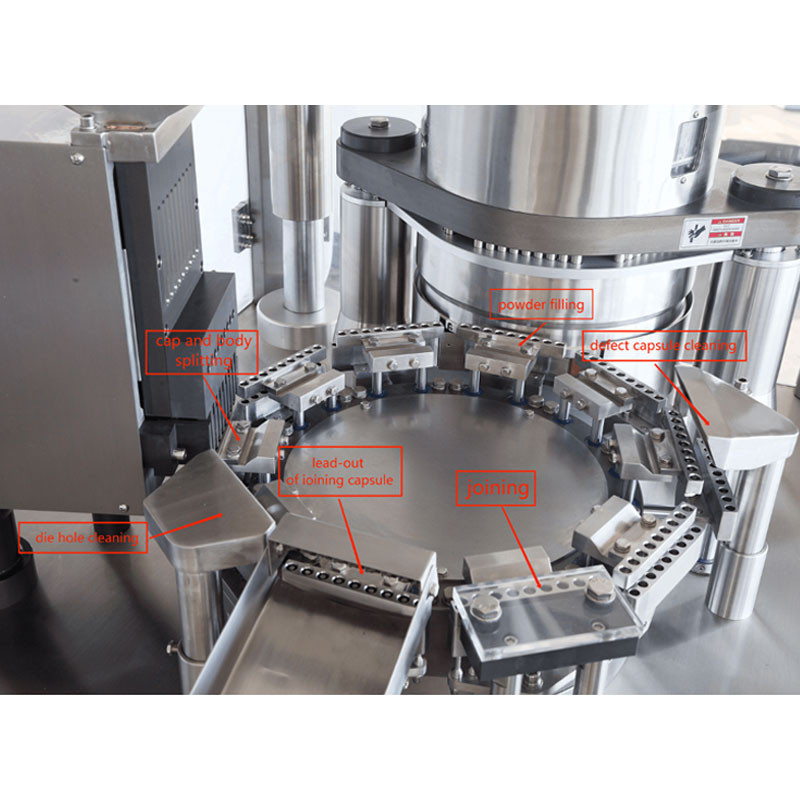
Size 0 vegetable capsules are compatible with both fully automatic rotary machines and semi-automatic capsule fillers. However, because HPMC is slightly more brittle than hydrated gelatin, the vacuum settings on the machine may need minor optimization. Excessive vacuum pressure during the separation of the cap and body can occasionally lead to cracking if the settings are too aggressive. Manufacturers recommend running initial test batches to fine-tune the vacuum and dosing disc speeds.
Locking Mechanisms
Most modern size 0 vegetable capsules feature advanced locking systems, such as double-lock or triple-lock mechanisms. These involve indentations on the inner wall of the cap that snap into corresponding ridges on the body. When the capsule is pushed together during the closing phase of the filling machine, these locks engage audibly and tactilely. Operators should verify that the closing pins on the machinery are correctly aligned to ensure a complete seal, preventing powder leakage.
Troubleshooting Common Issues
- Cap Separation: If caps are popping off post-filling, check the alignment of the closing station and ensure the powder is not trapped in the locking groove.
- Dusting: Minimal dusting is normal, but excessive powder residue may indicate static electricity issues. Ionizing air blowers can mitigate this.
- Weight Variation: Ensure the powder flow is consistent. Vegetable capsules do not compress the powder as much as gelatin might during insertion, so powder density uniformity is key.
Regulatory Considerations and Safety
Compliance with international regulations is a cornerstone of using size 0 vegetable capsules in commercial products. Regulatory bodies worldwide recognize HPMC as a safe excipient, but documentation requirements must be met meticulously.
GRAS and Pharmacopoeia Standards
In the United States, HPMC is Generally Recognized As Safe (GRAS) by the FDA. High-quality size 0 vegetable capsules comply with the United States Pharmacopeia (USP) and National Formulary (NF) monographs. Similarly, in Europe, they meet the European Pharmacopoeia (Ph. Eur.) standards. Manufacturers should always request a Certificate of Analysis (CoA) and a Statement of Composition from their supplier to verify compliance with these stringent guidelines.
Allergen Declarations
One of the strongest selling points of size 0 vegetable capsules is their allergen profile. They are free from the top major allergens, including gluten, soy, dairy, and nuts. This makes them an inclusive choice for consumers with multiple sensitivities. Brands can confidently label their products as “Allergen-Free” regarding the capsule shell, provided the fill material also meets these criteria.
Sustainability and Eco-Credentials
Environmental stewardship is increasingly influencing procurement decisions. The production of HPMC capsules generally has a lower carbon footprint compared to gelatin, which relies on the livestock industry. Furthermore, the sourcing of cellulose from sustainably managed forests (often FSC certified) adds another layer of eco-credibility. For brands targeting environmentally conscious demographics, highlighting the plant-based origin of size 0 vegetable capsules is a powerful marketing narrative.
Frequently Asked Questions (FAQ)
Addressing common queries helps clarify uncertainties for formulators, purchasers, and end-consumers alike. The following section covers the most frequent inquiries regarding size 0 vegetable capsules.
Can size 0 vegetable capsules dissolve in the stomach?
Yes, absolutely. Size 0 vegetable capsules are designed to dissolve rapidly in gastric fluids. HPMC hydrates quickly upon contact with stomach acid and enzymes, typically releasing the contents within 10 to 15 minutes. This dissolution rate is comparable to, and in some cases faster than, standard gelatin capsules, ensuring efficient bioavailability of the supplement.
Are there any taste or odor issues with vegetable capsules?
No. High-grade size 0 vegetable capsules are virtually tasteless and odorless. Unlike some lower-quality gelatin capsules that may emit a faint meaty smell, HPMC shells have no discernible scent. This neutrality prevents any interference with the flavor profile of the encapsulated ingredients, which is particularly important for herbal blends with delicate aromas.
How long is the shelf life of products filled in size 0 vegetable capsules?
The shelf life is primarily determined by the stability of the active ingredients rather than the capsule shell itself. However, due to the low moisture content and resistance to cross-linking, size 0 vegetable capsules often extend the effective shelf life of sensitive formulations. Under proper storage conditions (cool, dry place), products housed in these capsules commonly maintain stability for 24 to 36 months.
Is it difficult to open size 0 vegetable capsules for mixing with food?
While they are designed to stay closed during shipping, size 0 vegetable capsules can be opened manually with moderate effort. Some users prefer to twist the cap gently before pulling it apart. For consumers who have difficulty swallowing pills, these capsules can be opened, and the powder mixed into applesauce or yogurt, though the taste of the raw powder should be considered first.
Do size 0 vegetable capsules cost more than gelatin?
Historically, vegetable capsules were priced higher than gelatin. However, as production scales have increased and technology has matured, the price gap has narrowed significantly. For many mid-to-high-end supplement brands, the marginal cost difference is negligible compared to the value added by vegan certification, improved stability, and broader market appeal.
Expert Insights on Future Trends
The landscape of oral solid dosage forms is evolving, and size 0 vegetable capsules are at the forefront of this transformation. Industry experts predict several key trends that will further cement the dominance of HPMC-based solutions.
Personalized Nutrition and Smaller Batches
The rise of personalized nutrition requires flexible manufacturing capabilities. Size 0 vegetable capsules are ideal for smaller batch runs because they do not require the extensive conditioning periods that gelatin does. This agility allows manufacturers to respond quickly to custom formulation requests, supporting the growing market for bespoke health solutions.
Advanced Functional Coatings
Future developments may see size 0 vegetable capsules coming pre-coated with functional layers directly from the manufacturer. These could include enteric coatings for colon delivery or sustained-release polymers, simplifying the supply chain for formulators who currently have to coat tablets or capsules as a secondary step. The smooth surface of HPMC makes it an excellent substrate for such advanced coating technologies.
Integration with Smart Packaging
As smart packaging technologies emerge, the consistency of size 0 vegetable capsules makes them perfect candidates for automated counting and verification systems. Their uniform dimensions and opacity options facilitate optical scanning and RFID integration, enhancing supply chain transparency and anti-counterfeiting measures.
Conclusion and Selection Guide
Size 0 vegetable capsules represent the optimal convergence of functionality, compliance, and consumer preference in the modern supplement industry. Their balanced dimensions make them suitable for a vast majority of adult dosages, while their HPMC composition solves critical stability and dietary restriction challenges. By choosing size 0 vegetable capsules, brands can ensure product integrity, expand their market reach to vegan and religious demographics, and minimize risks associated with moisture and cross-linking.
Who should use size 0 vegetable capsules?
- Supplement Brands: Seeking a premium, clean-label image with broad consumer appeal.
- Formulators: Working with hygroscopic, reactive, or moisture-sensitive ingredients.
- Global Distributors: Requiring products that meet Halal, Kosher, and Vegan certifications simultaneously.
- Clinical Researchers: Needing precise, inert, and opaque vessels for blinded studies.
If your formulation requires a reliable, versatile, and future-proof delivery system, transitioning to or specifying size 0 vegetable capsules is a strategic move. Evaluate your current powder density and target demographic; if you are currently constrained by gelatin’s limitations or seeking to elevate your brand’s ethical standing, this capsule size offers the most robust solution available today. Partnering with experienced providers like Suqian Kelaiya Corp., who offer both high-quality empty capsules and the machinery to fill them, ensures a seamless path from development to market. Consult with your contract manufacturer or supplier to initiate a trial run and experience the stability and performance benefits firsthand.