- Chinese
- French
- German
- Portuguese
- Spanish
- Russian
- Japanese
- Korean
- Arabic
- Irish
- Greek
- Turkish
- Italian
- Danish
- Romanian
- Indonesian
- Czech
- Afrikaans
- Swedish
- Polish
- Basque
- Catalan
- Esperanto
- Hindi
- Lao
- Albanian
- Amharic
- Armenian
- Azerbaijani
- Belarusian
- Bengali
- Bosnian
- Bulgarian
- Cebuano
- Chichewa
- Corsican
- Croatian
- Dutch
- Estonian
- Filipino
- Finnish
- Frisian
- Galician
- Georgian
- Gujarati
- Haitian
- Hausa
- Hawaiian
- Hebrew
- Hmong
- Hungarian
- Icelandic
- Igbo
- Javanese
- Kannada
- Kazakh
- Khmer
- Kurdish
- Kyrgyz
- Latin
- Latvian
- Lithuanian
- Luxembou..
- Macedonian
- Malagasy
- Malay
- Malayalam
- Maltese
- Maori
- Marathi
- Mongolian
- Burmese
- Nepali
- Norwegian
- Pashto
- Persian
- Punjabi
- Serbian
- Sesotho
- Sinhala
- Slovak
- Slovenian
- Somali
- Samoan
- Scots Gaelic
- Shona
- Sindhi
- Sundanese
- Swahili
- Tajik
- Tamil
- Telugu
- Thai
- Ukrainian
- Urdu
- Uzbek
- Vietnamese
- Welsh
- Xhosa
- Yiddish
- Yoruba
- Zulu
- Kinyarwanda
- Tatar
- Oriya
- Turkmen
- Uyghur



HPMC capsule shell: eco-friendly innovation?
2026-03-28
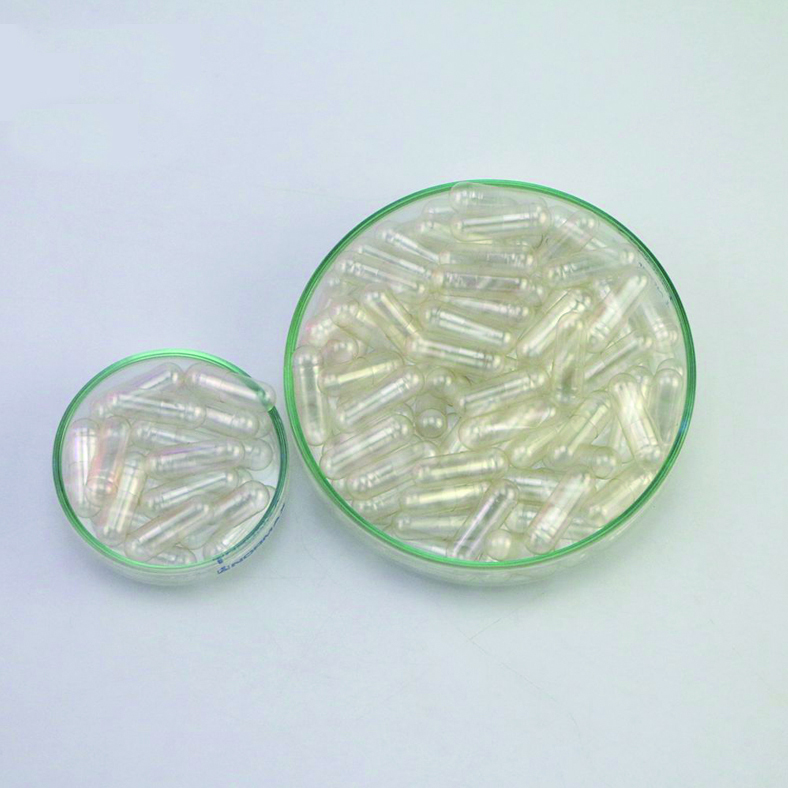
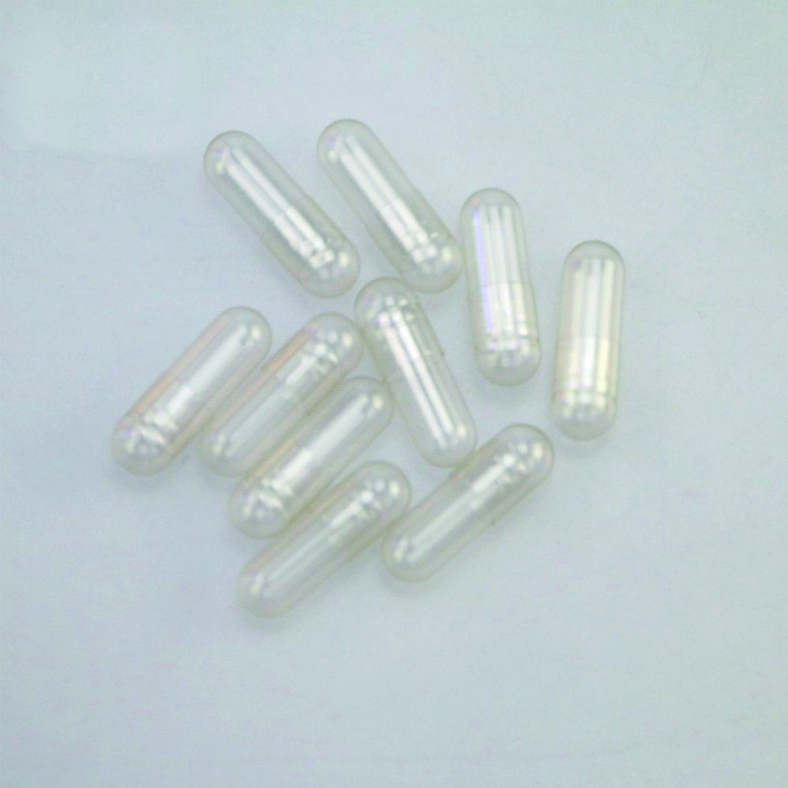
You see ‘eco-friendly’ slapped on HPMC capsules a lot these days. Frankly, it grates sometimes. The term gets thrown around so loosely it risks becoming meaningless. Is switching from gelatin to hypromellose automatically a green win? The real answer is, as always, ‘it depends.’ It’s not just about the raw material being plant-based; you have to look at the entire lifecycle—sourcing, energy, water, waste. I’ve seen projects where the sustainability claim fell apart under scrutiny because the HPMC was derived from old-growth wood pulp with a heavy processing footprint, negating the benefit. So, let’s unpack this.
The Material Promise and The Sourcing Maze
HPMC’s core appeal is its origin. Derived from cellulose, it’s plant-based, which sidesteps the religious, cultural, and BSE concerns associated with bovine or porcine gelatin. That’s a legitimate and powerful driver. But ‘plant-based’ isn’t a sustainability guarantee. Where is that cellulose coming from? Is it a by-product of sustainably managed forestry, or is it driving additional land-use change? I recall a supplier, years ago, touting their ‘natural’ HPMC, but upon digging, their pulp source was linked to questionable forestry practices. We had to walk away. The transparency just wasn’t there. Now, more reputable producers provide chain-of-custody certifications, which is a step forward.
Then there’s the processing. Turning wood pulp into a high-purity, pharmaceutical-grade polymer like hypromellose is chemically intensive. It involves etherification, uses solvents, and requires significant energy and water purification. I’ve toured facilities where the water recycling loop was the real hero of their ‘green’ story, not the HPMC itself. If a manufacturer isn’t investing in closed-loop systems, the environmental toll of production can be substantial. So the capsule shell itself might be vegetarian, but the path to get there needs examination.
This is where companies with integrated control can make a difference. Take a firm like SUQIAN KELAIYA INTERNATIONAL TRADING CO., LTD (https://www.kelaiyacorp.com). They’re not just traders; they have manufacturing sites. Their model covering empty capsule production and filling machinery gives them direct oversight of the process. When you control the line from raw material input to finished capsule, you have a better shot at implementing coherent environmental management across the board, rather than just buying a ‘green’ ingredient on the open market and hoping for the best.
Performance Realities and Formulation Headaches
Switching to HPMC isn’t a simple drop-in replacement. Anyone who’s done formulation work knows this. The moisture barrier properties are different. Gelatin is hygroscopic; HPMC is less so. This is great for moisture-sensitive actives—a clear eco-advantage if it prevents product spoilage and waste. But it also means your filling and packaging environment needs tight control. Too dry, and HPMC shells can become brittle. We learned this the hard way on an early pilot run; we had perfect capsules leaving the filling machine, but a week later in storage, we had a 5% breakage rate. The humidity in our warehouse was just too low. It was a costly lesson in not just swapping materials without re-evaluating the entire supply chain conditions.
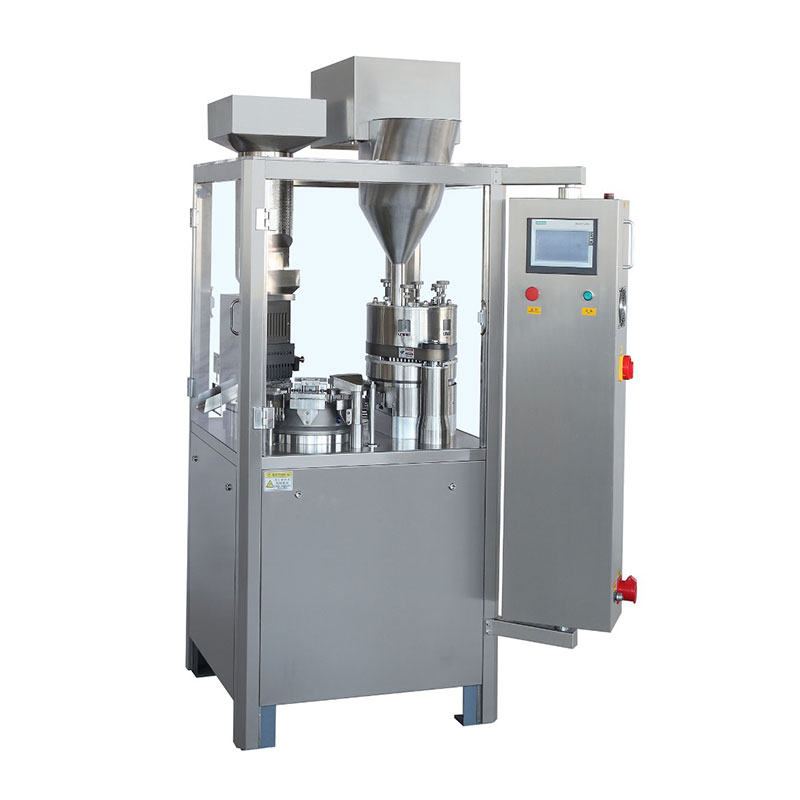
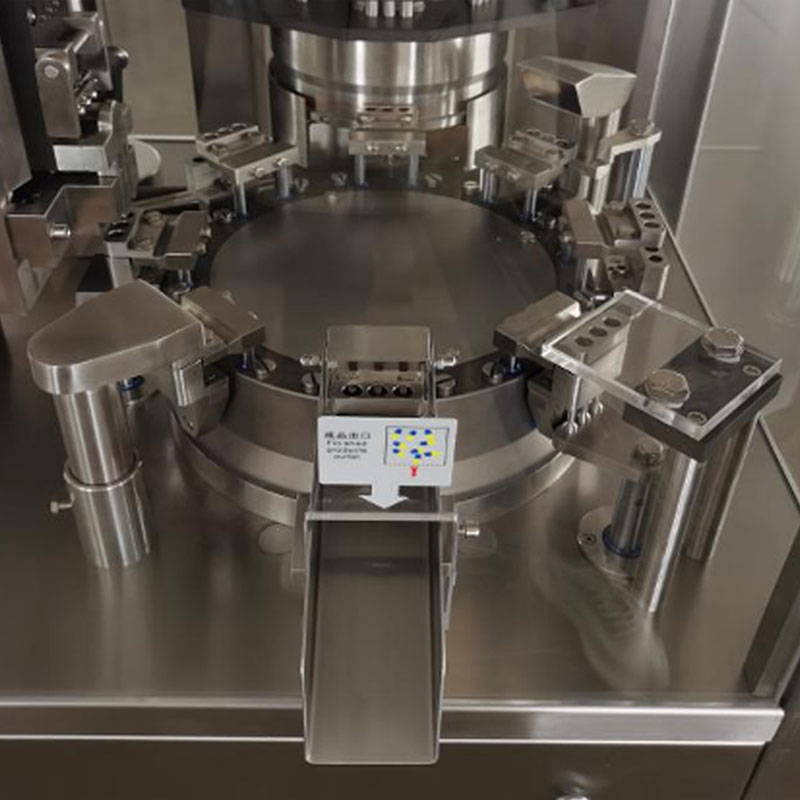
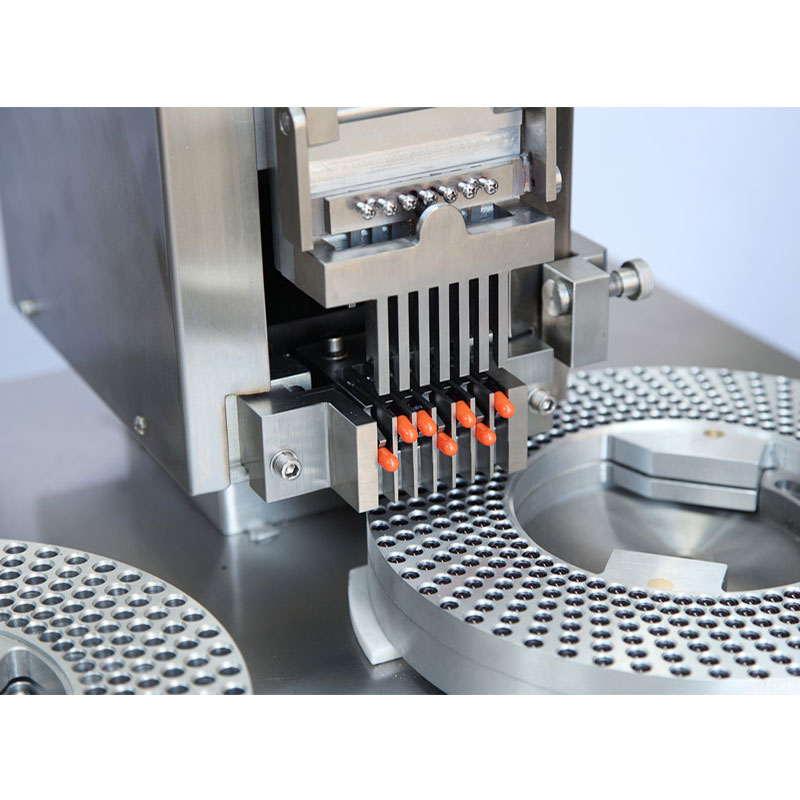
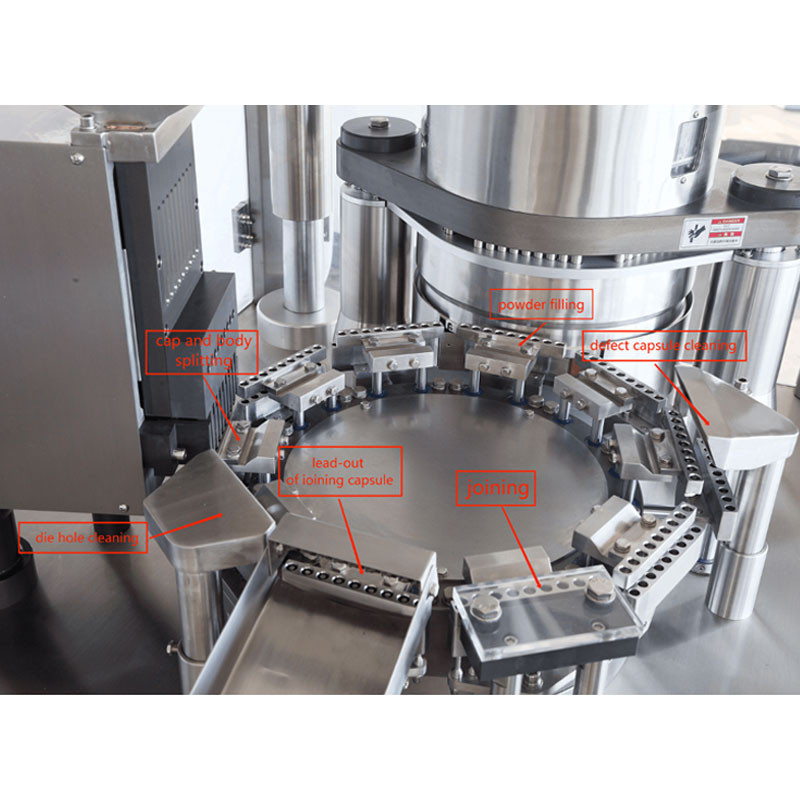
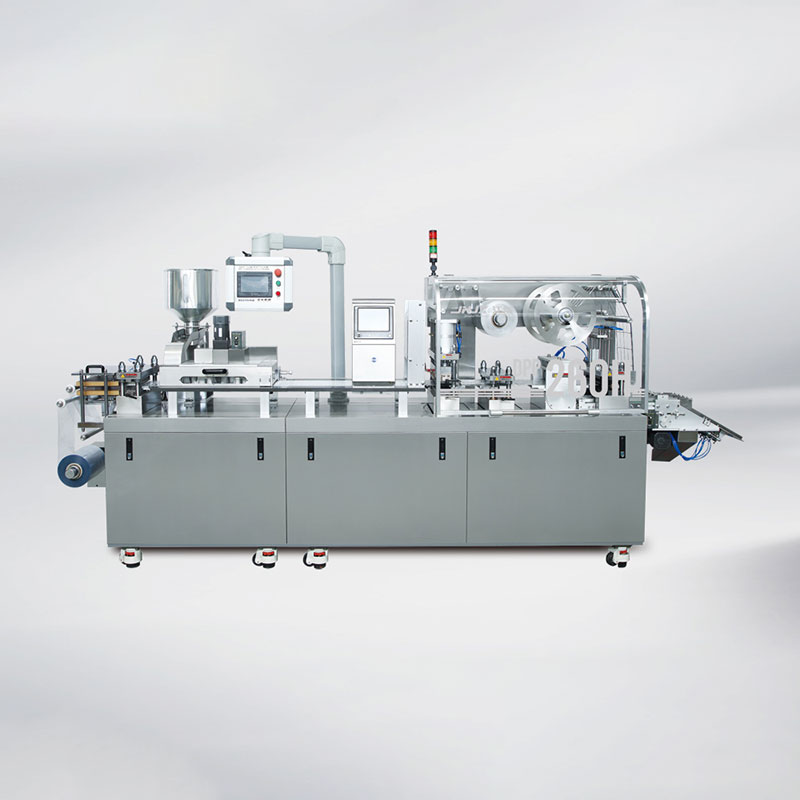
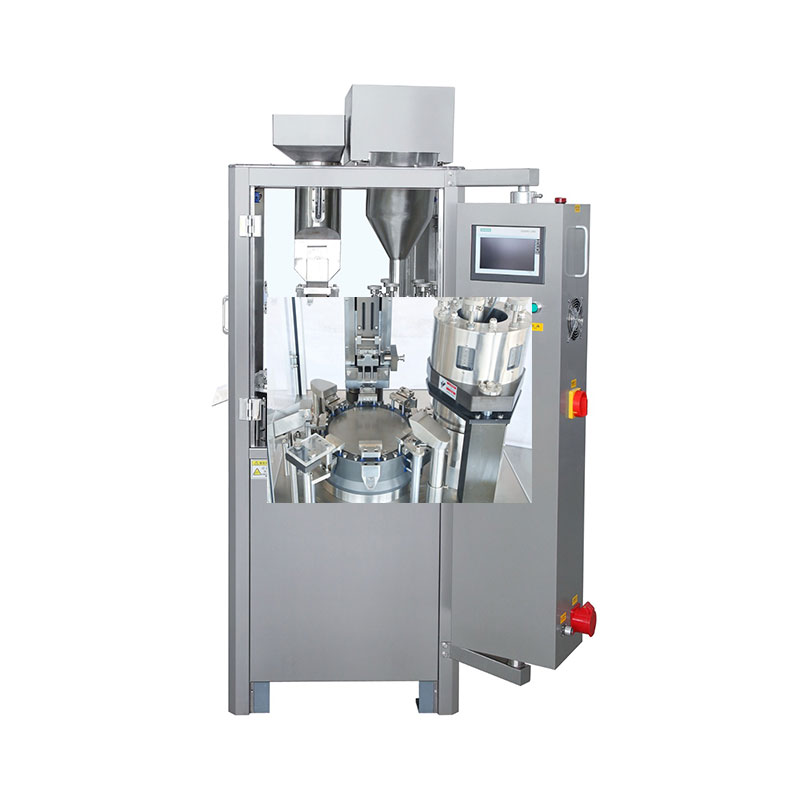
Then there’s the sealing. Unlike gelatin, which can be banded or thermally sealed with relative ease, HPMC often requires different sealing technologies, like ultrasonic or laser methods. This impacts your machinery choice and energy consumption on the line. Suqian kelaiya corp., with their involvement in capsule filling machine manufacturing, would be acutely aware of this interplay. Their dual focus on the shell and the machine suggests they’re positioned to solve these integration problems, which is where many ‘green’ initiatives fail—at the point of practical application.
Also, let’s talk about disintegration. The ‘halo’ around HPMC includes its suitability for enteric applications without additional coating. That’s a potential win—one less processing step, less chemical use. But achieving consistent, reliable disintegration profiles requires precise formulation of the HPMC blend itself (different viscosity grades) and the plasticizers. It’s not magic. I’ve seen batches fail dissolution because of a minor shift in the supplier’s sub-grade specification. The innovation isn’t just in the material, but in the precise, reproducible engineering of its performance.
The End-of-Life Question: Biodegradability’s Fine Print
This is the big one. The marketing often says biodegradable. Technically true, but misleading without context. In a controlled industrial composting facility with specific heat, moisture, and microbial conditions, yes, HPMC will break down faster than traditional gelatin. But in a backyard compost pile or, more critically, in a marine environment or a cold landfill? The rate slows dramatically. It’s not a ‘disappear in nature’ material.
We conducted a small-scale test, burying various capsule types in soil. The HPMC shells did fragment and show signs of microbial attack after several months, while the gelatin shells were largely intact but shrinking. But the real-world disposal pathway for most medication is via household waste, heading to landfill or incineration. In landfill, the anaerobic conditions make biodegradation a moot point. For HPMC’s end-of-life to be a true ecological advantage, we need connected waste management systems that include pharmaceutical take-back and industrial composting—infrastructure that’s largely not in place globally.
So, calling it ‘eco-friendly’ based solely on biodegradability feels premature. It’s a potentially better end-of-life profile, contingent on systems that don’t yet exist at scale. The more immediate benefit might be in reducing carbon footprint during production and transport (they’re lighter and more stable in varied climates) if the manufacturing is clean.
Cost and Scale: The Commercial Reality Check
No discussion is complete without touching cost. HPMC shells are generally more expensive than standard gelatin. This is the major barrier. The ‘eco-innovation’ premium is real. For a generic drug competing on razor-thin margins, switching to HPMC can be commercially non-viable unless it’s a key selling point to a niche market or required for the API compatibility.
The cost isn’t just in the raw material. It’s in requalification. Changing your primary packaging component means stability studies, bioequivalence tests (if applicable), regulatory filings, and potential line modifications. That’s a multi-year, multi-million dollar investment for a single product. I’ve been in meetings where the sustainability team was pushing for HPMC, and the commercial team had spreadsheets showing a negative ROI for a decade. The innovation stalls not on science, but on economics.
Scale is helping. As demand grows from the vegetarian/vegan supplement market and certain pharmaceutical niches, production scales up, and prices inch downward. Manufacturers with large-scale, efficient operations are key to this. A company with two manufacturing sites like Kelaiya, serving both domestic and international markets, can achieve economies of scale that smaller players can’t, helping to make the ‘green’ option more accessible over time. It’s a volume game.
So, Is It an Innovation? A Qualified Yes.
Calling HPMC capsules an ‘eco-friendly innovation’ is an over-simplification. It’s an evolution with potential environmental benefits, not a silver bullet. The innovation is as much in the responsible sourcing, energy-efficient manufacturing, and smart application as it is in the capsule itself. It’s a tool, not a total solution.
The real innovation happens when companies treat it as part of a system. When a manufacturer like the one behind kelaiyacorp.com looks at the whole picture—from sourcing cellulose responsibly, to optimizing production at their Jiangsu and Zhejiang sites, to designing filling machines that work efficiently with the material, to providing clear data on lifecycle impact. That’s where the ‘eco’ part becomes more credible.
My take? HPMC capsules are a step in the right direction, but we need to be honest about the complexities. Don’t just buy the marketing. Ask the hard questions about the supply chain, the processing footprint, and the actual end-of-life scenario. The ‘innovation’ will be complete when the sustainable choice is also the economically sensible and performance-reliable default, without the need for a premium label. We’re not there yet, but we’re moving.