- Chinese
- French
- German
- Portuguese
- Spanish
- Russian
- Japanese
- Korean
- Arabic
- Irish
- Greek
- Turkish
- Italian
- Danish
- Romanian
- Indonesian
- Czech
- Afrikaans
- Swedish
- Polish
- Basque
- Catalan
- Esperanto
- Hindi
- Lao
- Albanian
- Amharic
- Armenian
- Azerbaijani
- Belarusian
- Bengali
- Bosnian
- Bulgarian
- Cebuano
- Chichewa
- Corsican
- Croatian
- Dutch
- Estonian
- Filipino
- Finnish
- Frisian
- Galician
- Georgian
- Gujarati
- Haitian
- Hausa
- Hawaiian
- Hebrew
- Hmong
- Hungarian
- Icelandic
- Igbo
- Javanese
- Kannada
- Kazakh
- Khmer
- Kurdish
- Kyrgyz
- Latin
- Latvian
- Lithuanian
- Luxembou..
- Macedonian
- Malagasy
- Malay
- Malayalam
- Maltese
- Maori
- Marathi
- Mongolian
- Burmese
- Nepali
- Norwegian
- Pashto
- Persian
- Punjabi
- Serbian
- Sesotho
- Sinhala
- Slovak
- Slovenian
- Somali
- Samoan
- Scots Gaelic
- Shona
- Sindhi
- Sundanese
- Swahili
- Tajik
- Tamil
- Telugu
- Thai
- Ukrainian
- Urdu
- Uzbek
- Vietnamese
- Welsh
- Xhosa
- Yiddish
- Yoruba
- Zulu
- Kinyarwanda
- Tatar
- Oriya
- Turkmen
- Uyghur



Kosher Vegetable Capsules Guide: Types, Benefits & Expert Insights
2026-05-30
- What Are Kosher Vegetable Capsules?
- Kosher Certification Standards and Processes
- Types of Kosher Vegetable Capsules
- Comparative Analysis: Vegetable vs. Gelatin Capsules
- Key Benefits of Choosing Kosher Vegetable Capsules
- Applications Across Industries
- Expert Insights on Selection and Sourcing
- Frequently Asked Questions (FAQ)
- How to Integrate Kosher Vegetable Capsules into Your Product Line
- Future Trends in Kosher and Plant-Based Encapsulation
- Conclusion
Kosher vegetable capsules are plant-based shell alternatives for supplements, certified to meet strict Jewish dietary laws. Unlike gelatin derived from animals, these capsules use ingredients like hypromellose (HPMC) or pullulan, ensuring suitability for vegetarian, vegan, and kosher-observant consumers. They provide a reliable delivery system for vitamins, herbs, and minerals without compromising religious compliance or dietary preferences.
What Are Kosher Vegetable Capsules?
The term kosher vegetable capsules refers to empty capsule shells manufactured from non-animal sources that have received official certification from a recognized kosher authority. This dual qualification ensures the product is both botanically derived and compliant with Kashrut, the set of Jewish dietary laws.
Traditional hard capsules often utilize gelatin, a protein obtained by boiling animal skin, tendons, ligaments, and bones. For individuals adhering to kosher guidelines, standard gelatin presents significant challenges unless sourced from specifically slaughtered kosher animals under rabbinical supervision.
Vegetable capsules eliminate this complexity. By utilizing cellulose derivatives or fermented polysaccharides, manufacturers create a neutral base that is inherently pareve (neither meat nor dairy). When a reliable hechsher (kosher symbol) is applied, it confirms that the entire production process, including equipment and additives, meets rigorous standards.
This distinction is critical for supplement brands targeting diverse demographics. It allows products to be marketed simultaneously to Orthodox Jewish communities, vegetarians, vegans, and those with specific religious or cultural dietary restrictions regarding pork or beef derivatives.
The Core Ingredients Behind Plant-Based Shells
Understanding the composition of kosher vegetable capsules requires examining the primary raw materials. The industry predominantly relies on two distinct compounds: Hypromellose (HPMC) and Pullulan.
Hypromellose (HPMC) is a semi-synthetic polymer derived from cellulose, typically sourced from wood pulp or cotton. Through a chemical process involving methylation and hydroxypropylation, cellulose is transformed into a thermally gelling agent capable of forming robust capsule shells. HPMC is widely regarded as the gold standard in the industry due to its stability and compatibility with various fill materials.
Pullulan is a polysaccharide produced through the fermentation of starch by the fungus Aureobasidium pullulans. This ingredient creates a capsule with excellent oxygen barrier properties, making it ideal for protecting oxidation-sensitive ingredients. Like HPMC, pullulan is naturally vegan and can be easily certified kosher.
Both materials undergo strict scrutiny during the certification process. Authorities verify that no non-kosher processing aids, such as animal-derived stearates or glycerin, are used during manufacturing. This ensures the final product remains uncontaminated and fully compliant.
Kosher Certification Standards and Processes
Obtaining kosher status is not merely about ingredients; it involves a comprehensive audit of the manufacturing facility and supply chain. For kosher vegetable capsules, the certification process is meticulous and ongoing.
Recognized agencies, such as the OU (Orthodox Union), OK, Kof-K, or Star-K, employ rabbinical coordinators to inspect production lines. They examine every component, from the raw cellulose or starch to the coloring agents and lubricants used in the molding process.
A critical aspect of certification is equipment dedication or kosherization. If a factory produces both kosher and non-kosher items, strict protocols must be followed to clean and prepare machinery before running a kosher batch. Many dedicated facilities avoid this risk entirely by producing only certified products.
The resulting symbol printed on the capsule or packaging serves as a trust mark for consumers. It signifies that a third-party expert has verified the product’s compliance. For brand owners, displaying this symbol enhances credibility and expands market reach significantly.
Why Gelatin Capsules Often Fail Kosher Requirements
The primary obstacle for traditional gelatin capsules in the kosher market is their source material. Most commercial gelatin is derived from porcine (pig) sources, which are strictly forbidden in Jewish law. Even bovine (cow) gelatin requires the animal to be slaughtered according to Shechita rules.
Furthermore, the chemical processing of gelatin often involves acids and enzymes that may themselves require certification. Tracing the lineage of every batch of gelatin to a kosher slaughterhouse is logistically complex and costly.
In contrast, kosher vegetable capsules start with plant-based or fermented inputs that are inherently permissible. The certification burden shifts from verifying animal slaughter to ensuring processing aids and cross-contamination controls are adequate. This fundamental difference makes vegetable capsules the preferred choice for broad-market kosher supplementation.
Types of Kosher Vegetable Capsules
Not all plant-based capsules are identical. Different formulations offer unique physical properties suited for specific applications. Selecting the right type of kosher vegetable capsules depends on the fill material, desired release profile, and storage conditions.
Hypromellose (HPMC) Capsules
HPMC capsules represent the most common variety in the global market. They are characterized by their low moisture content, typically ranging between 4% and 6%. This low water activity makes them exceptionally stable in varying humidity environments.
- Thermal Gelling: HPMC forms a gel when exposed to heat, which helps seal the capsule body and cap securely during manufacturing.
- Compatibility: They are highly compatible with hygroscopic (moisture-absorbing) fills, preventing the shell from becoming brittle or the fill from degrading.
- Dissolution: These capsules dissolve rapidly in the gastrointestinal tract, ensuring efficient nutrient delivery.
For brands formulating with herbal extracts or powders that fluctuate in moisture, HPMC provides a robust protective barrier. Their widespread availability and proven track record make them a default choice for many kosher supplement lines.
Pullulan Capsules
Pullulan capsules offer a distinct alternative with superior barrier properties. Derived from fermented tapioca starch, these shells create an environment with very low oxygen permeability.
- Oxygen Barrier: Ideal for sensitive ingredients like probiotics, fish oils (in softgel alternatives), or antioxidants that degrade upon exposure to air.
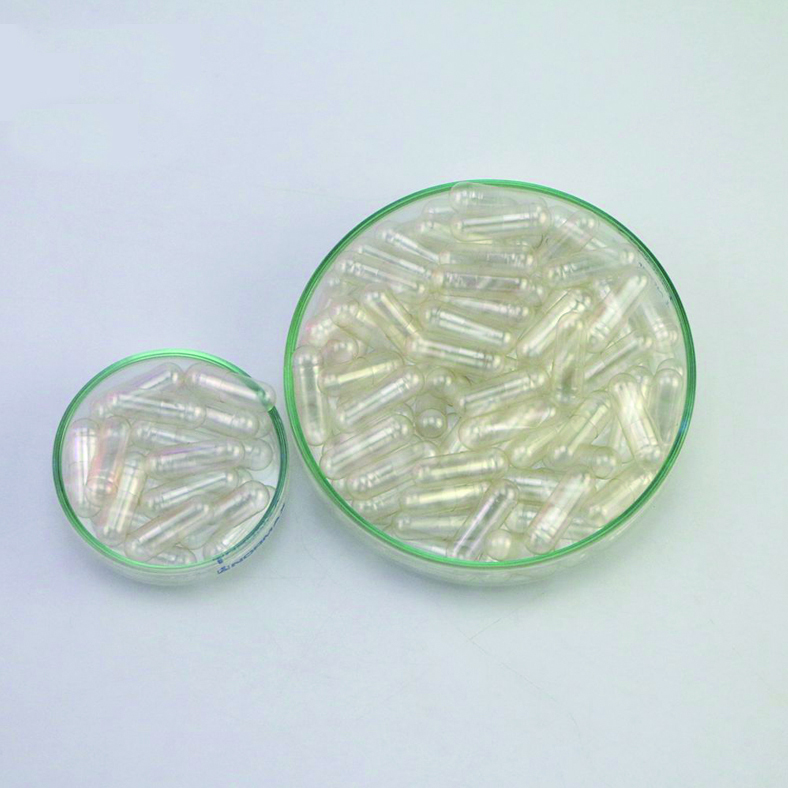
- Clear Appearance: Pullulan capsules often possess a natural clarity similar to gelatin, enhancing the visual appeal of the final product.
- Tasteless and Odorless: They do not impart any flavor to the contents, preserving the integrity of delicate formulations.
While generally more expensive than HPMC, pullulan is indispensable for high-value formulations where shelf-life and potency retention are paramount. When certified kosher, they open premium market segments for specialized health products.
Modified Starch and Other Blends
Emerging technologies have introduced capsules based on modified starches and blends of plant polymers. These aim to combine the cost-effectiveness of starch with the performance of HPMC.
Some blends incorporate carrageenan or gellan gum to adjust texture and dissolution rates. However, each additional ingredient introduces new variables for kosher certification. Brands must ensure that every component in the blend carries valid certification to maintain the overall kosher status of the kosher vegetable capsules.
Comparative Analysis: Vegetable vs. Gelatin Capsules
To understand the strategic advantage of switching to plant-based options, a direct comparison highlights key differences in performance, compliance, and consumer perception. The following table outlines the distinctions between standard gelatin and certified kosher vegetable capsules.
| Feature | Gelatin Capsules | Kosher Vegetable Capsules (HPMC/Pullulan) |
|---|---|---|
| Source Material | Animal collagen (bovine or porcine) | Plant cellulose or fermented starch |
| Kosher Status | Complex; requires specific slaughter and processing certs | Inherently easier to certify; widely accepted as Pareve |
| Dietary Compatibility | Not suitable for vegetarians/vegans | Suitable for vegetarians, vegans, and all religious diets |
| Moisture Content | High (13-16%); prone to brittleness in dry conditions | Low (4-6%); stable in low humidity environments |
| Cross-linking Risk | High; can fail to dissolve with aldehyde-rich fills | None; chemically inert to aldehydes |
| Oxygen Permeability | Moderate | Low (especially Pullulan); better for sensitive fills |
| Consumer Perception | Traditional but declining among ethical consumers | Modern, clean-label, and inclusive |
This comparison underscores why kosher vegetable capsules are becoming the industry standard. Beyond religious compliance, they offer technical advantages such as resistance to cross-linking and better stability in diverse climates. These factors reduce return rates and enhance product longevity on shelves.
Key Benefits of Choosing Kosher Vegetable Capsules
Adopting kosher vegetable capsules delivers multifaceted benefits that extend beyond simple regulatory compliance. Brands leveraging these solutions gain competitive advantages in marketing, formulation flexibility, and global distribution.
Expanded Market Reach
The most immediate benefit is access to the kosher consumer market, which represents millions of shoppers globally. However, the impact is broader. The kosher symbol is increasingly viewed as a mark of quality and purity by non-Jewish consumers as well.
Additionally, since vegetable capsules are inherently vegan and vegetarian, a single SKU can satisfy multiple demographic niches. This consolidation simplifies inventory management and reduces the need for separate production runs for different dietary groups.
Superior Formulation Stability
From a technical standpoint, the low moisture content of vegetable capsules protects hygroscopic ingredients. Herbal extracts, probiotics, and certain vitamins often absorb water from the environment. In high-moisture gelatin shells, this exchange can lead to clumping or degradation.
Kosher vegetable capsules act as a desiccant-free barrier, maintaining the physical integrity of the powder fill. This stability is crucial for products distributed in tropical or arid regions where humidity control during shipping is challenging.
Elimination of Cross-Linking Issues
Cross-linking occurs when gelatin reacts with aldehyde groups present in some botanical extracts, causing the capsule shell to harden and fail to dissolve in the stomach. This results in poor bioavailability and consumer complaints.
Vegetable polymers like HPMC and pullulan do not contain amino groups that react with aldehydes. Consequently, kosher vegetable capsules ensure consistent dissolution regardless of the fill composition. This reliability is essential for high-potency herbal formulations.
Alignment with Clean Label Trends
Modern consumers demand transparency and simplicity in ingredient lists. “Vegetable Cellulose” or “Pullulan” resonates strongly with the clean label movement. It signals a departure from industrial animal by-products toward sustainable, plant-forward solutions.
When combined with kosher certification, the product narrative strengthens. It communicates a commitment to ethical sourcing, rigorous oversight, and inclusivity. This alignment builds brand loyalty among conscious consumers who prioritize values alongside efficacy.
Applications Across Industries
The versatility of kosher vegetable capsules allows them to serve a wide array of sectors. From pharmaceuticals to niche wellness brands, the application scope continues to expand as formulation technologies evolve.
Dietary Supplements and Nutraceuticals
This is the dominant sector for vegetable capsules. Multivitamins, mineral complexes, and herbal blends frequently utilize HPMC shells. The ability to accommodate varied fill densities makes them suitable for everything from light flower powders to dense root extracts.
Brands focusing on sports nutrition also benefit. Protein boosters and amino acid blends often require the moisture protection offered by vegetable shells to prevent caking during storage in gym bags or humid lockers.
Pharmaceuticals and OTC Medications
In the pharmaceutical realm, consistency and patient compliance are vital. Kosher vegetable capsules ensure that medication dissolves predictably. For patients with religious observances, having access to certified medication removes a significant barrier to adherence.
Generic drug manufacturers increasingly adopt these shells to broaden their formularies. A single production line can serve diverse patient populations without needing separate SKUs for different religious or dietary requirements.
Cannabis and CBD Products
The burgeoning cannabis industry faces stringent labeling and compliance hurdles. Many consumers in this space prefer vegan and organic options. Kosher vegetable capsules provide a premium vessel for CBD oils (via liquid fills in specialized veggie caps) and hemp powders.
The oxygen barrier properties of pullulan, in particular, help preserve the potency of cannabinoids, which can degrade over time. Certification adds a layer of trust in an industry where quality verification is a primary consumer concern.
Expert Insights on Selection and Sourcing
Selecting the right supplier for kosher vegetable capsules requires due diligence. Not all certifications carry equal weight, and manufacturing capabilities vary significantly. Industry experts recommend a structured approach to vendor evaluation.
Verifying Certification Authenticity
Always verify the specific agency issuing the kosher certificate. Major agencies maintain online databases where users can search for certified products and facilities. A legitimate certificate should be current and explicitly cover the specific capsule size and formulation being purchased.
Be wary of generic claims like “kosher style” or self-declared compliance. Only symbols from recognized organizations guarantee that regular inspections occur. For kosher vegetable capsules, the certificate should ideally specify “Pareve” to ensure no dairy equipment was used.
Evaluating Manufacturing Capabilities
Beyond certification, assess the manufacturer’s technical capacity. Can they handle custom printing? Do they offer tamper-evident bands? What is their lead time for certified batches?
High-quality suppliers invest in automated optical sorting to remove defective capsules. This ensures that the shells delivered to your filling line are uniform, reducing downtime and waste. Request samples to test locking mechanisms and surface smoothness before committing to large orders.
Partnering with Experienced Global Suppliers
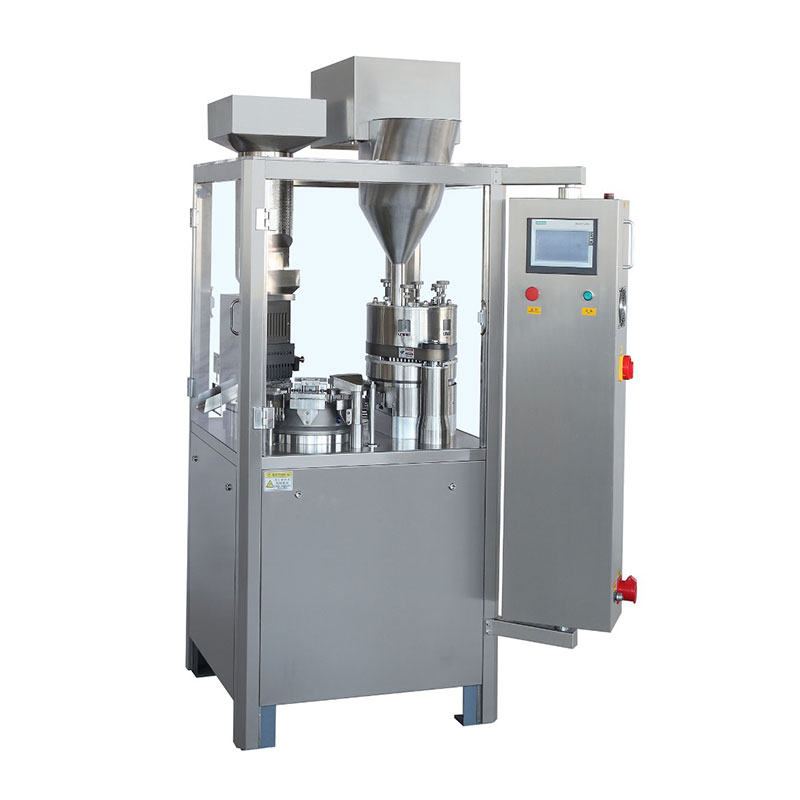
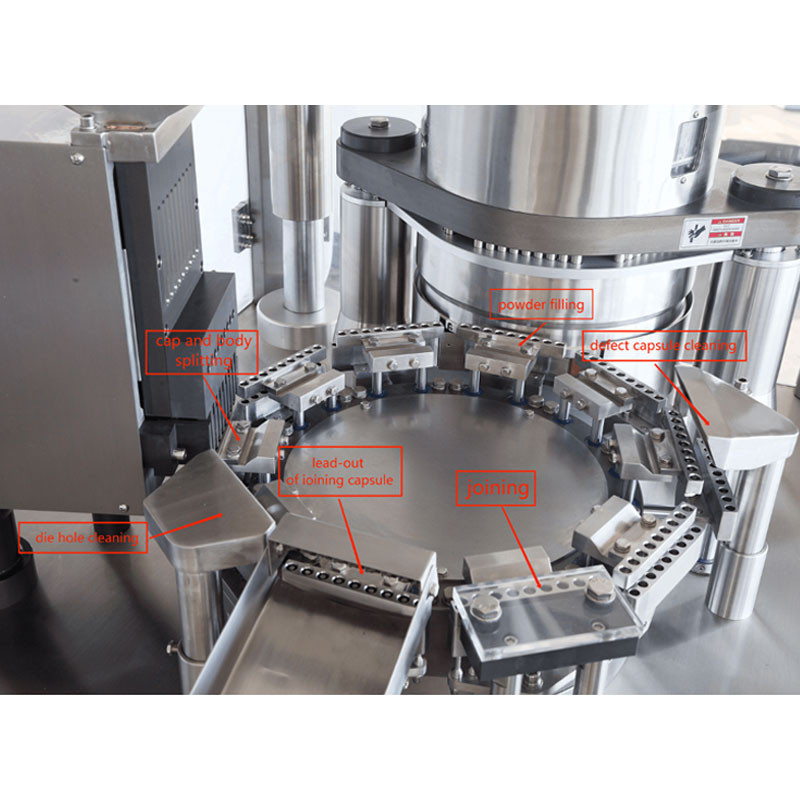
When seeking a reliable partner for pharmaceutical-grade empty capsules and related machinery, experience in international trade and manufacturing excellence are paramount. Suqian Kelaiya Corp. stands out as a specialized company dedicated to new drug development, manufacturing, and sales. With two advanced manufacturing sites located in Zhejiang and Jiangsu provinces, the company produces high-quality empty capsules alongside state-of-the-art capsule filling machines and blister packaging equipment.
Boasting over a decade of experience in international pharmaceutical trading, Suqian Kelaiya Corp. has built a reputation for favorable credit and exceptional service. They have established stable, long-term business relationships with numerous pharmaceutical and chemical companies both domestically and overseas. Their commitment to reliability and professionalism makes them a trusted choice for brands requiring consistent supply chains for kosher vegetable capsules and other pharmaceutical packing materials. By focusing on international markets and fostering mutual development, Suqian Kelaiya Corp. aims to be a reliable partner in serving the pharmaceutical industry, contributing to human health, and creating a better future.
Supply Chain Transparency
Ask for documentation tracing the raw materials. Where is the cellulose sourced? Is the fermentation substrate for pullulan non-GMO? Transparent suppliers provide full disclosure, reinforcing the trustworthiness required for EEAT principles.
Global supply chains can be complex. Ensure that the certification covers the entire journey from raw material harvesting to final packaging. Any break in the chain could compromise the kosher status of the kosher vegetable capsules.
Frequently Asked Questions (FAQ)
Addressing common queries helps clarify misconceptions and guides decision-making for buyers and consumers alike. Below are expert answers to frequent questions regarding kosher vegetable capsules.
Are all vegetable capsules automatically kosher?
No. While the base ingredients (cellulose, starch) are plant-based and theoretically permissible, the manufacturing process determines kosher status. Equipment lubricants, cleaning agents, and colorants may contain non-kosher derivatives. Without an official hechsher from a recognized agency, vegetable capsules cannot be assumed to be kosher.
Can kosher vegetable capsules be used for Passover?
Standard kosher certification does not automatically cover Passover (Pesach). During this holiday, leavened grains and legumes (kitniyot) are restricted by many traditions. Special “Kosher for Passover” certification is required, ensuring no chametz or prohibited kitniyot were involved in production. Brands must look for this specific designation on the packaging.
Do vegetable capsules dissolve as well as gelatin?
Yes, and often more reliably. High-quality kosher vegetable capsules are engineered to dissolve rapidly in gastric fluids. Unlike gelatin, they do not suffer from cross-linking, which can prevent dissolution. Studies show that HPMC capsules typically disintegrate within minutes under physiological conditions.
Is there a taste difference between vegetable and gelatin capsules?
Generally, no. Both types are designed to be tasteless and odorless. However, some users report that lower-quality vegetable capsules may have a faint earthy note if the purification process is inadequate. Premium grades from reputable suppliers are indistinguishable from gelatin in terms of sensory experience.
Are kosher vegetable capsules more expensive?
Historically, yes, due to specialized production and certification costs. However, as demand has surged and manufacturing scaled, the price gap has narrowed significantly. For many brands, the marginal cost increase is offset by the ability to charge a premium for vegan/kosher positioning and reduced waste from stability issues.
How to Integrate Kosher Vegetable Capsules into Your Product Line
Transitioning to or launching with kosher vegetable capsules involves strategic planning. Whether reformulating an existing product or developing a new SKU, following a structured pathway ensures success.
Step-by-Step Implementation Guide
- Define Requirements: Determine the necessary capsule size, color, and specific kosher certification level (e.g., Pareve, Passover).
- Supplier Vetting: Identify manufacturers with valid, current certificates from top-tier agencies. Request samples and technical data sheets.
- Compatibility Testing: Conduct trials with your specific fill material. Check for moisture migration, locking strength, and dissolution rates over time.
- Certification Verification: Submit your final product formulation to the certifying agency if required. Ensure the capsule supplier’s certificate covers your intended use.
- Labeling Compliance: Update packaging artwork to include the correct kosher symbol prominently. Ensure all claims align with local regulations.
- Market Launch: Highlight the dual benefits of plant-based and kosher compliance in marketing materials to maximize reach.
This systematic approach minimizes risks and accelerates time-to-market. It ensures that the final product meets both quality expectations and religious standards without compromise.
Future Trends in Kosher and Plant-Based Encapsulation
The landscape for kosher vegetable capsules is evolving rapidly. Innovation drives the sector toward even higher performance and broader accessibility. Several trends are shaping the future of this niche.
Advanced Functional Coatings
Research is underway to develop vegetable capsules with enteric coatings derived entirely from plant sources. These would allow for targeted release in the intestines rather than the stomach, beneficial for probiotics and acid-sensitive compounds, all while maintaining kosher integrity.
Sustainability and Carbon Footprint
As environmental concerns grow, manufacturers are optimizing energy usage and sourcing raw materials from sustainably managed forests. Future certifications may include carbon-neutral labels alongside kosher symbols, appealing to eco-conscious religious consumers.
Customization and Personalization
Digital printing technologies enable small-batch customization of capsule colors and logos. This allows niche brands to create distinctive kosher vegetable capsules without the high minimum order quantities traditionally associated with custom molding.
Conclusion
Kosher vegetable capsules represent the intersection of religious compliance, dietary inclusivity, and advanced pharmaceutical technology. By utilizing plant-derived materials like HPMC and pullulan, these capsules offer superior stability, elimination of cross-linking risks, and broad market appeal.
For supplement brands, the shift to certified vegetable shells is not just a regulatory checkbox but a strategic move. It unlocks access to Jewish, vegetarian, vegan, and clean-label consumer segments simultaneously. The technical benefits, including moisture resistance and consistent dissolution, further enhance product quality and consumer trust.
When selecting a solution, prioritize verified certification from reputable agencies and partner with manufacturers who demonstrate transparency and technical excellence. Whether launching a new wellness line or reformulating legacy products, kosher vegetable capsules provide a robust, future-proof foundation.
Who should use them? Any brand aiming for global distribution, targeting ethically conscious consumers, or serving communities with strict dietary laws. Next steps: Audit your current supply chain, request samples from certified vendors, and initiate compatibility testing to harness the full potential of this versatile delivery system.