- Chinese
- French
- German
- Portuguese
- Spanish
- Russian
- Japanese
- Korean
- Arabic
- Irish
- Greek
- Turkish
- Italian
- Danish
- Romanian
- Indonesian
- Czech
- Afrikaans
- Swedish
- Polish
- Basque
- Catalan
- Esperanto
- Hindi
- Lao
- Albanian
- Amharic
- Armenian
- Azerbaijani
- Belarusian
- Bengali
- Bosnian
- Bulgarian
- Cebuano
- Chichewa
- Corsican
- Croatian
- Dutch
- Estonian
- Filipino
- Finnish
- Frisian
- Galician
- Georgian
- Gujarati
- Haitian
- Hausa
- Hawaiian
- Hebrew
- Hmong
- Hungarian
- Icelandic
- Igbo
- Javanese
- Kannada
- Kazakh
- Khmer
- Kurdish
- Kyrgyz
- Latin
- Latvian
- Lithuanian
- Luxembou..
- Macedonian
- Malagasy
- Malay
- Malayalam
- Maltese
- Maori
- Marathi
- Mongolian
- Burmese
- Nepali
- Norwegian
- Pashto
- Persian
- Punjabi
- Serbian
- Sesotho
- Sinhala
- Slovak
- Slovenian
- Somali
- Samoan
- Scots Gaelic
- Shona
- Sindhi
- Sundanese
- Swahili
- Tajik
- Tamil
- Telugu
- Thai
- Ukrainian
- Urdu
- Uzbek
- Vietnamese
- Welsh
- Xhosa
- Yiddish
- Yoruba
- Zulu
- Kinyarwanda
- Tatar
- Oriya
- Turkmen
- Uyghur



Cellulose Vegetable Capsule Guide: Types, Benefits & Expert Insights
2026-05-28
- What Is a Cellulose Vegetable Capsule?
- Types of Cellulose Vegetable Capsules
- Key Benefits Over Traditional Gelatin
- Technical Comparison: HPMC vs. Gelatin
- Manufacturing and Filling Considerations
- Ideal Applications and Use Cases
- Expert Insights on Market Trends
- Frequently Asked Questions (FAQ)
- Choosing the Right Solution for Your Needs
- Conclusion
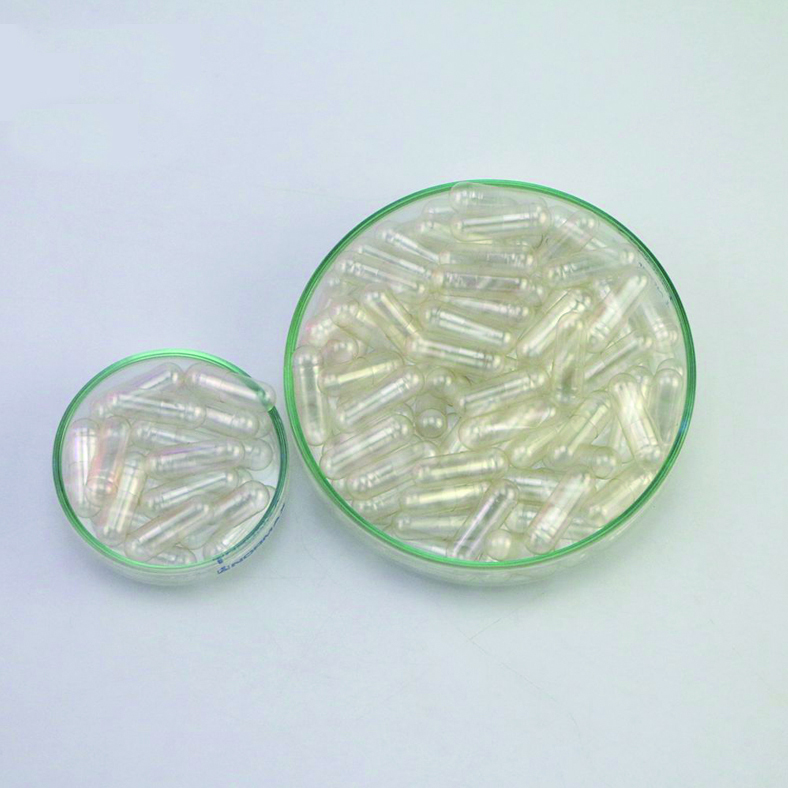
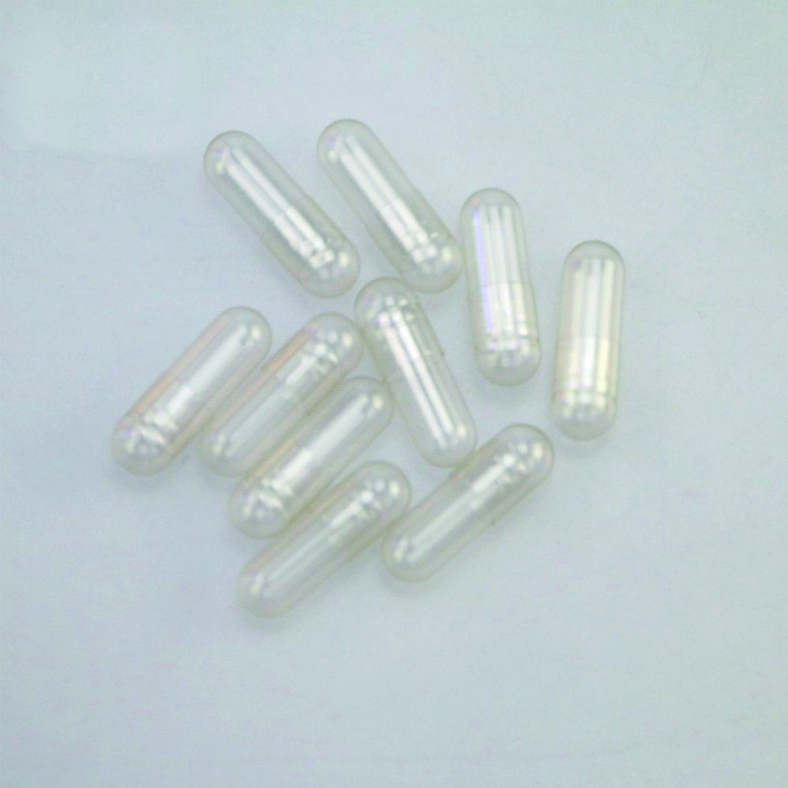
A cellulose vegetable capsule is a plant-based shell derived from hydroxypropyl methylcellulose (HPMC), designed to hold powders, liquids, or granules for oral consumption. Unlike traditional gelatin capsules made from animal collagen, this vegetarian alternative offers superior stability across varying humidity levels and is suitable for diverse dietary requirements. This guide explores the types, manufacturing benefits, and expert insights into why HPMC capsules have become the industry standard for high-quality supplement delivery.
What Is a Cellulose Vegetable Capsule?
The term cellulose vegetable capsule refers specifically to capsules manufactured from non-animal sources, primarily using cellulose derivatives. The most common material used is Hydroxypropyl Methylcellulose (HPMC), a semi-synthetic polymer obtained from plant cellulose, usually sourced from pine or poplar trees.
These capsules serve as a critical vessel in the pharmaceutical and nutraceutical industries. Their primary function is to encapsulate active ingredients, protecting them from environmental factors like oxygen and moisture while ensuring accurate dosing for the end user.
Industry experts recognize HPMC as the gold standard for vegetarian formulations. Its chemical structure allows it to maintain integrity without the need for cross-linking agents that are often required in other plant-based alternatives. This makes the cellulose vegetable capsule a reliable choice for sensitive formulations.
The Chemistry Behind HPMC
Understanding the composition is vital for formulators. HPMC is created by treating cellulose with alkali and reacting it with methyl chloride and propylene oxide. This process modifies the natural polymer to create a substance that is:
- Thermally stable: It does not melt at low temperatures like gelatin.
- Hydrophilic: It dissolves readily in water within the gastrointestinal tract.
- Inert: It reacts minimally with active pharmaceutical ingredients (APIs).
This chemical inertness is a key differentiator. Many reactive compounds can interact with gelatin, leading to reduced efficacy over time. The cellulose vegetable capsule avoids these interactions, preserving the potency of the supplement throughout its shelf life.
Types of Cellulose Vegetable Capsules
Not all vegetarian capsules are identical. While HPMC is the dominant material, variations exist based on specific formulation needs and manufacturing processes. Selecting the right type depends on the fill material, desired release profile, and storage conditions.
Standard HPMC Capsules
These are the most widely used cellulose vegetable capsule variants in the market. They are designed for general-purpose filling of dry powders and pellets. Standard HPMC capsules typically contain a gelling agent to ensure the cap and body lock securely after filling.
They offer a moisture content range of 4% to 6%, which is significantly lower than gelatin capsules. This low moisture level is crucial for hygroscopic ingredients that might degrade in higher humidity environments.
Pullulan Capsules
Although technically distinct from HPMC, Pullulan capsules are often grouped under the broader category of vegetable capsules. Derived from fermented tapioca starch, they offer an extremely low oxygen transmission rate.
For products highly sensitive to oxidation, such as certain probiotics or omega-3 oils, this type provides an extra layer of protection. However, standard cellulose vegetable capsule solutions remain the preferred choice for cost-efficiency and mechanical strength in high-speed filling lines.
Modified Release Variants
Advanced applications may require delayed or sustained release. Specialized HPMC formulations can be engineered to resist dissolution in the acidic environment of the stomach, releasing the payload only in the intestines.
This capability expands the utility of the cellulose vegetable capsule beyond simple delivery, allowing for targeted therapeutic effects. Formulators must work closely with manufacturers to specify these custom requirements.
Key Benefits Over Traditional Gelatin
The shift from animal-derived gelatin to plant-based alternatives is driven by several compelling advantages. These benefits address concerns ranging from dietary restrictions to technical performance during manufacturing and storage.
Dietary Inclusivity and Certification
The most obvious advantage is inclusivity. A cellulose vegetable capsule is inherently suitable for vegetarians, vegans, and those adhering to religious dietary laws such as Halal and Kosher.
Gelatin, derived from bovine or porcine sources, limits the market reach of a product. By choosing HPMC, brands can access a broader consumer base without needing multiple production lines for different demographics.
Furthermore, certification processes for plant-based materials are often more straightforward, reducing administrative overhead for compliance teams. This aligns with the growing global demand for transparent and ethical sourcing.
Superior Moisture Management
Moisture sensitivity is a critical factor in supplement stability. Gelatin capsules typically hold 13% to 16% water, which can migrate into the fill material. In contrast, the cellulose vegetable capsule maintains a moisture content of roughly 5%.
This difference is transformative for hygroscopic blends. Ingredients that clump or degrade upon absorbing water remain stable inside HPMC shells. This reduces the need for expensive desiccants in packaging and extends the overall shelf life of the product.
Resistance to Cross-Linking
Cross-linking is a phenomenon where protein chains in gelatin bond together, often triggered by aldehydes present in certain herbal extracts or flavorings. This creates a rigid shell that fails to dissolve properly in the digestive system.
Since HPMC is a cellulose derivative and not a protein, it is immune to cross-linking. This ensures consistent disintegration and bioavailability, regardless of the complexity of the herbal extract inside. For formulators working with botanicals, the cellulose vegetable capsule is the safest technical choice.
Technical Comparison: HPMC vs. Gelatin
To make an informed decision, it is essential to compare the physical and chemical properties of these two primary capsule materials. The following table highlights the critical differences relevant to product development.
| Feature | Cellulose Vegetable Capsule (HPMC) | Gelatin Capsule |
|---|---|---|
| Source Material | Plant cellulose (Pine/Poplar) | Animal collagen (Bovine/Porcine) |
| Moisture Content | Low (4% – 6%) | High (13% – 16%) |
| Dietary Suitability | Vegan, Vegetarian, Halal, Kosher | Limited (unless certified specific sources) |
| Cross-Linking Risk | None | Moderate to High with certain extracts |
| Storage Conditions | Less sensitive to humidity fluctuations | Requires strict climate control |
| Disintegration Time | Consistent across pH levels | Can vary with stomach acidity |
This comparison illustrates why the cellulose vegetable capsule is increasingly becoming the default option for new product launches. While gelatin remains a viable option for specific legacy products, the technical superiority of HPMC in modern supply chains is evident.
Manufacturing and Filling Considerations
Transitioning to or utilizing cellulose vegetable capsule technology requires an understanding of specific manufacturing dynamics. Although modern equipment handles both types efficiently, subtle differences in workflow exist.
Filling Speed and Efficiency
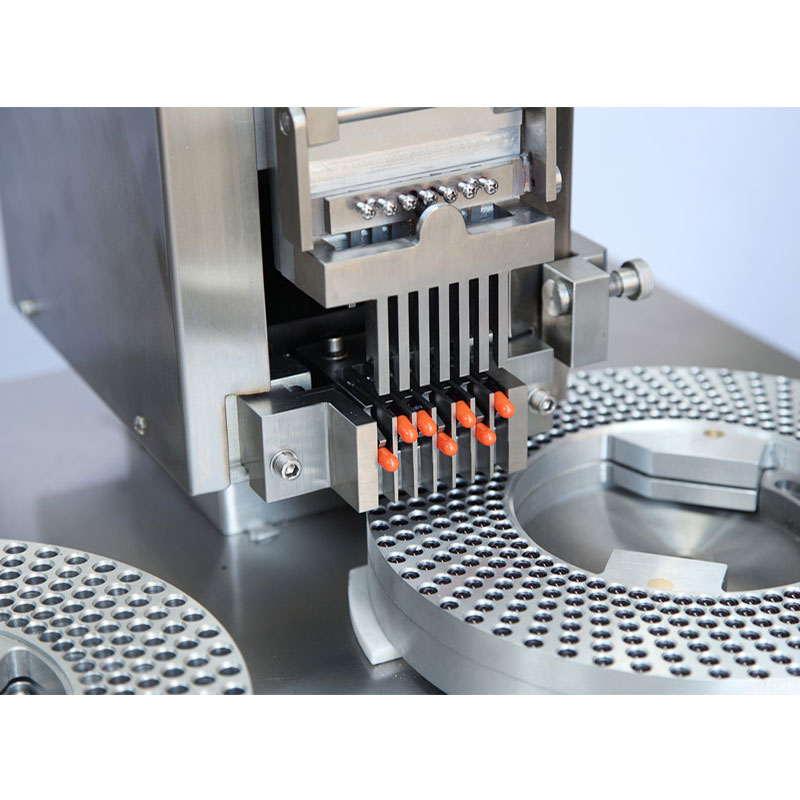
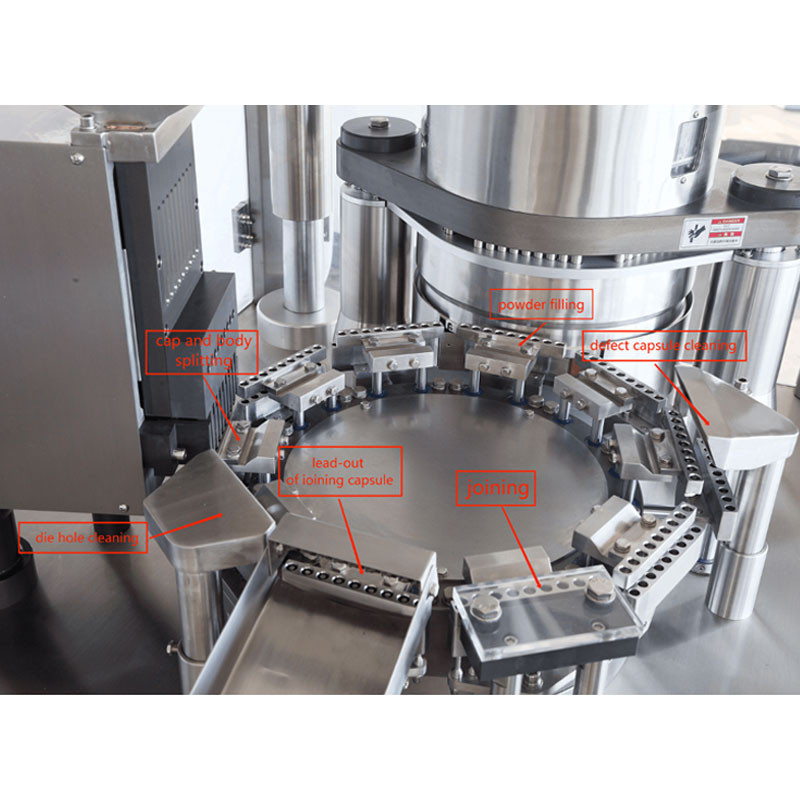
Historically, gelatin was favored for its smooth surface and high-speed filling capabilities. However, advancements in HPMC manufacturing have closed this gap significantly. Modern cellulose vegetable capsule designs feature optimized locking mechanisms that perform reliably on high-speed rotary machines.
Manufacturers now report comparable output rates between the two materials. The key lies in maintaining optimal workshop humidity. While HPMC is less sensitive than gelatin, extreme dryness can still affect the brittleness of the shell.
Band Sealing Requirements
For liquid fills, gelatin capsules often utilize a banding process to seal the joint permanently. HPMC capsules generally rely on a hydro-alcoholic sealing method or specialized locking technologies that do not require external bands.
This simplifies the production line and reduces the number of processing steps. The self-locking design of many cellulose vegetable capsule models ensures leak-proof integrity for semi-solid and liquid formulations without additional adhesives.
Quality Control Protocols
Quality assurance for HPMC involves rigorous testing for viscosity, gelation temperature, and loss on drying. Since the raw material is plant-derived, suppliers must also verify the absence of pesticides and heavy metals in the source cellulose.
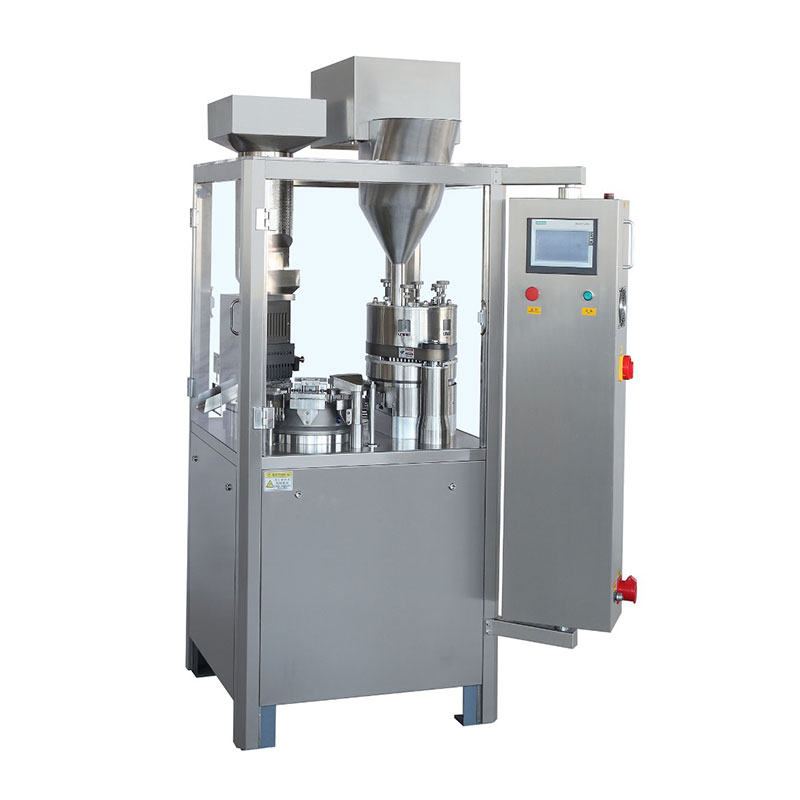
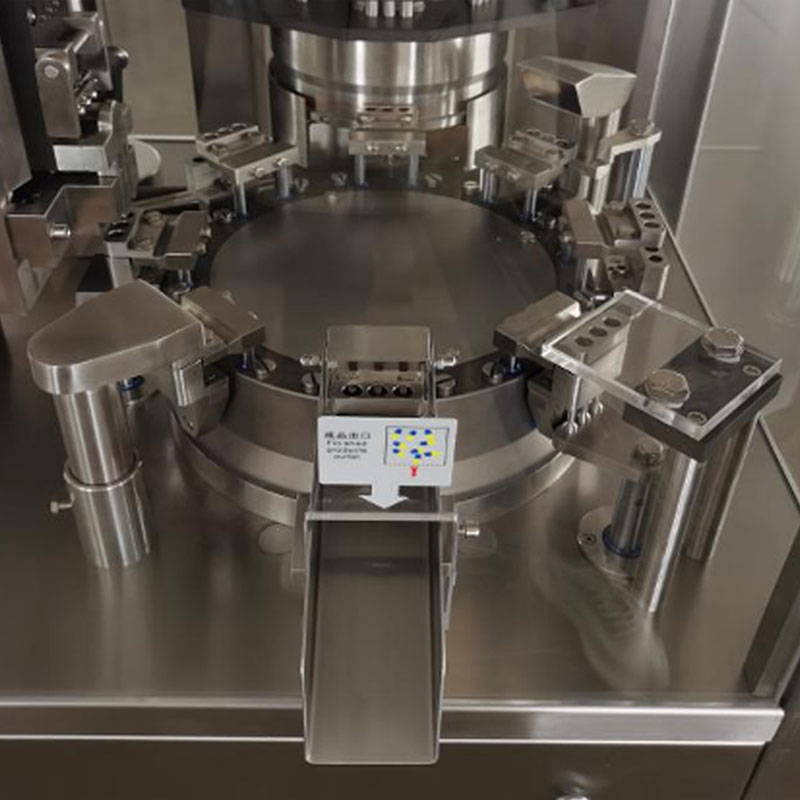
Reputable manufacturers adhere to strict pharmacopeial standards (USP, EP, JP). When sourcing a cellulose vegetable capsule, verifying these certifications is a mandatory step to ensure product safety and regulatory compliance. Partnering with experienced industry leaders like Suqian Kelaiya Corp. can streamline this process. With over a decade of international trading experience and dedicated manufacturing sites in Zhejiang and Jiangsu provinces, Suqian Kelaiya specializes in the production of empty capsules alongside advanced capsule filling and blister packaging machinery. Their commitment to reliability and professionalism has established them as a trusted long-term partner for pharmaceutical companies worldwide, ensuring that every capsule meets the highest standards of quality and consistency.
Ideal Applications and Use Cases
The versatility of HPMC allows it to serve a wide array of industries. Identifying the right application ensures that the unique properties of the cellulose vegetable capsule are fully leveraged.
Hygroscopic Herbal Blends
Many traditional herbal medicines contain extracts that naturally attract moisture. Placing these in gelatin can lead to shell deformation or ingredient degradation. The low moisture equilibrium of the cellulose vegetable capsule makes it the ideal container for such challenging formulations.
Examples include extracts of ashwagandha, turmeric, and various mushroom complexes. These ingredients retain their powder flow characteristics longer when protected by HPMC shells.
Probiotics and Live Cultures
Probiotic strains are sensitive to both moisture and oxygen. The dense molecular structure of HPMC provides a better barrier against oxygen transmission compared to standard gelatin.
Combined with low internal moisture, this environment helps maintain the viability of live cultures during storage. For premium probiotic supplements, the cellulose vegetable capsule is often a critical component of the preservation strategy.
Allergen-Free Formulations
In an era of heightened allergy awareness, avoiding animal-derived ingredients is a strategic move. Products labeled as “free from major allergens” benefit greatly from using plant-based capsules.
This applies not only to vegans but also to consumers with specific religious restrictions or ethical concerns regarding animal welfare. The cellulose vegetable capsule serves as a clear signal of a brand’s commitment to inclusive and clean labeling.
Expert Insights on Market Trends
Industry analysts observe a steady migration toward plant-based delivery systems. This trend is not merely a fleeting consumer preference but a structural shift in the nutraceutical supply chain.
The Rise of Clean Labeling
Consumers are increasingly scrutinizing ingredient lists. Terms like “gelatin” can raise questions about sourcing and processing. In contrast, “hypromellose” or “vegetable capsule” aligns with the clean label movement.
Brands utilizing the cellulose vegetable capsule can market their products as transparent and naturally derived. This perception adds value to the final product, often justifying a slightly higher price point through enhanced brand trust.
Sustainability and Sourcing
Sustainability is a driving force in material selection. The cellulose used in these capsules typically comes from sustainably managed forests. The production process generally has a lower environmental impact compared to the intensive livestock farming required for gelatin.
While the chemical modification of cellulose involves industrial processes, the overall carbon footprint is often viewed more favorably by eco-conscious consumers. This positions the cellulose vegetable capsule as a forward-thinking choice for green initiatives.
Global Regulatory Harmonization
Regulatory bodies worldwide are updating guidelines to accommodate plant-based alternatives. The acceptance of HPMC as a safe excipient is nearly universal, simplifying the path to market for international brands.
Unlike some novel food ingredients that face prolonged approval times, the cellulose vegetable capsule benefits from a long history of safe use. This regulatory certainty reduces risk for product developers launching in multiple regions.
Frequently Asked Questions (FAQ)
Addressing common queries helps clarify misconceptions and provides quick answers for researchers and consumers alike. Below are expert responses to frequent questions regarding cellulose vegetable capsule technology.
Are cellulose vegetable capsules easy to swallow?
Yes, they are designed to be smooth and slippery, similar to gelatin. Many users find them equally easy to swallow. The surface texture of modern HPMC capsules is highly polished to ensure patient compliance.
Do they dissolve as quickly as gelatin?
In most cases, yes. A standard cellulose vegetable capsule is formulated to disintegrate within minutes upon contact with gastric fluids. While the mechanism differs slightly from gelatin, the end result—rapid release of the payload—is consistent and reliable.
Can I open the capsule and mix the contents with food?
Generally, yes. Since the shell is made of plant fiber, it can be opened safely. However, one should consult the specific product instructions, as some formulations are designed for extended release and should not be tampered with.
Is there any taste associated with the capsule?
High-quality cellulose vegetable capsule shells are virtually tasteless and odorless. This is a significant advantage over some lower-grade gelatin capsules, which may carry a faint animalistic smell or taste if not properly processed.
How should these capsules be stored?
While they are more robust than gelatin, it is still best to store them in a cool, dry place away from direct sunlight. Excessive heat or extreme humidity should be avoided to maintain the physical integrity of the shell and the stability of the contents.
Choosing the Right Solution for Your Needs
Selecting the appropriate capsule type is a strategic decision that impacts product quality, shelf life, and market appeal. The cellulose vegetable capsule offers a robust solution for modern formulation challenges.
For brands targeting health-conscious consumers, those dealing with moisture-sensitive ingredients, or those requiring religious certifications, HPMC is the superior choice. Its technical resilience and alignment with ethical trends make it a future-proof investment.
When evaluating suppliers, look for partners who demonstrate deep expertise in HPMC technology. Ask about their quality control measures, sourcing transparency, and ability to support custom locking mechanisms. Companies like Suqian Kelaiya Corp. exemplify this level of dedication, focusing on international markets to provide quality products and exceptional service. With a mission to serve the pharmaceutical industry and contribute to human health, they offer a comprehensive suite of solutions—from empty capsules to filling and blister packaging machines—ensuring mutual development for all parties involved. Choosing such a reliable partner guarantees that your cellulose vegetable capsule performs flawlessly from production to consumption.
Conclusion
The evolution of oral dosage forms has placed the cellulose vegetable capsule at the forefront of the nutraceutical and pharmaceutical industries. Its combination of plant-based origin, superior moisture resistance, and freedom from cross-linking issues addresses many limitations of traditional gelatin.
From a formulation perspective, it offers stability for sensitive ingredients. From a marketing standpoint, it satisfies the growing demand for vegan and clean-label products. As manufacturing technologies continue to advance, the performance gap between HPMC and gelatin continues to narrow, with HPMC often taking the lead in reliability.
Who should use this? Product developers creating herbal supplements, probiotics, or hygroscopic blends will find the most value. Brands aiming for global distribution and diverse demographic appeal should also prioritize this format.
Next Steps: Evaluate your current formulation’s moisture sensitivity and target audience preferences. If alignment with vegan standards or enhanced stability is a priority, transitioning to a cellulose vegetable capsule is a logical and strategic move. Consult with specialized manufacturers to request samples and conduct compatibility testing for your specific blend. Engaging with established industry players ensures access to the latest innovations and unwavering support in your journey toward better life and future health solutions.