- Chinese
- French
- German
- Portuguese
- Spanish
- Russian
- Japanese
- Korean
- Arabic
- Irish
- Greek
- Turkish
- Italian
- Danish
- Romanian
- Indonesian
- Czech
- Afrikaans
- Swedish
- Polish
- Basque
- Catalan
- Esperanto
- Hindi
- Lao
- Albanian
- Amharic
- Armenian
- Azerbaijani
- Belarusian
- Bengali
- Bosnian
- Bulgarian
- Cebuano
- Chichewa
- Corsican
- Croatian
- Dutch
- Estonian
- Filipino
- Finnish
- Frisian
- Galician
- Georgian
- Gujarati
- Haitian
- Hausa
- Hawaiian
- Hebrew
- Hmong
- Hungarian
- Icelandic
- Igbo
- Javanese
- Kannada
- Kazakh
- Khmer
- Kurdish
- Kyrgyz
- Latin
- Latvian
- Lithuanian
- Luxembou..
- Macedonian
- Malagasy
- Malay
- Malayalam
- Maltese
- Maori
- Marathi
- Mongolian
- Burmese
- Nepali
- Norwegian
- Pashto
- Persian
- Punjabi
- Serbian
- Sesotho
- Sinhala
- Slovak
- Slovenian
- Somali
- Samoan
- Scots Gaelic
- Shona
- Sindhi
- Sundanese
- Swahili
- Tajik
- Tamil
- Telugu
- Thai
- Ukrainian
- Urdu
- Uzbek
- Vietnamese
- Welsh
- Xhosa
- Yiddish
- Yoruba
- Zulu
- Kinyarwanda
- Tatar
- Oriya
- Turkmen
- Uyghur



Fruit and Vegetable Capsules on Fox News: Full Analysis & Guide
2026-05-10
- Understanding Fruit and Vegetable Capsules Featured in Media Reports
- Analyzing the Nutritional Profile of Concentrated Produce
- Evaluating Claims vs. Reality: What the Data Suggests
- Comparative Analysis: Whole Food Capsules vs. Synthetic Multivitamins
- Safety Considerations and Quality Standards
- How to Integrate Fruit and Vegetable Capsules into Your Routine
- The Role of Fiber in Vegetable Capsules
- Environmental and Ethical Sourcing
- Frequently Asked Questions (FAQ)
- Conclusion: Making an Informed Decision
Many viewers searching for fruit and vegetable capsules advertised on fox news are seeking clarity on the legitimacy, ingredients, and health benefits of these supplements featured in recent media segments. These products typically represent concentrated forms of whole-food nutrition, designed to bridge dietary gaps without the need for consuming large volumes of raw produce. This guide provides a comprehensive analysis of what these capsules entail, how they are manufactured, and what consumers should verify before purchasing.
Understanding Fruit and Vegetable Capsules Featured in Media Reports
The surge in interest regarding fruit and vegetable capsules advertised on fox news stems from a growing public awareness of nutritional deficiencies in modern diets. When major news outlets highlight specific supplement categories, they often focus on the convenience factor and the potential to increase daily micronutrient intake. These capsules are not magic pills but rather dehydrated, powdered extracts of real produce.
Manufacturers use specialized drying techniques to remove water content while attempting to preserve heat-sensitive vitamins and phytonutrients. The resulting powder is then encapsulated for easy consumption. The core value proposition presented in such reports is the ability to obtain the equivalent of several servings of fruits and vegetables in a single daily dose.
However, it is crucial to distinguish between marketing claims and biological reality. While these supplements offer a convenient boost, they function best as an adjunct to a balanced diet rather than a complete replacement for fresh food. The fiber matrix found in whole fruits and vegetables is difficult to replicate fully in a capsule form, which remains a key consideration for health-conscious consumers.
The Manufacturing Process Behind Whole Food Supplements
To understand the product quality, one must look at the extraction methods. High-quality brands utilize low-temperature drying processes, often referred to as freeze-drying or air-drying at controlled temperatures. This approach aims to minimize the degradation of enzymes and antioxidants that are sensitive to heat.
- Harvesting: Produce is sourced at peak ripeness to ensure maximum nutrient density.
- Cleaning and Preparation: Raw materials undergo rigorous washing to remove pesticides and contaminants.
- Drying: Water is removed using methods that protect thermal-sensitive compounds like Vitamin C and certain B vitamins.
- Pulverization: The dried material is ground into a fine powder to ensure uniform distribution within the capsule.
- Encapsulation: The powder is filled into vegetarian or gelatin capsules, often without unnecessary fillers or binders.
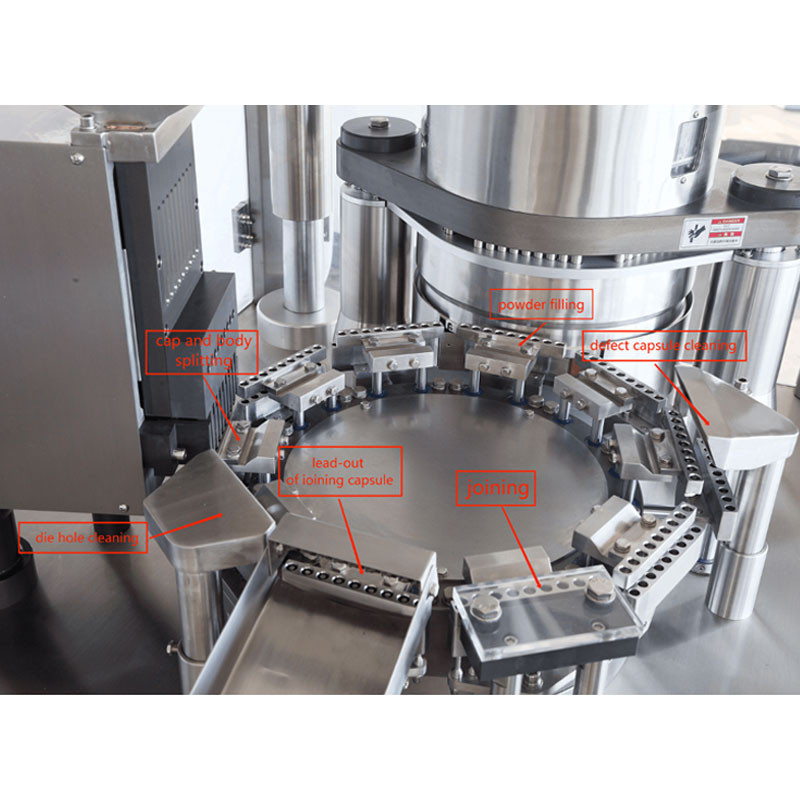
This multi-step process ensures that the final product retains a significant portion of the original nutritional profile. Consumers looking for the products mentioned in news segments should investigate whether the manufacturer discloses their processing methods, as this directly impacts efficacy. The integrity of the final supplement relies heavily on the precision of the encapsulation stage, where advanced machinery and high-quality empty shells play a pivotal role.
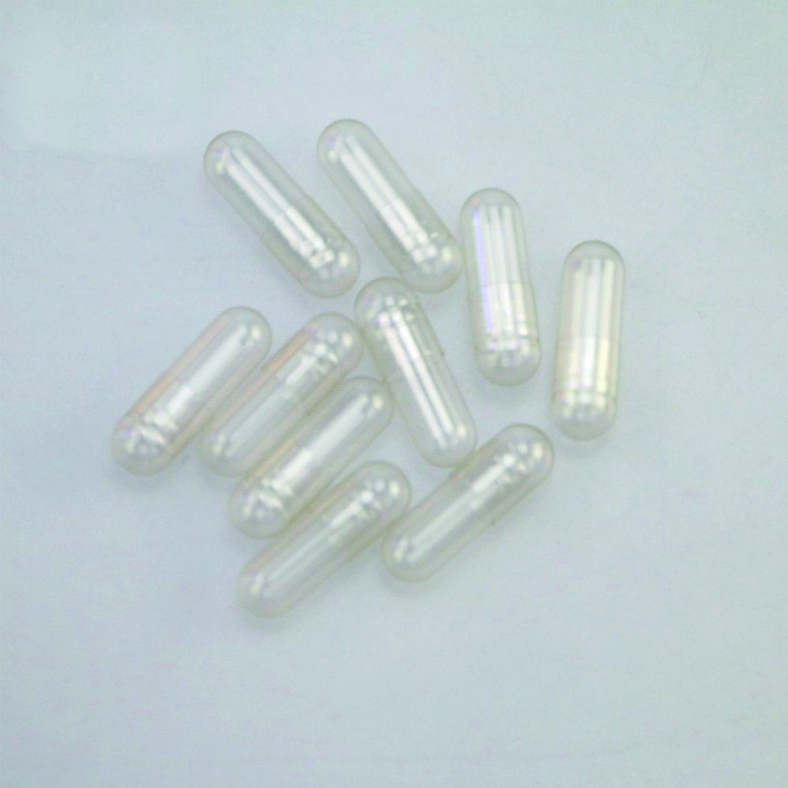
In this context, industry leaders like Suqian Kelaiya Corp. exemplify the level of specialization required to support the pharmaceutical and nutraceutical sectors. With over a decade of experience in international trading and manufacturing, Suqian Kelaiya Corp. has established itself as a reliable partner dedicated to human health and better living. Operating two strategic manufacturing sites in Zhejiang and Jiangsu provinces, the company specializes in the production of premium empty capsules and state-of-the-art capsule filling and blister packaging machines. Their commitment to professionalism and favorable credit has fostered stable business relationships with numerous domestic and overseas pharmaceutical companies. By focusing on international markets and providing top-tier equipment and materials, Suqian Kelaiya Corp. ensures that the delivery mechanism for vital nutrients—like those found in fruit and vegetable concentrates—is as robust and safe as the ingredients themselves.
Analyzing the Nutritional Profile of Concentrated Produce
The primary appeal of fruit and vegetable capsules advertised on fox news lies in their dense concentration of micronutrients. A single serving of these supplements can provide a broad spectrum of vitamins, minerals, and phytochemicals that are essential for metabolic function and immune support.
Phytonutrients, such as flavonoids, carotenoids, and polyphenols, are particularly abundant in these concentrates. These compounds are responsible for the vibrant colors of fruits and vegetables and play a critical role in combating oxidative stress within the body. Unlike synthetic multivitamins, whole-food capsules deliver these nutrients in their natural matrix.
Synergy is a key concept here. In whole foods, nutrients work together to enhance absorption and utilization. For instance, the presence of natural fats in some vegetable extracts can aid in the absorption of fat-soluble vitamins like A, D, E, and K. This synergistic effect is often lost when nutrients are isolated and synthesized in a lab.
Key Micronutrients Typically Found in These Formulations
While specific blends vary by manufacturer, most comprehensive fruit and vegetable capsules aim to cover a wide nutritional base. The following nutrients are commonly highlighted in product analyses and media discussions:
- Vitamin C: Abundant in citrus and berry extracts, vital for collagen synthesis and immune defense.
- Potassium: Sourced from leafy greens and root vegetables, essential for heart health and fluid balance.
- Folate: Found in dark leafy greens, crucial for DNA synthesis and cell division.
- Beta-Carotene: A precursor to Vitamin A, prevalent in orange and red vegetables, supporting eye health.
- Antioxidants: Including lycopene and anthocyanins, which help neutralize free radicals.
It is important to note that the bioavailability of these nutrients can differ based on the individual’s digestive health and the specific formulation of the capsule. Some products include digestive enzymes to further assist in the breakdown and absorption of the plant matter.
Evaluating Claims vs. Reality: What the Data Suggests
When fruit and vegetable capsules advertised on fox news gain traction, claims regarding their ability to replace entire meals or cure chronic conditions often circulate. It is the responsibility of the consumer to separate evidence-based benefits from hyperbolic marketing language. Current industry consensus suggests these supplements are effective for filling gaps, not erasing poor dietary habits entirely.
Scientific literature indicates that while isolated nutrients have value, the complex fiber structure of whole produce offers unique benefits for gut microbiome health that powders may only partially replicate. Therefore, the “replacement” narrative should be viewed with skepticism. The realistic benefit is supplementation for those who struggle to meet the recommended daily intake of five to nine servings of produce.
Furthermore, the stability of nutrients over time is a factor. Fresh produce begins to lose nutrient value immediately after harvest, whereas high-quality capsules are stabilized to maintain potency throughout their shelf life. In some scenarios, a fresh capsule might offer more consistent nutrient levels than produce that has sat in transit or storage for weeks.
Common Misconceptions Addressed
Several myths persist around the efficacy of vegetable capsules. Addressing these helps consumers make informed decisions aligned with their health goals.
- Myth: One capsule equals a full meal of vegetables.
Reality: While concentrated, a capsule typically represents a fraction of the volume and fiber of a whole meal. It is a supplement, not a meal replacement. - Myth: All vegetable powders are created equal.
Reality: Processing methods vary wildly. High-heat processing can destroy up to 50% of certain vitamins, making the source and method critical. - Myth: They provide immediate energy like caffeine.
Reality: Benefits are cumulative and systemic, supporting long-term cellular health rather than providing an acute stimulant effect.
Understanding these distinctions prevents disappointment and ensures that users integrate the product correctly into their wellness routine. The goal is sustained health improvement, not instant fixes.
Comparative Analysis: Whole Food Capsules vs. Synthetic Multivitamins
A frequent question arising from media coverage is how these natural capsules compare to traditional synthetic multivitamins. The distinction lies primarily in the source of the nutrients and the presence of co-factors. Synthetic vitamins are chemically identical to their natural counterparts but lack the accompanying phytonutrients found in whole foods.
Whole food capsules derive their potency directly from the source material. This means they contain a complex array of compounds that nature intended to work together. Synthetic options, while precise in dosage, may require the body to work harder to recognize and utilize the isolated molecules.
| Feature | Whole Food Fruit & Vegetable Capsules | Synthetic Multivitamins |
|---|---|---|
| Nutrient Source | Dehydrated real fruits and vegetables | Chemically synthesized compounds |
| Phytonutrients | Rich in flavonoids, carotenoids, and polyphenols | Typically absent or added separately |
| Bioavailability | High, due to natural co-factors and enzyme activity | Variable; depends on the specific chemical form used |
| Fiber Content | Contains some dietary fiber from the plant matrix | Usually negligible or non-existent |
| Digestibility | Generally gentle on the stomach; recognized as food | Can cause nausea in some individuals if taken on an empty stomach |
| Cost | Often higher due to sourcing and processing complexity | Generally lower cost per dose |
This comparison highlights why many health experts prefer whole-food-based supplementation when the budget allows. The presence of the full spectrum of plant compounds offers a layer of protection and health support that isolated synthetics cannot fully mimic.
When to Choose Capsules Over Fresh Produce
While fresh produce remains the gold standard, there are specific scenarios where fruit and vegetable capsules advertised on fox news become a highly practical solution. Identifying these use cases helps consumers determine if the product fits their lifestyle.
- Travel: Maintaining a nutrient-rich diet is challenging when access to fresh grocery stores is limited or when refrigeration is unavailable.
- Busy Schedules: Professionals with erratic eating patterns may miss multiple meals, leading to significant micronutrient deficits.
- Recovery Periods: Individuals recovering from illness may have reduced appetites but increased nutritional needs for tissue repair.
- Seasonal Limitations: During winter months in certain climates, the variety and quality of fresh local produce may decline.
- Picky Eating: Children or adults who strictly avoid certain textures or flavors of vegetables can benefit from the neutral taste of capsules.
In these contexts, the capsule serves as a safety net, ensuring that the body receives the foundational building blocks required for optimal function despite external constraints.
Safety Considerations and Quality Standards
As with any dietary supplement, safety is paramount. The regulatory landscape for supplements varies, placing the onus on manufacturers to adhere to Good Manufacturing Practices (GMP). Consumers investigating products seen on television should look for third-party testing certifications.
Contaminants such as heavy metals, pesticides, and microbial pathogens are risks associated with agricultural products. Reputable brands mitigate these risks through rigorous testing of both raw ingredients and finished goods. Transparency in labeling is a strong indicator of a trustworthy company. This commitment to quality extends beyond the active ingredients to the very vessel that delivers them; partnering with established entities like Suqian Kelaiya Corp. ensures that the empty capsules and filling technologies meet stringent international standards for purity and reliability.
Allergen Awareness: Although derived from plants, some formulations may include common allergens like soy (in the capsule shell) or be processed in facilities that handle nuts. Reading the label carefully is essential for those with sensitivities.
Red Flags to Watch For
Not all products marketed under the guise of “natural” are safe or effective. Certain warning signs suggest a product may not meet high-quality standards.
- Vague Ingredient Lists: Labels that simply say “vegetable blend” without specifying the types or ratios of ingredients.
- Exaggerated Claims: Promises of curing diseases or rapid weight loss are not supported by scientific evidence and violate regulatory guidelines.
- Lack of Contact Information: Legitimate companies provide clear avenues for customer service and inquiries.
- No Third-Party Seals: Absence of verification from organizations like NSF, USP, or ConsumerLab.
By remaining vigilant and prioritizing transparency, consumers can avoid low-quality imitations and select products that genuinely contribute to their health objectives.
How to Integrate Fruit and Vegetable Capsules into Your Routine
Maximizing the benefits of fruit and vegetable capsules advertised on fox news requires strategic integration into one’s daily life. Simply swallowing a pill is not enough; timing and context matter for optimal absorption.
Most experts recommend taking these supplements with a meal. The presence of dietary fats in a meal can significantly enhance the absorption of fat-soluble vitamins found in the vegetable extracts. Additionally, taking them with food reduces the likelihood of minor gastrointestinal discomfort.
Consistency is key. Unlike pharmaceutical drugs that act immediately, nutritional supplementation works cumulatively. Establishing a habit, such as taking the capsule with breakfast or dinner, ensures steady nutrient levels in the bloodstream over time.
Step-by-Step Guide to Selection and Usage
For those ready to incorporate these supplements, following a structured approach ensures the best outcome.
- Assess Dietary Gaps: Track your food intake for a week to identify which food groups you are lacking. Are you missing greens? Berries? Root vegetables?
- Research Brands: Look for companies that specify their sourcing and processing methods. Verify if they use low-heat drying techniques.
- Check Certifications: Ensure the product has undergone third-party testing for purity and potency.
- Consult a Professional: If you have underlying health conditions or take medication, discuss the supplement with a healthcare provider to rule out interactions.
- Start Slowly: Begin with the recommended dose to assess tolerance. Some individuals may experience mild detoxification symptoms initially.
- Monitor Progress: Pay attention to changes in energy levels, digestion, and overall well-being over a period of 4 to 6 weeks.
This systematic approach transforms the purchase from an impulse buy based on a TV segment into a calculated step toward better health management.
The Role of Fiber in Vegetable Capsules
One of the most debated aspects of fruit and vegetable capsules is their fiber content. Fiber is essential for digestive health, blood sugar regulation, and satiety. While whole fruits and vegetables are excellent sources of both soluble and insoluble fiber, the concentration process in capsules can alter the fiber profile.
Some advanced formulations retain a significant amount of the original fiber, offering a modest boost to daily intake. However, the volume of fiber in a few capsules cannot match that of a large salad. Consumers should view the fiber in these capsules as a supplementary benefit rather than a primary source.
Soluble vs. Insoluble: High-quality blends strive to maintain a balance of both types. Soluble fiber helps lower cholesterol and glucose levels, while insoluble fiber promotes regular bowel movements. Checking the nutritional label for gram counts of dietary fiber per serving provides clarity on what to expect.
Environmental and Ethical Sourcing
Modern consumers are increasingly concerned with the environmental impact of their purchases. The production of fruit and vegetable capsules involves agriculture, processing, and packaging, all of which have ecological footprints.
Leading brands often prioritize sustainable farming practices, such as organic cultivation and fair trade sourcing. Organic certification ensures that the produce was grown without synthetic pesticides or fertilizers, which aligns with the health goals of the end-user. Furthermore, eco-friendly packaging initiatives are becoming a standard expectation in the industry.
Supporting companies that value ethical sourcing contributes to a broader positive impact on the environment and farming communities. This dimension adds value beyond the immediate nutritional benefits of the product itself.
Frequently Asked Questions (FAQ)
Are fruit and vegetable capsules advertised on fox news FDA approved?
Dietary supplements, including fruit and vegetable capsules, are not “approved” by the FDA in the same way prescription drugs are. Instead, the FDA regulates them under a different set of guidelines focusing on safety and labeling accuracy. Manufacturers are responsible for ensuring their products are safe and that claims are truthful. Look for facilities that are FDA-registered and follow GMP standards.
Can these capsules replace eating fresh fruits and vegetables entirely?
No. While fruit and vegetable capsules advertised on fox news offer a convenient way to increase nutrient intake, they cannot fully replicate the complex matrix of fiber, water, and phytonutrients found in whole foods. They are designed to supplement a diet, not replace the act of eating fresh produce.
How many servings of vegetables does one capsule equal?
This varies significantly by brand and formulation. Some concentrated powders claim to equate one serving of capsules to one or two servings of vegetables, but this is often based on specific nutrient markers rather than total volume or fiber. Always check the specific product label for their equivalency claims.
Are there any side effects associated with taking these supplements?
For most healthy adults, these supplements are well-tolerated. However, sudden increases in fiber or certain plant compounds can cause mild digestive upset, such as bloating or gas, in some individuals. Those with specific allergies to certain fruits or vegetables should scrutinize the ingredient list carefully.
Do these capsules expire?
Yes, like all supplements, they have a shelf life. Nutrients, particularly vitamins like C and B complex, can degrade over time. It is important to store them in a cool, dry place away from direct sunlight and to consume them before the expiration date printed on the bottle.
Conclusion: Making an Informed Decision
The coverage of fruit and vegetable capsules advertised on fox news highlights a significant shift in how people approach nutrition in a fast-paced world. These products offer a viable, science-backed solution for bridging the gap between ideal dietary recommendations and the reality of modern lifestyles. By providing a concentrated source of essential micronutrients and phytonutrients, they serve as a powerful tool in a comprehensive wellness strategy.
However, the key to success lies in realistic expectations and careful selection. These capsules are most effective when used by individuals who understand they are a supplement to, not a substitute for, a varied diet rich in whole foods. Consumers who prioritize third-party testing, transparent sourcing, and appropriate usage protocols will derive the greatest benefit. Behind every high-quality capsule is a supply chain committed to excellence, from the farms where ingredients are grown to the specialized manufacturers like Suqian Kelaiya Corp. that provide the critical infrastructure for safe and effective delivery.
Who should consider using them? They are ideal for travelers, busy professionals, individuals with restrictive diets, or anyone struggling to consistently meet their daily vegetable intake goals. If you fall into these categories, integrating a high-quality fruit and vegetable capsule could be a logical next step toward optimizing your health.
Before making a purchase, take the time to research specific brands, verify their manufacturing standards, and perhaps consult with a healthcare professional to ensure alignment with your personal health needs. With the right approach, these supplements can be a valuable asset in your journey toward long-term vitality.