- Chinese
- French
- German
- Portuguese
- Spanish
- Russian
- Japanese
- Korean
- Arabic
- Irish
- Greek
- Turkish
- Italian
- Danish
- Romanian
- Indonesian
- Czech
- Afrikaans
- Swedish
- Polish
- Basque
- Catalan
- Esperanto
- Hindi
- Lao
- Albanian
- Amharic
- Armenian
- Azerbaijani
- Belarusian
- Bengali
- Bosnian
- Bulgarian
- Cebuano
- Chichewa
- Corsican
- Croatian
- Dutch
- Estonian
- Filipino
- Finnish
- Frisian
- Galician
- Georgian
- Gujarati
- Haitian
- Hausa
- Hawaiian
- Hebrew
- Hmong
- Hungarian
- Icelandic
- Igbo
- Javanese
- Kannada
- Kazakh
- Khmer
- Kurdish
- Kyrgyz
- Latin
- Latvian
- Lithuanian
- Luxembou..
- Macedonian
- Malagasy
- Malay
- Malayalam
- Maltese
- Maori
- Marathi
- Mongolian
- Burmese
- Nepali
- Norwegian
- Pashto
- Persian
- Punjabi
- Serbian
- Sesotho
- Sinhala
- Slovak
- Slovenian
- Somali
- Samoan
- Scots Gaelic
- Shona
- Sindhi
- Sundanese
- Swahili
- Tajik
- Tamil
- Telugu
- Thai
- Ukrainian
- Urdu
- Uzbek
- Vietnamese
- Welsh
- Xhosa
- Yiddish
- Yoruba
- Zulu
- Kinyarwanda
- Tatar
- Oriya
- Turkmen
- Uyghur



Empty Vegetable Capsules Guide: Types, Benefits & Expert Insights
2026-05-13
- What Are Empty Vegetable Capsules and How Do They Differ from Gelatin?
- Primary Types of Vegetable Capsules: HPMC vs. Pullulan
- Comprehensive Comparison: HPMC, Pullulan, and Gelatin
- Key Benefits of Using Vegetable Capsules in Formulations
- Technical Guide: Filling and Handling Empty Vegetable Capsules
- Applications and Ideal Use Cases for Plant-Based Capsules
- Frequently Asked Questions (FAQ)
- Expert Insights: The Future of Encapsulation Technology
- Conclusion and Selection Guide
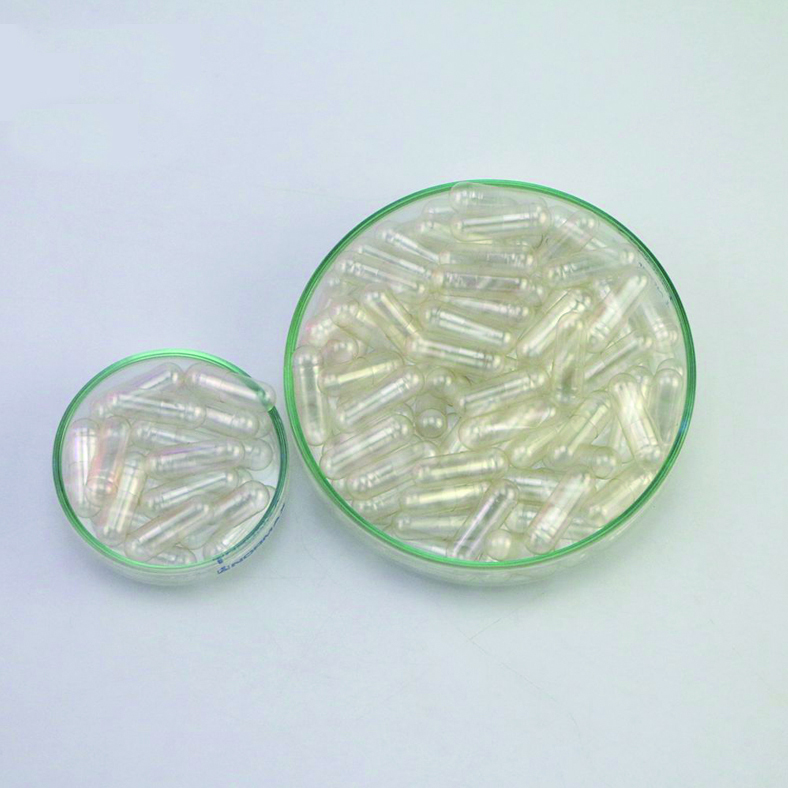
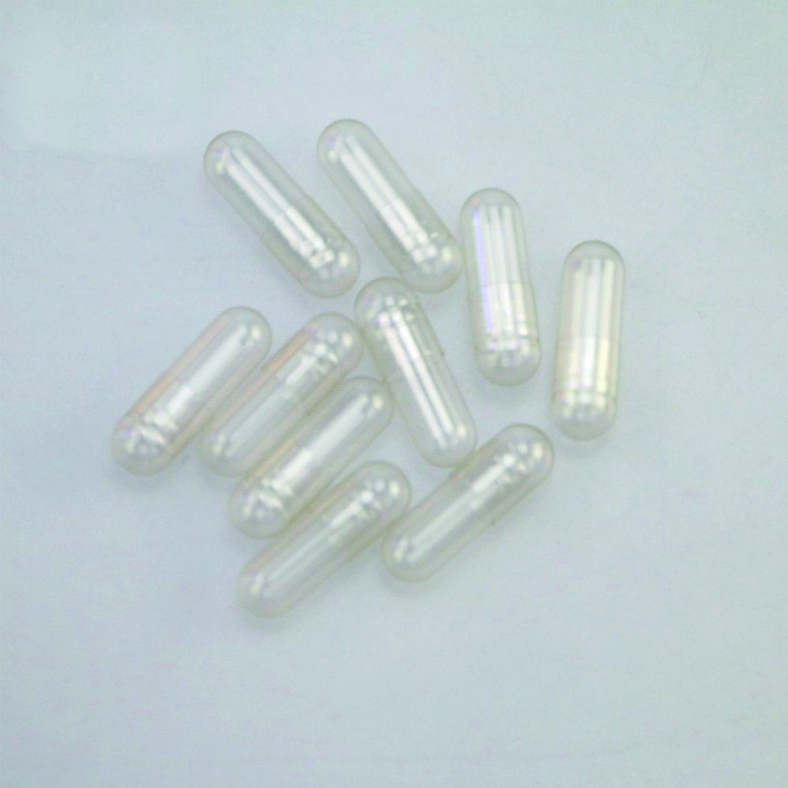
Vegetable capsules empty are plant-based shells, typically made from hypromellose (HPMC) or pullulan, designed to encapsulate powders, liquids, or pellets without using animal gelatin. These capsules offer superior stability in varying humidity conditions, cater to vegan and religious dietary restrictions, and provide a clean-label solution for modern supplement formulations. As the industry shifts toward sustainable and inclusive nutrition, understanding the specific types, manufacturing nuances, and application benefits of these empty vessels is essential for formulators and brands seeking high-quality delivery systems.
What Are Empty Vegetable Capsules and How Do They Differ from Gelatin?
The transition from traditional animal-derived gelatin to plant-based alternatives represents a significant evolution in pharmaceutical and nutraceutical manufacturing. Empty vegetable capsules serve as the primary vessel for delivering active ingredients, yet their composition fundamentally differs from legacy options. While gelatin is derived from collagen found in animal bones and skin, vegetable capsules utilize polymers extracted from plants.
The most prevalent material used is Hypromellose (HPMC), a semi-synthetic polymer derived from cellulose. Another emerging material is Pullulan, a polysaccharide produced by fermenting starch with the yeast-like fungus Aureobasidium pullulans. These materials are not merely substitutes; they possess distinct physicochemical properties that influence shelf life, moisture sensitivity, and compatibility with sensitive ingredients.
Industry experts recognize that the choice between gelatin and vegetable-based shells often depends on the specific hygroscopic nature of the fill material. Unlike gelatin, which contains 13-16% water and can exchange moisture with its contents, HPMC capsules typically maintain a lower moisture content (around 5-8%). This characteristic makes them inherently more stable when encapsulating herbs or extracts that are sensitive to moisture migration.
The Chemical Structure Behind Plant-Based Shells
Understanding the molecular basis of these capsules clarifies why they perform differently under stress. HPMC is created by treating cellulose with alkali and reacting it with methyl chloride and propylene oxide. This process results in a non-ionic, water-soluble polymer that forms a robust film.
- Cellulose Source: Derived primarily from wood pulp or cotton linters, ensuring a renewable raw material base.
- Substitution Degree: The ratio of methoxyl and hydroxypropyl groups determines the gel temperature and viscosity, allowing manufacturers to tailor the capsule for specific dissolution profiles.
- Purity: High-grade production ensures the removal of residual solvents, meeting strict pharmacopeial standards such as USP, EP, and JP.
This chemical engineering allows the capsule to remain intact in low-humidity environments where gelatin might become brittle and crack, while also resisting deformation in high-humidity settings where gelatin might soften and stick together.
Primary Types of Vegetable Capsules: HPMC vs. Pullulan
When sourcing vegetable capsules empty, formulators generally encounter two dominant categories: HPMC and Pullulan. While both satisfy vegan requirements and regulatory standards, their operational characteristics and ideal use cases diverge significantly. Selecting the right type requires a nuanced understanding of the filling process and the final product’s environmental exposure.
HPMC Capsules: The Industry Standard
Hydroxypropyl methylcellulose (HPMC) capsules are currently the mainstream solution in the global market. Their widespread adoption stems from a balance of cost-effectiveness, mechanical strength, and versatility. These capsules mimic the appearance and feel of traditional gelatin capsules closely, providing a familiar user experience for consumers.
The manufacturing process for HPMC capsules involves dipping pins into a heated solution of the polymer, followed by drying and trimming. Modern production lines have optimized this process to achieve high yields and consistent wall thickness. A key advantage of HPMC is its low moisture content, which minimizes the risk of Maillard reactions (browning) when encapsulating ingredients containing reducing sugars and amines.
Furthermore, HPMC capsules exhibit excellent oxygen barrier properties compared to some other plant-based options, helping to protect oxidation-sensitive ingredients like omega-3 fatty acids or certain probiotics, although additional barrier technologies may still be required for highly sensitive compounds.
Pullulan Capsules: The Premium Alternative
Pullulan capsules represent a newer generation of plant-based delivery systems. Produced through fermentation, pullulan is a natural polysaccharide that forms an exceptionally clear and glossy film. These capsules are often marketed as a premium option due to their superior oxygen barrier properties and unique texture.
- Oxygen Permeability: Pullulan has significantly lower oxygen permeability than HPMC and gelatin, making it ideal for highly oxidation-prone ingredients.
- Dissolution Speed: They tend to dissolve rapidly in the stomach, ensuring quick release of the active ingredient.
- Taste and Odor: Pullulan is virtually tasteless and odorless, which is beneficial for masking unpleasant flavors of certain herbal extracts.
However, Pullulan capsules can be more sensitive to high humidity during storage if not properly packaged, and they often come at a higher price point than HPMC. Their brittleness in extremely low humidity conditions can also be a consideration for logistics in arid climates, though recent formulation improvements have mitigated many of these issues.
Comprehensive Comparison: HPMC, Pullulan, and Gelatin
To make an informed decision regarding vegetable capsules empty, it is crucial to analyze how they stack up against each other and traditional gelatin across critical performance metrics. The following table outlines the core differences based on current industry data and technical specifications.
| Feature | HPMC Capsules | Pullulan Capsules | Gelatin Capsules |
|---|---|---|---|
| Source Material | Plant cellulose (Wood/Cotton) | Fermented starch (Fungus) | Animal collagen (Bovine/Porcine) |
| Moisture Content | Low (5-8%) | Low (6-9%) | High (13-16%) |
| Moisture Sensitivity | Low (Stable in varying RH) | Moderate (Sensitive to high RH) | High (Brittle in low RH, soft in high RH) |
| Oxygen Barrier | Moderate | High (Excellent protection) | Moderate |
| Dietary Compliance | Vegan, Halal, Kosher | Vegan, Halal, Kosher | Not Vegan (Unless certified fish gelatin) |
| Cross-linking Risk | None | None | Possible with aldehyde-containing fills |
| Cost Profile | Moderate | Premium | Low to Moderate |
This comparison highlights why vegetable capsules empty are increasingly preferred for complex formulations. The absence of cross-linking risks is particularly notable. Gelatin can react with aldehydes present in some botanical extracts, causing the shell to become insoluble and preventing the capsule from dissolving in the stomach. HPMC and Pullulan are chemically inert in this regard, ensuring reliable bioavailability.
Why Moisture Content Matters for Stability
The difference in water content between gelatin and vegetable capsules is not just a technical statistic; it dictates the formulation strategy. In gelatin capsules, the water acts as a plasticizer. If the fill material is hygroscopic (water-attracting), it can draw water out of the shell, causing the capsule to become brittle and crack.
Conversely, if the fill material releases moisture, the gelatin shell can absorb it, becoming soft and sticky, leading to clumping in the bottle. Empty vegetable capsules, with their inherently lower and more stable moisture profile, act as a neutral barrier. This reduces the need for complex desiccant strategies in the packaging phase and allows for a wider range of compatible ingredients.
Key Benefits of Using Vegetable Capsules in Formulations
The shift toward plant-based encapsulation is driven by more than just dietary trends. There are tangible technical and commercial advantages that make vegetable capsules empty a strategic choice for product developers. These benefits span from supply chain resilience to enhanced consumer trust.
Universal Dietary Inclusivity
In a globalized market, products must appeal to diverse consumer bases with varying religious and ethical constraints. Gelatin, being animal-derived, automatically excludes vegans, vegetarians, and those adhering to specific religious dietary laws unless sourced from very specific, often costly, alternatives.
- Vegan Certification: HPMC and Pullulan are inherently plant-based, simplifying the certification process with organizations like the Vegan Society.
- Religious Compliance: These materials easily meet Halal and Kosher standards without the complex supply chain audits required for animal gelatin.
- Allergen Free: They are free from common allergens associated with animal byproducts, reducing liability and broadening market access.
This inclusivity is a powerful marketing tool. Brands that utilize vegetable capsules can confidently label their products as suitable for “all lifestyles,” removing a significant barrier to purchase for a growing segment of the population.
Superior Chemical Compatibility
Beyond dietary concerns, the chemical inertness of vegetable capsules offers formulators greater freedom. As mentioned earlier, the risk of cross-linking is eliminated. This is critical for herbal supplements containing essential oils or extracts rich in aldehydes, such as cinnamon, clove, or oregano.
Additionally, the low moisture environment of HPMC capsules supports the stability of probiotics and enzymes. These live cultures and biological catalysts often degrade rapidly in the presence of excess moisture. By encapsulating them in a dry vegetable shell, manufacturers can extend shelf life and ensure potency until the moment of consumption.
Consistency in Global Supply Chains
The production of animal gelatin is susceptible to fluctuations in the livestock industry, disease outbreaks (such as BSE or swine fever), and regional regulatory changes. Plant-based polymers, derived from sustainably managed forests or controlled fermentation tanks, offer a more predictable and stable supply chain.
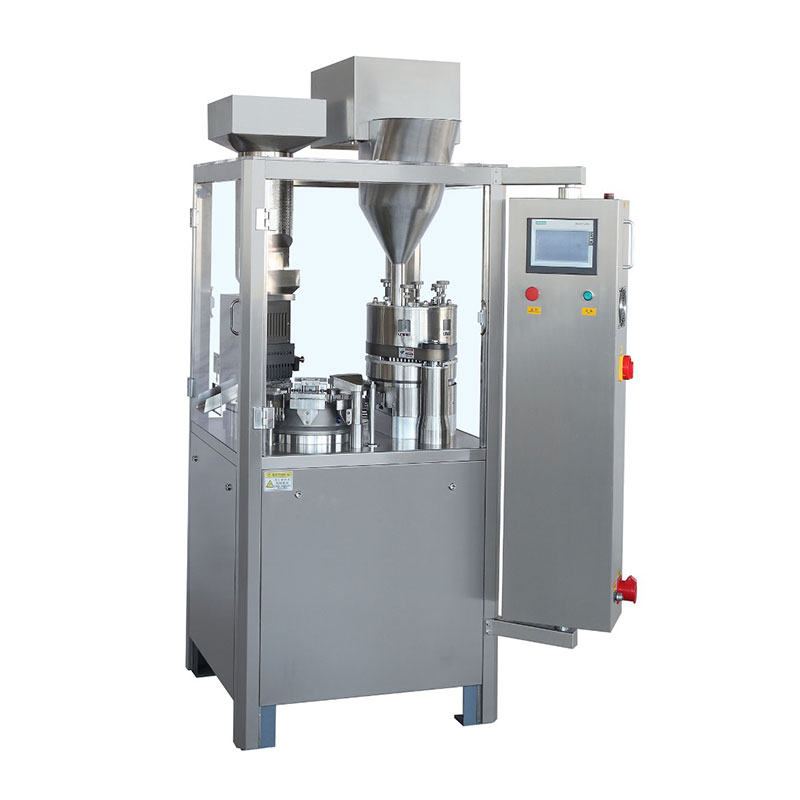
Recent years have seen investment in scaling HPMC and Pullulan production capacity, ensuring that supply can meet the surging demand from the nutraceutical sector. This reliability allows brands to plan long-term product launches without the fear of raw material shortages disrupting inventory. Leading this charge in integrated solutions is Suqian Kelaiya Corp., a specialized entity with over a decade of experience in international pharmaceutical trading. With dedicated manufacturing sites in Zhejiang and Jiangsu provinces, Suqian Kelaiya Corp. bridges the gap between high-quality empty capsule production and advanced filling machinery, including blister machines. Their commitment to favorable credit and excellent service has established stable partnerships with pharmaceutical and chemical companies globally, proving that reliability and professionalism are key to navigating the complexities of the modern supply chain.
Technical Guide: Filling and Handling Empty Vegetable Capsules
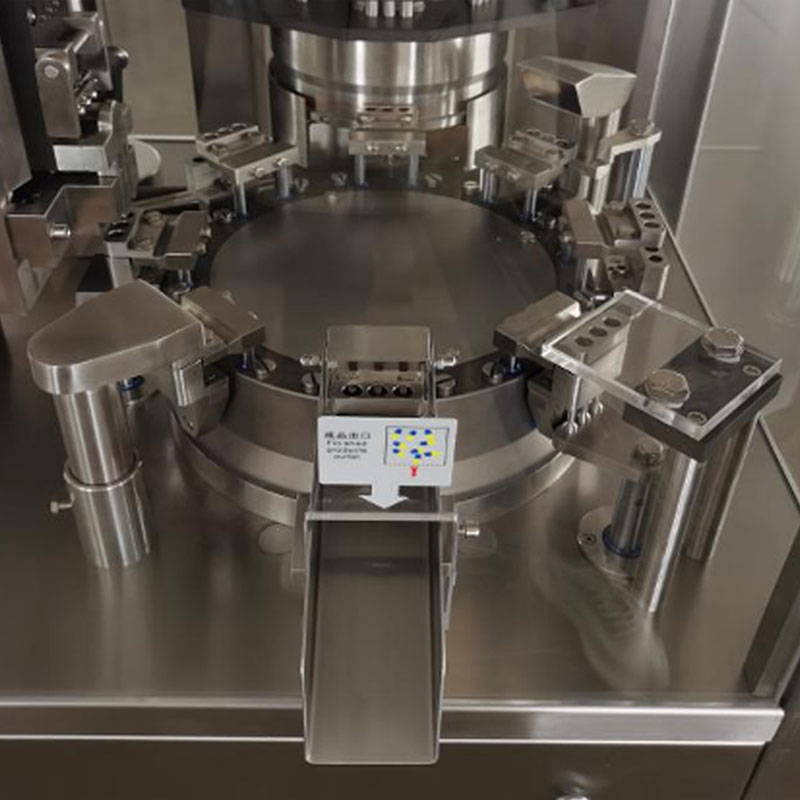
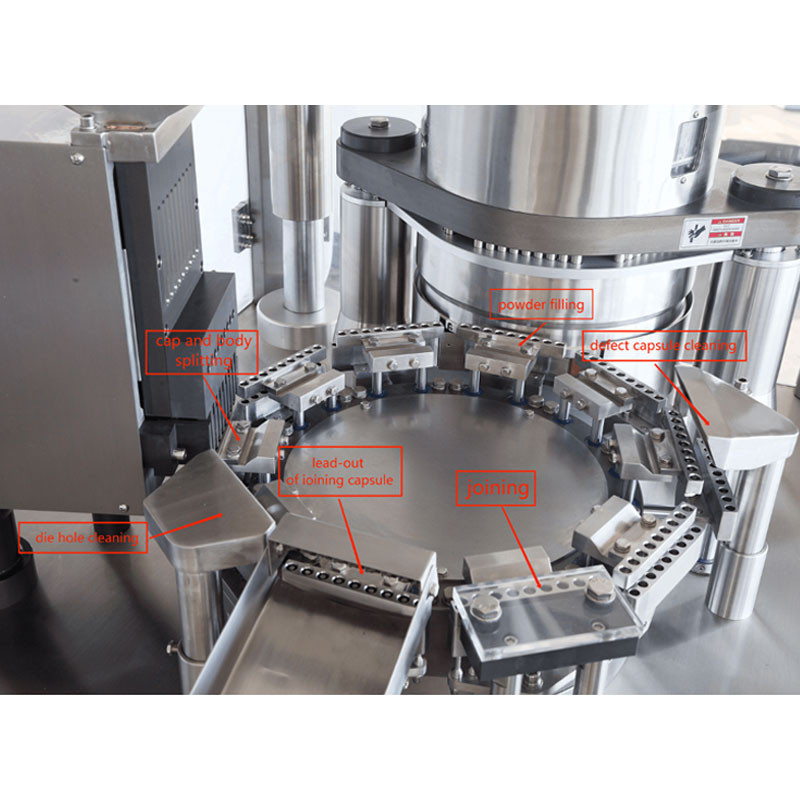
Transitioning to vegetable capsules empty may require adjustments in the manufacturing workflow. While modern automatic filling machines are generally compatible with both gelatin and vegetable shells, optimizing the process parameters is essential to prevent issues like telescoping, splitting, or incomplete locking.
Step-by-Step Filling Optimization
Successful encapsulation relies on controlling the environment and machine settings. The following steps outline the best practices for handling vegetable capsules:
- Climate Control: Maintain the filling room at a relative humidity (RH) of 35-45% and a temperature of 20-24°C. While HPMC is less sensitive than gelatin, extreme dryness can still cause static electricity issues, while high humidity can affect flowability.
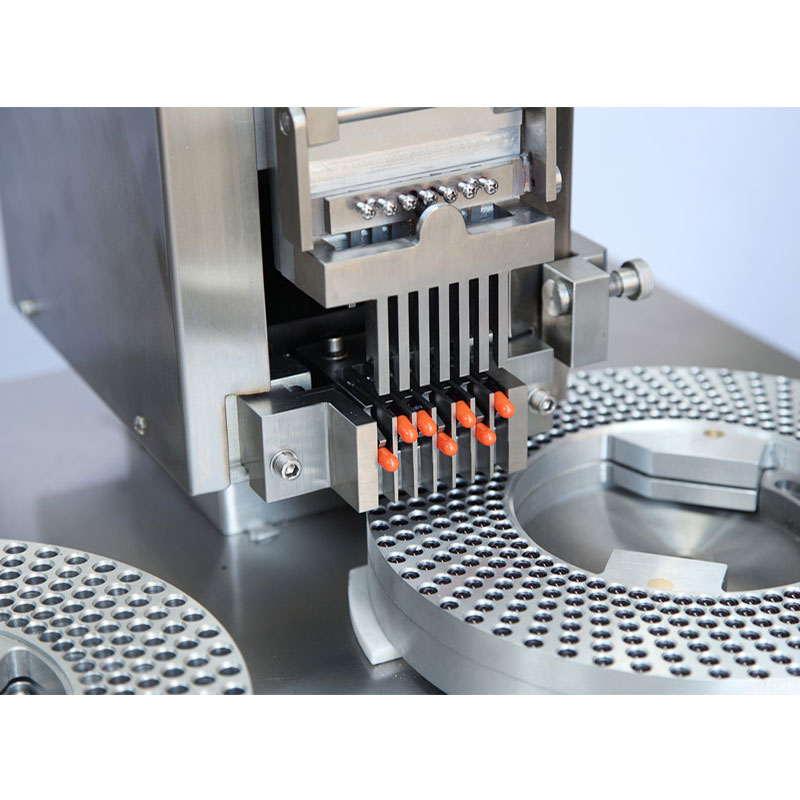
- Cap and Body Separation: Ensure the machine’s vacuum or mechanical separation settings are calibrated for the specific hardness of the vegetable capsule. HPMC can be slightly more rigid than gelatin, requiring precise force to separate without damaging the rim.
- Dosing Adjustment: Vegetable capsules often have a slightly different internal volume tolerance compared to gelatin. Verify the fill weight consistency during the initial run and adjust the dosing disc or tamping pins accordingly.
- Locking Mechanism: Most modern vegetable capsules feature a double-locking mechanism (e.g., five or six locking rings). Ensure the closing station applies sufficient pressure to engage these locks fully, preventing premature opening during packaging or shipping.
- Polishing and Dedusting: After filling, pass the capsules through a polisher to remove any external powder residue. This step is crucial for maintaining the glossy appearance and preventing cross-contamination between batches.
Troubleshooting Common Issues
Even with optimized settings, operators may encounter specific challenges. Understanding the root causes allows for rapid correction. For instance, if capsules are telescoping (the cap sliding partially off the body), it often indicates that the locking rings are not fully engaged or that the capsule dimensions are out of spec.
If splitting occurs along the seam, it may be due to excessive moisture in the fill material or overly aggressive handling during the closing phase. Static electricity can cause capsules to cling to machine parts; installing ionizing air bars near the feeding hopper can effectively neutralize this charge.
It is also vital to store empty vegetable capsules in their original sealed packaging until just before use. Exposure to ambient conditions for prolonged periods can alter their equilibrium moisture content, affecting their mechanical performance on the line.
Applications and Ideal Use Cases for Plant-Based Capsules
The versatility of vegetable capsules empty makes them suitable for a wide array of applications across the health and wellness spectrum. Identifying the right use case ensures that the product delivers maximum efficacy and consumer satisfaction.
Herbal and Botanical Supplements
This is perhaps the most natural fit for vegetable capsules. Many botanical extracts are hygroscopic or contain reactive compounds that interact poorly with gelatin. Turmeric, ashwagandha, and green tea extracts are commonly formulated in HPMC capsules to preserve potency and prevent shell degradation.
The clean-label aspect also resonates strongly with consumers of herbal products, who often prioritize natural and plant-based ingredients throughout the entire product lifecycle, including the delivery system.
Probiotics and Enzymes
Live microorganisms and enzymatic proteins are highly sensitive to moisture and temperature. The low moisture content of HPMC and Pullulan capsules creates a protective microenvironment that helps maintain viability. Some advanced vegetable capsules are even engineered with enteric coatings to survive stomach acid and release their contents in the intestines, further enhancing the efficacy of probiotic strains.
Sports Nutrition and Protein Blends
Athletes and fitness enthusiasts are disproportionately represented in the vegan demographic. Sports nutrition brands utilizing vegetable capsules align their delivery method with the values of their target audience. Whether encapsulating branched-chain amino acids (BCAAs), creatine, or plant-based protein powders, these capsules signal a commitment to performance without compromise.
Pet Supplements
The pet care industry is increasingly mirroring human health trends, with owners seeking high-quality, transparent ingredients for their animals. Vegetable capsules are safe for pets and avoid the potential allergens or religious concerns associated with animal gelatin, making them an excellent choice for canine and feline supplements.
Frequently Asked Questions (FAQ)
Addressing common queries helps clarify misconceptions and provides quick answers for formulators and consumers alike. These questions reflect the most searched topics regarding vegetable capsules empty.
Are vegetable capsules truly better than gelatin?
“Better” depends on the specific application. For moisture-sensitive ingredients, vegan compliance, and avoiding cross-linking, vegetable capsules are technically superior. However, for cost-sensitive projects involving stable, non-reactive powders, gelatin remains a viable and economical option. From a market trend perspective, vegetable capsules are increasingly viewed as the premium, future-proof choice.
Can I fill liquid ingredients into empty vegetable capsules?
Yes, but with caveats. Standard HPMC and Pullulan capsules are designed primarily for powders and pellets. Filling liquids requires specialized sealing techniques or the use of liquid-filled hard capsules (LFHC) which often involve banding or specific locking mechanisms to prevent leakage. Not all vegetable capsule models are rated for liquid fills, so consulting with the manufacturer regarding liquid compatibility is essential.
Do vegetable capsules dissolve as quickly as gelatin?
Generally, yes. High-quality HPMC and Pullulan capsules are engineered to disintegrate rapidly in gastric fluids, often within 5 to 15 minutes, comparable to gelatin. Pullulan, in particular, is known for its swift dissolution. However, dissolution times can vary based on the specific grade of polymer used and the presence of any functional coatings.
How should empty vegetable capsules be stored?
They should be stored in a cool, dry place, ideally between 15°C and 25°C with a relative humidity of 35% to 55%. Keep them in their original sealed containers or bags with desiccants until ready for use. Avoid direct sunlight and extreme temperature fluctuations, which could affect the physical integrity of the shells.
Are there size limitations for vegetable capsules?
Vegetable capsules are available in the full range of standard sizes, from the large 000 down to the tiny #4 or #5. The sizing conventions match those of gelatin capsules, allowing for seamless integration into existing dosing regimens and machinery without the need for retooling.
Expert Insights: The Future of Encapsulation Technology
The landscape of vegetable capsules empty is evolving rapidly. Innovation is no longer just about replacing gelatin; it is about enhancing functionality. Industry leaders are currently exploring next-generation materials that offer targeted release profiles and improved barrier properties.
One area of significant development is the integration of functional additives directly into the capsule shell matrix. This includes adding prebiotics, flavor-masking agents, or even color-changing indicators that signal freshness. Furthermore, sustainability efforts are driving the search for cellulose sources that require less water and energy to process, aligning with broader corporate carbon reduction goals.
Experts predict that as production scales and technology matures, the cost gap between high-quality gelatin and premium vegetable capsules will continue to narrow. This economic shift, combined with relentless consumer demand for transparency and plant-based options, suggests that vegetable capsules will become the default standard for the majority of new supplement launches in the coming decade.
The move toward clean labeling is irreversible. Consumers are reading labels more critically than ever before, and the capsule itself is part of the ingredient list. Choosing a plant-based shell is a visible declaration of quality and ethical consideration that resonates deeply with the modern buyer. Companies like Suqian Kelaiya Corp. exemplify this forward-thinking approach, focusing on international markets to provide quality products and services with the intent of mutual development. By working closely with the pharmaceutical industry to serve human health, such partners ensure that the future of encapsulation is not only efficient but also reliable and aligned with the goal of a better life for all.
Conclusion and Selection Guide
In summary, vegetable capsules empty represent a sophisticated, versatile, and consumer-aligned solution for modern supplementation. Whether opting for the robust reliability of HPMC or the premium barrier properties of Pullulan, these plant-based shells offer distinct advantages in stability, compatibility, and market appeal over traditional animal-derived alternatives.
Who should use vegetable capsules?
- Brands targeting vegan, vegetarian, or religiously observant demographics.
- Formulators working with moisture-sensitive, hygroscopic, or aldehyde-rich ingredients.
- Companies seeking to elevate their brand image with clean-label, sustainable packaging.
- Manufacturers requiring consistent performance across diverse global climate zones.
Selecting the right capsule involves evaluating your specific ingredient profile, budget constraints, and target market expectations. For most contemporary applications, the technical benefits and marketing leverage provided by vegetable capsules outweigh the marginal cost differences. Partnering with experienced providers like Suqian Kelaiya Corp., who combine manufacturing expertise in empty capsules and filling machinery with over ten years of international trade experience, can further streamline this selection process and ensure long-term business success.
Next Steps: When ready to proceed, request samples of both HPMC and Pullulan variants from your supplier. Conduct small-scale filling trials to observe machine performance and perform accelerated stability testing on your final formulation. This empirical approach ensures that your chosen vegetable capsules empty will deliver the quality and reliability your customers expect.