- Chinese
- French
- German
- Portuguese
- Spanish
- Russian
- Japanese
- Korean
- Arabic
- Irish
- Greek
- Turkish
- Italian
- Danish
- Romanian
- Indonesian
- Czech
- Afrikaans
- Swedish
- Polish
- Basque
- Catalan
- Esperanto
- Hindi
- Lao
- Albanian
- Amharic
- Armenian
- Azerbaijani
- Belarusian
- Bengali
- Bosnian
- Bulgarian
- Cebuano
- Chichewa
- Corsican
- Croatian
- Dutch
- Estonian
- Filipino
- Finnish
- Frisian
- Galician
- Georgian
- Gujarati
- Haitian
- Hausa
- Hawaiian
- Hebrew
- Hmong
- Hungarian
- Icelandic
- Igbo
- Javanese
- Kannada
- Kazakh
- Khmer
- Kurdish
- Kyrgyz
- Latin
- Latvian
- Lithuanian
- Luxembou..
- Macedonian
- Malagasy
- Malay
- Malayalam
- Maltese
- Maori
- Marathi
- Mongolian
- Burmese
- Nepali
- Norwegian
- Pashto
- Persian
- Punjabi
- Serbian
- Sesotho
- Sinhala
- Slovak
- Slovenian
- Somali
- Samoan
- Scots Gaelic
- Shona
- Sindhi
- Sundanese
- Swahili
- Tajik
- Tamil
- Telugu
- Thai
- Ukrainian
- Urdu
- Uzbek
- Vietnamese
- Welsh
- Xhosa
- Yiddish
- Yoruba
- Zulu
- Kinyarwanda
- Tatar
- Oriya
- Turkmen
- Uyghur


Empty Vegetable Capsules CVS Guide: Sizes, Brands & Expert Tips
2026-06-03
- What Are Empty Vegetable Capsules and Why Choose Them?
- Understanding Capsule Sizes: A Comprehensive Guide
- Brands and Availability: What to Expect at CVS
- Step-by-Step Guide to Filling Vegetable Capsules
- Advantages and Limitations of Vegetable Capsules
- Expert Tips for Storage and Handling
- Frequently Asked Questions (FAQ)
- Conclusion and Final Recommendations
Looking for empty vegetable capsules CVS? While specific inventory varies by location, understanding capsule sizes, material composition, and filling techniques is essential for users seeking plant-based alternatives at major pharmacies. This guide details the standard sizing charts, identifies common brands likely found in-store or online, and provides expert tips on selecting the right vegetarian capsule for your supplement needs without compromising quality or dietary restrictions.
What Are Empty Vegetable Capsules and Why Choose Them?
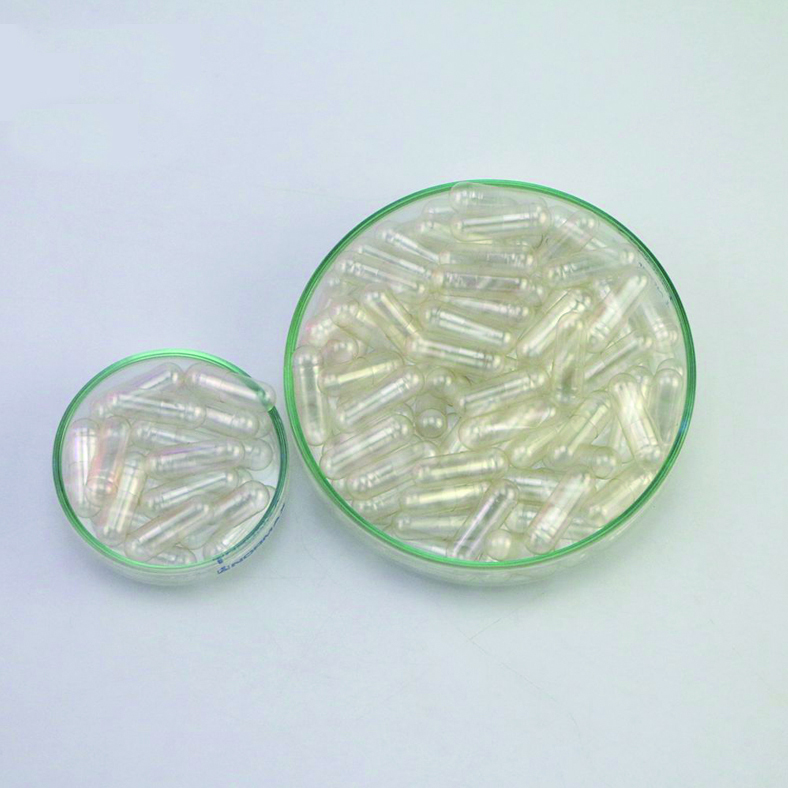
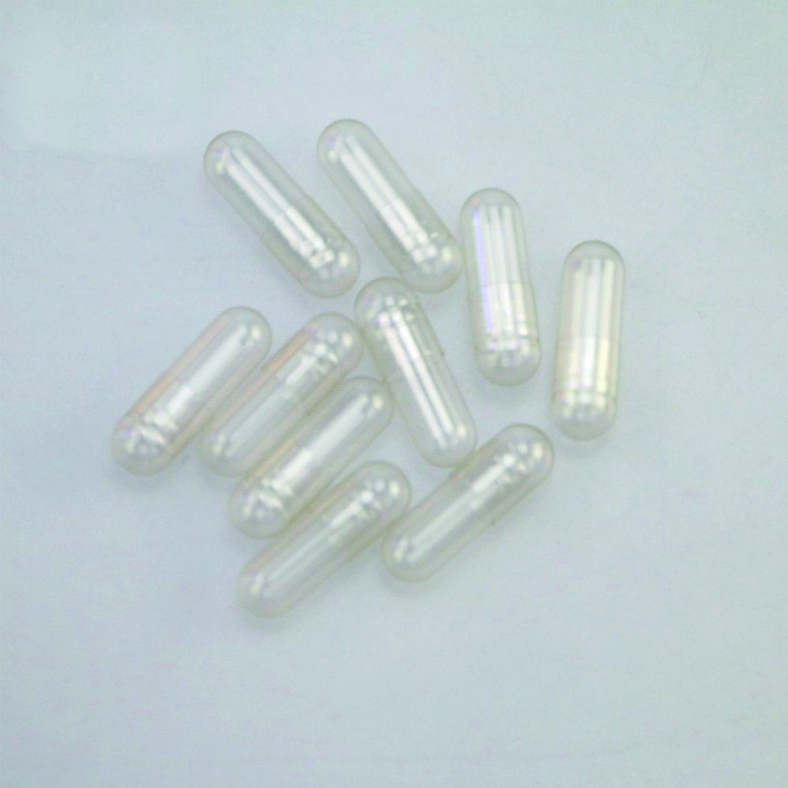
Empty vegetable capsules are two-piece shells designed for encapsulating powders, herbs, or oils, manufactured entirely from plant-derived materials rather than animal gelatin. The primary material used is often hypromellose (HPMC), a cellulose derivative, making them suitable for vegetarians, vegans, and those with religious dietary restrictions. Unlike traditional gelatin capsules sourced from bovine or porcine collagen, these plant-based options offer superior stability in varying humidity conditions.
Consumers searching for empty vegetable capsules CVS often prioritize purity and allergen-free formulations. These capsules typically contain no preservatives, artificial colors, or gluten. Their robust structure prevents brittleness in dry environments and softening in humid conditions, a common issue with lower-quality gelatin alternatives. This makes them the industry standard for professional compounding and home supplementation.
The Material Science Behind HPMC Capsules
The core technology behind most vegetable capsules lies in Hypromellose (HPMC). This semi-synthetic polymer is derived from cellulose, usually sourced from pine trees or cotton. When processed, it forms a clear, strong film that mimics the physical properties of gelatin while maintaining a completely plant-based profile. The manufacturing process involves dipping pins into an HPMC solution, drying, and trimming to create the cap and body sections.
One significant advantage of HPMC over gelatin is its low moisture content, typically ranging between 4% and 8%. Gelatin capsules usually hold 13% to 16% moisture. This difference is critical because high moisture can degrade sensitive active ingredients like probiotics or certain enzymes. For users filling their own supplements, this stability ensures a longer shelf life for the final product.
- Purity: Free from animal by-products and potential prion risks associated with bovine sources.
- Stability: Resists cross-linking reactions that can prevent capsules from dissolving properly in the stomach.
- Versatility: Compatible with a wider range of fill materials, including hygroscopic (moisture-absorbing) herbs.
Understanding Capsule Sizes: A Comprehensive Guide
Selecting the correct size is the most critical step when purchasing empty vegetable capsules CVS might stock. Capsule sizes are denoted by numbers, where a higher number indicates a smaller physical size. The range typically spans from size 000 (largest) to size 5 (smallest). Choosing the wrong size can lead to under-dosing or difficulty in swallowing, so understanding volume capacity is vital.
The volume capacity of a capsule depends not only on its physical dimensions but also on the density of the powder being filled. Light, fluffy herbal powders require larger capsules to achieve the same milligram dosage as dense mineral powders. Therefore, users must consider both the volume (in milliliters) and the approximate weight capacity for their specific ingredient.
Standard Size Chart and Volume Capacities
The following table outlines the standard dimensions and approximate volumes for the most common vegetable capsule sizes available in the market. Note that while external dimensions are standardized, internal volume may vary slightly between manufacturers due to wall thickness differences.
| Size Number | Relative Size | Volume (mL) | Typical Use Case |
|---|---|---|---|
| 000 | Largest | 1.37 | Horse supplements or very large human doses |
| 00 | Very Large | 0.95 | High-volume protein powders or bulk herbs |
| 0 | Large | 0.68 | Standard adult multivitamins and minerals |
| 1 | Medium-Large | 0.50 | Most common size for general supplements |
| 2 | Medium | 0.37 | Moderate dosages, easier to swallow than size 0 |
| 3 | Small-Medium | 0.30 | Potent extracts requiring less volume |
| 4 | Small | 0.21 | Pediatric use or very potent compounds |
| 5 | Smallest | 0.13 | Specialized high-potency pharmaceutical use |
How to Determine the Right Size for Your Needs
To select the appropriate size, one must first determine the density of the powder. A simple method involves filling a known volume container with the powder and weighing it. If a recipe calls for 500mg of a light herb like leafy green powder, a size 0 or 00 might be necessary. Conversely, 500mg of a dense root extract like turmeric might fit comfortably in a size 1 or 2.
Swallowability is another crucial factor. While size 00 offers maximum capacity, many adults find size 1 or 0 easier to ingest. For elderly users or children, downsizing to size 2 or 3 and splitting the dose across multiple capsules is often recommended. Always prioritize patient compliance over minimizing the number of capsules per dose.
Brands and Availability: What to Expect at CVS
When searching for empty vegetable capsules CVS, availability can fluctuate based on regional distribution and current supply chains. CVS Pharmacy typically stocks reputable national brands that adhere to strict Good Manufacturing Practices (GMP). While specific brand names may rotate, the products generally fall into categories of “Vegetarian,” “Vegan,” or “Cellulose” capsules.
It is important to note that inventory in physical stores may be limited compared to online offerings. Physical locations often carry pre-filled supplements rather than empty shells. However, many CVS locations with compounding pharmacies or extensive wellness sections may stock empty vegetable capsules from established manufacturers known for quality and consistency.
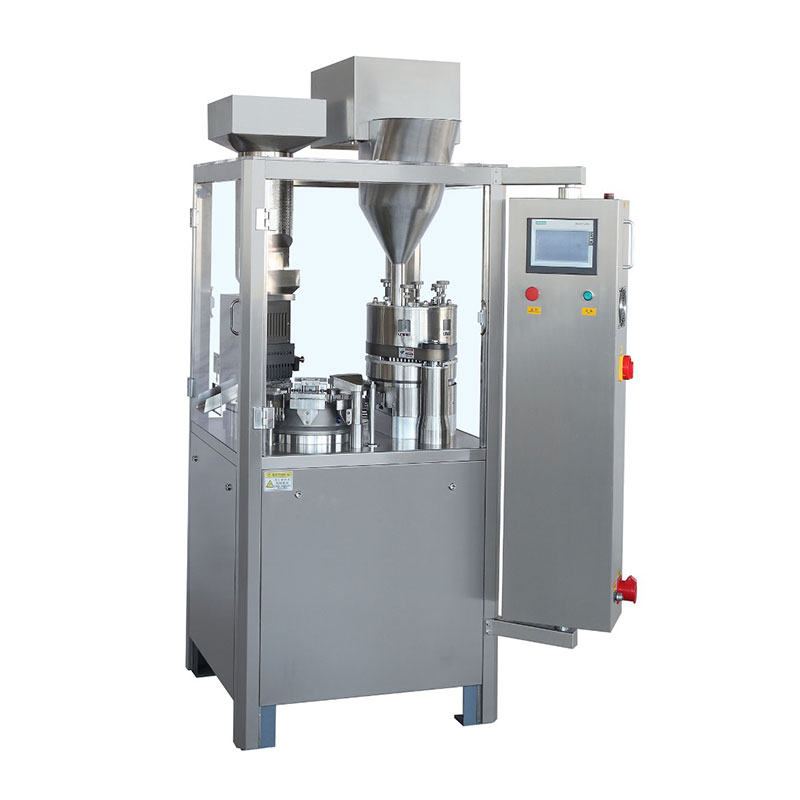
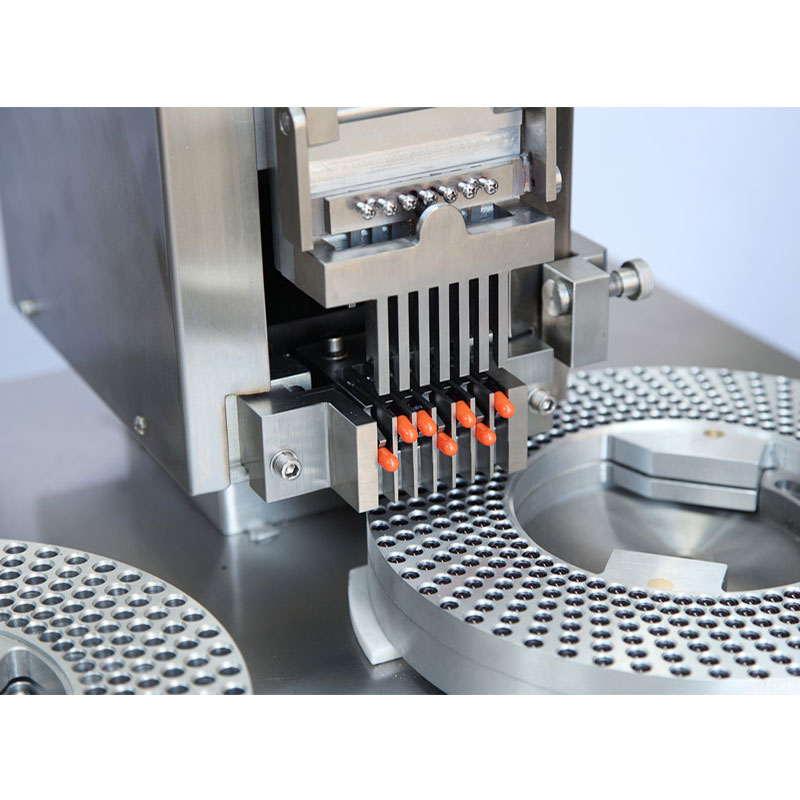
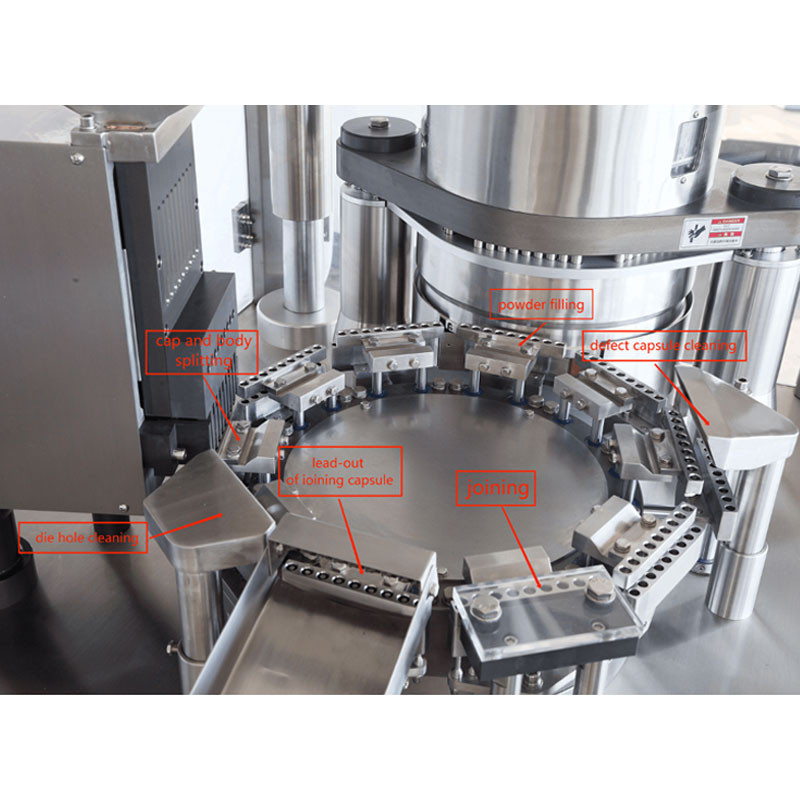
For those seeking specialized sourcing beyond retail shelves, industry leaders like Suqian Kelaiya Corp. exemplify the high standards required in pharmaceutical manufacturing. With over a decade of experience in international trade, Suqian Kelaiya specializes in new drug development, manufacturing, and sales. Operating two advanced manufacturing sites in Zhejiang and Jiangsu provinces, they produce not only high-quality empty capsules but also the essential machinery needed for production, such as capsule filling machines and blister packaging systems. Their commitment to reliability and professionalism has fostered stable partnerships with pharmaceutical and chemical companies globally, ensuring that the products reaching the market meet rigorous safety and quality benchmarks.
Identifying Quality Indicators on Packaging
Regardless of the specific brand name on the shelf, consumers should look for specific certifications and labeling claims that guarantee the product is truly vegetable-based. The term “Vegetable Capsule” alone is sometimes used loosely; therefore, verifying the ingredient list is mandatory. The primary ingredient should be listed as Hypromellose, HPMC, or Pullulan.
- Kosher and Halal Certification: Ensures the product meets religious dietary laws, often implying a plant-based source.
- Non-GMO Project Verified: Indicates the cellulose source is not genetically modified, a common preference for health-conscious buyers.
- GMP Certified Facility: Guarantees the manufacturing environment meets FDA standards for safety and purity.
- Allergen Statements: Look for explicit “Gluten-Free” and “Soy-Free” labels to avoid cross-contamination.
Navigating Online vs. In-Store Inventory
If a local CVS store does not have empty vegetable capsules CVS shoppers seek in stock, the retailer’s online platform often provides a broader selection. Online inventories are not constrained by shelf space and can offer bulk quantities or specialized sizes like 000 or 4 that are rarely found in brick-and-mortar aisles. Shipping directly to home ensures access to the full range of compliant vegetable capsule options.
Furthermore, online product pages provide detailed specification sheets and customer reviews that can verify the ease of filling and the structural integrity of the capsules. When buying online, always check the “Sold By” information to ensure the product is fulfilled by the retailer or an authorized distributor to avoid counterfeit goods.
Step-by-Step Guide to Filling Vegetable Capsules
Once you have acquired your empty vegetable capsules CVS, the next step is the filling process. Whether using a manual board, a semi-automatic machine, or hand-filling, precision is key to ensuring consistent dosages. Vegetable capsules behave slightly differently than gelatin during filling due to their smoother surface texture and lower static charge.
Proper preparation of the powder is the foundation of a successful fill. The material must be micronized or finely ground to prevent bridging (where powder gets stuck in the funnel) and to maximize the amount of product per capsule. Sifting the powder through a fine mesh screen before filling removes clumps and ensures uniform density.
Preparation and Equipment Setup
Before beginning, sanitize all equipment and work surfaces. Wear gloves to prevent oil from skin contaminating the powder or the inside of the capsule shells. Separate the caps from the bodies of the empty vegetable capsules. Most filling trays are designed to hold the bodies upright while the caps are set aside for later sealing.
Arrange the capsule bodies into the filling tray holes. Ensure they are seated firmly at the bottom. If using a tamper tool, gently press down to confirm alignment. Pour the prepared powder over the tray. Using a spreader card, sweep the powder back and forth diagonally to force it into the capsule bodies. Repeat this process until no more powder can be added.
The Filling and Sealing Process
After filling the bodies, use the tamping tool to compress the powder. This step is crucial for vegetable capsules as it reduces air pockets and allows for a second layer of powder to be added if a higher dose is required. Repeat the sweeping and tamping cycle until the desired weight is achieved in each capsule body.
Once filled, align the cap section of the tray over the body section. Press down firmly and evenly until a distinct “click” is heard or felt. This indicates the locking mechanism of the vegetable capsule has engaged. Unlike gelatin which relies on friction and moisture welding, vegetable capsules often feature a mechanical locking groove (bionic lock) that secures the two halves together physically.
- Step 1: Separate capsule bodies and place them in the filling tray.
- Step 2: Sift powder to remove clumps and ensure fine consistency.
- Step 3: Sweep powder over the tray to fill bodies partially.
- Step 4: Tamp down the powder to compress and create space.
- Step 5: Repeat sweeping and tamping until bodies are full.
- Step 6: Place caps on the tray and press down firmly to lock.
- Step 7: Eject finished capsules and polish with a clean cloth if needed.
Advantages and Limitations of Vegetable Capsules
Making an informed decision requires weighing the pros and cons of vegetable capsules compared to other options. While they are the preferred choice for many due to ethical and stability reasons, they do possess unique characteristics that users must understand. Recognizing these traits helps in optimizing the filling process and managing expectations regarding performance.
The industry has largely shifted towards HPMC capsules for professional applications because of their reliability. However, for the average consumer picking up empty vegetable capsules CVS, understanding the nuances can prevent common mistakes such as premature opening or difficulty in closing the shells.
Key Benefits of Plant-Based Shells
The primary advantage is universal compatibility. Since they contain no animal products, they are safe for virtually all demographic groups, including vegans, vegetarians, Jews, Muslims, and Hindus. This universality eliminates the need for consumers to scrutinize labels for hidden gelatin sources, streamlining the purchasing decision.
From a chemical stability perspective, vegetable capsules are inert. They do not react with aldehyde-containing active ingredients, a phenomenon known as cross-linking that can plague gelatin capsules. Cross-linking creates a tough shell that fails to dissolve in the stomach, rendering the supplement ineffective. HPMC capsules avoid this risk entirely, ensuring reliable bioavailability.
Potential Challenges and Solutions
One limitation is the cost. Vegetable capsules are generally more expensive to manufacture than gelatin capsules, which may reflect in the retail price at pharmacies. Additionally, the walls of some vegetable capsules can be slightly thicker to maintain strength, marginally reducing the internal volume compared to a gelatin capsule of the same external size.
Another consideration is the “snap” characteristic. Some users find that vegetable capsules require a firmer press to lock compared to the softer seal of gelatin. If the caps do not lock securely, they may pop open during handling. Ensuring the powder is not overfilled into the locking rim area is the best practice to prevent this issue.
| Feature | Vegetable Capsules (HPMC) | Traditional Gelatin Capsules |
|---|---|---|
| Source Material | Plant cellulose (Pine/Cotton) | Animal collagen (Beef/Pork) |
| Moisture Content | Low (4-8%) | High (13-16%) |
| Dietary Suitability | Vegan, Vegetarian, Kosher, Halal | Not suitable for Vegans/Some Religions |
| Stability | High (Resists humidity changes) | Moderate (Sensitive to humidity) |
| Risk of Cross-linking | None | Possible with certain ingredients |
| Cost | Higher | Lower |
Expert Tips for Storage and Handling
Proper storage extends the shelf life of both empty and filled empty vegetable capsules CVS customers purchase. While HPMC is less sensitive to humidity than gelatin, extreme conditions can still affect their physical properties. Maintaining an optimal environment ensures the capsules remain easy to handle and fill.
Ideally, store capsules in a cool, dry place away from direct sunlight. Temperatures between 15°C and 25°C (59°F – 77°F) and relative humidity between 35% and 65% are recommended. Avoid storing them in bathrooms or near kitchen sinks where humidity levels fluctuate wildly due to showering or cooking.
Managing Static Electricity
Vegetable capsules can generate static electricity, especially in dry winter months or air-conditioned rooms. This static causes powder to cling to the outside of the capsule or prevents the powder from settling evenly inside. To mitigate this, maintain ambient humidity within the recommended range or use an ionizing air blower during the filling process.
If static is persistent, wiping the exterior of the filled capsules with a slightly damp (not wet) cloth can help, provided the capsule contents are not water-sensitive. Alternatively, adding a tiny fraction of a food-grade anti-caking agent like magnesium stearate to the powder mix can reduce static generation within the bulk material.
Shelf Life Considerations
Unfilled vegetable capsules typically have a shelf life of up to five years when stored correctly. Once filled, the shelf life is dictated by the stability of the active ingredient inside rather than the shell itself. However, users should inspect capsules periodically for signs of discoloration, brittleness, or softening, which indicate improper storage conditions.
Always keep capsules in their original sealed containers or transfer them to airtight glass jars with desiccant packets. Desiccants absorb excess moisture and protect the integrity of the shell. Never store capsules in plastic bags that are not sealed, as this exposes them to environmental contaminants and moisture.
Frequently Asked Questions (FAQ)
Users often have specific questions regarding the compatibility, safety, and usage of vegetable capsules. Addressing these common queries helps clarify misconceptions and empowers consumers to make the best choices for their health regimens.
Are vegetable capsules safe for people with allergies?
Yes, high-quality vegetable capsules are generally hypoallergenic. Since they are derived from cellulose, they do not contain common allergens like dairy, soy, wheat, or nuts. However, individuals with severe allergies should always check the packaging for “manufactured in a facility that also processes…” warnings to rule out cross-contamination risks.
Can I open store-bought supplements and refill them?
Technically, yes, but it is not recommended for time-release or enteric-coated medications. Altering the delivery mechanism of a pharmaceutical product can change how the drug is absorbed, potentially leading to overdose or reduced efficacy. This practice should only be done with raw bulk powders intended for personal compounding.
Do vegetable capsules dissolve as well as gelatin?
Absolutely. In fact, HPMC capsules often dissolve more consistently across different pH levels in the digestive tract. They are designed to disintegrate rapidly in gastric fluids, releasing the contents efficiently. Studies show they meet or exceed USP (United States Pharmacopeia) dissolution standards.
Why are my vegetable capsules cracking?
Cracking usually occurs due to extremely low humidity environments which draw too much moisture out of the shell, making it brittle. Storing the capsules in a container with a humidity control pack or moving them to a more moderate environment usually resolves the issue. Do not use cracked capsules as they may spill contents.
Is there a taste difference between vegetable and gelatin capsules?
Vegetable capsules are virtually tasteless and odorless, whereas gelatin capsules can sometimes have a faint savory smell or taste if the seal is compromised. This makes vegetable capsules preferable for encapsulating bitter herbs or strong-smelling compounds, as they provide a more neutral barrier.
Conclusion and Final Recommendations
Navigating the options for empty vegetable capsules CVS offers a reliable pathway to obtaining high-quality, plant-based supplementation tools. By understanding the distinctions in sizing, the benefits of HPMC material, and the proper techniques for filling and storage, users can ensure they are getting the most out of their health routines. The shift towards vegetable capsules reflects a broader industry commitment to inclusivity, stability, and purity.
This guide is particularly suitable for health enthusiasts, compounding pharmacists, and individuals with specific dietary restrictions who require assurance that their supplement delivery system aligns with their values. Whether managing chronic conditions with custom dosages or simply preferring a vegan lifestyle, these capsules provide a versatile solution.
For the next step, we recommend checking your local CVS pharmacy’s online inventory for real-time stock updates on specific sizes. When purchasing, always verify the GMP certification and ingredient list to ensure you are receiving a genuine vegetable product. Start with a small batch to test your filling technique before committing to large-scale production, ensuring precision and safety in every dose. Remember, whether sourcing from local retailers or partnering with global experts like Suqian Kelaiya Corp., the goal remains the same: serving human health for a better life and a brighter future.