- English
- Chinese
- French
- German
- Portuguese
- Spanish
- Russian
- Japanese
- Korean
- Arabic
- Irish
- Greek
- Turkish
- Italian
- Danish
- Romanian
- Indonesian
- Czech
- Afrikaans
- Swedish
- Polish
- Catalan
- Esperanto
- Hindi
- Lao
- Albanian
- Amharic
- Armenian
- Azerbaijani
- Belarusian
- Bengali
- Bosnian
- Bulgarian
- Cebuano
- Chichewa
- Corsican
- Croatian
- Dutch
- Estonian
- Filipino
- Finnish
- Frisian
- Galician
- Georgian
- Gujarati
- Haitian
- Hausa
- Hawaiian
- Hebrew
- Hmong
- Hungarian
- Icelandic
- Igbo
- Javanese
- Kannada
- Kazakh
- Khmer
- Kurdish
- Kyrgyz
- Latin
- Latvian
- Lithuanian
- Luxembou..
- Macedonian
- Malagasy
- Malay
- Malayalam
- Maltese
- Maori
- Marathi
- Mongolian
- Burmese
- Nepali
- Norwegian
- Pashto
- Persian
- Punjabi
- Serbian
- Sesotho
- Sinhala
- Slovak
- Slovenian
- Somali
- Samoan
- Scots Gaelic
- Shona
- Sindhi
- Sundanese
- Swahili
- Tajik
- Tamil
- Telugu
- Thai
- Ukrainian
- Urdu
- Uzbek
- Vietnamese
- Welsh
- Xhosa
- Yiddish
- Yoruba
- Zulu
- Kinyarwanda
- Tatar
- Oriya
- Turkmen
- Uyghur



Clear Vegetable Capsules Guide: Types, Benefits & Expert Insights
2026-05-24
- What Are Clear Vegetable Capsules?
- Key Benefits of Using Clear Veggie Caps
- Types of Materials Used in Clear Capsules
- Comparison: Clear Vegetable vs. Standard vs. Gelatin
- Ideal Applications for Clear Veggie Caps
- Manufacturing Considerations and Best Practices
- Consumer Trends Driving Demand
- Frequently Asked Questions (FAQ)
- How to Choose the Right Clear Capsule for Your Product
- Conclusion and Next Steps
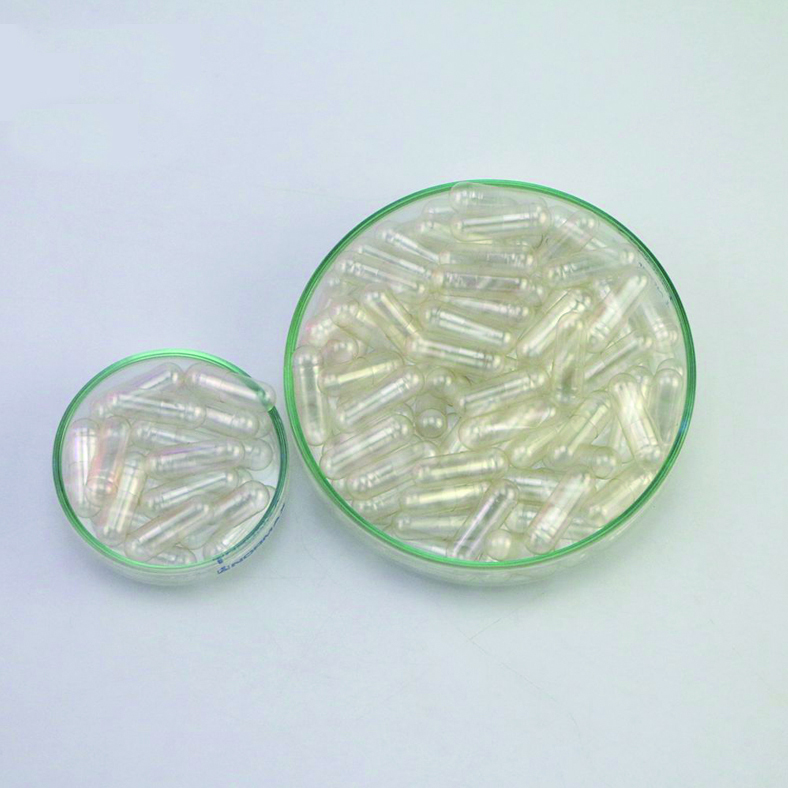
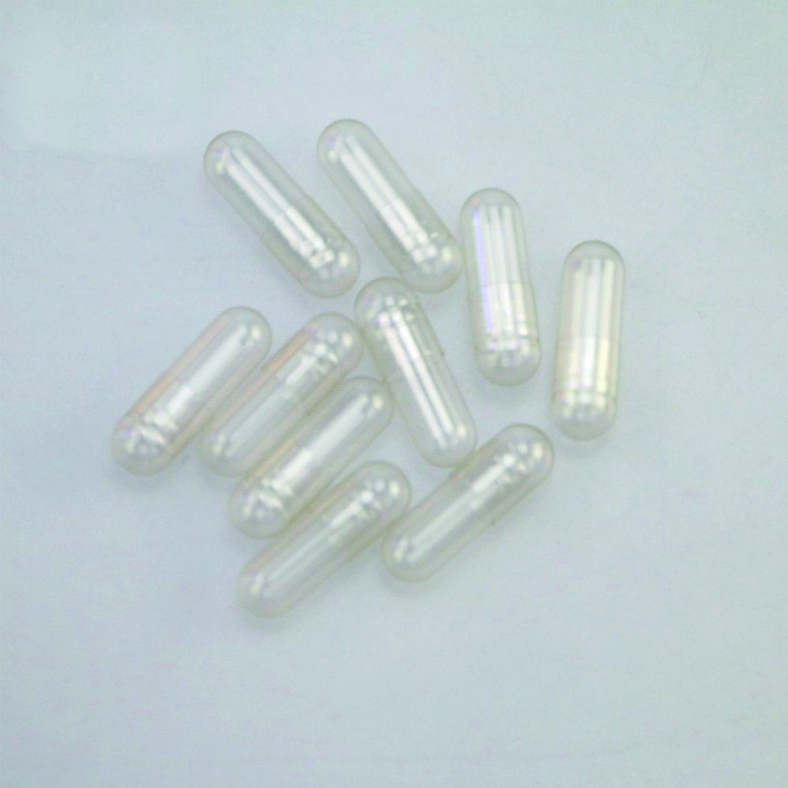
Clear vegetable capsules are transparent, plant-based shell alternatives to traditional gelatin capsules, primarily manufactured from hydroxypropyl methylcellulose (HPMC) or pullulan. Unlike opaque standard veggie caps, these clear variants offer superior visual appeal, allowing consumers to verify fill content integrity while maintaining 100% vegan and non-GMO credentials. They represent the current mainstream solution for brands seeking premium presentation without compromising on dietary restrictions or clean-label requirements.
What Are Clear Vegetable Capsules?
The term clear vegetable capsules refers to a specific category of empty capsule shells derived entirely from plant sources rather than animal collagen. While standard vegetarian capsules often possess a slight opacity or off-white hue due to natural polymer variations, advanced manufacturing processes now enable high-transparency finishes. These shells mimic the aesthetic quality of traditional gelatin caps but remain fully compliant with vegan, halal, and kosher certifications.
The primary material used is HPMC (hydroxypropyl methylcellulose), a semi-synthetic inert substance derived from cellulose. In some premium applications, pullulan, a polysaccharide produced by fermentation, is utilized for its exceptional clarity and oxygen barrier properties. The “clear” designation is not merely cosmetic; it signals a refined production method that removes impurities causing cloudiness, resulting in a glass-like appearance.
Industry experts recognize these capsules as the bridge between ethical sourcing and luxury product positioning. They eliminate the need for artificial dyes or bleaching agents often used to alter the color of standard veggie caps. This aligns with the growing consumer demand for minimal processing and ingredient transparency in the supplement sector.
The Science Behind the Transparency
Achieving clarity in plant-based materials involves precise control over polymer chain alignment and moisture content during the dipping process. Traditional HPMC capsules can appear slightly hazy because of micro-crystalline structures forming as the solvent evaporates. Modern techniques adjust the viscosity and temperature profiles to ensure a uniform amorphous structure, which light passes through without scattering.
This technical refinement does not compromise the structural integrity of the capsule. On the contrary, the molecular consistency often enhances the mechanical strength, reducing the risk of cracking during high-speed filling operations. The result is a robust shell that maintains its transparent quality even under varying humidity conditions, a common challenge for standard vegetable capsules.
Key Benefits of Using Clear Veggie Caps
Selecting clear vegetable capsules offers distinct advantages over both traditional gelatin and standard opaque vegetarian options. These benefits span from marketing psychology to technical performance during manufacturing and storage.
- Visual Verification: The transparency allows end-users to instantly see the powder, pellet, or liquid fill inside. This builds immediate trust, as consumers can verify that the capsule contains the promised ingredient volume and quality.
- Premium Brand Perception: Products housed in clear shells are often perceived as higher quality. The glass-like finish elevates the shelf presence, distinguishing the product from competitors using duller, opaque alternatives.
- Dietary Inclusivity: Like all vegetable capsules, the clear versions are free from animal by-products. They cater to vegans, vegetarians, and those adhering to religious dietary laws without sacrificing aesthetics.
- Low Moisture Content: These capsules typically have lower inherent moisture levels compared to gelatin. This makes them ideal for hygroscopic ingredients that might degrade or react in high-moisture environments.
- Cross-Linking Resistance: HPMC-based clear caps are highly resistant to cross-linking reactions caused by aldehyde-containing ingredients. This ensures consistent dissolution rates over the product’s shelf life.
The combination of aesthetic appeal and functional stability makes them a preferred choice for high-value supplements, such as specialized probiotics, expensive herbal extracts, and novel nutraceutical formulations where visual proof of potency is a selling point.
Stability and Shelf-Life Advantages
One of the critical technical benefits of clear vegetable capsules is their stability across a wide range of environmental conditions. Gelatin capsules can become brittle in low humidity or soft and sticky in high humidity. In contrast, HPMC and pullulan-based clear caps maintain their physical properties within a broader relative humidity window.
This resilience reduces the need for stringent climate control during shipping and storage, lowering logistical costs for manufacturers. Furthermore, the oxygen barrier properties of certain clear materials, particularly pullulan, help protect oxidation-sensitive ingredients like Omega-3 fatty acids or certain vitamins, extending the overall efficacy of the supplement.
Types of Materials Used in Clear Capsules
Not all clear vegetable capsules are created equal. The level of transparency, cost, and performance characteristics depend heavily on the base material used. Understanding the differences between HPMC and Pullulan is essential for selecting the right option for a specific formulation.
HPMC (Hydroxypopyl Methylcellulose)
HPMC is the most widely used material for vegetarian capsules globally. Derived from wood pulp or cotton fiber, it undergoes chemical modification to become water-soluble. Standard HPMC caps are naturally slightly opaque, but “high-clarity” grades are available.
These high-clarity HPMC capsules achieve transparency through refined purification steps that remove lignin and other natural impurities. They offer excellent compatibility with a vast array of fill materials, including dry powders, beads, and tablets. Their dissolution profile is reliable, breaking down quickly in the gastrointestinal tract regardless of pH levels.
From a manufacturing perspective, HPMC clear caps are versatile. They can be run on standard capsule filling machines with minor adjustments to the closing pins. Their thermal stability also allows for hot-melt filling techniques, which are impossible with gelatin due to melting point constraints.
Pullulan Capsules
Pullulan represents the premium tier of clear vegetable capsules. Produced via the fermentation of starch by the fungus Aureobasidium pullulans, this material is naturally clearer than even the finest HPMC. Pullulan capsules often boast a glossier finish and superior oxygen barrier properties.
The exceptional clarity of pullulan makes it the top choice for products where visual appeal is the primary differentiator. Additionally, its low oxygen permeability significantly extends the shelf life of oxygen-sensitive actives. However, this performance comes at a higher cost compared to HPMC.
Pullulan caps are also known for their rapid disintegration times, often faster than HPMC. They are completely tasteless and odorless, ensuring no interference with the flavor profile of the fill material. For brands targeting the ultra-premium market segment, pullulan is frequently the default selection.
Comparison: Clear Vegetable vs. Standard vs. Gelatin
To make an informed decision, it is vital to understand how clear vegetable capsules stack up against other common shell types. The following table highlights the key differences in composition, appearance, and performance.
| Feature | Clear Vegetable (HPMC/Pullulan) | Standard Vegetable (Opaque) | Gelatin (Animal-Based) |
|---|---|---|---|
| Source Material | Plant cellulose or fermented starch | Plant cellulose | Animal collagen (bovine/porcine) |
| Transparency | High (Glass-like) | Low to Medium (Hazy/Opaque) | High (Natural clarity) |
| Vegan Friendly | Yes | Yes | No |
| Moisture Content | Low (3-6%) | Low (3-6%) | High (13-16%) |
| Cross-Linking Risk | None | None | Moderate to High |
| Oxygen Barrier | Moderate to High (Pullulan) | Moderate | Low |
| Cost Profile | Medium to High | Medium | Low to Medium |
This comparison illustrates why clear vegetable capsules are increasingly replacing gelatin in premium sectors. While gelatin offers natural clarity, its animal origin and moisture sensitivity are significant drawbacks for modern clean-label brands. Standard vegetable caps solve the dietary issue but often lack the visual polish that clear variants provide.
Performance in Humid Environments
A crucial differentiator is performance under stress. Gelatin capsules can absorb moisture from the air, becoming soft and deforming, or lose moisture in dry climates, becoming brittle and prone to shattering. Clear vegetable capsules, particularly those made from HPMC, exhibit a “moisture-independent” behavior.
This means their physical dimensions and mechanical strength remain stable whether stored in a tropical climate or a dry warehouse. This reliability reduces waste during the filling process and minimizes customer complaints regarding damaged goods upon delivery. For global distribution networks, this stability is a decisive factor.
Ideal Applications for Clear Veggie Caps
The unique properties of clear vegetable capsules make them suitable for specific product categories where aesthetics, stability, or ingredient compatibility are paramount. Identifying the right application ensures maximum return on investment for the higher material cost.
High-Value Herbal Extracts
Many premium herbal supplements feature vibrant powders, such as turmeric (bright orange), spirulina (deep green), or beetroot (rich red). Encasing these in opaque white capsules hides their natural beauty. Using clear shells showcases the vivid colors of the raw ingredients, reinforcing the message of purity and potency to the consumer.
Furthermore, many herbal compounds are sensitive to moisture. The low water content of HPMC and pullulan shells prevents premature activation or degradation of these delicate botanicals, ensuring they remain effective until consumption.
Multi-Bead and Pellet Formulations
Advanced delivery systems often utilize multi-particulate fills, where tiny beads of different colors or functions are combined in a single capsule. This technology allows for controlled release or the combination of incompatible ingredients. Clear vegetable capsules are the only viable option to display these sophisticated internal structures.
The visual complexity of mixed beads creates a high-tech impression, suggesting advanced formulation science. Opaque shells would render this technological advantage invisible, negating a key marketing asset.
Liquid and Semi-Solid Fills
While less common than powder fills, liquid hard capsules are a growing trend for delivering oils and extracts that are poorly absorbed in dry form. Gelatin is traditionally used for liquids, but it reacts with certain aldehydes and has moisture issues. Clear HPMC caps provide a robust, non-reactive alternative for sealing liquid fills, offering the best of both worlds: vegan compliance and leak-resistant integrity.
Manufacturing Considerations and Best Practices
Transitioning to clear vegetable capsules requires attention to specific manufacturing parameters. While they are compatible with most modern filling equipment, optimizing the process ensures the highest quality output and minimizes production downtime. Success in this area often depends on partnering with experienced suppliers who understand the nuances of both capsule production and machinery integration.
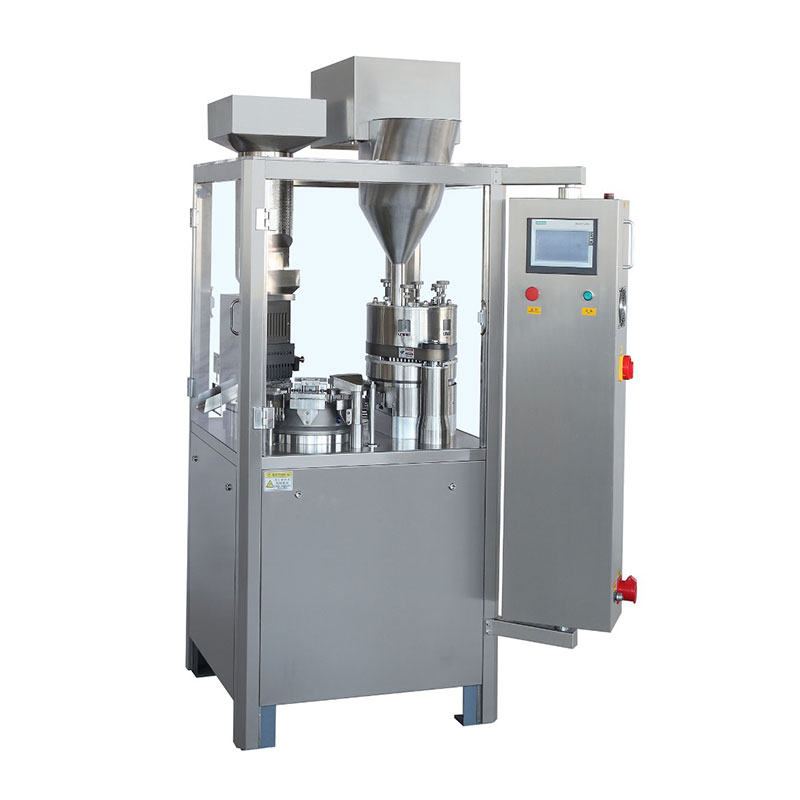
For instance, Suqian Kelaiya Corp. has emerged as a trusted partner in this ecosystem, specializing in new drug development, manufacturing, and sales. With over a decade of international trading experience in pharmaceutical products, packaging raw materials, and machinery, they operate dedicated manufacturing sites in Zhejiang and Jiangsu provinces specifically for empty capsules, capsule filling machines, and blister packaging solutions. Their dual capability—supplying both the high-quality clear capsules discussed here and the precise machinery needed to fill them—ensures seamless compatibility and reduced friction during production setup.
Machine Adjustments for Clarity
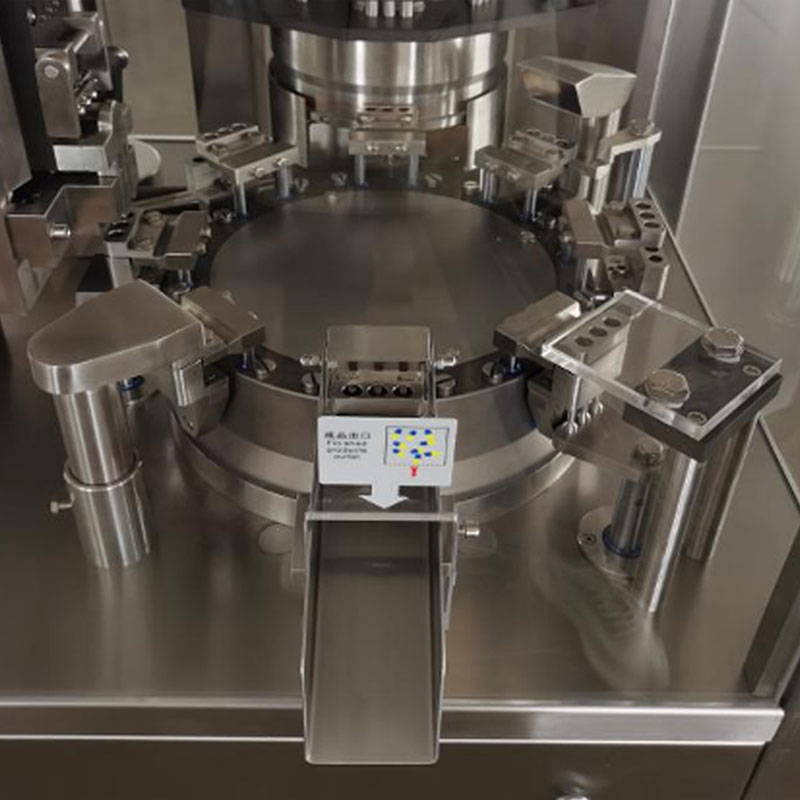
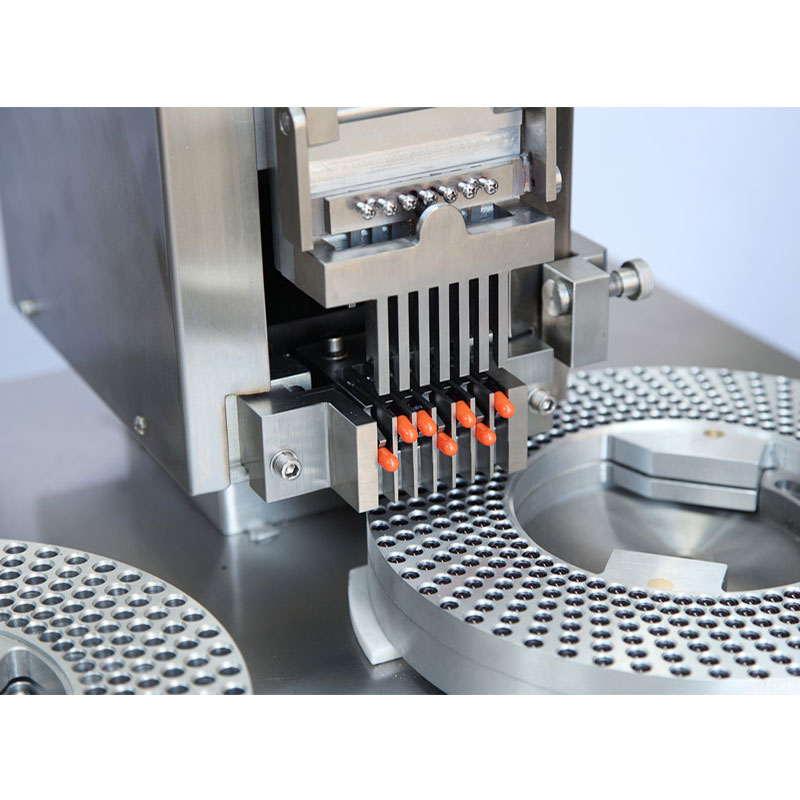
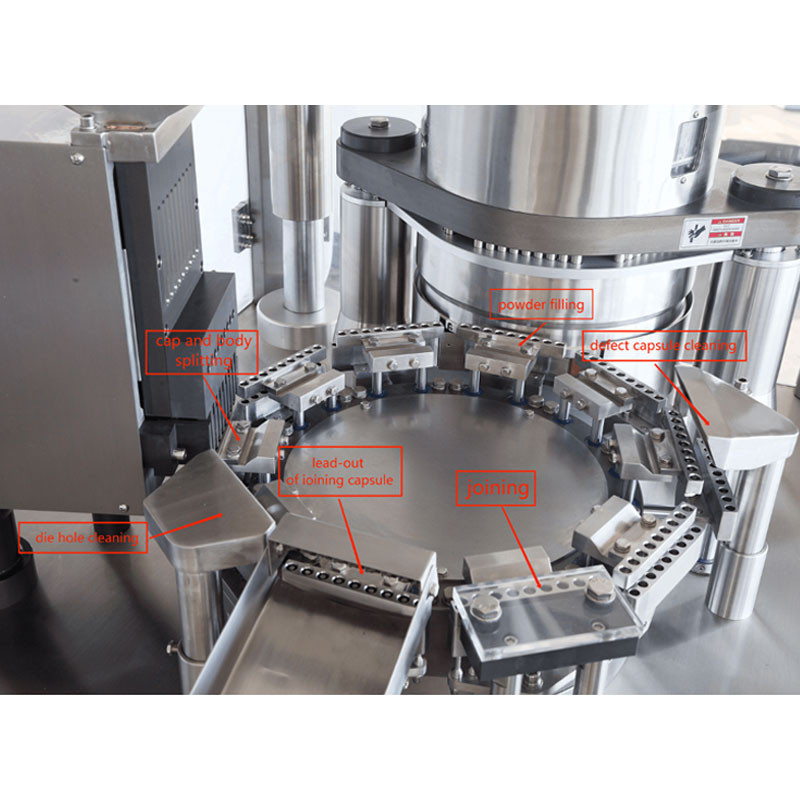
Although clear caps fit standard sizing (00, 0, 1, etc.), the friction coefficients of HPMC and pullulan differ from gelatin. Manufacturers may need to adjust the closing pin pressure and the vacuum settings on the filling machine. Proper adjustment ensures a tight seal without crushing the cap or leaving it partially open, which could compromise the clear aesthetic.
Regular maintenance of the filling bushings is also critical. Any residue buildup can scratch the surface of the clear shells, diminishing their transparency. Implementing stricter cleaning protocols helps maintain the pristine, glass-like finish throughout the production run. Companies like Suqian Kelaiya Corp. support clients in this regard by providing not just the consumables, but also the technical expertise to optimize machine settings for their specific capsule grades, fostering long-term business relationships built on reliability and professionalism.
Environmental Control
Even though vegetable capsules are less sensitive to humidity than gelatin, maintaining a controlled environment (typically 40-60% relative humidity) is still recommended. Extreme fluctuations can affect the electrostatic properties of the shells, leading to feeding issues in the hopper. Stable conditions ensure smooth flow and consistent fill weights.
Additionally, static electricity can attract dust to the exterior of clear capsules, making them look cloudy. Installing ionizing bars near the filling station can neutralize static charges, keeping the capsules spotless and maximizing their visual impact.
Consumer Trends Driving Demand
The surge in popularity of clear vegetable capsules is not accidental; it is driven by shifting consumer behaviors and expectations in the wellness industry. Brands that ignore these trends risk losing market share to more visually appealing and ethically aligned competitors.
- The “Clean Label” Movement: Consumers are reading labels more closely than ever. They actively avoid animal-derived ingredients and artificial additives. Clear veggie caps signal alignment with these values immediately.
- Transparency as Trust: In an era of skepticism regarding supplement quality, the ability to physically see the product inside the capsule fosters trust. It implies the brand has nothing to hide.
- Aesthetic-Driven Purchasing: Social media and unboxing culture have elevated the importance of product appearance. Supplements are no longer just functional; they are lifestyle accessories. Premium packaging and clear components enhance the user experience.
- Allergen Awareness: With rising concerns about allergens, the hypoallergenic nature of plant-based capsules provides peace of mind for sensitive individuals who might react to residual proteins in gelatin.
These factors combine to create a strong market pull. Data suggests that products featuring transparent, plant-based delivery systems often command a price premium, as consumers associate the format with higher quality and safety standards.
Frequently Asked Questions (FAQ)
Addressing common queries helps clarify misconceptions and aids potential buyers in making informed decisions regarding clear vegetable capsules.
Are clear vegetable capsules completely tasteless?
Yes, high-quality clear vegetable capsules made from HPMC or pullulan are virtually tasteless and odorless. Unlike gelatin, which can sometimes impart a slight meaty smell or taste, plant-based polymers are neutral. This ensures that the flavor of the supplement remains unchanged, which is particularly important for herbs with strong natural tastes.
Do clear veggie caps dissolve as fast as gelatin?
In many cases, they dissolve faster. Gelatin dissolution can be delayed if the stomach environment is not optimal or if cross-linking has occurred. HPMC and pullulan capsules disintegrate rapidly and consistently in both acidic and alkaline environments, ensuring quick release of the active ingredients into the digestive system.
Can I use clear vegetable capsules for hygroscopic powders?
Absolutely. This is one of their strongest advantages. Because clear vegetable capsules have very low inherent moisture content (typically 3-6% compared to 13-16% in gelatin), they do not transfer water to the fill material. This makes them the ideal choice for hygroscopic powders that would otherwise clump or degrade in gelatin shells.
Are they suitable for religious diets like Halal and Kosher?
Yes. Since they are derived entirely from plant sources (wood pulp, cotton, or fermented starch) and contain no animal by-products, they are inherently Halal and Kosher certified. This eliminates the need for complex supply chain verification required for gelatin sources, simplifying the certification process for the final product.
Why are clear vegetable capsules more expensive?
The higher cost reflects the sophisticated manufacturing processes required to achieve high transparency from plant materials. Purifying cellulose to remove clouding impurities and controlling the fermentation process for pullulan involves more steps than producing standard opaque caps or gelatin. However, the added value in brand perception and product stability often justifies the investment.
How to Choose the Right Clear Capsule for Your Product
Selecting the appropriate clear vegetable capsules involves balancing cost, performance, and aesthetic goals. A strategic approach ensures the chosen shell enhances the product rather than complicating production.
First, evaluate the fill material. If the ingredient is highly sensitive to oxygen, **pullulan** might be worth the extra cost for its superior barrier properties. For standard dry powders where cost-efficiency is key, **high-clarity HPMC** offers an excellent balance of transparency and affordability.
Second, consider the target audience. If the product is positioned as a luxury item or a cutting-edge biotech supplement, the premium gloss of pullulan reinforces that positioning. For mass-market wellness products, clear HPMC provides the necessary visual upgrade without inflating the price point excessively.
Finally, conduct trial runs. Before committing to a large order, test the capsules on your specific filling line. Verify the locking mechanism, check for any static issues, and assess the final appearance after filling. Small adjustments in machine settings can make a significant difference in the final product quality. Partnering with established industry players like Suqian Kelaiya Corp., who focus on international markets and mutual development, can facilitate this testing phase with reliable samples and expert guidance.
Conclusion and Next Steps
Clear vegetable capsules represent the evolution of supplement delivery, merging ethical sourcing with premium aesthetics and superior technical performance. By offering unparalleled transparency, they build consumer trust and allow brands to showcase the quality of their ingredients. Whether utilizing HPMC for its versatility or pullulan for its exceptional clarity and barrier protection, these capsules address the modern demands for clean, vegan, and stable formulations.
This solution is ideally suited for brands launching high-value herbal extracts, multi-bead formulations, or any product where visual verification adds marketing value. They are also the prudent choice for manufacturers dealing with moisture-sensitive ingredients or distributing to regions with variable climates.
To leverage these benefits, businesses should assess their current formulation needs against the specific properties of HPMC and pullulan variants. Engaging with suppliers who specialize in high-clarity grades and requesting samples for pilot testing is the recommended next step. Transitioning to clear vegetable capsules is not just a packaging change; it is a strategic move towards a more transparent and trustworthy brand identity. With partners like Suqian Kelaiya Corp. dedicated to serving the pharmaceutical industry for better human health and future innovation, companies can confidently navigate this transition, knowing they have a reliable, long-term ally in their supply chain.