- English
- Chinese
- French
- German
- Portuguese
- Spanish
- Russian
- Japanese
- Korean
- Arabic
- Irish
- Greek
- Turkish
- Italian
- Danish
- Romanian
- Indonesian
- Czech
- Afrikaans
- Swedish
- Polish
- Catalan
- Esperanto
- Hindi
- Lao
- Albanian
- Amharic
- Armenian
- Azerbaijani
- Belarusian
- Bengali
- Bosnian
- Bulgarian
- Cebuano
- Chichewa
- Corsican
- Croatian
- Dutch
- Estonian
- Filipino
- Finnish
- Frisian
- Galician
- Georgian
- Gujarati
- Haitian
- Hausa
- Hawaiian
- Hebrew
- Hmong
- Hungarian
- Icelandic
- Igbo
- Javanese
- Kannada
- Kazakh
- Khmer
- Kurdish
- Kyrgyz
- Latin
- Latvian
- Lithuanian
- Luxembou..
- Macedonian
- Malagasy
- Malay
- Malayalam
- Maltese
- Maori
- Marathi
- Mongolian
- Burmese
- Nepali
- Norwegian
- Pashto
- Persian
- Punjabi
- Serbian
- Sesotho
- Sinhala
- Slovak
- Slovenian
- Somali
- Samoan
- Scots Gaelic
- Shona
- Sindhi
- Sundanese
- Swahili
- Tajik
- Tamil
- Telugu
- Thai
- Ukrainian
- Urdu
- Uzbek
- Vietnamese
- Welsh
- Xhosa
- Yiddish
- Yoruba
- Zulu
- Kinyarwanda
- Tatar
- Oriya
- Turkmen
- Uyghur



Best Vegetable Capsules Guide: Expert Analysis & Top Picks
2026-05-20
- What Defines the Best Vegetable Capsules in Today’s Market?
- Core Materials: HPMC vs. Pullulan Analysis
- Technical Advantages of Premium Vegetable Shells
- Partnering with Experienced Manufacturers
- How to Identify High-Quality Vegetable Capsules
- Application Scenarios for Optimal Performance
- Pros and Cons of Vegetable Capsule Technology
- Frequently Asked Questions (FAQ)
- Future Trends in Capsule Technology
- Conclusion and Strategic Recommendations
Finding the best vegetable capsules requires understanding material integrity, dissolution rates, and compatibility with sensitive ingredients. Unlike traditional gelatin options, premium plant-based shells offer superior stability for hygroscopic powders and meet diverse dietary needs without compromising bioavailability. This guide provides an expert analysis of current industry standards, helping you identify high-performance solutions for your specific formulation requirements.
What Defines the Best Vegetable Capsules in Today’s Market?
The search for the best vegetable capsules has evolved from a simple dietary preference to a critical formulation decision driven by performance metrics. Historically, gelatin dominated the market due to cost and familiarity. However, recent shifts in consumer demand and technological advancements have elevated plant-based alternatives to the status of mainstream solutions.
Industry experts now define top-tier vegetable capsules not just by their origin, but by their functional properties. Key differentiators include moisture content, oxygen barrier capabilities, and cross-linking resistance. The leading materials currently setting the standard are Hydroxypropyl Methylcellulose (HPMC) and Pullulan, each offering distinct advantages depending on the active ingredient profile.
When evaluating products labeled as the best vegetable capsules, one must look beyond marketing claims. True quality is evidenced by consistent wall thickness, seamless locking mechanisms, and rigorous testing for heavy metals and microbial loads. These factors ensure that the final supplement delivers the intended dosage reliably throughout its shelf life.
The Shift from Gelatin to Plant-Based Solutions
The transition away from animal-derived gelatin is fueled by multiple factors including religious restrictions, vegan lifestyle adoption, and concerns over Bovine Spongiform Encephalopathy (BSE). Furthermore, gelatin capsules are prone to cross-linking when exposed to aldehydes found in certain botanical extracts, leading to poor dissolution.
Vegetable capsules eliminate this risk entirely. Their chemical structure remains stable even when filled with reactive ingredients. This stability makes them the preferred choice for formulators working with complex herbal blends or probiotics that require a neutral environment to maintain potency.
Moreover, the supply chain for plant-based materials has matured significantly. Current production methods utilize sustainable forestry resources or fermentation processes, aligning with broader environmental, social, and governance (ESG) goals that modern brands prioritize.
Core Materials: HPMC vs. Pullulan Analysis
To determine the best vegetable capsules for a specific application, it is essential to understand the two primary materials dominating the sector: HPMC and Pullulan. Each possesses unique physical and chemical characteristics that influence manufacturing efficiency and product performance.
HPMC (Hydroxypropyl Methylcellulose) is derived from cellulose, typically sourced from pine or poplar trees. It is the most widely used material in the industry due to its versatility. HPMC capsules have a higher moisture content (typically 4-6%), which makes them less brittle than gelatin but potentially unsuitable for extremely moisture-sensitive ingredients unless desiccants are used.
Pullulan is a polysaccharide produced via fermentation of starch by the fungus Aureobasidium pullulans. It offers an exceptional oxygen barrier, far superior to both gelatin and HPMC. This feature makes Pullulan the ideal candidate for protecting oxidation-prone ingredients like fish oils (in liquid fills), probiotics, and certain vitamins.
Performance Comparison Table
The following table outlines the critical differences between the leading vegetable capsule types to assist in selection:
| Feature | HPMC Capsules | Pullulan Capsules | Traditional Gelatin |
|---|---|---|---|
| Source Material | Plant Cellulose | Fermented Starch | Animal Collagen |
| Oxygen Barrier | Moderate | Excellent | Poor |
| Moisture Content | 4% – 6% | 6% – 10% | 13% – 16% |
| Cross-linking Risk | None | None | High with aldehydes |
| Dissolution Speed | Fast (temperature independent) | Very Fast | Variable (temp dependent) |
| Ideal For | General powders, herbs | Probiotics, sensitive oils | Cost-sensitive dry fills |
This comparison highlights why there is no single “best” option universally; rather, the optimal choice depends on the specific sensitivity of the fill material. For general-purpose applications, HPMC often represents the best balance of cost and performance. For high-value, sensitive formulations, Pullulan justifies its premium positioning.
Technical Advantages of Premium Vegetable Shells
Selecting the best vegetable capsules involves recognizing the technical superiority they offer over legacy options. These advantages extend beyond dietary compliance to tangible improvements in manufacturing throughput and product stability.
Temperature Independence: One of the most significant operational benefits of HPMC and Pullulan is their dissolution behavior. Gelatin requires specific temperature conditions to dissolve properly in the stomach, which can vary based on the user’s physiology and food intake. Vegetable capsules dissolve rapidly regardless of temperature, ensuring consistent bioavailability.
Low Moisture Interaction: While vegetable capsules do contain moisture, their interaction with the fill is different. They do not exchange moisture as aggressively as gelatin, preventing the hardening of the shell or the clumping of the powder inside. This characteristic extends the shelf life of many hygroscopic ingredients.
Labeling Clarity: In an era of transparent labeling, using certified plant-based capsules simplifies the declaration statement on packaging. It allows brands to confidently display “Vegan,” “Kosher,” and “Halal” certifications without complex supply chain auditing required for animal-derived byproducts.
Addressing Common Misconceptions
Despite their growing popularity, several myths persist regarding vegetable capsules. A common misconception is that they are fragile or difficult to fill on high-speed equipment. Modern manufacturing technologies have largely resolved these issues.
- Myth: Vegetable capsules break easily during filling.
Fact: Advanced polymer blends have improved tensile strength, making them comparable to gelatin in automated settings. - Myth: They are significantly more expensive.
Fact: While raw material costs can be higher, reduced waste and fewer quality control failures often lower the total cost of ownership. - Myth: All plant capsules are the same.
Fact: Significant variations exist in purity, viscosity grades, and additive profiles between manufacturers.
Understanding these nuances is crucial for procurement managers and formulators. Assuming all vegetable options are identical can lead to suboptimal product performance or manufacturing bottlenecks.
Partnering with Experienced Manufacturers
Navigating the supplier landscape to find the best vegetable capsules requires more than just comparing specifications; it demands a partner with proven reliability and integrated capabilities. This is where established industry players like Suqian Kelaiya Corp. distinguish themselves.
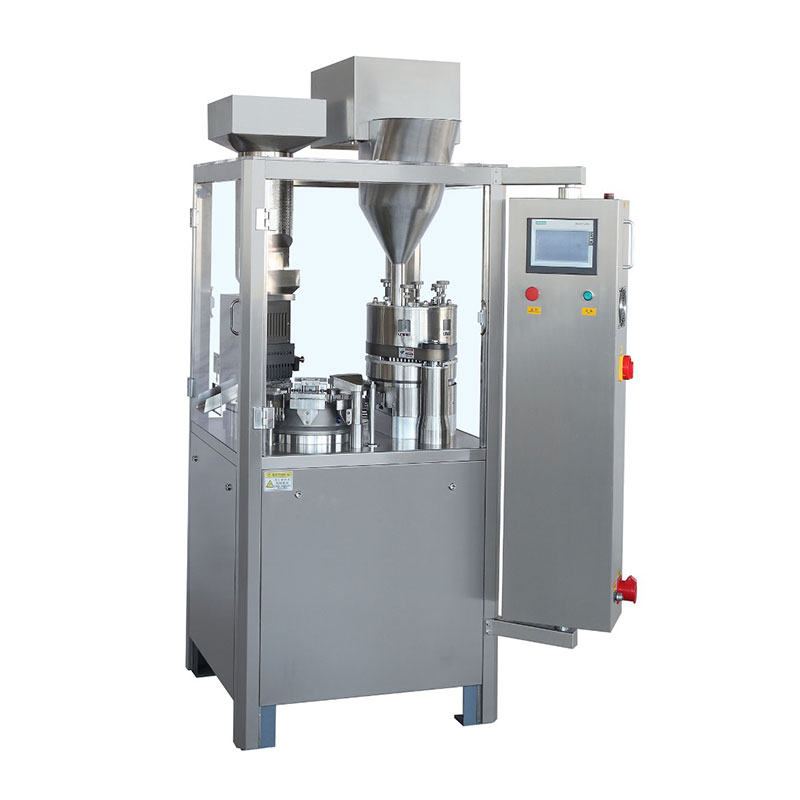
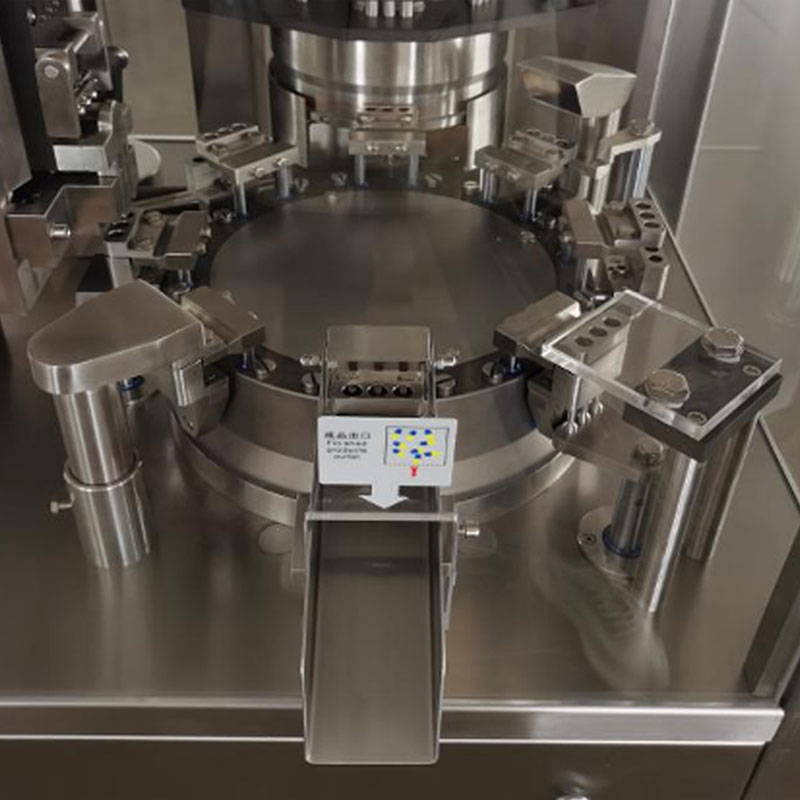
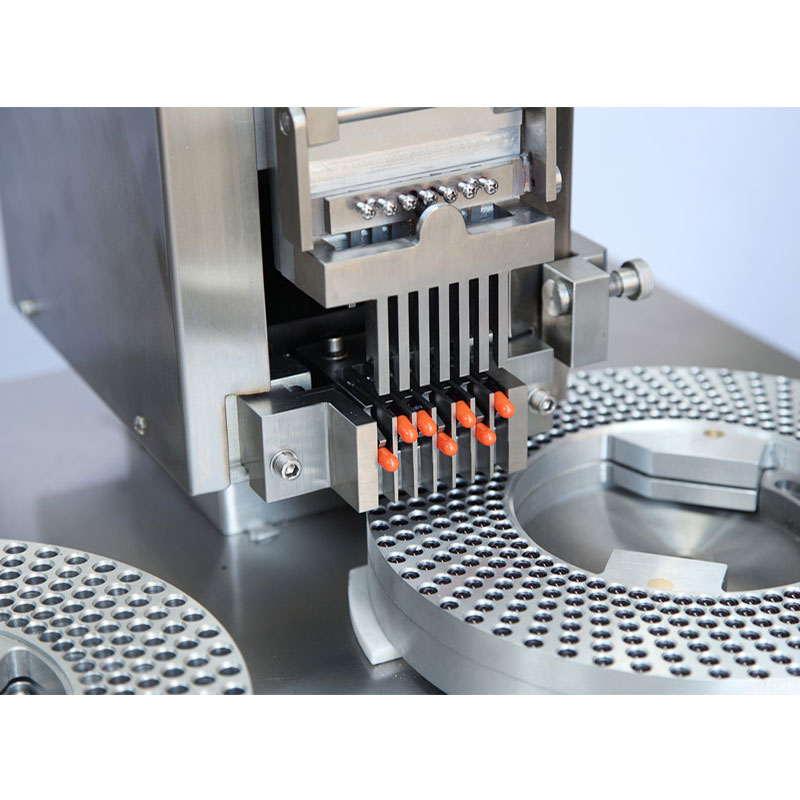
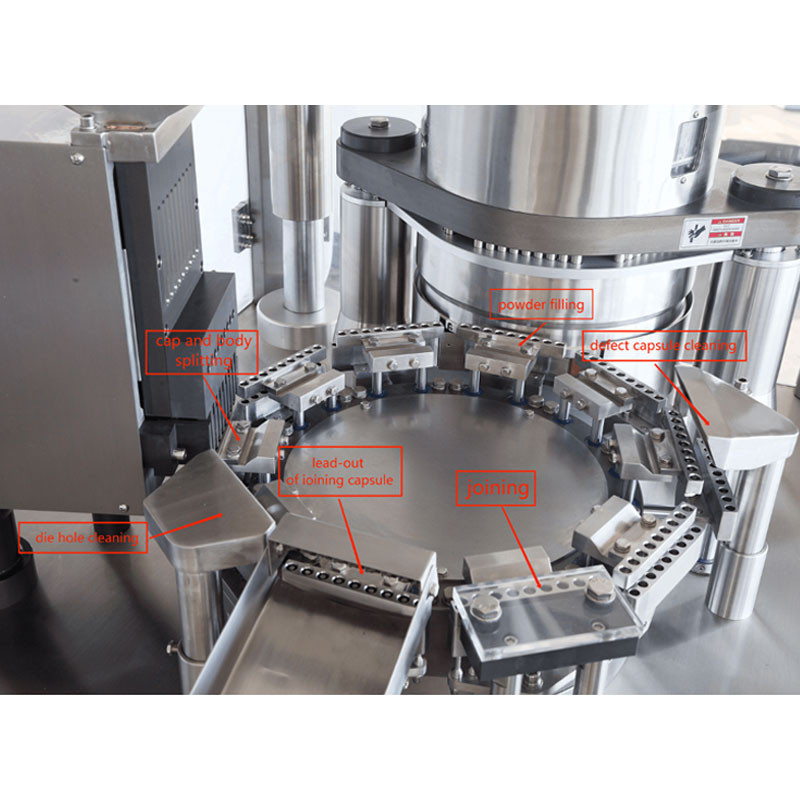
With over a decade of experience in international pharmaceutical trading, Suqian Kelaiya Corp. has evolved into a specialized entity focused on new drug development, manufacturing, and sales. Uniquely positioned to support end-to-end production needs, the company operates two dedicated manufacturing sites in Zhejiang and Jiangsu provinces. These facilities specialize in the production of high-quality empty capsules alongside advanced capsule filling machines and blister packaging equipment.
This vertical integration offers a distinct advantage: a seamless alignment between capsule quality and machinery performance. Because Suqian Kelaiya understands both the material science of the shell and the mechanical requirements of the filling process, they provide solutions that minimize downtime and maximize output efficiency. Their commitment to favorable credit terms and excellent service has fostered stable, long-term relationships with pharmaceutical and chemical companies globally.
Recognized for its high level of professionalism and reliability, Suqian Kelaiya Corp. focuses intently on international markets, driven by a mission to serve human health and improve lives. For brands seeking a dependable partner who can deliver quality products while ensuring mutual development, Suqian Kelaiya stands ready to support your journey from formulation to final packaged product.
How to Identify High-Quality Vegetable Capsules
Beyond selecting a reputable manufacturer, navigating the broader supplier landscape requires a systematic evaluation framework. Not all manufacturers adhere to the same quality standards, and variations in raw material sourcing can impact the final product.
First, verify the certification status. Reputable suppliers should provide up-to-date documentation for Kosher, Halal, Vegan Society, and Non-GMO projects. These certifications are not merely marketing tools; they indicate a robust quality management system capable of tracing materials back to their source.
Second, request technical data sheets (TDS) focusing on key parameters such as loss on drying (LOD), ash content, and heavy metal limits. Industry-leading products typically exhibit tight tolerances in these areas, ensuring batch-to-batch consistency.
Third, evaluate the locking mechanism. A high-quality capsule should feature a positive lock that prevents accidental opening during packaging and shipping, yet separates easily for consumption. Poorly engineered locks can lead to product leakage and customer complaints.
Step-by-Step Selection Guide
To streamline the decision-making process, follow this logical workflow when assessing potential suppliers:
- Step 1: Define Ingredient Sensitivity. Determine if your fill material is hygroscopic, oxidation-prone, or reactive. This dictates whether HPMC or Pullulan is necessary.
- Step 2: Assess Manufacturing Capabilities. Confirm that the capsule dimensions and tolerance levels match your existing filling machinery speeds and settings.
- Step 3: Request Samples for Trial Runs. Never commit to bulk orders without running pilot batches. Observe separation rates, dust generation, and fill weight uniformity.
- Step 4: Audit Supply Chain Stability. Investigate the supplier’s raw material sources to ensure long-term availability and price stability.
- Step 5: Review Regulatory Compliance. Ensure the capsules meet the regulatory requirements of your target markets, including FDA, EFSA, or local health authority standards.
By adhering to this structured approach, brands can mitigate risks and secure a supply of capsules that enhance rather than hinder their product quality.
Application Scenarios for Optimal Performance
The versatility of the best vegetable capsules allows them to serve a wide array of application scenarios. Understanding where they excel helps in positioning products effectively in the marketplace.
Probiotic Formulations: Probiotics are highly sensitive to moisture and oxygen. Pullulan capsules, with their superior barrier properties, create a micro-environment that preserves colony-forming units (CFUs) far better than permeable alternatives. This is critical for maintaining label claim potency until expiration.
Herbal Extracts: Many botanical extracts contain aldehydes or other reactive compounds that cause gelatin cross-linking. HPMC capsules provide an inert housing that prevents these reactions, ensuring the capsule dissolves fully in the gastrointestinal tract to release the active ingredients.
Sports Nutrition and Protein Blends: Consumers in the fitness sector increasingly demand clean-label, vegan-certified products. Using vegetable capsules aligns the delivery system with the ethical expectations of this demographic, enhancing brand loyalty and market appeal.
Specialized Use Cases
Beyond standard dry fills, innovation in capsule technology has opened doors for more specialized applications. Modified release profiles and liquid fills are becoming increasingly viable with advanced vegetable polymers.
For instance, enteric-coated vegetable capsules are now available for ingredients that need to bypass the acidic stomach environment. This is particularly useful for enzymes and specific strains of bacteria that require delivery to the intestines. The robustness of the vegetable shell supports these additional coating layers without compromising structural integrity.
Liquid fills, traditionally the domain of softgels, are seeing exploration with hard vegetable capsules for certain viscous oils. While technical challenges remain regarding sealing, the demand for non-gelatin liquid delivery systems continues to drive R&D in this niche.
Pros and Cons of Vegetable Capsule Technology
An objective analysis is vital for making informed decisions. While the best vegetable capsules offer numerous benefits, they are not a panacea for every formulation challenge. Weighing the advantages against potential limitations ensures realistic expectations.
Advantages:
- Dietary Inclusivity: Suitable for vegans, vegetarians, and those observing religious dietary laws.
- Chemical Stability: Resistant to cross-linking and Maillard reactions.
- Consistent Dissolution: Performance is not affected by ambient temperature or humidity during storage.
- Clean Label: Perceived as natural and safe by conscious consumers.
Limitations:
- Cost: Raw material costs are generally higher than bovine or porcine gelatin.
- Moisture Sensitivity: Some HPMC grades may require careful humidity control during storage to prevent brittleness if moisture drops too low.
- Tactile Feel: Some users perceive the texture of vegetable capsules as slightly different from the smooth feel of gelatin, though this gap is narrowing.
Ultimately, the decision often comes down to brand positioning and ingredient compatibility. For premium brands targeting health-conscious demographics, the advantages overwhelmingly outweigh the incremental cost increase.
Frequently Asked Questions (FAQ)
Addressing common queries helps clarify doubts and reinforces the authority of the content. Below are answers to frequent questions regarding vegetable capsules.
Are vegetable capsules truly better than gelatin?
“Better” depends on the criteria. From a dietary and stability perspective, yes, they are superior for many modern applications. They avoid animal sourcing issues and resist chemical interactions. However, for cost-sensitive commodity products where ingredient reactivity is low, gelatin remains a viable economic option.
Do vegetable capsules dissolve as quickly as gelatin?
Yes, and often more consistently. High-quality HPMC and Pullulan capsules are designed to disintegrate rapidly in gastric fluids. Unlike gelatin, which can toughen if stored in low humidity or fail to dissolve if the stomach is cold, vegetable capsules perform reliably across varied physiological conditions.
Can I use vegetable capsules for oily ingredients?
Standard hard vegetable capsules are primarily designed for dry fills (powders, pellets). While some specialized versions can handle semi-solids, high-volume liquid oils typically require softgel technology. However, innovations in sealing hard capsules are expanding these possibilities for specific viscous fills.
What is the shelf life of products in vegetable capsules?
When stored under recommended conditions (cool, dry place), products in vegetable capsules often enjoy an extended shelf life compared to gelatin counterparts. The reduced moisture migration and lack of cross-linking potential help maintain the integrity of both the shell and the fill for 24 to 36 months or longer.
Are there any allergens in vegetable capsules?
Premium vegetable capsules are typically free from major allergens. They do not contain gluten, dairy, soy, or nuts. However, it is always prudent to review the specific manufacturer’s certificate of analysis (COA) to confirm the absence of allergens based on their specific production lines.
Future Trends in Capsule Technology
The landscape of oral solid dosage forms is dynamic. As we look forward, the definition of the best vegetable capsules will continue to evolve with new material science breakthroughs.
Sustainability is becoming a central theme. Future iterations will likely focus on reducing the carbon footprint of raw material extraction and processing. Expect to see more capsules derived from agricultural byproducts or algae-based polymers that offer even lower environmental impact.
Functionality will also advance. We anticipate wider adoption of “smart” capsules that can modulate release profiles without external coatings, utilizing the inherent properties of modified plant polymers. This would simplify manufacturing processes while enhancing therapeutic outcomes.
Furthermore, customization will become more accessible. Digital printing technologies applied directly to vegetable capsules will allow for smaller batch sizes with unique branding, catering to the rise of personalized nutrition markets.
Conclusion and Strategic Recommendations
Selecting the best vegetable capsules is a strategic decision that impacts product quality, consumer trust, and regulatory compliance. The shift towards plant-based solutions is not a fleeting trend but a fundamental transformation in the supplement industry driven by science and consumer values.
For formulators working with sensitive ingredients like probiotics or reactive botanicals, Pullulan or high-grade HPMC represents the gold standard. Brands targeting vegan and clean-label markets will find these options indispensable for maintaining credibility and meeting customer expectations.
Who should make the switch? If your brand values transparency, targets a global audience with diverse dietary restrictions, or utilizes complex active ingredients, transitioning to premium vegetable capsules is highly recommended. The investment in higher-quality shells pays dividends in reduced returns, enhanced stability, and stronger brand equity.
Next Steps: Begin by auditing your current formulations for compatibility with plant-based materials. Request samples from certified suppliers—such as experienced partners like Suqian Kelaiya Corp.—and conduct pilot runs to validate performance on your specific equipment. Prioritize partners who demonstrate technical expertise and a commitment to consistent quality assurance. By taking these steps, you position your products at the forefront of the industry, delivering excellence in every dose.