- Chinese
- French
- German
- Portuguese
- Spanish
- Russian
- Japanese
- Korean
- Arabic
- Irish
- Greek
- Turkish
- Italian
- Danish
- Romanian
- Indonesian
- Czech
- Afrikaans
- Swedish
- Polish
- Basque
- Catalan
- Esperanto
- Hindi
- Lao
- Albanian
- Amharic
- Armenian
- Azerbaijani
- Belarusian
- Bengali
- Bosnian
- Bulgarian
- Cebuano
- Chichewa
- Corsican
- Croatian
- Dutch
- Estonian
- Filipino
- Finnish
- Frisian
- Galician
- Georgian
- Gujarati
- Haitian
- Hausa
- Hawaiian
- Hebrew
- Hmong
- Hungarian
- Icelandic
- Igbo
- Javanese
- Kannada
- Kazakh
- Khmer
- Kurdish
- Kyrgyz
- Latin
- Latvian
- Lithuanian
- Luxembou..
- Macedonian
- Malagasy
- Malay
- Malayalam
- Maltese
- Maori
- Marathi
- Mongolian
- Burmese
- Nepali
- Norwegian
- Pashto
- Persian
- Punjabi
- Serbian
- Sesotho
- Sinhala
- Slovak
- Slovenian
- Somali
- Samoan
- Scots Gaelic
- Shona
- Sindhi
- Sundanese
- Swahili
- Tajik
- Tamil
- Telugu
- Thai
- Ukrainian
- Urdu
- Uzbek
- Vietnamese
- Welsh
- Xhosa
- Yiddish
- Yoruba
- Zulu
- Kinyarwanda
- Tatar
- Oriya
- Turkmen
- Uyghur


Understanding and Using Empty Gelatin Capsules: A Comprehensive Guide to Halala Empty Capsules
2025-08-25
This guide provides a thorough overview of halala empty capsules, covering their types, uses, sourcing, and considerations for safe and effective handling. Learn about the different sizes available, how to fill them, and where to find reputable suppliers of high-quality halala empty capsules. We’ll also discuss important safety precautions and best practices.
What are Halala Empty Capsules?
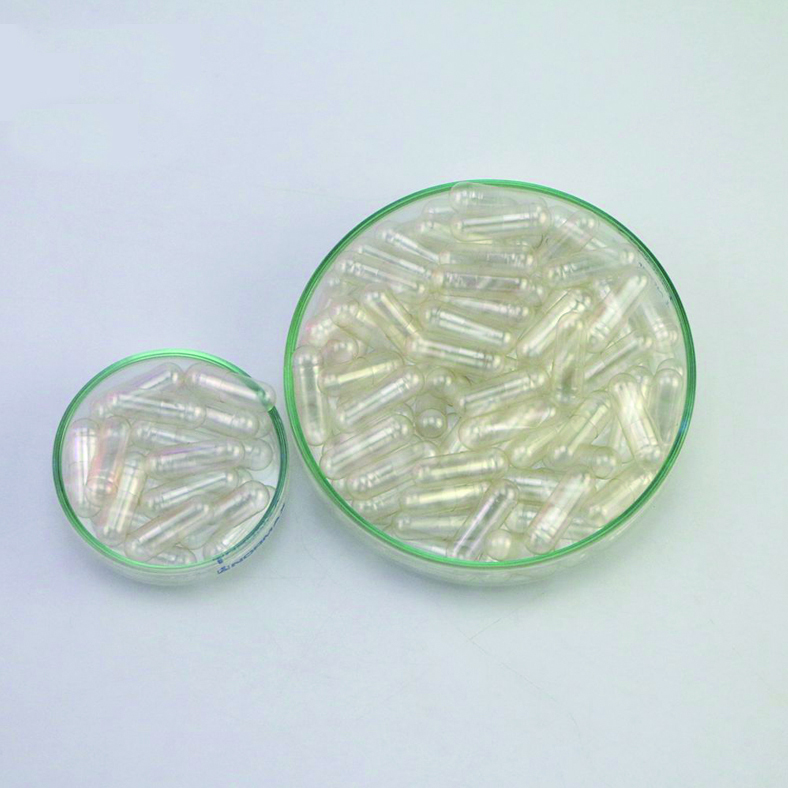
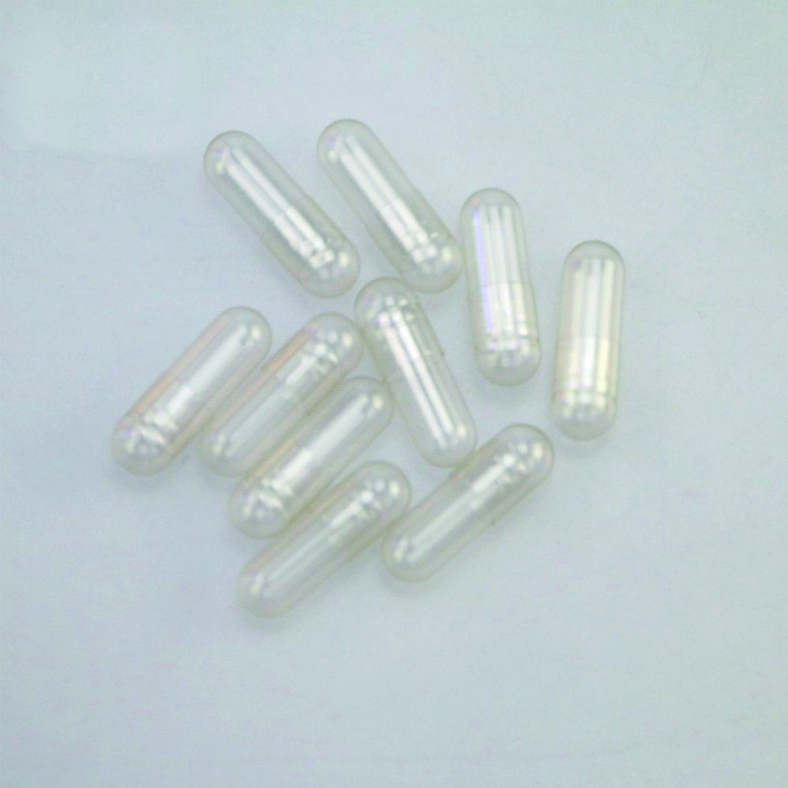
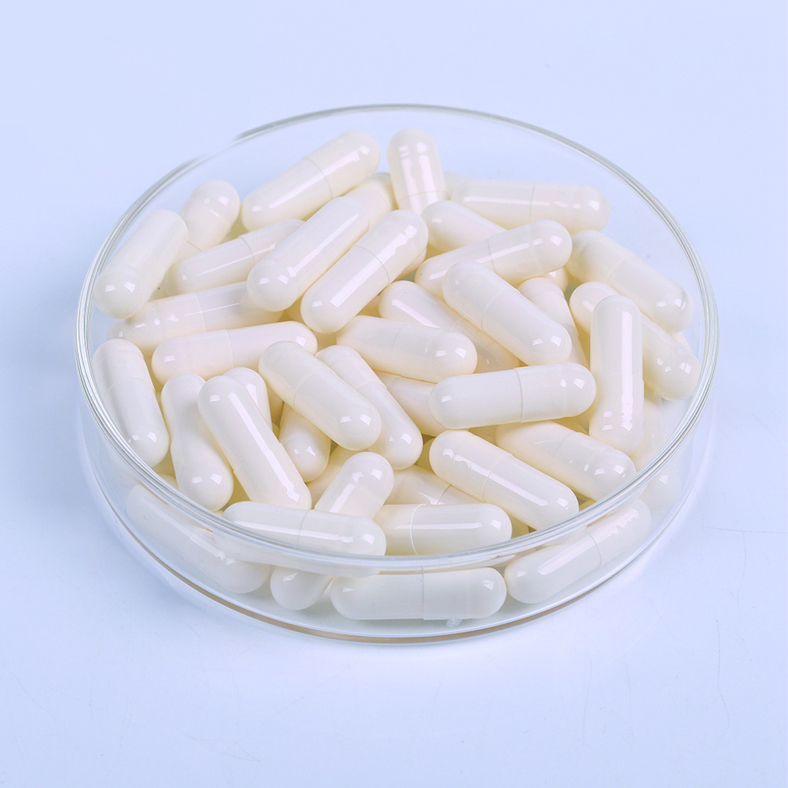
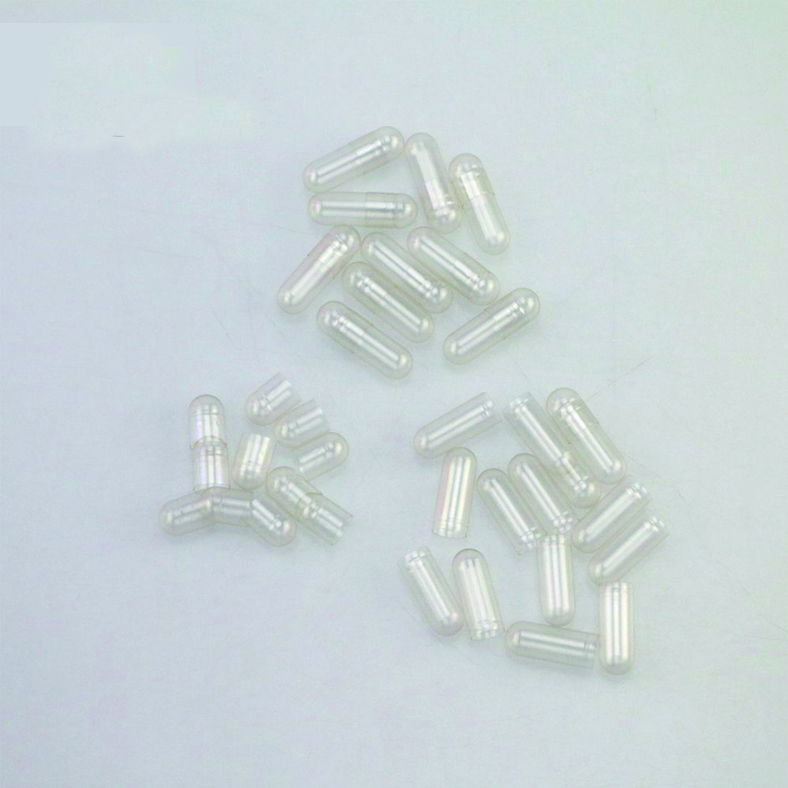
Halala empty capsules, also known as gelatin capsules, are small cylindrical containers made from gelatin, a protein derived from collagen. They are widely used for encapsulating various substances, from supplements and medications to powders and liquids. The term halala often refers to the size or specific type of capsule, but it’s important to note that the term isn’t universally standardized. Understanding the specific dimensions and specifications of the capsule is crucial for proper use.
Types of Halala Empty Capsules
Size and Shape Variations
Halala empty capsules come in a wide range of sizes, typically denoted by numbers (e.g., size 00, size 0, size 1, etc.). Larger numbers indicate smaller capsules. They are also available in various shapes, including the standard cylindrical shape and some less common forms. Choosing the appropriate size depends on the volume of the substance you intend to encapsulate.
Gelatin Type and Properties
Gelatin capsules can be made from different types of gelatin, affecting their properties like solubility and disintegration time. Some may be designed for specific applications, such as those requiring rapid dissolution or those intended for use with moisture-sensitive materials. Always check the manufacturer’s specifications for detailed information.
Vegetarian/Vegan Options
For individuals with dietary restrictions, vegetarian or vegan alternatives made from plant-based materials (e.g., pullulan, hypromellose) are available. These offer a suitable substitute for traditional gelatin capsules.
Sourcing High-Quality Halala Empty Capsules
Choosing a reputable supplier is crucial. Look for suppliers who provide detailed product specifications, including size, gelatin type, and certifications (e.g., GMP, ISO). Consider factors like price, minimum order quantity, shipping costs, and customer service. Always check reviews and testimonials before placing a large order. One potential source to explore is SUQIAN KELAIYA INTERNATIONAL TRADING CO., LTD, a supplier of high-quality empty capsules.

Filling Halala Empty Capsules
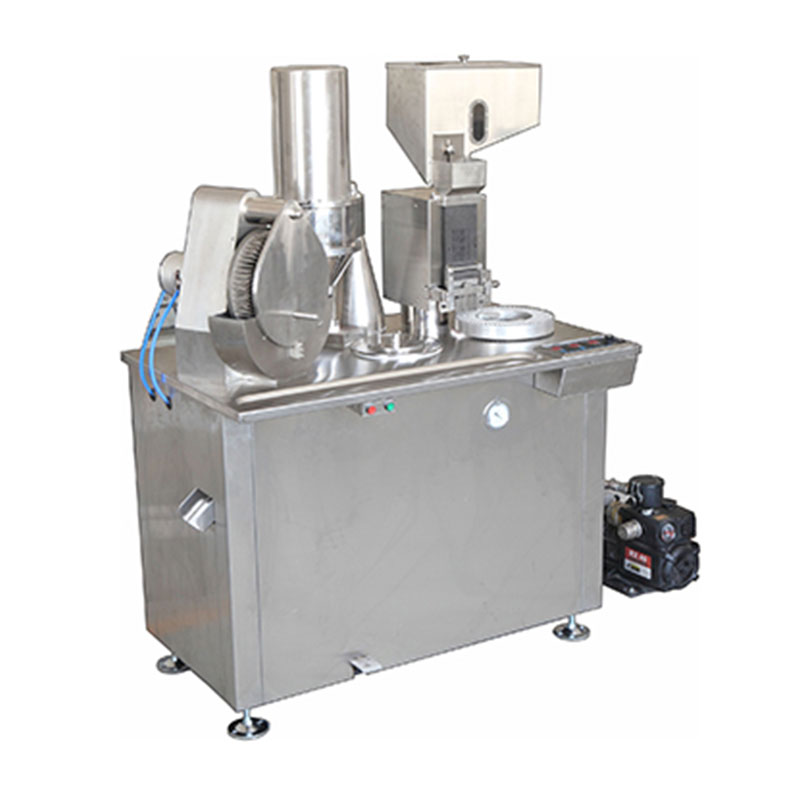
The process of filling halala empty capsules can be done manually or with the help of capsule filling machines. Manual filling is suitable for small quantities, while machines are preferred for larger-scale operations. Proper techniques ensure consistent filling and minimize spillage or waste. Many online resources offer tutorials and guides for both manual and machine filling.
Safety and Handling of Halala Empty Capsules
Always handle halala empty capsules carefully. Store them in a cool, dry place away from direct sunlight and moisture to maintain their integrity and prevent degradation. Follow the manufacturer’s recommendations for storage and handling. Remember that improperly stored or handled capsules may compromise the quality and safety of the encapsulated substance.
Conclusion
Understanding the different types, uses, and handling procedures for halala empty capsules is crucial for their safe and effective application. Remember to choose a reputable supplier and always follow safety guidelines. By carefully considering these factors, you can ensure the quality and consistency of your encapsulated products.
table { width: 700px; margin: 20px auto; border-collapse: collapse;}th, td { border: 1px solid #ddd; padding: 8px; text-align: left;}th { background-color: #f2f2f2;}