- Chinese
- French
- German
- Portuguese
- Spanish
- Russian
- Japanese
- Korean
- Arabic
- Irish
- Greek
- Turkish
- Italian
- Danish
- Romanian
- Indonesian
- Czech
- Afrikaans
- Swedish
- Polish
- Basque
- Catalan
- Esperanto
- Hindi
- Lao
- Albanian
- Amharic
- Armenian
- Azerbaijani
- Belarusian
- Bengali
- Bosnian
- Bulgarian
- Cebuano
- Chichewa
- Corsican
- Croatian
- Dutch
- Estonian
- Filipino
- Finnish
- Frisian
- Galician
- Georgian
- Gujarati
- Haitian
- Hausa
- Hawaiian
- Hebrew
- Hmong
- Hungarian
- Icelandic
- Igbo
- Javanese
- Kannada
- Kazakh
- Khmer
- Kurdish
- Kyrgyz
- Latin
- Latvian
- Lithuanian
- Luxembou..
- Macedonian
- Malagasy
- Malay
- Malayalam
- Maltese
- Maori
- Marathi
- Mongolian
- Burmese
- Nepali
- Norwegian
- Pashto
- Persian
- Punjabi
- Serbian
- Sesotho
- Sinhala
- Slovak
- Slovenian
- Somali
- Samoan
- Scots Gaelic
- Shona
- Sindhi
- Sundanese
- Swahili
- Tajik
- Tamil
- Telugu
- Thai
- Ukrainian
- Urdu
- Uzbek
- Vietnamese
- Welsh
- Xhosa
- Yiddish
- Yoruba
- Zulu
- Kinyarwanda
- Tatar
- Oriya
- Turkmen
- Uyghur


Understanding and Choosing the Right Vegetable Capsule for You
2025-08-13
This comprehensive guide explores the world of vegetable capsules, covering their types, benefits, uses, and considerations when selecting the best option for your needs. We’ll delve into the science behind these capsules, compare different options, and offer practical advice to help you make an informed decision. Learn about factors like size, material, and suitability for various applications.
What are Vegetable Capsules?
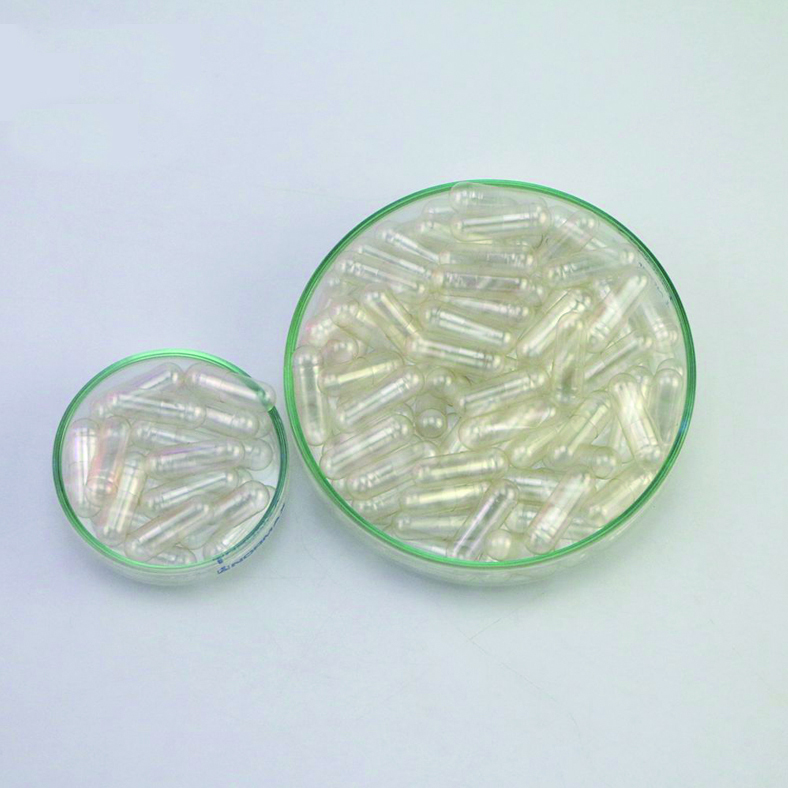
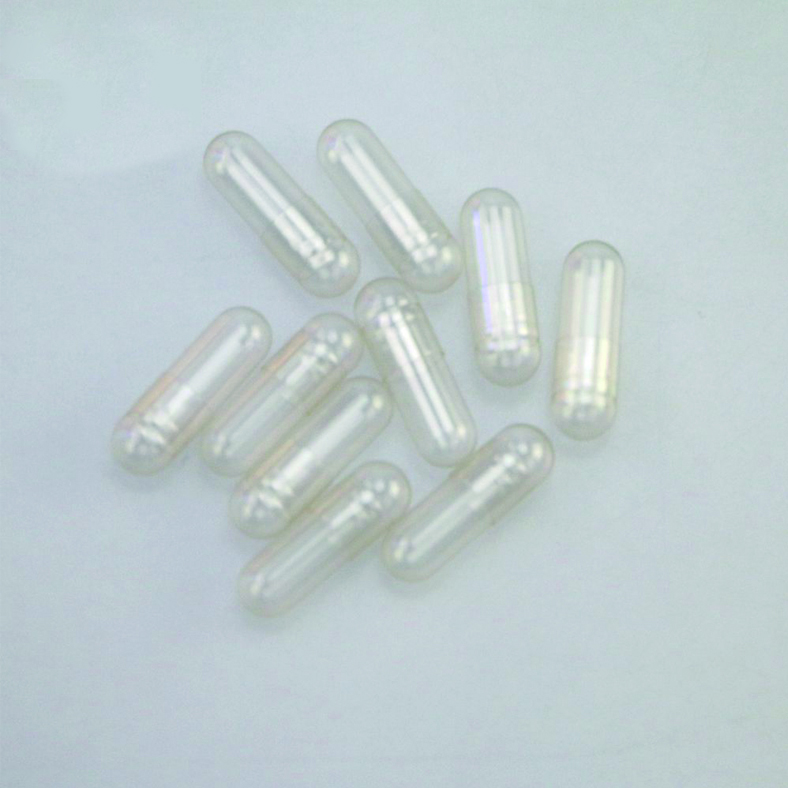
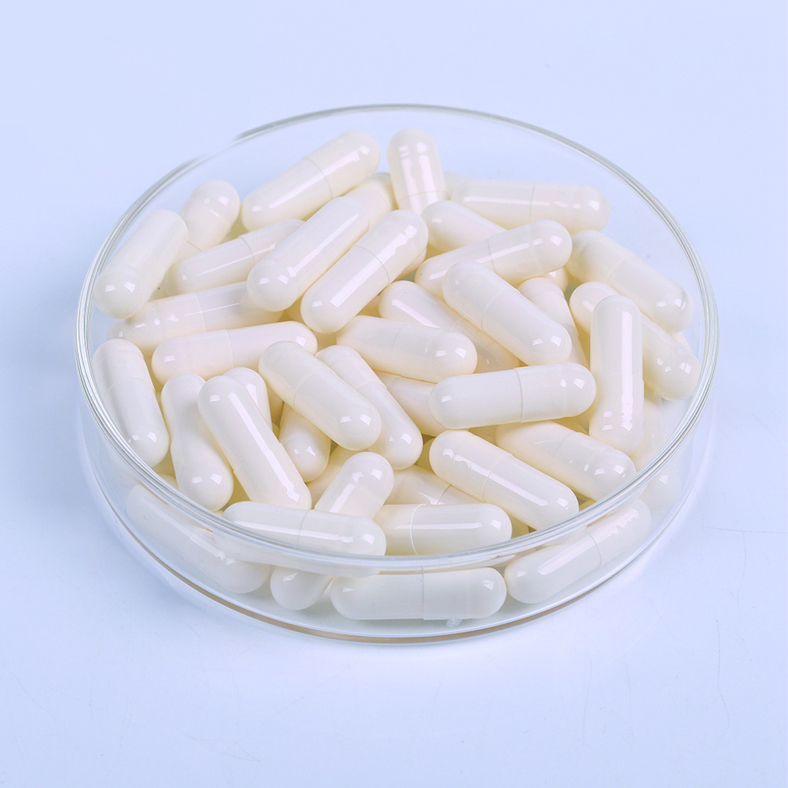
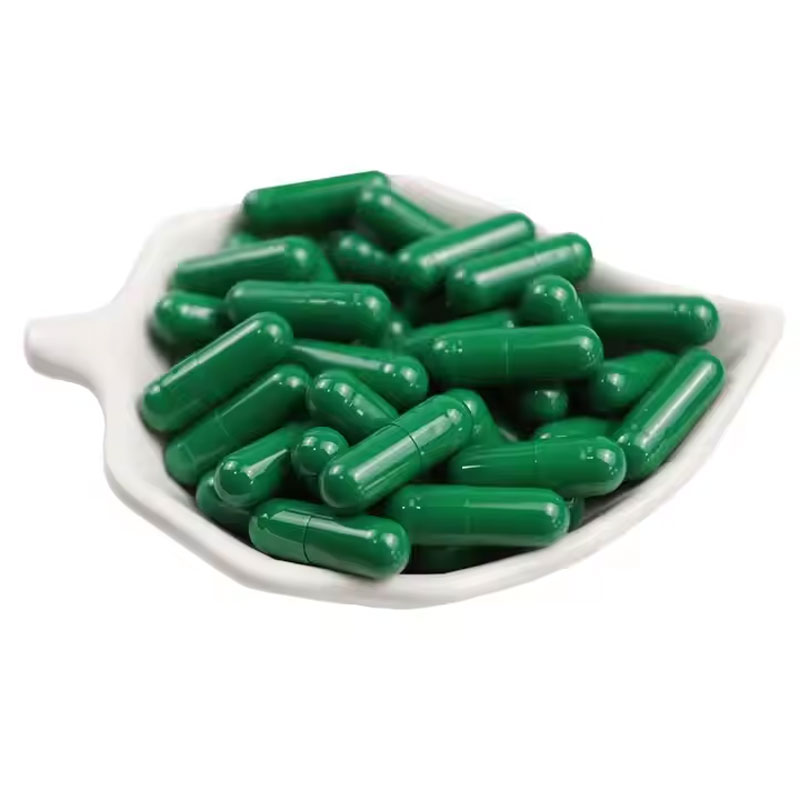
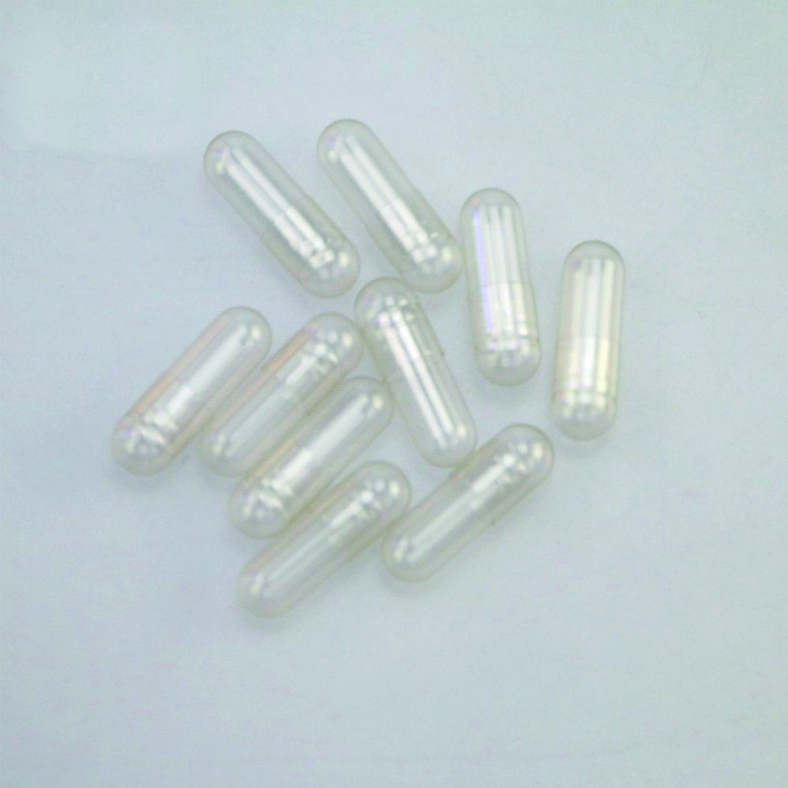
Vegetable capsules, also known as plant-based capsules, are an alternative to gelatin capsules. They are made from plant-derived materials, primarily hypromellose (HPMC), which is a cellulose derivative. This makes them a suitable choice for vegetarians, vegans, and individuals with specific dietary restrictions or allergies to gelatin. These capsules offer a clean and convenient way to consume powders, extracts, and other supplements.
Types of Vegetable Capsules
There are several types of vegetable capsules available, each with its own properties and applications. The most common type is made from HPMC, but other materials like pullulan (a polysaccharide) are also used. The choice depends on factors like intended use, desired disintegration time, and compatibility with the enclosed ingredients. Different sizes are available to accommodate varying amounts of fill material.
HPMC Capsules: The Most Common Choice
HPMC (hydroxypropyl methylcellulose) vegetable capsules are widely popular due to their excellent properties. They are non-GMO, gluten-free, and generally well-tolerated. They offer good stability and dissolve readily in the gastrointestinal tract, ensuring efficient absorption of the enclosed contents. Many manufacturers, including those supplying ingredients to SUQIAN KELAIYA INTERNATIONAL TRADING CO., LTD, utilize HPMC in their production.
Pullulan Capsules: A Growing Alternative
Pullulan vegetable capsules are another popular choice. Derived from tapioca starch, they are also suitable for vegetarians and vegans. They are known for their high clarity and slightly improved moisture barrier properties compared to HPMC. However, they can sometimes be slightly more expensive.
Factors to Consider When Choosing Vegetable Capsules
Selecting the appropriate vegetable capsules requires careful consideration of several factors:
Size and Capacity
Vegetable capsules come in various sizes, ranging from small 000 to larger 0 and 1 sizes. The size you choose depends on the volume of the material you need to encapsulate. It’s important to choose a size that is large enough to hold your fill material without overflowing, but not excessively large, to prevent wastage.
Fill Material Compatibility
The compatibility of your fill material with the vegetable capsule material is crucial. Some ingredients may react with the capsule material, affecting stability or causing undesirable changes. It’s essential to test your fill material with your chosen capsule type before large-scale production.
Dissolution Properties
The desired dissolution rate of the capsule is another important factor. Faster-dissolving capsules are preferred for immediate release formulations, while slower-dissolving capsules may be necessary for sustained-release applications. Manufacturers often provide specifications on dissolution times.
Comparing HPMC and Pullulan Vegetable Capsules
| Feature | HPMC Capsules | Pullulan Capsules |
|---|---|---|
| Material Source | Cellulose derivative | Tapioca starch |
| Clarity | Opaque to slightly translucent | Highly translucent |
| Cost | Generally less expensive | Generally more expensive |
| Moisture Barrier | Good | Slightly better |
Conclusion
Choosing the right vegetable capsule is vital for ensuring the effectiveness and quality of your product. By understanding the different types, their properties, and the factors influencing your selection, you can confidently choose the best option for your specific needs. Remember to always prioritize quality and compatibility to ensure optimal results.