- Chinese
- French
- German
- Portuguese
- Spanish
- Russian
- Japanese
- Korean
- Arabic
- Irish
- Greek
- Turkish
- Italian
- Danish
- Romanian
- Indonesian
- Czech
- Afrikaans
- Swedish
- Polish
- Basque
- Catalan
- Esperanto
- Hindi
- Lao
- Albanian
- Amharic
- Armenian
- Azerbaijani
- Belarusian
- Bengali
- Bosnian
- Bulgarian
- Cebuano
- Chichewa
- Corsican
- Croatian
- Dutch
- Estonian
- Filipino
- Finnish
- Frisian
- Galician
- Georgian
- Gujarati
- Haitian
- Hausa
- Hawaiian
- Hebrew
- Hmong
- Hungarian
- Icelandic
- Igbo
- Javanese
- Kannada
- Kazakh
- Khmer
- Kurdish
- Kyrgyz
- Latin
- Latvian
- Lithuanian
- Luxembou..
- Macedonian
- Malagasy
- Malay
- Malayalam
- Maltese
- Maori
- Marathi
- Mongolian
- Burmese
- Nepali
- Norwegian
- Pashto
- Persian
- Punjabi
- Serbian
- Sesotho
- Sinhala
- Slovak
- Slovenian
- Somali
- Samoan
- Scots Gaelic
- Shona
- Sindhi
- Sundanese
- Swahili
- Tajik
- Tamil
- Telugu
- Thai
- Ukrainian
- Urdu
- Uzbek
- Vietnamese
- Welsh
- Xhosa
- Yiddish
- Yoruba
- Zulu
- Kinyarwanda
- Tatar
- Oriya
- Turkmen
- Uyghur



How are empty capsules innovating pharmaceuticals?
2025-09-20
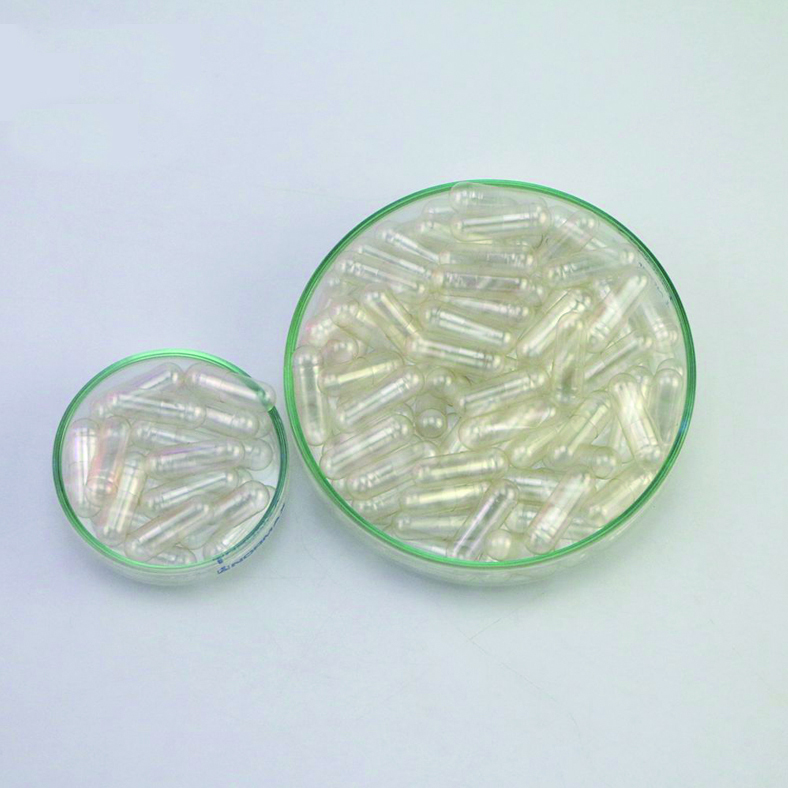
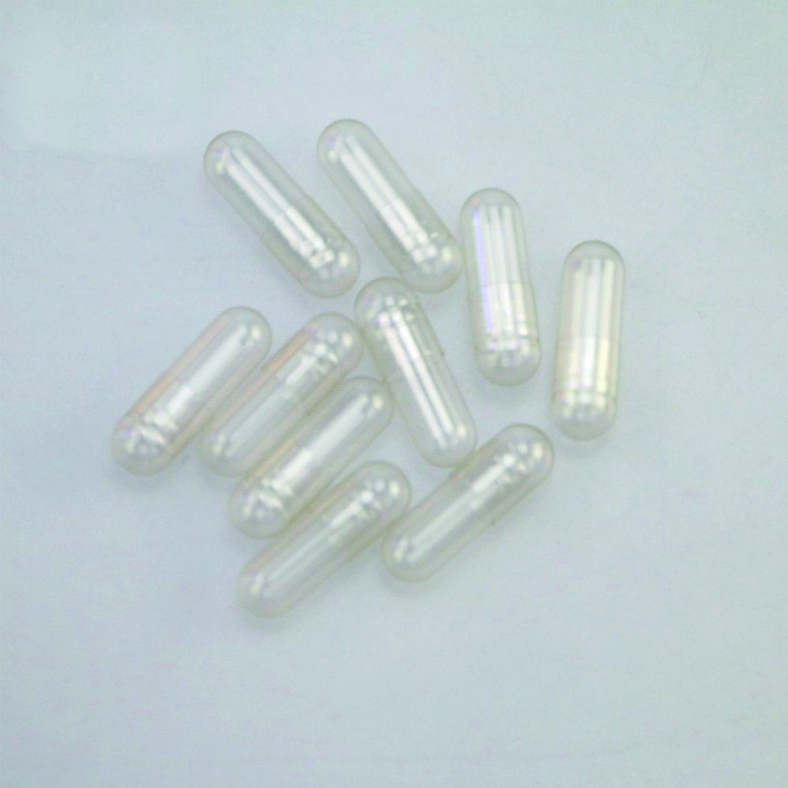
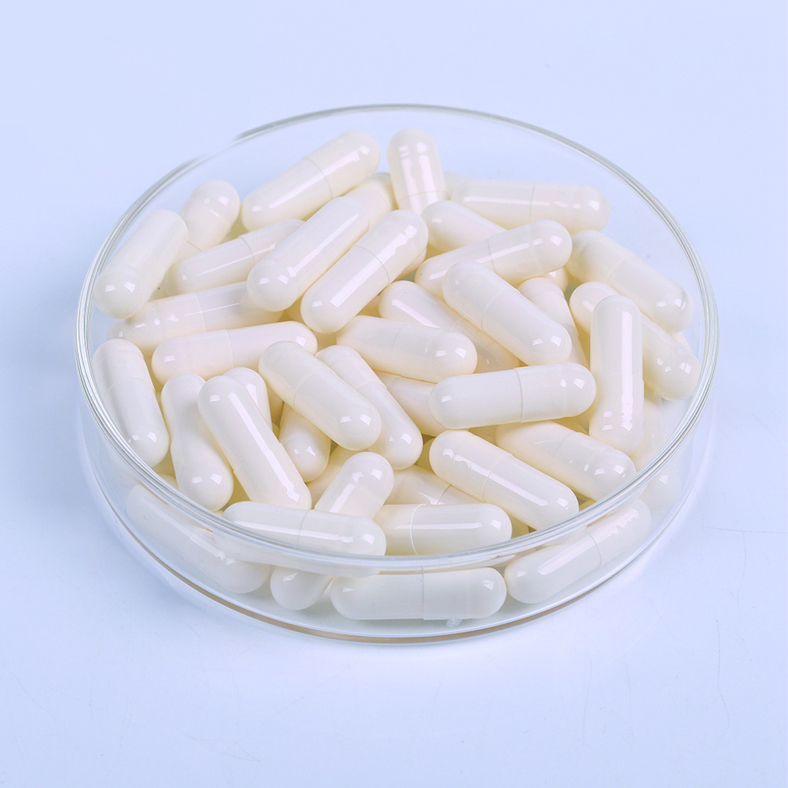
Empty capsules have emerged as a silent yet transformative force in the pharmaceutical industry. Far from being just simple containers, they’re now front and center in drug delivery innovation. But what’s really driving this trend? Let’s peel back the layers and examine the mechanics of this quiet revolution.
A New Frontier in Drug Delivery
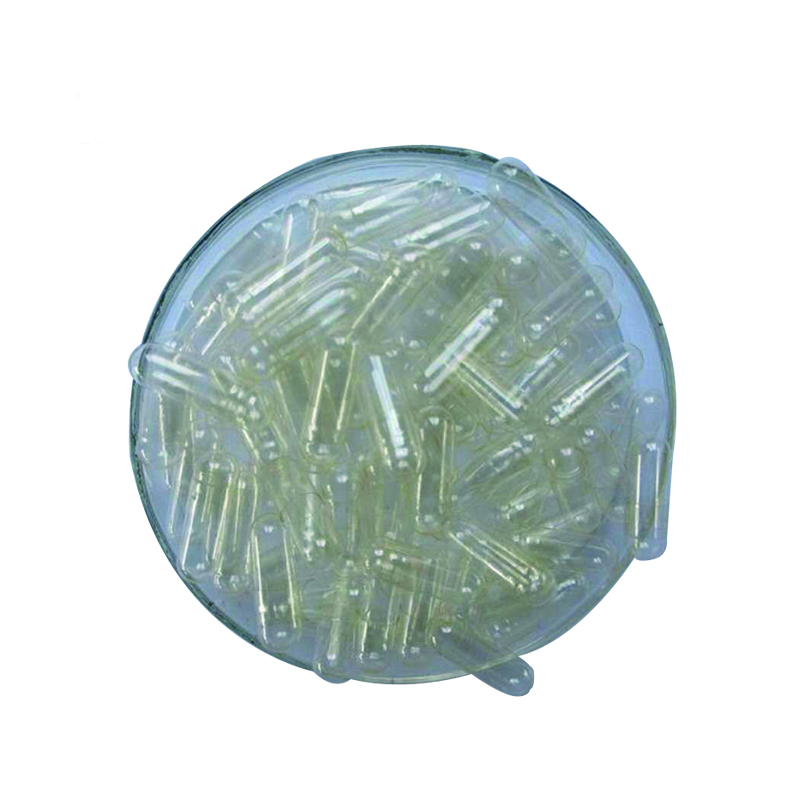
At first glance, empty capsules might seem mundane—a mere vessel for medication. However, these capsules are making significant waves by enabling novel drug delivery methods. The flexibility they offer in terms of dosage customization and the kind of medications they can contain is unrivaled. It’s not just about encapsulating powder anymore; increasingly, we’re seeing them used with semi-solids and liquids.
Think about the practicality for a moment. With empty capsules, pharmaceutical companies can rapidly prototype and trial new formulations without expensive retooling or delays. Suqian Kelaiya International Trading Co., Ltd (you can check more here: SUQIAN KELAIYA) has been at the forefront, leveraging their dual manufacturing sites in Zhejiang and Jiangsu to foster advancements in both capsule manufacturing and filling technologies. Their work in both new drug development and manufacturing machinery underscores the importance of rugged, adaptable capsule solutions.
But, as every professional in this industry knows, it’s not all smooth sailing. The integration of liquids poses a distinct challenge due to compatibility and stability concerns, something I’ve personally navigated in multiple product developments. This might sound complex, but the industry’s collaborative ethos helps address these issues effectively.
Addressing Formulation Challenges
Let’s dive into the technicalities – and indeed, one of the main hurdles revolves around the interplay of formulation chemistry within these capsules. Achieving the right mechanical properties is vital. It’s fascinating how gelatin and HPMC capsules differ, not just in material but in interaction with the medication itself.
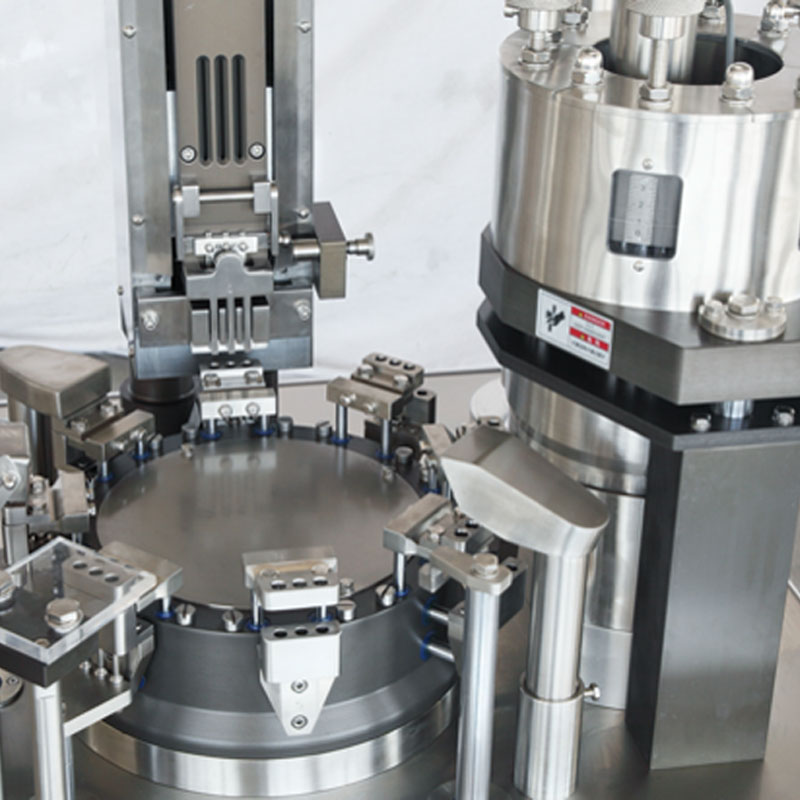
Empty capsules also play a crucial role in bioavailability concerns, a challenge frequently addressed by Suqian Kelaiya with their cutting-edge capsule filling machines. Their precision in ensuring optimal fill without compromising capsule integrity is vital for efficacious drug delivery.
It’s been said that every innovation brings its own set of problems, and that’s spot on here. Changes in formulation can result in unexpected dissolution rates or stability issues, particularly with hygroscopic substances. Practitioners often go through a trial-and-error process to balance these variables – a task that demands equal parts patience and expertise.
The Role of Customization
One of the game-changing aspects of using empty capsules is the level of personalization they offer. Patients with specific dosage requirements or those sensitive to particular excipients benefit enormously from this versatility.
Suqian Kelaiya’s versatile offerings highlight the customization potential these capsules afford, with their comprehensive solutions for capsule customization reflecting a keen market understanding. It’s common knowledge that consumer loyalty is built on trust in a product’s efficacy and safety – areas that capsules, by their adaptable nature, reinforce.
However, in my years dealing with capsule technologies, I’ve observed the necessity for thorough regulatory compliance. Custom formulations must undergo exhaustive tests, and the documentation overhead is considerable. It’s not just what’s inside the capsule – but how we prove its viability and safety.
Environmental Considerations
As the industry progresses, the environmental impact of capsule production has not gone unnoticed. The move towards plant-based capsules offers a sustainable alternative, addressing consumer demand for greener solutions without compromising on performance.
Suqian Kelaiya is cognizant of these shifts, incorporating more sustainable practices into their capsule production processes. Being green isn’t merely a corporate responsibility; it’s fast becoming an essential business strategy.
Of course, transitioning to more sustainable capsules comes with cost and resource challenges. Variations in supply chains and the higher cost of plant-based materials require strategic planning and adaptability, both of which define the competitive edge in today’s pharmaceutical landscape.
The Future of Pharmaceuticals with Empty Capsules
Empty capsules are not standing still; they are on a path of ceaseless innovation. Whether it’s the advent of complex compounds requiring delicate encapsulation or the push towards immediate release mechanisms, these unsung heroes are evolving constantly.
In essence, the ongoing research and development efforts by companies like Suqian Kelaiya, which boasts sophisticated operations in capsule and blister machinery, are indicative of an exciting future. Their two-manufacturing sites are not merely factories but hubs of innovation where new methodologies are tested, refined, and implemented.
Looking forward, while challenges remain, the prospect for empty capsules in revolutionizing pharmaceutical delivery is incredibly promising, serving as a reminder of their pivotal role in a continually advancing industry.