- Chinese
- French
- German
- Portuguese
- Spanish
- Russian
- Japanese
- Korean
- Arabic
- Irish
- Greek
- Turkish
- Italian
- Danish
- Romanian
- Indonesian
- Czech
- Afrikaans
- Swedish
- Polish
- Basque
- Catalan
- Esperanto
- Hindi
- Lao
- Albanian
- Amharic
- Armenian
- Azerbaijani
- Belarusian
- Bengali
- Bosnian
- Bulgarian
- Cebuano
- Chichewa
- Corsican
- Croatian
- Dutch
- Estonian
- Filipino
- Finnish
- Frisian
- Galician
- Georgian
- Gujarati
- Haitian
- Hausa
- Hawaiian
- Hebrew
- Hmong
- Hungarian
- Icelandic
- Igbo
- Javanese
- Kannada
- Kazakh
- Khmer
- Kurdish
- Kyrgyz
- Latin
- Latvian
- Lithuanian
- Luxembou..
- Macedonian
- Malagasy
- Malay
- Malayalam
- Maltese
- Maori
- Marathi
- Mongolian
- Burmese
- Nepali
- Norwegian
- Pashto
- Persian
- Punjabi
- Serbian
- Sesotho
- Sinhala
- Slovak
- Slovenian
- Somali
- Samoan
- Scots Gaelic
- Shona
- Sindhi
- Sundanese
- Swahili
- Tajik
- Tamil
- Telugu
- Thai
- Ukrainian
- Urdu
- Uzbek
- Vietnamese
- Welsh
- Xhosa
- Yiddish
- Yoruba
- Zulu
- Kinyarwanda
- Tatar
- Oriya
- Turkmen
- Uyghur


Empty Capsule Guide 2026: Types, Uses & Expert Insights
2026-04-30
- What Is an Empty Capsule and How Does It Work?
- Gelatin vs. HPMC: Choosing the Right Material
- Understanding Capsule Sizes and Capacity
- Applications and Use Cases for Empty Capsules
- Step-by-Step Guide to Filling Empty Capsules
- Quality Standards and Safety Considerations
- Advantages and Limitations of Empty Capsules
- Frequently Asked Questions (FAQ)
- Future Trends in Capsule Manufacturing
- Industry Leadership and Reliable Supply Partners
- Conclusion and Expert Recommendations
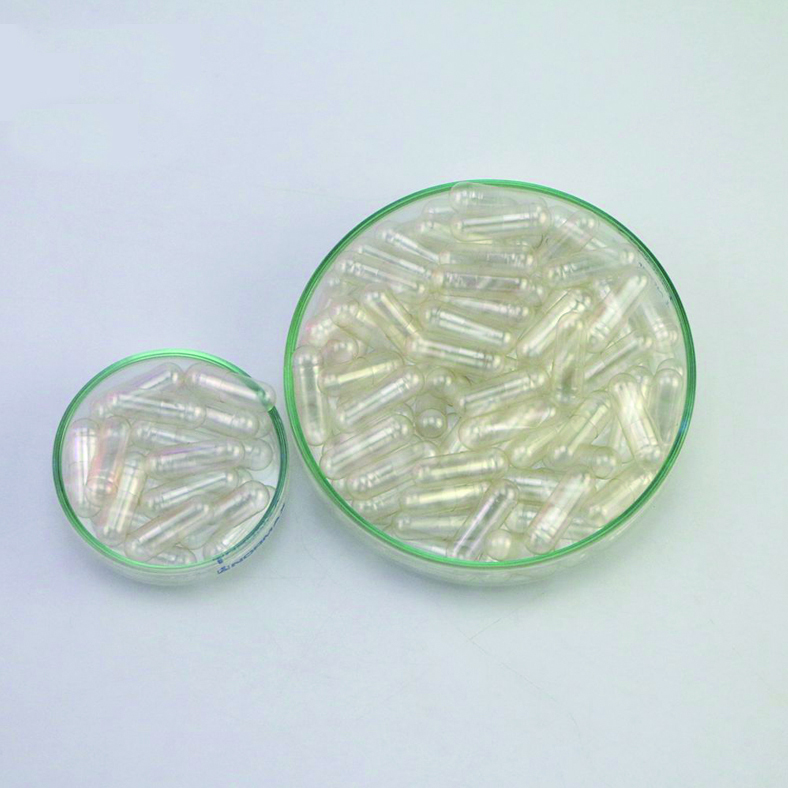
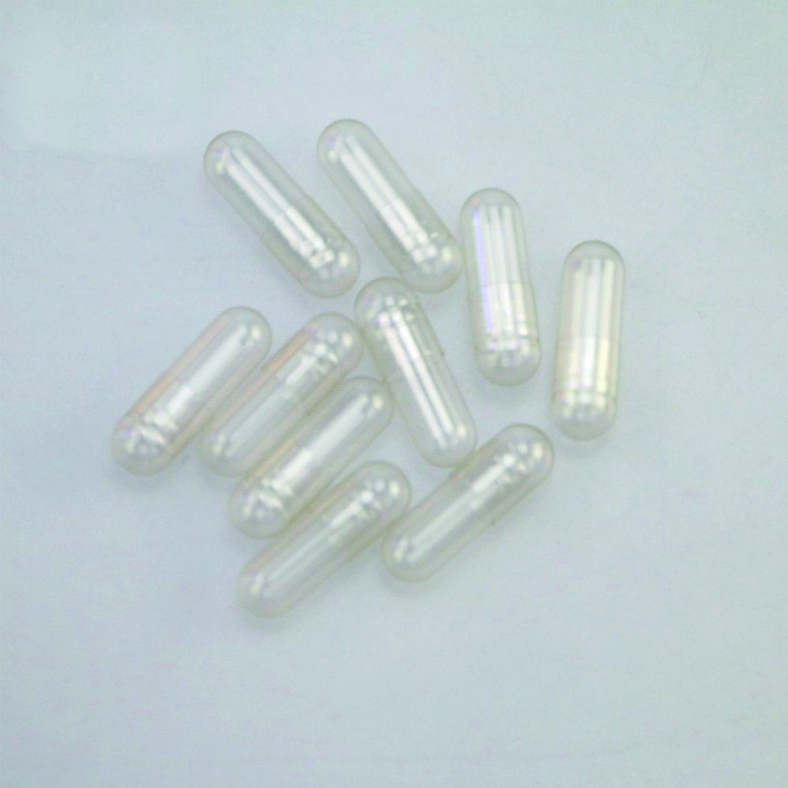
An empty capsule is a two-piece or one-piece shell, typically made from gelatin or hypromellose (HPMC), designed to hold powdered, granulated, or liquid formulations for oral administration. In 2026, these vessels remain the industry standard for supplement delivery and pharmaceutical compounding due to their precision, ease of swallowing, and ability to mask unpleasant tastes. Whether for commercial manufacturing or personal compounding, selecting the right empty capsule type is critical for product stability and bioavailability.
What Is an Empty Capsule and How Does It Work?
The fundamental function of an empty capsule is to serve as a precise containment system. Unlike tablets, which require compression and binders, capsules allow ingredients to remain in their native powder or liquid state until ingestion. This mechanism preserves the integrity of sensitive compounds that might degrade under the heat and pressure of tablet pressing.
Structurally, most traditional capsules consist of two concentric cylinders: a longer body and a shorter cap. The cap slides over the body, creating a friction fit that locks the contents securely. Modern innovations have introduced one-piece systems and advanced locking mechanisms to prevent accidental opening during shipping or handling.
The dissolution process is equally vital. Upon ingestion, the shell material interacts with gastric fluids, softening and eventually rupturing to release the active ingredients. The speed of this process depends heavily on the shell composition, thickness, and any additional coatings applied during manufacturing.
The Evolution of Capsule Technology in 2026
By 2026, the landscape of empty capsule technology has shifted significantly toward plant-based solutions and specialized functional coatings. While animal-derived gelatin dominated the market for decades, regulatory changes and consumer demand for vegan-certified products have accelerated the adoption of HPMC and pullulan shells.
Furthermore, moisture management has become a primary focus. Advanced desiccant integration and low-moisture gelatin formulations now protect hygroscopic ingredients more effectively than ever before. These developments ensure that probiotics, enzymes, and herbal extracts retain potency throughout their shelf life.
Gelatin vs. HPMC: Choosing the Right Material
Selecting the appropriate material is the most critical decision when sourcing empty capsule shells. The choice between gelatin and hydroxypropyl methylcellulose (HPMC) dictates compatibility with fill materials, storage requirements, and target audience appeal.
Gelatin capsules are derived from collagen, usually sourced from bovine or porcine origins. They are known for their rapid dissolution in the stomach and excellent mechanical strength. However, they are sensitive to moisture and temperature fluctuations, which can cause brittleness in dry environments or softening in humid conditions.
HPMC capsules, often referred to as vegetarian or vegan capsules, are made from plant cellulose. They possess a unique advantage: low moisture content. This makes them ideal for hygroscopic ingredients that react poorly with water. Additionally, HPMC shells do not undergo Maillard reactions, preventing cross-linking issues that can delay dissolution.
Comparative Analysis of Shell Materials
To assist in decision-making, the following table outlines the core differences between the two dominant materials available in the current market.
| Feature | Gelatin Capsules | HPMC (Vegetarian) Capsules |
|---|---|---|
| Source Material | Animal collagen (Bovine/Porcine/Fish) | Plant cellulose (Pine/Spruce) |
| Moisture Content | High (13-16%) | Low (4-8%) |
| Dissolution Speed | Very Fast | Fast (slightly slower than gelatin) |
| Cross-Linking Risk | Moderate (with aldehydes) | Negligible |
| Dietary Certification | Halal/Kosher (specific sources) | Vegan/Vegetarian/Halal/Kosher |
| Cost Efficiency | Generally Lower | Premium Pricing |
When to Choose Gelatin
Gelatin remains the preferred choice for applications where cost efficiency and rapid disintegration are paramount. If the formulation contains non-hygroscopic powders and the supply chain maintains stable humidity levels, gelatin offers robust performance. It is also the traditional standard for many pharmaceutical approvals, making it a safe bet for legacy products.
When to Choose HPMC
HPMC is the superior option for modern nutraceuticals containing moisture-sensitive ingredients like probiotics or certain herbal extracts. Brands targeting vegan, vegetarian, or religious demographics requiring strict dietary adherence should prioritize HPMC. Furthermore, for products shipped to regions with extreme climate variations, the stability of HPMC reduces the risk of shell deformation.
Understanding Capsule Sizes and Capacity
The physical dimensions of an empty capsule are denoted by numerical sizes, ranging from 000 (largest) to 5 (smallest). Understanding these sizes is essential for accurate dosing and consumer compliance. A common misconception is that higher numbers indicate larger capacity; in reality, the scale is inverse.
The volume of a capsule is measured in milliliters (mL), but the actual weight capacity varies drastically depending on the density of the powder being filled. A fluffy herbal extract will weigh significantly less per capsule than a dense mineral powder, even if both fill the same volume.
Standard Capsule Size Chart
The following breakdown details the most common sizes used in the industry, their approximate volumes, and typical use cases.
- Size 000: The largest standard size, holding approximately 1.37 mL. Often used for veterinary applications or high-dose bulk supplements where swallowing large objects is not an issue.
- Size 00: A popular choice for human supplements, with a volume of roughly 0.95 mL. Suitable for moderate to high doses of medium-density powders.
- Size 0: Widely regarded as the standard for adult supplementation, holding about 0.68 mL. It balances capacity with ease of swallowing.
- Size 1: Slightly smaller at 0.50 mL, often used for potent ingredients where lower doses are required or for consumers who struggle with larger pills.
- Size 2: With a volume of 0.37 mL, this size is frequently used for pediatric formulations or very potent compounds.
- Size 3 & 4: Small capacities (0.30 mL and 0.21 mL respectively), typically reserved for clinical trials, pediatric use, or extremely high-potency actives.
- Size 5: The smallest commercially available size, difficult to handle manually, mostly used in specific pharmaceutical contexts.
Calculating Fill Weight
Determining the correct fill weight requires knowledge of the powder’s tapped density. Manufacturers often perform a “tap density test” to see how much the powder settles. The formula is straightforward: Volume of Capsule × Tapped Density = Target Fill Weight.
It is crucial to account for the “lock length” of the capsule. Overfilling can prevent the cap from seating properly, leading to separation during packaging. Underfilling results in audible rattling, which consumers often perceive as a sign of poor quality or incomplete dosing.
Applications and Use Cases for Empty Capsules
The versatility of the empty capsule extends far beyond simple vitamin delivery. In 2026, these shells are integral to diverse sectors including personalized medicine, veterinary care, and niche wellness markets.
Personalized Compounding
Pharmacies and compounding clinics utilize empty capsules to create bespoke medication regimens. This allows practitioners to combine multiple medications into a single dose, adjust strengths precisely for individual patients, and exclude allergens like gluten or lactose that may be present in commercial tablets.
Nutraceuticals and Sports Nutrition
The sports nutrition sector relies heavily on capsules for delivering amino acids, pre-workout blends, and recovery formulas. The ability to encapsulate bitter-tasting ingredients without masking agents improves the user experience compared to powders or liquids. Moreover, the perception of capsules as “pure” ingredients drives consumer preference in this demographic.
Veterinary Medicine
In veterinary applications, larger capsule sizes (000 and 00) are standard for treating livestock and large pets. The smooth surface of the capsule facilitates easier administration to animals, and the opaque nature of many shells hides the color and texture of the medicine, reducing rejection by the animal.
Research and Development
During the R&D phase of new drug development, empty capsules allow scientists to test formulations without investing in expensive tablet tooling. They provide a rapid pathway to clinical trials, enabling quick iterations of dosage and ingredient combinations.
Step-by-Step Guide to Filling Empty Capsules
Whether operating a manual board for small batches or an automated machine for mass production, the principles of filling empty capsule shells remain consistent. Proper technique ensures uniform dosage and prevents product waste.
Preparation and Environment Control
Before beginning, ensure the working environment is controlled. Relative humidity should ideally be between 35% and 55%. Low humidity can make gelatin capsules brittle and prone to cracking, while high humidity can make them sticky and difficult to separate.
Gather all necessary tools: the empty capsules, the powder blend, a tamping tool, a brush for cleaning excess powder, and the filling device. Ensure all surfaces are sanitized to maintain product purity.
The Filling Process
The following steps outline the standard procedure for manual or semi-automatic filling:
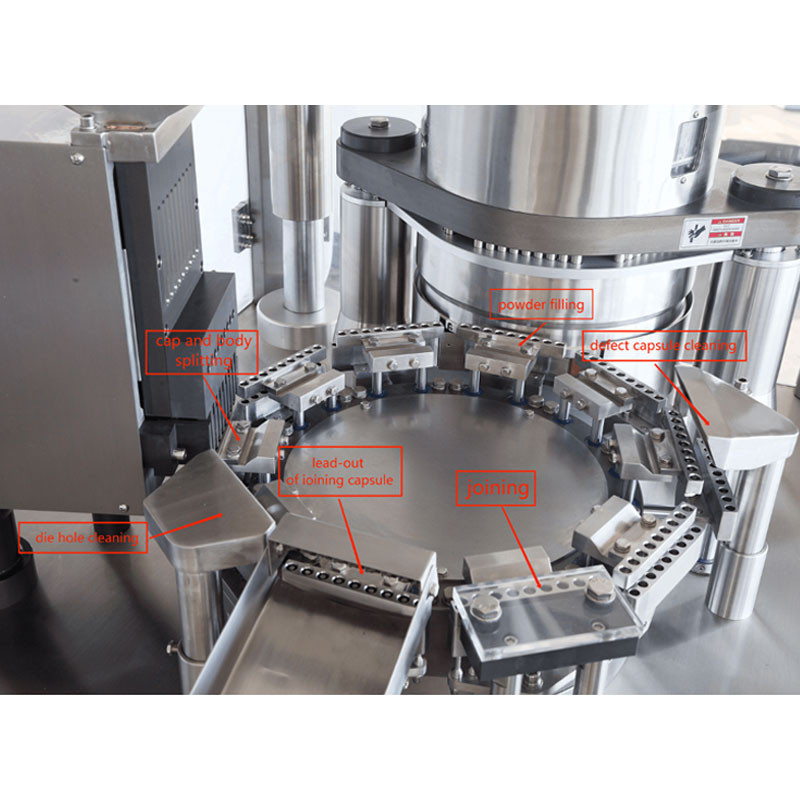
- Separation: Load the empty capsules into the filling tray. Most devices have a lever or vacuum mechanism that pulls the caps off the bodies, leaving the bodies exposed in the holes.
- Dosing: Pour the powder blend over the open capsule bodies. Use a spreader to distribute the powder evenly across the tray, ensuring every hole receives material.
- Tamping: Press the powder down firmly using the tamping plate. This compresses the powder, creating space for more material. Repeat the pouring and tamping process until the capsule bodies are completely full and no voids remain.
- Leveling: Scrape off any excess powder from the top of the tray to ensure a clean surface. This prevents powder from interfering with the cap sealing process.
- Closing: Realign the cap section of the tray over the filled bodies. Apply firm, even pressure to push the caps onto the bodies until they click or lock into place.
- Ejection: Release the locking mechanism and eject the finished capsules. Inspect a random sample to ensure they are fully closed and free of visible powder residue on the exterior.
Troubleshooting Common Issues
If capsules are not closing fully, check for overfilling or powder trapped in the rim. If the powder is too fluffy, increasing the number of tamping cycles may be necessary. For sticky powders, adding a flow agent like magnesium stearate to the blend can improve the filling process significantly.
Quality Standards and Safety Considerations
In the regulated landscape of 2026, the quality of empty capsule shells is subject to rigorous scrutiny. Manufacturers must adhere to Good Manufacturing Practices (GMP) and often seek third-party certifications to validate their claims.
Regulatory Compliance
Reputable suppliers provide Certificates of Analysis (CoA) for every batch. These documents verify parameters such as heavy metal content, microbial limits, and residual solvents. For gelatin capsules, documentation regarding the source of the collagen (e.g., BSE-free certification) is mandatory in many jurisdictions.
Storage and Shelf Life
Proper storage is critical to maintaining the integrity of empty capsules. They should be kept in their original sealed packaging, away from direct sunlight and heat sources. Ideal storage temperatures range from 15°C to 25°C (59°F to 77°F).
When stored correctly, gelatin capsules typically have a shelf life of three to five years, while HPMC capsules can last even longer due to their lower moisture content and reduced susceptibility to environmental changes. Always check the expiration date printed on the packaging before use.
Avoiding Cross-Contamination
For facilities producing multiple products, preventing cross-contamination is vital. Dedicated filling lines or thorough cleaning protocols between runs are necessary, especially when switching between allergen-containing and allergen-free formulations. The porous nature of some powders makes them prone to lingering in equipment crevices.
Advantages and Limitations of Empty Capsules
While empty capsules offer numerous benefits, they are not a universal solution for every formulation. Understanding their pros and cons helps in making informed product development decisions.
Key Advantages
- Taste Masking: The shell effectively isolates bitter or unpleasant-tasting ingredients from the taste buds, improving patient compliance.
- Protection: Capsules shield sensitive ingredients from oxygen, light, and moisture, extending shelf life and potency.
- Visual Appeal: Available in a wide spectrum of colors and opacities, capsules allow for strong brand differentiation and aesthetic customization.
- Flexibility: They accommodate a wide variety of fill materials, including powders, pellets, granules, and semi-solids.
Potential Limitations
- Size Constraints: For very high-dose ingredients, the required capsule size may become too large for comfortable swallowing.
- Cost: Per unit, capsules can be more expensive than tablets, particularly when factoring in the cost of the shell material itself.
- Moisture Sensitivity: Traditional gelatin capsules can interact with high-moisture fills, potentially leading to shell degradation or migration of water into the fill.
- Filling Speed: While automated machines are fast, setting up and adjusting capsule fillers can be more complex than tablet presses for certain irregular powders.
Frequently Asked Questions (FAQ)
Can I open empty capsules and mix the powder with food?
Yes, many users open capsules to mix the contents with food or beverages, especially if they have difficulty swallowing pills. However, you should verify with the manufacturer or a healthcare provider first. Some formulations are enteric-coated or designed for slow release, and opening them could alter their effectiveness or cause stomach irritation.
Are empty capsules gluten-free?
Most modern empty capsule products, both gelatin and HPMC, are manufactured to be gluten-free. However, cross-contamination can occur in facilities that also process wheat products. Always look for a certified gluten-free label on the packaging if you have Celiac disease or severe sensitivity.
How long does it take for a capsule to dissolve?
Under normal physiological conditions, a standard gelatin capsule typically begins to dissolve within minutes and fully disintegrates within 15 to 30 minutes. HPMC capsules may take slightly longer, often ranging from 20 to 45 minutes, depending on the specific grade and thickness of the shell.
Can I fill liquid oils into standard empty capsules?
Standard two-piece hard capsules are designed primarily for dry fills. While some semi-solid pastes can be encapsulated, pure liquid oils require specialized softgel technology or liquid-filled hard capsules with banding seals to prevent leakage. Attempting to fill standard capsules with thin liquids will likely result in leaking and shell damage.
What is the difference between clear and opaque capsules?
The primary difference lies in light protection and aesthetics. Opaque capsules contain titanium dioxide or other pigments that block UV light, protecting light-sensitive ingredients like riboflavin or certain herbal extracts. Clear capsules allow visibility of the fill, which can be a marketing advantage but offers less protection against photodegradation.
Future Trends in Capsule Manufacturing
Looking beyond 2026, the empty capsule industry is poised for further innovation. Smart packaging integration, where capsules interact with digital health monitors, is in early development stages. Additionally, the push for sustainability is driving research into biodegradable shell materials that break down more rapidly in composting environments without compromising shelf stability.
Customization is another growing trend. Digital printing technologies now allow for high-resolution logos and text to be printed directly onto individual capsules, enhancing brand security and reducing the need for external labeling. As consumer demand for transparency grows, these traceability features will become standard expectations rather than luxuries.
Industry Leadership and Reliable Supply Partners
As the global demand for high-quality pharmaceutical delivery systems grows, partnering with experienced manufacturers becomes essential. Suqian Kelaiya Corp. stands out as a specialized leader in new drug development, manufacturing, and sales, bridging the gap between advanced formulation needs and reliable production capabilities.
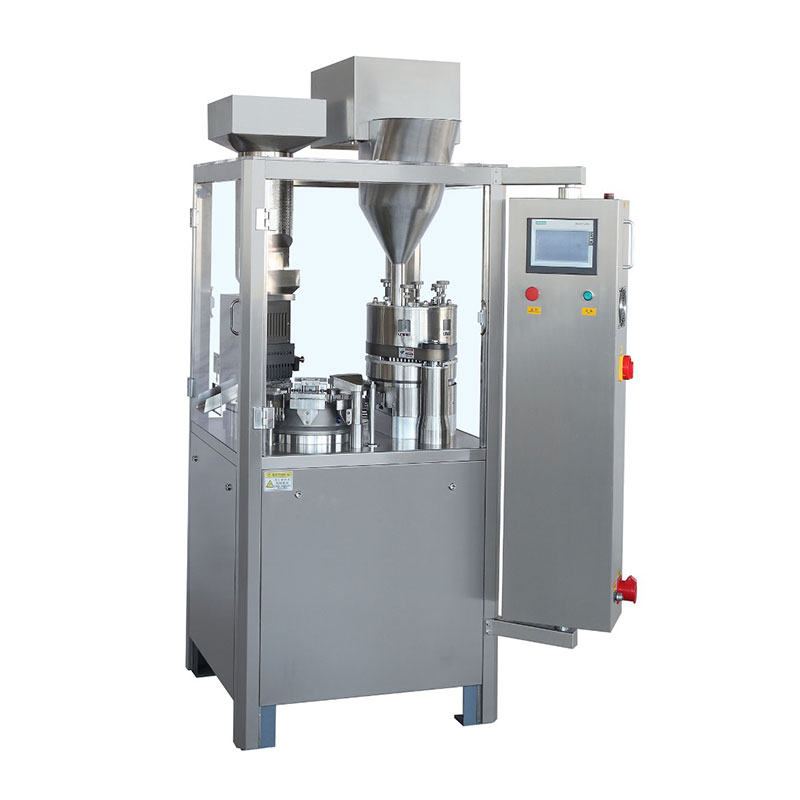
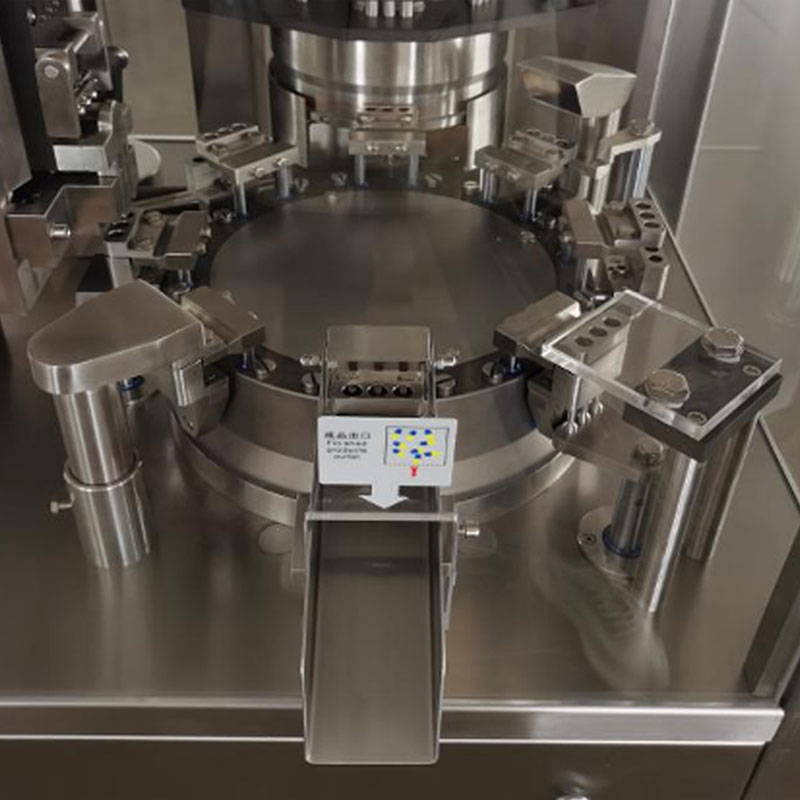
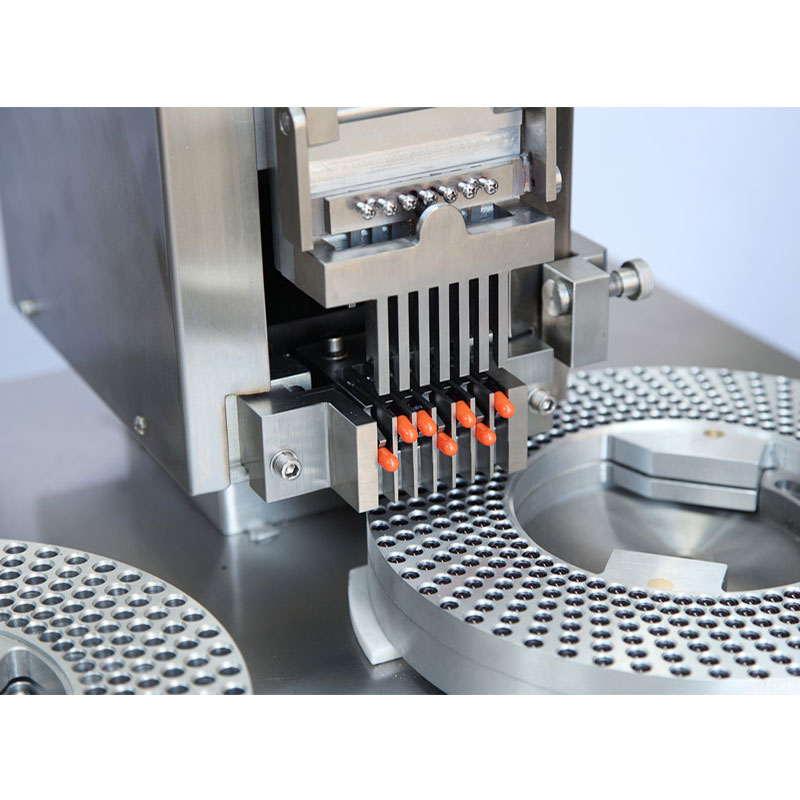
With over a decade of experience in international pharmaceutical trading, Suqian Kelaiya Corp. has established itself as a trusted name among domestic and overseas chemical and pharmaceutical companies. The company operates two strategic manufacturing sites located in Zhejiang and Jiangsu provinces, dedicated to producing premium empty capsules alongside state-of-the-art capsule filling machines and blister packaging equipment. This vertical integration allows them to offer comprehensive solutions, ensuring that the shells and the machinery used to fill them are perfectly compatible.
Recognized globally for its high level of reliability and professionalism, Suqian Kelaiya Corp. focuses on serving international markets with quality products and exceptional service. Their commitment to favorable credit terms and stable business relationships makes them an ideal long-term partner for brands seeking consistency in their supply chain. Driven by a mission to work for the pharmaceutical industry and serve human health, Suqian Kelaiya Corp. continues to innovate, ensuring that every capsule produced contributes to a better life and a healthier future.
Conclusion and Expert Recommendations
The empty capsule remains a cornerstone of modern supplement and pharmaceutical delivery, offering an unmatched balance of protection, precision, and patient compliance. By 2026, the choice between gelatin and HPMC has become less about tradition and more about specific formulation needs and ethical considerations. Understanding the nuances of capsule sizes, filling mechanics, and storage requirements is essential for anyone looking to develop a high-quality product.
Who should use empty capsules? This solution is ideal for formulators working with moisture-sensitive ingredients, brands targeting vegan demographics, and compounding pharmacies requiring dosage flexibility. It is also the best choice for products where taste masking is a priority.
Next Steps: When selecting your supply, prioritize manufacturers who provide comprehensive Certificates of Analysis and adhere to GMP standards, such as established industry players like Suqian Kelaiya Corp. Conduct small-scale trial runs to test the compatibility of your specific powder blend with the chosen shell type before committing to large production batches. By aligning your choice of empty capsule with your product’s unique chemical profile and your audience’s values, you ensure a successful and stable market launch.