- English
- Chinese
- French
- German
- Portuguese
- Spanish
- Russian
- Japanese
- Korean
- Arabic
- Irish
- Greek
- Turkish
- Italian
- Danish
- Romanian
- Indonesian
- Czech
- Afrikaans
- Swedish
- Polish
- Basque
- Catalan
- Esperanto
- Hindi
- Lao
- Albanian
- Amharic
- Armenian
- Azerbaijani
- Belarusian
- Bengali
- Bosnian
- Bulgarian
- Cebuano
- Chichewa
- Corsican
- Croatian
- Dutch
- Estonian
- Filipino
- Finnish
- Frisian
- Galician
- Georgian
- Gujarati
- Hausa
- Hawaiian
- Hebrew
- Hmong
- Hungarian
- Icelandic
- Igbo
- Javanese
- Kannada
- Kazakh
- Khmer
- Kurdish
- Kyrgyz
- Latin
- Latvian
- Lithuanian
- Luxembou..
- Macedonian
- Malagasy
- Malay
- Malayalam
- Maltese
- Maori
- Marathi
- Mongolian
- Burmese
- Nepali
- Norwegian
- Pashto
- Persian
- Punjabi
- Serbian
- Sesotho
- Sinhala
- Slovak
- Slovenian
- Somali
- Samoan
- Scots Gaelic
- Shona
- Sindhi
- Sundanese
- Swahili
- Tajik
- Tamil
- Telugu
- Thai
- Ukrainian
- Urdu
- Uzbek
- Vietnamese
- Welsh
- Xhosa
- Yiddish
- Yoruba
- Zulu
- Kinyarwanda
- Tatar
- Oriya
- Turkmen
- Uyghur



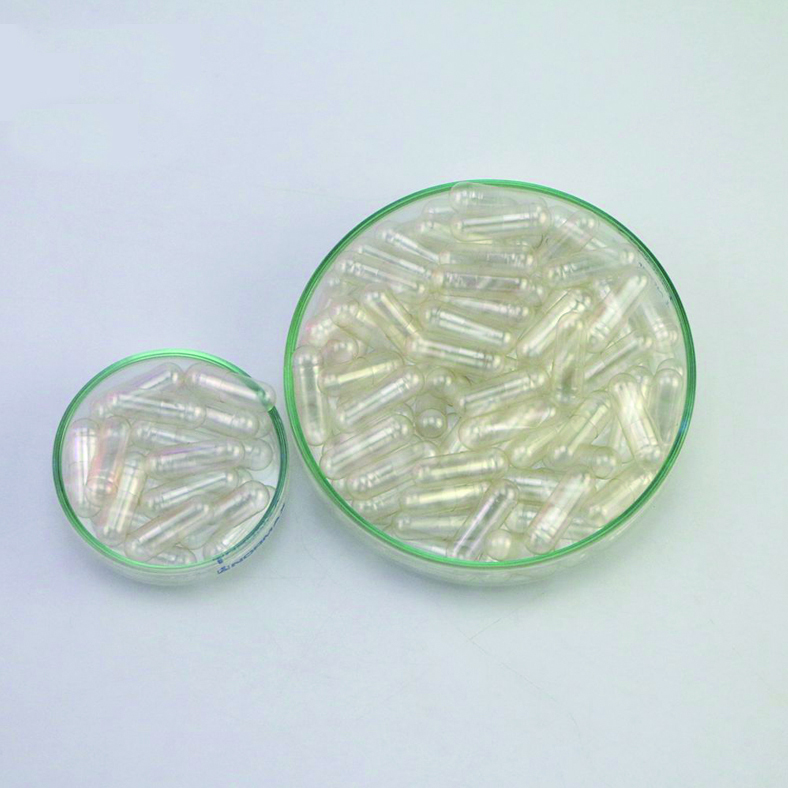
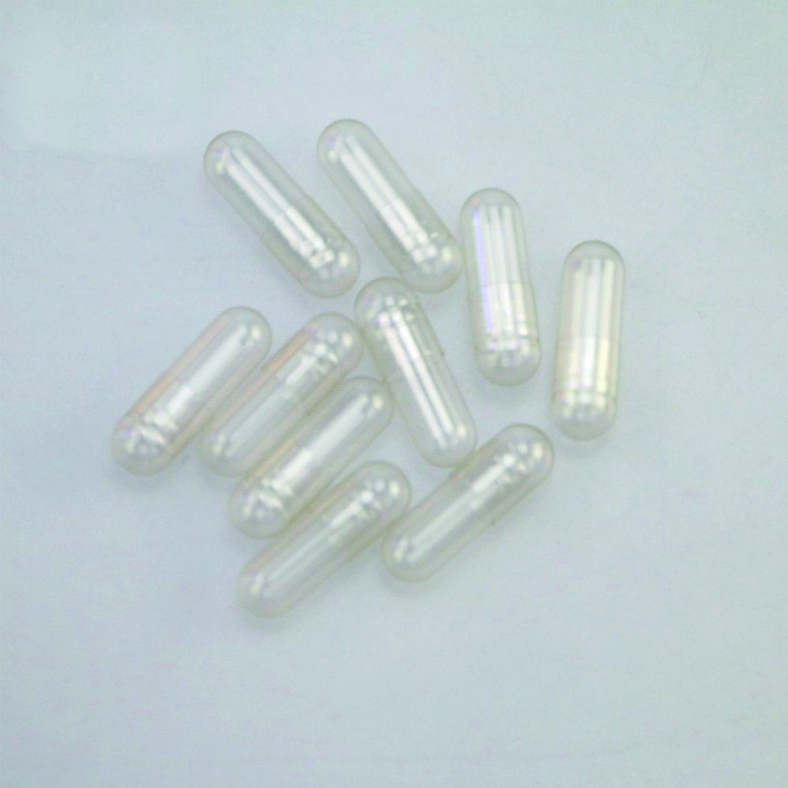
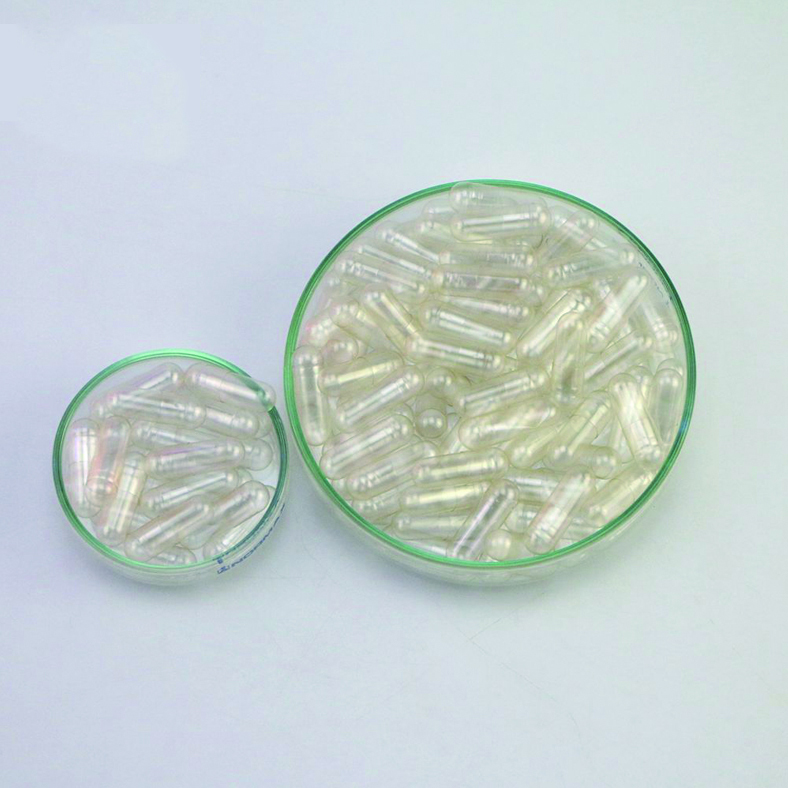
How are empty CLEAR VEGETABLE CAPSULE SIZE 0 made?
2025-10-04
Understanding the production of empty clear vegetable capsules, particularly capsule size 0, often involves unraveling some industry nuances and misconceptions. Many assume these capsules are simple shells, but their creation requires precise engineering and strict quality controls. Let’s delve into the making process, reflecting my observations and experiences within the field, particularly at sophisticated manufacturing sites like those operated by Suqian Kelaiya International Trading Co., Ltd.

Material Selection
The journey begins with choosing the right materials. Clear vegetable capsules are commonly made from hydroxypropyl methylcellulose (HPMC), a polymer derived from cellulose. It’s favored for being vegetarian-friendly and allowing easy digestion. One might think all cellulose is the same, but quality varies significantly. At Suqian Kelaiya corp., the procurement team carefully selects suppliers and conducts rigorous tests to ensure the input stands up to the highest standards.
However, even with high-quality cellulose, factors like humidity and storage conditions can affect the manufacturing process. I’ve seen entire batches go awry due to insufficient control over environmental variables, emphasizing the need for stringent facility management. The two manufacturing sites in Zhejiang and Jiangsu are equipped with advanced climate control systems to mitigate these risks.
Beyond HPMC, there’s an ongoing evaluation of alternative materials like pullulan, which some argue provide better oxygen permeability. Yet, experience has shown that market acceptance can lag behind technological advancement, posing challenges for widespread adoption.
Manufacturing Process
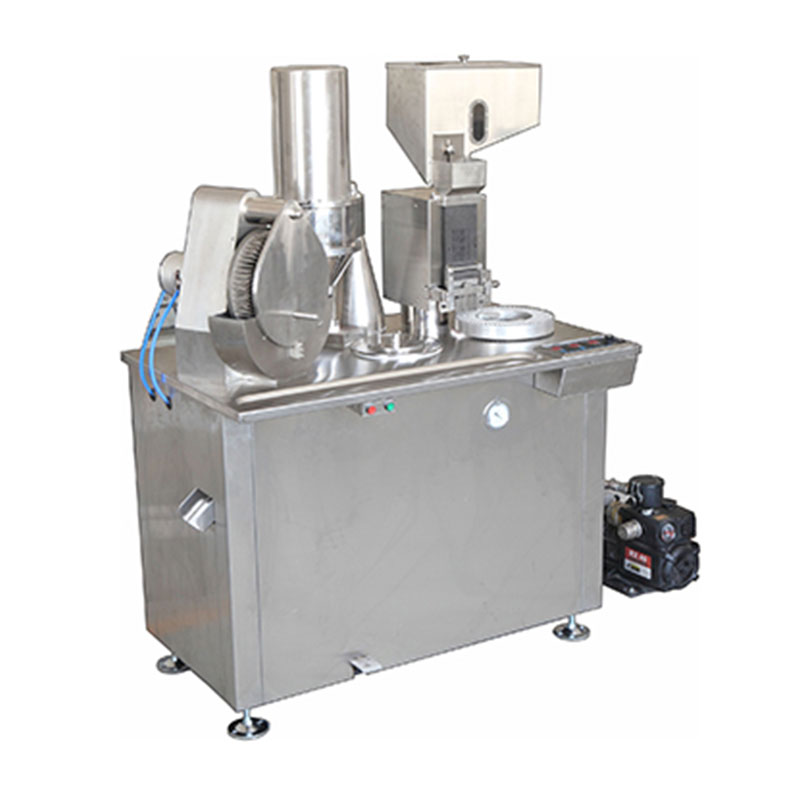
The manufacturing starts with mixing HPMC in water to form a slurry. The temperature, mixing speed, and even the order of operations can impact viscosity, directly affecting capsule consistency. It’s more of an art than a science, requiring skill and intuition. I’ve seen operators at Suqian Kelaiya adjust machines by ‘feel’, something only years of experience can teach.
After primary mixing, the slurry is transferred to molding pins that shape the capsules. Precision is crucial; slight deviations in mold size can lead to fit issues. The multi-stage drying process here is pivotal. Moisture control ensures capsules are sturdy yet dissolvable. A perfect balance between robustness and solubility needs constant vigilance, something I’m often reminded of when minor lapses cause delays and product issues.
But then there’s the inspection process. I recall days spent in the quality assurance lab, scrutinizing capsules for defects. Advances in optical inspection technology have helped tremendously, yet the human eye remains indispensable in catching subtle flaws that machines may overlook.
Quality Assurance and Testing
Commitment to quality doesn’t end at production. Each batch undergoes rigorous testing for weight, moisture content, and dissolution rates. For Suqian Kelaiya, where standards are non-negotiable, an extra layer of checks is done in-house before any third-party validation.
Testing doesn’t just confirm quality; it allows for refining processes. After analyzing monthly reports, I’ve been part of teams that revisit methods, tweak machines, and even suggest design innovations. It’s a continuous cycle of improvement that keeps us competitive.
However, challenges arise, particularly with maintaining consistency across large orders. Even with the best equipment and protocols, process deviations can happen, underscoring the importance of skilled technicians and continuous training programs at Suqian Kelaiya.
Packaging and Logistics
Once cleared, capsules are packaged in sterile conditions. Details matter here too. Packaging must protect against moisture and be tamper-evident without sacrificing ease of use. It’s a delicate dance between durability and functionality.
But manufacturing is only half the story. Logistics, often underestimated, plays a vital role. Capsules are sensitive to temperature and handling, requiring specialized solutions for transportation. I’ve witnessed firsthand the challenges of shipping during humid seasons, necessitating strategic planning and robust partnerships with courier services.
At Suqian Kelaiya, the integration of modern logistics software streamlines tracking and management, a key factor in maintaining our reputation for timely deliveries. As the logistics manager often quips, “The capsule is only as good as its journey to the customer.”
Future Trends and Innovations
Looking ahead, the quest for greater sustainability and efficiency introduces new challenges and opportunities. Biodegradable materials, automated production lines, and smart packaging are domains ripe for innovation.
Yet, the adoption curve is steep. I’ve joined discussions where potential trade-offs between cost and sustainability spark intense debate. Navigating these complexities requires not just foresight but a willingness to explore uncharted territories.
Partnering with institutions and participating in industry consortia, as Suqian Kelaiya frequently does, provides vital insights into future trends. The company’s active role in fostering innovation and adherence to best practices ensures it remains at the forefront of capsule manufacturing.