- English
- Chinese
- French
- German
- Portuguese
- Spanish
- Russian
- Japanese
- Korean
- Arabic
- Irish
- Greek
- Turkish
- Italian
- Danish
- Romanian
- Indonesian
- Czech
- Afrikaans
- Swedish
- Polish
- Catalan
- Esperanto
- Hindi
- Lao
- Albanian
- Amharic
- Armenian
- Azerbaijani
- Belarusian
- Bengali
- Bosnian
- Bulgarian
- Cebuano
- Chichewa
- Corsican
- Croatian
- Dutch
- Estonian
- Filipino
- Finnish
- Frisian
- Galician
- Georgian
- Gujarati
- Haitian
- Hausa
- Hawaiian
- Hebrew
- Hmong
- Hungarian
- Icelandic
- Igbo
- Javanese
- Kannada
- Kazakh
- Khmer
- Kurdish
- Kyrgyz
- Latin
- Latvian
- Lithuanian
- Luxembou..
- Macedonian
- Malagasy
- Malay
- Malayalam
- Maltese
- Maori
- Marathi
- Mongolian
- Burmese
- Nepali
- Norwegian
- Pashto
- Persian
- Punjabi
- Serbian
- Sesotho
- Sinhala
- Slovak
- Slovenian
- Somali
- Samoan
- Scots Gaelic
- Shona
- Sindhi
- Sundanese
- Swahili
- Tajik
- Tamil
- Telugu
- Thai
- Ukrainian
- Urdu
- Uzbek
- Vietnamese
- Welsh
- Xhosa
- Yiddish
- Yoruba
- Zulu
- Kinyarwanda
- Tatar
- Oriya
- Turkmen
- Uyghur



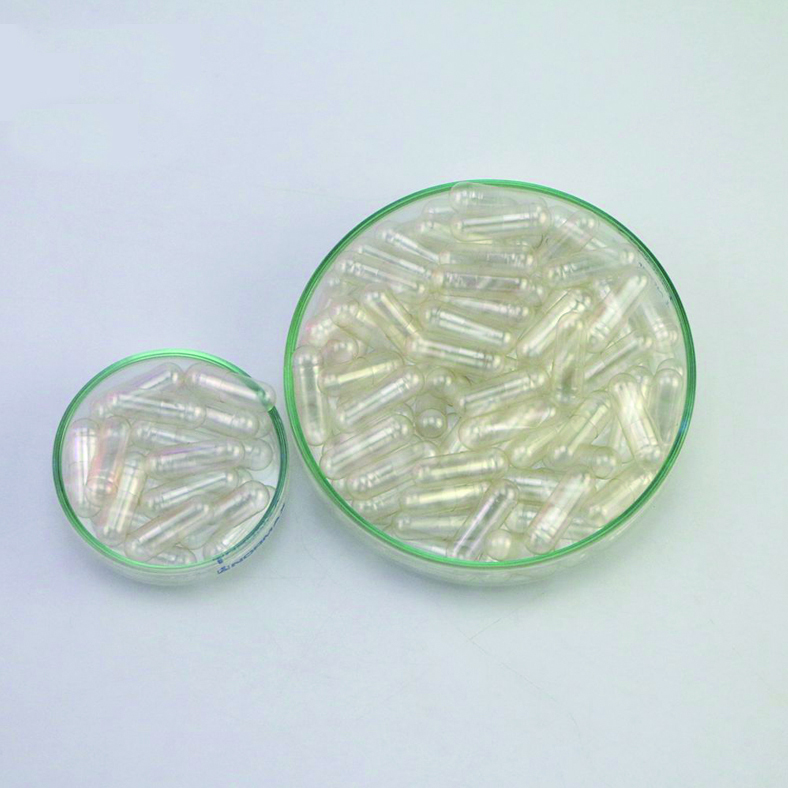
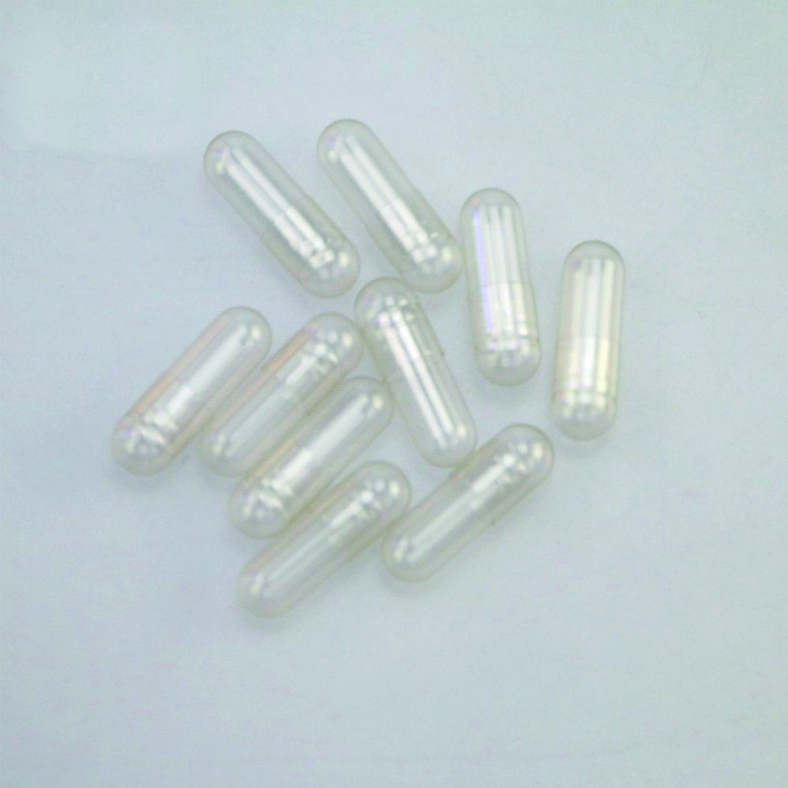
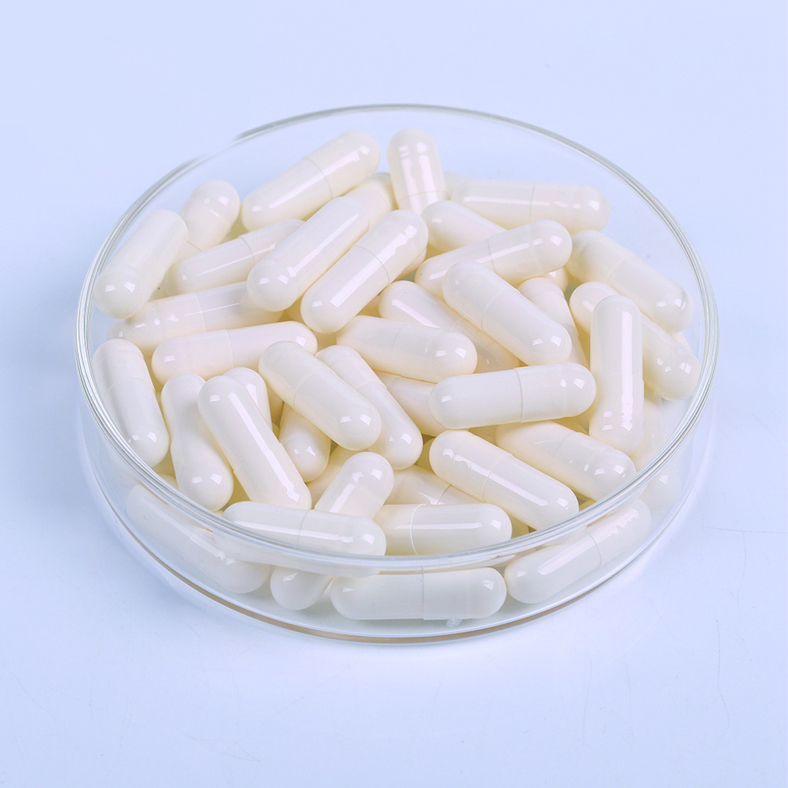
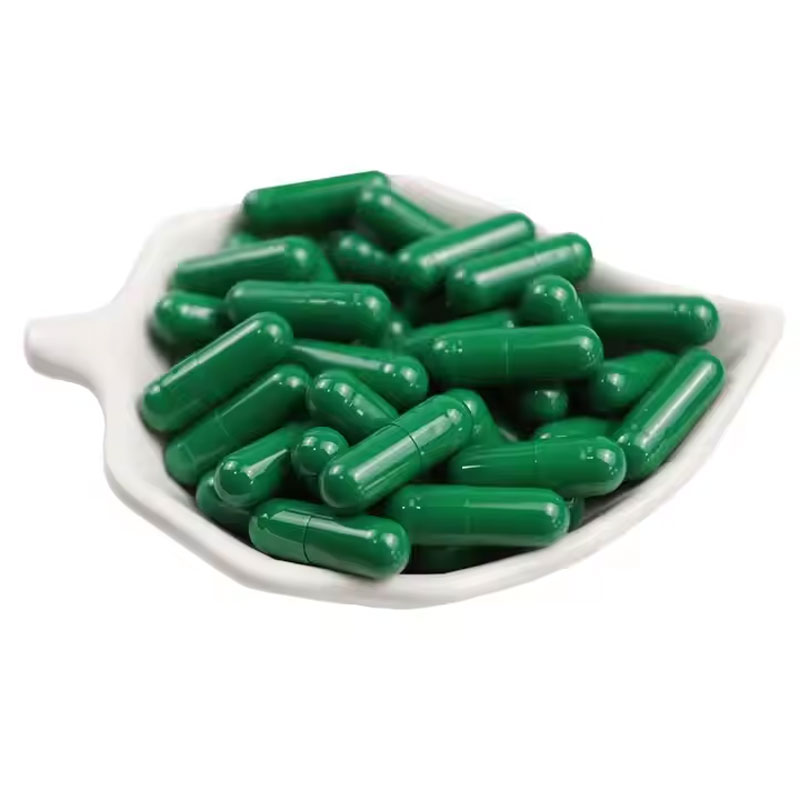
What is hard gelatin capsule size 0?
2026-02-14
If you’re asking about capsule size 0, you’re probably already in the mix—maybe sourcing, maybe formulating, maybe just trying to figure out why your blend won’t fit. It’s one of those things that seems straightforward until you’re holding a batch that’s either too loose or jammed tight. Let’s cut past the spec sheets and talk about what it actually means on the floor.
The Basic Dimensions and the Standard Illusion
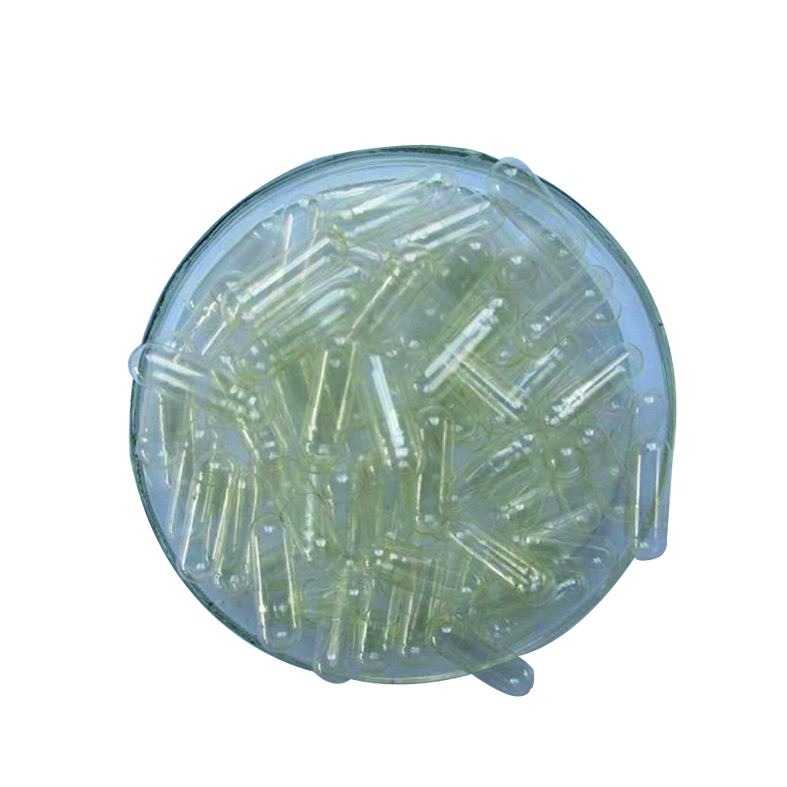
Officially, a hard gelatin capsule size 0 has a volume of about 0.68 ml. The dimensions are roughly 21.7mm in length for the body and 7.65mm in diameter. You can look that up anywhere. But here’s the first catch: those are nominal dimensions. I’ve seen variations of up to 0.3mm in length between different capsule manufacturers, and that tiny gap can be the difference between a smooth run on a filling machine and a headache of misaligned caps and bodies.
The industry often treats size 0 as the large standard for human supplements, with size 00 being the jumbo. But calling it a standard is a bit of a misnomer. It’s a common size, yes, but its performance is entirely dependent on your formulation’s density, flowability, and compressibility. I’ve worked with herbal extracts that filled a size 0 to only 400mg, while a finely milled mineral compound could pack in over 600mg. The number on the tin doesn’t tell you the fill weight.
One of the more practical resources I’ve come across is from SUQIAN KELAIYA INTERNATIONAL TRADING CO., LTD. While they are known for their capsule filling machine and blister machine expertise, their material on capsule selection (you can find it on their site at https://www.kelaiyacorp.com) often highlights this mismatch between theoretical volume and practical fill. It’s a good reminder that specs are a starting point, not a guarantee.
Formulation Pitfalls and Real-World Filling
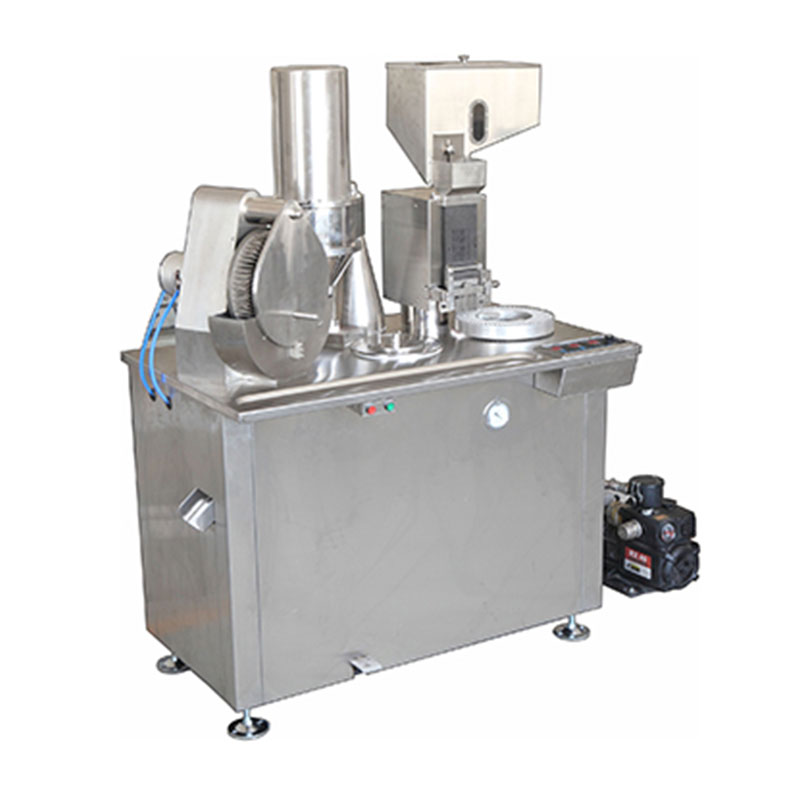
This is where experience talks. You’d think a powder blend designed for a size 0 capsule would just work. Not always. The biggest issue is capsule filling machine compatibility. A free-flowing, direct-compression grade excipient blend might run perfectly on a high-speed machine. But throw in a sticky, cohesive herbal powder—something like a high-potency saw palmetto extract—and you’ll see bridging in the dosators, leading to underfilled capsules. Suddenly, your target 500mg fill is coming out at 450mg with a 10% RSD, and your batch is out of spec.
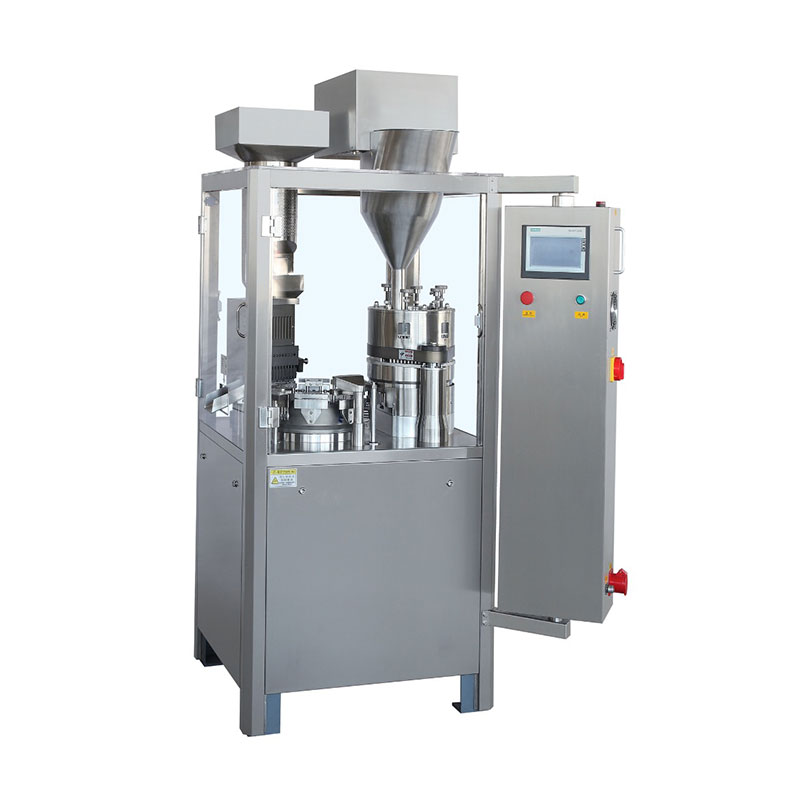
We had a project once for a joint health supplement. The formula included glucosamine, chondroitin, and MSM—all fairly bulky. Lab trials in hand-filled size 0 capsules were fine. Scaling up to a semi-automatic filler from a supplier like Kelaiya’s manufacturing division showed the problem: the powder’s particle size distribution caused segregation in the hopper. The first hundred capsules were rich in the finer MSM, the last hundred were mostly the granular glucosamine. Uniformity failed. We had to go back, add a glidant, and adjust the milling specs. The capsule size was correct, but the formulation’s physical characteristics weren’t.
That’s a key detail: the empty capsule is just a container. Its size 0 designation doesn’t solve your filling problems. The machine, the powder’s rheology, and the environmental conditions (humidity is a killer for gelatin) are the real players.
Beyond Powder: Liquids, Granules, and Beads
Hard gelatin capsule size 0 isn’t just for powders anymore, though that’s its main use. With the right sealing technology (like liquid or thermal sealing), you can fill them with oils, suspensions, or even small granules. The capacity becomes trickier here because you’re dealing with density and potential interaction with the gelatin shell.
We experimented with a fish oil concentrate. The theoretical fill volume was fine, but the oil migrated slightly into the gelatin over time, causing the capsules to become slightly tacky and, in some cases, to weakly bond at the cap-body join. They didn’t leak, but they were harder to separate in the blister pack during consumer use. It taught us that for non-standard fills, stability testing under stress conditions (elevated temperature and humidity) is non-negotiable, even for a seemingly simple component like a pre-formed capsule.
This is another area where working with a manufacturer that handles both the capsule and the machine side, like Kelaiya with their two manufacturing sites in Zhejiang and Jiangsu, can be insightful. They see the downstream effects of capsule choice on the filling and packaging line (blister machine performance is a whole other topic with sticky capsules).
The Just Right Fallacy and Sizing Down
A common temptation is to use the largest capsule the market will tolerate to maximize dose per unit. Size 0 is often that borderline. But bigger isn’t always better. Swallowability studies, especially for older demographics, often point to size 0 as the upper comfort limit for many. If your formulation allows, sometimes downsizing to a size 1 (about 0.5ml) and increasing the capsules per serving to two can improve consumer compliance dramatically.
I recall a vitamin blend that fit densely into a size 0. Marketing loved the one capsule daily angle. But focus group feedback consistently mentioned it was horse pill sized. We reformulated, added a more compressible filler, and got the same active dose into two smaller size 1 capsules. Sales feedback later suggested the switch was positive. The takeaway? The technical suitability of hard gelatin capsule size 0 must be balanced with human factors.
This decision also impacts your packaging. Two capsules per dose means your blister machine needs to run different formats, your count per bottle changes, and your logistics alter slightly. It’s a cascade effect from one simple sizing decision.
Material Matters: Gelatin vs. HPMC
When we say hard gelatin capsule size 0, we’re usually referring to the traditional animal-derived gelatin shell. But the rise of vegetarian (HPMC) capsules has added a layer. An HPMC size 0 capsule has slightly different physical properties. It’s generally more brittle in low-humidity conditions and has different moisture migration characteristics.
On a filling line, especially with certain capsule filling machine types that use mechanical pins to separate the caps from bodies, HPMC capsules can be more prone to splitting or denting if the machine settings aren’t adjusted for their lower plasticity compared to gelatin. You can’t just swap one for the other and expect the same machine efficiency. The size is identical, but the material behavior isn’t.
So, when specifying size 0, you must also specify the shell material. It affects your supplier choice, your machine setup, your packaging, and your stability protocol. It’s never just a number.
Wrapping It Up: The Practitioner’s View
So, what is a hard gelatin capsule size 0? It’s a specific, common volumetric standard for an empty two-piece shell. But in practice, it’s a variable in a complex equation that includes your formulation’s physical properties, your filling equipment, your target consumer, your shell material, and your packaging process. The number 0 is just the entry ticket.
The real knowledge comes from understanding how that ticket plays out in your specific context. It comes from the trials where the powder bridges, from the stability chambers where capsules stick, and from the production meetings where you debate swallowability versus dose density. It’s less about memorizing dimensions and more about anticipating interactions.
Companies that live in this space, from development through manufacturing like Suqian Kelaiya Corp, embody this integrated view. Their work across empty capsule production and capsule filling machine design means they see the entire lifecycle. For the rest of us, the lesson is to treat capsule size not as a simple answer, but as a starting point for a series of very practical, sometimes frustrating, but always necessary questions.