- English
- Chinese
- French
- German
- Portuguese
- Spanish
- Russian
- Japanese
- Korean
- Arabic
- Irish
- Greek
- Turkish
- Italian
- Danish
- Romanian
- Indonesian
- Czech
- Afrikaans
- Swedish
- Polish
- Catalan
- Esperanto
- Hindi
- Lao
- Albanian
- Amharic
- Armenian
- Azerbaijani
- Belarusian
- Bengali
- Bosnian
- Bulgarian
- Cebuano
- Chichewa
- Corsican
- Croatian
- Dutch
- Estonian
- Filipino
- Finnish
- Frisian
- Galician
- Georgian
- Gujarati
- Haitian
- Hausa
- Hawaiian
- Hebrew
- Hmong
- Hungarian
- Icelandic
- Igbo
- Javanese
- Kannada
- Kazakh
- Khmer
- Kurdish
- Kyrgyz
- Latin
- Latvian
- Lithuanian
- Luxembou..
- Macedonian
- Malagasy
- Malay
- Malayalam
- Maltese
- Maori
- Marathi
- Mongolian
- Burmese
- Nepali
- Norwegian
- Pashto
- Persian
- Punjabi
- Serbian
- Sesotho
- Sinhala
- Slovak
- Slovenian
- Somali
- Samoan
- Scots Gaelic
- Shona
- Sindhi
- Sundanese
- Swahili
- Tajik
- Tamil
- Telugu
- Thai
- Ukrainian
- Urdu
- Uzbek
- Vietnamese
- Welsh
- Xhosa
- Yiddish
- Yoruba
- Zulu
- Kinyarwanda
- Tatar
- Oriya
- Turkmen
- Uyghur


Understanding and Using Empty Capsules
2025-08-22
This comprehensive guide explores everything you need to know about empty capsules, covering their types, uses, benefits, and considerations for safe and effective use. We’ll delve into the different sizes and materials available, discuss common applications, and offer practical advice for handling and storing empty capsules. Learn how to choose the right empty capsules for your needs and ensure their safe and proper implementation.
Types of Empty Capsules
Size and Material
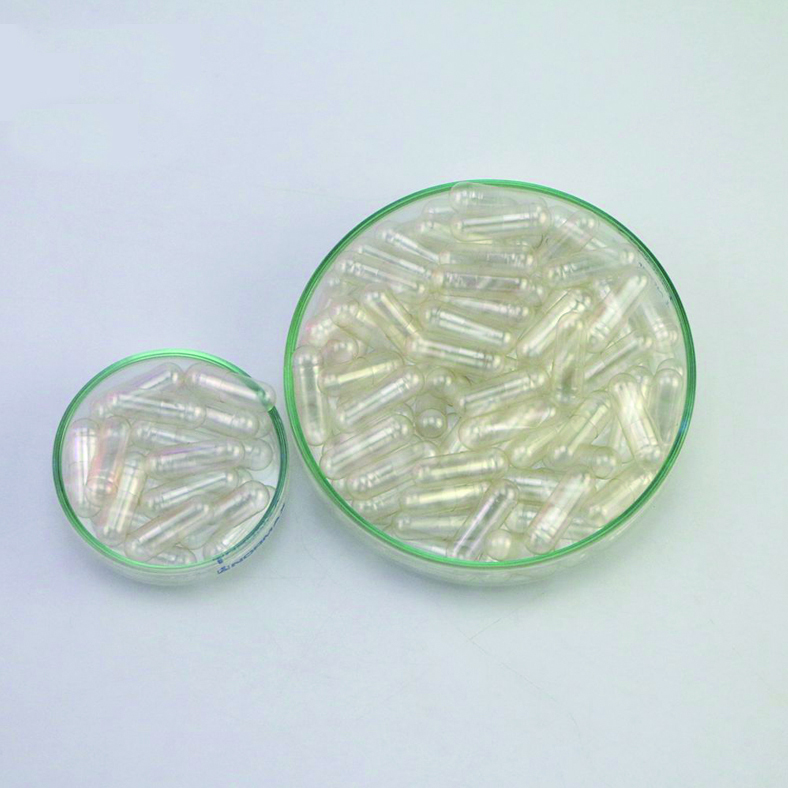
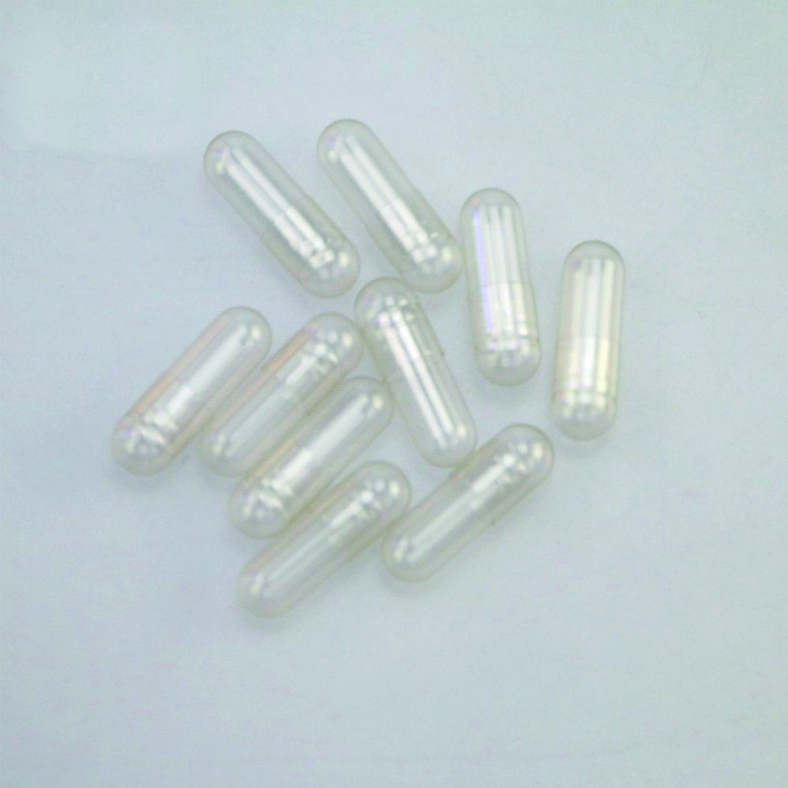
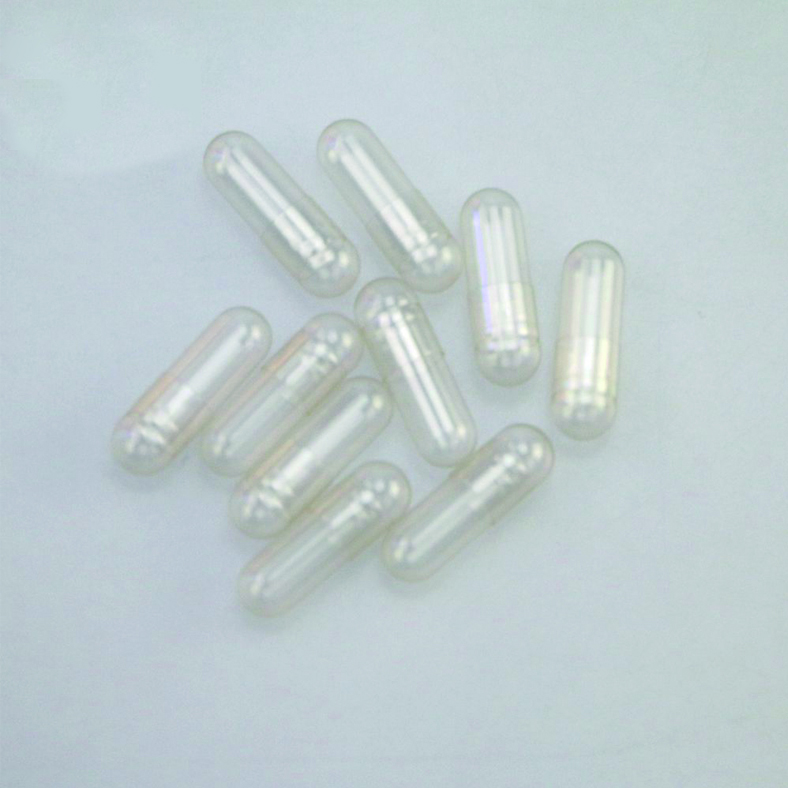
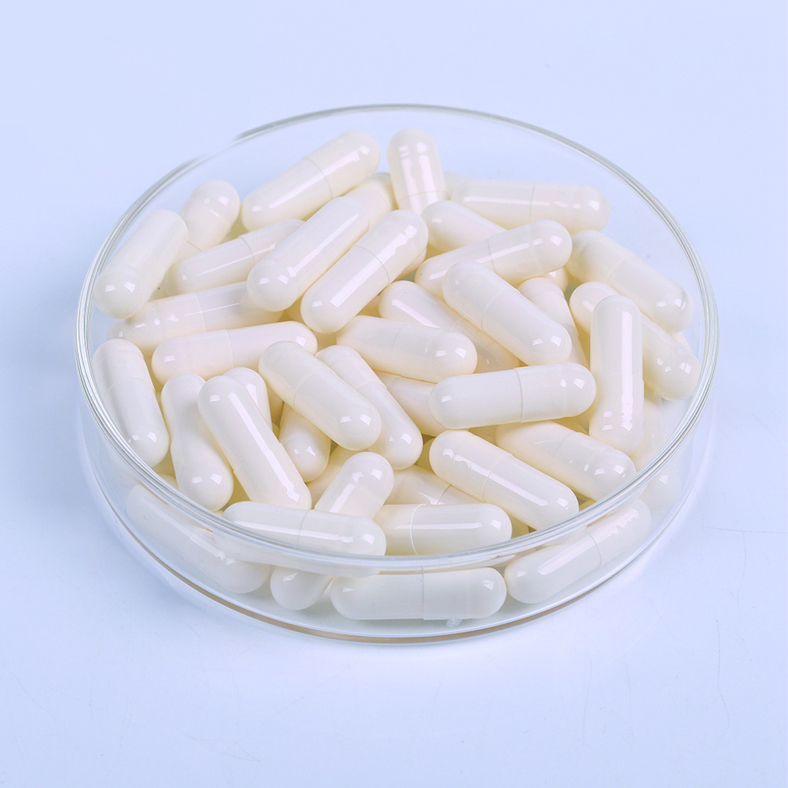
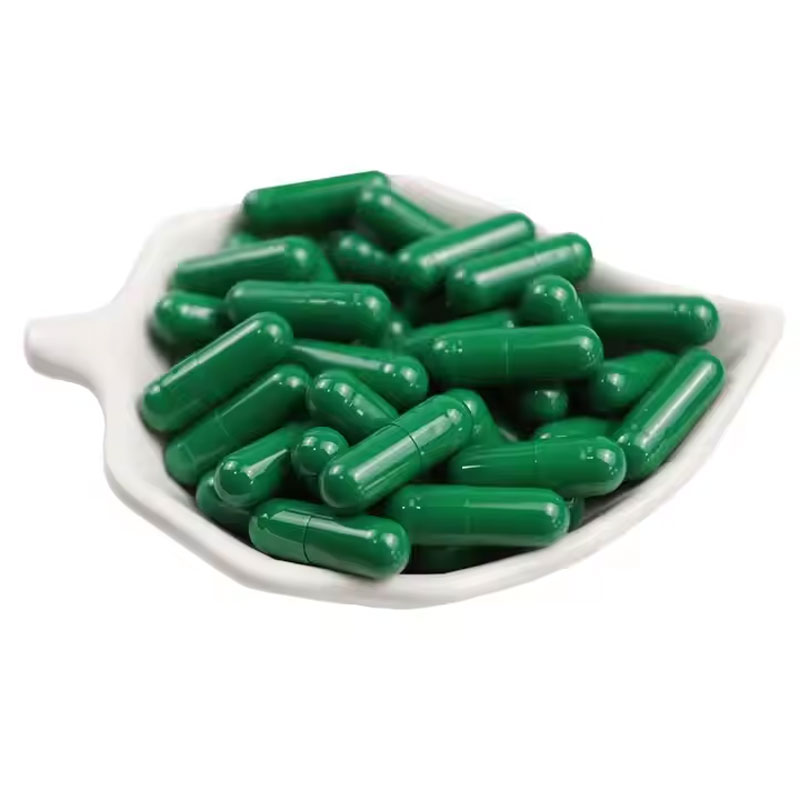
Empty capsules come in a wide variety of sizes, typically measured in 000 to 5, with 000 being the largest and 5 the smallest. This size designation corresponds to the volume of powder or other substances the capsule can hold. The most common materials are gelatin (derived from animal collagen) and vegetarian capsules made from plant-based sources like hypromellose (HPMC). Choosing the right size and material depends on the substance being encapsulated and any dietary restrictions.
Gelatin vs. Vegetarian Capsules
Gelatin capsules are generally more readily available and often less expensive. However, vegetarian capsules are a suitable alternative for individuals following vegetarian or vegan diets or those with religious restrictions. The choice between gelatin and vegetarian empty capsules primarily hinges on individual preferences and dietary needs. Many reputable suppliers offer both options. SUQIAN KELAIYA INTERNATIONAL TRADING CO., LTD is one such supplier specializing in providing high-quality empty capsules.
Uses of Empty Capsules
Supplement Encapsulation
A primary use of empty capsules is for encapsulating dietary supplements such as vitamins, minerals, herbs, and powders. This method offers convenient dosage control and mask unpleasant tastes or odors. When self-encapsulating, it’s crucial to use a clean and accurate method to ensure consistent dosage.
Medication Management
Some individuals use empty capsules to organize or manage their medications, particularly for those taking multiple medications or powders. This can improve medication adherence and reduce the risk of accidental overdose or missed doses. Always consult with a doctor or pharmacist before using empty capsules for medication management.
Other Applications
Beyond supplements and medications, empty capsules can find applications in various fields, including cosmetics, research, and even art. Their versatility allows for creative and practical applications outside traditional medical or nutritional uses. However, ensure proper safety protocols are followed when handling empty capsules for non-pharmaceutical purposes.
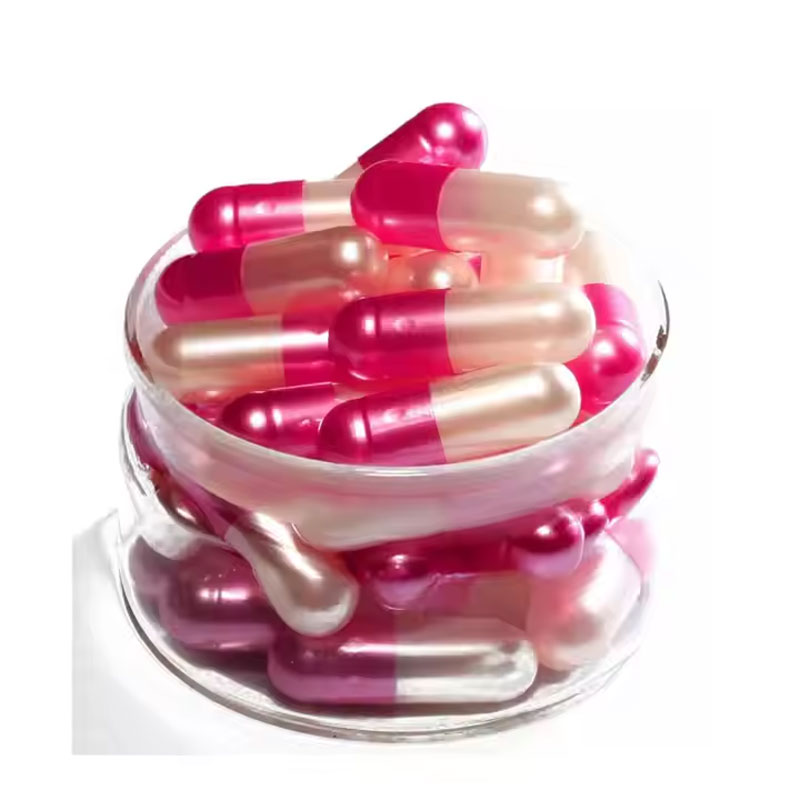
Choosing and Using Empty Capsules
Factors to Consider
When selecting empty capsules, consider the size needed to accommodate your substance, the material (gelatin or vegetarian), the quantity required, and the reputation of the supplier. Reputable suppliers will provide information on the capsule’s composition, size specifications, and any potential allergens. Remember to always purchase from trusted sources that adhere to quality control standards.
| Capsule Size | Approximate Capacity (mg) |
|---|---|
| 000 | ~1000 |
| 00 | ~750 |
| 0 | ~500 |
| 1 | ~300 |
| 2 | ~200 |
| 3 | ~100 |
| 4 | ~70 |
| 5 | ~40 |
Safety Precautions
Always handle empty capsules carefully to avoid contamination. Store them in a cool, dry place away from direct sunlight and moisture. Follow the manufacturer’s instructions for proper use and disposal.
This information is for general knowledge and does not constitute medical advice. Always consult with a healthcare professional before using empty capsules for medication or dietary supplements, especially if you have underlying health conditions or are taking other medications.
For high-quality empty capsules, consider exploring the options available at SUQIAN KELAIYA INTERNATIONAL TRADING CO., LTD.