- English
- Chinese
- French
- German
- Portuguese
- Spanish
- Russian
- Japanese
- Korean
- Arabic
- Irish
- Greek
- Turkish
- Italian
- Danish
- Romanian
- Indonesian
- Czech
- Afrikaans
- Swedish
- Polish
- Catalan
- Esperanto
- Hindi
- Lao
- Albanian
- Amharic
- Armenian
- Azerbaijani
- Belarusian
- Bengali
- Bosnian
- Bulgarian
- Cebuano
- Chichewa
- Corsican
- Croatian
- Dutch
- Estonian
- Filipino
- Finnish
- Frisian
- Galician
- Georgian
- Gujarati
- Haitian
- Hausa
- Hawaiian
- Hebrew
- Hmong
- Hungarian
- Icelandic
- Igbo
- Javanese
- Kannada
- Kazakh
- Khmer
- Kurdish
- Kyrgyz
- Latin
- Latvian
- Lithuanian
- Luxembou..
- Macedonian
- Malagasy
- Malay
- Malayalam
- Maltese
- Maori
- Marathi
- Mongolian
- Burmese
- Nepali
- Norwegian
- Pashto
- Persian
- Punjabi
- Serbian
- Sesotho
- Sinhala
- Slovak
- Slovenian
- Somali
- Samoan
- Scots Gaelic
- Shona
- Sindhi
- Sundanese
- Swahili
- Tajik
- Tamil
- Telugu
- Thai
- Ukrainian
- Urdu
- Uzbek
- Vietnamese
- Welsh
- Xhosa
- Yiddish
- Yoruba
- Zulu
- Kinyarwanda
- Tatar
- Oriya
- Turkmen
- Uyghur


The Ultimate Guide to Empty Vegetable Capsules
2025-08-26
This comprehensive guide explores everything you need to know about empty vegetable capsules, from understanding their composition and benefits to sourcing high-quality products and utilizing them effectively. We’ll cover different sizes, filling methods, and considerations for choosing the right capsules for your needs.
Understanding Empty Vegetable Capsules
What are Empty Vegetable Capsules?
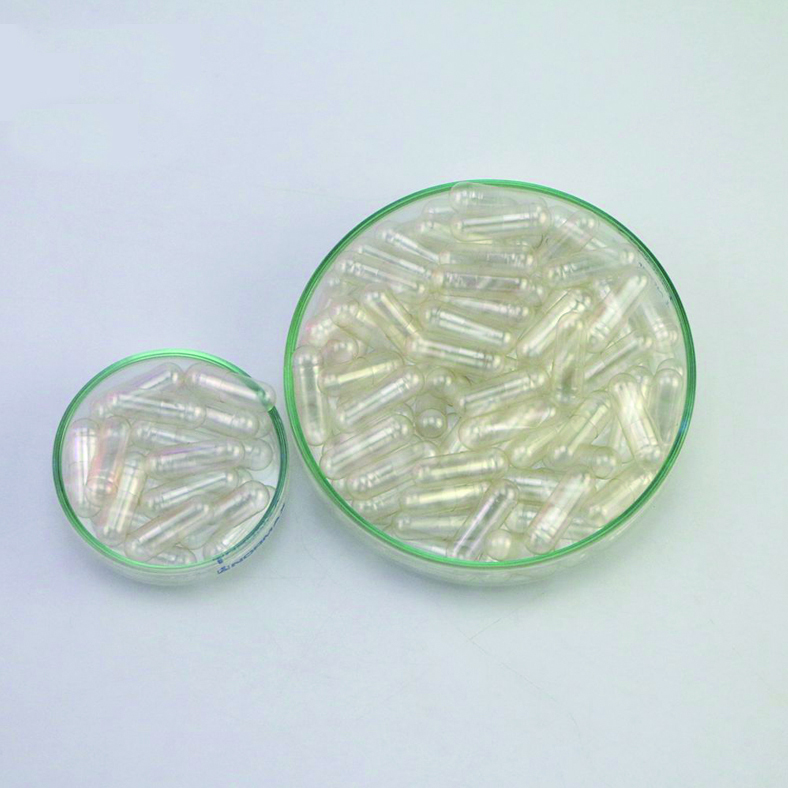
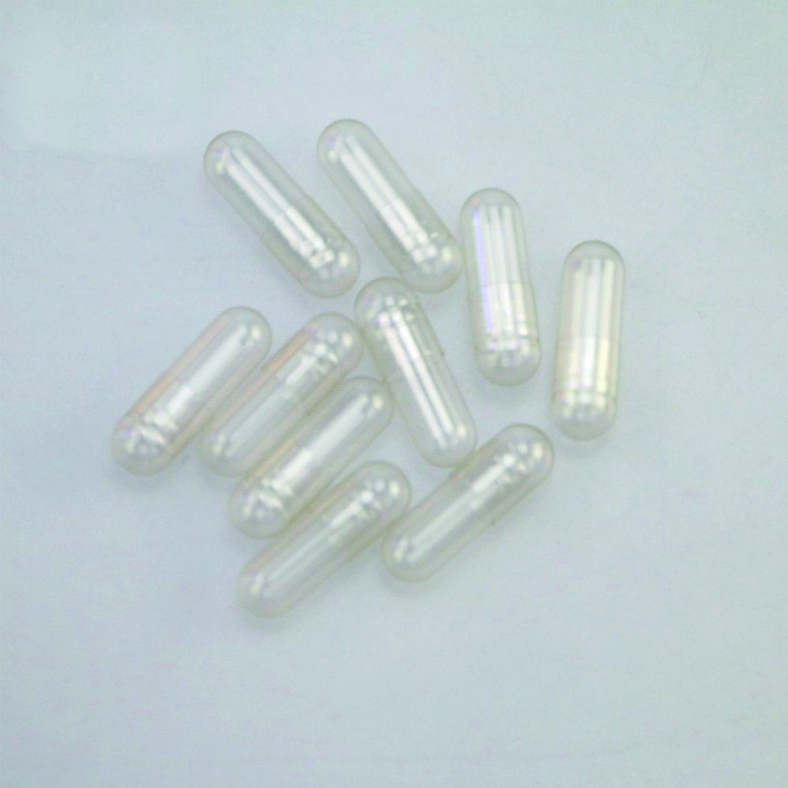
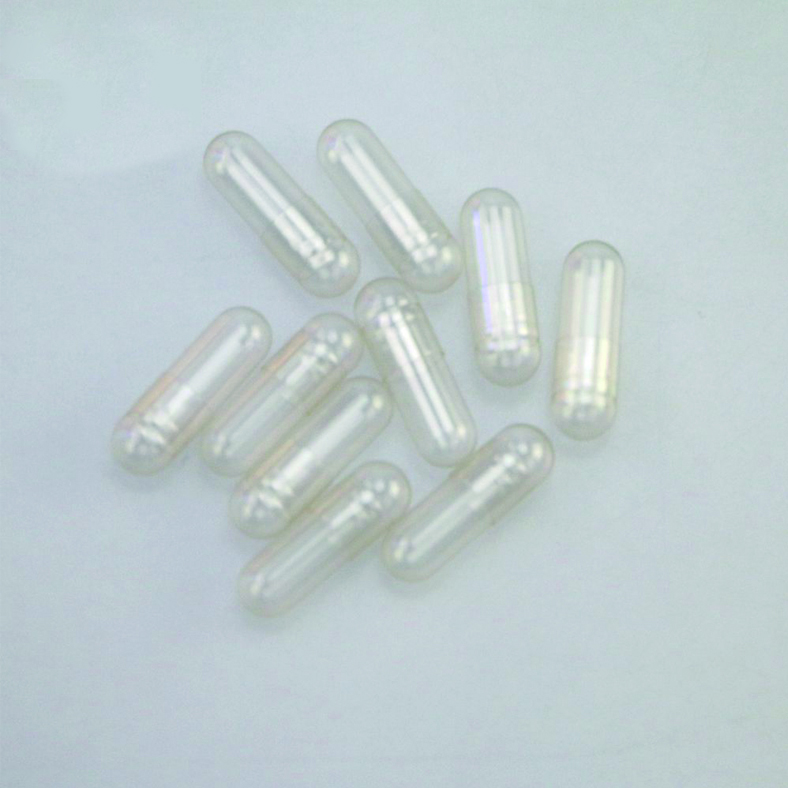
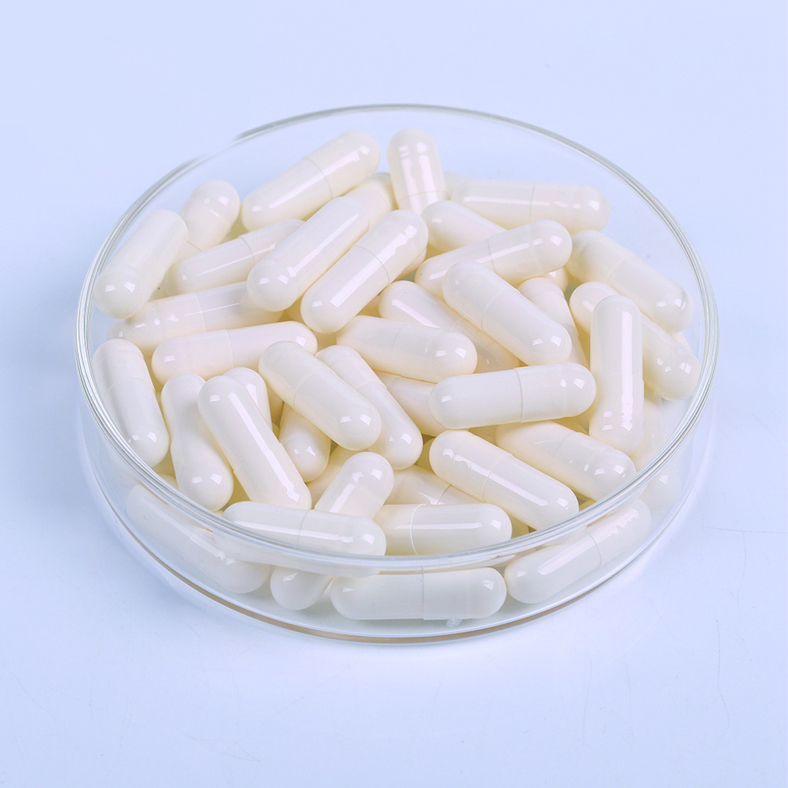
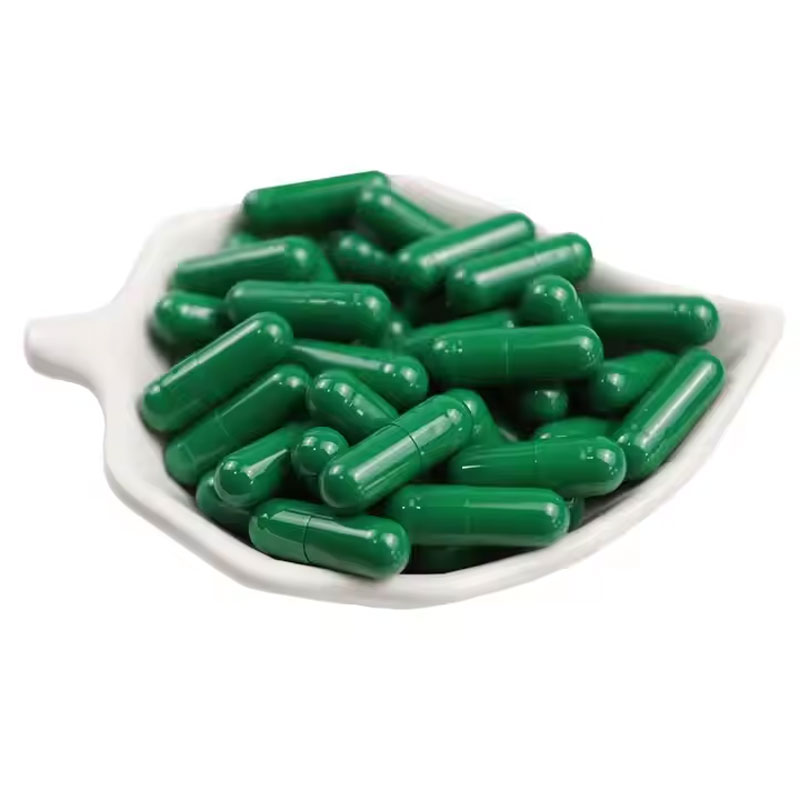
Empty vegetable capsules are small, cylindrical containers made from plant-based materials, such as hypromellose (derived from cellulose) and pullulan (derived from tapioca). Unlike gelatin capsules, they are suitable for vegetarians, vegans, and individuals with gelatin allergies. They provide a convenient way to consume powders, herbs, supplements, and other substances.
Benefits of Using Empty Vegetable Capsules
There are several advantages to choosing empty vegetable capsules over other delivery methods: They offer a convenient and discreet way to take supplements; they mask unpleasant tastes or smells; they allow for precise dosage control; and they are easily digestible and generally well-tolerated. Many people prefer empty vegetable capsules due to their vegetarian/vegan-friendly nature and lack of animal products.
Choosing the Right Empty Vegetable Capsules
Size and Capacity
Empty vegetable capsules come in various sizes, typically numbered (e.g., size 00, 0, 1, 2, 3, etc.), each representing a different capacity. The size you choose depends on the amount of material you need to encapsulate. Larger numbers indicate smaller capsule sizes and lower capacities. It is important to select a capsule size that can comfortably hold your desired filling without being overly compressed or overflowing. It’s often beneficial to experiment with a few sizes to find the perfect fit for your specific needs.
Types of Vegetable Capsules
While hypromellose is the most common material, some empty vegetable capsules are made from pullulan. Both offer excellent properties, but pullulan capsules may be better suited for certain ingredients due to their superior moisture barrier properties. Before making a purchase, check the ingredient list to ensure they meet your specific dietary requirements.
Filling Your Empty Vegetable Capsules
Methods for Filling Capsules
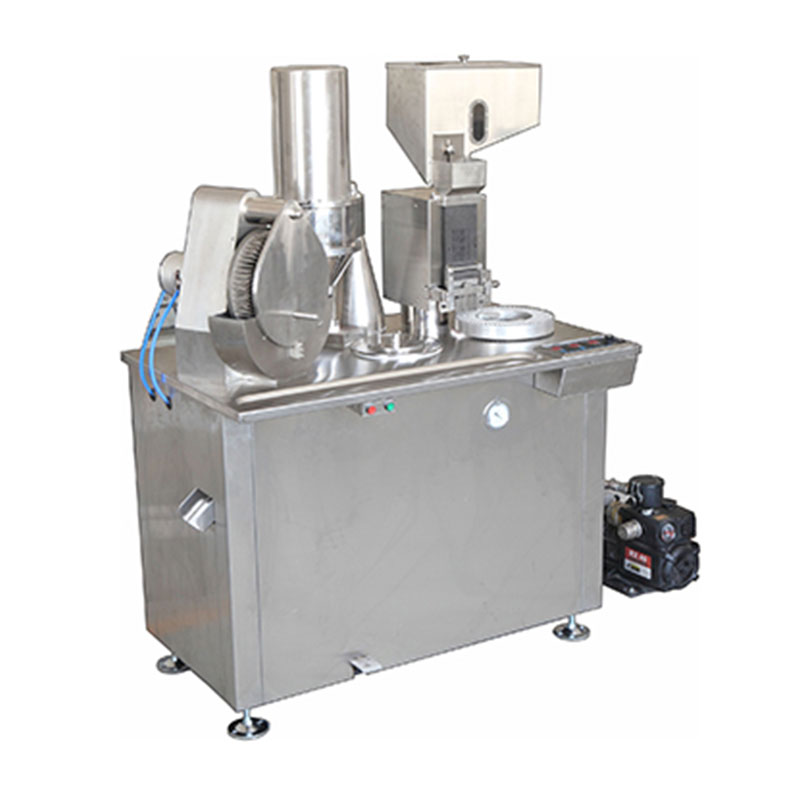
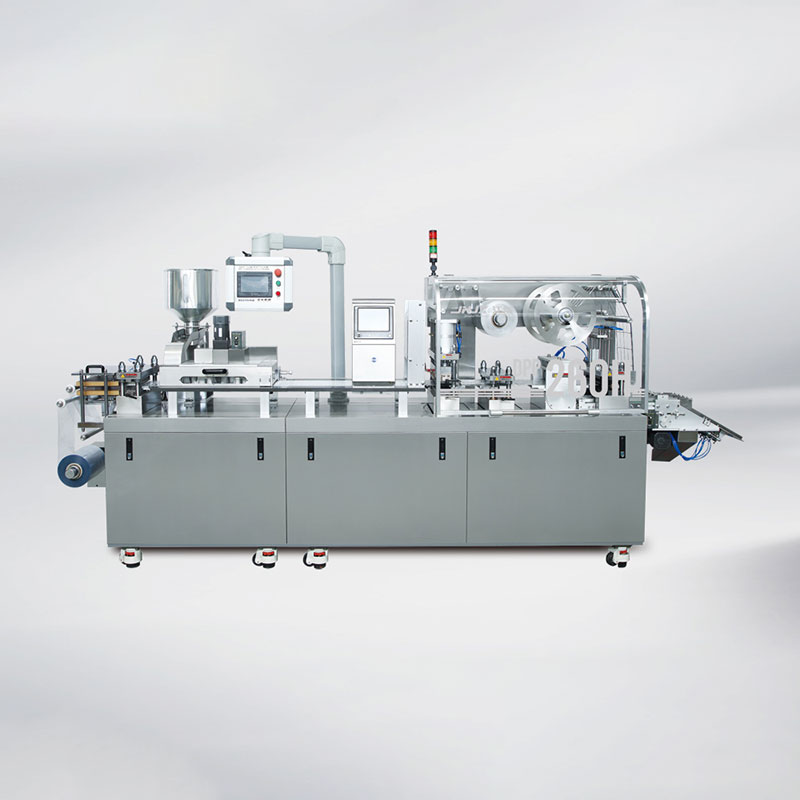
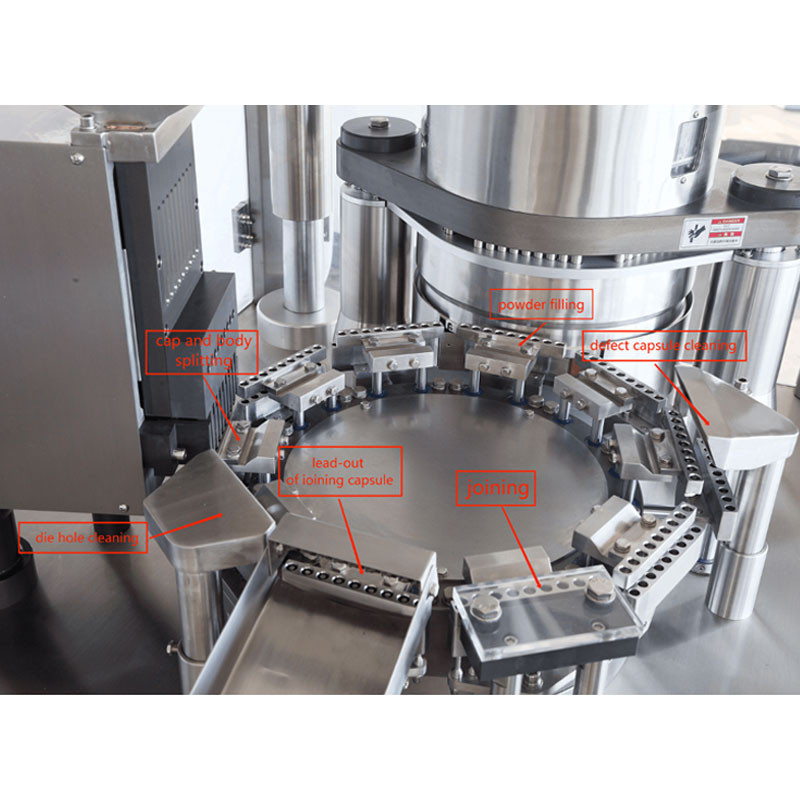
Several methods exist for filling empty vegetable capsules. Manual filling is best suited for smaller quantities, using a capsule filling machine (easily found online) allows for faster and more consistent filling, particularly for larger batches. Always ensure the capsules are properly sealed to prevent leakage. There are several tools and machines available online to assist with filling your empty vegetable capsules efficiently. Many videos showcasing the process are available on YouTube. Consider your volume needs when choosing a method.
Sourcing High-Quality Empty Vegetable Capsules
Reliable suppliers are crucial for ensuring the quality and purity of your empty vegetable capsules. Look for suppliers who offer detailed information about the capsule’s composition, manufacturing processes, and certifications. Some suppliers may offer bulk discounts, reducing the cost per capsule. Always verify the supplier’s reputation and customer reviews before placing a significant order.
For high-quality empty vegetable capsules, consider exploring reputable suppliers online. Remember to always check product reviews and compare prices before purchasing.
Frequently Asked Questions (FAQ)
Are empty vegetable capsules safe?
Yes, when sourced from reputable suppliers, empty vegetable capsules are generally safe for consumption. However, always check the ingredient list for any potential allergens.
How long do empty vegetable capsules last?
The shelf life varies depending on the manufacturer and storage conditions. Always refer to the product packaging for specific information.
Where can I buy empty vegetable capsules?
Many online retailers and specialty health food stores sell empty vegetable capsules. Consider researching suppliers who offer detailed information on their products and maintain high quality control standards.
| Capsule Size | Approximate Capacity (mg) |
|---|---|
| Size 00 | ~700 |
| Size 0 | ~500 |
| Size 1 | ~300 |
| Size 2 | ~200 |
| Size 3 | ~100 |
Note: Capacity values are approximate and may vary depending on the manufacturer.
This information is for educational purposes only and is not intended as medical advice. Always consult with a healthcare professional before making any changes to your diet or supplement regimen.