- English
- Chinese
- French
- German
- Portuguese
- Spanish
- Russian
- Japanese
- Korean
- Arabic
- Irish
- Greek
- Turkish
- Italian
- Danish
- Romanian
- Indonesian
- Czech
- Afrikaans
- Swedish
- Polish
- Catalan
- Esperanto
- Hindi
- Lao
- Albanian
- Amharic
- Armenian
- Azerbaijani
- Belarusian
- Bengali
- Bosnian
- Bulgarian
- Cebuano
- Chichewa
- Corsican
- Croatian
- Dutch
- Estonian
- Filipino
- Finnish
- Frisian
- Galician
- Georgian
- Gujarati
- Haitian
- Hausa
- Hawaiian
- Hebrew
- Hmong
- Hungarian
- Icelandic
- Igbo
- Javanese
- Kannada
- Kazakh
- Khmer
- Kurdish
- Kyrgyz
- Latin
- Latvian
- Lithuanian
- Luxembou..
- Macedonian
- Malagasy
- Malay
- Malayalam
- Maltese
- Maori
- Marathi
- Mongolian
- Burmese
- Nepali
- Norwegian
- Pashto
- Persian
- Punjabi
- Serbian
- Sesotho
- Sinhala
- Slovak
- Slovenian
- Somali
- Samoan
- Scots Gaelic
- Shona
- Sindhi
- Sundanese
- Swahili
- Tajik
- Tamil
- Telugu
- Thai
- Ukrainian
- Urdu
- Uzbek
- Vietnamese
- Welsh
- Xhosa
- Yiddish
- Yoruba
- Zulu
- Kinyarwanda
- Tatar
- Oriya
- Turkmen
- Uyghur



How do kosher vegetable capsules impact sustainability?
2025-12-13
When discussing sustainability, kosher vegetable capsules often don’t grab immediate attention. However, their role in the pharmaceutical and nutraceutical industries has deserving implications for both environmental and ethical concerns. The transition to using these capsules isn’t devoid of challenges, but understanding their impact highlights a significant shift towards more sustainable practices.
Understanding Kosher Vegetable Capsules
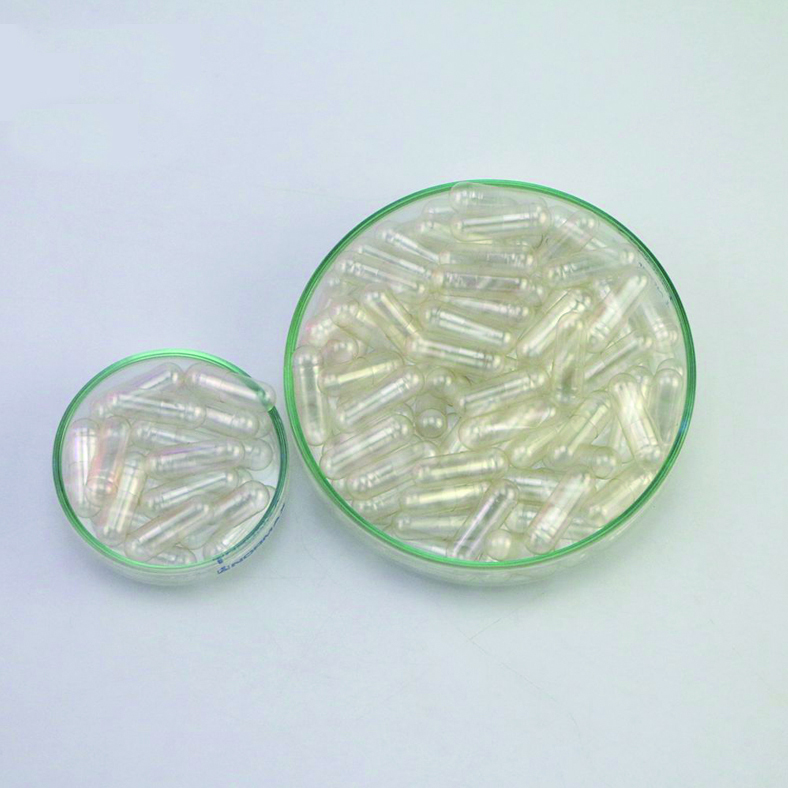
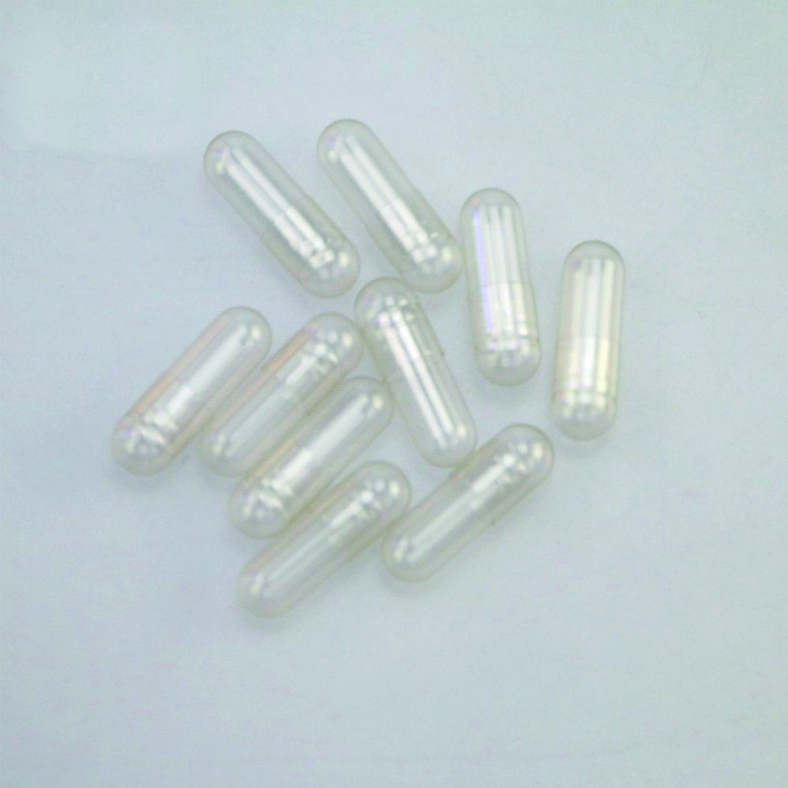
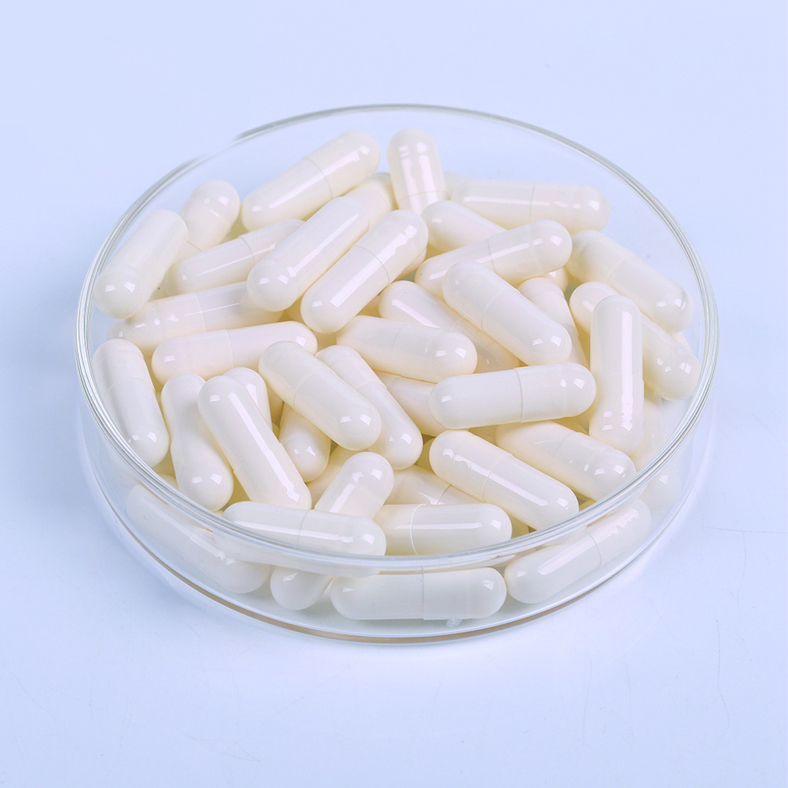
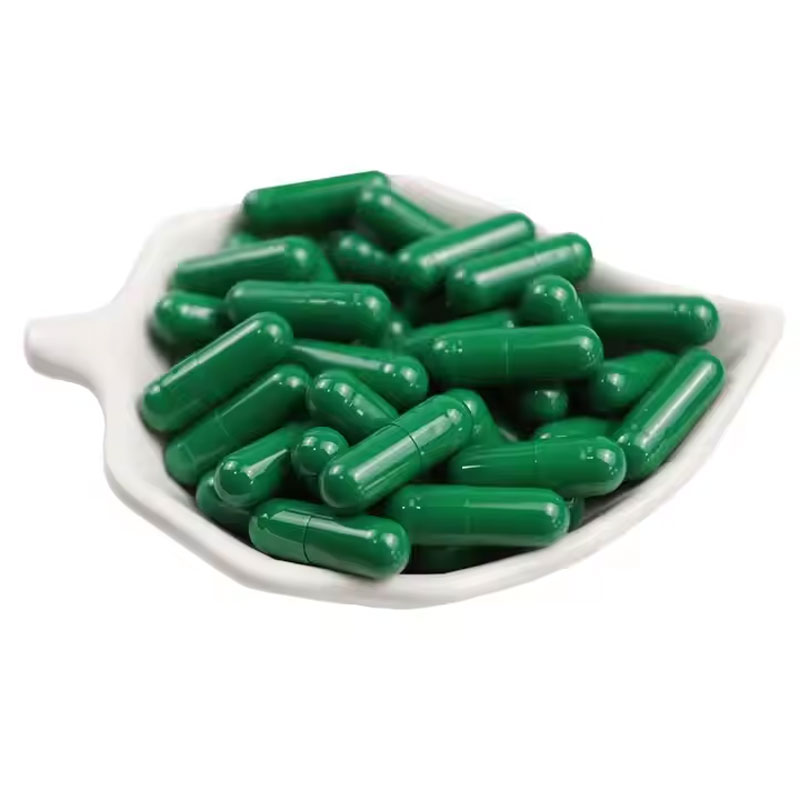
Kosher vegetable capsules are primarily made from hydroxypropyl methylcellulose (HPMC), derived from cellulose. What’s fascinating here is the partial pivot from traditional gelatin capsules, which are animal-derived, to plant-based alternatives. For consumers, it’s not just about dietary laws but also an alignment with lifestyle choices like veganism and environmental consciousness.
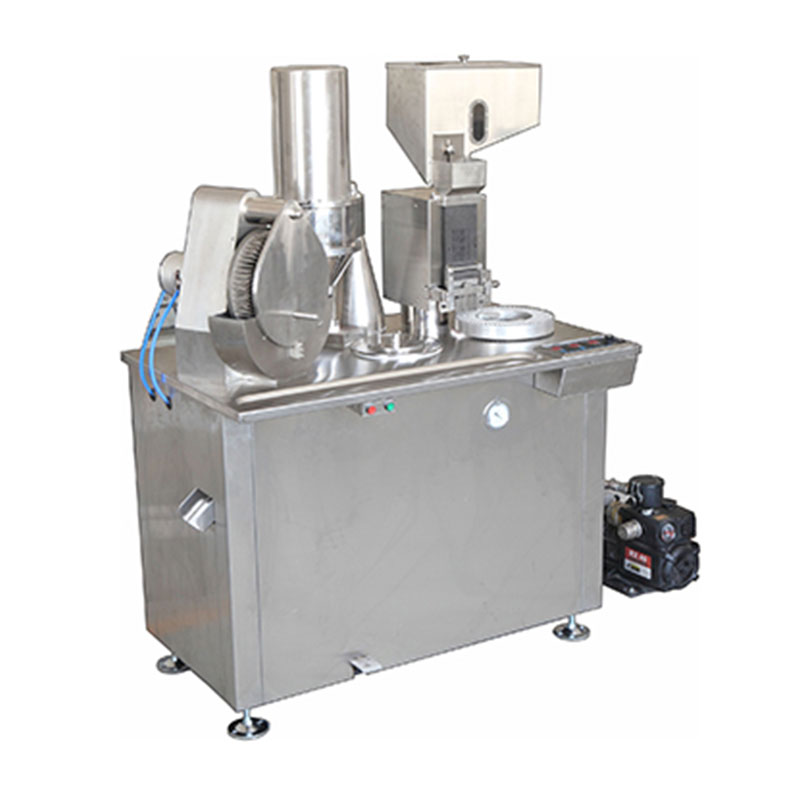
Observing the manufacturing process at companies like SUQIAN KELAIYA INTERNATIONAL TRADING CO., LTD offers insights. Their facilities in Zhejiang and Jiangsu provinces have been refining processes to enhance efficiency. There remains a distinct challenge: ensuring these capsules meet the performance standards set by the industry while staying sustainable.
Commercially, the transition is far from simple. Initial trials with plant-based alternatives revealed a consistent issue — the need for stability in various temperatures and humidity levels. However, continuous development and trials gradually overcame these setbacks, making such capsules a viable option for mass production.
Environmental Impact and Benefits
The shift from gelatin to vegetable capsules can have a significant reduction in the carbon footprint. Gelatin production involves animal agriculture, with its well-documented environmental cost. In contrast, HPMC’s plant-origin aligns with more sustainable agricultural practices.
That said, it’s crucial to examine the entire supply chain. The HPMC must come from sustainably managed forests. Here, companies like Suqian Kelaiya have taken steps to source materials responsibly, a model that’s increasingly being adopted industry-wide.
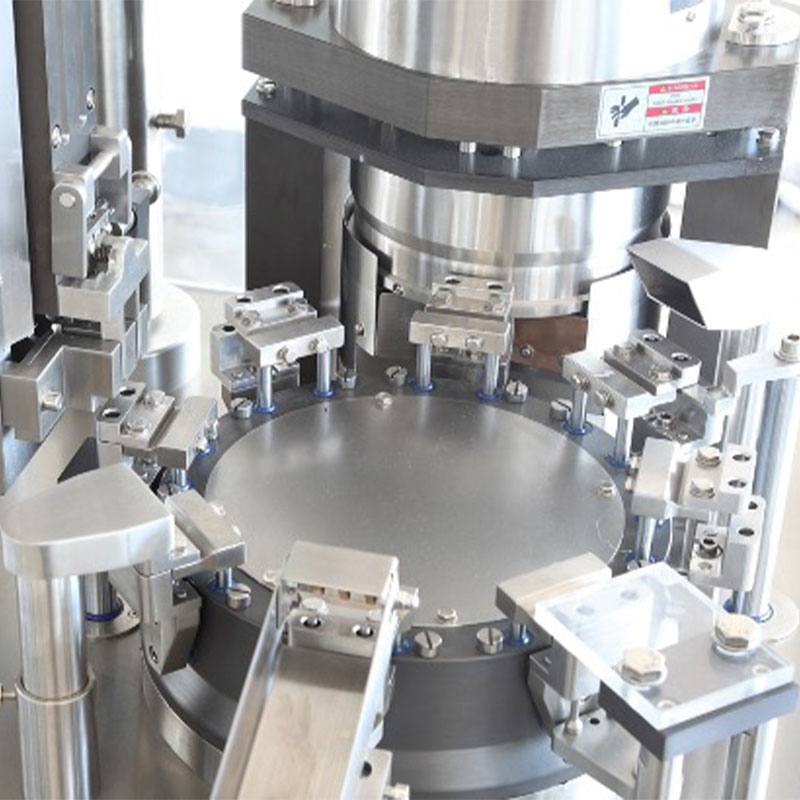
Moreover, production technologies have evolved to minimize energy consumption. At Suqian Kelaiya’s facilities, adoption of energy-efficient machinery not only reduces costs but also aligns with sustainable practices, a model that sets a standard for the industry.
The Role of Kosher Standards
Incorporating kosher standards adds another layer to the sustainability conversation. It’s not just ethical practices at play, but stringent criteria ensuring no animal-derived lubricants or additives—common in traditional manufacturing—are used.
For companies, achieving kosher certification means overhauling specific processes. This can initially increase operational costs but aligns with consumer demands for transparency and sustainability. The benefits are realized in consumer trust and expanding markets.
However, this isn’t mere self-regulation. Regular inspections by kosher certification bodies ensure adherence not just to ethical standards but indirectly to quality control measures that bolster product safety and reliability.
Market Demand and Consumer Behavior
Today’s consumer is a significant driver of change. The increasing preference for plant-based, ethically-made products is shaping industries. Kosher vegetable capsules satisfy both health-conscious and ethical consumption trends.
A practical observation is the rise of dietary supplements adopting these capsules for their brands. It’s not just about fitting a trend; these capsules often offer better adaptability for substances sensitive to moisture, a factor increasingly appreciated by manufacturers.
Industry engagement forums and consumer feedback have consistently shown a demand shift. An interesting dynamic emerges where product transparency becomes equally crucial as sustainability, a factor no company can afford to overlook.
Challenges and Opportunities
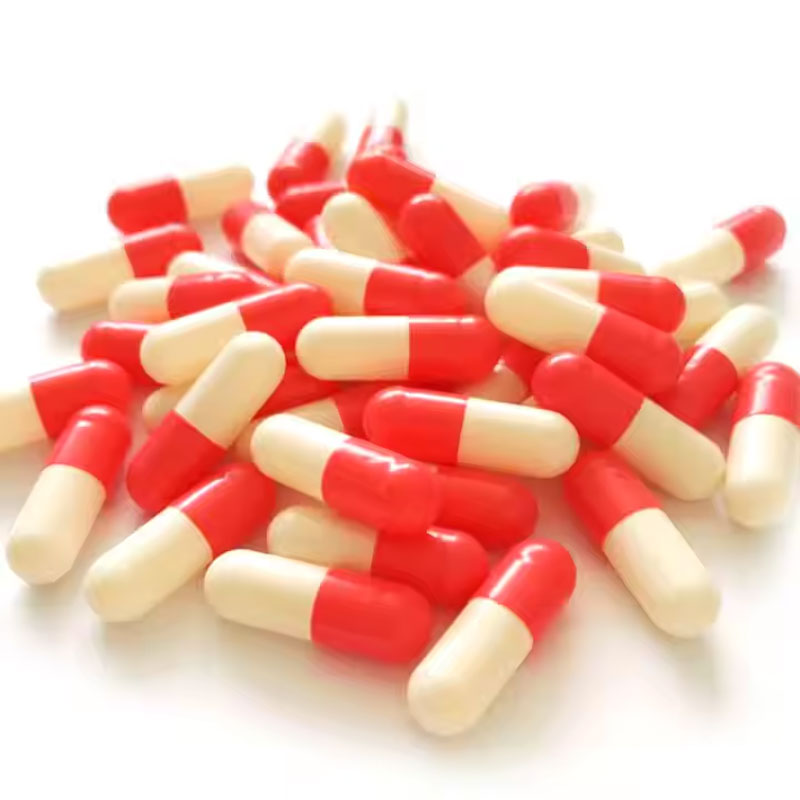
Innovation and adaptation aren’t free of setbacks. Early formulators faced issues with HPMC capsules’ dissolution times. Such technical hurdles required extensive research and development, sometimes increasing initial production costs.
Still, what we observe now is a refined product with widely tested reliability. Companies like Suqian Kelaiya invest in R&D for continuous improvements. This paves the way not only for efficiency but for further integration of environmentally friendly practices across the industry.
Looking forward, partnerships and open-source knowledge sharing among manufacturers could enhance the speed and scale of sustainability transitions. It’s an opportunity waiting to be fully tapped.
In conclusion, while the shift towards kosher vegetable capsules presents challenges, the long-term sustainability benefits hold undeniable value. The industry is evolving, and those adapting quickly, driven by both consumer demands and ethical imperatives, will likely define its future trajectory.