- English
- Chinese
- French
- German
- Portuguese
- Spanish
- Russian
- Japanese
- Korean
- Arabic
- Irish
- Greek
- Turkish
- Italian
- Danish
- Romanian
- Indonesian
- Czech
- Afrikaans
- Swedish
- Polish
- Catalan
- Esperanto
- Hindi
- Lao
- Albanian
- Amharic
- Armenian
- Azerbaijani
- Belarusian
- Bengali
- Bosnian
- Bulgarian
- Cebuano
- Chichewa
- Corsican
- Croatian
- Dutch
- Estonian
- Filipino
- Finnish
- Frisian
- Galician
- Georgian
- Gujarati
- Haitian
- Hausa
- Hawaiian
- Hebrew
- Hmong
- Hungarian
- Icelandic
- Igbo
- Javanese
- Kannada
- Kazakh
- Khmer
- Kurdish
- Kyrgyz
- Latin
- Latvian
- Lithuanian
- Luxembou..
- Macedonian
- Malagasy
- Malay
- Malayalam
- Maltese
- Maori
- Marathi
- Mongolian
- Burmese
- Nepali
- Norwegian
- Pashto
- Persian
- Punjabi
- Serbian
- Sesotho
- Sinhala
- Slovak
- Slovenian
- Somali
- Samoan
- Scots Gaelic
- Shona
- Sindhi
- Sundanese
- Swahili
- Tajik
- Tamil
- Telugu
- Thai
- Ukrainian
- Urdu
- Uzbek
- Vietnamese
- Welsh
- Xhosa
- Yiddish
- Yoruba
- Zulu
- Kinyarwanda
- Tatar
- Oriya
- Turkmen
- Uyghur



Are fruit and vegetable capsules sustainable options?
2025-10-25
Fruit and vegetable capsules—are they just a trendy alternative, or a genuinely sustainable choice? As someone who’s navigated the supplement industry, I’ll share insights into their practicality, sustainability credentials, and some challenges they pose.
The Buzz around Capsules
The idea of consuming your daily fruits and vegetables in capsule form is appealing, isn’t it? Just pop a couple of pills, and you’re done. But is it that straightforward? In theory, yes, but in practice, there are nuances we can’t ignore.
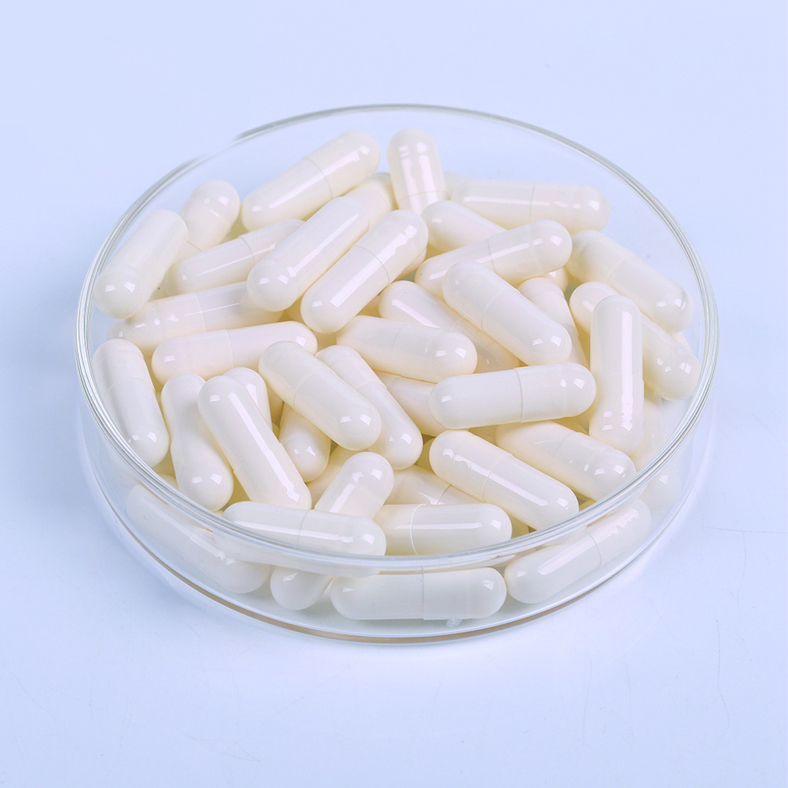
Start with the basics: the ingredients. Capsules usually contain a powdered form of fruits or vegetables, often freeze-dried to preserve nutrients. Yet, are these nutrients still as potent as those in fresh produce? The manufacturing process can sometimes strip away vital components, which means the nutritional punch might not be as strong.
Then there’s the matter of sourcing. Are these powders being derived from organic produce, or are we looking at the cheapest mass-market option available? Sustainable sourcing is critical, and companies like Suqian Kelaiya Corp., which deals with new drug development and manufacturing, underline the importance of transparent sourcing in ensuring product quality.
Environmental Footprint
Packaging is another sustainability factor. Capsules are often packaged in plastic bottles, which can contribute to significant waste if not managed properly. This packaging frequently comes from petrochemical materials, adding to the environmental footprint.
Comparatively, fresh fruits and vegetables, though seemingly more sustainable, have their own pitfalls. Transport and storage can lead to food waste due to spoilage. It’s a complex balancing act between convenience and ecological responsibility.
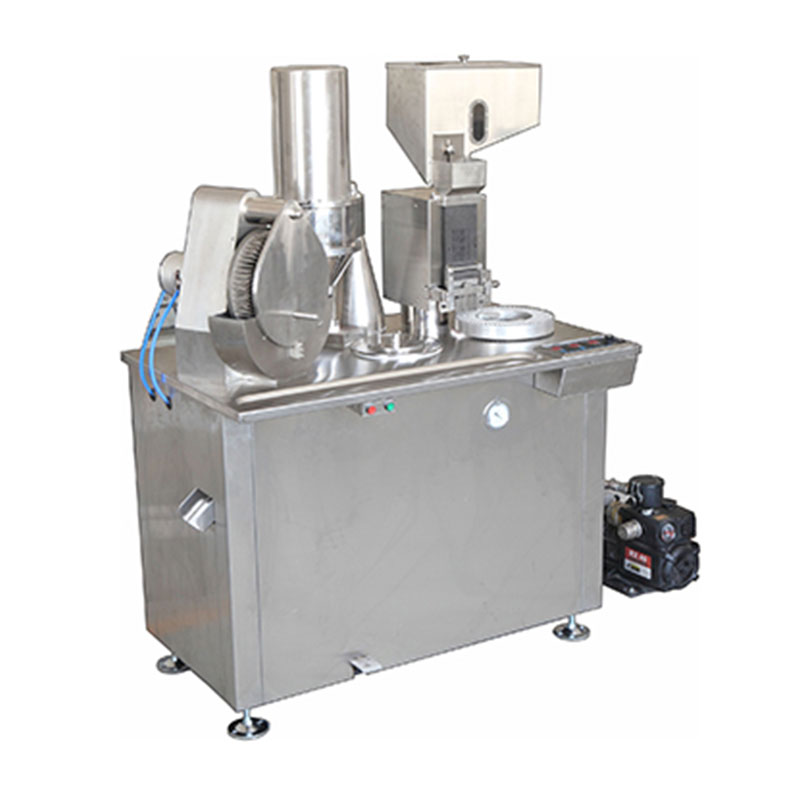
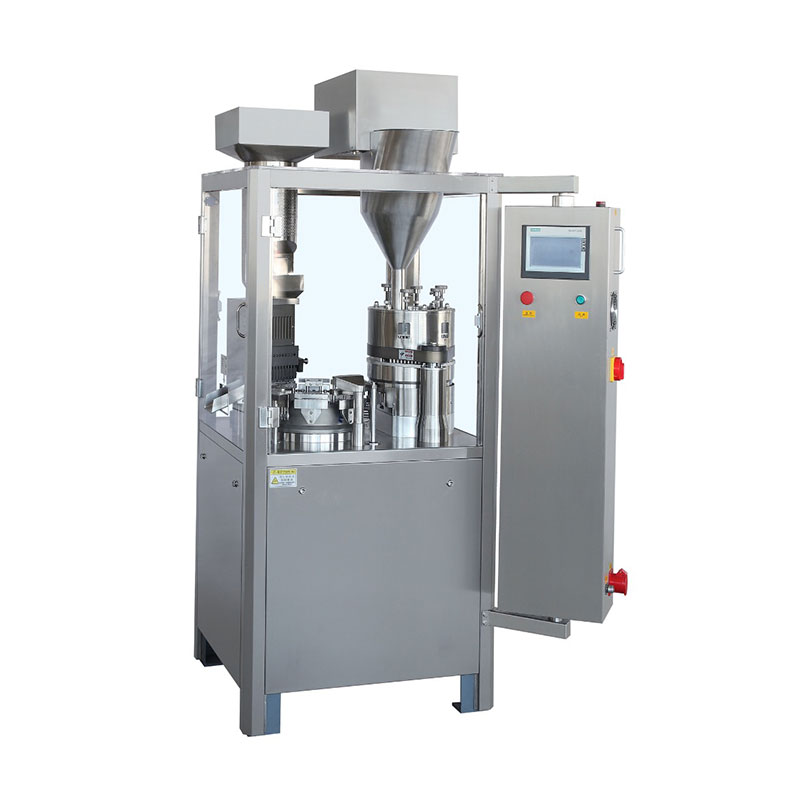
One area where Suqian Kelaiya Corp. stands out is in their focus on sustainable manufacturing practices. With facilities in Zhejiang and Jiangsu provinces, the company prioritizes eco-friendly processes, reflecting a growing industry shift towards minimizing environmental impact.
Health vs. Convenience
There’s no denying the convenience of capsules. For busy individuals, it’s a quick solution to meet dietary needs. But does convenience begin to overshadow genuine health benefits? It’s crucial to maintain a healthy skepticism.
While capsules may supplement a diet, they shouldn’t replace whole foods entirely. Fresh produce offers fibers and antioxidants that capsules just can’t replicate. As a rule of thumb, supplements should complement a balanced diet, not substitute it.
From an industry perspective, feedback from consumers often points to over-reliance on capsules when a balanced diet isn’t initially established. It’s about integrating, not substituting.
Quality Control and Safety
The meticulous nature of quality control can’t be overstated. Companies like Suqian Kelaiya Corp. emphasize rigorous testing at their manufacturing sites to ensure safety and efficacy. Yet, not all producers maintain such high standards.
Without stringent regulations, some capsules might slip through the cracks, offering less nutritional value than advertised. It’s vital for consumers to research brands and trust those with proven credibility.
Ultimately, the onus is on both manufacturers and customers to ensure capsules meet a high-quality threshold. This synergy between production and consumption is a cornerstone of industry trust.

Market Trends and the Future
The future of fruit and vegetable capsules looks promising, provided the industry leans into innovative, sustainable practices. We are seeing an uptick in using biodegradable packaging and ethically sourced ingredients.
Advancements in technology are allowing manufacturers to enhance nutrient preservation and create more efficient processing techniques. This evolution could lead capsules to become a more integral part of everyday nutrition.
As consumers, staying informed and holding companies accountable is key. With companies like Suqian Kelaiya Corp. leading by example, the potential for capsules as a sustainable and practical option remains viable, so long as we continue to question and adapt. Maintaining a conscious approach to consumption is crucial for both our health and the planet’s wellbeing.