- English
- Chinese
- French
- German
- Portuguese
- Spanish
- Russian
- Japanese
- Korean
- Arabic
- Irish
- Greek
- Turkish
- Italian
- Danish
- Romanian
- Indonesian
- Czech
- Afrikaans
- Swedish
- Polish
- Basque
- Catalan
- Esperanto
- Hindi
- Lao
- Albanian
- Amharic
- Armenian
- Azerbaijani
- Belarusian
- Bengali
- Bosnian
- Bulgarian
- Cebuano
- Chichewa
- Corsican
- Croatian
- Dutch
- Estonian
- Filipino
- Finnish
- Frisian
- Galician
- Georgian
- Gujarati
- Haitian
- Hausa
- Hawaiian
- Hebrew
- Hmong
- Hungarian
- Icelandic
- Igbo
- Javanese
- Kannada
- Kazakh
- Khmer
- Kurdish
- Kyrgyz
- Latin
- Latvian
- Lithuanian
- Luxembou..
- Macedonian
- Malagasy
- Malay
- Malayalam
- Maltese
- Maori
- Marathi
- Mongolian
- Burmese
- Nepali
- Norwegian
- Pashto
- Persian
- Punjabi
- Serbian
- Sesotho
- Sinhala
- Slovak
- Slovenian
- Somali
- Scots Gaelic
- Shona
- Sindhi
- Sundanese
- Swahili
- Tajik
- Tamil
- Telugu
- Thai
- Ukrainian
- Urdu
- Uzbek
- Vietnamese
- Welsh
- Xhosa
- Yiddish
- Yoruba
- Zulu
- Kinyarwanda
- Tatar
- Oriya
- Turkmen
- Uyghur



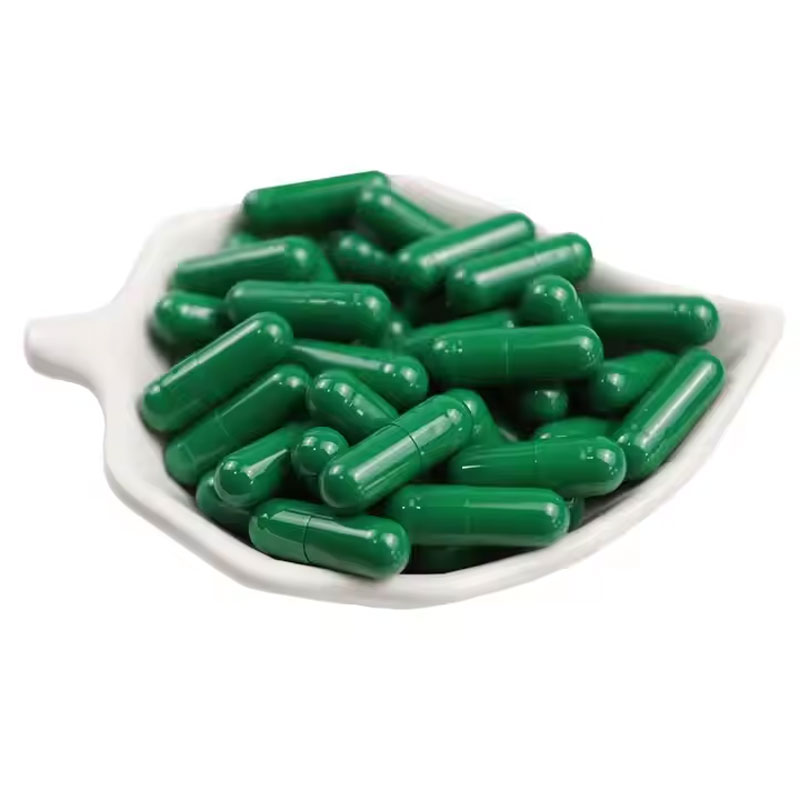
How do empty CLEAR HPMC CAPSULE SIZE 00 impact sustainability?
2025-09-27
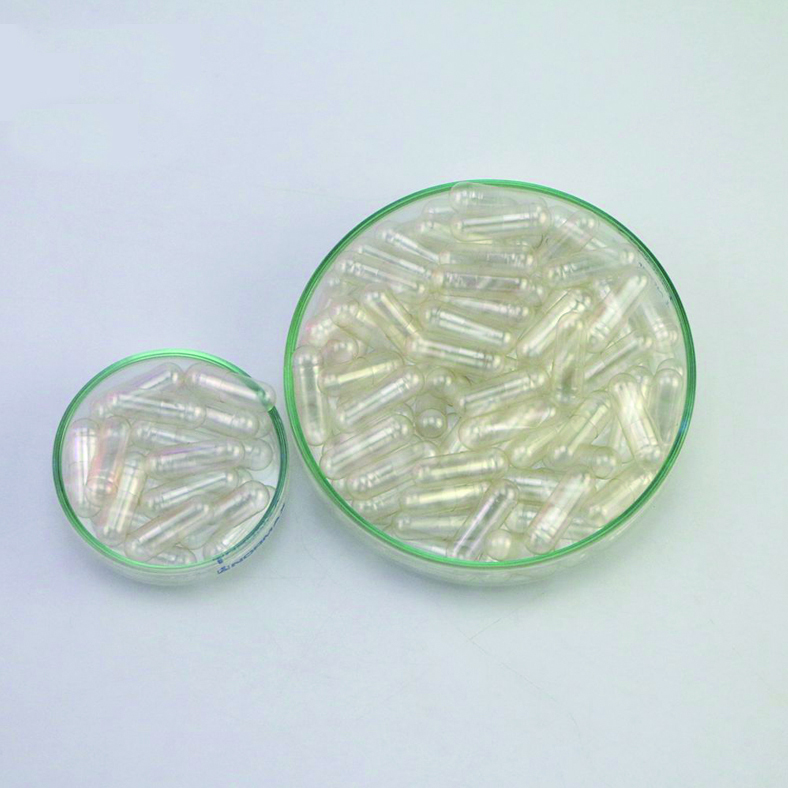
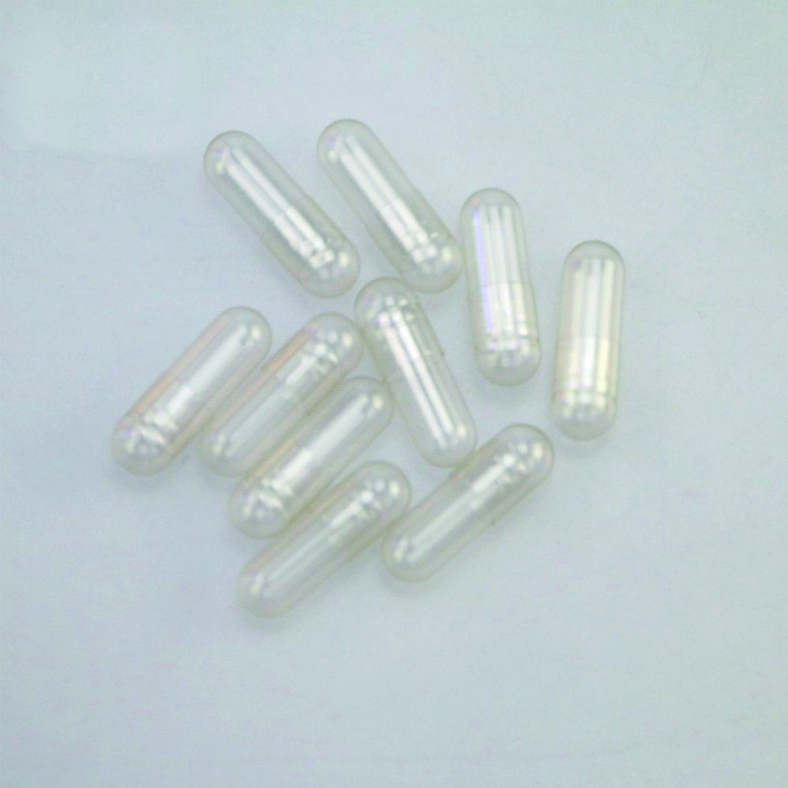
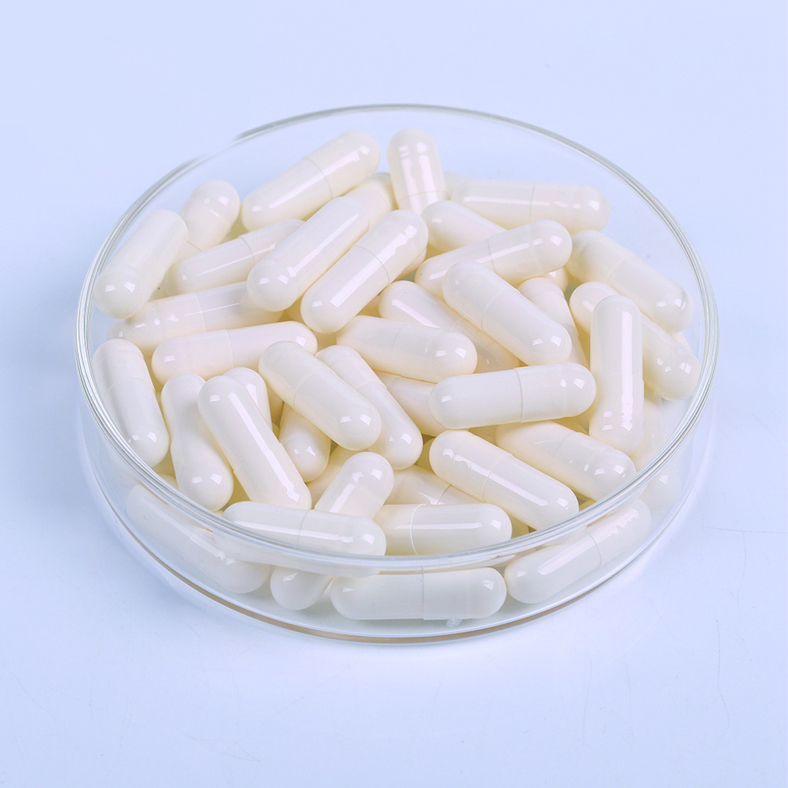
Empty CLEAR HPMC capsules, especially size 00, have raised discussions about sustainability in the pharmaceutical industry. Many professionals have debated their impact, often pointing to their plant-based origins and biodegradability. Yet, the nuance lies not just in material, but in the entire lifecycle of the capsule. Are we seeing a truly sustainable shift, or is there more beneath the surface?
The Green Promise of HPMC Capsules
The conversation often starts with the material itself. Hydroxypropyl Methylcellulose (HPMC) is derived from cellulose, often perceived as more sustainable than gelatin, which comes from animal sources. For companies like SUQIAN KELAIYA INTERNATIONAL TRADING CO., LTD, which operates manufacturing sites in Zhejiang and Jiangsu, this aligns with a growing trend towards plant-based options. HPMC capsules naturally appeal to vegan markets and those concerned with animal welfare.
Nonetheless, sustainability isn’t just about raw materials. In my experience, one must consider the energy and resources used in production. Manufacturing empty capsules, even plant-based ones, involves significant water consumption and potential chemical use. The industry needs to constantly assess and innovate to ensure these processes minimize environmental impact.
Moreover, the distribution and consumption cycle is crucial. Capsules are part of a larger pharmaceutical system that involves transportation, packaging, and end-of-life disposal. Each of these stages can either contribute to or detract from the sustainability profile of the product.
Challenges in Production and Distribution
For Suqian Kelaiya Corp. and other companies, maintaining sustainability throughout production is a matter of logistics and innovation. It’s not enough to rely solely on the sustainability of HPMC as a base material. This extends into energy efficiency in plants, as well as waste management practices. I’ve seen firsthand how waste from capsule production, if not managed correctly, can offset the benefits of using plant-based materials.
Transport is another significant factor. Capsules are fragile and require secure packaging, often using plastics. Reducing this packaging while maintaining product integrity is a real challenge. Industry efforts are ongoing to improve this aspect, but it’s a slow and complex process involving redesigning both capsules and their packaging.
Moreover, there’s the challenge of customer perception and acceptance. While HPMC is generally well-regarded, thorough educative marketing is necessary. Companies must effectively communicate these sustainability benefits, which is not as straightforward as it seems.
Navigating Market Dynamics
The market for HPMC capsules looks promising, especially with rising consumer awareness about sustainable products. However, real-world application reveals that sustainability is an evolving goal. I recall instances where perceived sustainable practices conflicted with economic realities, leading to compromises.
For example, while price sensitivity remains high, sometimes driving the choice of less sustainable alternatives, strategies like bulk manufacturing and regional distribution have helped in aligning costs with sustainable operations. Companies like those I previously mentioned are tapping into localized production to mitigate logistical emissions.
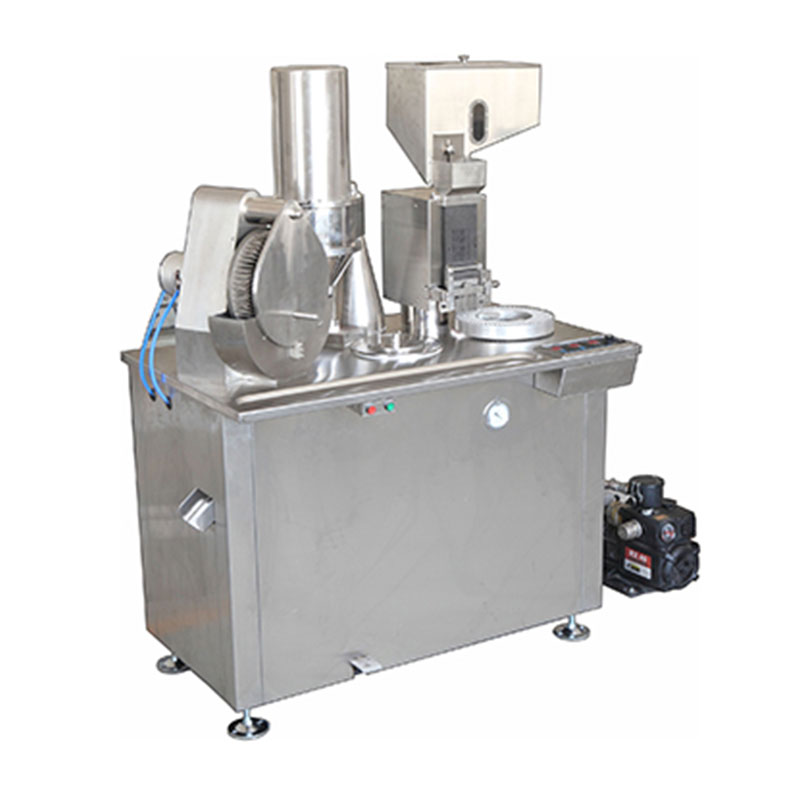
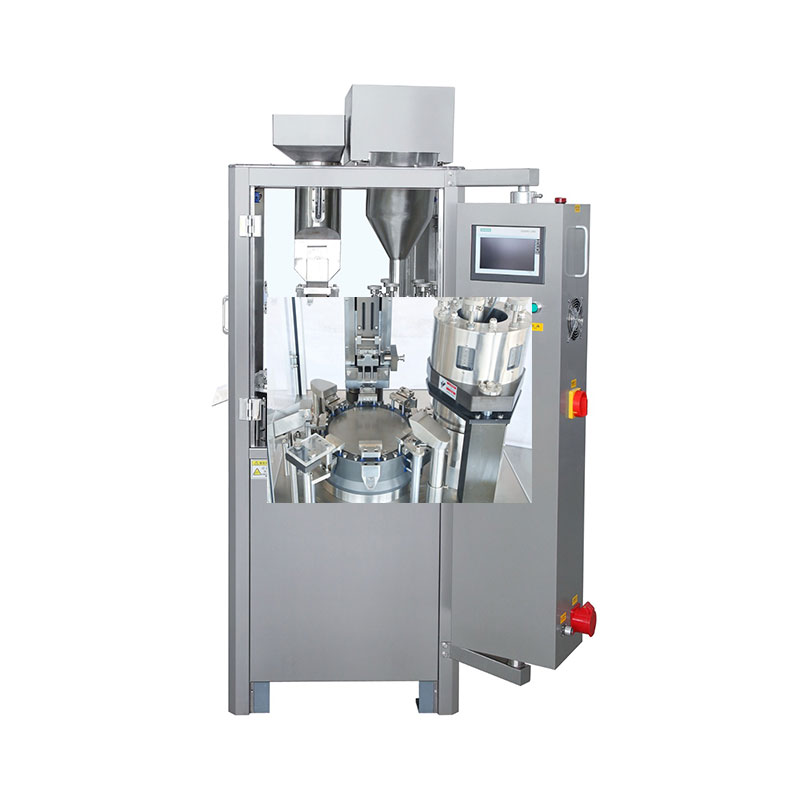
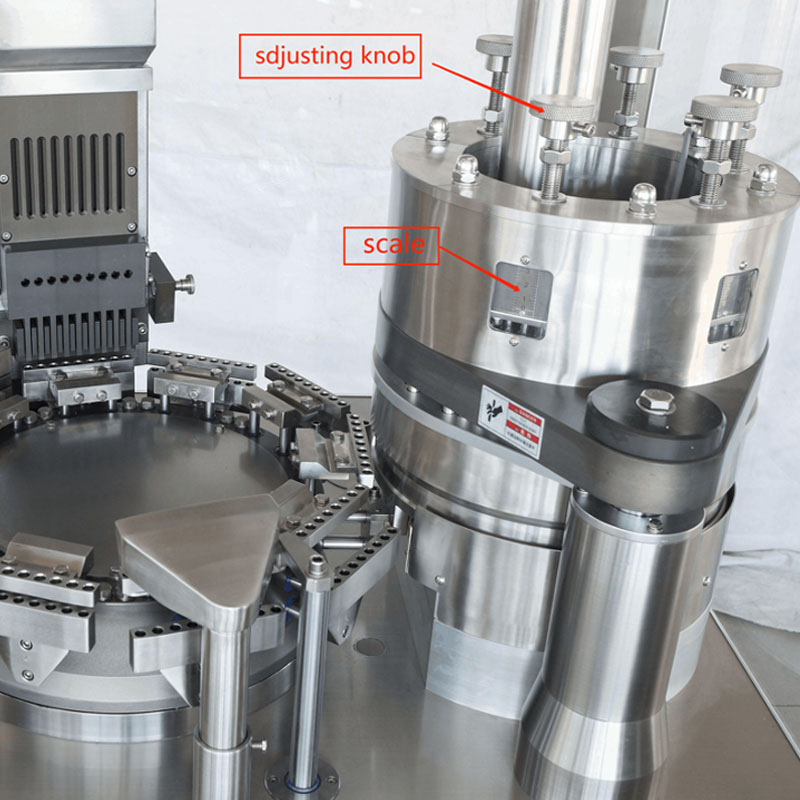
Interest in capsule filling and blister machines, as seen in Suqian Kelaiya Corp., highlights another area where innovation can drive sustainability. Reduced energy consumption and increased efficiency in these machines contribute significantly to lowering the carbon footprint.
End-of-Life Conundrum
The sustainability conversation cannot ignore what happens after the capsule’s lifecycle ends. Despite HPMC’s biodegradability claims, the actual decomposition process can vary significantly depending on landfill conditions. This is not frequently discussed, but it’s critical.
Recycling programs, although budding, are not yet widespread in the pharmaceutical industry. It’s about creating systems that encourage not just capsule use but their responsible disposal and potential recycling. Suqian Kelaiya Corp. might benefit from spearheading initiatives in this domain, paving the way for others.
Until comprehensive systems are in place, the environmental argument for HPMC capsules remains partially realized. Perhaps future developments in recycling technology and infrastructure will better realize their potential.
The Path Forward
So where does this leave us? Are empty CLEAR HPMC capsules size 00 sustainable? The answer, in my view, remains complex. We see promising steps but also acknowledge considerable miles to journey. Real-world experience suggests optimism tempered with realism.
Overall, companies like Suqian Kelaiya Corp. are at the intersection of this developing narrative, tasked with transforming theoretical sustainability into practical, impactful change. The potential is significant, yet it requires collective effort, innovation, and transparency.
Ultimately, achieving sustainability in pharmaceuticals will rely on continuous assessment and adaptation to both consumer expectations and environmental imperatives.