- English
- Chinese
- French
- German
- Portuguese
- Spanish
- Russian
- Japanese
- Korean
- Arabic
- Irish
- Greek
- Turkish
- Italian
- Danish
- Romanian
- Indonesian
- Czech
- Afrikaans
- Swedish
- Polish
- Basque
- Catalan
- Esperanto
- Hindi
- Lao
- Albanian
- Amharic
- Armenian
- Azerbaijani
- Belarusian
- Bengali
- Bosnian
- Bulgarian
- Cebuano
- Chichewa
- Corsican
- Croatian
- Dutch
- Estonian
- Filipino
- Finnish
- Frisian
- Galician
- Georgian
- Gujarati
- Haitian
- Hausa
- Hawaiian
- Hebrew
- Hmong
- Hungarian
- Icelandic
- Igbo
- Javanese
- Kannada
- Kazakh
- Khmer
- Kurdish
- Kyrgyz
- Latin
- Latvian
- Lithuanian
- Luxembou..
- Macedonian
- Malagasy
- Malay
- Malayalam
- Maltese
- Maori
- Marathi
- Mongolian
- Burmese
- Nepali
- Norwegian
- Pashto
- Persian
- Punjabi
- Serbian
- Sesotho
- Sinhala
- Slovak
- Slovenian
- Somali
- Scots Gaelic
- Shona
- Sindhi
- Sundanese
- Swahili
- Tajik
- Tamil
- Telugu
- Thai
- Ukrainian
- Urdu
- Uzbek
- Vietnamese
- Welsh
- Xhosa
- Yiddish
- Yoruba
- Zulu
- Kinyarwanda
- Tatar
- Oriya
- Turkmen
- Uyghur



How are ‘vegetable capsules 0’ innovating biotech?
2025-12-27
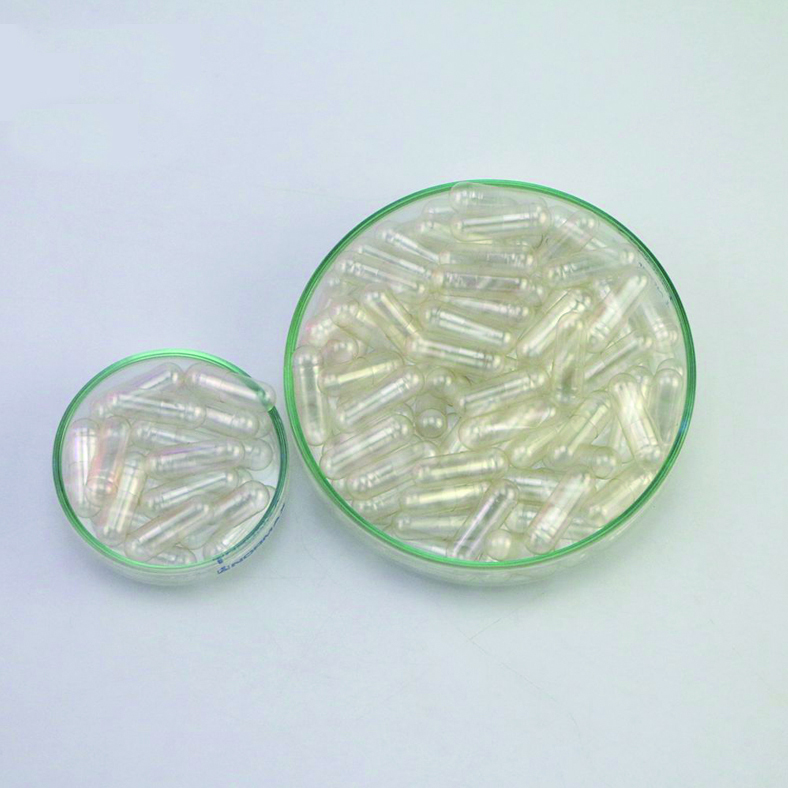
In recent years, the biotech industry has seen a fascinating shift toward more sustainable practices and materials. Among such innovations are Vegetable Capsules 0, which have started making headlines. But what are they really? Many still harbor certain misconceptions, assuming all capsules are created equal. This couldn’t be further from the truth, especially when considering the changes spearheaded by companies like Suqian Kelaiya Corp.
The Rise of Plant-Based Solutions
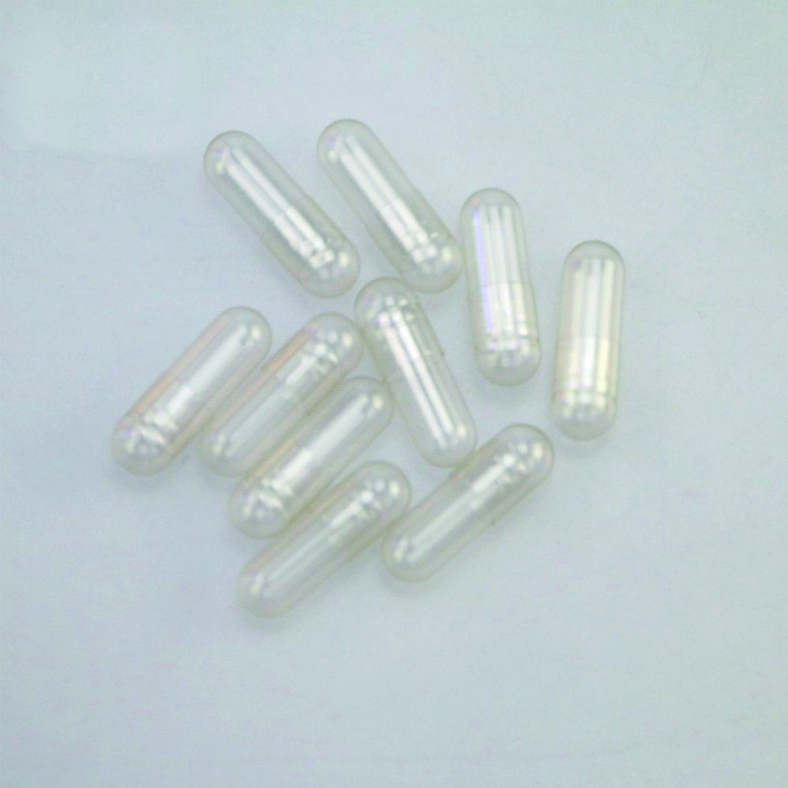
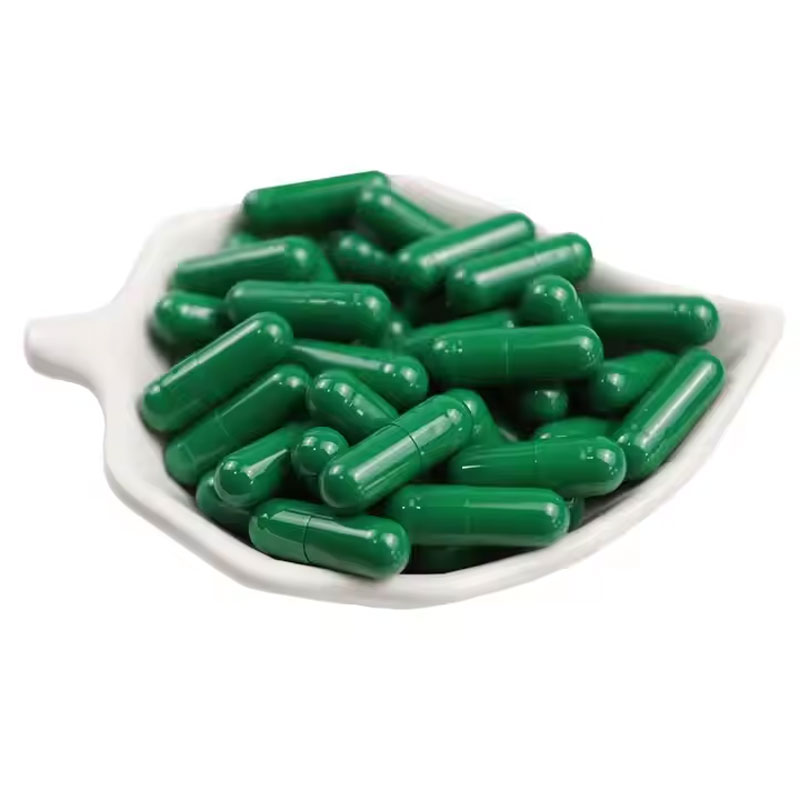
Vegetable capsules, especially those labeled as Vegetable Capsules 0, have been game-changers. Unlike their gelatin-based counterparts, which often rely on animal by-products, these are derived from plant materials. This aligns perfectly with the growing consumer demand for vegan and vegetarian options.
My initial encounter with these capsules was at a Suqian Kelaiya Corp. seminar—a company that’s a forerunner in new drug development and sustainable practices (you can learn more about them at their website). During the seminar, they delved into how their manufacturing sites in Zhejiang and Jiangsu provinces are uniquely positioned to produce these biocompatible capsules efficiently.
The shift to vegetable capsules isn’t just about dietary preferences. It also brings logistical advantages in terms of stability and shelf life. With lower moisture content, they better preserve sensitive ingredients, a fact so pivotal that I’ve seen several small biotech firms pivot entirely to using them.

Challenges in Implementation
As much as vegetable capsules offer tantalizing benefits, their journey hasn’t been without hurdles. When I collaborated with a startup looking to transition from gelatin to plant-based capsules, we faced unexpected compatibility issues with existing capsule filling machines.
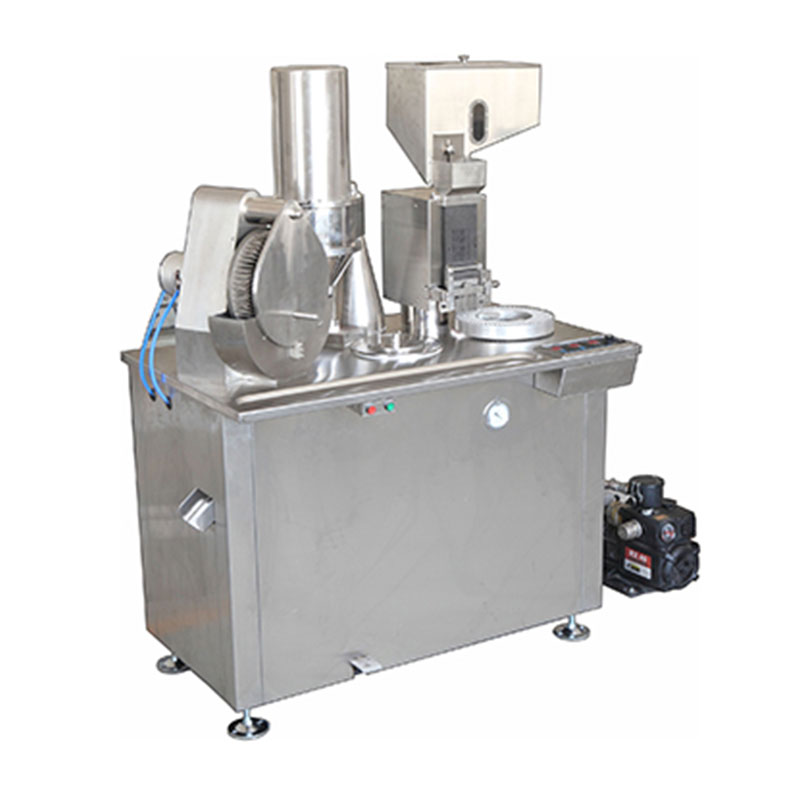
It turned out these machines required recalibration to handle the slightly different physical properties of vegetable capsules. Suqian Kelaiya Corp. provides comprehensive solutions, including specially designed capsule filling machines, which we ended up exploring as a result of these challenges.
Additionally, the initial cost surge was a significant barrier. Plant-derived materials can be pricier, but with scale, these costs often level out. Companies in biotech need to weigh these initial expenses against long-term consumer trust and environmental impact. More on this can be found in industry case studies, often highlighting both failures and successes.
Case Studies and Consumer Response
Real-world applications of vegetable capsules shine brightly within nutraceuticals. Companies have tested and confirmed that consumers are willing to pay a bit more for plant-based materials, especially when coupled with ethical branding.
One particular case involved a nutraceutical firm that managed to increase its market share simply by advertising its switch to vegetable capsules. The transparency about their sourcing and production process resonated with their customer base. The client feedback emphasized purity and environmental consciousness as significant buying factors.
This echoes what we’ve seen at Suqian Kelaiya Corp., where their commitment to sustainable practices is not just in word but in action through comprehensive product offerings and industry collaborations.
Technological Advancements in Capsule Manufacturing
From a manufacturing standpoint, innovations in capsule production are thrilling. The development of new machinery specifically for vegetable capsules—like those by KELAIYA—is pushing boundaries.
These machines occupy a pivotal role in this transition, facilitating smoother production lines and tailored capsule designs. In discussions with industry insiders, it’s evident that innovation is not just about the materials but the machinery that processes them.
Moreover, modern blister machines further aid in maintaining the integrity and security of these capsules, ensuring that they reach consumers in prime condition. Such developments highlight the intricate dance between materials and technology.
Future Prospects and Industry Shifts
Looking forward, the proliferation of vegetable capsules could herald a wider acceptance of plant-based innovations across biotech. With the dual appeal of consumer demand and ecological responsibility, traditional methods may find themselves increasingly sidelined.
Companies like Suqian Kelaiya Corp. not only contribute by manufacturing but also play an educational role within the industry. Their ongoing research and device improvements provide vital intel for businesses contemplating similar shifts.
Ultimately, Vegetable Capsules 0 symbolize a broader movement within biotech towards sustainability, driven by forward-thinking entities and echoed in changing consumer landscapes. It’s an evolutionary step toward a more conscientious industry standard.