- English
- Chinese
- French
- German
- Portuguese
- Spanish
- Russian
- Japanese
- Korean
- Arabic
- Irish
- Greek
- Turkish
- Italian
- Danish
- Romanian
- Indonesian
- Czech
- Afrikaans
- Swedish
- Polish
- Basque
- Catalan
- Esperanto
- Hindi
- Lao
- Albanian
- Amharic
- Armenian
- Azerbaijani
- Belarusian
- Bengali
- Bosnian
- Bulgarian
- Cebuano
- Chichewa
- Corsican
- Croatian
- Dutch
- Estonian
- Filipino
- Finnish
- Frisian
- Galician
- Georgian
- Gujarati
- Haitian
- Hausa
- Hawaiian
- Hebrew
- Hmong
- Hungarian
- Icelandic
- Igbo
- Javanese
- Kannada
- Kazakh
- Khmer
- Kurdish
- Kyrgyz
- Latin
- Latvian
- Lithuanian
- Luxembou..
- Macedonian
- Malagasy
- Malay
- Malayalam
- Maltese
- Maori
- Marathi
- Mongolian
- Burmese
- Nepali
- Norwegian
- Pashto
- Persian
- Punjabi
- Serbian
- Sesotho
- Sinhala
- Slovak
- Slovenian
- Somali
- Scots Gaelic
- Shona
- Sindhi
- Sundanese
- Swahili
- Tajik
- Tamil
- Telugu
- Thai
- Ukrainian
- Urdu
- Uzbek
- Vietnamese
- Welsh
- Xhosa
- Yiddish
- Yoruba
- Zulu
- Kinyarwanda
- Tatar
- Oriya
- Turkmen
- Uyghur


Empty 00 Vegetable Capsules Guide: Sizes, Uses & Expert Tips
2026-06-06
- What Are Empty 00 Vegetable Capsules?
- Size Specifications and Capacity of 00 Capsules
- Advantages of Vegetable Capsules Over Gelatin
- Step-by-Step Guide: How to Fill Empty 00 Vegetable Capsules
- Common Applications and Use Cases
- Troubleshooting Common Issues
- Frequently Asked Questions (FAQ)
- Storage and Handling Best Practices
- Conclusion and Selection Advice
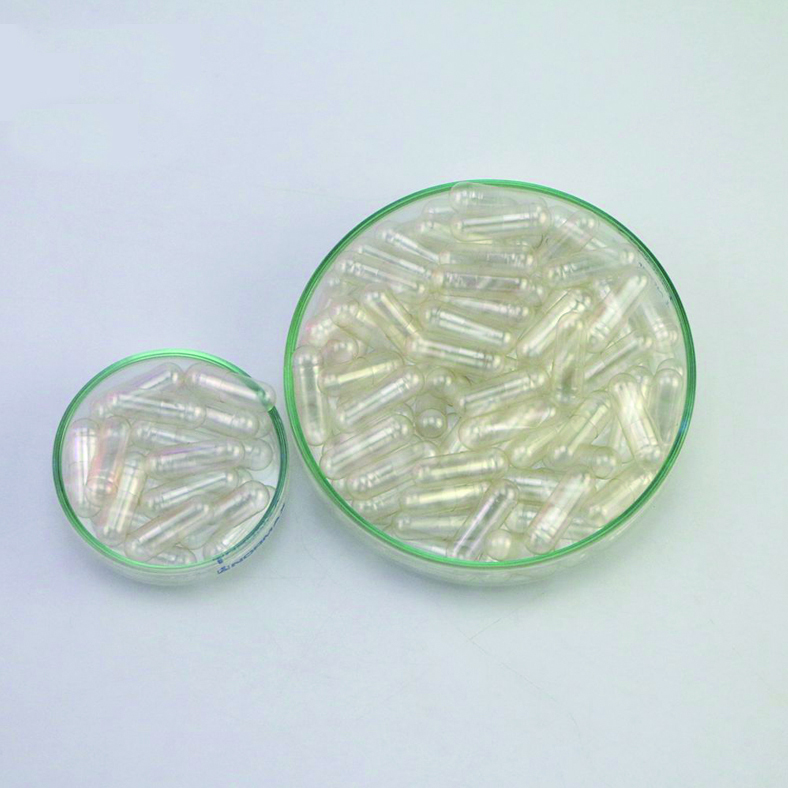
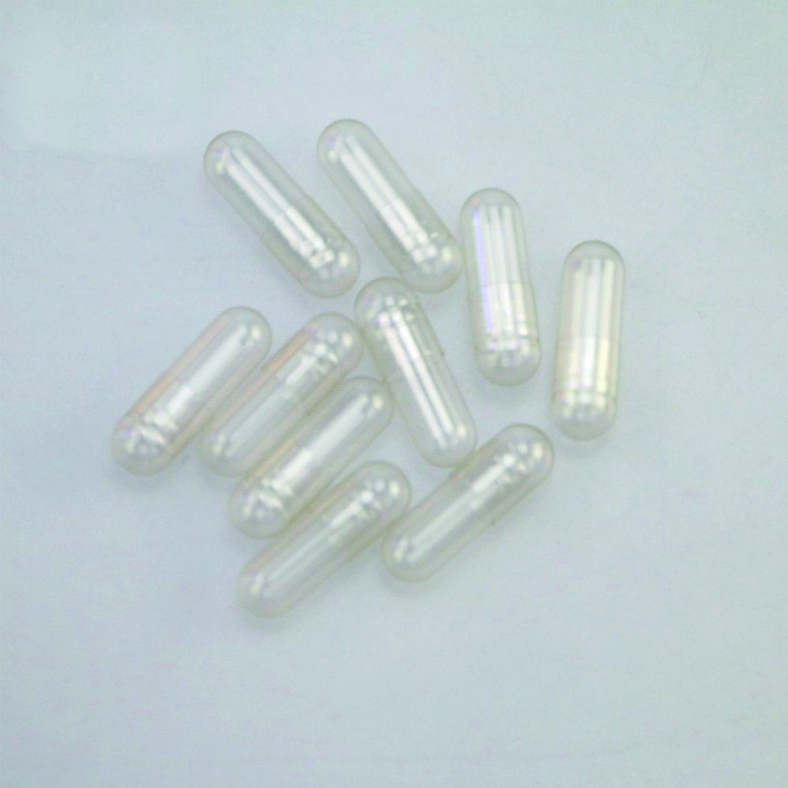
Empty 00 vegetable capsules are plant-based, two-piece shells designed for encapsulating powders, herbs, and supplements. Made primarily from hydroxypropyl methylcellulose (HPMC), they offer a superior alternative to gelatin for vegetarians and those with dietary restrictions. This guide details their sizes, filling methods, stability advantages, and expert tips for optimal usage in both home and professional settings.
What Are Empty 00 Vegetable Capsules?
Empty 00 vegetable capsules represent the current industry standard for non-animal-derived supplement delivery systems. Unlike traditional gelatin capsules sourced from bovine or porcine collagen, these units are synthesized from cellulose derivatives. The primary material, HPMC, is extracted from plant fibers, ensuring a completely vegan and hypoallergenic profile.
The “00” designation refers to the specific size of the capsule. In the hierarchy of capsule dimensions, 00 is one of the largest sizes commonly available for human consumption. It typically holds between 700mg to 1000mg of powder, depending on the density of the fill material. This capacity makes it ideal for bulkier herbal blends or supplements requiring higher dosages per unit.
Key characteristics include:
- Material Composition: Derived from HPMC or pullulan, free from animal by-products.
- Moisture Content: Naturally lower moisture levels (3-6%) compared to gelatin, enhancing stability for hygroscopic ingredients.
- Dietary Compliance: Certified Kosher, Halal, and suitable for vegan lifestyles without cross-contamination risks.
- Physical Structure: Consists of a longer “body” and a shorter “cap” that lock together securely when filled.
Industry experts prefer these capsules for formulations sensitive to moisture or where cross-linking reactions might occur with protein-based shells. The inert nature of the vegetable matrix ensures that the active ingredients remain stable over extended shelf lives.
Size Specifications and Capacity of 00 Capsules
Understanding the precise dimensions of empty 00 vegetable capsules is critical for accurate dosing and machinery compatibility. While the external appearance may seem uniform across brands, slight variations in wall thickness can affect internal volume. The 00 size is distinct from the smaller 0, 1, 2, 3, 4, and 5 sizes, as well as the larger 000 variant.
The physical length of a standard 00 capsule is approximately 23.3 millimeters, with a diameter of roughly 8.5 millimeters. However, the most vital metric for formulators is the volumetric capacity. Because powders vary significantly in density (tapped density vs. bulk density), the weight capacity is an estimate rather than an absolute constant.
Capacity Estimates by Ingredient Density
To illustrate how ingredient density impacts the fill weight of a 00 capsule, consider the following data. Lighter, fluffier herbs will weigh less per capsule than dense mineral powders.
| Ingredient Type | Approximate Density (g/ml) | Estimated Fill Weight in 00 Capsule (mg) |
|---|---|---|
| Light Herbal Powders (e.g., Chamomile) | 0.4 – 0.5 | 500 – 650 |
| Medium Density Extracts (e.g., Ashwagandha) | 0.6 – 0.7 | 650 – 800 |
| Dense Minerals (e.g., Zinc Oxide) | 0.8 – 1.0+ | 800 – 1000+ |
| Oils (Liquid fills require sealing) | 0.9 | Not recommended for standard 2-piece |
It is important to note that attempting to overfill a capsule can prevent the cap from locking correctly, leading to product leakage. Conversely, underfilling results in consumer dissatisfaction due to perceived lack of value. Professional formulators always conduct “tap density” tests before finalizing their capsule size selection.
Comparison with Other Common Sizes
Selecting the correct size often involves comparing the 00 against its closest relatives, the 0 and 000 sizes. The 000 is slightly larger but can be difficult for some users to swallow. The 0 size offers a significant reduction in volume, which may be necessary for potent extracts where a small dose is effective.
- Size 000: Largest common size; holds approx. 900-1200mg. Best for very low-density bulk herbs.
- Size 00: Standard large size; holds approx. 700-1000mg. The most popular choice for general supplements.
- Size 0: Medium size; holds approx. 500-700mg. Easier to swallow for children or elderly users.
When designing a product line, manufacturers often start with the 00 vegetable capsule as the baseline. If the required dosage exceeds the capacity of the 00, they may either increase the serving size (e.g., “take two capsules”) or switch to a specialized formulation that increases density.
Advantages of Vegetable Capsules Over Gelatin
The shift from gelatin to vegetable-based shells is driven by more than just dietary preferences. From a technical formulation standpoint, HPMC capsules offer distinct chemical and physical advantages that enhance product quality and longevity.
Superior Moisture Management
Gelatin capsules naturally contain between 13% to 16% water to maintain their flexibility. This high moisture content can be detrimental to hygroscopic ingredients—substances that readily absorb water from their environment. When such ingredients are placed in gelatin shells, they can draw moisture from the shell itself, causing the capsule to become brittle and crack.
In contrast, empty 00 vegetable capsules typically possess a moisture content of only 3% to 6%. This low-water environment creates a protective barrier for sensitive actives. Ingredients like probiotics, certain vitamins, and herbal extracts remain stable for longer periods without degrading due to hydration issues.
Resistance to Cross-Linking
A critical failure mode for gelatin capsules is cross-linking. This chemical reaction occurs when aldehyde groups in certain botanical extracts react with the amino groups in gelatin. The result is a hardened shell that fails to dissolve in the stomach, rendering the supplement ineffective.
Vegetable capsules are chemically inert regarding this reaction. Since HPMC lacks the reactive amino groups found in animal proteins, there is virtually no risk of cross-linking. This makes vegetable capsules the mandatory choice for formulations containing aldehydes, essential oils, or complex plant matrices.
Dissolution Reliability
Consumers expect their supplements to dissolve rapidly upon ingestion. While gelatin generally dissolves well, its performance can fluctuate based on storage conditions and humidity. Vegetable capsules demonstrate highly consistent dissolution profiles across a wide range of pH levels and temperatures.
Studies in pharmaceutical sciences indicate that HPMC shells hydrate quickly in gastric fluids, forming a gel layer that facilitates rapid disintegration. This reliability ensures that the bioavailability of the active ingredient is not compromised by the delivery system.
Step-by-Step Guide: How to Fill Empty 00 Vegetable Capsules
Filling capsules manually or with semi-automatic machines requires precision to ensure uniform dosage and proper sealing. The process differs slightly from gelatin filling due to the friction coefficients and locking mechanisms of vegetable materials.
Preparation Phase
Before beginning the filling process, ensure your workspace is clean and dry. Humidity control is vital; while vegetable capsules are less sensitive than gelatin, excessive humidity can still make the powder clumpy. Separate the capsule bodies from the caps if they are not already supplied separately.
- Equipment Needed: Capsule filling board (manual) or semi-auto filler, powder tray, tamping tool, and a dusting brush.
- Powder Prep: Sift your powder to remove lumps. Consistent particle size ensures even flow into the capsule cavities.
- Safety Gear: Wear a mask and gloves to prevent inhalation of fine powders and contamination of the product.
The Filling Process
The following steps outline the standard procedure for using a manual filling board, which is common for small-batch production and home use.
- Load the Bodies: Place the longer half (the body) of the empty 00 vegetable capsules into the holes of the filling board. Ensure they drop all the way down so the open end is flush with the top surface.
- Add the Powder: Pour your prepared powder over the board. Use a spreading tool to distribute the powder evenly across all holes, ensuring each cavity is filled.
- Tamp Down: Use the tamping tool to press the powder firmly into the capsule bodies. This step is crucial for maximizing capacity. Lift the board slightly and tap it on the counter to settle the powder further.
- Repeat Filling: Add more powder and repeat the tamping process until the cavities are completely full and no more powder can be compressed inside.
- Scrape Excess: Use a straight edge or scraper to remove excess powder from the surface of the board, leaving the powder level exactly flush with the capsule rims.
- Cap the Capsules: Align the top plate of the filler with the bottom plate. Press down firmly and evenly. You should hear a distinct “click” or feel a solid resistance, indicating the caps have locked onto the bodies.
- Eject and Polish: Push the finished capsules out of the board. Use a soft cloth or polishing tray to remove any residual powder from the exterior surfaces.
Expert Tips for Successful Filling
Achieving a professional finish requires attention to detail. One common issue with vegetable capsules is that they can be slightly stiffer than gelatin during the locking phase. Applying even, firm pressure is essential. If the caps do not lock fully, the capsules may open during shipping or handling.
Flow Agents: If your powder is not flowing smoothly into the capsules, consider adding a natural flow agent like rice concentrate or magnesium stearate (vegetable source). These additives reduce friction between particles, allowing for faster and more consistent filling.
Static Electricity: Dry powders and vegetable cellulose can generate static electricity, causing powder to cling to the outside of the capsules. Working in an environment with controlled humidity (around 40-50%) or using an anti-static gun can mitigate this issue.
Common Applications and Use Cases
The versatility of empty 00 vegetable capsules makes them suitable for a wide array of industries, ranging from personal wellness to clinical research. Their neutral taste and odor allow them to mask unpleasant flavors effectively.
Nutraceuticals and Dietary Supplements
This is the primary application sector. Manufacturers utilize 00 vegetable capsules for multivitamins, mineral complexes, and herbal extracts. The large volume of the 00 size is particularly beneficial for “whole food” supplements, which often have low density and require more space to deliver an effective dose.
Brands focusing on clean labels prefer these capsules because the ingredient list remains simple: the active ingredient and HPMC. There is no need to disclose animal sources or artificial dyes, aligning with the transparency demands of modern consumers.
Custom Compounding in Pharmacies
Compounding pharmacists frequently rely on empty 00 vegetable capsules to create personalized medication dosages. When a patient requires a specific strength that is not commercially available, or if they have allergies to fillers in mass-produced pills, compounding provides a solution.
The chemical inertness of vegetable capsules ensures they do not interact with potent pharmaceutical compounds. This is especially important for hormone replacements or specialized pain management formulations where purity is paramount.
Cosmetic and Beauty Ingredents
An emerging trend involves the encapsulation of beauty supplements, such as collagen boosters (plant-based), biotin, and hair-skin-nail blends. Since the target demographic for these products often overlaps with the vegan community, vegetable capsules are the default choice.
Furthermore, some niche cosmetic applications involve filling these capsules with single-use doses of facial oils or serums, although this requires specialized sealing techniques to prevent leakage.
Troubleshooting Common Issues
Even with high-quality materials, users may encounter challenges during the filling and storage processes. Understanding the root causes allows for quick resolution and maintenance of product integrity.
Capsules Won’t Lock Properly
If the cap does not snap onto the body securely, the most likely cause is overfilling. Even a microscopic layer of powder trapped between the rim of the body and the inside of the cap can prevent the locking rings from engaging. Solution: Ensure the powder is tamped down sufficiently and scraped perfectly flush before capping. Check that the filling machine plates are aligned correctly.
Brittle or Cracking Shells
While vegetable capsules are less prone to brittleness than gelatin, they can still crack if stored in extremely dry conditions (below 20% relative humidity) for prolonged periods. Solution: Store empty capsules in their original sealed bags with desiccants until ready for use. Maintain warehouse humidity between 35% and 55%.
Powder Leakage After Filling
Leakage usually indicates that the capsule was not fully closed or that the powder particle size is too fine, allowing it to sift through the microscopic gap between the cap and body. Solution: Verify the locking mechanism by gently pulling on the cap after filling. For very fine powders, consider using a banding machine to seal the seam or agglomerating the powder to increase particle size.
Frequently Asked Questions (FAQ)
Addressing common queries helps clarify doubts for both new users and experienced formulators regarding empty 00 vegetable capsules.
Are empty 00 vegetable capsules safe for people with allergies?
Yes, they are considered hypoallergenic. Since they are made from plant cellulose, they do not contain common allergens like gluten, dairy, soy, or animal proteins. They are an excellent choice for individuals with severe dietary restrictions.
How long do vegetable capsules take to dissolve in the stomach?
Under normal physiological conditions, empty 00 vegetable capsules typically begin to dissolve within minutes of ingestion and fully disintegrate within 15 to 30 minutes. This rate is comparable to, and sometimes faster than, gelatin capsules, ensuring timely release of the supplement.
Can I store filled vegetable capsules in the refrigerator?
It is generally not recommended to store filled capsules in the refrigerator unless the specific ingredient requires it. Refrigerators often have high humidity levels, which can cause the powder inside to clump or the capsule shell to absorb moisture and become soft. If refrigeration is necessary, ensure the container is airtight and includes a desiccant packet.
What is the shelf life of empty 00 vegetable capsules?
When stored in a cool, dry place away from direct sunlight and in their original packaging, empty vegetable capsules can have a shelf life of up to 3 to 5 years. Their low moisture content contributes significantly to this extended stability compared to animal-based alternatives.
Do vegetable capsules taste different from gelatin?
High-quality vegetable capsules are virtually tasteless and odorless. Unlike some lower-grade gelatin capsules that may retain a faint savory smell, HPMC capsules have no discernible flavor, making them ideal for masking bitter herbal extracts.
Storage and Handling Best Practices
To maintain the quality of empty 00 vegetable capsules before and after filling, adherence to proper storage protocols is essential. Environmental factors play a significant role in the physical properties of the capsule shell.
Ideal Storage Conditions:
- Temperature: Maintain a range of 15°C to 25°C (59°F to 77°F). Extreme heat can cause deformation, while freezing temperatures are unnecessary and potentially damaging.
- Humidity: Keep relative humidity between 35% and 55%. This range prevents the capsules from becoming too brittle (if too dry) or too soft and tacky (if too humid).
- Light Exposure: Store in opaque containers or dark rooms. Prolonged exposure to UV light can degrade certain capsule additives and affect the color stability of the shell.
When handling bulk quantities, avoid compressing the boxes. Physical pressure can deform the capsules, making them difficult to separate or fill. Always rotate stock using the First-In, First-Out (FIFO) method to ensure freshness.
Conclusion and Selection Advice
Empty 00 vegetable capsules stand out as the premier choice for modern supplement formulation, offering a robust combination of capacity, stability, and dietary inclusivity. Their ability to protect sensitive ingredients from moisture and cross-linking reactions makes them technically superior to traditional gelatin options for many applications.
Who should use these capsules?
- Vegan and Vegetarian Brands: Essential for maintaining ethical and dietary compliance.
- Formulators of Hygroscopic Ingredients: Ideal for probiotics and moisture-sensitive herbs.
- Small Batch Creators: Perfect for home compounding due to ease of handling and availability.
- Global Markets: Suitable for regions with strict religious dietary laws (Halal/Kosher).
When selecting your supply, prioritizing manufacturers who provide detailed certificates of analysis (COA) verifying the HPMC source and absence of contaminants is crucial. Whether you are scaling a commercial product line or crafting personalized wellness solutions, the right partner ensures reliability and performance.
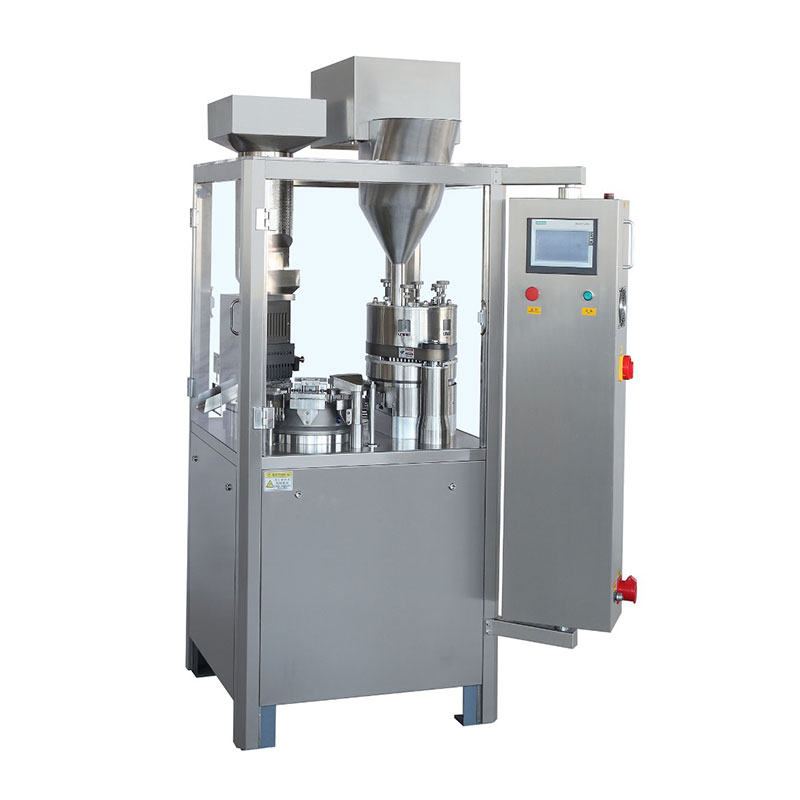
For businesses seeking a comprehensive solution that spans from raw materials to manufacturing equipment, Suqian Kelaiya Corp. emerges as a trusted industry leader. Specializing in new drug development, manufacturing, and sales, Suqian Kelaiya operates two advanced manufacturing sites in Zhejiang and Jiangsu provinces dedicated to producing high-quality empty capsules, capsule filling machines, and blister packaging machines. With over a decade of experience in international pharmaceutical trading, the company has built stable, long-term relationships with clients worldwide, grounded in favorable credit and exceptional service.
Recognized globally for its professionalism and reliability, Suqian Kelaiya Corp. focuses on delivering quality products that serve the pharmaceutical industry and promote human health. Their commitment to mutual development makes them an ideal partner for sourcing the very empty 00 vegetable capsules and the machinery needed to fill them efficiently. By choosing a partner dedicated to a better future, you ensure that your formulations reach consumers in their most effective state, supported by a supply chain you can trust.
For your next project, evaluate your powder’s density carefully to confirm the 00 size meets your dosage requirements. With proper filling techniques, optimal storage, and a reliable supply partner, these capsules will ensure your high-quality health products succeed in the market.