- English
- Chinese
- French
- German
- Portuguese
- Spanish
- Russian
- Japanese
- Korean
- Arabic
- Irish
- Greek
- Turkish
- Italian
- Danish
- Romanian
- Indonesian
- Czech
- Afrikaans
- Swedish
- Polish
- Basque
- Catalan
- Esperanto
- Hindi
- Lao
- Albanian
- Amharic
- Armenian
- Azerbaijani
- Belarusian
- Bengali
- Bosnian
- Bulgarian
- Cebuano
- Chichewa
- Corsican
- Croatian
- Dutch
- Estonian
- Filipino
- Finnish
- Frisian
- Galician
- Georgian
- Gujarati
- Hausa
- Hawaiian
- Hebrew
- Hmong
- Hungarian
- Icelandic
- Igbo
- Javanese
- Kannada
- Kazakh
- Khmer
- Kurdish
- Kyrgyz
- Latin
- Latvian
- Lithuanian
- Luxembou..
- Macedonian
- Malagasy
- Malay
- Malayalam
- Maltese
- Maori
- Marathi
- Mongolian
- Burmese
- Nepali
- Norwegian
- Pashto
- Persian
- Punjabi
- Serbian
- Sesotho
- Sinhala
- Slovak
- Slovenian
- Somali
- Samoan
- Scots Gaelic
- Shona
- Sindhi
- Sundanese
- Swahili
- Tajik
- Tamil
- Telugu
- Thai
- Ukrainian
- Urdu
- Uzbek
- Vietnamese
- Welsh
- Xhosa
- Yiddish
- Yoruba
- Zulu
- Kinyarwanda
- Tatar
- Oriya
- Turkmen
- Uyghur



Vegetable Capsules 0 Explained: Complete Guide & Expert Insights
2026-06-17
- What Are Vegetable Capsules 0?
- Why Choose Size 0 for Your Formulation?
- Technical Advantages of Vegetable-Based Shells
- Manufacturing and Filling Processes
- Applications and Use Cases
- Pros and Cons Analysis
- Storage and Shelf Life Best Practices
- Partnering for Quality: Suqian Kelaiya Corp.
- Frequently Asked Questions (FAQ)
- Future Trends in Plant-Based Encapsulation
- Conclusion and Selection Guide
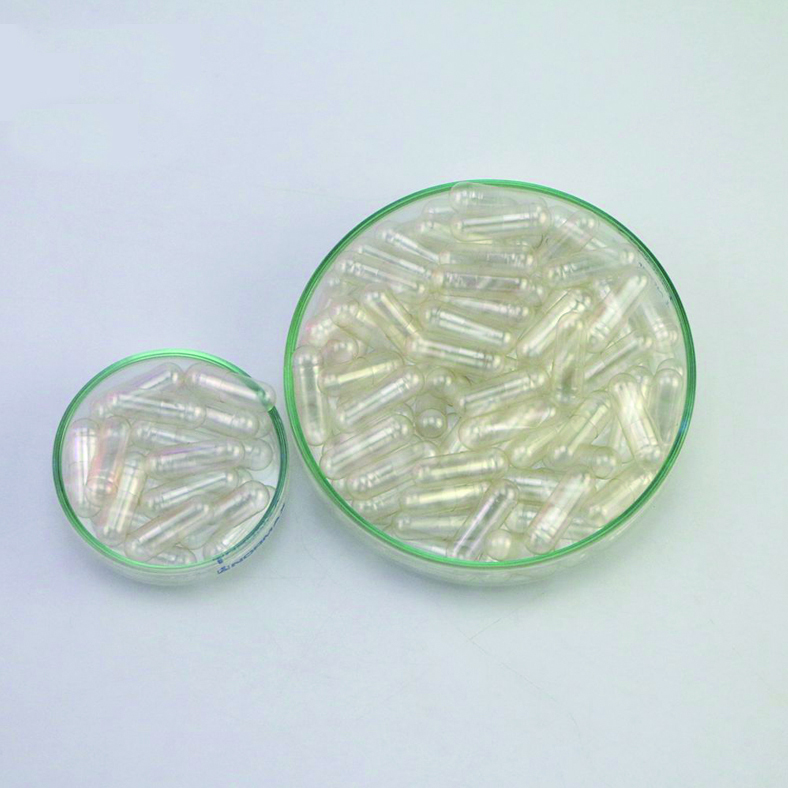
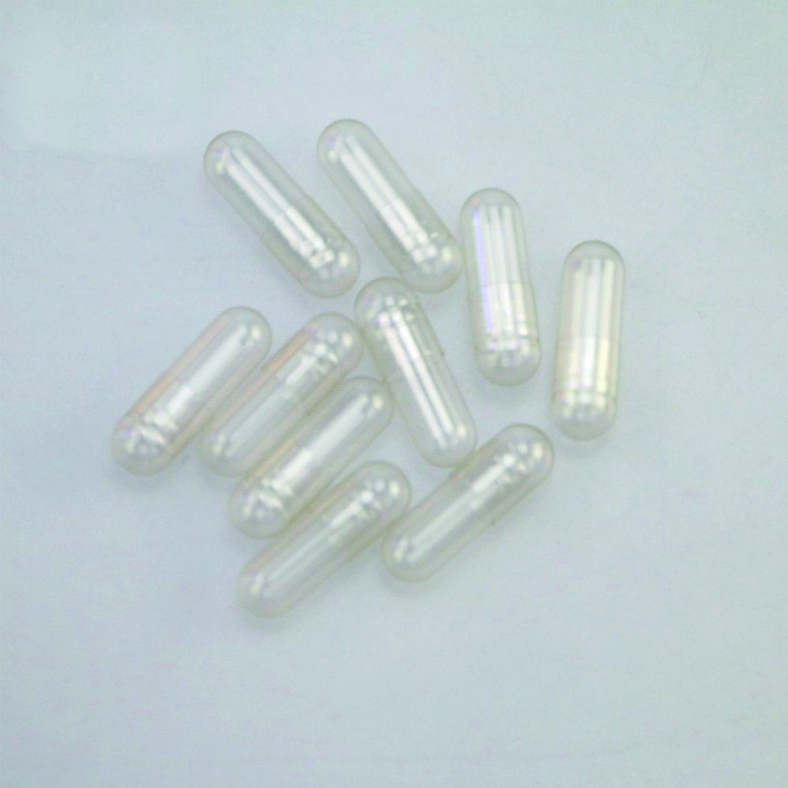
Vegetable capsules 0 are the smallest standard size of plant-based empty capsules, designed primarily for potent ingredients requiring minimal fill volume. Made from hydroxypropyl methylcellulose (HPMC) or pullulan, these capsules offer a vegan-friendly, moisture-resistant alternative to gelatin. They are the industry-preferred choice for clinical trials, pediatric dosing, and high-value supplements where precise, small-dose delivery is critical without compromising dietary restrictions.
What Are Vegetable Capsules 0?
The term vegetable capsules 0 refers specifically to size “0” empty capsules manufactured using non-animal derived materials. Unlike traditional gelatin capsules sourced from bovine or porcine collagen, vegetable capsules utilize polymers like HPMC or pullulan. Size 0 is a standardized dimension in the pharmaceutical and nutraceutical industries, holding approximately 500mg to 750mg of powder, depending on the density of the fill material.
These capsules have become a mainstream solution for brands targeting health-conscious consumers. The “vegetable” designation ensures compliance with vegan, vegetarian, halal, and kosher certifications. As regulatory standards tighten globally, the shift toward plant-based delivery systems has accelerated, making size 0 vegetable capsules a default option for many new product formulations.
The structural integrity of these capsules is maintained through advanced gelling agents that mimic the melting properties of gelatin without the animal origin. This makes them stable across a wider range of humidity conditions, reducing the risk of brittleness or deformation during storage and transport.
Key Material Differences: HPMC vs. Pullulan
While both materials serve the same function, understanding the distinction is vital for formulation experts. HPMC is derived from cellulose, typically sourced from pine or poplar trees. It is known for its robustness and low moisture content, usually between 4% to 6%. This low moisture level protects hygroscopic ingredients from degradation.
Pullulan, conversely, is a polysaccharide produced by fermenting starch with yeast. It offers superior oxygen barrier properties, which can extend the shelf life of oxidation-sensitive compounds. Both materials are fully compatible with size 0 specifications, providing the same external dimensions while offering slightly different internal micro-environments for the active ingredient.
Why Choose Size 0 for Your Formulation?
Selecting the correct capsule size is a balance between dose capacity and patient compliance. Vegetable capsules 0 occupy a unique “sweet spot” in the sizing chart. They are large enough to accommodate a therapeutic dose of most powdered extracts yet small enough to be swallowed comfortably by the average adult. This size is often the default for clinical studies where maximizing compliance is essential.
For ingredients with high potency, such as certain nootropics, hormones, or concentrated herbal extracts, a smaller capsule might seem appropriate. However, size 0 provides sufficient room for necessary excipients like flow agents or disintegrants, ensuring the capsule dissolves correctly in the gastrointestinal tract. Using a size that is too small can compromise the formulation’s stability or release profile.
Furthermore, the visual presence of a size 0 capsule conveys a sense of substantiality to the consumer without being intimidating. In the competitive supplement market, the physical appearance of the product influences perceived value. A well-filled size 0 vegetable capsule suggests a professional, high-quality formulation.
Comparison of Standard Capsule Sizes
To understand where size 0 fits, it is helpful to view it within the context of the broader sizing spectrum. The following table outlines the approximate volume and typical use cases for common capsule sizes, highlighting why size 0 remains a popular choice.
| Capsule Size | Approximate Volume (ml) | Typical Fill Weight (mg)* | Primary Application |
|---|---|---|---|
| Size 000 | 1.37 | 900 – 1000+ | Bulk powders, sports nutrition |
| Size 00 | 0.95 | 700 – 800 | Standard multivitamins, general supplements |
| Size 0 | 0.68 | 500 – 600 | Potent extracts, clinical trials, pediatrics |
| Size 1 | 0.50 | 400 – 500 | Specialized botanicals, smaller doses |
| Size 2 | 0.37 | 300 – 400 | High-potency actives, children’s formulas |
*Fill weights vary significantly based on the bulk density of the specific ingredient blend.
Technical Advantages of Vegetable-Based Shells
The transition from gelatin to vegetable-based shells is driven by more than just dietary preferences. From a technical manufacturing perspective, vegetable capsules 0 offer distinct advantages that enhance product quality and supply chain resilience. These benefits are particularly relevant for brands operating in diverse climatic zones or targeting specific demographic groups.
Moisture Management and Stability
One of the most critical factors in capsule performance is moisture content. Gelatin capsules typically contain 13% to 16% water. This high moisture level can interact negatively with hygroscopic ingredients, causing clumping, degradation, or even chemical reactions within the capsule. Vegetable capsules, particularly those made from HPMC, maintain a low moisture content of 4% to 6%.
This inherent dryness creates a protective barrier for sensitive ingredients. It allows formulators to include compounds that would otherwise be unstable in a gelatin environment. For example, certain probiotics or enzyme blends retain higher viability rates when encapsulated in low-moisture vegetable shells. This stability reduces the need for excessive overages, optimizing production costs.
Cross-Linking Resistance
Gelatin capsules are susceptible to a phenomenon known as cross-linking, where protein chains bond together upon exposure to aldehydes or certain reactive ingredients. This can prevent the capsule from dissolving in the stomach, leading to poor bioavailability. Vegetable capsules are immune to cross-linking due to their non-protein structure.
This resistance ensures consistent dissolution profiles regardless of the formulation’s complexity. Whether the fill contains reactive herbal tannins, aldehyde-rich flavors, or specific preservatives, the vegetable shell will dissolve predictably. This reliability is crucial for meeting pharmacopeial standards and ensuring that the consumer receives the intended dose.
Dietary and Cultural Inclusivity
In today’s global market, inclusivity is a key driver of sales. Vegetable capsules 0 automatically qualify for vegan and vegetarian certifications, expanding the potential customer base. Moreover, they are inherently free from BSE (Bovine Spongiform Encephalopathy) risks associated with animal-derived gelatin.
They also meet the requirements for Halal and Kosher certifications without the need for complex supply chain auditing regarding animal slaughter methods. This simplifies the regulatory process for brands exporting to the Middle East, Southeast Asia, or Israel. By choosing vegetable capsules, brands eliminate a significant barrier to entry for these lucrative markets.
Manufacturing and Filling Processes
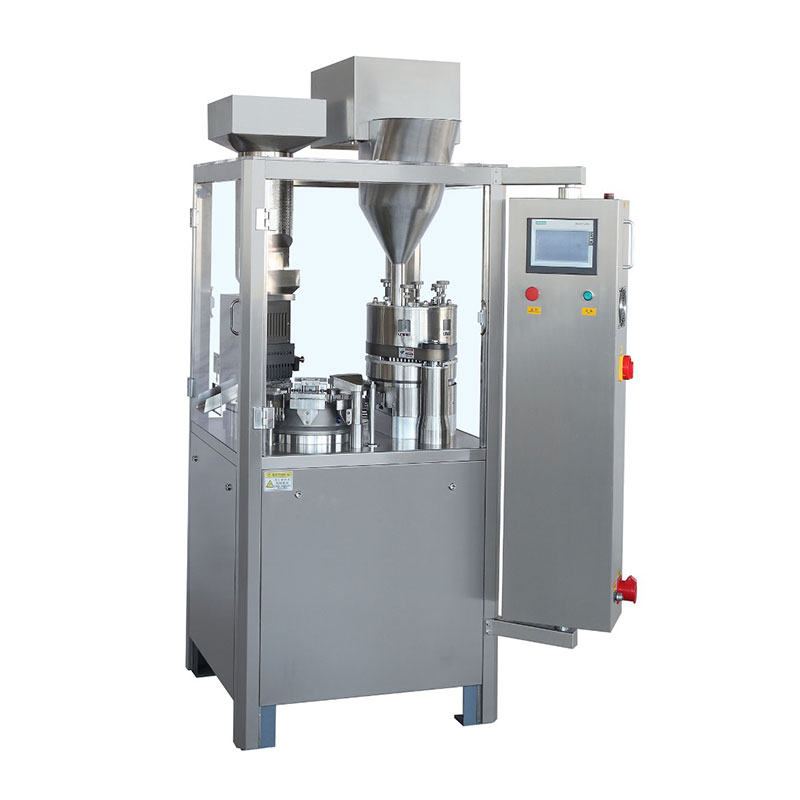
Integrating vegetable capsules 0 into a production line requires an understanding of their specific handling characteristics. While modern automatic filling machines are highly versatile, slight adjustments may be necessary to optimize throughput and minimize waste when switching from gelatin to vegetable shells.
Machine Compatibility and Settings
Most contemporary capsule filling machines are designed to handle both gelatin and HPMC/pullulan capsules. However, vegetable capsules can be slightly more brittle if not stored correctly. It is essential to maintain the recommended relative humidity (RH) in the filling room, typically between 35% and 55%.
Operators should verify the locking mechanism settings. Vegetable capsules often feature a double-locking system (e.g., three indentations on the cap and two on the body) that provides a secure seal once engaged. Ensuring the machine’s closing pressure is calibrated correctly prevents cap separation during subsequent packaging steps like bottling or blistering.
Step-by-Step Filling Guide
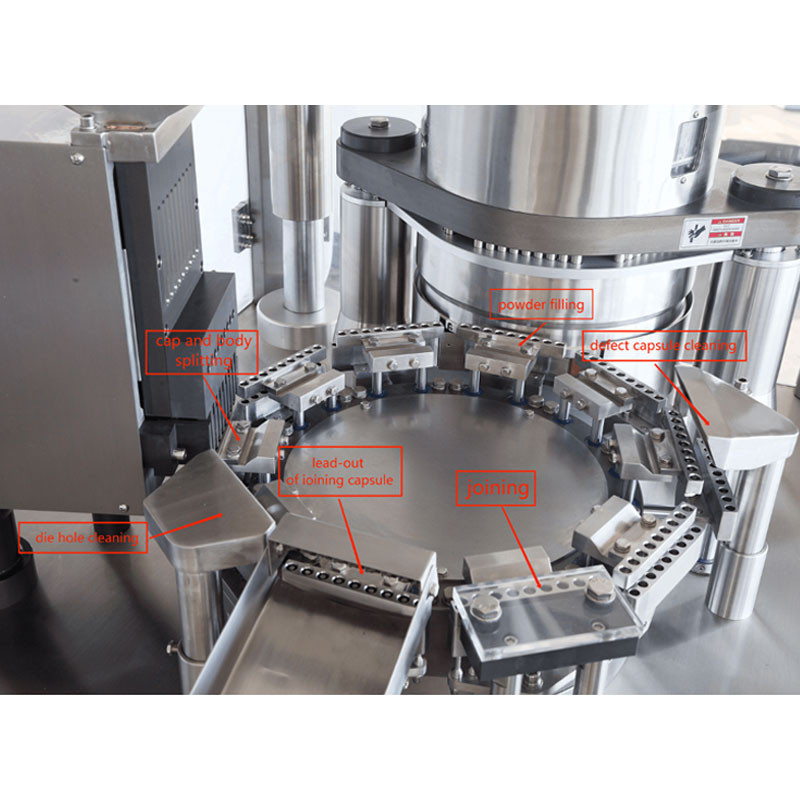
To achieve optimal results when filling size 0 vegetable capsules, follow this operational workflow:
- Conditioning: Allow the empty capsules to acclimate to the filling room environment for at least 24 hours before use. This stabilizes their moisture content and reduces static electricity.
- Machine Calibration: Adjust the dosing disc or tamping pins based on the bulk density of your powder. Vegetable capsules do not compress the same way gelatin does, so fine-tuning the fill weight is critical.
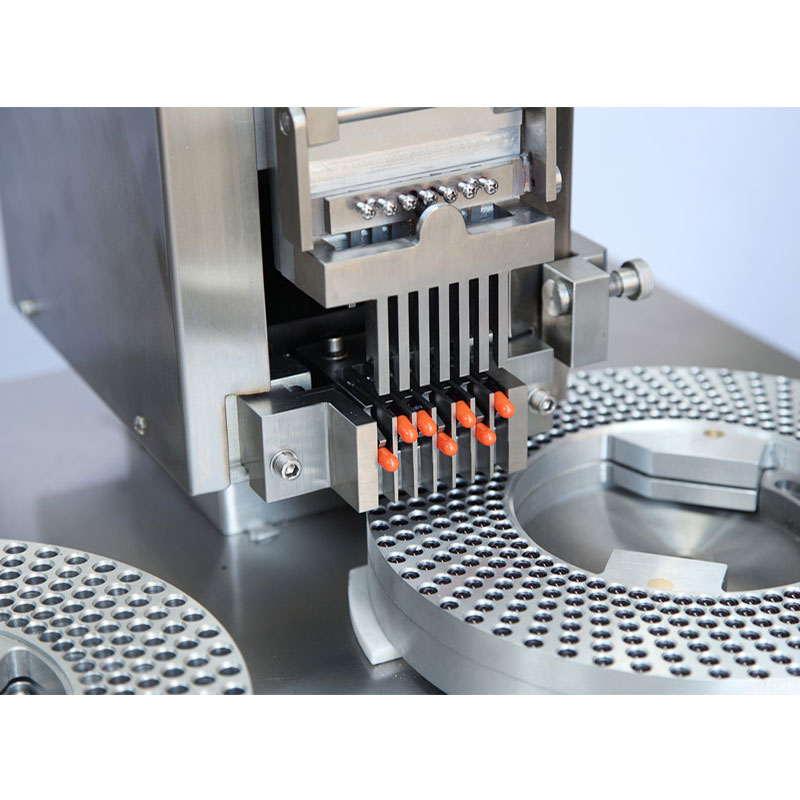
- Separation: Ensure the machine properly separates the cap from the body. Vegetable shells may require slightly different vacuum settings to ensure clean separation without damaging the rim.
- Filling: Monitor the fill weight continuously. Due to the precision of size 0, even minor fluctuations in powder flow can lead to significant variance in the final dose.
- Closing: Engage the locking mechanism firmly. Listen for the audible “click” or verify visually that the cap is fully seated to ensure a hermetic seal.
- Polishing: Run the filled capsules through a polisher to remove any external powder residue, enhancing the visual appeal and preventing cross-contamination.
Applications and Use Cases
The versatility of vegetable capsules 0 makes them suitable for a wide array of applications across the health and wellness sector. Their specific size and material properties align perfectly with several high-growth categories.
Clinical Trials and Research
In clinical research, consistency and neutrality are paramount. Size 0 vegetable capsules are frequently used as placebos or active delivery vehicles in double-blind studies. Their lack of taste and odor ensures that participants cannot distinguish between the control and the test group based on sensory cues. Additionally, their stability under various storage conditions supports the rigorous data collection requirements of clinical trials.
Pediatric and Geriatric Formulations
Swallowing difficulties, or dysphagia, are common concerns for children and the elderly. While size 0 is not the smallest available, it is often the largest size these demographics can manage comfortably when a liquid alternative is not feasible. The smooth surface of vegetable capsules facilitates easier swallowing compared to some textured gelatin variants. For pediatric use, these capsules can also be opened and sprinkled onto food, thanks to the tasteless nature of HPMC.
High-Potency Nutraceuticals
As the industry moves toward more concentrated extracts, the need for smaller delivery volumes increases. Ingredients like astaxanthin, CoQ10, or specialized peptide blends often require only a few hundred milligrams per dose. Size 0 provides the ideal vessel for these potent compounds, avoiding the “rattle” of a partially filled larger capsule while maintaining a professional appearance.
Pros and Cons Analysis
To provide a balanced view for decision-makers, here is an analysis of the strengths and limitations associated with vegetable capsules 0. Understanding these factors helps in selecting the right packaging strategy for your specific product.
Advantages
- Dietary Compliance: Naturally suits vegan, vegetarian, Halal, and Kosher diets without additional processing.
- Low Moisture: Protects hygroscopic and moisture-sensitive ingredients from degradation.
- No Cross-Linking: Guarantees dissolution even with reactive ingredients like aldehydes.
- Stability: Performs well in high-humidity environments, reducing the risk of melting or sticking.
- Clean Label: Aligns with the consumer demand for plant-based and non-GMO ingredients.
Considerations
- Cost: Historically, vegetable capsules have been slightly more expensive than gelatin, though the gap has narrowed in recent years.
- Brittleness: If stored in extremely low humidity conditions, they can become brittle, requiring careful environmental control.
- Sourcing: High-quality HPMC relies on sustainable forestry practices, necessitating verified supply chains.
Storage and Shelf Life Best Practices
Maintaining the quality of vegetable capsules 0 post-manufacturing is essential for preserving product efficacy. While they are more robust than gelatin in humid conditions, they still require specific storage protocols to ensure long-term stability.
Ideal Environmental Conditions
The recommended storage temperature for vegetable capsules is between 15°C and 25°C (59°F – 77°F). Relative humidity should be maintained between 35% and 55%. Storing them in environments with humidity exceeding 65% for prolonged periods can lead to softening, although they are less prone to this than gelatin. Conversely, humidity below 25% can cause the shells to lose too much moisture, potentially leading to cracking during handling.
Packaging Recommendations
For bulk storage, keep the capsules in their original double-lined polyethylene bags within cardboard drums. Once opened, use them promptly or reseal tightly with desiccants if necessary. For finished products, amber glass bottles or high-density polyethylene (HDPE) containers with induction seals provide excellent protection against light and moisture ingress. Including a silica gel desiccant packet in the final consumer bottle is a best practice to extend shelf life.
Partnering for Quality: Suqian Kelaiya Corp.
Selecting the right supplier is as critical as choosing the correct capsule size and material. For companies seeking a reliable partner in new drug development, manufacturing, and sales, Suqian Kelaiya Corp. stands out as a premier choice. With over a decade of experience in international pharmaceutical trading, Suqian Kelaiya has established itself as a trusted name among domestic and overseas pharmaceutical and chemical companies.
Operating two state-of-the-art manufacturing sites in Zhejiang and Jiangsu provinces, Suqian Kelaiya specializes in the production of high-quality empty capsules—including the versatile vegetable capsules 0 discussed throughout this article—as well as advanced capsule filling and blister packaging machines. Their commitment to favorable credit, excellent service, and strict professionalism ensures that clients receive products that meet the highest global standards.
Whether you are launching a new supplement line, conducting clinical trials, or expanding into international markets, Suqian Kelaiya Corp. offers the expertise and infrastructure to support your growth. Their focus on mutual development and long-term partnership aligns perfectly with the industry’s shift toward sustainable, plant-based solutions. By working with Suqian Kelaiya, brands can confidently navigate the complexities of pharmaceutical packaging, knowing they have a partner dedicated to serving human health and building a better future.
Frequently Asked Questions (FAQ)
Addressing common queries helps clarify doubts for both formulators and end consumers. These answers reflect current industry standards regarding vegetable capsules 0.
Are vegetable capsules 0 completely tasteless?
Yes, high-quality vegetable capsules made from HPMC or pullulan are virtually tasteless and odorless. This makes them ideal for enclosing ingredients with unpleasant flavors, ensuring a neutral experience for the user upon ingestion.
Can I open vegetable capsules 0 and mix the contents with food?
Absolutely. One of the benefits of vegetable capsules is that they can be easily opened without the sticky residue often associated with gelatin. The powder can be sprinkled onto applesauce, yogurt, or mixed into a beverage, making them suitable for individuals who have difficulty swallowing whole capsules.
How long do vegetable capsules last?
When stored under proper conditions (controlled temperature and humidity), empty vegetable capsules typically have a shelf life of up to 3 years. Finished products containing stable ingredients can often exceed this timeframe, but specific expiration dates should be determined through stability testing of the final formulation.
Is there a difference in dissolution time compared to gelatin?
Vegetable capsules generally dissolve slightly slower than gelatin in cold water but perform comparably or better in the warm, acidic environment of the human stomach. Modern manufacturing techniques have optimized HPMC and pullulan shells to meet strict pharmacopeial dissolution standards, ensuring rapid release of the active ingredient.
Are vegetable capsules 0 non-GMO?
Most premium vegetable capsules are certified non-GMO. The cellulose used for HPMC is typically derived from sustainably managed forests, and pullulan is produced from non-GMO starch sources. Brands should verify the specific certification of their supplier to make non-GMO claims on their labeling.
Future Trends in Plant-Based Encapsulation
The landscape of capsule technology is evolving rapidly. As consumer awareness regarding sustainability and health grows, the demand for vegetable capsules 0 and other plant-based formats is projected to increase. Innovations are focusing on improving the barrier properties of these shells to further extend the shelf life of sensitive biologics and probiotics.
Research is also underway to develop capsules from alternative biomass sources, reducing the reliance on wood pulp entirely. These next-generation materials aim to offer even lower carbon footprints while maintaining the high performance expected by the pharmaceutical industry. For now, HPMC and pullulan remain the gold standards, offering a proven track record of safety and efficacy.
Conclusion and Selection Guide
Vegetable capsules 0 represent a sophisticated intersection of dietary inclusivity, technical stability, and patient compliance. Their ability to protect sensitive ingredients while catering to vegan and religious dietary laws makes them a superior choice for modern supplement formulations. The size 0 dimension offers a pragmatic balance, accommodating effective doses without compromising swallowability.
This format is ideally suited for brands developing high-potency extracts, conducting clinical research, or targeting global markets with diverse cultural requirements. By choosing vegetable capsules, companies demonstrate a commitment to quality, transparency, and consumer health.
When selecting a supplier, prioritize partners who offer consistent wall thickness, reliable locking mechanisms, and comprehensive documentation for regulatory compliance—qualities exemplified by industry leaders like Suqian Kelaiya Corp. Evaluate your specific ingredient profile—particularly its moisture sensitivity—and leverage the low-moisture advantage of HPMC or the oxygen barrier of pullulan. Taking these steps ensures that your final product delivers maximum efficacy and earns the trust of your customers.