- English
- Chinese
- French
- German
- Portuguese
- Spanish
- Russian
- Japanese
- Korean
- Arabic
- Irish
- Greek
- Turkish
- Italian
- Danish
- Romanian
- Indonesian
- Czech
- Afrikaans
- Swedish
- Polish
- Basque
- Catalan
- Esperanto
- Hindi
- Lao
- Albanian
- Amharic
- Armenian
- Azerbaijani
- Belarusian
- Bengali
- Bosnian
- Bulgarian
- Cebuano
- Chichewa
- Corsican
- Croatian
- Dutch
- Estonian
- Filipino
- Finnish
- Frisian
- Galician
- Georgian
- Gujarati
- Hausa
- Hawaiian
- Hebrew
- Hmong
- Hungarian
- Icelandic
- Igbo
- Javanese
- Kannada
- Kazakh
- Khmer
- Kurdish
- Kyrgyz
- Latin
- Latvian
- Lithuanian
- Luxembou..
- Macedonian
- Malagasy
- Malay
- Malayalam
- Maltese
- Maori
- Marathi
- Mongolian
- Burmese
- Nepali
- Norwegian
- Pashto
- Persian
- Punjabi
- Serbian
- Sesotho
- Sinhala
- Slovak
- Slovenian
- Somali
- Samoan
- Scots Gaelic
- Shona
- Sindhi
- Sundanese
- Swahili
- Tajik
- Tamil
- Telugu
- Thai
- Ukrainian
- Urdu
- Uzbek
- Vietnamese
- Welsh
- Xhosa
- Yiddish
- Yoruba
- Zulu
- Kinyarwanda
- Tatar
- Oriya
- Turkmen
- Uyghur



Vegetable Capsule Guide 2026: Types, Benefits & Expert Insights
2026-05-16
- What Is a Vegetable Capsule and How Is It Made?
- Types of Vegetable Capsules: A Comprehensive Comparison
- Key Benefits of Using Vegetable Capsules
- Vegetable Capsule vs. Gelatin: An Expert Analysis
- Applications Across Industries
- Manufacturing Insights and Quality Control
- Sustainability and Environmental Impact
- Frequently Asked Questions (FAQ)
- Conclusion and Strategic Recommendations
A vegetable capsule is a plant-based shell used to encase supplements, offering a superior alternative to traditional gelatin for those seeking vegan, allergen-free, and stable delivery systems. Made primarily from hydroxypropyl methylcellulose (HPMC) or pullulan, these capsules provide excellent moisture resistance and compatibility with various fill materials. This guide explores the types, manufacturing insights, and strategic benefits of vegetable capsules for the 2026 market, helping manufacturers and consumers make informed decisions based on current industry standards.
What Is a Vegetable Capsule and How Is It Made?
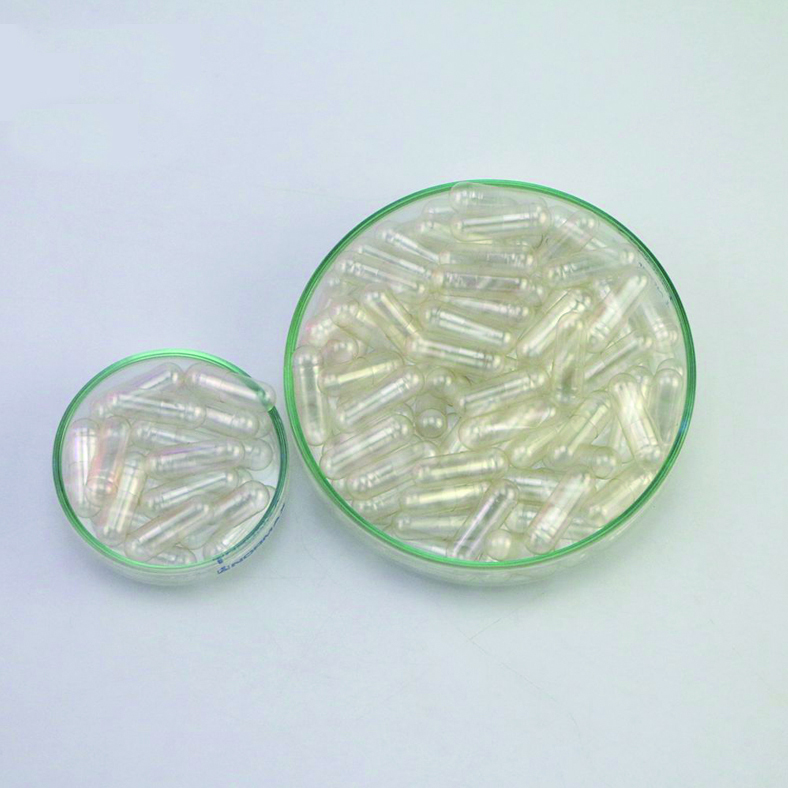
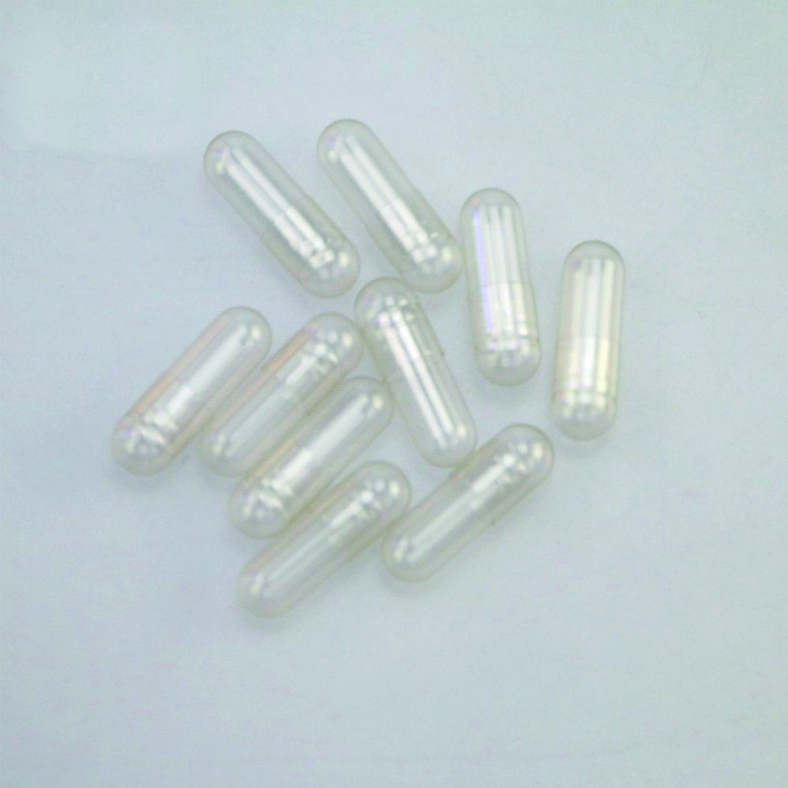
The term vegetable capsule refers to an empty capsule shell derived entirely from non-animal sources. Unlike traditional hard gelatin capsules, which are made from boiled animal collagen, vegetable capsules utilize polymers extracted from plants or produced via fermentation. The two dominant materials in the industry are HPMC, derived from cellulose, and pullulan, a polysaccharide produced by fungal fermentation.
The manufacturing process involves dissolving the polymer in water to create a viscous solution. This solution is then dipped onto precision pins to form the cap and body halves. After dipping, the shells undergo a controlled drying process to achieve the optimal moisture content. This method ensures that the final product maintains structural integrity while remaining easy to swallow. The absence of animal by-products makes this format universally acceptable across religious and dietary restrictions.
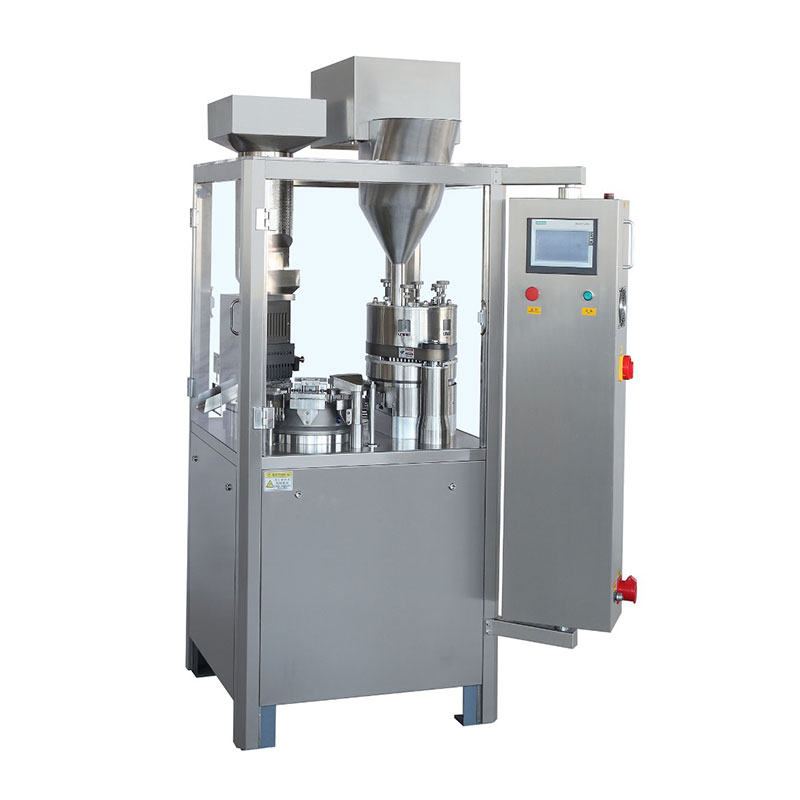
Industry experts recognize these capsules as the mainstream solution for modern nutraceuticals. Their production adheres to strict Good Manufacturing Practices (GMP), ensuring purity and consistency. The shift toward plant-based delivery systems reflects a broader consumer demand for transparency and ethical sourcing in the supplement supply chain. Achieving this level of precision requires not only advanced chemical engineering but also dedicated manufacturing infrastructure. For instance, leading industry players like Suqian Kelaiya Corp. have established specialized manufacturing sites in Zhejiang and Jiangsu provinces specifically for producing high-quality empty capsules and the associated capsule filling and blister packaging machinery. With over a decade of experience in international pharmaceutical trading, such companies exemplify the integration of reliable manufacturing and global service that defines the modern supply chain.
The Science Behind HPMC and Pullulan
Hydroxypropyl methylcellulose (HPMC) is a semi-synthetic polymer created by treating cellulose with propylene oxide and methyl chloride. Cellulose itself is the most abundant organic polymer on Earth, found in the cell walls of green plants. The chemical modification enhances its solubility in cold water and improves its film-forming properties. This makes HPMC ideal for creating robust capsule shells that do not brittle easily.
Pullulan, on the other hand, is a natural polysaccharide produced by the yeast-like fungus Aureobasidium pullulans. It consists of maltotriose units linked together. Pullulan capsules are known for their exceptional oxygen barrier properties, which protect sensitive ingredients from oxidation. Both materials are non-GMO, gluten-free, and free from common allergens, aligning with global clean-label trends.
Understanding the chemical structure of these materials helps explain their performance. HPMC forms a gel layer upon contact with gastric fluids, facilitating controlled release in some formulations. Pullulan dissolves rapidly, making it suitable for ingredients that require quick absorption. Selecting the right polymer depends on the specific stability and release profile required by the active ingredient.
Types of Vegetable Capsules: A Comprehensive Comparison
Not all plant-based shells are identical. The market currently offers distinct types of vegetable capsule solutions, each tailored to specific formulation needs. Choosing the correct type is critical for product stability, shelf life, and consumer acceptance. The primary distinction lies between standard HPMC capsules, low-moisture HPMC variants, and pullulan capsules.
Standard HPMC capsules typically contain higher moisture levels, ranging from 14% to 16%. This makes them suitable for dry powder fills but potentially problematic for hygroscopic ingredients that might interact with the shell’s water content. In contrast, low-moisture HPMC capsules are engineered to have moisture content below 8%. This reduction minimizes the risk of cross-linking reactions and protects moisture-sensitive actives.
Pullulan capsules represent the premium segment of the market. They naturally possess very low moisture content and offer superior barrier properties against oxygen. This makes them the preferred choice for probiotics, essential oils, and other highly sensitive compounds. While often more expensive than HPMC options, the enhanced protection they provide can reduce the need for additional stabilizers in the formulation.
| Feature | Standard HPMC | Low-Moisture HPMC | Pullulan |
|---|---|---|---|
| Primary Material | Cellulose derivative | Modified cellulose | Fungal polysaccharide |
| Moisture Content | 14% – 16% | < 8% | 4% – 7% |
| Oxygen Barrier | Moderate | Moderate | Excellent |
| Best For | General powders | Hygroscopic ingredients | Probiotics & Oils |
| Cost Profile | Economical | Moderate | Premium |
Selecting the Right Type for Your Formulation
The decision matrix for selecting a capsule type begins with the physical and chemical properties of the active ingredient. If the formulation contains herbal extracts that tend to absorb water, a low-moisture HPMC capsule is the industry-standard recommendation. This prevents the shell from becoming brittle or the fill from clumping over time.
For products containing live cultures like probiotics, oxygen exposure is the primary enemy. Pullulan capsules provide a hermetic seal against oxygen ingress, significantly extending the viability of the bacteria without requiring refrigeration in many cases. This functional advantage often justifies the higher unit cost for high-value supplements.
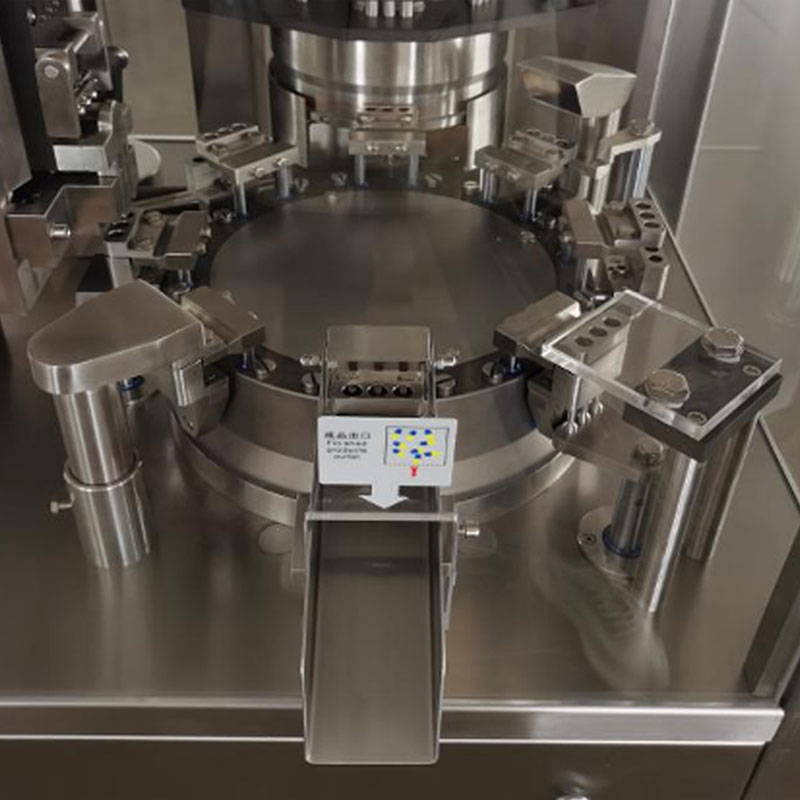
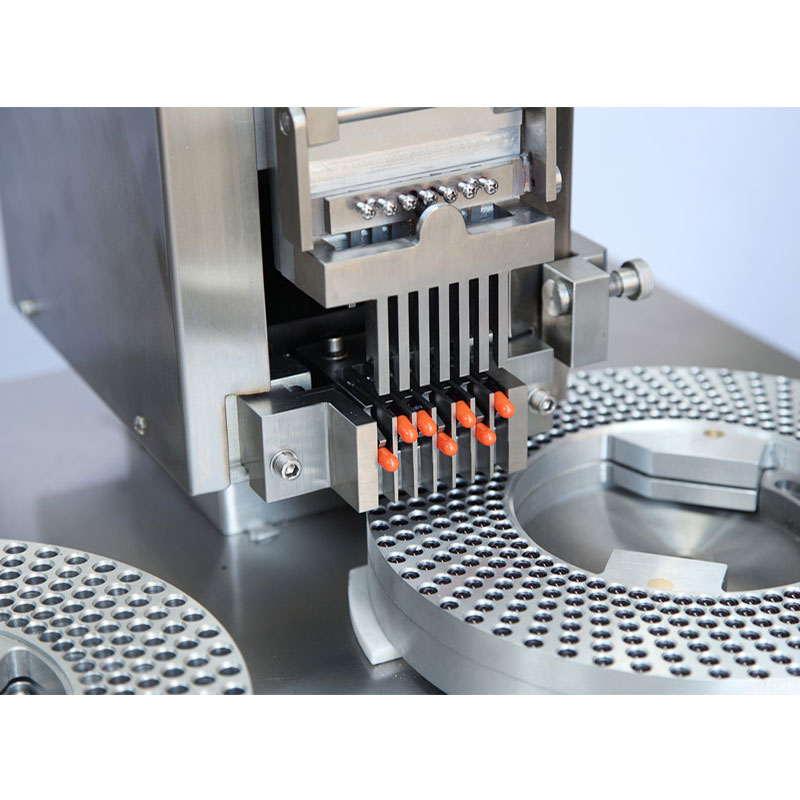
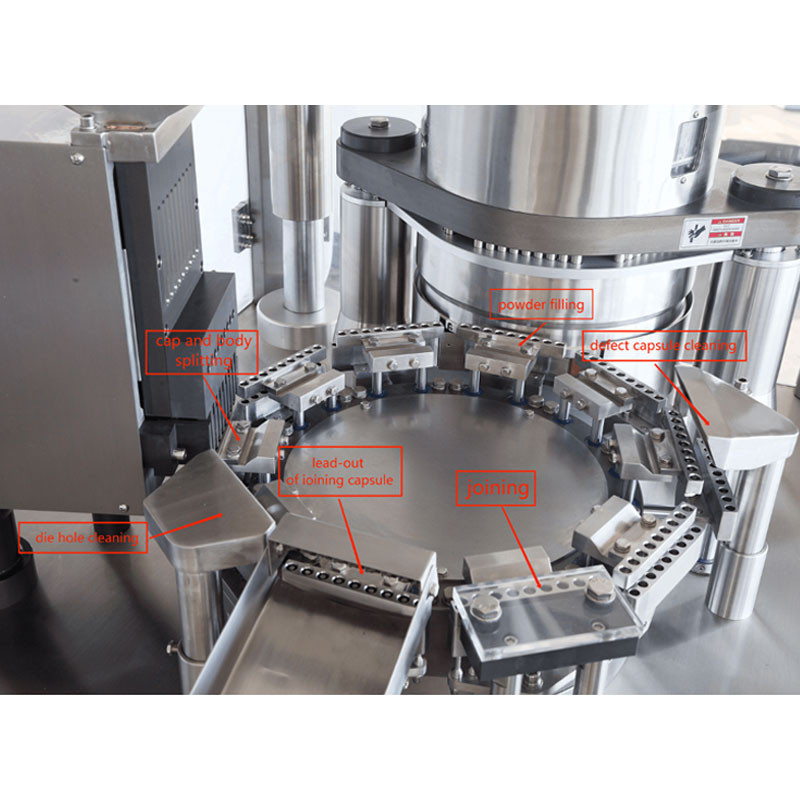
Manufacturers must also consider the filling equipment compatibility. Most modern automatic filling machines are designed to handle both HPMC and pullulan shells seamlessly. However, slight adjustments in locking mechanisms or humidity control within the filling room may be necessary when switching between standard and low-moisture variants to ensure proper closing and ejection. Partnering with suppliers who offer both high-quality shells and compatible filling machinery, such as the integrated solutions provided by experienced firms like Suqian Kelaiya Corp., can streamline this transition and ensure operational efficiency.
Key Benefits of Using Vegetable Capsules
The adoption of vegetable capsule technology has accelerated due to a confluence of regulatory, ethical, and performance advantages. These benefits extend beyond simple dietary preferences, offering tangible improvements in product quality and market reach. Brands leveraging these advantages often see higher consumer trust and reduced liability risks.
Dietary Inclusivity: The most obvious benefit is compliance with vegan and vegetarian lifestyles. As the global plant-based market expands, products enclosed in animal-derived gelatin face shrinking addressable markets. Vegetable capsules ensure that a supplement is accessible to billions of consumers who avoid animal products for ethical or health reasons.
Religious Compliance: Gelatin sources can sometimes be ambiguous regarding religious dietary laws, such as Halal or Kosher certification. Since vegetable capsules are derived from plants or fermentation, they inherently meet these strict requirements without complex supply chain auditing. This simplifies the certification process for brands targeting global demographics.
Stability and Shelf Life: One of the technical superpowers of vegetable capsules is their low reactivity. Gelatin shells can undergo “cross-linking” when exposed to certain aldehydes or high humidity, causing them to become insoluble and fail to dissolve in the stomach. HPMC and pullulan are chemically inert regarding cross-linking, ensuring consistent disintegration and bioavailability throughout the product’s shelf life.
- No Cross-Linking Risk: Maintains dissolution performance even with reactive herbal extracts.
- Low Moisture Options: Protects moisture-sensitive actives from degradation.
- Temperature Resilience: Performs consistently in varying climate conditions during shipping.
- Clean Label Appeal: Meets the demand for transparent, recognizable ingredients.
Performance in Challenging Environments
Supply chains in 2026 are increasingly global, meaning supplements may traverse tropical humid zones or arid deserts before reaching the consumer. Traditional gelatin capsules are highly sensitive to ambient humidity; they can become soft and sticky in high humidity or brittle and cracked in low humidity. Vegetable capsules demonstrate superior resilience to these fluctuations.
HPMC shells maintain their mechanical strength across a wider range of relative humidity levels. This reduces the rate of returns due to damaged packaging or compromised product integrity. For brands exporting to diverse climates, this reliability translates directly into cost savings and brand reputation protection.
Furthermore, the thermal stability of vegetable capsules allows for sterilization processes that might degrade gelatin. This opens up possibilities for specialized medical applications or sterile nutraceutical products where terminal sterilization is required. The versatility of the material supports innovation in product formats that were previously impossible with animal-based shells.
Vegetable Capsule vs. Gelatin: An Expert Analysis
While the market trend strongly favors plant-based solutions, understanding the nuanced differences between a vegetable capsule and traditional gelatin remains essential for formulation scientists. Each material has distinct physical characteristics that influence the manufacturing process and the final user experience. A balanced view helps in making data-driven decisions rather than following trends blindly.
Gelatin, derived from collagen, has been the gold standard for over a century due to its rapid dissolution and excellent sealing properties. It forms a tight lock between the cap and body, preventing leakage of fine powders. However, its origin limits its audience, and its susceptibility to moisture and cross-linking presents formulation challenges that vegetable polymers have effectively solved.
Vegetable capsules, particularly modern HPMC blends, have closed the gap in terms of locking mechanisms. Advanced manufacturing techniques now produce vegetable shells with precise dimple designs that rival the seal integrity of gelatin. While the dissolution profile might differ slightly—gelatin dissolves almost instantly in acidic environments, while HPMC forms a transient gel layer—the overall bioavailability of the active ingredient remains comparable in most clinical studies.
| Attribute | Gelatin Capsules | Vegetable Capsules (HPMC/Pullulan) |
|---|---|---|
| Source | Animal Collagen (Bovine/Porcine) | Plant Cellulose or Fermentation |
| Dissolution Speed | Very Fast | Fast (with gel layer formation) |
| Moisture Sensitivity | High | Low to Moderate |
| Cross-Linking Risk | Yes | No |
| Dietary Restrictions | Limited (No Vegan/Halal/Kosher inherent) | Universal (Vegan, Halal, Kosher) |
| Odor/Taste | Potential animal odor | Neutral |
Addressing the Dissolution Myth
A common misconception in the industry is that vegetable capsules dissolve slower than gelatin, leading to poor absorption. While it is true that HPMC hydrates to form a gel barrier before dissolving, this phenomenon rarely impacts the total amount of drug or nutrient absorbed (AUC). Regulatory bodies worldwide accept HPMC capsules as bioequivalent to gelatin for the vast majority of formulations.
In fact, the gel layer formed by HPMC can be advantageous for controlling the release rate of certain ingredients, preventing “dose dumping” where the entire content releases at once. For immediate-release requirements, manufacturers can adjust the grade of HPMC or add specific gelling agents to the shell formulation to accelerate disintegration to match gelatin speeds.
Consumer perception often outweighs the minor technical differences. In blind taste tests and swallowing trials, users frequently report no discernible difference between high-quality vegetable capsules and gelatin ones. The smooth surface finish of modern vegetable shells contributes to this ease of swallowing, dispelling myths about texture or aftertaste.
Applications Across Industries
The versatility of the vegetable capsule has led to its adoption far beyond basic vitamin supplements. Its unique properties solve specific problems in pharmaceuticals, functional foods, and even cosmetic ingestibles. As formulation science advances, new applications continue to emerge, driving demand for specialized capsule grades.
In the pharmaceutical sector, the focus is on stability and regulatory compliance. Drugs that are sensitive to moisture or prone to interacting with proteins find a safe haven in HPMC shells. The inability of vegetable capsules to cross-link ensures that critical medications remain effective until the moment of ingestion. This reliability is paramount for prescription drugs where dosage precision is non-negotiable.
The nutraceutical and wellness industry leverages vegetable capsules for their marketing appeal and compatibility with “clean label” trends. Products containing probiotics, enzymes, and herbal extracts benefit from the low moisture and oxygen barrier properties. Brands can confidently claim their products are 100% plant-based, appealing to the growing demographic of conscious consumers who read ingredient labels meticulously.
Emerging applications include pet supplements. As pet owners increasingly treat their animals as family members, they demand the same quality and ethical standards for pet food as for human food. Vegetable capsules eliminate the risk of using by-products from diseased animals and provide a hypoallergenic delivery system for sensitive pets. This niche is experiencing rapid growth as premiumization spreads through the pet care market.
Specialized Use Cases for Sensitive Ingredients
Essential oils and liquid fills present a unique challenge for encapsulation. Traditional gelatin requires complex tanning processes to hold liquids without leaking or merging. Vegetable capsules, especially those made from specific HPMC blends or pullulan, can be engineered to accommodate semi-solid and liquid fills more effectively. The polymer matrix provides a robust barrier against the solvent action of certain oils.
Enzymes are another category where vegetable capsules shine. Enzymes are proteins that can react with the protein-based structure of gelatin, potentially reducing potency over time. Encasing enzymes in a plant-based shell isolates them from the container, preserving their catalytic activity. This application is critical for digestive health supplements where enzyme viability determines efficacy.
Furthermore, the rise of personalized medicine and compounded pharmacy services relies heavily on vegetable capsules. Compounding pharmacists often deal with small batches of diverse ingredients. Having a universal capsule shell that does not react with acidic, basic, or hygroscopic compounds simplifies the compounding process and ensures patient safety across a wide spectrum of custom formulations.
Manufacturing Insights and Quality Control
Producing a high-quality vegetable capsule requires sophisticated engineering and rigorous quality control protocols. The journey from raw polymer to finished shell involves multiple critical control points. Understanding these steps highlights why not all vegetable capsules are created equal and underscores the importance of sourcing from reputable manufacturers.
The process begins with the preparation of the dipping solution. For HPMC, this involves dispersing the powder in hot water followed by cooling to achieve the desired viscosity. Temperature control is vital; even slight deviations can affect the thickness of the shell wall. Gelling agents are added to facilitate the setting of the shell on the dipping pins, mimicking the thermoreversible gelation of gelatin but through different chemical mechanisms.
Drying is perhaps the most energy-intensive and critical phase. The shells must be dried uniformly to prevent warping or uneven moisture distribution. Modern manufacturing lines use multi-zone drying tunnels with precise humidity and temperature gradients. This ensures that the cap and body shrink at predictable rates, allowing for a snug fit later during the filling process.
- Viscosity Monitoring: Ensures consistent wall thickness for uniform dosage.
- Moisture Profiling: Critical for preventing brittleness or stickiness.
- Dimensional Checks: Automated optical sorting verifies length and diameter tolerance.
- Locking Force Testing: Ensures the cap stays secure during shipping and handling.
Quality Standards and Certifications
In the global market, adherence to international standards is non-negotiable. Leading manufacturers operate under cGMP (current Good Manufacturing Practices) guidelines. Certifications such as USP (United States Pharmacopeia), EP (European Pharmacopoeia), and JP (Japanese Pharmacopoeia) validate that the capsules meet strict criteria for heavy metals, microbial limits, and dissolution performance.
Beyond pharmacopeial standards, third-party certifications play a crucial role in building trust. Kosher and Halal certifications verify the supply chain’s integrity, ensuring no cross-contamination with non-compliant substances. Non-GMO Project verification and organic certifications further enhance the product’s appeal to specific market segments. These credentials are not just badges; they represent a rigorous audit of the entire production ecosystem.
Traceability is another pillar of quality. Reputable suppliers provide full documentation tracing the raw cellulose or fermentation substrates back to their source. This transparency allows supplement brands to confidently answer consumer questions about origin and sustainability. In an era where supply chain disruptions are common, having a verified and resilient supply chain is a competitive advantage. Companies like Suqian Kelaiya Corp. have built their reputation on exactly this kind of reliability, fostering stable business relationships with pharmaceutical and chemical companies worldwide through favorable credit and excellent service. Their commitment to mutual development ensures that partners receive not just a product, but a long-term alliance focused on quality and professionalism.
Sustainability and Environmental Impact
The environmental footprint of packaging and delivery systems is a pressing concern for the 2026 marketplace. Vegetable capsule production generally offers a more sustainable profile compared to animal-derived alternatives. The shift toward plant-based materials aligns with corporate sustainability goals and consumer expectations for eco-friendly products.
The sourcing of cellulose for HPMC is increasingly moving toward sustainably managed forests. Certification bodies like FSC (Forest Stewardship Council) ensure that the wood pulp used in production comes from responsibly harvested sources. This mitigates the risk of deforestation and promotes biodiversity. Additionally, the agricultural practices for growing the feedstock for pullulan fermentation are generally less resource-intensive than livestock farming.
Water usage and waste generation are also key metrics. While the manufacturing process requires water, modern facilities employ closed-loop water recycling systems to minimize discharge. The biodegradability of HPMC and pullulan is another significant advantage. Unlike synthetic plastics, these natural polymers break down readily in the environment, reducing long-term ecological impact if improperly disposed of.
The Carbon Footprint Comparison
Life cycle assessments (LCAs) suggest that plant-based capsules often have a lower carbon footprint than gelatin capsules. Livestock farming is a major contributor to greenhouse gas emissions, methane production, and land use. By bypassing the animal agriculture supply chain, vegetable capsules avoid these upstream emissions entirely.
Energy efficiency in production is also improving. Newer manufacturing technologies allow for faster drying times and lower operating temperatures, reducing the overall energy consumption per million capsules produced. Brands that prioritize sustainability can leverage these facts in their marketing communications, resonating with environmentally conscious consumers who view their purchase as a vote for a greener future.
Packaging synergy is another consideration. Vegetable capsules are often paired with recyclable or compostable blister packs and bottles, creating a fully sustainable product ecosystem. This holistic approach to sustainability strengthens brand loyalty among demographics that prioritize environmental stewardship in their purchasing decisions.
Frequently Asked Questions (FAQ)
Are vegetable capsules safe for people with allergies?
Yes, vegetable capsule shells are generally hypoallergenic. They are free from common allergens such as gluten, dairy, soy, and nuts. Since they do not contain animal proteins, they eliminate the risk of reactions associated with bovine or porcine derivatives. However, individuals with specific sensitivities should always check the full ingredient list for any additives or colorants used in the specific brand.
Do vegetable capsules dissolve in the stomach?
Absolutely. Vegetable capsules are designed to dissolve rapidly in the gastrointestinal tract. HPMC capsules hydrate and form a gel layer before dissolving, while pullulan capsules dissolve quickly upon contact with fluids. Both types release their contents effectively, ensuring that the active ingredients are available for absorption. Clinical studies confirm their bioequivalence to gelatin capsules for most applications.
Can I open a vegetable capsule and mix it with food?
In most cases, yes. One of the practical benefits of vegetable capsules is that they can be opened easily without the shell shattering, which can happen with brittle gelatin capsules. The powder inside can be mixed with water, juice, or soft food. However, users should verify with the product manufacturer first, as some formulations are designed for delayed release or have an unpleasant taste that the shell masks.
How long is the shelf life of supplements in vegetable capsules?
The shelf life depends on the active ingredient, but the capsule shell itself is highly stable. Due to their resistance to moisture and cross-linking, vegetable capsules often help extend the shelf life of the final product compared to gelatin. Under proper storage conditions (cool and dry), supplements in vegetable capsules typically maintain their integrity for 2 to 3 years or longer.
Are vegetable capsules more expensive than gelatin?
Historically, vegetable capsules carried a price premium due to more complex manufacturing processes. However, as production scales up and technology improves, the cost gap has narrowed significantly. While they may still be slightly more expensive than basic gelatin, the value added in terms of market reach, stability, and brand image often outweighs the marginal cost difference for manufacturers.
Conclusion and Strategic Recommendations
The transition to vegetable capsule technology represents more than a fleeting trend; it is a fundamental shift in how supplements and pharmaceuticals are delivered. With their superior stability, universal dietary compliance, and robust performance in challenging environments, plant-based shells have established themselves as the industry standard for forward-thinking brands. The evidence clearly supports their efficacy, safety, and versatility across a wide range of applications.
For manufacturers and brand owners, the choice is clear. Utilizing vegetable capsules opens doors to global markets restricted by religious or dietary laws. It mitigates the risks associated with moisture sensitivity and cross-linking, ensuring that the product reaching the consumer is as potent as the day it was made. Furthermore, it aligns the brand with the values of sustainability and ethical sourcing that define the 2026 consumer landscape.
Who should make the switch? Any brand targeting the wellness, vegan, or premium supplement sectors should prioritize vegetable capsules. Companies dealing with moisture-sensitive ingredients like probiotics or hygroscopic herbal extracts will find immediate technical benefits. Even traditional brands looking to future-proof their portfolio and enhance their clean-label credentials will find compelling reasons to adopt this technology.
Next Steps: Evaluate your current formulation’s compatibility with HPMC or pullulan shells. Consult with your contract manufacturer to request samples of low-moisture vegetable capsules for stability testing. Consider the long-term ROI of accessing a broader customer base versus the minor adjustments in production costs. Embracing vegetable capsules is a strategic move that positions your products for success in a rapidly evolving global market. By partnering with experienced entities dedicated to serving human health and the pharmaceutical industry, such as Suqian Kelaiya Corp., businesses can ensure they are working with a reliable, long-term partner committed to a better future for all.