- English
- Chinese
- French
- German
- Portuguese
- Spanish
- Russian
- Japanese
- Korean
- Arabic
- Irish
- Greek
- Turkish
- Italian
- Danish
- Romanian
- Indonesian
- Czech
- Afrikaans
- Swedish
- Polish
- Basque
- Catalan
- Esperanto
- Hindi
- Lao
- Albanian
- Amharic
- Armenian
- Azerbaijani
- Belarusian
- Bengali
- Bosnian
- Bulgarian
- Cebuano
- Chichewa
- Corsican
- Croatian
- Dutch
- Estonian
- Filipino
- Finnish
- Frisian
- Galician
- Georgian
- Gujarati
- Hausa
- Hawaiian
- Hebrew
- Hmong
- Hungarian
- Icelandic
- Igbo
- Javanese
- Kannada
- Kazakh
- Khmer
- Kurdish
- Kyrgyz
- Latin
- Latvian
- Lithuanian
- Luxembou..
- Macedonian
- Malagasy
- Malay
- Malayalam
- Maltese
- Maori
- Marathi
- Mongolian
- Burmese
- Nepali
- Norwegian
- Pashto
- Persian
- Punjabi
- Serbian
- Sesotho
- Sinhala
- Slovak
- Slovenian
- Somali
- Samoan
- Scots Gaelic
- Shona
- Sindhi
- Sundanese
- Swahili
- Tajik
- Tamil
- Telugu
- Thai
- Ukrainian
- Urdu
- Uzbek
- Vietnamese
- Welsh
- Xhosa
- Yiddish
- Yoruba
- Zulu
- Kinyarwanda
- Tatar
- Oriya
- Turkmen
- Uyghur



Size 0 gelatin capsule environmental impact?
2026-02-28
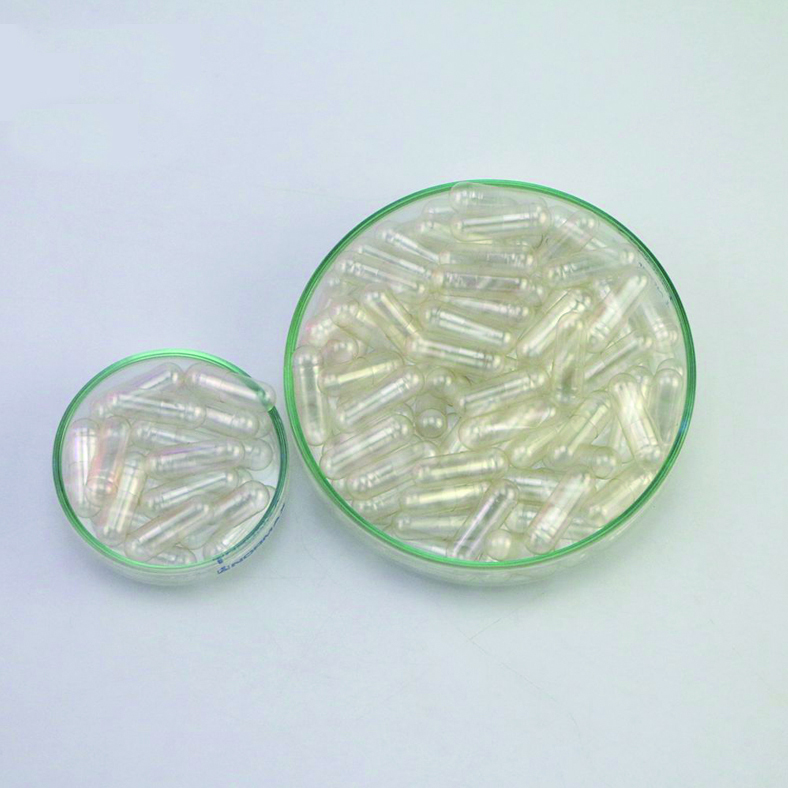
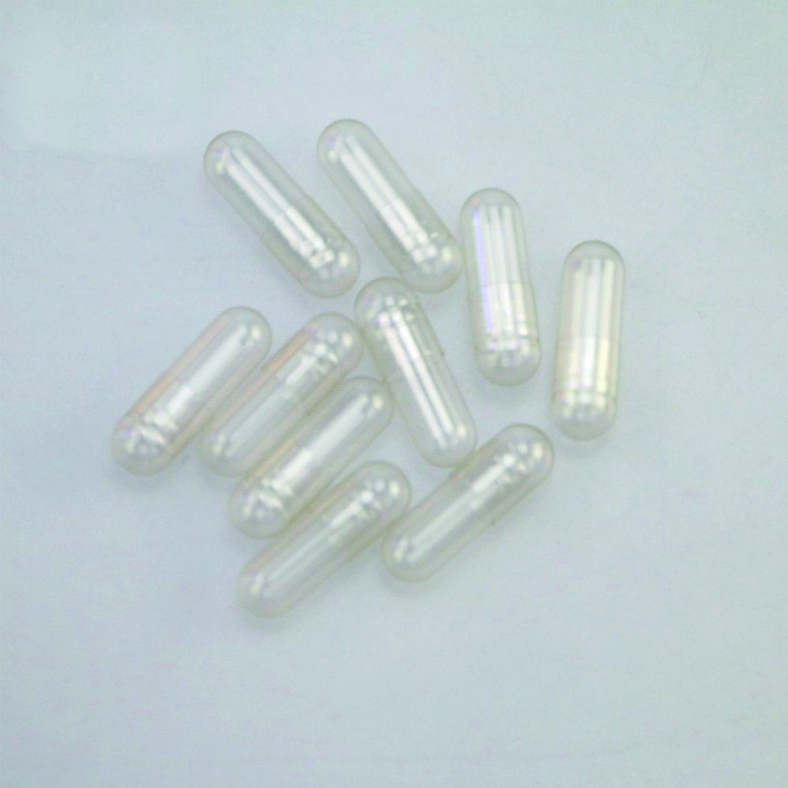
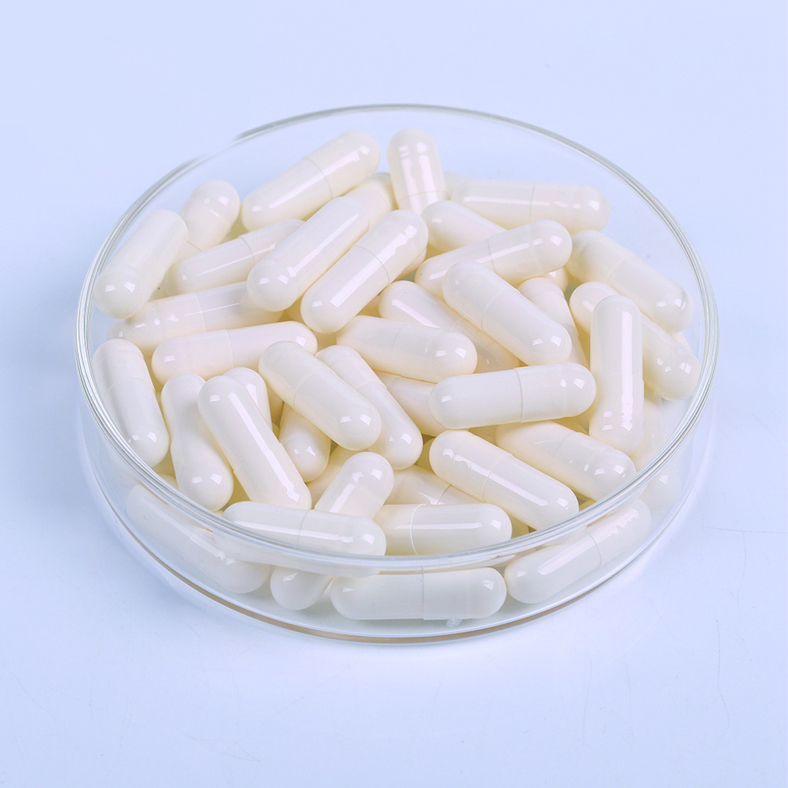
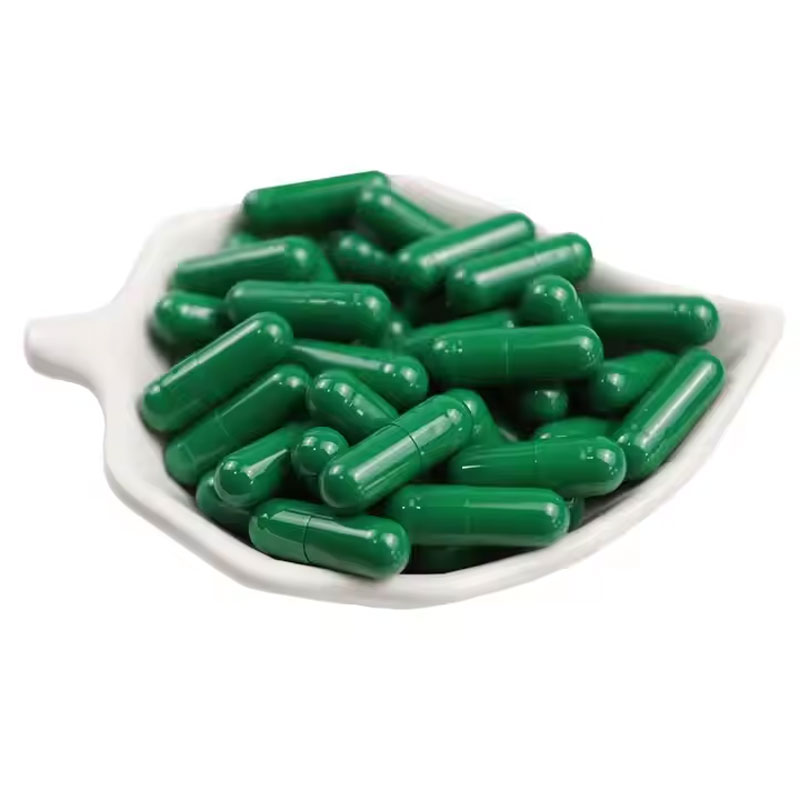
When you hear environmental impact of capsules, most people jump straight to plastic alternatives or plant-based shells. But that’s skipping over the real, gritty workhorse of the industry: the humble Size 0 gelatin capsule. The impact story here isn’t black and white; it’s buried in sourcing, water use, and what happens when a biodegradable claim meets a real-world landfill. Let’s talk about what actually happens on the line.
The Raw Material Sourcing Headache
Everyone knows gelatin comes from animal collagen. The environmental knock-on starts there. It’s not just about the animals, it’s about the supply chain’s opacity. We were sourcing bovine bone gelatin for a standard run of Size 0 capsules, and the sustainability certificate from the supplier looked perfect. But when we dug deeper, the water footprint for processing that raw material was staggering. One facility in Europe was pulling from an aquifer that local communities relied on. That’s the hidden cost. You’re not just buying gelatin; you’re buying into an entire water-intensive extraction and purification process that rarely gets audited for true environmental impact.
Then there’s the consistency problem. A switch in supplier, maybe due to cost or availability, can change the dissolution profile slightly. We had a batch from a new vendor that met all specs but dissolved 5% slower in our in-house tests. Not a failure, but enough to question if their processing—which affects the molecular structure—was using different, perhaps more polluting, bleaching or filtering agents. It’s these micro-decisions upstream that aggregate into a macro environmental footprint.
I remember a project where we tried to map the full lifecycle for a client. We traced back to the rendering plant. The energy used to reduce bones to ossein, then to treat it with lime… it’s an industrial process few in pharma want to think about. The impact isn’t at the capsule filling machine; it’s months before, in facilities that look more like heavy industry than healthcare. That’s the first reality check.

Manufacturing: Water, Energy, and the Clean Illusion
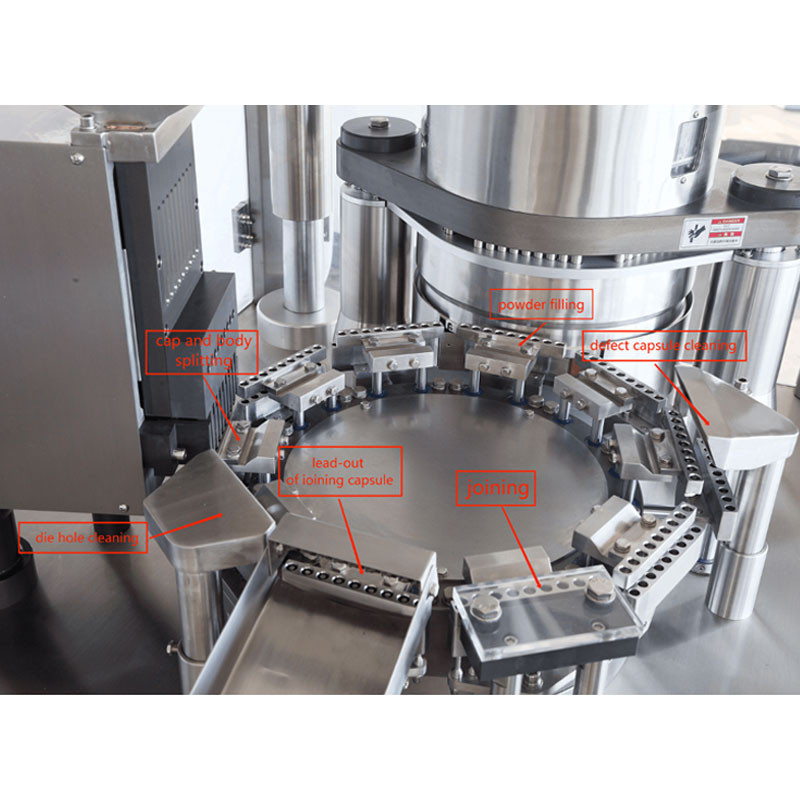
On the manufacturing floor, the impact shifts. Take a company like SUQIAN KELAIYA INTERNATIONAL TRADING CO., LTD. They operate manufacturing sites in Jiangsu and Zhejiang for empty capsules and machinery. Visiting a similar plant, the immediate thing you notice is the humidity and the water use. Dipping pins need constant temperature and humidity control. The gelatin slurry is heated and maintained in vats. The energy consumption for climate control in these large halls is immense, often from the regional grid, which in those provinces might still be coal-heavy.
The water isn’t just for the slurry. There’s a massive amount used for cleaning the stainless-steel equipment between runs to prevent cross-contamination. We once calculated the water-to-product ratio for a standard batch of Size 0 gelatin capsules, and it was uncomfortably high. Wastewater treatment is critical here. Gelatin-laden water is high in BOD (Biological Oxygen Demand). If a plant’s treatment system isn’t top-notch—and let’s be honest, cost-cutting happens—that effluent can strain local water systems. It’s biodegradable, yes, but in a controlled treatment plant, not a river.
And then there’s the drying. Conveyor belts moving through long, heated tunnels. That’s where the carbon footprint gets tangible. Some newer lines, like the ones you might see promoted on a site like https://www.kelaiyacorp.com, are investing in more efficient IR drying or better heat recovery. But retrofitting old lines is expensive. The environmental gain is often a secondary benefit to improving throughput and yield. The driver is economics, but the side effect can be a lower impact per million capsules.
The Biodegradability Promise vs. Landfill Reality
This is the biggest gap between marketing and reality. We label gelatin capsules as biodegradable and natural, and that makes everyone feel good. But throw a bottle of spent Size 0 capsules in your household trash. Where does it go? A modern, sealed landfill. Those are designed to prevent decomposition to avoid methane leaks and groundwater contamination. No light, no oxygen, minimal moisture. A gelatin capsule in that environment will mummify, not biodegrade, for decades.
We ran a small, unscientific test. Buried capsules in compost, in a sealed plastic bag with damp soil (simulating a bad landfill), and left some in open air. The compost ones were gone in weeks. The landfill ones? After a year, they were slightly discolored but structurally intact. That biodegradable tag needs an asterisk: under industrial composting conditions. How many consumers have access to that? Almost none. So the end-of-life benefit is largely theoretical.
This led to a failed internal initiative. We explored a take-back program for clinical trial waste, where used blister packs with leftover capsules could be returned for industrial composting. The logistics were a nightmare—regulations around drug waste transport, cost, participant compliance. It died in the pilot phase. The lesson was that even with a green product, the system around disposal isn’t ready. The environmental impact is effectively locked in at the point of manufacture.
Comparing to HPMC: A More Complex Trade-Off
Naturally, people ask about HPMC (vegetarian) capsules as the greener choice. It’s not that simple. HPMC comes from cellulose, often from processed wood pulp. The chemical modification process to make it gellable uses reagents and energy. Its manufacturing can be less water-intensive than gelatin, but sometimes more energy-intensive. For a Size 0 capsule, the HPMC version often requires more plasticizers and gelling agents to achieve a similar mechanical strength, which complicates its environmental profile.
I’ve worked with formulators who swear by HPMC for stability, but they’ll admit the supply chain for high-quality, pharmaceutical-grade cellulose isn’t inherently more sustainable. Deforestation concerns, chemical processing… it’s a different set of impacts, not necessarily a lesser one. The drying process for HPMC shells is also different, sometimes requiring dehumidification rather than heat, which shifts the energy burden but doesn’t eliminate it.
The real advantage of HPMC might be in social licensing and market perception, which drives change. But from a strict lifecycle assessment (LCA) standpoint, I’ve seen studies where the difference between gelatin and HPMC for a standard Size 0 capsule is within the margin of error, depending on the boundaries of the study. The takeaway? Swapping materials isn’t a silver bullet. The biggest gains are in optimizing the manufacturing process itself, regardless of the shell material.
Practical Steps and Unsexy Solutions
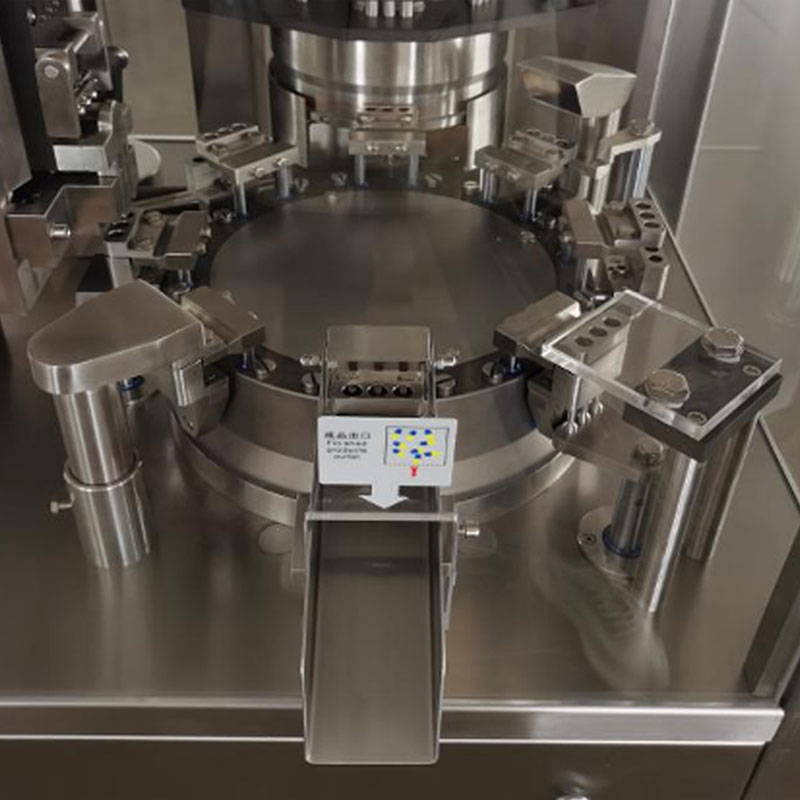
So where does that leave us? The biggest lever for reducing impact isn’t a magical new material. It’s efficiency. Reducing overfill. A tighter fill weight control means less active pharmaceutical ingredient (API) waste, which has a far higher embedded environmental cost than the capsule shell itself. Running filling lines like those from Suqian kelaiya corp at optimal speed to minimize rejects and energy waste per unit. This is the unsexy work of environmental improvement.
Another tangible step is supplier engagement. Instead of just buying gelatin on spec, asking the tough questions about their water stewardship and energy source. Some forward-thinking manufacturers are starting to do this. It pushes the impact reduction upstream. Consolidating orders to ensure full truckloads for delivery, reducing transportation emissions. These are operational details that add up.
Finally, honesty in communication. Instead of vague eco-friendly claims, maybe specifying shells derived from bovine bones sourced from EU-regulated facilities with wastewater treatment. It’s clunky, but it’s real. The environmental impact of a Size 0 gelatin capsule is a story of industrial processes, trade-offs, and system limitations. The path forward is in incremental, hard-won efficiencies in the places most people never see—the rendering plant, the dipping room, the wastewater outlet—not just in the marketing copy.